Did you know Darjeeling tea how to brew properly matters because it comes from only one region in the world — the district in India after which it takes its name? Often called the “Champagne of Teas” due to its taste’s similarity to Muscat wine, this exclusive tea is produced by fewer than 100 tea estates nestled nearly 7,000 feet high in the Himalayan foothills.
Brewing Darjeeling tea requires precision because the compounds responsible for its subtle aroma and taste can easily be damaged by impurities. For instance, the brewing temperature varies significantly depending on whether you’re using first flush (175-180°F) or second flush varieties (190-200°F). At the same time, many tea enthusiasts prefer enjoying the best Darjeeling teas without milk and sugar to appreciate their natural flavors. That’s why we’ve created this comprehensive guide to help you master the art of brewing this extraordinary tea at home with professional results.
What Makes Darjeeling Tea Special
The uniqueness of Darjeeling tea begins with its birthplace. Nestled in the foothills of the Himalayas in West Bengal, India, the Darjeeling district spans merely 228 square miles—about half the size of Hennepin County, Minnesota. This small region produces less than 1% of India’s total tea output, making authentic Darjeeling tea genuinely rare.
Where is Darjeeling tea from?
Authentic Darjeeling tea grows exclusively in the hills of the Darjeeling and Kalimpong districts. These tea gardens thrive at elevations between 600 and 2,000 meters, making them among the highest elevation grown teas globally. The perfect combination of high altitude, cool temperatures, cloud mist, and fertile soil creates ideal conditions for tea cultivation. Moreover, the region’s subtropical and wet temperate forest environment has resulted in slightly acidic loamy soils rich in organic materials, essential for the tea’s distinctive character.
What is Darjeeling tea and why is it unique?
Unlike other Indian teas that use the indigenous Camellia sinensis assamica variety, Darjeeling tea comes primarily from the Chinese variety—Camellia sinensis sinensis. This particular variety thrives in cooler temperatures and higher altitudes. Furthermore, Darjeeling received protected Geographical Indication (GI) status in 2011, ensuring only tea from this specific region can carry the Darjeeling name.
Notably, Darjeeling tea follows traditional orthodox processing methods—hand-plucked and hand-processed. The annual production remains relatively low at approximately 11,000 tons compared to regions like Assam which produces 680,000 tons. This limited supply coupled with high demand explains why Darjeeling commands premium prices.
Understanding flush types: first, second, and autumn
Darjeeling tea’s character varies dramatically throughout the year with distinct harvesting periods called “flushes”:
First Flush (March-April): These spring-harvested leaves produce a pale golden liquor with delicate floral notes and mild astringency. First flush leaves contain nutrients stored during winter dormancy and offer bright, fresh flavors.
Second Flush (May-June): Harvested in early summer, second flush teas develop after the plants have been visited by leafhoppers and certain moths. This natural process creates the distinctive muscatel flavor—a sweet, fruity character reminiscent of Muscat grapes. The amber-colored cup provides fuller body and honeyed sweetness.
Autumn Flush (October-November): Following the monsoon season, autumn flush teas offer a smooth, mellow cup with coppery liquor and gentle nutty undertones. Many connoisseurs appreciate its balanced character that bridges the gap between first and second flush profiles.
Brewing exceptional Darjeeling tea begins with selecting the proper ingredients and equipment. The quality of each element—from water to teaware—dramatically affects the final cup’s taste profile.
Best water for brewing Darjeeling tea
Initially, focus on water quality as it constitutes over 98% of your tea. Always use fresh, filtered or spring water—never distilled water which dulls flavors or tap water containing chlorine and impurities that alter the tea’s authentic taste. Cold, fresh water is essential for oxygen content which helps extract the tea’s delicate flavors. Bottled spring water works wonderfully, while purified water from a quality filtration system offers an excellent alternative.
Darjeeling tea brewing temperature by flush
The brewing temperature varies significantly depending on which flush you’re preparing:
First Flush: 175-185°F (80-85°C) – These delicate spring leaves require gentler treatment
Second Flush: 185-205°F (85-95°C) – These more robust summer leaves can withstand higher temperatures
Autumn Flush: 185-195°F (85-90°C) – A moderate temperature preserves the balanced character
To achieve these temperatures without a thermometer, bring water to boil, then allow it to rest momentarily before brewing. For first flush teas, allow slightly longer cooling time.
Loose leaf vs tea bags
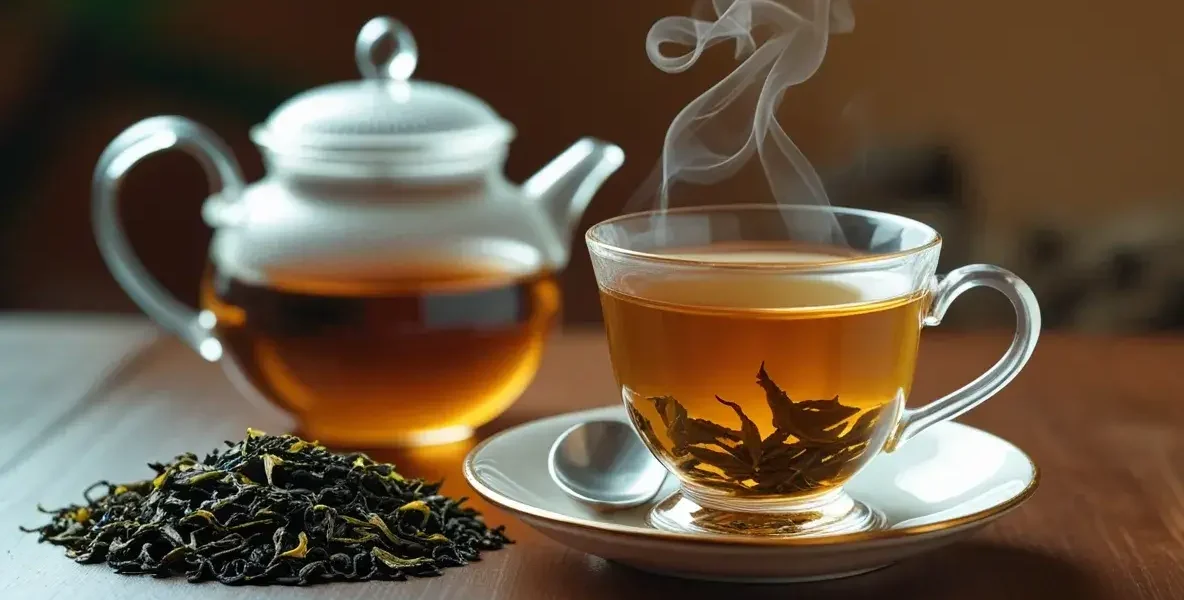
Loose leaf Darjeeling tea generally provides superior quality over tea bags. While tea bags offer convenience, they typically contain broken leaves and dust that release flavors quickly but lack complexity. Loose leaves, conversely, unfurl completely when steeped, releasing full flavor profiles and allowing multiple infusions—ultimately offering better value despite the higher initial cost.
Infuser types and teaware preparation
Finally, proper teaware makes a substantial difference. Many tea connoisseurs recommend avoiding small metal infusion balls that restrict leaf expansion. Instead, opt for:
Basket infusers: Provide ample space for leaves to expand fully
Large pyramid infusers: Allow proper water flow and leaf expansion
Traditional teapots: Ideal for loose leaf brewing
Before brewing, warm your teapot or cup with hot water, then discard this water. This preparation step maintains brewing temperature throughout steeping, ensuring optimal flavor extraction.
How to Brew Darjeeling Tea Step-by-Step
The precise brewing method makes all the difference between an ordinary cup and an exceptional Darjeeling tea experience. After selecting quality ingredients and tools, proper brewing techniques will unlock this tea’s full potential.
How to make Darjeeling tea in a pot
Brewing Darjeeling tea in a pot creates a balanced, full-bodied cup:
Preheat your teapot by rinsing with hot water, then discard the water
Measure approximately one teaspoon of leaves per cup (2-3 grams per 8 oz)
Second infusion: 5 minutes to extract remaining flavors
Premium Darjeeling teas, especially loose leaf varieties, can be re-steeped successfully. For second infusions, add approximately two minutes to the original steep time. The resulting cup will offer different but equally enjoyable flavor notes.
How long to brew Darjeeling tea for best flavor
Optimal steep times vary by flush:
First Flush: 3-4 minutes (taste after 3 minutes and adjust)
Second Flush: 3-5 minutes
Autumn Flush: 3-4 minutes
Be cautious not to over-steep as Darjeeling can develop bitterness. For a smoother cup, you may extend brewing by a minute, accordingly testing periodically until you achieve your preferred strength.
Properly serving and savoring Darjeeling tea completes your brewing journey, with each flush offering unique enjoyment possibilities.
How to drink Darjeeling tea: with or without milk
Although an astonishing 98% of global tea drinkers add milk to their tea, Darjeeling teas are traditionally best enjoyed without milk to appreciate their delicate flavors. First flush varieties, with their floral notes and golden liquor, should absolutely be consumed plain. Second flush teas, having more pronounced muscatel character and slight astringency, can accommodate a splash of milk if preferred. Autumn flush, with its boldest liquor, is most suitable for milk addition. To experience Darjeeling’s full spectrum of flavors, try it plain first, subsequently adding lemon or honey if desired.
Darjeeling tea recipe variations
Beyond traditional preparation, Darjeeling tea offers versatile culinary applications:
Darjeeling Turmeric Blend: Combine water, milk, Darjeeling Second Flush, turmeric, cardamom powder, and garnish with slivered almonds
Vetiver Darjeeling: Steep Darjeeling with vetiver strands as a stirrer
Darjeeling-Citrus Fusion: Mix Darjeeling First Flush with orange juice, cloves, cinnamon, mace, lemongrass, and orange peel
Darjeeling Vinaigrette: Create a salad dressing by infusing rice vinegar with Darjeeling tea leaves
How to make Darjeeling tea at home like a pro
Professional tea houses never use soap to clean teaware—instead, wipe vessels with a damp cloth to prevent residue. Furthermore, warm your teapot or cup before brewing to maintain optimal temperature. For authentic flavor, serve first flush at room temperature or lightly chilled. Above all, maintain patience throughout the process—allow your brewed tea to rest momentarily before drinking to fully develop its flavor profile.
Storage tips to preserve aroma and flavor
Store Darjeeling tea in airtight containers to prevent flavor loss. Keep away from sunlight, strong odors, and humidity, which rapidly deteriorate quality. Room temperature storage is ideal—never refrigerate or freeze, as condensation forms when removing cold containers. Additionally, purchase in smaller quantities for regular consumption within 1-2 years. Vacuum-sealed packaging works exceptionally well for maintaining freshness.
Conclusion: Your Guide to Darjeeling Tea How to Brew Like a Pro
Brewing Darjeeling tea truly becomes an art form when we understand its exceptional qualities and requirements. Throughout this guide, we’ve explored why this “Champagne of Teas” demands such careful attention—from its exclusive Himalayan origins to the distinct characteristics of each seasonal flush.
The brewing process itself requires precision rather than guesswork. Water quality matters significantly, as does the specific temperature for each flush type. Certainly, the delicate first flush leaves need gentler treatment at 175-185°F, while second flush varieties can withstand temperatures up to 205°F.
Time plays an equally crucial role. Three to four minutes generally produces optimal flavor, though this varies slightly depending on the specific harvest season. Additionally, quality loose leaf Darjeeling rewards us with the possibility of multiple steepings, each offering unique flavor notes.
We also discovered that despite global trends, Darjeeling tea shines brightest when enjoyed without milk—especially those prized first flush varieties with their delicate floral notes. Nonetheless, second and autumn flush teas can accommodate milk if preferred.
Proper storage afterwards ensures your tea maintains its exceptional quality. Airtight containers kept away from sunlight, strong odors, and humidity will preserve those complex flavors you’ve worked so carefully to brew.
The next time you prepare Darjeeling tea, remember these methods handed down from traditional tea houses. Your patience and attention to detail will undoubtedly result in an exceptional cup that honors this rare and celebrated tea. After all, such an extraordinary tea deserves nothing less than perfect preparation.
Master the art of brewing Darjeeling tea with these professional techniques that unlock the full potential of this rare “Champagne of Teas.”
• Temperature matters by flush type: First flush requires 175-185°F, second flush needs 185-205°F, and autumn flush works best at 185-195°F for optimal flavor extraction.
• Use filtered water and loose leaves: Fresh, filtered water prevents impurities from masking delicate flavors, while loose leaf tea allows proper expansion and multiple steepings.
• Steep for 3-4 minutes precisely: Over-steeping creates bitterness, while under-steeping misses complex flavor notes—taste after 3 minutes and adjust accordingly.
• Drink first flush plain, others with optional milk: First flush’s delicate floral notes shine without milk, while second and autumn flush can accommodate milk if preferred.
• Store in airtight containers away from light: Proper storage at room temperature preserves aroma and flavor for 1-2 years—never refrigerate as condensation damages quality.
The key to exceptional Darjeeling lies in respecting its rarity and following traditional tea house methods. With only 87 tea estates producing this exclusive tea at high Himalayan altitudes, proper brewing techniques ensure you experience the full complexity that makes Darjeeling one of the world’s most prized teas.
FAQs
Q1. What’s the ideal brewing temperature for Darjeeling tea? The brewing temperature varies by flush type. Use 175-185°F (80-85°C) for first flush, 185-205°F (85-95°C) for second flush, and 185-195°F (85-90°C) for autumn flush teas.
Q2. How long should I steep Darjeeling tea? Generally, steep Darjeeling tea for 3-4 minutes. However, you can adjust the time slightly based on personal preference and the specific flush type. Be careful not to over-steep, as it can lead to bitterness.
Q3. Should I add milk to Darjeeling tea? It’s best to enjoy Darjeeling tea without milk, especially for first flush varieties, to fully appreciate its delicate flavors. However, if preferred, a splash of milk can be added to second or autumn flush teas.
Q4. Can Darjeeling tea be re-steeped? Yes, premium Darjeeling teas, particularly loose leaf varieties, can be re-steeped successfully. For the second infusion, add about two minutes to the original steep time for a different but equally enjoyable flavor profile.
Q5. How should I store Darjeeling tea to maintain its quality? Store Darjeeling tea in airtight containers away from sunlight, strong odors, and humidity. Keep it at room temperature and avoid refrigeration. For best results, purchase in smaller quantities and consume within 1-2 years.
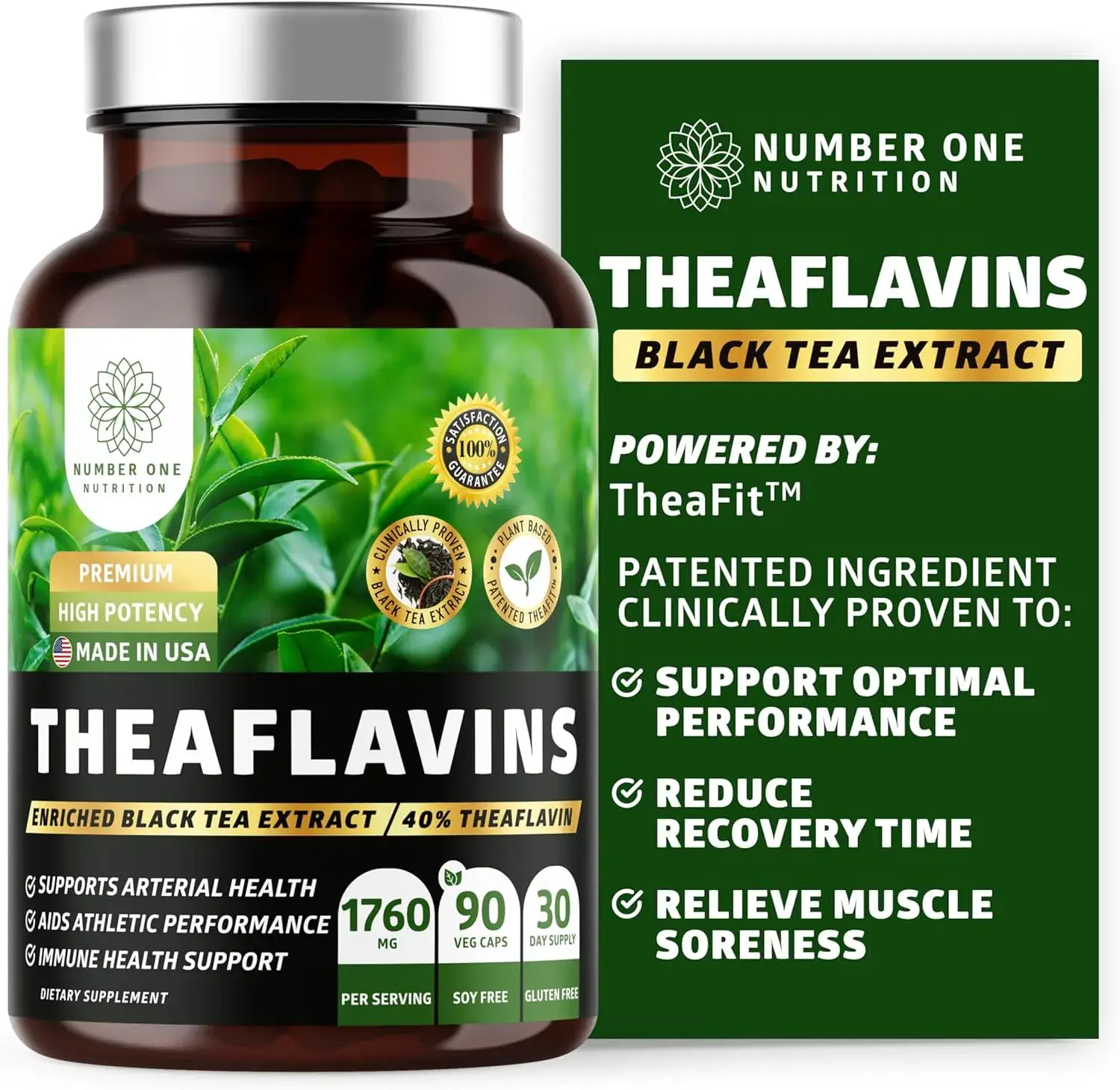
Black Tea Extract that is rich in natural theaflavins and polyphenols that help protect your body from free radicals, promoting overall immune health and well-being
Contains blended amounts of Fruits and Veggies. All natural, with whole foods, fruit and vegetable supplement.Perfect for everyone looking to live a healthier lifestyle.