Are you curious about the calories in your favorite barley tea? As you enjoy this traditional drink, you might wonder how it affects your daily calorie count. Barley tea is loved worldwide for its nutty taste and health perks.
Knowing the exact barley tea calories 1 cup contains helps you make better diet choices. Whether you’re watching your calories or just curious, understanding what’s in your cup can make you appreciate this calming drink more.
Key Takeaways
Discover the approximate calorie count in a cup of barley tea.
Learn how barley tea fits into a healthy diet.
Understand the factors that influence the caloric content of barley tea.
Explore the nutritional benefits of incorporating barley tea into your daily routine.
Find out how to enjoy barley tea while maintaining your calorie goals.
Understanding Barley Tea: A Nutritional Overview
Barley tea is a traditional drink in many cultures. It’s known for its soothing taste. But, there’s more to it than just being comforting.
What Is Barley Tea and How Is It Made?
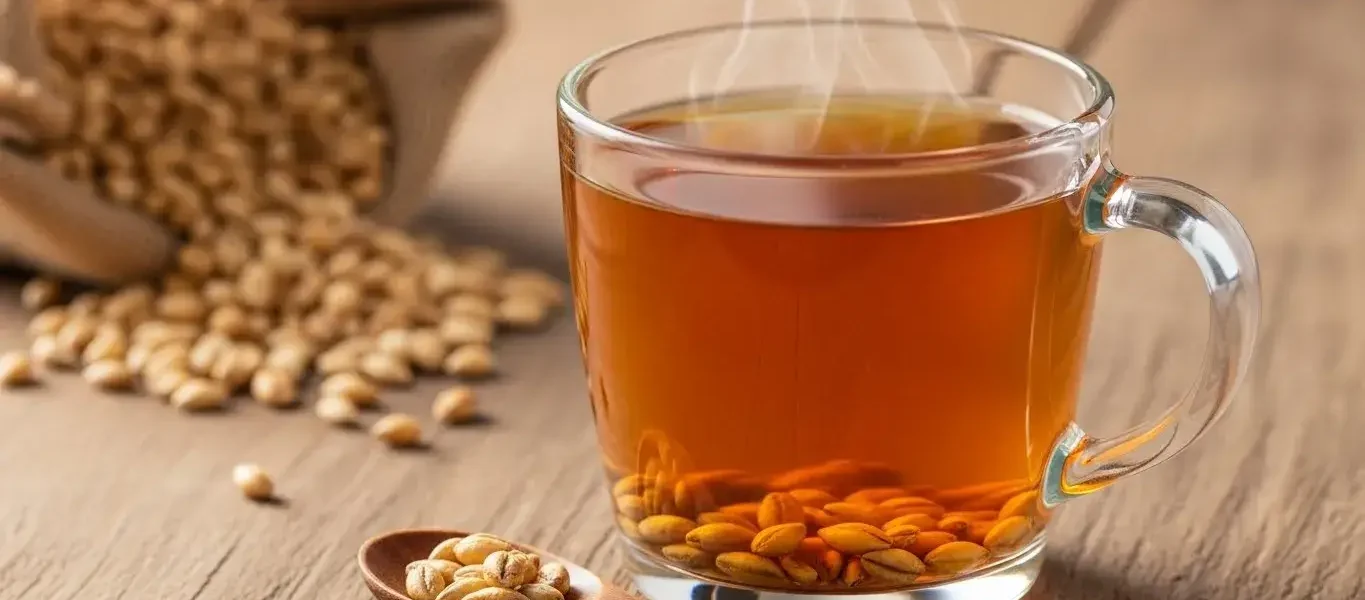
Barley tea is made by soaking roasted barley grains in hot water. The grains are roasted first to enhance their flavor. Then, they’re steeped in water, similar to making tea. This method keeps the barley’s nutrients intact.
Origins and Cultural Significance in Global Cuisine
Barley tea comes from East Asian cultures, like China, Japan, and Korea. It’s been a part of their traditions for centuries. It’s often served with meals or as a comforting drink.
The cultural value of barley tea is in its simplicity and health benefits. It’s a nourishing drink that’s deeply rooted in tradition.
Culture
Significance of Barley Tea
Traditional Preparation Method
Japanese
Mugicha is enjoyed during meals and is believed to aid digestion.
Roasted barley is steeped in hot water.
Korean
Boricha is a popular beverage served cold or hot, often enjoyed for its health benefits.
Similar to Japanese method, with variations in roasting level.
Chinese
Dàmài-chá is valued for its nutritional benefits and is often consumed as a health tonic.
Barley grains are roasted and then infused in hot water.
Barley tea is more than a drink; it’s a cultural treasure. Its health benefits and preparation methods make it interesting to learn about.
Barley Tea Calories: 1 Cup Nutritional Analysis
Barley tea is a low-calorie drink compared to others. It’s good to know its calorie count and nutrients if you’re adding it to your diet.
Exact Caloric Content of Plain Barley Tea
A cup of plain barley tea has very few calories. It’s perfect for those watching their calorie intake. On average, it has about 2-4 calories, much less than many drinks.
Macronutrient and Micronutrient Profile
Barley tea is not just low in calories but also packed with nutrients. It has antioxidants and small amounts of vitamins and minerals. It’s mostly water, making it great for staying hydrated.
Caloric Variations Based on Preparation Method
The calories in barley tea can change based on how you make it. Plain barley tea is very low in calories. But, adding sugar, honey, or milk can raise its calorie count a lot. Cold-brewed barley tea might have a slightly different nutritional profile than hot-brewed, but the difference is usually small.
Knowing these differences helps you choose the best way to make your barley tea for your diet.
How Barley Tea Is Made: Ingredients and Processing
To understand barley tea, it’s key to know how it’s made. This includes the ingredients used and the processing techniques. The main ingredient is roasted barley grains.
Traditional Preparation Methods Across Cultures
Traditionally, barley tea is made by roasting barley grains and then steeping them in hot water. Roasting boosts the flavor and aroma. In some places, the tea is brewed longer to get more nutrients.
Commercial Production vs. Homemade Brewing
Commercial barley tea is made on a large scale with machinery for roasting and packaging. Homemade brewing lets you adjust the roasting and brewing time. This can change the flavor and nutritional value.
Impact of Roasting on Nutritional Content
The roasting process can change the nutritional content of barley tea. It makes the flavor better but might lower some nutrients. Knowing this helps get the most health benefits from barley tea.
Choosing the right way to make it and understanding roasting’s impact lets you enjoy tasty and nutritious barley tea.
Health Benefits of Drinking Barley Tea
Barley tea is not just a tasty drink. It’s also packed with health benefits. Adding it to your daily routine can improve your overall well-being.
Antioxidant Properties and Free Radical Protection
Barley tea is full of antioxidants. These help protect your body from harmful free radicals. Free radicals can damage cells and lead to diseases like cancer and heart disease. Drinking barley tea can help fight oxidative stress and lower disease risks.
Digestive Health and Gut Microbiome Benefits
Barley tea is good for your digestive health. It has prebiotic fibers that feed good gut bacteria. A healthy gut is key for digestion, immune function, and mental health. Drinking barley tea can support your digestive system.
Blood Sugar Regulation and Metabolic Effects
Studies show barley tea can help control blood sugar. Its fiber and compounds slow sugar absorption. This is good for people with diabetes or at risk of it.
Hydration and Detoxification Properties
Barley tea also helps with hydration. Staying hydrated is vital for detoxification and body functions. Its mild diuretic effect helps flush out toxins, boosting health.
Adding barley tea to your life can bring many health benefits. It’s great for digestive health, blood sugar control, and staying hydrated. It’s a delicious and comforting choice for your well-being.
Are you looking for a low-calorie drink? You might wonder how barley tea compares to other popular drinks. Barley tea has few calories, but how does it compare to coffee, tea, sugary drinks, and other grain-based beverages? Let’s explore.
Barley Tea vs. Coffee, Black Tea, and Green Tea
Barley tea has fewer calories than coffee and traditional teas. A cup of coffee or black tea has almost no calories if you don’t add anything. Green tea is also very low in calories. Barley tea is in the same low-calorie group, making it a good choice for those watching their calories.
Barley Tea vs. Sugary Drinks and Fruit Juices
Barley tea is much healthier than sugary drinks and fruit juices. Sugary drinks can have hundreds of calories per serving. Barley tea has less than 10 calories per cup. This big difference makes barley tea a better choice for those trying to cut down on sugar and calories.
Barley Tea vs. Other Grain-Based Beverages
Other grain-based drinks, like oat tea or rice tea, might have similar calories to barley tea. But, the exact calorie count can change based on how you make it and what you add. Here’s a table to show the calories in different drinks:
Beverage
Calories per Cup
Barley Tea
2-10
Coffee (black)
0-2
Green Tea
0-2
Soda
140-150
Fruit Juice
100-130
As shown, barley tea is one of the lowest-calorie drinks out there. It’s a great pick for those who care about their health.
Different Types of Barley Tea and Their Caloric Content
Exploring barley tea, you’ll find many types. Each has its own calorie count and taste. The main reasons for these differences are how it’s processed, roasted, and flavored.
Roasted vs. Unroasted Barley Tea Comparison
The roasting method changes barley tea’s nutrition and taste. Roasted tea tastes richer but might have fewer calories. Unroasted tea keeps more of its natural nutrients.
Type of Barley Tea
Caloric Content per Cup
Roasted Barley Tea
Approx. 120 calories
Unroasted Barley Tea
Approx. 130 calories
Flavored Barley Tea Varieties and Added Calories
Flavored barley teas come in many tastes, from citrus to spicy. These flavors can add calories, depending on what’s used. For example, honey or sugar increases calories.
Regional Variations and Their Nutritional Differences
Barley tea varies by region, with different preparation and ingredients. Some areas use more roasted barley, while others add local herbs.
Preparing barley tea at home is easy and keeps calories low. It’s great for any time of year, hot or cold. This makes it perfect for all seasons.
Hot Brewing Method for Maximum Flavor
The hot brewing method brings out barley tea’s rich flavor. You need 1-2 tablespoons of roasted barley for every 2 cups of water. Boil the water, then add the barley grains.
Lower the heat and simmer for 5-7 minutes. Strain the tea into a cup and enjoy. You can adjust the steeping time to your liking.
Cold Brewing Technique for Summer Refreshment
Cold-brewing is great for a summer drink. Add 1-2 tablespoons of roasted barley to cold water in a pitcher. Refrigerate for at least 4 hours or overnight.
This method gives a smoother, less bitter taste. It’s perfect for hot days.
Adding Natural Flavors Without Increasing Calories
You can add natural flavors to your barley tea without extra calories. Try a slice of lemon or a few sprigs of mint. Some like adding a cinnamon stick or cloves for a warm, spicy taste.
Storage Tips to Preserve Freshness and Nutrients
Keep roasted barley grains in an airtight container in a cool, dark place. Brewed barley tea can be stored in the fridge for up to 3 days. It’s best fresh, but you can freeze it too.
Freezing? Portion it into ice cube trays for easy thawing and enjoying.
With these tips, you can make delicious, healthy barley tea at home. Tailor it to your taste preferences.
Barley Tea in Different Dietary Contexts
Barley tea is a versatile drink that fits into many diets. It’s full of nutrients, making it good for those on special diets or managing health issues.
Barley Tea for Keto, Paleo, and Low-Carb Diets
Barley tea is perfect for keto, paleo, or low-carb diets. It has little carbs and no added sugars. As Dr. Sarah Johnson, a nutrition expert, says, “It’s a low-carb drink instead of sugary ones, fitting a ketogenic diet.” But, watch out for any flavorings or sweeteners that might add carbs.
Barley Tea for Weight Management Programs
Barley tea is also good for weight management. It’s low in calories and can help you feel full. Adding it to your diet can help with hydration and offer a calorie-free drink.
Barley Tea for Gluten-Free and Allergen-Sensitive Individuals
Even though barley has gluten, barley tea is often safe for those with gluten sensitivity. This is because most gluten is removed during brewing. But, people with celiac disease should be careful. Those with severe gluten intolerance should talk to a doctor before drinking barley tea.
In summary, barley tea is great for many diets. It’s low in calories and has less gluten. As one health enthusiast says, “Adding barley tea to my day has changed my hydration and diet satisfaction.”
To find authentic and high-quality barley tea, you need to know where to look. It’s now available at many places, both online and offline.
Selecting the Best Commercial Barley Tea Products
When picking a commercial barley tea, look for brands that use top-quality barley. They should also stick to traditional ways of making it. Check for certifications like organic or non-GMO to make sure it meets your standards.
Online Sources and Specialty Stores
You can buy barley tea online at places like Amazon, or at specialty Asian grocery stores and health food stores. Online, you can read reviews and ratings to help you choose.
What to Look for on Nutrition Labels
When buying barley tea, check the nutrition label for added sugars, preservatives, or artificial flavorings. Choose products with few ingredients and no extra additives. This way, you get a product that fits your diet.
Potential Side Effects and Precautions
Adding barley tea to your daily routine is great, but knowing the risks is key. Barley tea is mostly safe, but there are some things to watch out for. This ensures you have a good time while staying safe.
Allergies, Sensitivities, and Gluten Concerns
Some people might react to barley, leading to bloating, gas, or skin issues. Even though barley tea is made from roasted barley, it might not be safe for everyone. If you’re gluten-sensitive, make sure to pick a barley tea that’s gluten-free.
Medication Interactions and Contraindications
Barley tea could affect how some medicines work, like blood thinners or diabetes meds. If you’re on any meds, talk to your doctor before drinking barley tea often. People with diabetes or digestive problems should watch how their body reacts to it.
Recommended Daily Consumption Limits
There’s no set limit for how much barley tea you should drink each day. But, drinking too much might not be good. More than 3-4 cups a day could upset your body’s balance of nutrients.
Precaution
Description
Allergies/Sensitivities
Bloating, gas, skin rashes
Medication Interactions
Blood thinners, diabetes medications
Gluten Concerns
Choose certified gluten-free barley tea
Knowing about these possible side effects and taking the right steps can make barley tea a healthy choice for you.
Conclusion: Incorporating Barley Tea into a Healthy Lifestyle
Barley tea is a great addition to a healthy lifestyle. It’s low in calories and packed with antioxidants. Drinking it daily can boost your overall health.
You can brew barley tea hot or cold, and even add flavors without extra calories. Making it a daily habit can improve your digestion and increase your antioxidant intake.
Barley tea is perfect for those looking to manage their weight or blood sugar levels. It’s also a soothing, caffeine-free drink. Start enjoying barley tea today and see the benefits for yourself.
Barley tea is a traditional drink made from roasted barley grains. First, the grains are roasted to enhance their flavor and aroma. Then, they are steeped in hot water to make the tea.
Is barley tea gluten-free?
No, barley tea is not gluten-free because barley contains gluten. But, the roasting process might reduce some gluten.
How many calories are in a cup of barley tea?
Barley tea is very low in calories. It usually has 0 to 2 calories per cup, depending on how it’s made and any added ingredients.
Can I drink barley tea if I’m on a keto or low-carb diet?
Yes, barley tea is a good choice for keto and low-carb diets. It has very few calories and carbs.
Does barley tea have any health benefits?
Yes, barley tea may offer several health benefits. It has antioxidants, can aid digestion, and help regulate blood sugar.
How do I prepare barley tea at home?
To make barley tea at home, steep roasted barley grains in hot water. You can use a tea infuser or bag. For a cool drink, try cold-brewing it.
Can I add flavorings or sweeteners to barley tea?
Yes, you can add natural flavorings like lemon or honey to barley tea. Just remember, added sweeteners can increase calories.
Is barley tea suitable for people with diabetes?
Barley tea might help people with diabetes due to its blood sugar-regulating effects. But, always talk to a healthcare professional before changing your diet.
Where can I buy barley tea?
You can buy barley tea at Asian grocery stores, online, or in specialty tea shops. Look for high-quality, roasted barley grains or tea products.
Are there any potentially harmful side effects of drinking barley tea?
Barley tea is generally safe, but those with gluten intolerance or sensitivity should be careful. Drinking too much might upset some stomachs.
Black Tea Extract that is rich in natural theaflavins and polyphenols that help protect your body from free radicals, promoting overall immune health and well-being
Contains blended amounts of Fruits and Veggies. All natural, with whole foods, fruit and vegetable supplement.Perfect for everyone looking to live a healthier lifestyle.