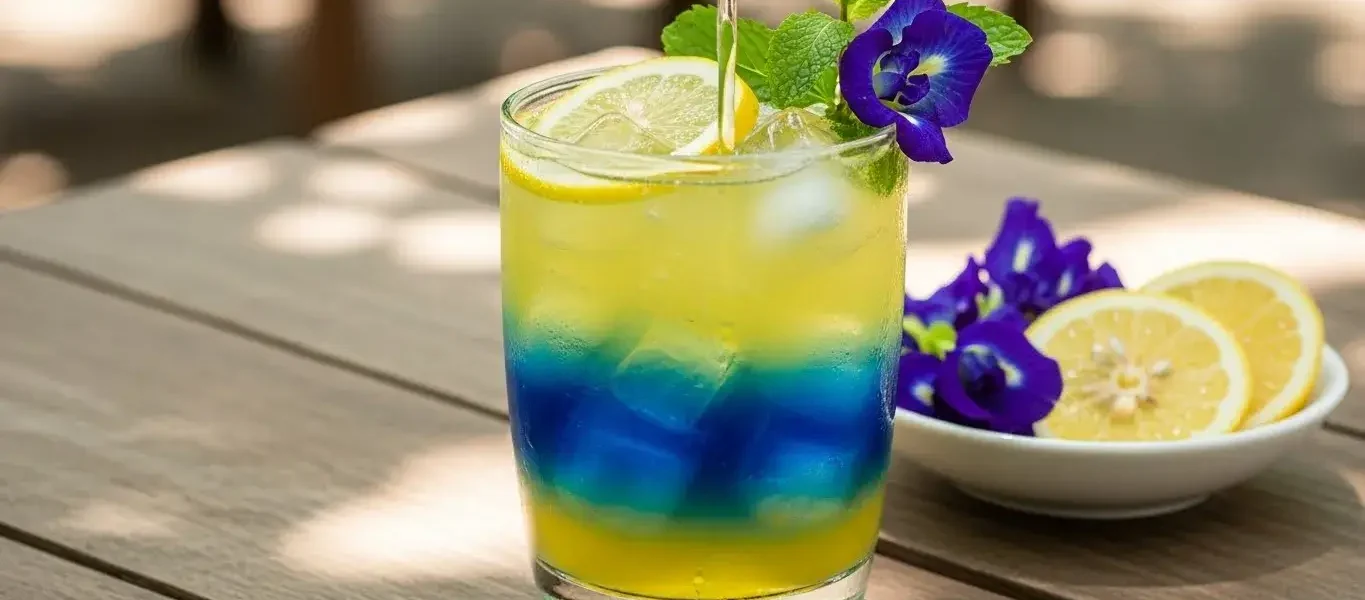
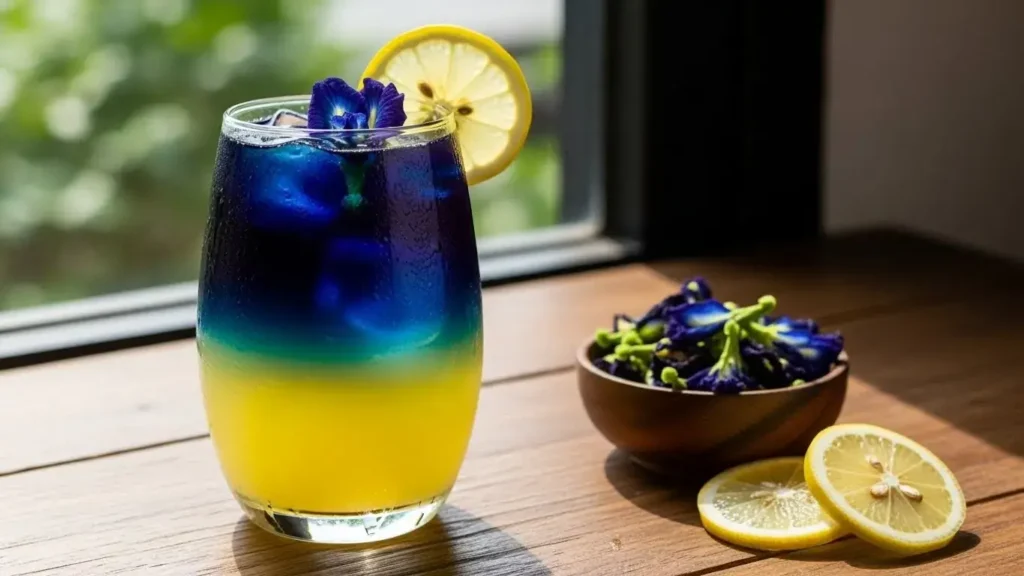
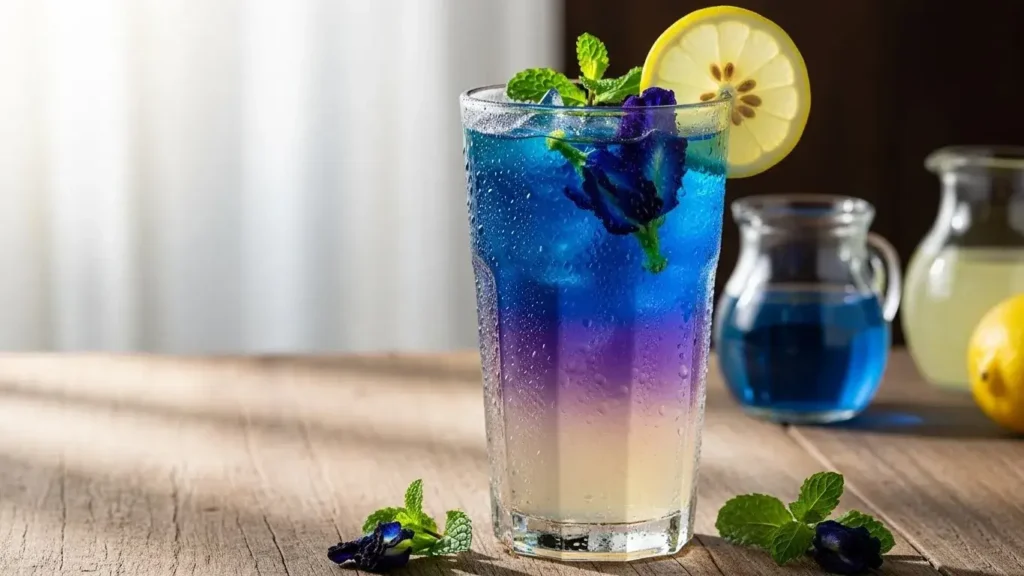
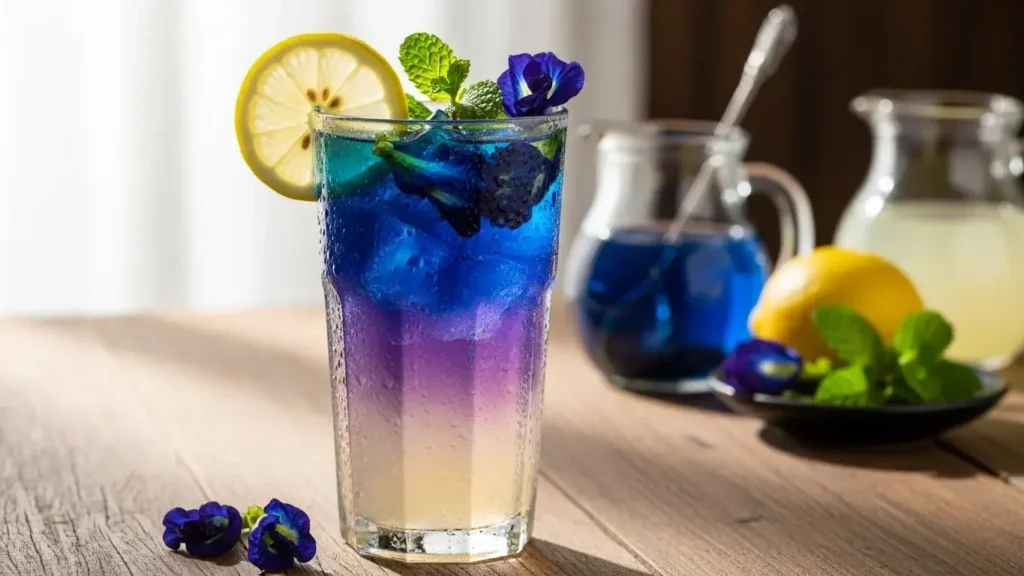
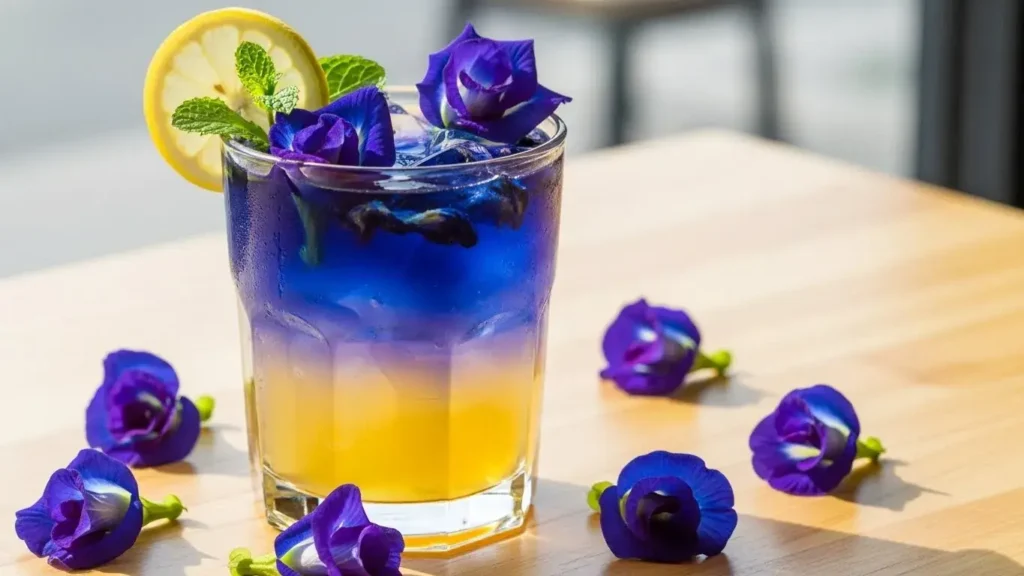
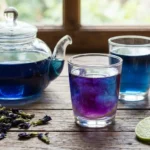
Have you ever watched a drink transform from deep sapphire blue to vibrant magenta right before your eyes? Butterfly pea flower tea and lemonade offers this magical color-changing experience naturally, creating not just a beverage but a visual spectacle in your glass.
This fascinating transformation occurs when the butterfly pea flower—a little blue blossom native to Southeast Asia—meets acidic ingredients like lemon juice. In fact, the rich blue pigment changes to purple and then magenta as the acidity in its environment increases. Additionally, in Thailand, this remarkable drink is traditionally enjoyed as an after-dinner beverage called “nam doc anchan,” combining butterfly pea tea with sweetener and citrus juice.
We love this drink not only for its impressive visual appeal but also for its impressive health profile. Butterfly pea flower tea is packed with powerful antioxidants like epigallocatechin gallate and quercetin, potentially improving blood circulation, eye health, and even nourishing skin and hair. Ready in under 30 minutes, this refreshing beverage perfectly balances sweet and tangy flavors while offering benefits from stress reduction to improved digestion. In this guide, I’ll show you exactly how to create this eye-catching drink at home, along with numerous variations to experiment with.
The science behind the color-changing magic
What makes butterfly pea flower change color?
The remarkable color transformation of butterfly pea flower isn’t actually magic—it’s chemistry in action. The secret lies in special plant pigments called anthocyanins, specifically a type called delphinidin that gives the butterfly pea flowers their striking blue hue. These natural compounds are responsible for many colorful plants in nature, yet butterfly pea flowers contain particularly high concentrations of a specific anthocyanin called ternatin.
Essentially, these pigments act as natural pH indicators, changing their molecular structure—consequently changing the color we see—based on the acidity of their environment. This makes butterfly pea flower tea one of nature’s most fascinating chemistry experiments that you can drink!
How pH levels affect the tea
The color transformation follows a precise scientific pattern based on pH levels. At neutral pH (around 7), butterfly pea tea maintains its signature deep blue color. As the pH decreases toward acidity, a remarkable transformation begins:
pH 7 (neutral): Deep blue
pH 6-5: Purple
pH 4-3: Bright pink or magenta
pH 2-1: Red
Furthermore, if you were to go in the opposite direction toward alkalinity (pH 8-10), the tea would shift from light blue to green and eventually yellow at extremely high pH levels. This happens because the molecular structure of the anthocyanins transforms between several different forms—from flavylium ions (red) to quinoidal bases (blue) to chalcones (yellow).
Why lemon juice causes the transformation
The science behind lemon’s dramatic effect is straightforward—lemon juice is highly acidic, with a pH between 2-3. When added to butterfly pea tea, it dramatically lowers the pH, forcing the anthocyanin molecules to change their structure.
Unlike many other natural blue colorants, butterfly pea anthocyanins are notably stable across a wide pH range thanks to their unique molecular structure. Specifically, they have long acyl side chains that protect the molecule through what scientists call “intramolecular stacking”. This stability explains why the color change is so vivid and reliable, making butterfly pea flower tea lemonade not just a delicious drink but a captivating visual experience.
Creating this captivating color-changing beverage at home is surprisingly simple. Let me walk you through the process of making your own magical butterfly pea flower tea lemonade that will impress friends and family alike.
Ingredients you’ll need
To prepare this mesmerizing drink, gather these key components:
Dried butterfly pea flowers (about 1/2 cup or 1 teaspoon per cup of water)
Water at 200°F (just under boiling)
Freshly squeezed lemon juice (about 1 cup from 8-10 lemons)
Sweetener of choice (sugar, honey, or stevia)
Ice cubes
Optional: Soda water for a sparkling version
Optional garnishes: lemon slices, star sprinkles, or herbs
Step-by-step instructions
Brew the blue tea base: Steep dried butterfly pea flowers in hot water (200°F) for 5-10 minutes until you achieve a deep blue color. For stronger color, steep up to 15 minutes.
Cool completely: Remove the flowers by straining and allow the tea to cool to room temperature. This cooling step is critical for achieving the most dramatic color transformation.
Sweeten the tea: Stir your preferred sweetener into the blue tea until fully dissolved.
Prepare serving glasses: Fill glasses with ice cubes.
Create the magic moment: For the most impressive effect, pour the sweetened blue tea into the glasses first, filling them about halfway. Subsequently, add the lemon juice and watch the stunning transformation from blue to purple-pink.
Tips for getting the perfect color gradient
For truly spectacular results, consider these professional techniques:
Serve components separately, allowing guests to pour the lemon juice themselves and witness the magical transformation firsthand.
Gradually add the lemon juice rather than all at once to create a beautiful gradient effect.
If your drink isn’t changing color properly, the acidity might not be strong enough – try using more lemon juice.
For layered effects, remember that sweeter components should be added first, followed by less sweet ingredients.
Creating ice cubes from the blue tea itself makes for a stunning presentation as they slowly melt and transform.
Fun variations and drink ideas
Beyond basic lemonade, butterfly pea flower offers endless creative possibilities. Let’s explore some exciting ways to showcase its magical color-changing properties in your kitchen.
Sparkling butterfly lemonade
Turn your butterfly pea tea into an effervescent treat by incorporating club soda or sparkling water. First, prepare your butterfly pea tea base and cool it completely. Next, fill a tall glass with ice, add the tea, then slowly pour in freshly squeezed lemon juice followed by sparkling water. The bubbling effect enhances both the visual drama and refreshment factor, making it perfect for summer gatherings.
Butterfly pea flower cocktails
This vibrant blue ingredient is taking mixology by storm. For an elegant option, try a Butterfly French 75 that combines gin, lemon juice, butterfly pea tea simple syrup, and champagne. Moreover, butterfly pea tea pairs wonderfully with rum in mojitos. The color-shifting effect creates Instagram-worthy cocktails that captivate guests before they even take a sip.
Butterfly pea boba and juice ideas
Create stunning bubble tea by combining boba pearls with butterfly pea tea, ice, and your choice of milk. For a plant-based version, coconut milk complements the subtle earthy flavor perfectly. Children especially love watching the magical color transformation – serve them plain lemonade with butterfly pea flower ice cubes for purple lemonade.
Using butterfly pea powder instead of flowers
Butterfly pea powder offers similar color-changing properties with greater convenience. It dissolves instantly and provides consistent results, ideal for creating layered drinks without steeping time.
Beyond its stunning appearance, butterfly pea flower tea offers numerous health benefits, though certain precautions apply.
Does butterfly pea tea have caffeine?
For starters, butterfly pea flower tea is completely caffeine-free. Unlike traditional teas derived from the Camellia sinensis plant, this vibrant blue brew comes from a different botanical family altogether. This makes it an excellent choice for evening consumption or for those sensitive to caffeine’s stimulating effects.
Antioxidants and wellness benefits
Butterfly pea flowers contain impressive levels of anthocyanins, primarily ternatins, which give them their striking blue color. These powerful antioxidants may help fight free radicals in your body. Research indicates the flowers also contain other beneficial compounds including kaempferol, p-coumaric acid, and delphinidin-3,5-glucoside.
Studies suggest butterfly pea tea might help stabilize blood sugar levels. In fact, one small study found that drinking a beverage containing butterfly pea flower extract reduced both blood sugar and insulin levels.
Most surprisingly, topical application of butterfly pea extract increased skin hydration by 70% after just one hour. Additionally, a 20% Clitoria ternatea shampoo effectively reduced dandruff with minimal side effects.
Who should avoid butterfly pea tea?
Although generally considered safe when consumed in moderation, certain groups should exercise caution. People with allergies to legumes should be careful since butterfly pea belongs to the Fabaceae family. Pregnant or breastfeeding women should consult healthcare providers before consuming it. Likewise, those on blood-thinning medications or with low blood pressure should seek medical advice due to the flower’s potential mild anticoagulant effects.
Enjoying Your Butterfly Pea Flower Tea and Lemonade
Butterfly pea flower tea truly stands as one of nature’s most fascinating drinks. Throughout this guide, we’ve explored how this remarkable beverage transforms from deep blue to vibrant purple and pink when combined with acidic ingredients like lemon juice. This magical color change happens because of anthocyanins that act as natural pH indicators – creating not just a drink but a captivating science experiment in your glass.
Making this eye-catching tea at home requires surprisingly few ingredients and minimal time. Therefore, you can easily impress friends and family with this visually stunning creation. Additionally, the versatility of butterfly pea flower tea opens up countless creative possibilities, from sparkling beverages to cocktails and even boba tea variations.
Beyond its visual appeal, this caffeine-free tea offers significant health advantages. The high concentration of anthocyanins provides potent antioxidant benefits that might help with everything from blood sugar management to skin hydration. Nevertheless, certain individuals – especially those with legume allergies, pregnant women, or people on blood-thinning medications – should check with healthcare providers before enjoying this beverage regularly.
Whether you’re looking for a show-stopping party drink, a healthy refreshment option, or simply a fun way to play with food science at home, butterfly pea flower tea delivers on all fronts. The next time you want to add some magic to your beverage rotation, remember this vibrant blue flower that turns ordinary drinks into extraordinary experiences. After all, how many drinks can claim to be both visually mesmerizing and genuinely good for you?
Key Takeaways
Discover how to create stunning color-changing drinks using butterfly pea flowers that transform from blue to purple to pink through simple chemistry.
• Butterfly pea flower tea changes color due to anthocyanins that react to pH levels – blue at neutral, purple at moderate acidity, pink with lemon juice
• Brew the tea with hot water for 5-10 minutes, cool completely, then add lemon juice to witness the magical blue-to-pink transformation
• This caffeine-free tea offers powerful antioxidants and potential health benefits including blood sugar support and improved skin hydration
• Create endless variations from sparkling lemonades to cocktails and boba tea – butterfly pea powder works as a convenient alternative to dried flowers
• While generally safe, people with legume allergies, pregnant women, or those on blood thinners should consult healthcare providers before regular consumption
The beauty of butterfly pea flower tea lies in combining visual spectacle with genuine wellness benefits, making it perfect for entertaining guests or simply enjoying a healthy, Instagram-worthy beverage at home.
Q1. How does butterfly pea flower tea change color? Butterfly pea flower tea changes color due to anthocyanins, natural compounds that act as pH indicators. The tea is blue at neutral pH, turns purple in slightly acidic conditions, and becomes pink or magenta when highly acidic ingredients like lemon juice are added.
Q2. What ingredients do I need to make butterfly pea flower tea lemonade? To make butterfly pea flower tea lemonade, you’ll need dried butterfly pea flowers, hot water (200°F), freshly squeezed lemon juice, a sweetener of your choice, and ice cubes. Optional ingredients include soda water for a sparkling version and garnishes like lemon slices or herbs.
Q3. Is butterfly pea flower tea caffeinated? No, butterfly pea flower tea is completely caffeine-free. Unlike traditional teas made from the Camellia sinensis plant, butterfly pea flower comes from a different botanical family, making it suitable for evening consumption or for those sensitive to caffeine.
Q4. What are some creative variations of butterfly pea flower drinks? You can create various drinks using butterfly pea flower, such as sparkling lemonade by adding club soda, cocktails like Butterfly French 75 or mojitos, bubble tea with boba pearls and milk, or even use butterfly pea flower ice cubes in regular lemonade for a color-changing effect.
Q5. Are there any health benefits associated with butterfly pea flower tea? Butterfly pea flower tea is rich in antioxidants, particularly anthocyanins, which may help fight free radicals in the body. Some studies suggest it might help stabilize blood sugar levels and improve skin hydration. However, it’s important to consult a healthcare provider before using it for medicinal purposes, especially for certain groups like pregnant women or those on blood-thinning medications.
Black Tea Extract that is rich in natural theaflavins and polyphenols that help protect your body from free radicals, promoting overall immune health and well-being
Contains blended amounts of Fruits and Veggies. All natural, with whole foods, fruit and vegetable supplement.Perfect for everyone looking to live a healthier lifestyle.