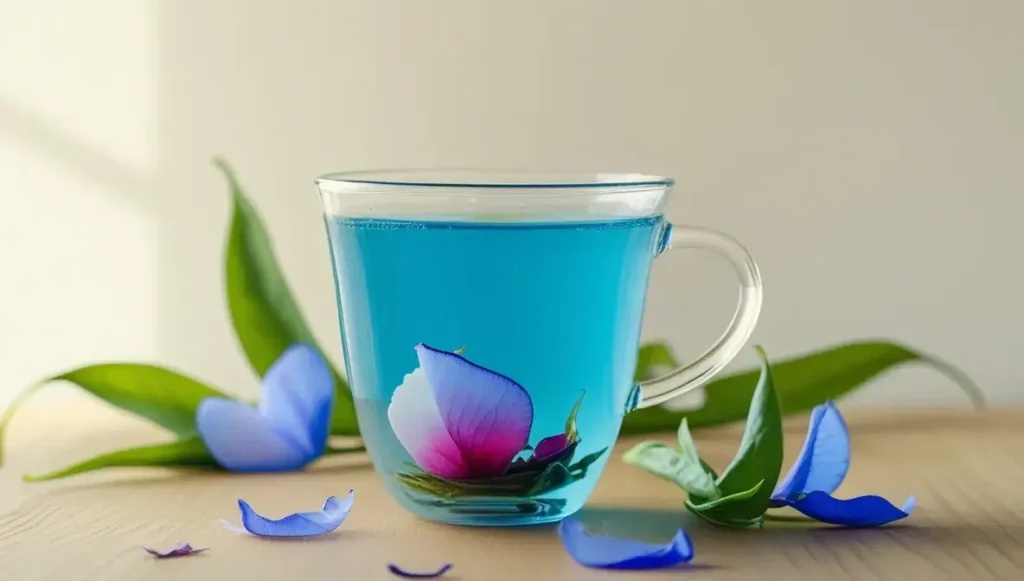
Butterfly pea flower tea and pregnancy safety concerns have been generating significant discussion among expectant mothers lately. This vibrant blue herbal infusion, scientifically known as Clitoria Ternatea, appears frequently throughout Asia and has gained worldwide popularity for its stunning color and potential health benefits.
However, when it comes to the question “can you drink butterfly pea tea while pregnant?”, the information can be contradictory. While some sources suggest it’s safe in moderation, others clearly advise that pregnant women should avoid consuming this tea. Importantly, butterfly pea flower side effects may include uterine stimulation, as the active ingredients can cause stronger contractions that could affect the baby. Therefore, as a safety measure, pregnant or nursing women should generally avoid using it unless specifically advised otherwise by their healthcare provider.
In this comprehensive guide, we’ll explore what experts say about butterfly pea flower tea during pregnancy, examine potential risks, and provide clear guidance on whether this colorful beverage deserves a place in your prenatal diet. After all, making informed decisions is essential for a healthy pregnancy.
Is butterfly pea flower tea safe during pregnancy?
“Butterfly pea tea is usually considered safe during pregnancy only if consumed in moderation. However, making informed decisions for a healthy pregnancy is advisable, so consult your healthcare specialist before sipping on it regularly.” — Dr. Priyanka Singh, MBBS, MD, Medical Advisor at Blue Tea
The question of **butterfly pea flower tea and pregnancy** safety presents a complex landscape for expectant mothers. Medical experts hold varying positions on this vibrant herbal infusion, making it crucial to understand the nuances before making consumption decisions.
What experts say about its safety
Medical professionals remain divided on this issue. According to high-reliability sources, nutritionists generally consider butterfly pea flower safe when consumed in moderation. Nevertheless, many healthcare professionals advise caution. Some medical experts explicitly recommend that pregnant women avoid butterfly pea flower tea altogether because its active ingredients may stimulate the uterus to contract stronger, potentially affecting the baby.
First of all, if you accidentally consumed a small amount, experts note that it’s unlikely to cause harmful effects to your baby. Still, the consensus among healthcare professionals emphasizes consulting with your doctor before incorporating any herbal tea into your pregnancy diet.
Why moderation is key
For those who choose to consume butterfly pea tea despite the conflicting advice, moderation becomes essential. Although some sources suggest limited consumption might be acceptable, most healthcare providers recommend erring on the side of caution.
The reasons for moderation include:
Limited research exists on long-term effects
Potential for individual sensitivity varies
Risk factors may differ based on pregnancy stage
Possible interaction with medications or health conditions
Furthermore, moderation allows for monitoring how your body responds to the tea, providing an opportunity to discontinue use if any concerning symptoms emerge.
Can you drink butterfly pea tea while pregnant?
Simply put, most reliable medical sources advise against drinking butterfly pea tea during pregnancy. Despite its appealing color and potential benefits, the lack of comprehensive research on its safety for expectant mothers raises significant concerns.
Multiple high-reliability sources explicitly state that pregnant women should avoid consuming this tea. In contrast, some sources suggest it might be safe in very limited quantities, but even these recommendations come with the crucial caveat of obtaining prior approval from your healthcare provider.
Ultimately, given the potential risks and limited research, most medical professionals recommend choosing pregnancy-safe herbal alternatives that have established safety profiles instead of butterfly pea flower tea.
Potential risks and side effects for pregnant women
“The tea may have uterotonic effects (could stimulate uterine contractions) – not ideal when you’re trying to keep the baby in there for nine cozy months.” — JYYNA Editorial Team, Health and Wellness Writers
Consuming butterfly pea flower tea during pregnancy comes with several potential health concerns that should be taken seriously. Understanding these risks can help expectant mothers make informed decisions about their herbal tea consumption.
Uterine stimulation and miscarriage risk
Perhaps the most significant concern is that butterfly pea flowers contain flavonoids known to cause uterine contractions. These active ingredients can stimulate the uterus to contract more strongly, potentially affecting the developing baby inside. This uterotonic effect makes it particularly risky for women in early pregnancy, as it could increase the possibility of miscarriage. Medical experts point out that the tea may have effects similar to other herbs that are contraindicated during pregnancy due to their potential to stimulate premature labor.
Interaction with medications
Butterfly pea flower tea can interact with certain medications, creating additional health risks. Notably, people using anticoagulant drugs should avoid butterfly pea flower since it limits platelet aggregation. Additionally, the tea might amplify the effects of blood pressure-lowering medications, creating potentially dangerous situations. This interaction could cause your blood pressure to drop too low when combined with medications like ACE inhibitors, beta-blockers, or diuretics.
Low blood pressure concerns
For women who already have low blood pressure, this herbal tea poses particular risks. Multiple sources confirm that butterfly pea flower tea can lower blood pressure dramatically, resulting in symptoms such as dizziness, nausea, lightheadedness, and even fainting in severe cases. Since pregnancy itself often affects blood pressure, adding this tea could exacerbate existing issues.
Digestive discomfort and nausea
Some consumers report experiencing mild stomach discomfort, nausea, vomiting, or diarrhea after consuming butterfly pea tea. Since morning sickness and digestive issues are already common during pregnancy, adding another potential digestive irritant seems inadvisable. The seeds of butterfly pea flowers may particularly cause these symptoms, especially in sensitive individuals.
Allergic reactions
Though relatively uncommon, allergic reactions to butterfly pea flower do occur. Symptoms might include itching, swelling, rashes, and in severe cases, trouble breathing. Given that pregnancy can sometimes alter immune responses, the risk of developing an unexpected allergic reaction may be heightened.
Health benefits of butterfly pea flower tea
The vibrant blue hue of butterfly pea flower tea isn’t just visually appealing—it signals a wealth of health-promoting compounds. Outside pregnancy considerations, this botanical brew offers significant benefits worth understanding.
Rich in antioxidants and anthocyanins
Butterfly pea flowers contain potent anthocyanins, primarily delphinidin, which gives the tea its distinctive color. These compounds help neutralize harmful free radicals, protecting cells from oxidative damage. Additionally, the tea contains other valuable antioxidants including kaempferol, quercetin, and p-coumaric acid.
Supports skin and hair health
The antioxidant properties contribute to improved skin elasticity and reduced wrinkles. One study revealed butterfly pea extract can increase skin hydration by 70% within an hour of application. For hair care, bioflavonoids in the tea enhance blood circulation to the scalp, potentially stimulating growth. Remarkably, a 2012 animal study suggested butterfly pea extract might be more effective at promoting hair growth than minoxidil.
May help regulate blood sugar
Research indicates butterfly pea flower may inhibit carb-digesting enzymes, delaying sugar absorption. A small study with 15 healthy adults found consuming butterfly pea extract led to suppressed insulin and blood sugar levels.
Promotes relaxation and reduces stress
The tea’s mild sedative properties can help reduce anxiety and promote better sleep. Moreover, its anthocyanins may assist in stress reduction and mood balance.
Improves eye and brain function
Proanthocyanidin in butterfly pea flowers increases blood flow to the eyes, potentially improving vision. Similarly, compounds like acetylcholine enhance communication between brain cells, supporting memory and cognitive function.
Safe ways to enjoy butterfly pea tea during pregnancy
Navigating herbal tea choices during pregnancy requires careful consideration and expert guidance. Butterfly pea flower tea and pregnancy is a topic where medical consensus leans toward caution.
Recommended dosage and frequency
Firstly, most healthcare professionals recommend pregnant women avoid butterfly pea tea completely. Should your healthcare provider approve limited consumption, experts suggest restricting all herbal teas to no more than 2 cups daily. Consuming different herbal teas in rotation rather than the same one consistently helps limit exposure to any single herb. Consequently, occasional consumption (rather than daily) would be the safest approach if approved by your doctor.
Best time of day to drink it
Provided your healthcare provider has cleared butterfly pea tea consumption, morning or early afternoon would be optimal. This timing helps avoid potential sleep disruption and allows your body time to process the tea’s compounds before bedtime. Additionally, drinking the tea between meals rather than on an empty stomach may help prevent digestive discomfort.
How to prepare it safely
If consuming with medical approval:
Use only high-quality, organic butterfly pea flowers
Steep in freshly boiled water for 3-5 minutes
Consider diluting the tea or using fewer flowers
Watch for any reactions afterward
Alternatives to butterfly pea tea for pregnant women
Ultimately, choosing pregnancy-approved alternatives remains the safest option. Consider:
Rooibos tea (naturally caffeine-free)
Ginger tea (helpful for morning sickness)
Peppermint tea (approved in moderation)
Lemon water with honey
Fruit-infused water
Remember that even with approved herbal teas, moderation remains crucial throughout pregnancy.
Final Thoughts on Butterfly Pea Flower Tea and Pregnancy
When evaluating butterfly pea flower tea for pregnancy safety, the evidence clearly points toward caution. Though visually stunning and beneficial for many, this herbal infusion presents several concerning risks for expectant mothers. Most notably, its potential to stimulate uterine contractions stands as a significant red flag that shouldn’t be dismissed.
After reviewing the available information, we can see that medical consensus generally leans toward avoiding butterfly pea flower tea during pregnancy. Therefore, prioritizing your baby’s health means choosing alternatives specifically deemed safe for pregnancy instead. Ginger tea, rooibos, or simple fruit-infused water offer safer options that still provide enjoyment and certain health benefits without the associated risks.
Additionally, anyone who has already consumed butterfly pea tea while pregnant shouldn’t panic. As noted earlier, occasional or accidental consumption likely poses minimal risk. Still, discontinuing use remains the prudent choice moving forward.
Above all, consulting with your healthcare provider before consuming any herbal tea during pregnancy remains essential. Every pregnancy differs, and your doctor can provide personalized guidance based on your specific health situation. While the vibrant blue color and potential benefits might seem appealing, your baby’s safety undoubtedly takes precedence over these esthetic and wellness considerations.
Remember that pregnancy represents a temporary phase in life—one where certain limitations serve an important purpose. Soon enough, you’ll be able to explore various herbal options more freely while enjoying your new role as a parent.
Understanding butterfly pea flower tea safety during pregnancy is crucial for expectant mothers considering this vibrant herbal beverage.
• Most medical experts advise avoiding butterfly pea tea during pregnancy due to potential uterine stimulation that could trigger contractions and affect the baby.
• The tea may cause dangerous interactions with blood pressure medications and can dramatically lower blood pressure, leading to dizziness and fainting.
• Always consult your healthcare provider before consuming any herbal tea during pregnancy, as individual health conditions and medications can create unique risks.
• Safe pregnancy alternatives include rooibos tea, ginger tea, and fruit-infused water that provide enjoyment without the associated risks of butterfly pea flower.
• If accidentally consumed, don’t panic – occasional small amounts are unlikely to cause harm, but discontinue use and inform your doctor.
While butterfly pea flower tea offers impressive health benefits outside of pregnancy, the potential risks during this critical time outweigh the esthetic appeal and wellness benefits. Your baby’s safety should always take precedence over herbal tea preferences.
FAQs
Q1. Is butterfly pea flower tea safe to drink during pregnancy? Most medical experts advise against consuming butterfly pea flower tea during pregnancy due to potential risks. The active ingredients may stimulate uterine contractions, which could affect the developing baby. It’s best to avoid this tea unless specifically approved by your healthcare provider.
Q2. What are the potential risks of drinking butterfly pea tea while pregnant? The main risks include uterine stimulation that could lead to contractions, potential interactions with medications, lowering blood pressure, digestive discomfort, and possible allergic reactions. These risks make it generally inadvisable for pregnant women to consume this tea.
Q3. Are there any safe alternatives to butterfly pea flower tea during pregnancy? Yes, there are several safe alternatives. Rooibos tea, ginger tea (helpful for morning sickness), and peppermint tea (in moderation) are generally considered safe. Other options include lemon water with honey or fruit-infused water. Always consult your healthcare provider before introducing any new herbal tea during pregnancy.
Q4. What should I do if I’ve accidentally consumed butterfly pea flower tea while pregnant? If you’ve accidentally consumed a small amount, don’t panic. It’s unlikely to cause harmful effects to your baby. However, it’s best to discontinue use and inform your doctor about the consumption. They can provide personalized advice based on your specific situation.
Q5. How much herbal tea is safe to drink during pregnancy? If your healthcare provider approves herbal tea consumption, experts generally recommend limiting intake to no more than 2 cups daily. It’s also advisable to rotate different approved herbal teas rather than consistently drinking the same one. However, for butterfly pea flower tea specifically, most healthcare professionals recommend avoiding it entirely during pregnancy.
Black Tea Extract that is rich in natural theaflavins and polyphenols that help protect your body from free radicals, promoting overall immune health and well-being
Contains blended amounts of Fruits and Veggies. All natural, with whole foods, fruit and vegetable supplement.Perfect for everyone looking to live a healthier lifestyle.