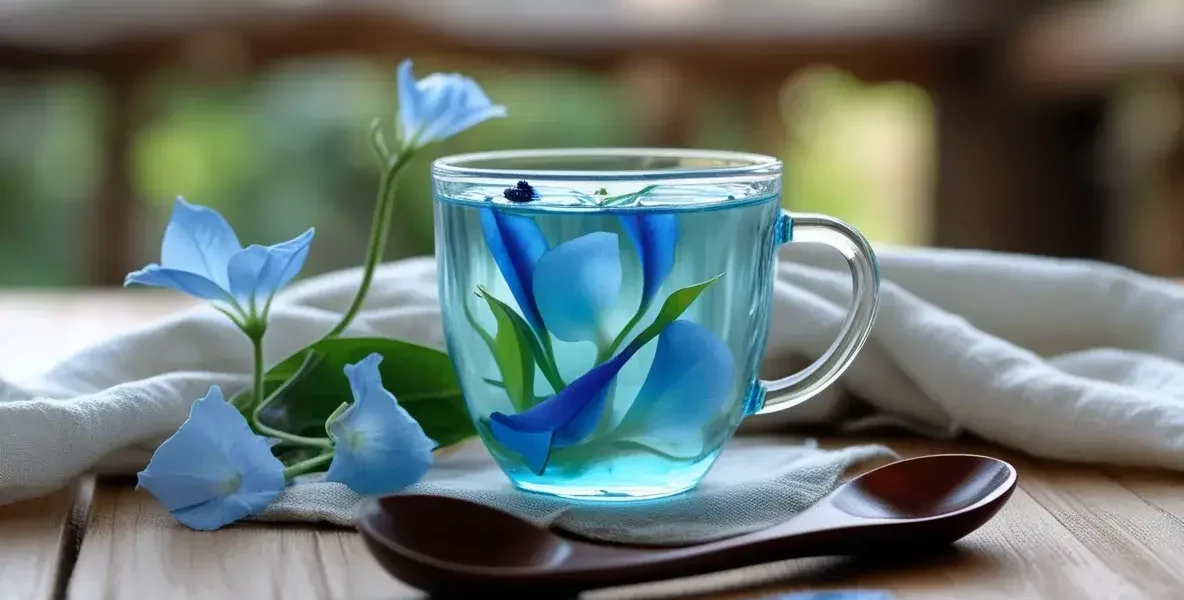
Butterfly pea flower tea for fertility has been used in traditional medicine for centuries, particularly in Southeast Asia where the vibrant blue flower originates. Traditionally, this remarkable plant has been associated with reproductive health in women, helping to regulate menstruation and support healthy fertility. In fact, the butterfly pea flower scientific name, Clitoria ternatea, directly references female reproductive anatomy, which explains why it has long been connected to women’s health and libido.
What does butterfly pea tea do for the body? Due to its promising phytochemicals, this herbal infusion has the potential to alleviate pain, inflammation, and menstruation difficulties. Additionally, in some Indian villages, pregnant women wear the roots of the plant on their arms or waist to help ensure safe deliveries. The flower is also said to be ruled by Venus in traditional medicine, connecting it to attributes of love and protection. However, despite these long-standing beliefs, many of us wonder: is there any truth to the fertility claims? In this article, we’ll explore the scientific evidence behind butterfly pea flower tea’s reproductive benefits and show you how to incorporate this fascinating herbal remedy into your wellness routine.
What is Butterfly Pea Flower Tea?
Butterfly pea flower tea stands out as one of the most visually striking beverages you’ll ever encounter. This vibrant blue herbal infusion has been a staple across Southeast Asia for centuries before recently captivating tea enthusiasts worldwide.
Origin and traditional uses
Native to the Indonesian island of Ternate, butterfly pea flower tea has deep cultural roots throughout Southeast Asia. In Thailand and Vietnam, this blue beverage is commonly mixed with honey and lemon, creating a refreshing drink known as “nam dok anchan” in Thai, typically served after dinner or as a refreshment at hotels and spas. This preparation is as culturally significant in these regions as chamomile tea is in Western countries.
Beyond its role as a beverage, the flowers serve practical culinary purposes. In Malaysian cuisine, particularly in Kelantan, the flower is an essential ingredient in “nasi kerabu,” giving this dish its characteristic blue color. Throughout Burma and Thailand, the flowers are sometimes dipped in butter and fried for a unique culinary treat.
Butterfly pea flower scientific name
The scientific name for the butterfly pea plant is Clitoria ternatea. It belongs to the Fabaceae family, which includes familiar plants like peas, beans, lupines, redbuds, and tamarind. The plant goes by several common names including Asian pigeonwings, bluebellvine, blue pea, butterfly pea, cordofan pea, and Darwin pea. In Indian Ayurveda, it is traditionally known as “aparajita”.
Interestingly, the first part of its scientific name was inspired by the flower’s resemblance to female reproductive anatomy, which partly explains its historical associations with fertility and women’s health.
Is butterfly pea tea caffeinated?
Unlike black, green, or white teas derived from the Camellia sinensis plant, butterfly pea flower tea is naturally caffeine-free. This makes it an excellent choice for those seeking to avoid caffeine while still enjoying a flavorful beverage. As an herbal infusion or tisane rather than a true tea, it can be enjoyed any time of day without concerns about disrupting sleep patterns.
The caffeine-free nature of this tea, combined with its stunning color-changing properties and potential health benefits, makes it an increasingly popular choice for tea enthusiasts looking for something unique yet functional.
The remarkable effects of butterfly pea tea on the human body are gaining attention from both traditional medicine practitioners and modern researchers alike.
What does butterfly pea tea do?
This vibrant blue brew works as a multifunctional herbal remedy. Primarily, it operates as a neuroprotective agent that may enhance brain function, memory, and mental clarity through supporting acetylcholine levels. Furthermore, it serves as an effective anti-inflammatory agent that helps alleviate chronic pain conditions. Butterfly pea flower tea promotes digestion, assists with weight loss efforts through regulating fat cell formation, and supports blood glucose control in both animal and human studies. Notably, it contributes to eye health by increasing blood flow to the eyes, potentially helping with conditions like glaucoma and supporting night vision.
Antioxidants and anti-inflammatory compounds
The impressive health properties stem from butterfly pea flower’s rich polyphenolic profile. The flowers contain approximately 30 mg of phenolic compounds per gram of dry matter, making them exceptionally potent. The vibrant blue color comes from anthocyanins called ternatins, which combat inflammation and inhibit cancer cell growth. Beyond ternatins, the flowers contain kaempferol (with cancer-fighting properties), p-coumaric acid (offering anti-inflammatory, antimicrobial, and antiviral protection), and delphinidin-3,5-glucoside (supporting immune function). Studies show that incorporating just 10% butterfly pea flower into food formulations significantly increases total phenolic compounds and antioxidant properties.
Why does butterfly pea tea change color?
The most fascinating aspect of this tea is its chameleon-like color-changing ability. Essentially, butterfly pea flower acts as a natural acid-base indicator. In neutral pH, the tea displays its signature vibrant blue color. Nevertheless, when an acidic ingredient like lemon juice is added, it transforms to striking purple or violet as the pH balance shifts. This magical transformation occurs because the anthocyanin pigments in the tea respond to changes in hydrogen ion concentration. The color-changing property has made butterfly pea tea popular among mixologists and chefs who use it to create visually stunning beverages. Similar to hydrangeas, which change color based on soil pH, butterfly pea flowers respond to their chemical environment.
Can Butterfly Pea Tea Boost Fertility?
The intricate relationship between butterfly pea flower tea and fertility has roots that run as deep as the plant itself.
Traditional beliefs around fertility
For centuries, Clitoria ternatea has been revered in traditional medicine systems, specifically Ayurveda and Thai medicine, for its supposed benefits to reproductive health. The plant’s genus name itself derives from its flower’s resemblance to female reproductive anatomy, which strongly influenced its traditional association with women’s health. In Ayurvedic texts, practitioners have used butterfly pea as a tonic for improving vitality, addressing menstrual issues, and supporting fertility. These applications, though, are primarily based on the doctrine of signatures and folk beliefs rather than clinical practice.
Scientific studies on reproductive health
Presently, there is limited scientific validation for these traditional fertility claims. Most contemporary research on butterfly pea flower focuses on its antioxidant, cognitive, and anti-inflammatory properties instead of direct reproductive effects. Some animal studies have explored its potential effects on fertility and sexual behavior, but these results remain preliminary without human confirmation.
Hormonal balance and menstrual support
Regardless of limited clinical evidence, the flower continues to be used for hormonal balance enhancement. For women, it may help regulate menstrual cycles and alleviate symptoms of PMS and menopause. The flower contains compounds that potentially improve circulation, thereby supporting reproductive organs.
Impact on sperm and egg health
Interestingly, recent research on male fertility shows promise. Studies on obese male rats demonstrated that butterfly pea flower extract improved testicular function. Another study found that adding butterfly pea flower extract to sperm storage media improved spermatozoa motility and viability. These effects likely stem from the flower’s rich antioxidant content, which combats oxidative stress—a known factor in reproductive health issues.
Creating the perfect cup of butterfly pea flower tea is as simple as it is magical. Initially, I found myself captivated by both its vibrant color and potential health benefits.
How to make fresh butterfly pea flower tea
To prepare fresh butterfly pea tea, begin with 5-10 fresh flowers (or 1 teaspoon dried flowers) per cup of hot water. Remove green stalks from fresh flowers, rinse thoroughly, then steep in hot water for 5-7 minutes until achieving a deep blue color. For optimal results, press flowers gently with the back of a spoon to extract maximum color without oversteeping beyond 10 minutes to avoid bitterness.
How to make butterfly pea flower tea benefits
For maximum health benefits, use water just below boiling point. To create a concentrate, steep flowers in less water, then refrigerate for up to 10 days. Consequently, you can dilute this concentrate (1 part concentrate to 5 parts water) whenever needed.
Creative ways to drink it: hot, iced, latte
Beyond basic preparation, this versatile tea shines in numerous forms:
Hot tea: Steep flowers, add optional honey or lemon
Iced tea: Cool brewed tea, pour over ice
Blue latte: Mix butterfly pea powder with hot water, add sweetener and frothed milk
Experiment with additions like mint, lemongrass, or ginger for enhanced flavor profiles.
What tea turns purple: the magic butterfly tea
The most fascinating aspect of butterfly pea tea is its color-changing ability. Add a few drops of lemon or lime juice to watch your blue tea transform to vibrant purple or even pink with hibiscus. This magical property makes it popular for cocktails, mocktails, and as a natural food coloring.
Daily dosage and best time to drink
For optimal results, limit consumption to 300-500ml (1-2 cups) daily, equivalent to 5-10 fresh flowers or 1-2 grams of dried flowers. Many find drinking after meals and before bed helpful for weight management. Moreover, enjoying on an empty stomach once or twice weekly supports detoxification and digestive health.
Who should avoid it?
Despite its benefits, certain groups should exercise caution. Pregnant and breastfeeding women should avoid butterfly pea tea. Similarly, individuals with legume allergies, low blood pressure, or those taking blood pressure medications should consult healthcare providers before consumption. At high doses, some people may experience digestive discomfort.
Conclusion: What We Know About Butterfly Pea Flower Tea for Fertility
Butterfly pea flower tea certainly stands out as a fascinating beverage with its striking blue color and remarkable color-changing properties. Throughout history, this herbal infusion has maintained a strong connection to fertility and reproductive health, particularly in Southeast Asian traditional medicine. The flower’s rich antioxidant profile and anti-inflammatory compounds undoubtedly contribute to its numerous potential health benefits.
Nevertheless, we must acknowledge that scientific research specifically linking this tea to fertility enhancement remains limited. Most evidence comes from traditional practices and preliminary animal studies rather than comprehensive human clinical trials. The promising research on male fertility, however, suggests this area deserves further scientific exploration.
Additionally, the caffeine-free nature of butterfly pea flower tea makes it an excellent alternative for anyone looking to reduce stimulant intake while still enjoying a unique beverage. Whether prepared hot, iced, or as a latte, this versatile tea offers countless creative possibilities for wellness enthusiasts.
Though butterfly pea flower tea shows potential health benefits, moderation remains key. Pregnant women, those with legume allergies, and individuals taking blood pressure medications should exercise caution or avoid it altogether. The recommended daily intake of 1-2 cups provides a sensible approach for most people.
Overall, butterfly pea flower tea represents a beautiful intersection of traditional wisdom and modern wellness practices. While we wait for science to catch up with centuries of traditional use regarding fertility benefits, we can still appreciate this remarkable botanical for its documented properties and stunning visual appeal. The deep blue flower might not be a guaranteed fertility booster, but it certainly offers a delightful addition to any wellness routine.
While butterfly pea flower tea has centuries of traditional use for fertility support, modern science reveals a more nuanced picture of its actual reproductive benefits.
• Limited fertility evidence: Despite traditional beliefs, scientific studies specifically linking butterfly pea tea to fertility enhancement remain preliminary, with most research focusing on antioxidant and anti-inflammatory properties instead.
• Promising male fertility research: Recent studies show butterfly pea extract may improve sperm motility and testicular function in animal models, likely due to its rich antioxidant content combating oxidative stress.
• Safe daily consumption: This caffeine-free herbal tea can be enjoyed at 1-2 cups daily, offering antioxidant benefits and stunning color-changing properties when acid is added.
• Caution for specific groups: Pregnant women, those with legume allergies, and individuals on blood pressure medications should avoid this tea or consult healthcare providers before consumption.
While butterfly pea flower tea offers genuine health benefits through its powerful antioxidants and anti-inflammatory compounds, its fertility-boosting claims require more robust human clinical trials for scientific validation. The tea remains a beautiful, functional addition to wellness routines when consumed responsibly.
FAQs
Q1. Can butterfly pea tea enhance fertility? While butterfly pea tea has been traditionally associated with fertility, scientific evidence supporting this claim is limited. Some animal studies suggest potential benefits for male fertility, but more research is needed to confirm its effects on human reproductive health.
Q2. What are the main health benefits of drinking butterfly pea tea? Butterfly pea tea is rich in antioxidants and anti-inflammatory compounds. It may support brain function, help regulate blood sugar levels, promote eye health, and assist with digestion. The tea is also caffeine-free, making it a suitable option for those looking to reduce caffeine intake.
Q3. How often should I drink butterfly pea tea? For optimal benefits, it’s recommended to consume 1-2 cups (300-500ml) of butterfly pea tea daily. This is equivalent to using 5-10 fresh flowers or 1-2 grams of dried flowers per day.
Q4. Can butterfly pea tea change color? Yes, butterfly pea tea has a unique color-changing property. It appears blue in its natural state but turns purple or pink when an acidic ingredient like lemon juice is added. This makes it popular for creating visually stunning beverages.
Q5. Are there any precautions for drinking butterfly pea tea? While generally safe for most people, pregnant and breastfeeding women should avoid butterfly pea tea. Individuals with legume allergies, low blood pressure, or those taking blood pressure medications should consult their healthcare provider before consuming this tea.
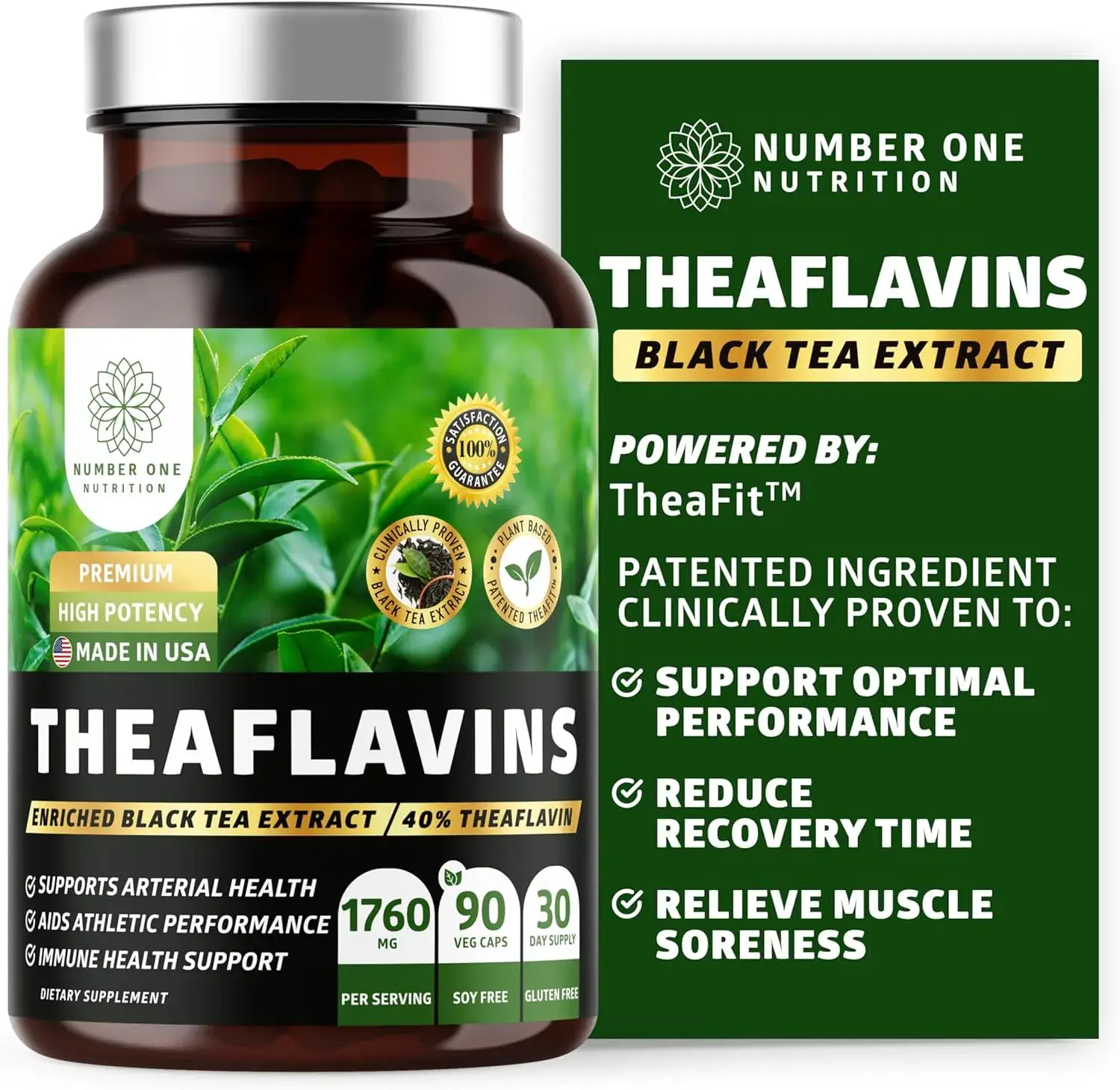
Black Tea Extract that is rich in natural theaflavins and polyphenols that help protect your body from free radicals, promoting overall immune health and well-being
Contains blended amounts of Fruits and Veggies. All natural, with whole foods, fruit and vegetable supplement.Perfect for everyone looking to live a healthier lifestyle.