Every matcha tea recipe with milk we’ve tried confirms one thing: this pairing is both delicious and incredibly versatile. Matcha offers the perfect blend of earthy depth and vibrant energy, making it far more than just a trendy latte ingredient. The combination creates a creamy texture that complements matcha’s earthy flavor, delivering both soothing comfort and energizing benefits in every sip. We’ve compiled 10 easy recipes with matcha powder that range from classic drinks to creative desserts. These matcha green tea recipes include lattes, smoothies, ice cream, pancakes, and more, giving you plenty of ways to drink matcha and explore what to make with matcha powder at home.
Key Takeaways
These 10 matcha recipes demonstrate how versatile this vibrant green tea powder can be when paired with milk, creating everything from energizing drinks to indulgent desserts.
Quality matcha matters: Use ceremonial or culinary-grade matcha ($20-30 for 1.5-2.5 oz) with bright green color for best flavor and appearance
Master the whisking technique: Always mix matcha with hot water (175°F) first using a bamboo whisk in W-pattern before adding milk to prevent lumps
Choose your milk wisely: Oat milk adds creaminess, almond milk brings nuttiness, while whole milk creates richest texture for hot drinks
Start simple, then experiment: Begin with basic lattes or smoothies before advancing to complex recipes like boba tea or homemade ice cream
Proper storage extends freshness: Most prepared drinks should be consumed immediately, while baked goods can be stored 3-5 days refrigerated
Whether you’re craving a quick iced matcha or want to impress with homemade matcha cupcakes, these recipes offer something for every skill level and occasion.
Matcha Latte with Milk
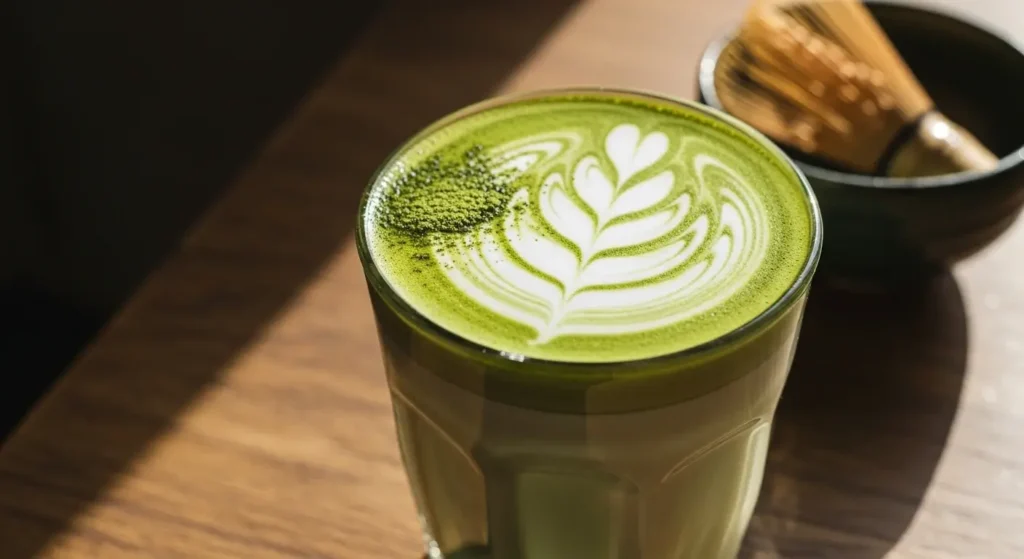
A hot matcha latte stands as the foundation for all matcha drinks, balancing the green tea’s grassy notes with creamy milk. This recipe works equally well whether you prefer dairy or plant-based alternatives.
What You’ll Need
Start with 1 teaspoon of matcha powder, which should be sourced from Japan, organic, and stone ground. Quality matters here. Look for matcha powder that appears very bright green and costs around $20 to $30 for a 1.5 to 2.5-ounce package.
For the liquid base, you’ll need 1/4 cup of hot water at approximately 175°F (80°C). Water that’s too hot will burn the matcha and create bitterness. Add 1 cup of milk, choosing from whole milk, reduced fat milk, almond milk, cashew milk, or oat milk. Each option brings its own character: oat milk adds creaminess, almond milk provides nuttiness, and coconut milk offers tropical notes.
Sweeteners remain optional but help brighten the matcha’s natural flavors. Honey, maple syrup, vanilla simple syrup, or agave work well. One to two teaspoons typically suffices.
How to Make It
Sift the matcha powder through a fine mesh sieve into a mug or shallow bowl to eliminate clumps. This step prevents lumpy texture that’s difficult to whisk away later.
Pour the hot water over the sifted matcha. Using a bamboo whisk, vigorously whisk in a W pattern or zigzag motion for about 30 seconds until the mixture becomes frothy and smooth. An electric frother or small kitchen whisk also works.
Heat the milk separately until it reaches a simmer, then froth it until doubled in size. Pour the warm, frothed milk into your mug with the matcha mixture. Add sweetener to taste and serve immediately.
For a blended version, combine all ingredients in a high-powered blender and blend until smooth and frothy. This method requires no traditional whisking.
Tips and Variations
A bamboo whisk (chasen) removes lumps most effectively, but an electric handheld frother serves as a practical alternative. Some prefer blending everything in a Vitamix for guaranteed smoothness.
Water temperature plays a critical role. Keep it at 175°F (80°C) rather than boiling to prevent bitter flavors. Matcha dissolves better in hot water than in hot milk, so always whisk the powder with water first.
For flavor variations, add 1 teaspoon of cinnamon with a pinch of nutmeg. Vanilla extract creates a sweeter profile, especially when paired with vanilla non-dairy milk. Peppermint adds a refreshing accent.
Milk choice affects both taste and texture. Whole milk or reduced fat milk creates extra creaminess for hot lattes. Oat milk (particularly barista blends) delivers rich, silky texture with subtle sweetness. Coconut milk brings tropical flavor with fewer calories. Some alternative milks contain natural sugars, so reduce added sweetener accordingly.
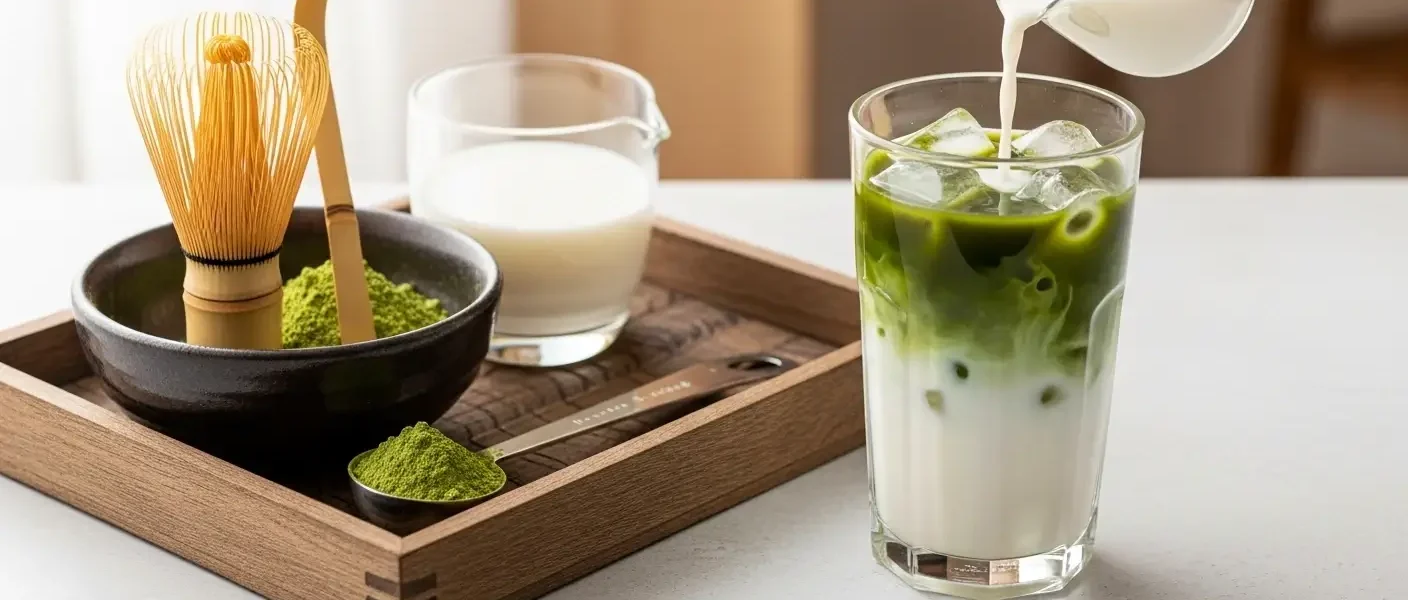
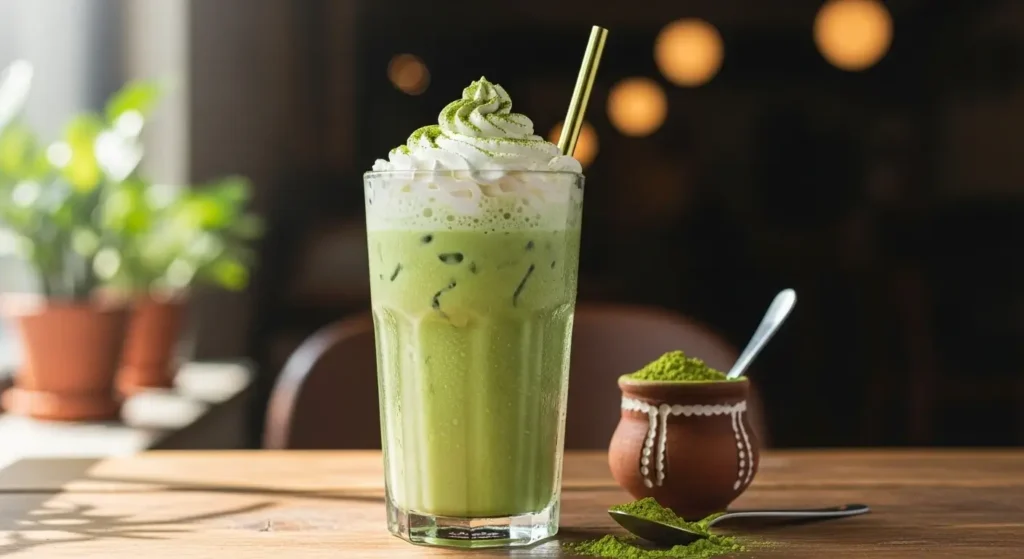
For an iced version, whisk matcha with room-temperature water, fill a glass with ice, add cold milk, then pour the matcha mixture over top.
Iced Matcha Tea with Milk
Iced matcha brings a refreshing twist that works beautifully for warm weather or anytime you need a cool, energizing drink. The cold preparation requires slightly different techniques to ensure the matcha dissolves properly without the help of heat.
What You’ll Need
The matcha powder requirement ranges from 1 to 2 teaspoons depending on your preferred intensity. Many cafes in Japan and Asia use 3 teaspoons for a more robust flavor, though this may be too strong for beginners. Start with 1 teaspoon and adjust upward as you develop your palate.
Water measurements vary by method: 3 tablespoons of warm water or 2 ounces (60ml) work well for the whisking approach. The water should be warm but not boiling, around 175°F (80°C). Cold milk follows, with amounts ranging from 200ml to 250ml (approximately 3/4 to 1 cup).
Sweetener selection matters more for cold drinks. Powdered brown sugar dissolves easily even in cold water and adds caramel notes. Regular refined sugar crystals don’t dissolve well in cold mediums, hence liquid-based sweeteners like simple syrup, honey, or maple syrup work better. Use 1 to 2 teaspoons of maple syrup or honey, or 1 teaspoon of powdered brown sugar.
Milk options include soy milk, oat milk, almond milk, cashew milk, or whole milk. Barista-grade plant-based milk froths better if you want that creamy texture.
How to Make It
Sift the matcha powder into a small bowl. Add the warm water and whisk with a bamboo whisk in a W pattern until frothy and smooth, about 30 to 60 seconds. This creates a concentrated matcha shot without clumps.
Alternatively, use a shaker bottle method: measure 2 teaspoons of matcha powder with 2 ounces of room-temperature water into a bottle, cap it, and shake thoroughly. This technique requires no special equipment and produces consistent results in under a minute.
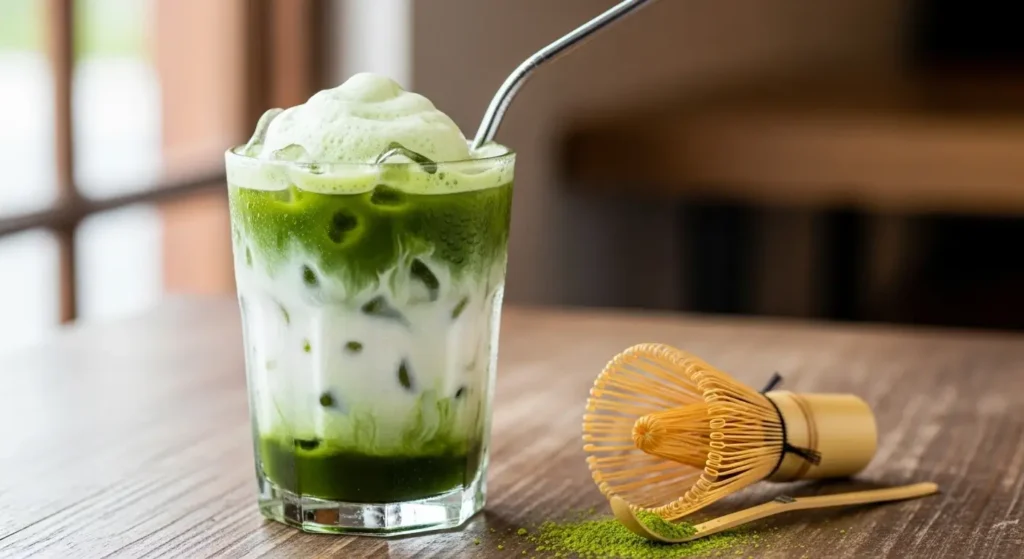
Fill a tall glass with ice. Pour in the cold milk, then gently pour the whisked matcha mixture over top. The layered appearance creates visual appeal before stirring.
For a blended version, combine matcha powder, milk, and sweetener in a blender and blend for 30 seconds to 1 minute until lump-free. Pour over ice and serve.
Tips and Variations
Mix matcha with water first, never directly with milk. Loose matcha powder doesn’t incorporate well into milk, creating a gritty texture.
Add sweetener options like vanilla extract with maple syrup for enhanced flavor. Some prefer a sprinkle of salt and cinnamon. Strawberry variations include blending 1/3 cup strawberries with 1 teaspoon sugar, pouring over ice, adding milk, then topping with matcha.
Chill the whisked matcha mixture in the fridge for 15 minutes before assembling if you want to reduce ice dilution. This keeps your drink stronger as the ice melts.
Quality matcha powder makes a difference. Look for vibrant green color rather than dull green, which typically tastes bitter. For milk drinks, culinary or latte-grade matcha costs less than ceremonial grade and tastes great with milk and sweeteners.
Blending matcha into a smoothie transforms it into a substantial drink that works as breakfast or an afternoon energy boost. The thickness and creamy texture set this apart from regular iced matcha drinks, creating something closer to a meal replacement.
What You’ll Need
Matcha powder amounts range depending on intensity preference. Start with 1/2 teaspoon for mild flavor, though recipes vary from 1 tablespoon to 2 tablespoons for stronger taste. Ceremonial grade matcha produces brighter green color and less bitter taste.
Frozen banana serves as the foundation ingredient. One frozen banana creates creaminess without requiring ice. Ripe bananas work best since they blend quickly and pair well with matcha’s earthy notes. The potassium and magnesium add nutritional benefits.
For liquid, use 1/2 cup to 1 cup of milk. Options include whole milk, almond milk, coconut milk, rice milk, or oat milk. Coconut milk adds extra depth to the flavor.
Greek yogurt increases protein content. Add 1 cup for a thicker, more filling smoothie. Alternatively, plain kefir works as a tangy base.
Sweeteners balance matcha’s slight bitterness. Honey ranks as the top choice, blending well with matcha flavor. Use 1 tablespoon or adjust to taste. Other liquid sweeteners like agave nectar or simple syrup dissolve more easily than granulated sugar.
Optional additions include vanilla extract, handful of ice, or whipped cream as a topper.
How to Make It
Add ingredients to your blender in specific order for easier blending. Place matcha powder first, then frozen banana. Follow with milk, Greek yogurt if using, honey, and vanilla extract.
Blend until smooth, stopping to scrape down sides as needed. The mixture should be completely smooth with no green bits visible. For thicker consistency similar to a smoothie bowl, use minimal liquid. For drinkable texture, add more milk.
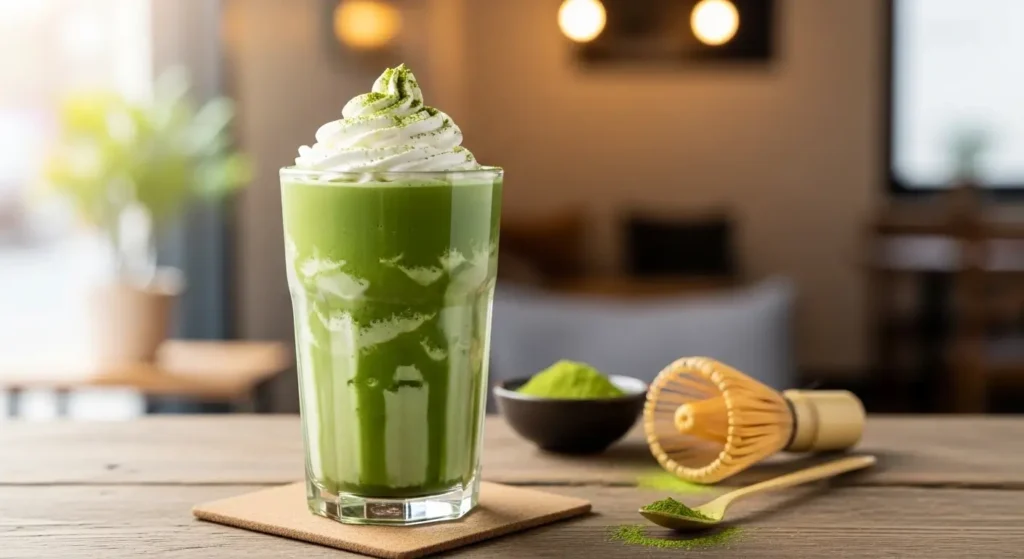
Taste and adjust sweetness by adding more honey in small increments. Serve immediately, optionally topped with whipped cream.
Tips and Variations
High quality matcha costs $20 or more for small amounts but delivers superior taste. Fresh matcha works best, so purchase only enough for three months rather than buying in bulk.
Boost protein by adding a scoop of protein powder, hemp seeds, or chia seeds. Include spinach or kale for extra nutrients without affecting the fruity flavors. Frozen pineapple with fresh grated ginger creates tropical variation. Alternatively, blend in mango, peaches, and orange juice for antioxidant-rich combination.
Coconut cream or avocado slices enhance creaminess.
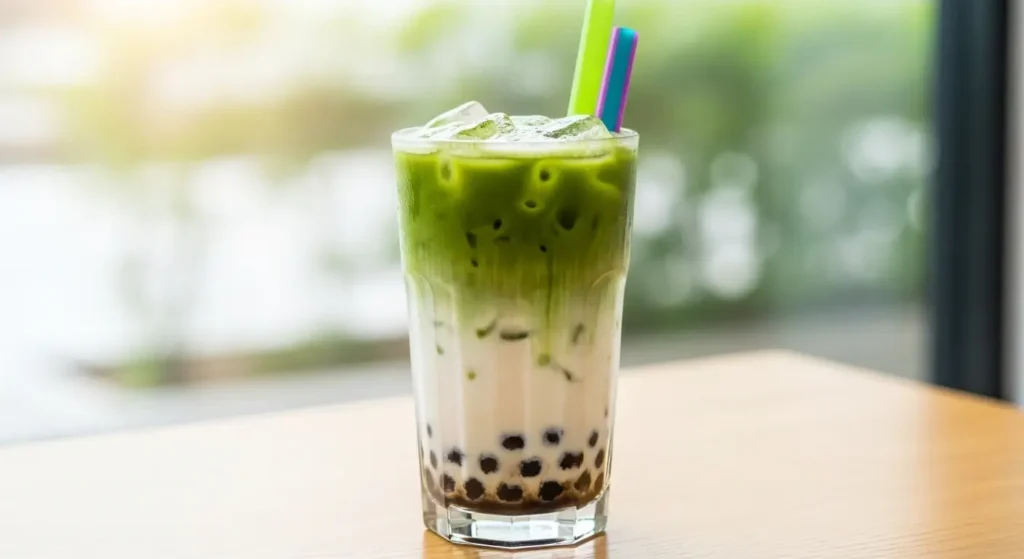
Matcha Green Tea Boba with Milk
Matcha boba combines the earthy richness of whisked green tea with chewy tapioca pearls, creating a textured drinking experience that goes beyond standard milk-based matcha drinks. The pearls add a playful element that makes this recipe particularly satisfying.
What You’ll Need
Matcha powder requirements range from 1 to 2 teaspoons per serving. Ceremonial or latte-grade both work, though latte-grade balances flavor and cost better for sweetened drinks.
Tapioca pearls form the defining element. Use 1/4 cup to 1/2 cup uncooked pearls. Quick-cook varieties finish in 5 to 10 minutes, while traditional pearls require 20 to 30 minutes but deliver deeper chew. Cook them in 4 to 8 cups of boiling water.
Milk amounts vary from 150ml to 250ml per serving. Dairy options include whole milk or condensed milk, while plant-based choices span oat, almond, soy, and coconut. Each brings distinct character to the final drink.
Sweeteners serve double duty, flavoring both the drink and the cooked pearls. Brown sugar creates syrupy coating on the boba. Alternatives include honey, maple syrup, fructose, or simple syrup. Use 1 to 4 tablespoons depending on sweetness preference.
Hot water for whisking matcha should measure 50ml to 1/4 cup at 75 to 80°C. Add ice cubes for serving.
How to Make It
Boil water and add tapioca pearls, stirring until they float. Cook for 15 to 20 minutes until completely soft and chewy. Turn off heat, cover, and rest for 5 to 10 minutes. Drain, rinse under cold water, then mix with sweetener while warm so they absorb the syrup. Let them sit for 5 minutes.
Sift matcha into a bowl, add hot water, and whisk in zigzag motion until frothy. This creates smooth concentrate without lumps.
Spoon sweetened boba into tall glasses. Fill with ice cubes, pour in chilled milk, then gently add whisked matcha on top. The layered effect creates visual appeal before stirring.
Tips and Variations
Wide straws accommodate the pearls during drinking. Enjoy immediately since tapioca hardens within hours of cooking.
Add 1 to 2 tablespoons of strawberry jam or mango puree at the glass bottom before boba for fruity variations. Sprinkle extra matcha powder on top for barista-style presentation.
Matcha Lassi
Yogurt-based lassi from Indian cuisine pairs surprisingly well with Japanese matcha, creating a creamy, spiced drink that balances tang with earthy green tea notes. This fusion recipe brings together the probiotic benefits of yogurt with matcha’s antioxidants, while cardamom and optional saffron add aromatic depth.
What You’ll Need
Plain yogurt forms the foundation. Use 2 cups of whole milk yogurt, though Greek yogurt creates thicker texture. Plant-based options work equally well: coconut yogurt or almond milk yogurt provide dairy-free alternatives.
Matcha powder measurements vary from 1 tablespoon to 2 tablespoons. Start with 1 tablespoon for subtle flavor, increasing to 2 tablespoons for pronounced matcha taste. Ceremonial-grade matcha produces brighter color and smoother flavor.
Water thins the yogurt to drinkable consistency. Add 1 cup, adjusting based on desired thickness. Some recipes incorporate milk: specifically, 4 fl oz adds extra creaminess to mango variations, or use 1/2 cup for plant-based versions.
Traditional Indian spices distinguish lassi from standard smoothies. Cardamom powder at 1/4 teaspoon contributes warming, slightly sweet notes. A pinch of saffron adds luxury and golden threads, though this remains optional.
Sweeteners balance yogurt’s tang and matcha’s slight bitterness. Use 2 tablespoons of sugar, or substitute with honey, maple syrup, or agave nectar for vegan versions. Adjust to taste based on yogurt sourness.
For mango lassi variation, add 1 cup of frozen or fresh ripe mango cubes. Pistachio versions require handful of pistachios blended with yogurt.
How to Make It
Combine yogurt, water, matcha powder, sugar, cardamom powder, and saffron in a blender. Blend on high speed for 1 to 2 minutes until smooth and frothy. The mixture should appear uniformly green without yogurt streaks.
Taste and adjust sweetness. Pour into glasses and serve chilled.
For mango variation, blend mango first with yogurt and milk until creamy, then add matcha and pulse briefly. This creates layered color if desired, or blend completely for uniform jade-green appearance.
Tips and Variations
Thin the lassi by adding more water. Ice cubes create extra refreshment. For thicker consistency resembling smoothie bowls, reduce water and use Greek yogurt.
Substitute spices when cardamom isn’t available: cinnamon or nutmeg work as alternatives. Ripe Ataulfo or Alphonso mangoes deliver maximum sweetness for mango versions. Cool prepared matcha before mixing to prevent curdling yogurt.
Pistachio lassi requires blending pistachios with 1/4 of the yogurt first until smooth, then adding remaining ingredients. Top with crushed pistachios and matcha powder for presentation.
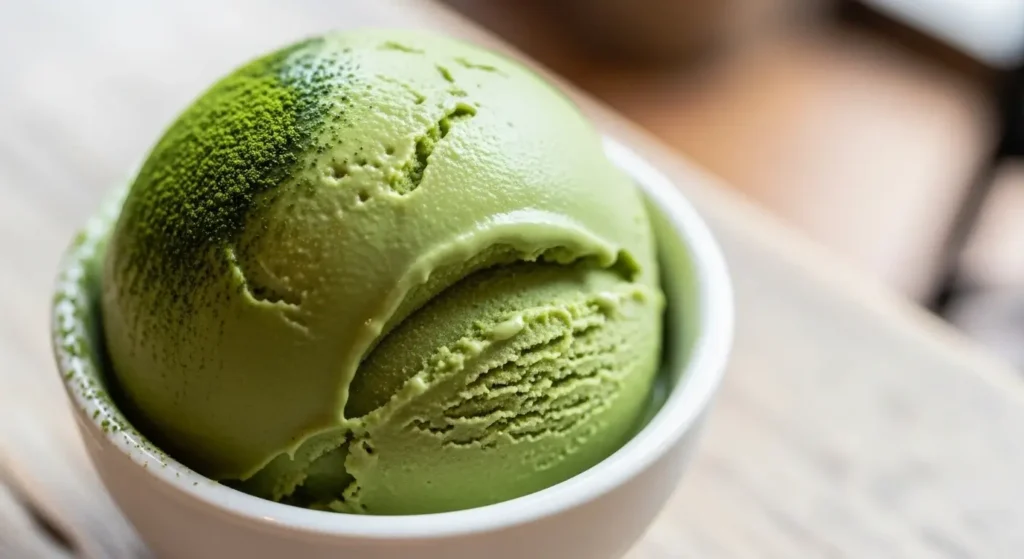
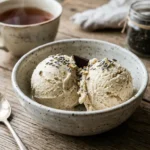
Transforming matcha into frozen dessert creates a rich, creamy treat that showcases the green tea powder in an entirely different form. Two main approaches exist: custard-based recipes using an ice cream maker, and simpler no-churn versions that require only a hand mixer.
What You’ll Need
Matcha powder amounts vary considerably depending on desired intensity. No-churn recipes typically use 2 to 3 tablespoons, while ice cream maker versions range from 1 tablespoon up to 5 tablespoons for pronounced flavor. High-quality matcha produces better color and taste. Specifically, Aiya culinary grade matcha works well for desserts, though ceremonial grade delivers superior results.
For no-churn versions, you’ll need 1 can (14 ounces) of sweetened condensed milk and 2 cups of heavy whipping cream. Some recipes add 1 teaspoon vanilla extract and 1/4 teaspoon salt. An unusual ingredient, 12 regular marshmallows, creates exceptionally creamy texture without eggs.
Ice cream maker recipes require different proportions. Combine 1 3/4 cups whole milk with 1 1/4 cups heavy cream, or use 2 1/4 cups whole milk plus 3/4 cup heavy cream. Sugar measures 1/2 to 3/4 cup, with 5 egg yolks for custard base. Higher cream ratios prevent icy texture.
How to Make It
For no-churn method, whip heavy cream until stiff peaks form. Separately, whisk matcha powder into sweetened condensed milk until smooth. Fold whipped cream into matcha mixture gently. Transfer to freezer-safe container and freeze for at least 6 hours.
Ice cream maker versions require tempering eggs to prevent cooking. Heat milk, cream, and matcha over medium-low heat until warm, about 5 minutes. Whisk sugar with egg yolks, then add 1/4 cup warm milk mixture while whisking quickly. Pour tempered eggs back into pot and cook until mixture reaches 170°F. Strain, refrigerate for at least 2 hours, preferably 4 hours. Churn in ice cream maker for 15 to 20 minutes, then freeze additional 4 hours.
Tips and Variations
Freeze the ice cream maker bowl for 24 hours beforehand. Important to realize that insufficiently frozen bowls produce liquid instead of ice cream.
Metal containers freeze ice cream faster and more evenly than plastic. Store in freezer for up to 6 weeks, though best consumed within 2 weeks to maintain color and prevent ice crystals. Thaw 10 minutes before scooping.
Top with sweet red bean paste, fruit purees like strawberry or mango, or white chocolate fudge.
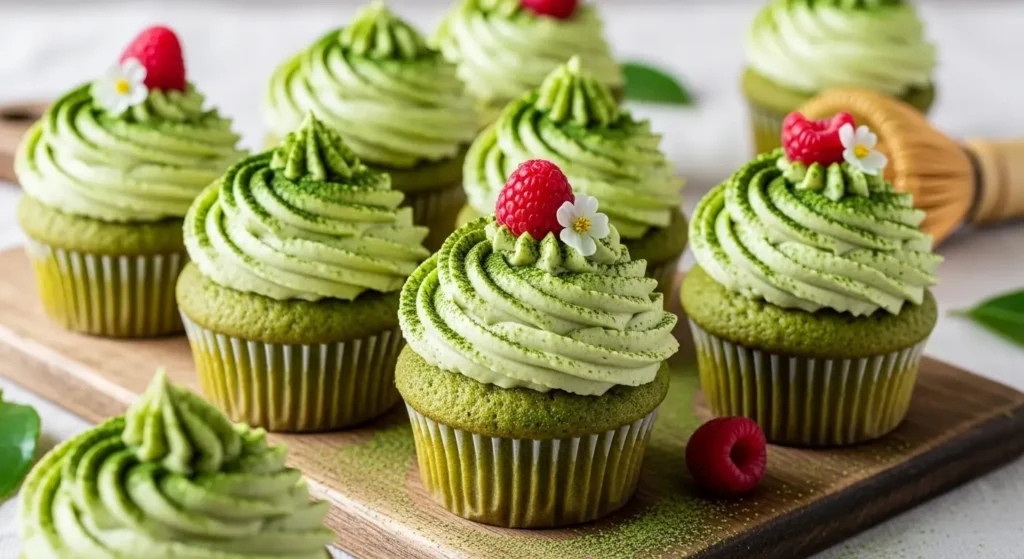
Matcha Cupcakes
Baking matcha into soft, moist cupcakes creates a dessert that captures the green tea‘s earthy flavor in tender crumb form. The combination of butter and oil produces exceptionally soft texture, while whipped white chocolate ganache offers a lighter alternative to traditional buttercream frosting.
What You’ll Need
Matcha powder measurements range from 2 tablespoons to 4 teaspoons, depending on flavor intensity preference. Culinary-grade matcha works perfectly for baking and delivers better flavor and color than lower grades.
For the cupcake base, combine 1 1/4 to 1 1/3 cups all-purpose flour with 1 1/2 teaspoons baking powder and 1/4 to 1/2 teaspoon baking soda. Both leavening agents contribute to proper rise. Add 1/2 cup each of white sugar and brown sugar, though some recipes use 3/4 cup total.
Whole milk at 1/2 to 3/4 cup creates moisture, as opposed to low-fat versions that produce drier results. Mix milk with 1 tablespoon white vinegar to curdle it, which reacts with baking soda for extra lift and moisture. Buttermilk substitutes directly.
Both unsalted butter (1/4 to 1/2 cup) and vegetable oil (1/4 to 1/2 cup) appear in the recipe. Whipping them together until fluffy creates lighter texture. Add 1 to 2 large eggs and 1/2 teaspoon vanilla extract.
For whipped ganache topping, combine 3/4 cup heavy cream with 2 ounces white chocolate and 1 tablespoon matcha. This frosting stays light and less sweet than buttercream. Alternatively, standard buttercream requires 1 cup softened butter, 4 1/2 cups powdered sugar, and 3 tablespoons milk.
How to Make It
Preheat oven to 350°F and line a 12-cavity muffin pan. Whisk dry ingredients together, ensuring matcha disperses evenly without lumps.
In a separate bowl, whisk buttermilk, oil, eggs, and vanilla until smooth. Pour wet ingredients over dry ingredients and whisk until batter forms. The batter appears slightly thin.
Distribute batter evenly using an ice cream scoop, filling liners 2/3 to 3/4 full. Bake for 15 to 22 minutes until toothpick emerges clean. Cool for 10 minutes in pan, then transfer to wire rack.
For whipped ganache, heat half the cream until simmering, whisk in sifted matcha, then pour over chopped white chocolate. Stir until smooth, strain through fine mesh sieve, and chill completely for at least 3 hours. Whip remaining cream to soft peaks, fold into chilled ganache, then pipe onto cooled cupcakes.
Tips and Variations
Sift matcha powder to prevent clumps in both batter and ganache. Use a stick blender for perfectly smooth ganache without lumps.
Whip eggs until lightened before adding to create extra fluffiness. Stop beating ganache immediately when stiff peaks form, since overwhipping causes splitting. Keep ganached cupcakes chilled since cream-based frosting melts at room temperature.
Store frosted cupcakes at room temperature for 3 days or refrigerate for 5 days. Unfrosted cupcakes freeze for up to 6 months wrapped well.
Substitute gluten-free 1:1 flour blend, almond milk, or coconut oil. Fold white chocolate chips through batter or add lemon zest for brightness. Dark chocolate ganache replaces white chocolate for deeper flavor.
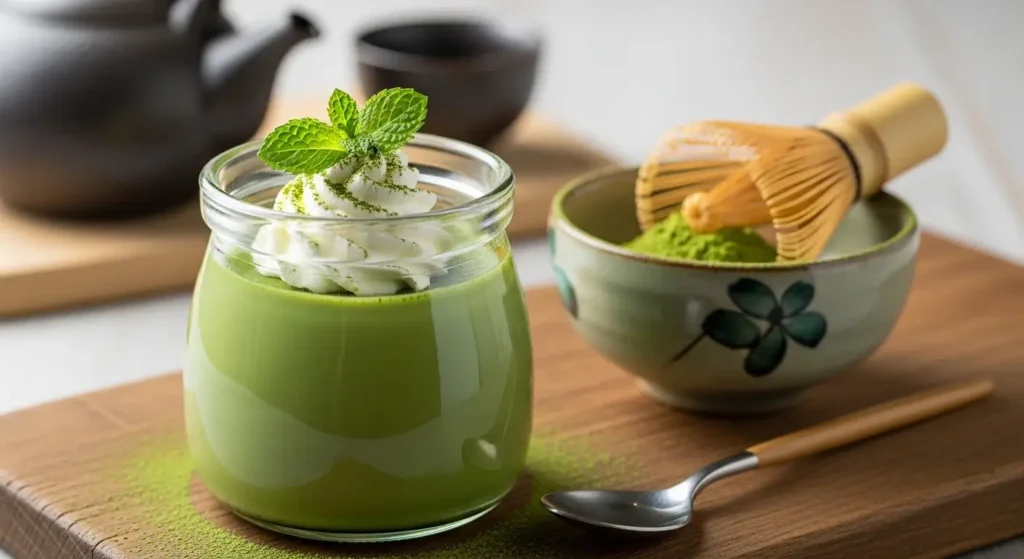
Matcha Pudding
Silky matcha pudding delivers the green tea’s earthy notes in a smooth, custard-like dessert that requires minimal hands-on time. Two distinct methods produce different textures: baked custard creates dense, flan-like consistency, while gelatin-based versions yield lighter, jelly-style pudding.
What You’ll Need
Baked versions require 1 tablespoon matcha powder, 2 cups whole milk, 3 large eggs, and 2/3 cup sugar. The eggs create custard structure during baking. Preheat your oven to 320°F and prepare six 6-ounce soufflé cups.
For gelatin-based pudding, combine 1 1/2 tablespoons matcha with 1 1/4 cups whole milk, 1/4 cup sugar, and 2 gelatin sheets (or 5 grams gelatin powder). Some recipes add 120 grams heavy cream for richer texture. Alternatively, cornstarch versions use 2 teaspoons cornstarch with 1 1/2 cups milk and 1/2 cup heavy cream.
Japanese-style pudding often includes 3 tablespoons sweet red bean paste (anko) at the bottom, creating layered appearance as heavier beans settle.
How to Make It
For baked pudding, bring milk to slight boil, then set aside. Mix eggs and sugar, gradually add milk, then whisk in matcha mixed with 1 tablespoon hot water. Strain for smoother texture. Place cups in roasting pan, fill halfway with boiling water, and bake 30 minutes. Refrigerate 2 to 3 hours before serving.
Gelatin method dissolves bloomed gelatin using double boiler. Heat milk nearly to boil, add sugar, whisk 3 tablespoons into sifted matcha until smooth, then combine everything. Pour into cups and chill 2 hours.
Tips and Variations
Sift matcha through fine strainer for easier dissolving. Straining the final mixture removes undissolved particles. Store refrigerated for up to 3 days. Top with whipped cream and red bean paste, or caramelize sugar on top for crème brûlée style.
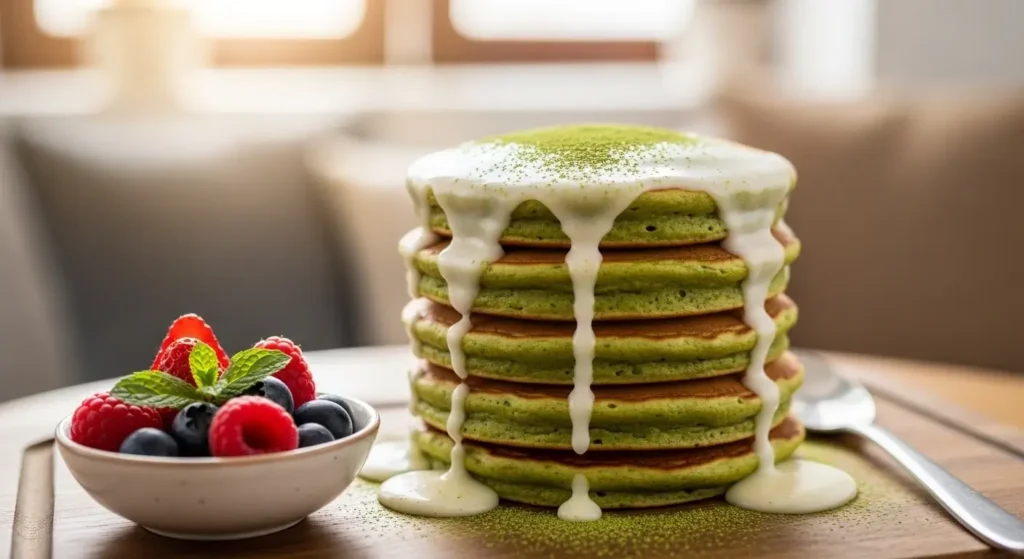
Fluffy matcha pancakes bring the green tea’s vibrant color and earthy notes to your breakfast table. The recipe takes just 15 to 25 minutes from start to finish.
What You’ll Need
All-purpose flour forms the base at 1 to 1 1/2 cups. Matcha powder ranges from 1 teaspoon to 2 tablespoons depending on intensity preference. Baking powder (1 1/2 to 2 1/2 teaspoons) creates lift, while some recipes add 1/2 teaspoon baking soda for extra fluffiness.
Milk measurements vary from 1 to 1 1/4 cups. Options include whole milk, oat milk, almond milk, cashew milk, or coconut milk. One large egg binds ingredients. Sugar adds 1 tablespoon to 2 tablespoons of sweetness. Melted butter (2 to 3 tablespoons) enriches flavor.
How to Make It
Whisk dry ingredients together, ensuring matcha disperses evenly. Create a well in the center, add wet ingredients, and mix until nearly smooth. Heat a griddle to 300-350°F or pan over medium-high heat. Pour 1/4 to 1/3 cup batter per pancake. Cook until bubbles form and edges look defined, about 2 minutes. Flip and cook another minute until golden.
Tips and Variations
Refrigerate for 4 days or freeze up to 3 months between wax paper. Top with yogurt, fresh berries, maple syrup, or nut butters.
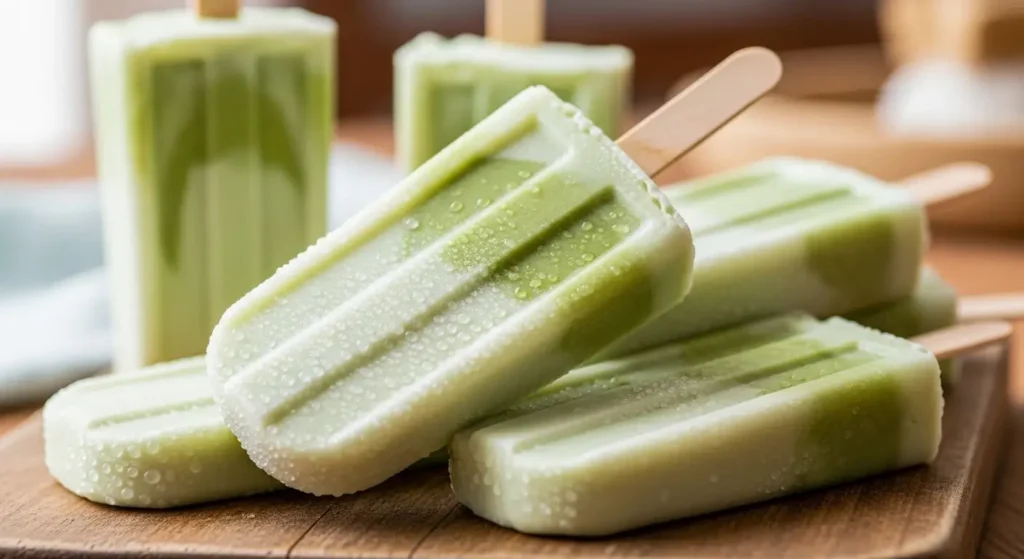
Milky Green Tea Popsicles
Frozen popsicles showcase matcha in a refreshing format that requires no special equipment beyond molds. The creamy base balances the green tea’s earthy notes while providing cool relief.
What You’ll Need
Matcha powder ranges from 1 to 2 teaspoons per batch, though some recipes use up to 3 heaping teaspoons for stronger flavor. Ceremonial-grade dissolves more cleanly than culinary grades.
Full-fat coconut milk (1 can or 1 cup) creates the creamiest texture, while lite versions produce icier results. Alternatively, combine vanilla frozen yogurt (1 cup) with milk (1 cup) and matcha (3/4 tablespoon), or use sweetened condensed milk mixed with matcha tea.
Sweeteners include maple syrup, honey, or agave at 2 to 3 tablespoons. Add 1 teaspoon vanilla extract for rounded flavor. For white chocolate drizzle, melt 1/2 cup white chocolate chips with 2 teaspoons coconut oil.
How to Make It
Sift matcha first. Whisk with warm water until smooth, then blend with milk and sweeteners. Pour into molds and freeze 90 minutes before inserting sticks, then freeze 4 to 6 hours total.
Run warm water over molds briefly to unmold.
Tips and Variations
Each popsicle contains approximately 20 to 25 mg caffeine. Store up to 2 weeks. Layer with strawberries or mango, or drizzle melted white chocolate and sprinkle crushed pistachios.
Side-by-Side Breakdown of Every Matcha Milk Recipe
Recipe Name
Matcha Amount
Milk Type/Amount
Preparation Time
Key Ingredients
Sweetener Options
Special Equipment
Storage/Serving Notes
Matcha Latte with Milk
1 teaspoon
1 cup (whole, almond, cashew, oat, or reduced fat milk)
Not mentioned
1/4 cup hot water (175°F)
Honey, maple syrup, vanilla simple syrup, agave (1-2 tsp)
Bamboo whisk (chasen), electric frother, or blender
Refrigerate 4 days or freeze up to 3 months between wax paper
Milky Green Tea Popsicles
1-3 teaspoons per batch
1 can or 1 cup full-fat coconut milk (or 1 cup vanilla frozen yogurt + 1 cup milk)
90 min partial freeze + 4-6 hours total freeze
Vanilla extract (1 tsp), optional white chocolate drizzle
Maple syrup, honey, or agave (2-3 tbsp)
Popsicle molds
Store up to 2 weeks; each contains 20-25mg caffeine
Conclusion: Find Your Favorite Matcha Tea Recipe With Milk at Home
We’ve explored 10 matcha recipes that transform this vibrant green tea powder into everything from classic lattes to frozen treats. Not every recipe will become your go-to favorite, and that’s perfectly fine. You might discover that iced matcha boba satisfies your cravings while matcha cupcakes don’t quite hit the mark. The key is experimenting with different preparations until you find what resonates with your taste buds. Start with a simple latte or smoothie, then gradually work your way toward more adventurous options like lassi or homemade ice cream. Most important, enjoy the process of discovering how matcha’s earthy notes pair beautifully with milk in countless delicious ways.
Q1. What is the best way to mix matcha with milk? The most effective method is to whisk matcha powder with hot water first until smooth and frothy, then add your choice of milk. This prevents clumps and ensures the matcha dissolves properly, as matcha doesn’t incorporate well when mixed directly with milk.
Q2. What type of milk works best for matcha drinks? Whole milk creates the creamiest texture, while oat milk (especially barista blends) provides rich, silky consistency with subtle sweetness. Almond milk adds a nutty flavor, and coconut milk brings tropical notes. Each milk type offers distinct characteristics that complement matcha’s earthy taste.
Q3. How much matcha powder should I use for a latte? For a standard matcha latte, use 1 to 2 teaspoons of matcha powder per serving. Start with 1 teaspoon if you’re new to matcha, then adjust upward based on your preference for stronger flavor. Quality ceremonial or latte-grade matcha produces the best results.
Q4. What sweeteners pair well with matcha? Honey, maple syrup, and agave nectar are excellent choices that blend smoothly with matcha’s flavor profile. For cold drinks, use liquid sweeteners or powdered brown sugar, as regular granulated sugar doesn’t dissolve well in cold liquids. Typically, 1 to 2 teaspoons is sufficient.
Q5. Can I add other flavors to enhance my matcha milk drinks? Yes, mint provides a refreshing complement to matcha’s grassy notes, while vanilla extract adds sweetness. Cinnamon with a pinch of nutmeg creates warmth, and sea salt can enhance the overall flavor. For fruity variations, strawberry, mango, or pineapple work beautifully in smoothies and frozen treats.
Black Tea Extract that is rich in natural theaflavins and polyphenols that help protect your body from free radicals, promoting overall immune health and well-being
Contains blended amounts of Fruits and Veggies. All natural, with whole foods, fruit and vegetable supplement.Perfect for everyone looking to live a healthier lifestyle.