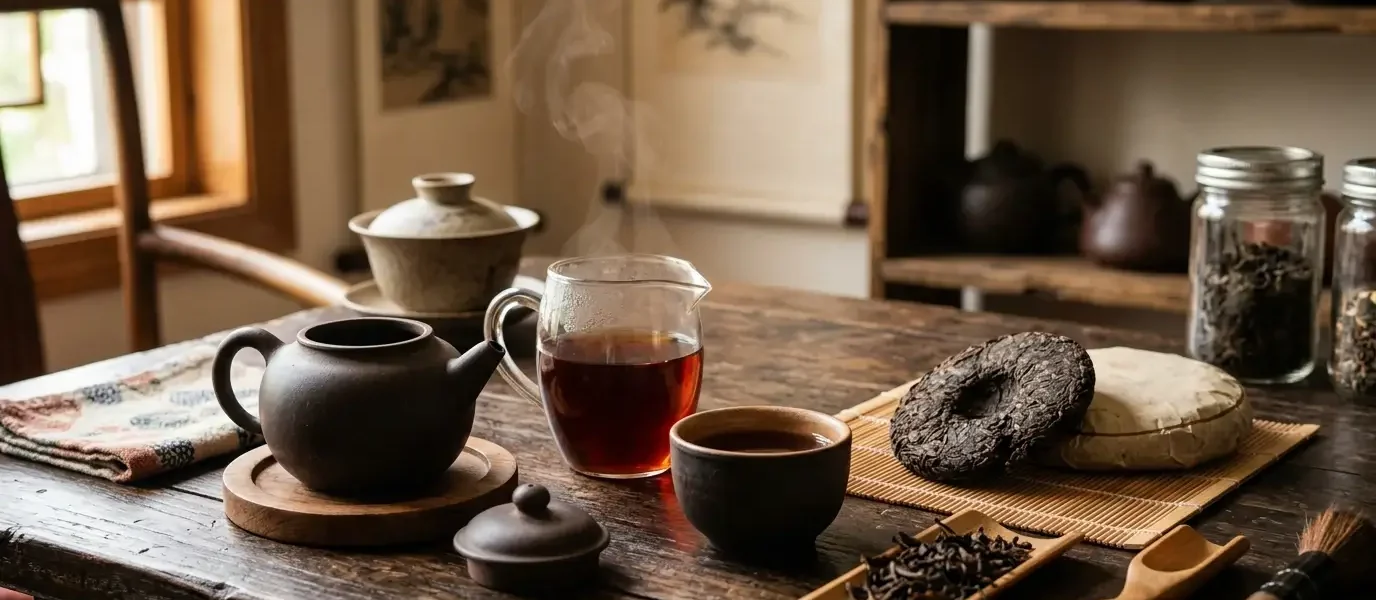
Ever thought if your favorite tea loses its charm over time? Most foods have a limited shelf life, but this special tea is different. It gets better with age, unlike green or black tea that loses flavor.
Figuring out the pu erh tea expiry date is more about enjoying the aging process. These fermented leaves get smoother and more complex as they age. It’s a journey of taste and discovery.
With proper care, your tea can become a treasured vintage that lasts for decades. It’s not just a drink; it’s a living piece of history that gets better with time.
Key Takeaways
This unique variety does not have a traditional shelf life.
Proper storage is essential to ensure the quality improves over time.
Unlike other varieties, the flavor profile deepens through natural fermentation.
You can safely enjoy these leaves for many years if kept in a stable environment.
The concept of aging turns your collection into a long-term investment.
Understanding the Unique Nature of Pu Erh Tea
Pu Erh tea is special because of its unique transformation. Unlike most teas, it’s not processed right after picking. Instead, it takes time to develop its flavor.
The Fermentation Process Explained
The heart of Pu Erh tea is tea fermentation. This process uses beneficial microbes. It’s different from regular oxidation, as it involves specific fungi and bacteria.
These microbes change the tea’s compounds, making it taste earthy. This fermented tea gets better with age, thanks to nature and traditional methods.
Why Pu Erh is Considered a Living Tea
Did you know your tea is alive? Even after it’s made, it keeps changing. The tea fermentation continues, making the flavor better over time.
As a living tea, it needs a good place to age. It’s not just a leaf; it’s a living thing that changes with its environment. This is why tea lovers keep it for years.
Looking at a tea cake is like seeing a product that gets better with age, not worse. Many people get confused by the date on their tea packaging. The pu erh tea expiry date is mainly for legal reasons, not because the tea goes bad.
Debunking the Myth of Tea Expiration
Food laws in many places require all products to have a “best by” or expiration date. Tea makers put this date on their products to follow these laws. But, this date doesn’t mean the tea will go bad or be unsafe to drink.
Unlike foods that spoil quickly, pu erh tea is fermented and stays good for decades. You can keep your tea for years without it losing its quality. The pu erh tea expiry date is just a legal formality, ignoring how tea ferments.
The Concept of Vintage Tea
Once you understand that tea doesn’t expire, you enter a world of aged tea. Tea lovers seek out older teas for their rich flavors. As tea ages, its strong tastes soften and become more complex.
This aging process makes aged tea a prized luxury. The value and taste of the tea often grow as it ages properly. By storing your tea right, you let it reach its best flavor over time.
Raw vs. Ripe Pu Erh: How Aging Differs
To master your tea collection, learn how raw and ripe leaves age differently. These two types are the main difference in aged tea. Knowing their unique paths helps you appreciate the complex flavors in your tea.
Sheng Pu Erh: The Evolution of Raw Leaves
Sheng, or raw pu erh, ages naturally without heat or moisture. It relies on the environment to change its chemical makeup over years.
This slow process gives young tea a sharp character. Over time, it becomes sweet and sophisticated. This tea fermentation is a true test of patience for collectors.
Shou Pu Erh: The Accelerated Fermentation Path
Ripe pu erh uses wo dui, or wet piling, to mimic aging. It uses heat and humidity to speed up microbial activity. This shortens the aging process significantly.
This makes the tea ready to drink soon after it’s made. You don’t have to wait years for its smooth, earthy flavors. It’s perfect for those who want a dark, rich brew right away.
Key Differences in Flavor Development
The main difference is in taste. Raw teas start with floral or grassy notes, then become sweet. Ripe teas have a wood, damp earth, and dark chocolate taste.
Raw Pu Erh: Bright, astringent, and evolves toward complex sweetness.
Ripe Pu Erh: Smooth, mellow, and maintains a consistent earthy depth.
Choosing between raw and ripe depends on your taste. Whether you like the dynamic evolution of raw leaves or the immediate comfort of ripe tea, both are unique.
Your tea collection is alive and changes with its surroundings. To keep your tea fresh, you need to care for its environment. Small changes can greatly affect the taste of your tea.
The Role of Humidity in Tea Maturation
Right tea humidity is key for aging tea. Too little humidity slows down the aging process, making leaves dry and tasteless. Too much humidity can cause mold, ruining your tea.
The best humidity range is between 60% and 70%. This helps the tea leaves soften and sweeten over time.
Temperature Fluctuations and Their Impact
Keeping a steady tea temperature is important. Sudden changes in temperature can harm the tea leaves. Store your tea in a cool, stable place, away from heat.
“Tea is a reflection of its environment; treat it with care, and it will reward you with depth and complexity.”— Traditional Tea Master
High heat can make tea taste flat or “cooked.” A steady tea temperature lets it age naturally and gracefully.
Airflow and Oxygen Exposure
While protecting your tea, it needs some air. Good airflow prevents it from smelling musty or becoming stale. A little air exchange keeps the leaves fresh.
Factor
Ideal Condition
Risk of Neglect
Humidity
60% – 70%
Mold or Stagnation
Temperature
65°F – 75°F
Accelerated Decay
Airflow
Moderate/Gentle
Musty Odors
Watch these factors to keep your tea fresh. Clean, ventilated storage protects your tea’s quality. Enjoy every sip.
Signs That Your Pu Erh Tea Has Gone Bad
Keeping your tea collection in good shape means knowing when a tea cake has gone bad. Pu Erh tea is known for aging well, but it’s not immune to damage. It’s important to tell the difference between aging and spoilage for your health and enjoyment.
Identifying Mold and Moisture Damage
Too much humidity is a big threat to your tea. If you see fuzzy white, green, or black spots on your tea leaves, it’s mold. This usually happens when it’s too damp and doesn’t get enough air.
Check your tea often for these signs. If the leaves feel soft, damp, or clumpy, moisture has gotten in. Always prioritize your safety by checking the inside layers of the cake, as damage often starts where you can’t see it.
Detecting Unpleasant Odors
Your sense of smell is the best way to spot spoilage. Good, aged tea smells earthy, woody, or sweet. If it smells sharp, musty, or sour, it’s been damaged by moisture or contaminants.
Don’t ignore a bad smell. If it smells stale or chemical, it’s not good to drink. A nice, clean smell means your tea cake is in good shape.
When to Discard Your Tea Cake
Deciding when to throw away a tea cake can be hard, but safety first. If you see a lot of tea mold, it’s safer to throw it away than try to save it. The table below helps you know when it’s time to get rid of it.
Indicator
Normal Aging
Signs of Spoilage
Surface Appearance
Dark, uniform color
Fuzzy spots or discoloration
Aroma
Earthy, woody, mellow
Musty, sour, or chemical
Texture
Firm, dry leaves
Soft, damp, or sticky
Action Required
Continue aging
Discard immediately
If you’re unsure about your tea’s quality, it’s better to be safe. Drinking bad tea can upset your stomach or cause allergies. Stay alert to keep every cup safe and enjoyable.
Optimal Storage Conditions for Long-Term Aging
Keeping your tea in the right conditions at home can turn it into a masterpiece. The key is proper tea storage. This ensures your tea collection gets better over time.
Choosing the Right Storage Containers
The container you pick is like a shield for your tea. It should let the tea breathe while keeping out pests and smells. Breathability is the most important thing to look for.
Stay away from containers that seal everything off. If the tea can’t breathe, it won’t age well. Look for materials that balance protection with air flow.
Managing Your Home Tea Environment
Keeping an eye on tea humidity is key. You want a steady environment with the same moisture all year. Changes in humidity can dry out or spoil your tea.
Store your tea in a room with a steady temperature. Avoid places with extreme heat or cold. A cool, dark spot is best for your tea.
Using Ceramic Jars and Cardboard Boxes
Ceramic jars are great for aging tea because they create a stable environment. They block light and keep temperatures steady. Make sure the lid fits well but doesn’t seal too tight.
For a cheaper option, try clean cardboard boxes. They breathe well and help control the environment. Just keep them in a clean, dry spot.
It’s surprising how a beautiful tea cake can be ruined by simple habits. Aging is natural, but your actions can make it better or worse. Knowing how to store your tea is key to its quality.
Avoiding Direct Sunlight and Strong Odors
Direct sunlight can quickly ruin your tea. UV rays damage the flavor compounds, making your tea taste flat. Keep your tea in a dark place to preserve its flavor.
Tea leaves soak up smells easily. Storing tea near spices or cleaning supplies can ruin its taste. Keep your tea in a clean, neutral area.
The Dangers of Airtight Plastic Packaging
Many think plastic bags protect their tea best. But Pu Erh needs a bit of air to age well. Plastic traps moisture, leading to mold.
Use paper or cardboard boxes instead. They let your tea breathe without getting stale. Good air flow is key for aging tea.
Why You Should Keep Tea Away from Kitchen Appliances
The kitchen is bad for tea storage. Ovens, microwaves, and fridges change the tea temperature and humidity too much. These changes can harm your tea.
To age your tea right, avoid these mistakes:
Storing tea in humid places like near a sink or dishwasher.
Using containers that don’t breathe, trapping moisture.
Keeping tea near strong-smelling foods.
Storing tea in rooms with big temperature swings.
By avoiding these dangers, your tea will stay vibrant and complex. A consistent storage environment is the best way to respect your tea’s craft.
How to Properly Brew Aged Pu Erh Tea
Learning to brew tea is key to enjoying aged Pu Erh. These leaves have aged for years, so they need a careful brewing method. Follow a few steps to turn a dry tea cake into a flavorful drink.
Rinsing Your Tea Leaves
First, you must wake up the tea leaves. Pour hot water over them and throw it away. This step removes dust and helps the leaves unfurl.
This step prepares the tea to release its oils. Once the leaves are damp, they’re ready to offer a rich flavor in your next steeps.
Adjusting Water Temperature for Different Ages
The tea’s age affects the water temperature needed. Younger Pu Erh prefers cooler water to avoid bitterness. Older teas do well with boiling water.
Boiling water brings out the earthy notes of vintage tea. Start with 205°F water and adjust to your liking for strength and clarity.
The Importance of Gongfu Brewing Techniques
The Gongfu method is the best way to enjoy aged Pu Erh. It uses a lot of leaves and short infusions. This lets the tea show off its many flavors.
Each infusion brings out new tastes, from wood to sweetness. This mindful brewing ensures the best experience from your tea.
Health Benefits of Properly Aged Pu Erh
Did you know your favorite aged tea helps your body in many ways? It’s not just about the taste. This special drink has tea health benefits that people have loved for years. Learning how time and nature work together will make you appreciate its health value even more.
Probiotic Properties of Fermented Tea
The secret of this drink is in how it’s made. As a fermented tea, it goes through a natural process. This process creates good bacteria that help keep your gut healthy. A healthy gut is key to feeling your best.
Digestive Support and Metabolism
Many people drink this tea to help with digestion after eating a big meal. The compounds in fermented tea help break down fats and calm the stomach. It also might help your metabolism a bit, making it a smart choice for your health.
Antioxidant Content Over Time
How does the nutritional profile change as the leaves age? Some compounds may disappear, but others become stronger. This is why aged tea is so valued for its long-term health benefits.
Conclusion
Pu Erh tea is a living tradition that rewards patience and curiosity. Seeing your tea as a dynamic, evolving entity changes how you view it. It’s not just a drink, but a journey.
You don’t have to worry about when it was made. Instead, enjoy the changes in flavor and aroma as it ages at home. It’s a unique experience with each cup.
Brands like Menghai Tea Factory and Xiaguan Tea Factory make cakes that get better with time. Storing them right keeps their quality high. This ensures every sip is complex and satisfying.
Your exploration of fermented tea is personal and rewarding. Try different brewing times and water temperatures to find what you like. It’s all about discovering what suits your taste.
Share your favorite aged teas with friends to spread the joy. Each cup is a chance to connect with the history and artistry of your tea. It’s a special way to bond over something unique.
Does my Pu Erh tea actually have a hard expiry date?
The expiry date on Pu Erh tea packaging is mainly for legal reasons. It’s like a fine wine, not a regular tea. With proper care, your tea will get better over time, not expire.
Why is Pu Erh referred to as a “living tea”?
Pu Erh is called “living” because it ferments naturally. This process changes it over time, much like a wine ages. The microbes in it make it evolve and improve with age.
What is the main difference between Sheng and Shou Pu Erh aging?
Sheng Pu Erh ages naturally for decades. Shou Pu Erh, on the other hand, ages faster through a special fermentation. Both are unique, but Sheng is often more sought after for its long aging process.
How can I tell if my tea cake has gone bad?
Watch for mold or moisture damage on your tea cake. A white “frost” might look like aging, but fuzzy patches or bad smells mean it’s gone bad. Keeping the right humidity is key.
What are the best storage containers for long-term aging?
Avoid plastic that traps moisture. Instead, use breathable containers like ceramic jars or Yixing clay caddies. These let the tea breathe and age properly.
Where is the worst place in my home to store my tea?
Keep your tea away from sunlight, strong smells, and kitchen heat. Fluctuating temperatures can harm it. Store it in a cool, neutral-smelling place.
Do I need to use a specific technique to brew aged Pu Erh?
Yes, use Gongfu brewing for older teas. Rinse the leaves with hot water first. Then, use boiling water to bring out the deep flavors.
What kind of health benefits does aged Pu Erh offer?
Aged Pu Erh is full of probiotics, great for digestion and metabolism. It’s also gentler on the stomach than fresh tea, making it a daily wellness favorite.
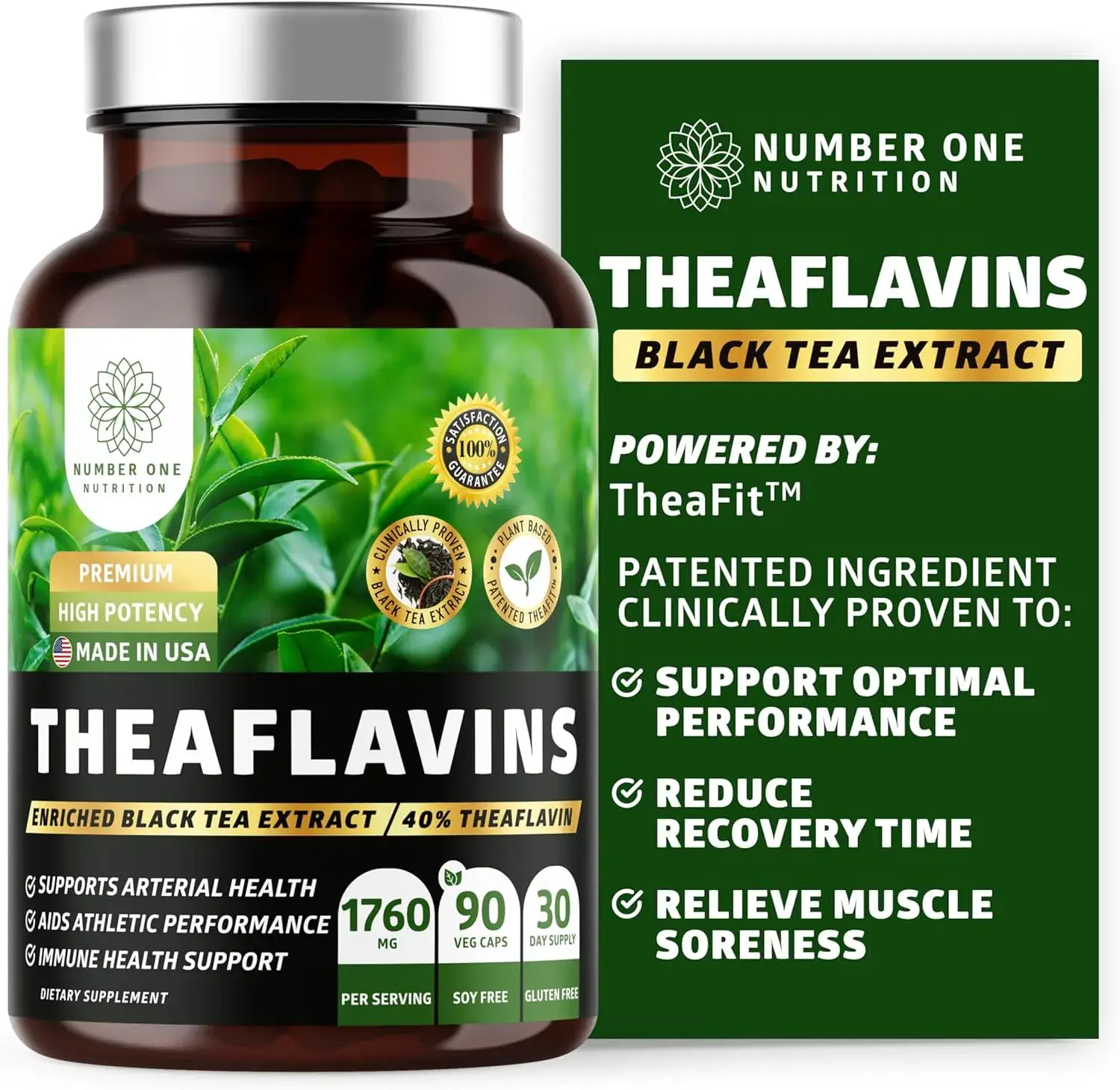
Black Tea Extract that is rich in natural theaflavins and polyphenols that help protect your body from free radicals, promoting overall immune health and well-being
Contains blended amounts of Fruits and Veggies. All natural, with whole foods, fruit and vegetable supplement.Perfect for everyone looking to live a healthier lifestyle.