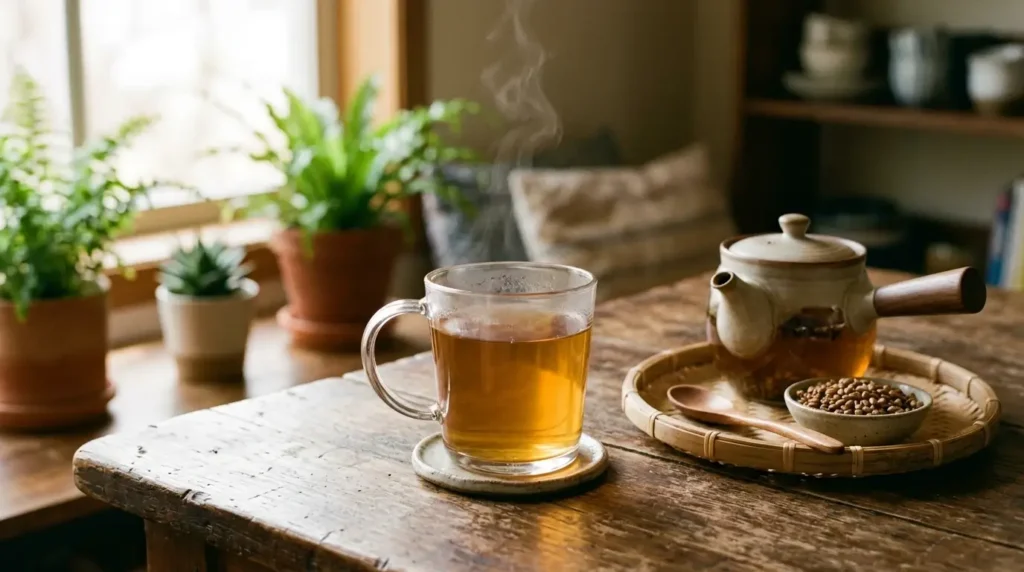
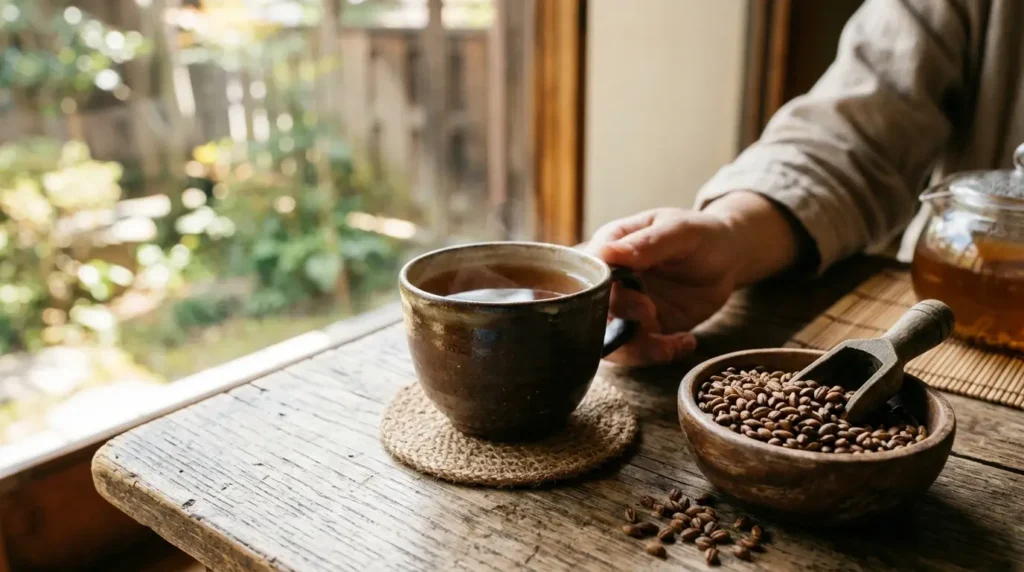
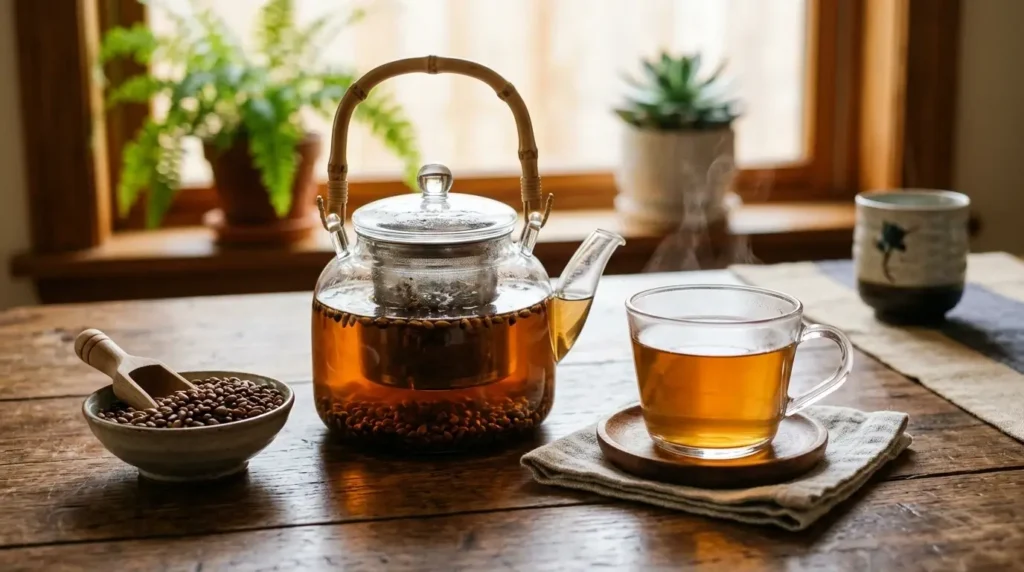
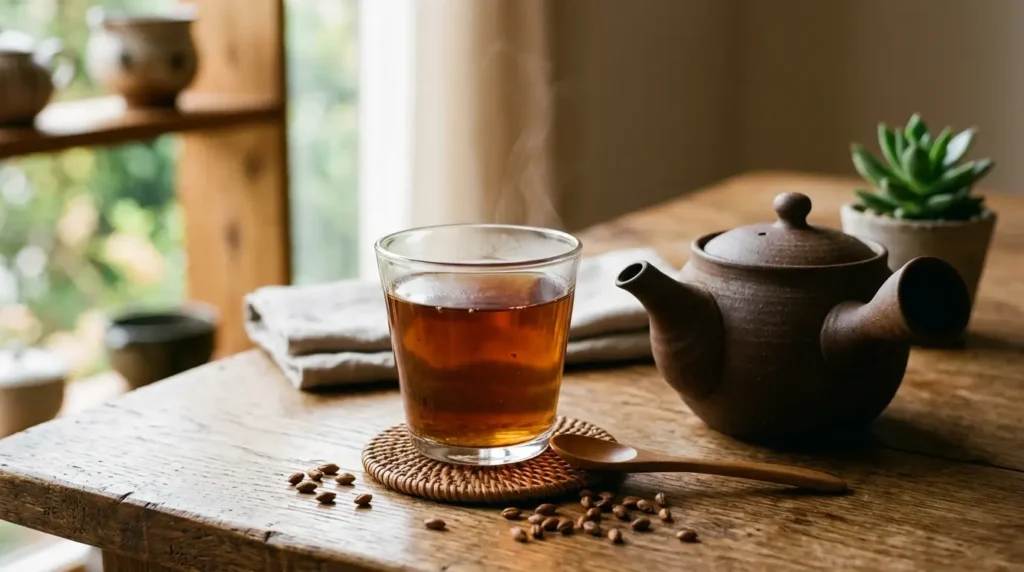
There’s a reason roasted barley tea has quietly become one of the most popular caffeine-free drinks in kitchens around the world. It’s toasty, faintly sweet, and endlessly refreshing — hot in winter, ice-cold in summer, and easy on the stomach any time of year. But if you’ve ever brewed a batch that turned out flat, bitter, or watery, you know the process isn’t quite as foolproof as it looks.
This guide walks you through exactly barley tea how to brew, from choosing the right barley to nailing your ratio and steep time, so every pot comes out balanced and full of flavor. By the end, you’ll have two reliable methods — hot and cold — plus the small details that separate a mediocre cup from a genuinely great one.
What Is Barley Tea?
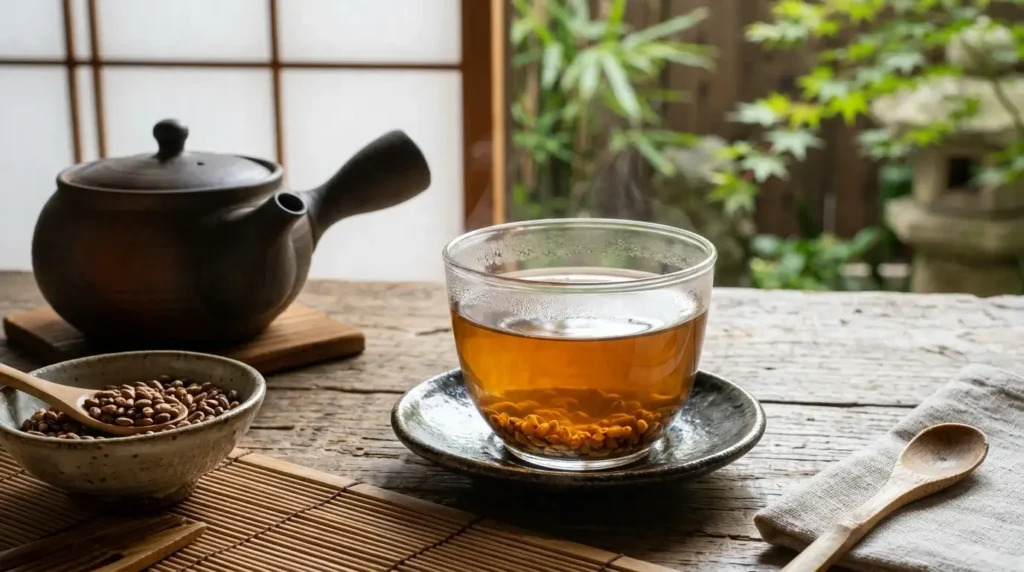
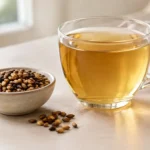
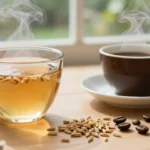
Barley tea is an infusion made from roasted barley grains steeped in hot or cold water. Unlike traditional tea, it contains no tea leaves at all, which means it’s naturally caffeine-free. The roasting process is what gives the drink its signature nutty, toasted-grain flavor and deep amber color.
It’s been a household staple across East Asia for generations, served the way water is served elsewhere — as an everyday table drink rather than an occasional treat.
Roasted vs. Raw Barley
Not all barley makes good tea. Raw, unroasted barley produces a flat, grassy, almost bland liquid. Roasting is what transforms it: the heat caramelizes the grain’s natural sugars and develops the deep, coffee-adjacent aroma that makes barley tea so distinctive.
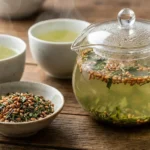
Roasted barley (whole or cracked): The traditional choice, sold in Asian grocery stores or online, usually labeled as roasted barley tea grains.
Pre-packaged tea bags: Roasted barley pre-portioned into filter bags for convenience.
Barley tea powder or extract: Instant versions that skip brewing entirely, though they sacrifice some depth of flavor.
Regional Names & Variations
You may see barley tea marketed under several names, depending on where it’s from:
Boricha — the Korean name, one of the most commonly consumed daily beverages in Korean households.
Mugicha — the Japanese version, traditionally served ice-cold during summer.
Mai cha — a Chinese variation, sometimes blended with corn silk or other roasted grains.
The brewing principles below apply to all of them, with minor adjustments for roast darkness and personal taste.
Beyond its role as an everyday drink, barley tea has a long history as a practical household staple. It’s naturally shelf-stable once dried and roasted, caffeine-free enough to serve to children and elderly family members alike, and far less expensive per liter than imported tea leaves. That practicality is a big part of why it remains so common today — especially among people looking to cut back on coffee or black tea without giving up a warm, comforting daily ritual.
What You’ll Need to Brew Barley Tea
One of the best things about barley tea is how little equipment it demands. You likely already have everything on hand.
Ingredients
Roasted barley grains or barley tea bags
Filtered or clean tap water
Optional: a small piece of dried citrus peel, a cinnamon stick, or a spoon of honey for variation
Equipment
A medium saucepan or kettle (for the hot method)
A fine mesh strainer or tea infuser
A large pitcher with a lid (for cold brewing or storage)
A heatproof teapot or mug for serving
No specialty gear required — just a pot, a strainer, and a pitcher will take you through both brewing methods in this guide. If you brew barley tea often, a dedicated tea kettle with a built-in strainer basket can save you a step, but it’s by no means necessary to get a great result.
Choosing Good Roasted Barley
When shopping for roasted barley, look for grains that are a deep amber-brown to dark brown color with a visibly toasted surface — pale or greenish grains haven’t been roasted long enough and will taste thin. A good bag should also smell noticeably nutty and toasted even before it touches water; if it smells like plain grain or cardboard, it likely won’t brew into a flavorful cup.
Hot brewing is the traditional method and gives the strongest, most aromatic result. It’s the version most often served after meals in Korean and Japanese households.
Ratio & Timing
For a well-balanced cup, aim for a ratio of about 2 tablespoons of roasted barley per 4 cups (1 liter) of water, or 1–2 tea bags per liter. Adjust up for a bolder, more robust brew, or down for a lighter, more delicate one.
Stovetop Method
Measure your barley. Add roasted barley grains or tea bags to a saucepan.
Add cold water. Pour in 4 cups of cold water directly over the barley — starting cold, rather than adding barley to already-boiling water, helps develop a fuller flavor.
Bring to a boil. Set the pan over medium-high heat and bring the water to a rolling boil.
Reduce and simmer. Lower the heat and let it simmer gently for 10–15 minutes. The water should turn a rich amber-brown.
Steep off the heat. Turn off the heat and let the tea sit, covered, for another 5–10 minutes to deepen the flavor.
Strain and serve. Strain out the barley grains or remove the tea bags, then pour into cups or a teapot.
If you’re using pre-roasted barley tea bags rather than loose grains, you can skip the simmer and simply steep them in freshly boiled water for 8–10 minutes, similar to brewing any other bagged tea.
A couple of small details make a noticeable difference here. First, starting with cold rather than hot water gives the barley time to slowly release its flavor as the water heats, rather than shocking it into a fast, shallow extraction. Second, resist the urge to boil hard the entire time — a gentle, steady simmer extracts flavor more evenly and helps avoid the slightly bitter, over-extracted taste that can come from a rolling boil.
How to Brew Cold Barley Tea (Cold Brew Method)
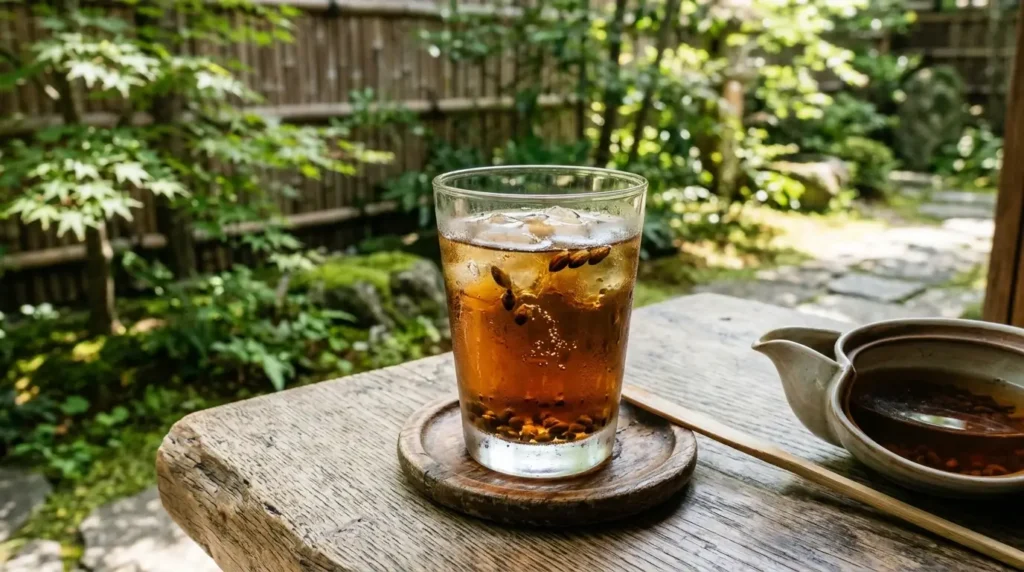
Cold-brewed barley tea is smoother and slightly less bitter than the hot version, since the lower temperature extracts flavor more gently. It’s the go-to method for hot weather and makes a refreshing pitcher to keep in the fridge all week.
Fridge Steep (Best Flavor)
Add 3–4 tablespoons of roasted barley or 2–3 tea bags to a large pitcher.
Fill with 1 liter of cold, filtered water.
Cover and refrigerate for 8–12 hours, or overnight.
Strain out the barley and store the tea in the fridge for up to 4–5 days.
Quick Cold Method
If you don’t have time to wait, brew a concentrated batch using the hot method above, then pour it over a pitcher of ice to cool it instantly. This gives you cold barley tea in minutes, though the flavor is slightly less smooth than a true overnight cold brew.
Either way, serve it over ice with a slice of lemon if you like a brighter finish, though most people enjoy it completely unsweetened.
Both formats produce good tea, but they suit slightly different needs.
Factor
Loose Roasted Barley
Tea Bags
Flavor depth
Richer, more customizable roast level
Consistent, slightly milder
Convenience
Requires straining
No straining needed
Cost
Usually cheaper per liter
Slightly more expensive
Reusability
Can often be simmered a second time
Best for a single steep
Best for
Larger batches, daily drinkers
Quick single servings, travel
Which to Choose
If you’re brewing barley tea regularly, loose roasted grains offer better value and let you fine-tune strength batch by batch — and many people simmer the same grains a second time for a lighter follow-up pot before discarding them. If you want a fast, mess-free cup with no cleanup, tea bags are the more convenient option.
Flavor Variations and Serving Ideas
Once you’ve mastered the basic brew, barley tea is a great base for small flavor tweaks. It pairs naturally with other roasted or warming ingredients without losing its signature nutty character.
Roasted corn barley blend: Simmer roasted corn kernels alongside the barley for a sweeter, more rounded flavor — a common variation sold pre-mixed in many Asian grocery stores.
Cinnamon or star anise: Add a small piece during the simmer for a warm, slightly spiced version that works especially well in colder months.
Citrus twist: A thin slice of orange or lemon peel steeped briefly at the end brightens the cup without overpowering the toasted flavor.
Iced with mint: For the cold brew version, add a few fresh mint leaves to the pitcher for a more refreshing summer drink.
Barley tea is also easy to batch-brew for gatherings. Because it’s naturally caffeine-free, it’s a comfortable option to serve alongside meals to guests of any age, and a large pitcher can be kept topped up in the fridge throughout the week with minimal effort.
Common Mistakes to Avoid When Brewing Barley Tea
A few small missteps account for most disappointing batches. Here’s what to watch for:
Using unroasted or lightly roasted barley. This produces a thin, grassy taste instead of the deep, toasted flavor barley tea is known for.
Over-steeping. Leaving barley in the water too long — especially at a hard boil — can pull out tannins and turn the tea bitter.
Using too little barley. A weak ratio results in tea that tastes like plain warm water. Don’t be shy with your measurements.
Storing it too long. Brewed barley tea is best within 4–5 days in the fridge; after that, the flavor flattens and it can develop an off taste.
Boiling tea bags too aggressively. A hard rolling boil can rupture some tea bags and cloud the tea. A gentle simmer or steep is usually enough.
Storing it in an uncovered container. Leaving brewed tea open in the fridge lets it absorb odors from other food. Always store it in a sealed pitcher or bottle.
Using very hard tap water. Water with a strong mineral taste can compete with the delicate roasted flavor. Filtered water generally gives a cleaner, more balanced cup.
Once you’ve got the ratio and timing dialed in, brewing a consistently great pot becomes almost automatic — most people find their ideal strength within two or three attempts. Keep notes on how much barley and how long you simmered it the first few times, so you can replicate (or fine-tune) the batch you liked best.
FAQ
Does barley tea have caffeine?
No. Barley tea is made purely from roasted grain, with no tea leaves involved, so it’s naturally 100% caffeine-free. It’s a popular alternative for anyone cutting back on caffeine without giving up a warm, tea-like ritual.
Can I reuse the barley grains for a second brew?
Yes, loose roasted barley can typically be simmered a second time to make a lighter, second-round pot. The flavor will be noticeably milder than the first brew, so many people use the second batch as an everyday drinking water substitute.
How long does brewed barley tea last in the fridge?
Properly strained and refrigerated in a covered pitcher, barley tea stays fresh for about 4–5 days. After that, the flavor tends to fade and it’s best to brew a fresh batch.
Is barley tea good for digestion?
Many people drink barley tea after meals as part of everyday routines in Korea and Japan, largely for its light, warming, non-caffeinated qualities. If you have specific digestive health concerns, it’s worth checking with a healthcare provider for personalized advice.
Can I sweeten barley tea?
Traditionally it’s served unsweetened, letting the natural toasted-grain flavor come through. That said, a small amount of honey, a cinnamon stick, or a slice of citrus can be added while steeping if you prefer a more flavored cup.
What’s the difference between barley tea and roasted corn tea?
They’re brewed the same way and often sold side by side, but roasted corn tea (sometimes blended with barley) has a sweeter, slightly more caramel-like flavor, while pure barley tea is nuttier and a touch more savory.
Wrapping Up: Barley Tea How to Brew for Everyday Drinking
Brewing barley tea really comes down to three things: a proper roast, the right ratio, and not rushing — or overdoing — the steep. Whether you prefer it steaming hot after dinner or poured over ice on a warm afternoon, the method is forgiving enough to adjust to your own taste once you understand the basics.
Start with the ratios above, taste as you go, and don’t be afraid to tweak the strength until you land on your perfect cup. Once you’ve brewed it a few times, you’ll likely find yourself keeping a pitcher in the fridge year-round.
Black Tea Extract that is rich in natural theaflavins and polyphenols that help protect your body from free radicals, promoting overall immune health and well-being
Contains blended amounts of Fruits and Veggies. All natural, with whole foods, fruit and vegetable supplement.Perfect for everyone looking to live a healthier lifestyle.