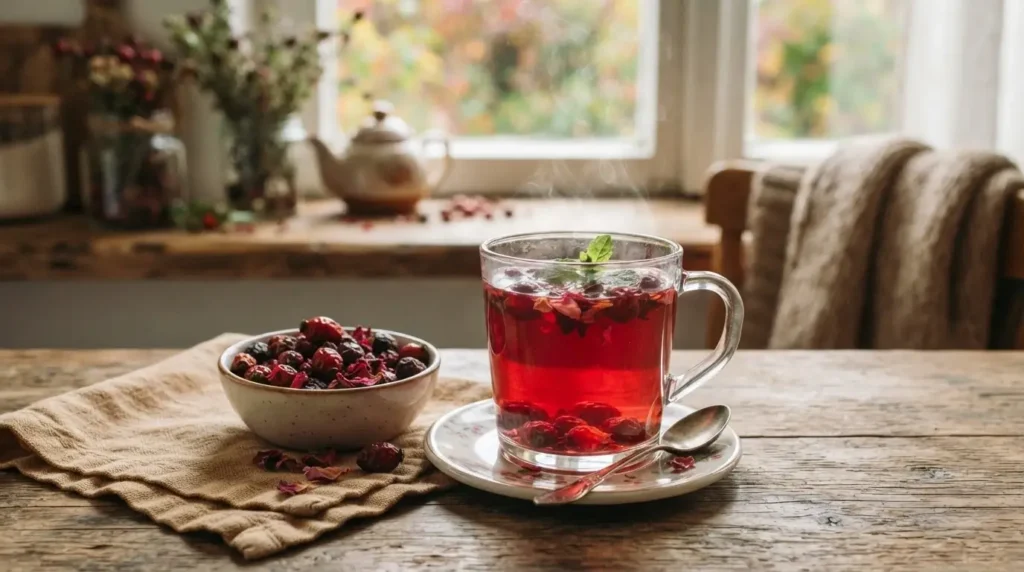
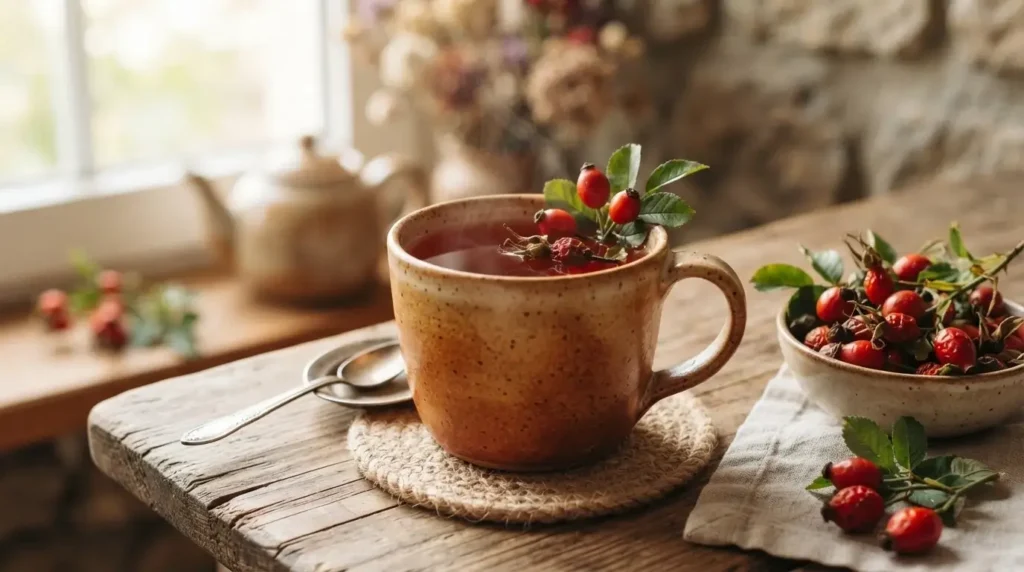
If you’ve scrolled through skincare corners of the internet lately, you’ve probably seen rosehip oil praised for scar fading and glow. But its lesser-known cousin, rosehip tea, deserves its own spotlight. Made from the dried fruit of the wild rose plant, this tart, ruby-red brew is packed with compounds your skin actually uses — not just ones that sound good on a label.
Unlike topical products that work on the surface, rosehip tea takes the “beauty from within” approach: you’re feeding your skin nutrients through your diet rather than applying them directly. That distinction matters, and it’s exactly what this guide will unpack.
Below, we’ll break down exactly what rosehip tea benefits for skin look like, the nutrients responsible for them, what research has actually found, how rosehip tea compares to rosehip oil, and how to brew a cup that delivers real results.
What Is Rosehip Tea?
Rosehip tea is made by steeping the dried “hips” — the round seed pods left behind after a rose blooms and drops its petals — in hot water. Most commercial rosehip tea comes from Rosa canina (dog rose), a wild shrub found across Europe, the Middle East, and parts of Asia, though other rose species contribute to blends as well.
Unlike rose petal tea, which is mostly prized for its fragrance, rosehip tea is valued for its nutritional density. Dried rosehips are one of the richest natural sources of vitamin C found in any fruit, and they carry a distinctive tangy, slightly floral flavor often compared to hibiscus or cranberry. Historically, rosehips were used in folk remedies across Europe long before “skin from within” became a wellness buzzword — during and after World War II, rosehip syrup was even distributed in the UK as an affordable substitute for citrus fruit to prevent vitamin C deficiency.
Today, rosehip tea shows up in three main forms:
Loose-leaf dried rosehips — the most potent option, since less processing typically means better nutrient retention
Tea bags — convenient but sometimes lower in concentration depending on the brand
Blends — combined with hibiscus, cinnamon, orange peel, or elderberry for flavor and complementary antioxidants
It’s naturally caffeine-free, making it a reasonable swap for an evening or all-day sipping tea if you’re trying to cut back on caffeinated beverages without losing the ritual of a warm drink.
Key Nutrients That Make Rosehip Tea Good for Skin
The reason rosehip tea shows up so often in skin-health conversations comes down to its nutrient profile. Here’s what’s actually in the cup, and why each compound matters for skin specifically.
Vitamin C
Rosehips contain remarkably high concentrations of vitamin C — in some analyses, several times more per gram than oranges. Vitamin C is a cofactor your body needs to synthesize collagen, the structural protein that keeps skin firm and elastic. It’s also a well-studied antioxidant that helps neutralize oxidative stress from UV exposure, pollution, and everyday metabolic activity. Because vitamin C is water-soluble and not stored long-term in the body, a steady dietary supply — like a daily cup of rosehip tea — helps maintain consistent levels rather than relying on occasional large doses.
Polyphenols and Carotenoids
Rosehips are rich in polyphenols (including flavonoids like quercetin and kaempferol) and carotenoids such as lycopene and beta-carotene, the same pigment compounds that give the fruit its deep orange-red color. These act as additional antioxidants, working alongside vitamin C to reduce free radical damage at the cellular level — a phenomenon sometimes described as an antioxidant “network effect,” where multiple compounds recycle and support one another more effectively than any single nutrient alone.
Vitamin A Precursors
The carotenoids in rosehips can be converted by the body into vitamin A, a nutrient associated with normal skin cell turnover, repair, and maintaining the skin’s protective barrier.
Trace Minerals and Fatty Acids
While rosehip oil is the more concentrated source of essential fatty acids, brewed tea still carries trace amounts, along with small quantities of minerals like manganese and zinc, both of which play supporting roles in wound healing and enzyme function relevant to skin repair. Tannins present in the tea also contribute mild astringent properties.
What Does the Research Say About Rosehip and Skin?
Most clinical research on rosehip and skin has focused on rosehip powder supplements or topical rosehip oil rather than brewed tea specifically, so it’s worth understanding what that research does and doesn’t tell us.
Small human studies on standardized rosehip powder supplementation have looked at markers like skin elasticity, wrinkle depth around the eyes, and moisture levels, with some reporting modest improvements over several weeks of daily use. Separately, laboratory research on rosehip’s vitamin C and carotenoid content supports its role as a legitimate antioxidant source, consistent with vitamin C’s well-established function in collagen synthesis.
The honest takeaway: rosehip tea shares the same core beneficial compounds as these more concentrated forms, just at a gentler, more diluted dose. It’s reasonable to expect supportive, gradual benefits from regular tea consumption — but it’s not a substitute for clinically tested topical treatments when someone is targeting a specific, diagnosed skin concern.
Rosehip Tea Benefits for Skin: What Are the Top Benefits?
So what does this nutrient profile actually translate to on your skin? Here are the benefits most commonly associated with regular rosehip tea consumption.
1. Supports Collagen Production
Because vitamin C is essential for the enzymatic process that builds and stabilizes collagen, adequate intake — whether from rosehip tea or other sources — supports skin’s firmness and elasticity over time. This is less about an overnight fix and more about giving your skin the raw materials it needs for ongoing repair and structural maintenance, which becomes increasingly relevant as natural collagen production slows with age.
2. Fights Free Radical Damage
Daily exposure to UV rays, pollution, and everyday stress generates free radicals that accelerate visible skin aging, contributing to fine lines, sagging, and dullness over time. The combined antioxidant load from vitamin C, polyphenols, and carotenoids in rosehip tea may help offset some of this cellular stress, functioning as one layer of defense alongside sunscreen and a broader antioxidant-rich diet.
3. Helps Even Out Skin Tone
Antioxidant-rich botanicals are frequently associated with more even, brighter-looking skin, since they help manage the oxidative processes that contribute to dullness and uneven pigmentation. Some people also find that reducing sugary or highly processed beverages in favor of a nutrient-dense tea supports this effect indirectly.
4. May Calm Redness and Inflammation
Some of the polyphenols found in rosehips have been studied for mild anti-inflammatory activity in general contexts. While tea won’t replace targeted treatments for conditions like rosacea or eczema, it may be a gentle, low-risk addition to an overall anti-inflammatory diet pattern that also includes leafy greens, fatty fish, and other antioxidant-rich foods.
5. Supports Hydration From Within
Simply increasing fluid intake supports skin hydration and can improve the appearance of plumpness and elasticity over time. Swapping sugary drinks or excess caffeine for a nutrient-dense, naturally caffeine-free tea like rosehip is an easy, sustainable way to build that habit without added sugar working against your skin goals.
6. May Support Acne-Prone Skin
Vitamin C’s role in modulating oxidative stress and supporting the skin’s healing response has made it a popular ingredient for acne-prone and post-breakout skin, both topically and through diet. Drinking rosehip tea isn’t a treatment for active acne and won’t replace a dermatologist-recommended regimen, but it can complement a broader skin-supportive routine focused on reducing inflammation and supporting repair.
Rosehip Tea vs. Rosehip Oil: Which Is Better for Skin?
This is one of the most common points of confusion, so let’s clear it up.
Rosehip Tea
Rosehip Oil
How it works
Ingested; supports skin from the inside via vitamin C and antioxidants
Applied topically; delivers fatty acids and vitamin A directly to skin
Best known for
Antioxidant support, hydration, general skin nutrition
Scar and hyperpigmentation fading, moisture barrier repair
Speed of visible results
Gradual, tied to overall diet and lifestyle
Often noticeable within weeks with consistent use
Ease of use
Simple to brew and drink daily; no risk of clogged pores
Requires patch testing; can feel heavy on very oily skin
The two aren’t competitors — they’re complementary. Many people drink rosehip tea as part of a general wellness routine while using rosehip oil topically for targeted concerns like fine lines or acne scarring. If you can only choose one to start with, let your goal decide: tea for general antioxidant support and hydration, oil for a specific, localized concern you want to treat directly.
How to Brew Rosehip Tea for the Best Skin Results
Getting the most out of rosehip tea comes down to preparation and consistency, not exotic techniques.
Use 1–2 teaspoons of dried rosehips (or one tea bag) per cup of water.
Heat water to just below boiling — around 90–95°C (195–205°F). Boiling water for too long, or pouring it while at a rolling boil, can degrade some of the more heat-sensitive vitamin C content.
Steep for 8–10 minutes, covered, to allow the tart flavor and nutrients to fully infuse. A shorter steep will taste milder but extract fewer beneficial compounds.
Strain and enjoy — add a touch of honey or a slice of orange if you’d like to balance the natural tartness.
Drink 1–2 cups daily for consistent intake; more isn’t necessarily better, and consistency matters more than quantity.
Timing can also make a small difference. Many people prefer rosehip tea in the morning alongside breakfast, since vitamin C is more easily absorbed on an empty-ish stomach and pairs well with iron-rich foods, which vitamin C helps the body absorb. That said, because it’s caffeine-free, it also works well as an evening wind-down drink if mornings don’t fit your routine.
For maximum benefit, treat rosehip tea as one part of a broader skin-supportive diet rather than a standalone fix — pair it with adequate water intake, a diet rich in other antioxidant foods like berries and leafy greens, daily sun protection, and a consistent topical skincare routine.
Rosehip tea is generally well tolerated, but a few considerations are worth knowing before you make it a daily habit:
Digestive sensitivity: Very high intake may cause mild stomach upset, bloating, or loose stools in some people due to its tannin content.
Kidney stone history: Rosehips contain oxalates; anyone with a history of calcium-oxalate kidney stones should check with a healthcare provider before regular use.
Blood-thinning medication: High vitamin C intake can interact with certain medications, including some blood thinners — consult your doctor if you take prescription medication regularly.
Iron overload conditions: Vitamin C enhances iron absorption, which is usually a benefit but worth noting for anyone managing a condition like hemochromatosis.
Pregnancy and breastfeeding: Herbal teas in general warrant a conversation with your OB or midwife before regular consumption.
As with any dietary change, moderate, consistent intake is safer than extreme amounts, and rosehip tea should complement — not replace — a dermatologist’s guidance for diagnosed skin conditions or a doctor’s advice if you’re managing an existing health condition.
Frequently Asked Questions
Does rosehip tea really help with skin?
It can support skin health indirectly through its vitamin C and antioxidant content, which play roles in collagen production and reducing oxidative stress. It’s not a substitute for topical skincare or medical treatment, but it’s a reasonable, low-risk addition to a skin-supportive diet.
How long does it take to see skin benefits from rosehip tea?
Because the benefits are tied to ongoing nutrient intake rather than a topical active ingredient, most people report noticing changes in skin tone and texture gradually, over several weeks to a few months of consistent use rather than days.
Can rosehip tea help with acne scars?
Rosehip oil is more commonly used and studied for topical scar fading, since it’s applied directly to the affected area. Rosehip tea’s role is more supportive — helping the body manage oxidative stress and supply nutrients that assist in overall skin repair over time.
How much rosehip tea should I drink for skin benefits?
One to two cups per day is a reasonable, commonly recommended amount. There’s no strong evidence that drinking significantly more accelerates results, and very high intake may cause digestive discomfort.
Is rosehip tea better than taking a vitamin C supplement?
Rosehip tea offers vitamin C alongside other synergistic plant compounds — polyphenols and carotenoids — that work together, whereas isolated supplements provide vitamin C alone. Neither replaces a varied diet, but whole-food sources are often considered a well-rounded option for everyday use.
Can I drink rosehip tea every day?
For most healthy adults, yes — 1–2 cups daily is considered a normal amount. Those with specific health conditions, such as a history of kidney stones or a bleeding disorder, should check with a doctor first.
Conclusion
Rosehip tea won’t replace your skincare routine, but its dense concentration of vitamin C, polyphenols, and carotenoids gives it a legitimate role in supporting skin from the inside out — from collagen production to antioxidant defense against everyday environmental stress. The key is consistency: a cup or two a day, brewed properly, as part of a broader routine that includes hydration, a nutrient-rich diet, and daily sun protection.
If you’re curious about pairing internal and external approaches, consider adding rosehip tea to your daily routine alongside a topical rosehip oil for a more complete strategy — and as always, loop in a dermatologist if you’re targeting a specific, diagnosed skin concern.
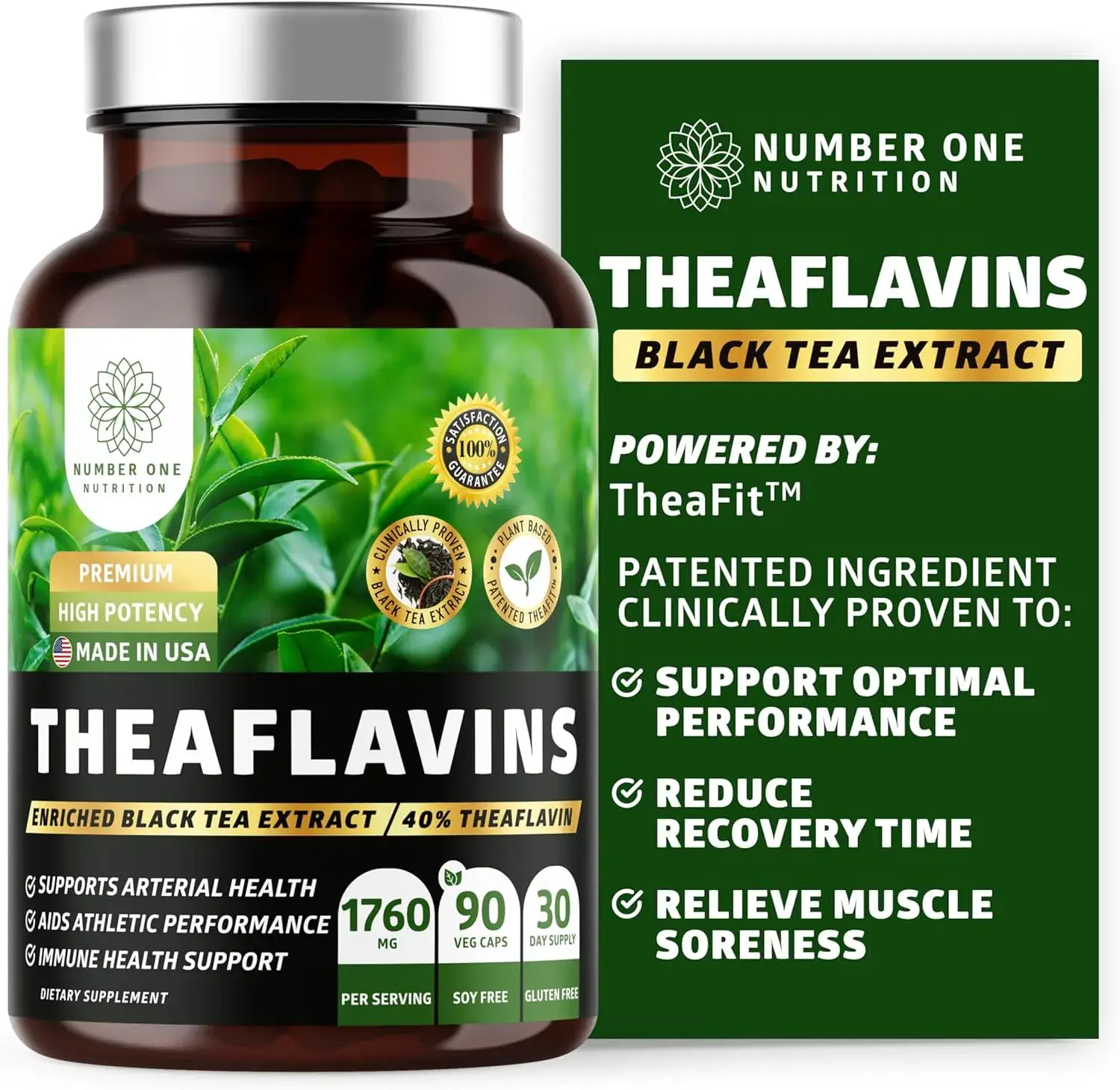
Black Tea Extract that is rich in natural theaflavins and polyphenols that help protect your body from free radicals, promoting overall immune health and well-being
Contains blended amounts of Fruits and Veggies. All natural, with whole foods, fruit and vegetable supplement.Perfect for everyone looking to live a healthier lifestyle.