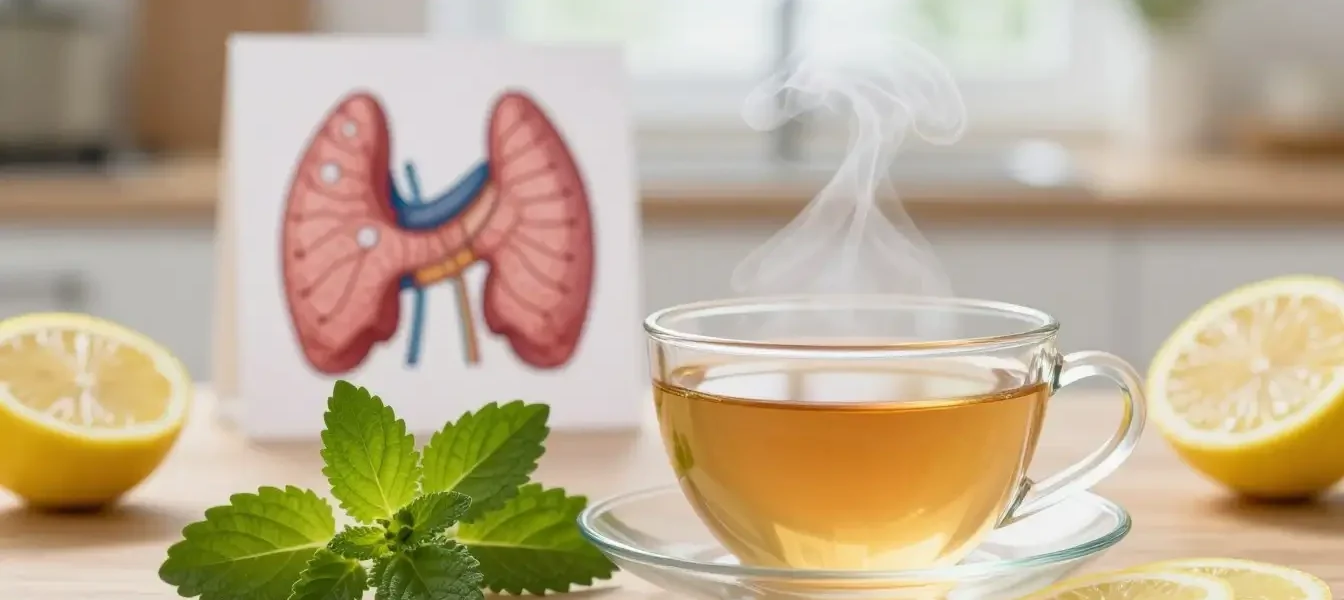
Ever thought your favorite herbal tea could balance your hormones? Many seek natural remedies for wellness. The connection between lemon balm tea and thyroid function is a big question.
Remember, a cup of this plant-based drink is not a medical substitute. While some studies hint at benefits, use herbal supplements with care.
In this article, we’ll look at the latest research, safety issues, and how these herbs might affect your meds. We’ll also talk about when to see a doctor for tests to keep your health on track.
Key Takeaways
Understand the difference between herbal support and medical treatment.
Learn about the impact of specific herbs on hormone regulation.
Identify common safety concerns when adding new drinks to your routine.
Discover how to safely manage interactions with prescribed medications.
Recognize the importance of professional blood tests for accurate diagnosis.
What Lemon Balm Tea Is and Why Thyroid Function Matters
Lemon balm, known as Melissa officinalis, is a fragrant herb from the mint family. It has been used for centuries. People enjoy it as a soothing, caffeine-free herbal infusion.
Key compounds found in lemon balm
The lemon balm tea benefits come from its unique chemical profile. It has rosmarinic acid, flavonoids, and terpenes. These substances give it a lemony scent and help you relax.
How your thyroid supports metabolism, mood, and energy
Your thyroid is a small, butterfly-shaped gland that’s vital for your health. It makes hormones that control your metabolism and energy. When it’s working right, you feel alert, stable, and full of energy.
Even small thyroid issues can make you feel off. Keeping your thyroid function in check is key to your health. That’s why many people watch what they eat and how they live to support their thyroid.
Why herbal tea should not replace thyroid care
Drinking tea is nice, but it’s not a cure-all. Herbal teas are for general wellness, not treating serious health problems. There’s no proof that lemon balm thyroid interactions can fix hormonal issues or replace medicine.
If you think you have a thyroid problem, see a doctor. They can test and diagnose you properly. Don’t rely only on herbal teas for health issues. See them as a complementary part of your care, not a replacement for medical advice.
What Research Says About Lemon Balm Tea and Thyroid Function
Many people wonder if lemon balm tea really helps with thyroid health. It’s key to know if these claims are based on solid science. Herbal remedies are popular, but we must separate what’s promising from what’s proven.
Evidence from laboratory and animal studies
Research often starts in labs or with animal studies. These studies look at how plant compounds work in our bodies. Some studies hint that lemon balm might affect thyroid hormones, mainly in cases of hyperthyroidism.
These findings are intriguing, but they don’t directly apply to humans. Lab tests use high doses that don’t match what we drink in tea.
“The gap between bench-side discovery and bedside application is often vast, requiring careful clinical validation before any therapeutic claims can be made.”
What human research can and cannot confirm
Human studies are scarce. We don’t have many big, reviewed trials showing lemon balm tea’s effect on thyroid hormones. It’s hard to say if it can treat thyroid diseases.
It’s tough to know if lemon balm tea directly helps with hyperthyroidism. Or if its calming effects are what people notice. So, we can’t yet set clear guidelines for using lemon balm for thyroid issues.
Why possible thyroid effects may differ by condition
Thyroid health is complex, and each condition needs a unique approach. For example, Graves disease is an autoimmune issue where the immune system attacks the thyroid.
This is different from other thyroid problems. An herb might work on one issue but not another. Your health history greatly affects how you react to supplements.
How Lemon Balm May Affect an Overactive Thyroid
The idea of lemon balm for hyperthyroidism is interesting to many. People often turn to herbs to help with health issues, like Graves’ disease. Lemon balm is known for its calming effects, but how it affects the thyroid is not fully understood.
Potential relevance to hyperthyroidism and Graves’ disease
Studies on lemon balm look at how it interacts with proteins in the body. In hyperthyroidism, the thyroid gland makes too many hormones. Some research shows that lemon balm extracts might stop certain antibodies from causing this problem.
Possible effects on thyroid-stimulating hormone activity
Your body uses thyroid stimulating hormone, or TSH, to control thyroid hormone production. TSH comes from your pituitary gland, telling the thyroid how much hormone to make. Scientists are looking into if lemon balm might affect how TSH works, possibly helping with an overactive thyroid.
Why preliminary findings are not proof of treatment
Early lab results don’t mean a treatment is proven. Most studies use concentrated extracts, not tea. You should never replace your prescribed medication with herbal remedies without talking to your doctor. These early findings need more evidence to be considered a medical treatment.
Limits of applying laboratory findings to brewed tea
Lab tests use isolated compounds, but tea has different amounts. Making tea at home doesn’t ensure the same concentration as lab tests. This table shows why these differences are important for your safety and what to expect.
Can Lemon Balm Tea Help With Symptoms Linked to Thyroid Imbalance?
Are you looking for natural ways to ease the restlessness and discomfort linked to thyroid symptoms? Herbal tea isn’t a cure, but it can support your daily wellness. It’s a helpful addition when facing health challenges.
Calming stress, restlessness, and occasional nervous tension
Lemon balm is known for its calming effects. It can help you feel more at ease if you’re feeling nervous. It’s a gentle way to tackle the restlessness that comes with thyroid symptoms.
Supporting sleep when thyroid symptoms disrupt your routine
Good sleep is key for recovery, but health issues can disrupt it. A warm cup of lemon balm tea before bed can be a soothing ritual. It may help you relax, even when your body is out of sync.
Managing digestive discomfort without assuming a thyroid cause
Digestive problems like bloating or mild stomach upset are common. Remember, these thyroid symptoms can come from many sources, like diet or stress. Lemon balm has been used for centuries to ease digestive issues, helping you feel better regardless of the cause.
Why symptom relief does not show that thyroid function has improved
Feeling calmer after drinking tea doesn’t mean your hormone levels have changed. Symptom relief is not the same as clinical improvement. Always rely on blood tests and medical advice to check your thyroid health.
Symptom Type
Common Experience
Potential Herbal Support
Nervousness
Feeling restless or tense
Promotes relaxation
Sleep Quality
Difficulty falling asleep
Supports bedtime routines
Digestion
Occasional mild discomfort
Helps soothe the stomach
Potential Benefits of Lemon Balm Tea for Your Wellness Routine
Improving your wellness routine can start with simple choices in your kitchen. You might focus on thyroid health or other goals. Adding gentle, natural practices can help you feel your best every day.
A naturally caffeine-free beverage option
This drink is a caffeine free herbal tea. It’s great for those who want to avoid caffeine. It helps keep your energy stable and lets you enjoy a warm drink at night without disrupting sleep.
Relaxation support during a balanced self-care routine
Adding a calming ritual to your day can help manage stress. Enjoying a cup of tea can be a mindful pause. It helps you shift from a busy day to a more relaxed state of mind.
“True wellness is not just the absence of illness, but the presence of balance in your daily life.”
Possible antioxidant and digestive benefits
This herb is known for its calming effects and digestive support. It can help settle your stomach after meals. It also contains compounds that may offer antioxidant support, helping your body fight oxidative stress.
What these general benefits have to do with thyroid health
These benefits are general and don’t treat specific conditions. But, they help your body in ways that support thyroid health. Drinking a caffeine free herbal tea can improve sleep and digestion. This creates a better environment for your body to function well.
Before you make your next cup of tea, check the safety tips for this popular herb. Many people enjoy its calming scent. But, it’s key to focus on herbal tea safety for your health.
Possible side effects, including drowsiness and stomach upset
Most people find this herb okay, but lemon balm tea side effects can happen. You might feel stomach issues or nausea, more so if you drink it on an empty stomach.
Also, its calming effects can make you feel sleepy or tired. It’s smart to watch how you feel before driving or using heavy machinery.
Situations that call for extra caution
Some life stages and health issues mean you need to be more careful with what you eat. Be extra careful if you have ongoing health problems or are getting ready for surgery.
Pregnancy and breastfeeding: The safety of this herb during these times is not fully established.
Upcoming surgery: It may interact with anesthesia or other medications used during your procedure.
Liver conditions: Always consult a specialist to ensure the herb does not interfere with your liver function.
Why you should discuss regular use with your healthcare professional
Your doctor knows your health history and can give you advice. Talking about this tea ensures it fits with your treatment and health goals.
Considerations for pregnancy, breastfeeding, surgery, and liver conditions
If you’re pregnant or nursing, avoid herbal supplements unless your doctor says it’s okay. Also, if you have liver issues, some herbal products might stress your liver more.
Signs that you should stop using the tea and seek medical advice
While rare, some might have an unexpected reaction or allergy. Stop using the tea and see a doctor if you have severe symptoms like:
If you’re taking thyroid medication, you might wonder about lemon balm tea. Herbal teas are popular for relaxation but can affect how your body handles medication.
Why herbal products may affect your treatment plan
Herbal teas have active compounds that can change how your body processes medication. Even a mild tea can affect the bioavailability of your prescription. It’s important to see every supplement as a factor that could change your hormone levels.
Questions about levothyroxine timing and absorption
When thinking about levothyroxine and lemon balm, timing is key. Levothyroxine needs a specific environment in your stomach to be absorbed right. Drinking herbal tea too close to your dose might mess with this, causing uneven hormone levels.
“Integrative health is about transparency. Always inform your doctor about every tea, supplement, or extract you consume, as these can be the missing pieces in a complex diagnostic puzzle.”— Clinical Wellness Advisor
Potential concerns with antithyroid medications
If you’re on antithyroid medication, your treatment aims to lower hormone production. Lemon balm might affect your thyroid activity, which could mess with your medication’s effect. Always follow your doctor’s advice to keep your hormone levels stable.
Medication Type
Primary Goal
Interaction Risk
Levothyroxine
Hormone Replacement
Absorption timing
Antithyroid Drugs
Lowering Activity
Potency interference
Beta-Blockers
Symptom Control
Sedative overlap
How to share your tea and supplement use with your clinician
Be open and detailed when talking to your healthcare provider. Tell them how much tea you drink and if you use extracts or capsules. This helps them decide if you need to adjust your antithyroid medication or avoid certain herbs.
Why you should not change medication doses on your own
Don’t change your medication dose based on how you feel after drinking tea. Thyroid management is a precise science that needs blood tests and professional advice. Changing doses without a doctor’s guidance can cause big health problems that are hard to fix.
How to Add Lemon Balm Tea More Safely
If you’re thinking about adding lemon balm to your routine, safety first. Start with small, careful steps to see how your body reacts. Taking a cautious approach lets you enjoy your tea while keeping an eye on your health.
Choose a reputable, clearly labeled tea product
Not all herbal products are the same. Look for brands that clearly list their ingredients and where they come from. Quality control is key to getting pure herbs without harmful additives.
Start with a modest serving and monitor your response
Start with a small amount to see how you react. Watch for any changes in digestion, energy, or mood. Patience is key when trying new herbal items.
Keep tea use separate from major changes in your thyroid care
Don’t start a new tea habit when changing your thyroid meds. This helps you know what’s causing any changes. It’s important for keeping your health stable.
What to record about symptoms, medications, and tea intake
Keeping a simple log can help your doctor understand you better. Track the following:
The exact amount and frequency of your tea consumption.
Any changes in your daily medication schedule.
Observations regarding your sleep quality and energy levels.
Notes on digestive comfort or new physical symptoms.
Why concentrated extracts are different from a regular cup of tea
It’s important to know the difference between regular tea and lemon balm extract. Tea is diluted, but extracts have much higher levels of active compounds. Because of this, don’t treat them as the same in your wellness plan.
When to Seek Testing Instead of Trying Herbal Tea
Before you grab a cup of tea for health reasons, think if you need a doctor’s check-up. Herbal teas can comfort you, but they can’t find or fix serious health issues. Your well-being depends on accurate information more than trying different things.
Symptoms that may signal hyperthyroidism
An overactive thyroid makes your body work too fast. This can make you feel like you’re always on the go, which is stressful.
A fast or irregular heartbeat that occurs even at rest.
Unexplained weight loss despite a normal or increased appetite.
Persistent anxiety, irritability, or difficulty focusing.
Increased sensitivity to heat and excessive sweating.
Noticeable tremors in your hands or fingers.
Symptoms that may signal hypothyroidism
When your thyroid is slow, your body moves slower too. Spotting these hypothyroidism symptoms early is key to finding the right treatment.
Unusual fatigue that does not improve with rest.
A heightened sensitivity to cold temperatures.
Unexplained weight gain or difficulty losing weight.
Dry skin and brittle hair or nails.
Frequent constipation or digestive sluggishness.
Tests your healthcare professional may consider
Doctors often order thyroid blood tests because symptoms can mean different things. These tests show how well your thyroid is working.
Understanding thyroid-stimulating hormone and free thyroid hormone tests
The TSH test is usually the first step. It checks the hormone your pituitary gland sends to your thyroid. If it’s off, your doctor will look at free T4 and free T3 levels.
These tests show the hormones in your blood. They help figure out if your thyroid is making the right amount of hormone.
Why persistent symptoms deserve a medical evaluation
If your symptoms last a long time or bother you every day, don’t ignore them. Relying on teas or supplements can hide the real problem, letting it get worse.
“Early detection and proper medical management are the cornerstones of maintaining long-term endocrine health.”
Always see a doctor for the best treatment. Your health is too important to risk with unproven methods.
How Lemon Balm Tea Fits With Evidence-Based Thyroid Treatment
Managing thyroid health means focusing on proven treatments. It’s important to add natural support without ignoring your doctor’s advice.
Using prescribed treatment as the foundation of care
Your health journey begins with professional advice. Regular blood tests and sticking to your meds are key. Also, don’t forget about follow-up visits.
These steps help your doctor fine-tune your treatment. They ensure your body gets the care it needs to thrive.
Supporting thyroid health through nutrition, sleep, and stress management
Your daily habits are just as important as your meds. A holistic approach can boost your energy and well-being. Here are some key areas to focus on:
Balanced Nutrition: Eat whole foods for essential nutrients.
Quality Sleep: Get enough rest for hormone regulation.
Stress Management: Use mindfulness or gentle exercises to reduce stress.
Discussing complementary approaches without delaying treatment
If you want to try herbal teas, talk to your doctor first. This ensures they won’t clash with your meds.
Don’t skip or replace your doctor’s advice with herbal remedies. Your healthcare team can guide you on safe additions.
Why “natural” does not always mean risk-free or effective
Many think natural products are safe because they’re plant-based. But, even herbs can have strong effects that might not be good.
Some natural items can mess with your thyroid meds, changing how they work. Treat these products with the same care as any medical treatment.
Who May Want to Avoid Lemon Balm Tea or Use It Only With Guidance
Before you make your next cup of lemon balm tea, think if it’s right for you. While many like it for its calmness, some health issues need extra caution. Knowing these risks is important for your health.
People with diagnosed thyroid disorders
If you have a thyroid condition, be careful with herbal supplements. Herbs can affect hormone levels. Always talk to your doctor before drinking this tea to avoid any problems.
People taking thyroid, sedative, or other long-term medications
Herbal products can change how your body handles drugs. If you’re on thyroid meds, sedatives, or other long-term treatments, be aware of lemon balm contraindications. These interactions can be unpredictable, so it’s vital to talk to your doctor.
People preparing for surgery or managing chronic health conditions
If you have chronic conditions like liver, kidney, or heart disease, your body might react differently to herbs. Also, if you’re getting ready for surgery, tell your doctor about any herbal teas you’re drinking. These lemon balm contraindications are key because some herbs can affect blood pressure or how you react to anesthesia. Getting professional advice is key to keeping you safety first while managing your health.
Conclusion
Adding herbal choices to your daily routine needs a good understanding of your body. Lemon balm tea and thyroid function are often talked about in wellness circles. But, see this tea as a simple, caffeine-free comfort, not a medical fix. It might help you relax, but it can’t replace the care of a doctor.
It’s important to know the difference between feeling calm and balancing your hormones. Your health is best managed with tests and advice from your doctor. Taking your prescribed medicine is the best way to support your health.
Tell your healthcare provider about any herbal products you use. Talking openly helps keep your routine safe and effective. Focus on your long-term health by following your treatment plan. Enjoy small, mindful habits that bring you peace too.
Is lemon balm tea a clinically proven treatment for thyroid conditions?
No, lemon balm tea is not a cure for thyroid problems. It’s a soothing drink but not a medical treatment. There’s no solid proof it helps with thyroid issues.
Can I drink lemon balm tea if I am taking Levothyroxine or Synthroid?
Talk to your doctor first. Levothyroxine and Synthroid need to be taken at specific times. Drinking tea at the wrong time might affect how well your medication works.
Does lemon balm tea help with Graves’ disease or hyperthyroidism?
Some studies suggest lemon balm might affect thyroid hormones. But these studies were on animals, not humans. Always stick to your doctor’s prescribed treatments.
Will drinking this tea improve my metabolism and energy levels?
Drinking lemon balm tea won’t fix your metabolism or energy. It might make you feel calmer. But it doesn’t change how your thyroid works.
Can lemon balm tea help me sleep if I have thyroid-related restlessness?
Yes, it can help you relax and sleep better. But remember, it treats the symptom, not the thyroid issue itself.
Are there any side effects I should be aware of before drinking it?
It’s usually safe, but it might make you sleepy, upset your stomach, or cause nausea. Be careful if you’re taking other medications or are pregnant.
Should I avoid lemon balm if I have an underactive thyroid (hypothyroidism)?
If you have hypothyroidism, use lemon balm with caution. It might affect your thyroid hormone levels. Always check with your doctor first.
What medical tests should I request if I suspect I have a thyroid issue?
Don’t rely on herbal remedies for symptoms. Get a proper check-up. This includes blood tests for TSH, Free T4, and TPO antibodies.
Is lemon balm extract more effective than the brewed tea?
Extracts are more potent than tea. They have more active compounds, which can lead to side effects. Always use them under a doctor’s advice.
Black Tea Extract that is rich in natural theaflavins and polyphenols that help protect your body from free radicals, promoting overall immune health and well-being
Contains blended amounts of Fruits and Veggies. All natural, with whole foods, fruit and vegetable supplement.Perfect for everyone looking to live a healthier lifestyle.