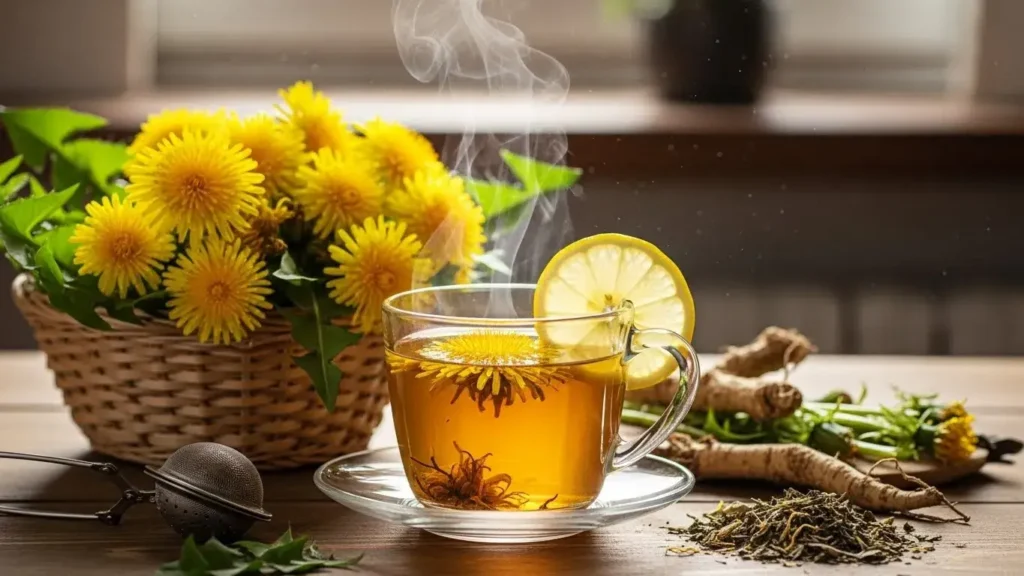
Did you know that dandelion tea how to make knowledge dates back to the early 10th century? That’s right – these common “weeds” have actually been used as medicinal herbs for over a thousand years.
Surprisingly, dandelions are nutritional powerhouses. The leaves contain more protein than spinach, and the entire plant—from flowers to roots—is completely edible. What’s more, this humble plant offers an impressive array of vitamins A, C, D, along with zinc, iron, and potassium. For those wondering what dandelion tea is good for, it works as a natural diuretic, helping gently expel excess fluid, while its rich antioxidant content helps prevent cell damage.
In this beginner’s guide, we’ll walk through simple dandelion tea recipes using different parts of the plant. Whether you’re interested in making dandelion root tea, leaf tea, or even a refreshing iced version, we’ve got you covered. We’ll also explore how to make homemade dandelion tea from fresh leaves you can harvest yourself, plus proper storage techniques to enjoy this healing brew year-round.
Let’s dive into the world of this incredible plant and discover why it deserves a spot in your tea collection!
What Is Dandelion Tea and Why It Matters
Dandelion tea is an herbal infusion made from various parts of the Taraxacum officinale plant, commonly seen dotting lawns and meadows across every continent except Antarctica. Unlike traditional teas from the Camellia sinensis plant, dandelion tea is technically a tisane—an herbal brew with distinct properties depending on which part of the plant you use.
Parts of the plant used for tea
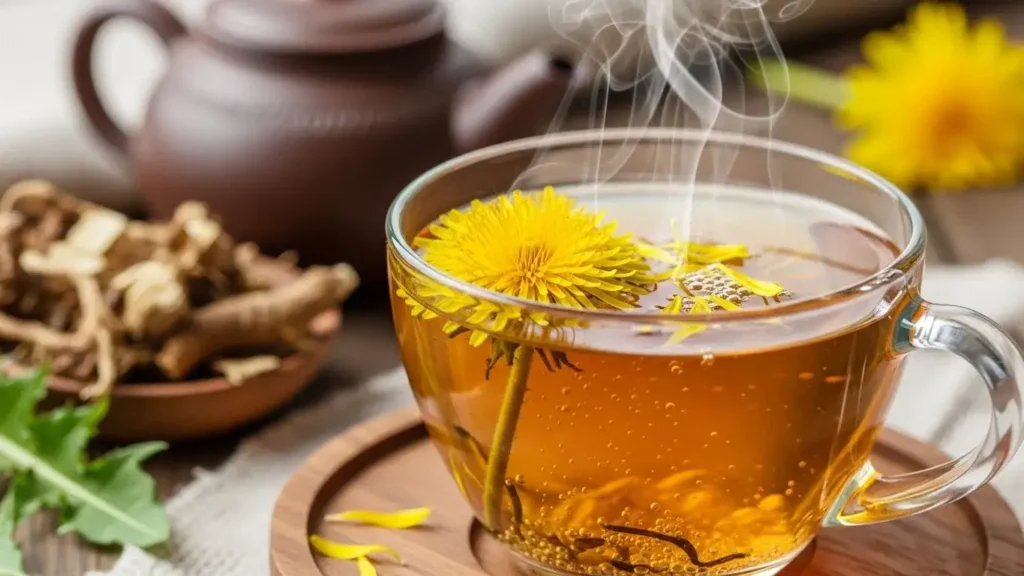
Nearly the entire dandelion plant can be transformed into tea, with each part offering different benefits and flavors. The leaves, roots, and flowers are all viable options for making a warm, healing cup of tea. The only part typically avoided is the stem, primarily because of its intense bitterness.
For those interested in harvesting their own dandelions, timing matters considerably. I’ve found that leaves are best harvested in spring when they’re young and tender, whereas roots and flowers develop their optimal medicinal properties when collected in fall. If you’re foraging wild dandelions, ensure they haven’t been exposed to pesticides, herbicides, or animal waste, as these can make the plants toxic.
Types of dandelion tea: root, leaf, flower
Each part of the dandelion creates a distinctly different tea experience:
Dandelion root tea: Often roasted to enhance its robust, smoky flavor profile, the root produces a dark beverage sometimes called “dandelion coffee” because of its rich color and depth. The root contains inulin, a prebiotic fiber that nourishes beneficial gut bacteria.
Dandelion leaf tea: This variety offers an earthy, slightly astringent taste. The leaves are nutritional powerhouses containing vitamins A, C, K, calcium, magnesium, potassium, and various trace minerals.
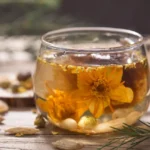
Dandelion flower tea: For a more delicate experience, flower tea steeps into a sunny yellow infusion with subtle floral notes and natural sweetness. The blossoms contain antioxidant flavonoids like luteolin and chlorogenic acid.
Furthermore, many commercial blends combine multiple parts of the plant for a more comprehensive profile. When making these teas at home, preparation methods vary—leaves steep quickly in hot water, whereas roots benefit from a longer simmering process to extract their full medicinal properties.
Does dandelion tea have caffeine?
For those concerned about caffeine intake, here’s good news: dandelion tea is completely caffeine-free. This makes it an excellent option for evening consumption or for individuals sensitive to stimulants.
Particularly worth noting is that roasted dandelion root tea serves as an appealing coffee alternative for those who enjoy coffee’s rich taste but wish to avoid caffeine. The dark coloring and deep, smoky flavor notes of roasted dandelion root are remarkably similar to coffee, yet without the jittery side effects that caffeine can produce.
In essence, dandelion tea offers a versatile, accessible way to enjoy nature’s bounty. Instead of viewing these bright yellow flowers as lawn nuisances, I’ve come to appreciate them as remarkable plants offering multiple dimensions of flavor and wellness benefits in each of their distinct parts.
Health Benefits of Dandelion Tea
Beyond its distinctive taste, dandelion tea offers numerous health advantages backed by both traditional use and modern research. This humble brew contains powerful compounds that work together to promote wellness in multiple body systems.
Supports digestion and liver health
Dandelion tea has been valued for centuries as a digestive aid. I’ve found that both the root and leaf varieties support the digestive system in different ways. The root specifically stimulates bile production, which helps break down fats and supports the liver’s natural detoxification processes.
The bitter compounds in dandelion root tea trigger digestive juices along the digestive tract, enhancing your body’s innate digestive abilities. Moreover, dandelion has been used for many centuries as a remedy for kidney, liver, and gallbladder disorders.
Research indicates that dandelion may protect the liver from damage by enhancing its antioxidant defenses. Studies suggest that polysaccharides contained in dandelion may help reduce stress on the liver as well as support normal bile production. For those seeking liver support, dandelion root tea offers stronger detoxifying action compared to leaf tea.
Rich in vitamins and antioxidants
Dandelion tea delivers an impressive nutritional profile. Each cup contains:
Vitamins A, C, and K – essential for immune function, skin health, and blood clotting
B vitamins including B2 (riboflavin) – helping with fatigue, normal red blood cells, and vision
Minerals such as potassium, calcium, iron, and magnesium
Additionally, dandelion tea contains high levels of antioxidants, especially beta-carotene, which protects against cell damage and oxidative stress. These antioxidants help neutralize free radicals in the body.
The polyphenols found in dandelion tea possess significant anti-inflammatory properties that may benefit heart health. Another noteworthy compound in dandelion is taraxasterol, known for combating inflammation by regulating white blood cells[103].
Natural diuretic and detoxifier
One of dandelion tea’s most well-documented properties is its diuretic effect. A small study demonstrated increased urine output after just two cups of dandelion leaf tea. This natural diuretic action has been recognized for over 2,000 years in both Traditional Chinese Medicine and Ayurvedic practices.
Consequently, this diuretic quality helps the kidneys clear out waste and excess salt. Unlike pharmaceutical diuretics that often deplete potassium levels, dandelion tea contains substantial amounts of potassium (ranging from 23.3 mg/g to 59.9 mg/g of dried leaf), effectively replacing what might be lost through increased urination.
What is dandelion tea good for?
Given its diverse properties, dandelion tea excels at supporting multiple aspects of health. Primarily, it benefits those looking to improve digestive function or support liver health. The tea may help reduce bloating thanks to its gentle diuretic effect.
Furthermore, dandelion tea shows promise for maintaining healthy blood pressure levels due to its potassium content, which helps remove excess sodium from the body and reduces strain on blood vessel walls[101]. Studies suggest dandelion tea may affect lipid and sugar metabolism, potentially benefiting those with Type 2 diabetes.
Research indicates dandelion extracts might help reduce triglyceride levels, which are as concerning as high LDL cholesterol. Preliminary cancer research on dandelion root also shows encouraging results, although specific studies on the tea form are still needed.
Creating your own dandelion tea at home opens up a world of flavor possibilities based on which part of the plant you use. Each preparation method extracts unique properties and tastes from this versatile plant. Let me walk you through simple recipes for each variety.
How to make dandelion root tea
Dandelion root tea delivers a rich, coffee-like experience with deep, earthy notes. Here’s how to prepare it:
Place dried dandelion roots in a dry cast iron pan over medium heat
Toast until fragrant and golden brown, stirring frequently
Add water (about 8 ounces per tablespoon of root)
Bring to a boil, then reduce heat and simmer for 20-45 minutes
Strain and enjoy with optional additions like butter, cream, or maple syrup
For a creamier version, try adding a tablespoon of butter or a few tablespoons of cream plus 2-3 drops of vanilla extract after straining. This creates a foamy top similar to a latte.
Dandelion leaf tea recipe
Leaf tea offers a gentler preparation method than root tea:
Harvest 6-8 young, tender dandelion leaves
Rinse thoroughly under cool water
Cut leaves into small pieces or gently muddle them
Place in a teacup and cover with boiling water
Steep for 5-10 minutes
Sweeten if desired (honey works well to balance any bitterness)
Young leaves provide the mildest flavor – mature leaves can develop a stronger bitter taste.
Dandelion flower tea recipe
Flower tea creates a delicate, slightly sweet brew with soft floral notes:
Collect 8-10 dandelion flower heads
Wash thoroughly and remove the green bottoms
Place flower petals in hot water (about 1 tablespoon per cup)
Steep for 20 minutes
Strain and sweeten if desired
The yellow petals alone deliver the gentlest flavor, ideal for beginners to dandelion tea.
Iced dandelion tea variation
Perfect for summer refreshment:
Prepare any of the above dandelion teas but make it stronger (use more plant material)
Allow to cool completely
Refrigerate for 3-4 hours until thoroughly chilled
Add citrus juice (lime or lemon works well)
Serve over ice with optional sweetener
This refreshing variation keeps well for up to 36 hours when refrigerated.
How to make dandelion tea from dried root
If you’ve purchased dried dandelion root rather than harvesting your own:
Measure about 2 tablespoons of dried, roasted dandelion root
Add to 16 ounces of water in a small saucepan
Bring to a boil, then simmer uncovered for 20 minutes
Strain thoroughly, reserving the liquid
Optionally blend with butter for a creamy, foamy texture
Roots require longer simmering than leaves or flowers to extract their beneficial compounds. For a pumpkin spice variation, add cinnamon, nutmeg, and other warming spices during brewing.
Harvesting and Preparing Dandelions for Tea
Foraging for your own dandelion tea ingredients begins with knowing exactly where and how to harvest each part of this versatile plant. Obviously, this knowledge connects directly with how to make dandelion tea at home from truly fresh ingredients.
How to harvest dandelion roots, leaves, and flowers
First, identify dandelion plants growing in areas free from pesticides, herbicides, or other chemicals. Avoid harvesting near roadways or high-traffic areas where pollutants might contaminate the plants. For optimal harvesting times:
Leaves: Collect young, tender leaves in early spring before the plants flower for the least bitter taste. Early morning is ideal for leaf harvesting. Dandelions growing in shade produce more tender leaves than those in full sun.
Flowers: Harvest flower heads when fully open, ideally on sunny afternoons after morning dew has evaporated. Simply pop the flower head from the stem using your fingers or kitchen shears.
Roots: Dig roots during any season using a garden fork or shovel to loosen soil around the deep taproot. Larger, more substantial roots typically grow in well-drained, composted soils. After digging, separate roots from leaves and shake off excess soil.
Cleaning and drying techniques
Thorough cleaning is essential before using dandelions for tea:
Rinse all plant parts under cool water to remove dirt and insects
Pat dry with paper towels or use a salad spinner for leaves
To preserve dandelions for future use, try these drying methods:
Dehydrator method: Spread dandelion parts in a single layer on dehydrator trays, ensuring good airflow. Dry leaves at 135°F until crispy. For flowers, dehydrate at about 100°F for 8-12 hours until no longer spongy.
Oven drying: Place dandelions on a baking sheet in a single layer. Heat oven to 170°F (or lowest setting) and dry for 2-4 hours, checking every 30 minutes. If your oven doesn’t go below 200°F, prop the door open and monitor closely to prevent burning.
Air drying: Spread flowers or leaves on a tray in a dark, dry location with good air circulation for 1-2 weeks. Alternatively, expose flowers to direct sunlight for several hours until wilted.
How to make homemade dandelion tea from fresh leaves
Making tea immediately after harvesting yields vibrant flavor:
Gather approximately six young, tender dandelion leaves
Wash thoroughly and pat dry
Cut leaves into small pieces to release flavor compounds
Place in teacup and pour boiling water over leaves
Steep for 5-10 minutes
Strain, sweeten if desired, and enjoy
For a larger batch, fill a kettle with 1 quart of water and ½ quart of fresh, chopped dandelion leaves. Bring to a boil for 5-10 minutes, strain, then serve hot or chilled.
Store dried dandelion parts in airtight glass containers kept away from light and moisture. Properly dried and stored dandelions will remain viable for tea-making throughout the year.
While dandelion tea offers numerous benefits, certain individuals should exercise caution. Safety considerations remain essential when introducing this natural brew into your wellness routine.
Who should avoid dandelion tea
Despite dandelion tea’s natural origins, several groups should steer clear of this herbal beverage. Individuals with allergies to plants in the Asteraceae family (including ragweed, chrysanthemums, and daisies) may experience allergic reactions ranging from mild rashes to severe anaphylaxis. People with gallbladder disease or gallstones should avoid dandelion since it stimulates bile production, potentially causing pain or complications. Those with kidney disorders should skip dandelion tea too, as its high potassium content could lead to hyperkalemia when kidney function is impaired.
Possible medication interactions
Dandelion tea can interact significantly with several medications. First, it may enhance the effects of prescription diuretics, potentially causing excessive fluid loss or electrolyte imbalances. For those taking lithium, dandelion’s diuretic properties might interfere with the body’s ability to eliminate lithium, possibly raising it to toxic levels. Blood-thinning medications present another concern, as dandelion might slow blood clotting. Additionally, dandelion can lower blood sugar, potentially intensifying the effects of diabetes medications. Anyone scheduled for surgery should stop using dandelion at least two weeks prior.
How to store dried dandelion for later use
Proper storage ensures your dried dandelion remains potent. Always keep dried dandelion parts in air-tight containers away from heat and sunlight. When stored correctly, dried dandelion stays viable for 6-12 months. Discard any stored dandelion that appears discolored or emits an unusual smell. For best results, ensure dandelions are completely dry before storage to prevent mold growth.
Final Thoughts on Dandelion Tea How to Make Perfectly
Dandelion tea truly stands as one of nature’s most underappreciated gifts. Throughout this guide, we’ve discovered how this common “weed” transforms into a powerful healing brew packed with vitamins, minerals, and beneficial compounds. Most importantly, making your own dandelion tea requires little more than basic kitchen tools and some knowledge about harvesting.
The versatility of dandelion tea certainly makes it worth trying. Each part—roots, leaves, and flowers—offers unique flavors and health properties. Roots provide that rich, coffee-like experience with liver-supporting benefits. Meanwhile, the leaves deliver a wealth of nutrients with gentle diuretic effects, and flowers create a delicate brew with antioxidant properties.
After trying various methods myself, I can confirm that both fresh and dried dandelions work wonderfully for tea-making. You might prefer the convenience of dried dandelion for year-round use or the vibrant flavors of freshly harvested plants during spring and summer. Either way, proper storage extends the life of your dandelion supplies considerably.
Though dandelion tea offers impressive health benefits, remember that natural doesn’t always mean suitable for everyone. Caution remains necessary if you have specific health conditions or take medications that might interact with dandelion tea.
Next time you spot those bright yellow flowers dotting your lawn, perhaps you’ll view them differently—not as pesky weeds but as potential ingredients for a beneficial cup of tea. From supporting digestion to providing natural detoxification, dandelion tea deserves a place in your wellness routine.
Start with small batches, experiment with different parts of the plant, and adjust flavors to your liking with natural sweeteners or spices. Your perfect cup of dandelion tea awaits!
Discover how to transform common dandelions into a powerful healing tea that supports your health naturally and costs virtually nothing to make.
• Harvest different plant parts for unique benefits: Roots create coffee-like tea for liver support, leaves provide nutrient-rich diuretic effects, and flowers offer gentle antioxidant properties.
• Simple preparation methods work best: Steep leaves 5-10 minutes in hot water, simmer roots 20-45 minutes for extraction, and use fresh or dried dandelions interchangeably.
• Dandelion tea is completely caffeine-free: Perfect evening drink that supports digestion, liver health, and natural detoxification without stimulant side effects.
• Safety first with natural remedies: Avoid if allergic to ragweed family plants, taking blood thinners, or have gallbladder issues – consult healthcare providers about medication interactions.
• Proper storage extends usability: Store dried dandelions in airtight containers away from light for 6-12 months of potent, ready-to-brew tea ingredients.
This ancient remedy offers modern wellness benefits right from your backyard, making healthy living both accessible and affordable for everyone willing to look beyond the “weed” label.
FAQs
Q1. How do you make dandelion tea at home? To make dandelion tea, you can use the roots, leaves, or flowers. For leaf tea, steep 6-8 young leaves in hot water for 5-10 minutes. For root tea, simmer 1 tablespoon of roasted roots in 8 ounces of water for 20-45 minutes. Flower tea can be made by steeping 8-10 flower heads in hot water for 20 minutes.
Q2. Is it safe to drink dandelion tea every day? While dandelion tea is generally safe for most people, it’s best to consult with a healthcare provider before consuming it daily. Dandelion tea can interact with certain medications and may not be suitable for those with specific health conditions like gallbladder problems or kidney disorders.
Q3. Can I use dandelions from my yard to make tea? Yes, you can use dandelions from your yard to make tea, provided they haven’t been exposed to pesticides or other chemicals. Ensure you thoroughly clean all parts of the plant before use. You can use the flowers, leaves, and roots to make different types of tea, each with its unique flavor and benefits.
Q4. How long should I boil dandelion root for tea? For dandelion root tea, it’s recommended to simmer the roots for 20-45 minutes rather than boiling. This longer simmering time helps extract the beneficial compounds from the tough root material. After simmering, strain the liquid and enjoy your tea.
Q5. What are the main health benefits of dandelion tea? Dandelion tea offers several health benefits. It supports digestion and liver health, acts as a natural diuretic, and is rich in vitamins and antioxidants. The tea may also help reduce inflammation, support heart health, and aid in maintaining healthy blood pressure levels. However, individual results may vary, and it’s not a substitute for medical treatment.
Black Tea Extract that is rich in natural theaflavins and polyphenols that help protect your body from free radicals, promoting overall immune health and well-being
Contains blended amounts of Fruits and Veggies. All natural, with whole foods, fruit and vegetable supplement.Perfect for everyone looking to live a healthier lifestyle.