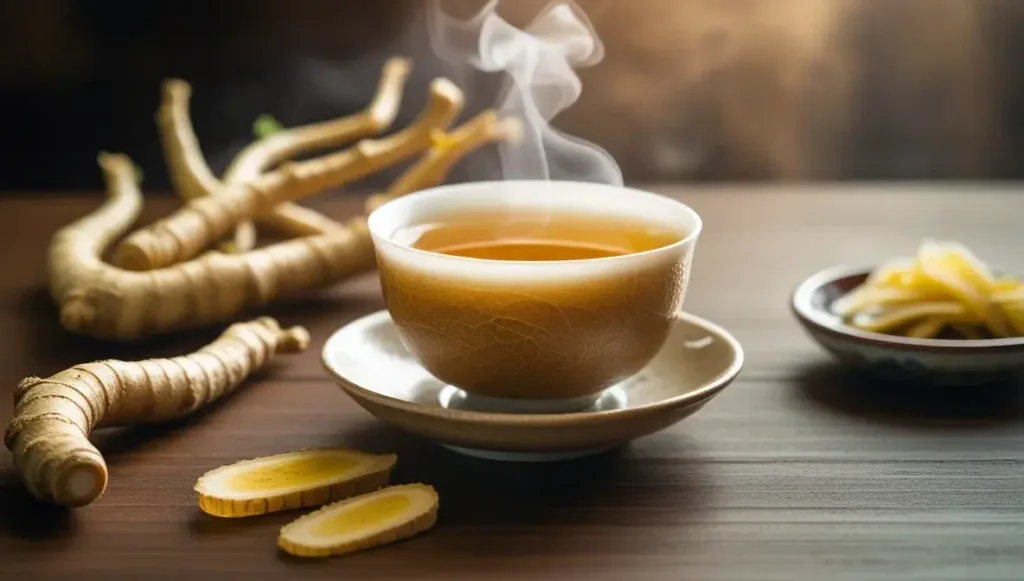
Does ginseng tea give you energy when you’re feeling fatigued? As one of the most popular herbal medicines in the world, ginseng has sparked significant interest among those seeking natural energy boosters. This ancient herb has been used in traditional Chinese medicine for centuries, and now it’s gaining popularity beyond Asia.
Scientific research actually supports ginseng’s reputation as an energy enhancer. A 2023 systematic review and meta-analysis found that ginseng herbal formulas mildly improved fatigue severity, particularly in people with chronic fatigue. Additionally, a 2018 review of 10 studies concluded that ginseng could significantly improve symptoms of chronic fatigue syndrome compared with a placebo. In fact, studies into ginseng have shown that participants given ginseng experienced less mental and physical fatigue compared to those taking a placebo.
In this article, we’ll explore the science behind ginseng tea benefits, examine whether different types like American and Asian ginseng affect your energy levels differently, and discover what other health advantages this remarkable herb might offer. We’ll also discuss potential side effects and how to use ginseng tea safely for optimal results.
What is Ginseng Tea and How is it Made?
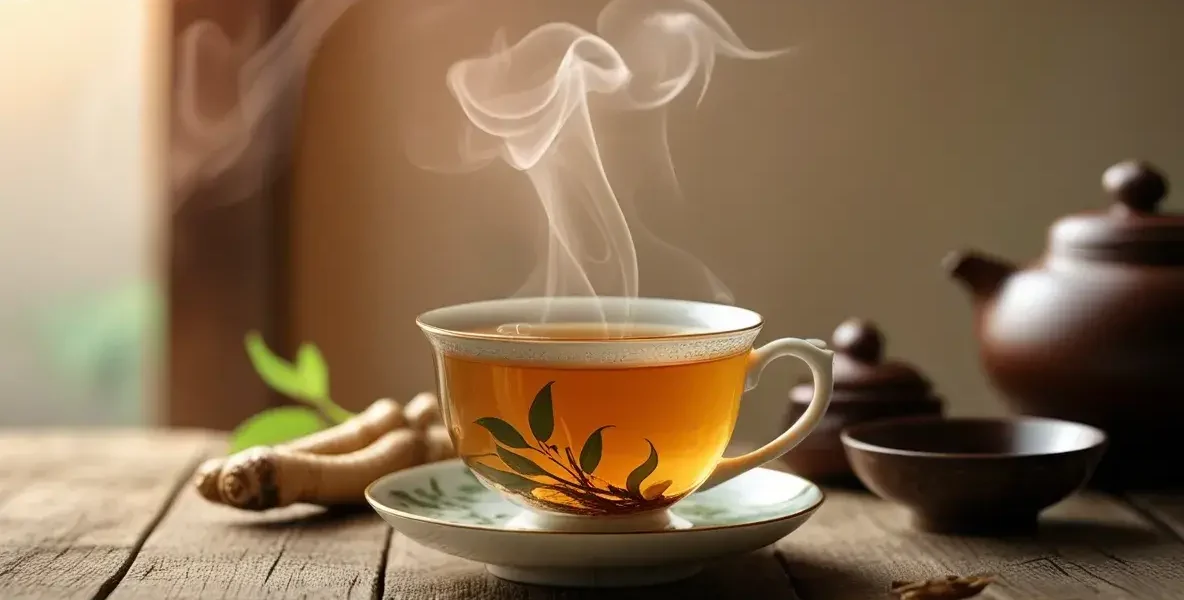
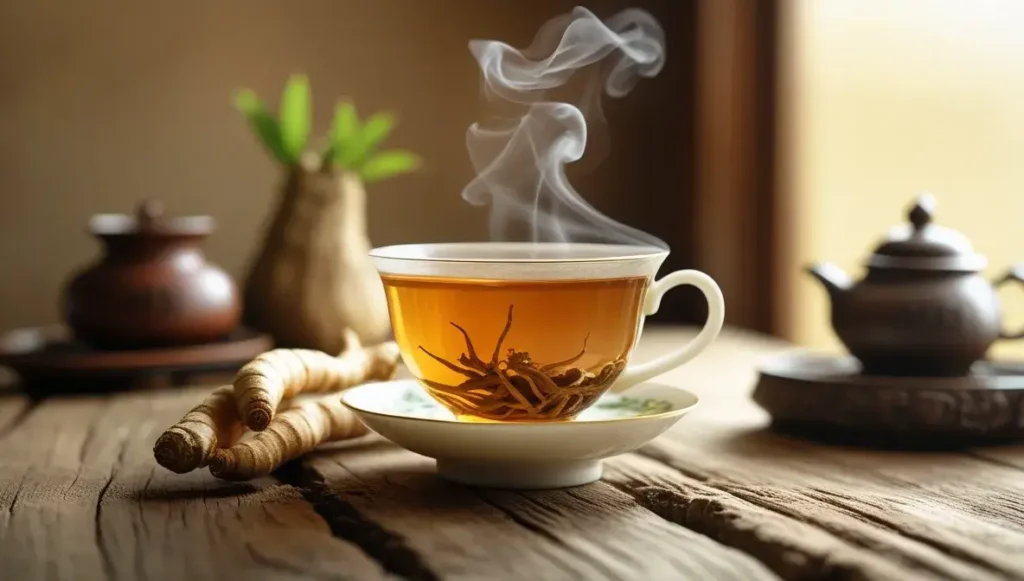
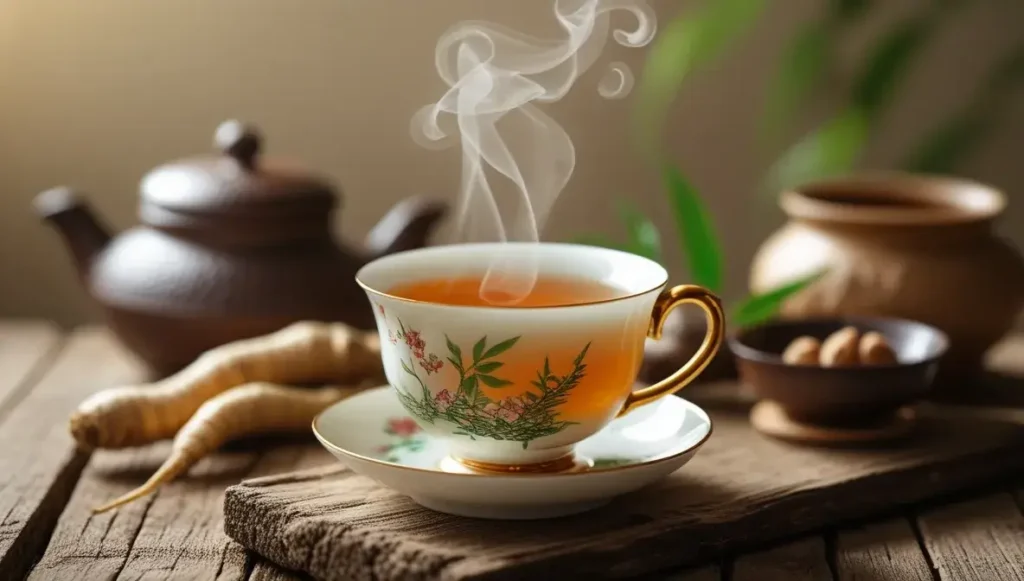
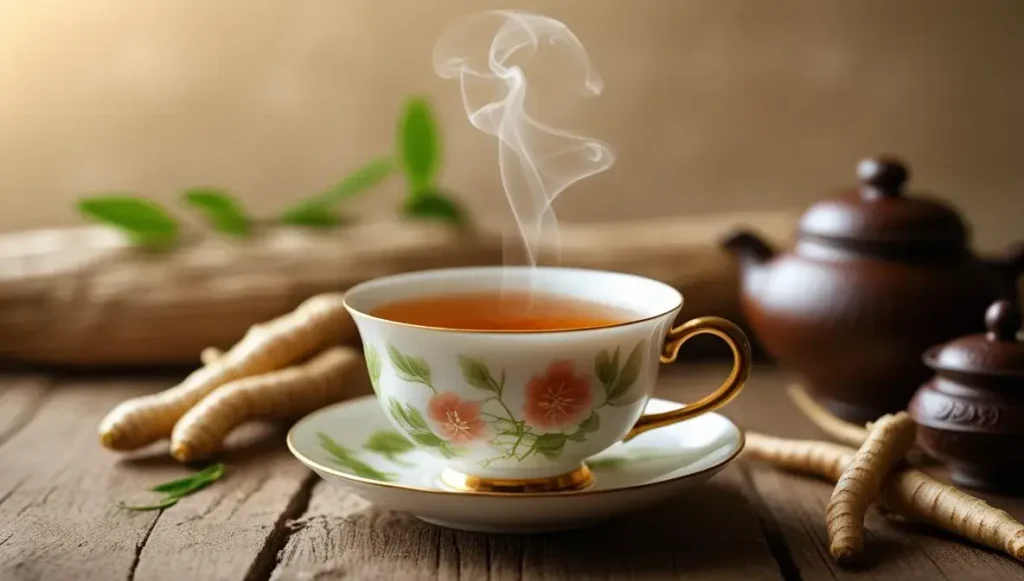
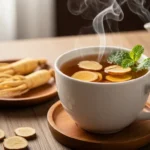
Ginseng tea stands as one of the oldest herbal beverages, brewed from the root of the ginseng plant and revered throughout Asia for thousands of years. This ancient elixir has gained worldwide popularity due to its distinctive flavor profile and potential health advantages.
Types of ginseng used in tea
The two primary types used for tea are American ginseng (Panax quinquefolius) and Asian ginseng (Panax ginseng). Asian ginseng further divides into Korean and Chinese varieties, while American ginseng grows primarily in eastern North America.
Asian ginseng comes in two forms: white ginseng (sun-dried and peeled) and red ginseng (steamed for 8-10 hours before drying). Red ginseng generally contains a higher concentration of beneficial compounds and is considered more potent. Meanwhile, American ginseng offers a milder alternative that many beginners prefer.
Other varieties include Siberian ginseng (Eleutherococcus senticosus) and Indian ginseng (Ashwagandha), though these belong to different plant families.
How ginseng tea is prepared
Making ginseng tea involves several methods depending on the form of ginseng used:
For dried roots:
Heat water to about 208°F (98°C) – just below boiling
Use 4-5 grams (approximately 2-3 small roots) per 8 oz cup
Steep for 5-10 minutes
Strain and add honey to taste
For ginseng powder:
Use approximately 2 grams (1 teaspoon) per 8 oz cup
Place powder in a disposable teabag
Steep in hot water for 3-5 minutes
Some traditional preparations include adding rice grains to balance ginseng’s “cooling” properties. Furthermore, ginseng can be combined with other ingredients like lemon, honey, or ginger to enhance flavor.
What does ginseng tea taste like?
Ginseng tea possesses a distinctive flavor profile best described as earthy with bitter undertones and subtle sweetness. American ginseng tends to be milder and slightly sweeter, making it more approachable for newcomers. Conversely, Asian ginseng delivers a bolder, more robust flavor with pronounced bitterness.
The taste varies based on preparation method, steeping time, and whether it’s combined with other ingredients. Many people add honey or lemon to soften the bitterness while preserving ginseng’s unique character.
Ginseng has earned a reputation as a natural energy enhancer, backed by both traditional use and modern research. Let’s examine what science tells us about this herb’s energizing properties.
How ginseng affects energy levels
Ginseng functions primarily as an adaptogen, helping your body respond better to stress while balancing physical and mental functions. Consequently, it can provide energy without the jittery effects associated with caffeine. The active compounds in ginseng, called ginsenosides, have been shown to reduce inflammatory cytokines and help regulate cortisol levels, potentially addressing underlying causes of fatigue.
When consumed regularly, ginseng tea can improve general exhaustion—those feelings of being “pooped,” “worn out,” or “sluggish” that affect many people, especially those with chronic conditions.
Scientific studies on fatigue and stamina
Research consistently supports ginseng’s energy-boosting effects. A meta-analysis examining 12 randomized controlled trials found that ginseng supplements significantly reduced disease-related fatigue (standardized mean difference = 0.33).
Indeed, one notable study showed that after eight weeks of use, ginseng produced a remarkable 20-point improvement in fatigue in cancer patients, measured on a standardized 100-point fatigue scale. Another study demonstrated that participants given ginseng experienced less mental and physical fatigue compared to those taking placebos.
Moreover, a 2018 review of 10 studies concluded that ginseng could significantly improve symptoms of chronic fatigue syndrome compared with placebo treatments, with benefits appearing in as little as 15 days.
Differences between American and Asian ginseng
Despite their similarities, these two varieties affect energy levels differently. Asian ginseng (Panax ginseng) is classified as warm, stimulating, and invigorating—working quickly to boost physical and mental energy. Studies report noticeable improvements within hours after taking it.
Conversely, American ginseng (Panax quinquefolius) is considered cool, calming, and non-stimulating, making it less intensely energizing than its Asian counterpart. Nevertheless, American ginseng still provides significant energy benefits but in a more balanced way that’s especially suitable for today’s stressful lifestyles.
The effectiveness of both types appears to be dose-dependent. Higher doses generally produce stronger effects, as seen in studies where 2000mg/day showed greater improvements than lower doses.
Other Health Benefits of Ginseng Tea
Beyond its renowned energy-boosting properties, ginseng tea offers a remarkable range of health benefits backed by scientific research.
Improves brain function and focus
Ginseng has shown promising results for cognitive enhancement. Studies indicate it can decrease P300 latency in the brain—a marker of improved cognitive processing speed. Research shows ginseng treatment improved working memory, mental arithmetic, and attention in clinical trials. Furthermore, those with higher lifetime ginseng consumption demonstrated better cognitive scores compared to non-consumers.
Supports immune system
Ginseng effectively strengthens immune defenses by enhancing phagocytic activity of macrophages. Clinical studies confirm it increases natural killer (NK) cell function, which forms our first line of defense against infections. Additionally, ginseng extract can induce specific antibody responses against various pathogens, potentially serving as an effective vaccine adjuvant.
Helps regulate blood sugar
Multiple clinical trials demonstrate ginseng’s ability to improve glucose control. One study found Korean red ginseng reduced blood glucose by 21.40 mg/dL compared to placebo. Similarly, a 12-week intervention showed significant decreases in serum glucose during oral glucose tolerance tests. These effects appear particularly beneficial for type 2 diabetics rather than prediabetics or healthy individuals.
May improve heart health
According to research, ginseng’s active compounds (ginsenosides) enhance myocardial blood supply and pumping action. They reduce infarct size following ischemic injury plus decrease cholesterol and triacylglycerol levels. Through antioxidant properties, ginseng protects cardiovascular tissue from oxidative damage.
Ginseng tea benefits for female health
For women experiencing menopause, red ginseng shows robust benefits. A randomized, double-blind, placebo-controlled study demonstrated significant improvements in menopausal symptoms. Primarily, its phytoestrogen content provides structures similar to human estrogen, making it particularly valuable for postmenopausal women with elevated cardiac risk factors.
Ginseng benefits for men
Perhaps most notably for men, ginseng may effectively treat erectile dysfunction by improving blood flow. This benefit stems from its ability to enhance circulation throughout the body. Several studies suggest approximately 50% of men between 40-70 years experience ED, often connected to anxiety—an area where ginseng’s stress-reducing properties provide additional support.
While ginseng tea provides numerous benefits, understanding its potential side effects ensures safe consumption. Like many herbal remedies, ginseng comes with both advantages and drawbacks worth considering.
Common side effects of ginseng tea
Insomnia stands as the most frequently reported side effect of ginseng tea. Other common reactions include headaches, digestive problems, and feeling agitated. Some users experience changes in blood pressure, which can be concerning for those with cardiovascular conditions. Although uncommon, more serious side effects have been documented, including severe rash, liver damage, and severe allergic reactions. For women specifically, menstrual irregularities and breast tenderness occasionally occur.
Who should avoid ginseng tea?
Pregnant and breastfeeding women should avoid ginseng tea since there isn’t enough reliable information about its safety. Children should likewise steer clear of ginseng products unless specifically recommended by healthcare providers. Individuals with autoimmune disorders such as multiple sclerosis or lupus should exercise caution as ginseng may increase immune system activity. Furthermore, those with bleeding conditions, heart problems, or hormone-sensitive conditions like breast cancer should consult their doctor before consumption.
Interactions with medications
Ginseng can interact with numerous medications. It might decrease the effectiveness of blood thinners like warfarin. For diabetics, ginseng could potentially lower blood sugar too much when combined with insulin or oral hypoglycemic agents. Those taking immunosuppressants should be careful since ginseng might interfere with these medications’ effects. Additionally, combining ginseng with stimulants or caffeine could cause heightened side effects including increased heart rate.
Recommended dosage and duration
Experts typically recommend taking ginseng in doses of 1-2 grams of root 3-4 times daily. However, ginseng should not be used long-term. Asian ginseng should not exceed 3 months of continuous use, Siberian ginseng should be limited to 2 months, and American ginseng to 1 month. Most research studies have used standardized extracts of 200mg daily. Always follow package instructions and consult healthcare providers before beginning any herbal supplement regimen.
Conclusion: Does Ginseng Tea Give You Energy or Not?
Ginseng tea certainly lives up to its reputation as a natural energy booster. Scientific research consistently supports its effectiveness in combating fatigue, particularly for those suffering from chronic conditions. Additionally, the different varieties offer unique benefits—Asian ginseng provides immediate stimulation while American ginseng delivers more balanced energy without the jitters associated with caffeine.
Beyond energy enhancement, ginseng tea offers remarkable health advantages. The herb improves cognitive function, strengthens immune defenses, helps regulate blood sugar, and supports cardiovascular health. Both men and women can benefit from its unique properties, whether addressing menopausal symptoms or improving circulation.
Nevertheless, ginseng tea isn’t without risks. Side effects such as insomnia, headaches, and digestive issues might occur in some individuals. Pregnant women, children, and people with specific medical conditions should avoid consumption altogether. Anyone taking medications should consult healthcare providers first because ginseng can interact with various drugs.
We recommend following proper dosage guidelines and limiting usage duration as suggested—no more than three months for Asian ginseng, two months for Siberian ginseng, and one month for American ginseng. After exploring the evidence, ginseng tea proves to be a powerful natural remedy when used correctly. Though not a miracle cure, this ancient herb deserves its place among effective natural energy solutions that actually work.
Scientific research confirms that ginseng tea does provide genuine energy benefits, making it a legitimate natural alternative to caffeine-based stimulants for combating fatigue.
Ginseng tea significantly reduces fatigue in 15 days, with studies showing 20-point improvements on standardized fatigue scales
Asian ginseng provides immediate stimulation while American ginseng offers balanced energy without caffeine jitters
Beyond energy, ginseng improves brain function, immune system, blood sugar control, and heart health
Limit usage to 1-3 months maximum and avoid if pregnant, breastfeeding, or taking blood thinners
Use 1-2 grams of root 3-4 times daily, but consult healthcare providers before starting any regimen
The key difference lies in choosing the right type: Asian ginseng works faster for immediate energy needs, while American ginseng provides sustained, gentle energy enhancement. However, proper dosage and duration limits are crucial for safe consumption, as ginseng can interact with medications and cause side effects like insomnia in some users.
FAQs
Q1. How does ginseng tea affect energy levels? Ginseng tea can provide a natural energy boost without the jittery effects associated with caffeine. It works as an adaptogen, helping your body respond better to stress and balance physical and mental functions. Regular consumption can improve general exhaustion and fatigue, particularly in people with chronic conditions.
Q2. Are there different types of ginseng tea, and do they have varying effects? Yes, there are primarily two types: American ginseng and Asian ginseng. Asian ginseng is more stimulating and invigorating, working quickly to boost physical and mental energy. American ginseng is considered calming and non-stimulating, providing energy benefits in a more balanced way that’s suitable for stressful lifestyles.
Q3. What other health benefits does ginseng tea offer besides energy enhancement? Ginseng tea offers several health benefits. It can improve brain function and focus, support the immune system, help regulate blood sugar levels, and may improve heart health. It also has specific benefits for women’s health during menopause and can potentially help with men’s erectile dysfunction.
Q4. Is it safe to drink ginseng tea daily? While ginseng tea offers many benefits, it’s not recommended for long-term daily use. Asian ginseng should not be used for more than 3 months continuously, Siberian ginseng for 2 months, and American ginseng for 1 month. It’s best to follow package instructions and consult with a healthcare provider before starting a regular ginseng tea regimen.
Q5. Are there any side effects or risks associated with drinking ginseng tea? Yes, some people may experience side effects such as insomnia, headaches, and digestive problems. Ginseng can also interact with certain medications, including blood thinners and diabetes medications. Pregnant women, breastfeeding mothers, and individuals with certain medical conditions should avoid ginseng tea. It’s always best to consult with a healthcare provider before adding ginseng tea to your diet.
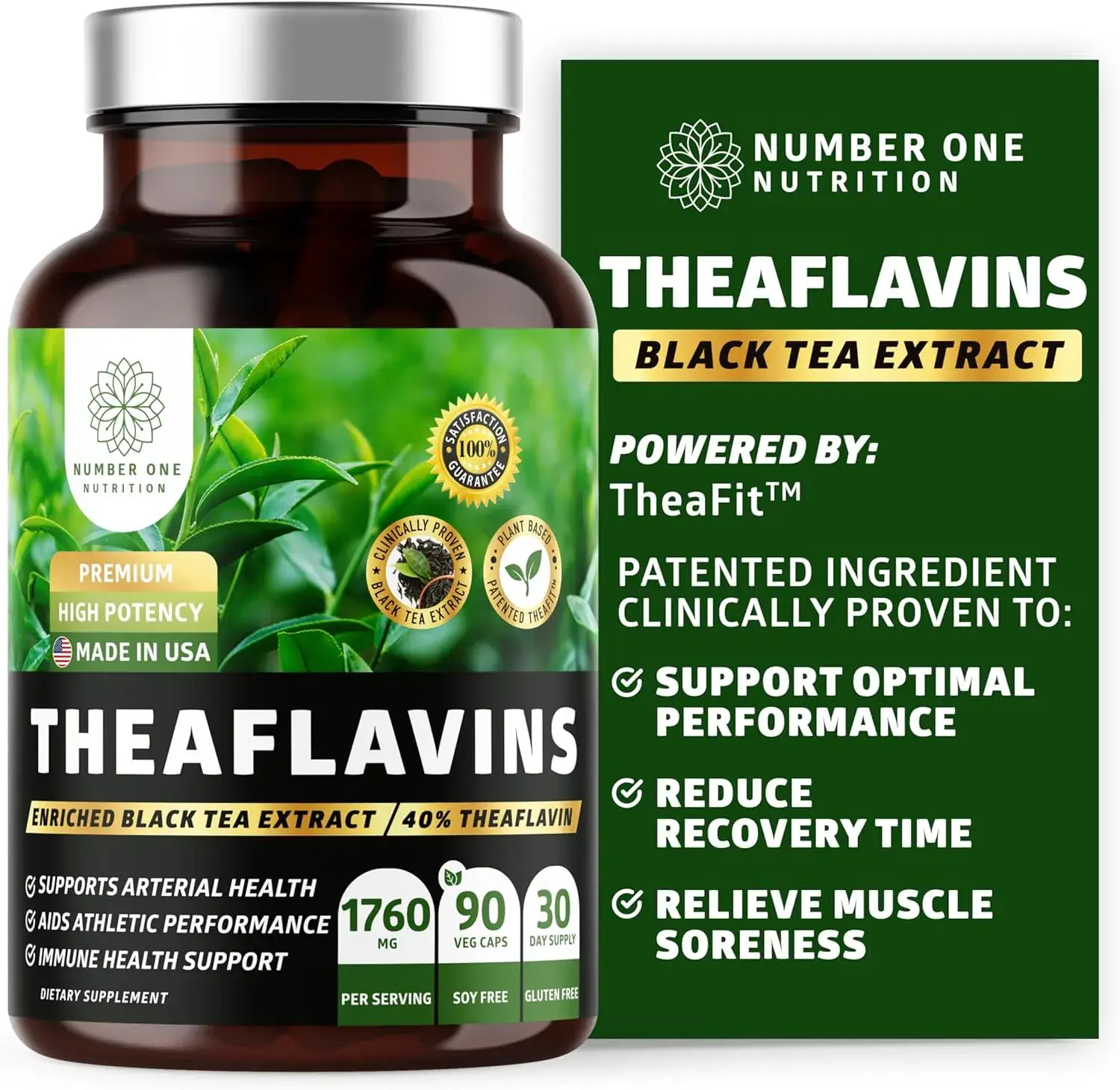
Black Tea Extract that is rich in natural theaflavins and polyphenols that help protect your body from free radicals, promoting overall immune health and well-being
Contains blended amounts of Fruits and Veggies. All natural, with whole foods, fruit and vegetable supplement.Perfect for everyone looking to live a healthier lifestyle.