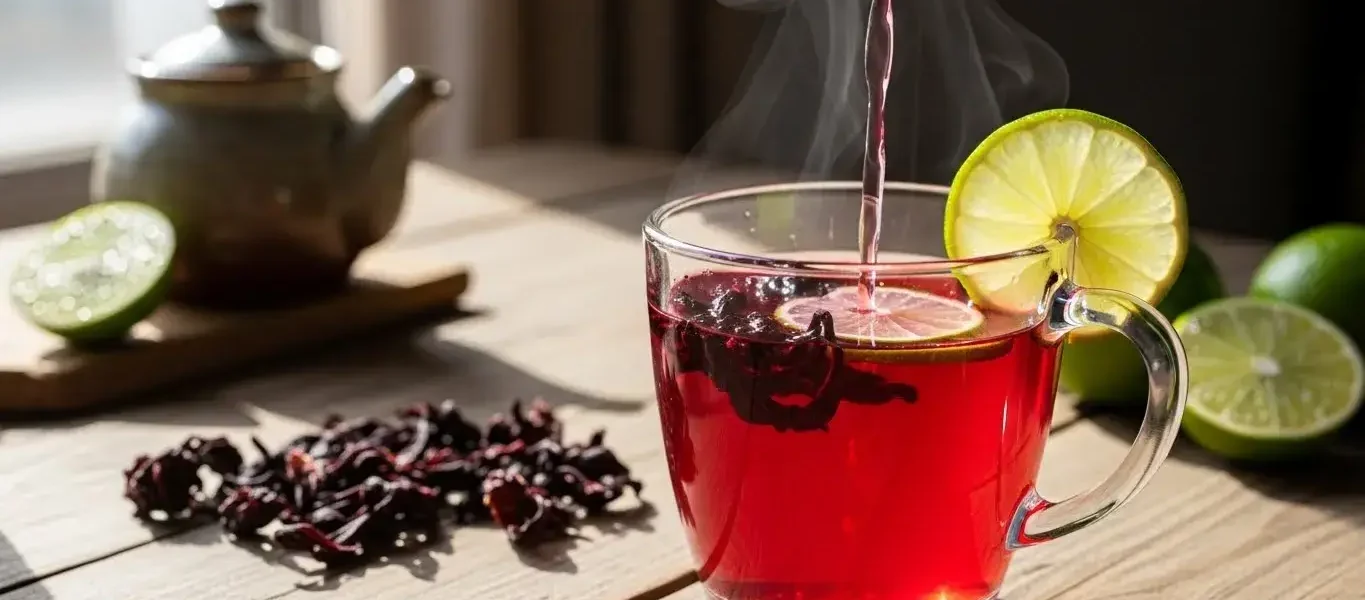
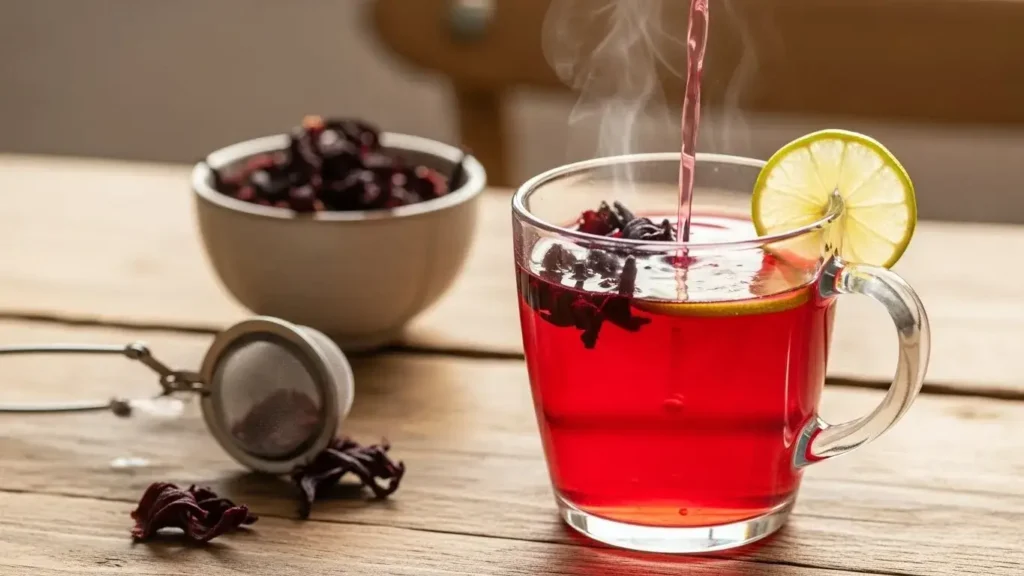
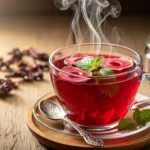
So, you’re curious about sipping on some hibiscus tea first thing in the morning, on an empty stomach? It’s a pretty popular drink, known for its bright color and tart taste. Lots of people wonder if it’s a good idea to have it before you’ve eaten anything. We’ll break down what you need to know about drinking hibiscus tea on an empty stomach, looking at the good stuff and any potential downsides.
Key Takeaways
For most people, drinking hibiscus tea on an empty stomach is generally safe. Just pay attention to how your body feels afterward.
Hibiscus tea is caffeine-free, making it a good choice for hydration any time of day, including when fasting.
While generally safe, excessive consumption might lead to digestive issues like gas or an upset stomach.
Hibiscus tea can interact with certain medications, especially those for blood pressure and diabetes, so check with your doctor if you take any.
Pregnant or breastfeeding individuals should be cautious and consult a healthcare provider before drinking hibiscus tea regularly.
Understanding Hibiscus Tea on an Empty Stomach
So, you’re curious about drinking hibiscus tea first thing in the morning, maybe even before breakfast? It’s a pretty common question, especially with all the buzz around herbal teas for wellness. Can I drink hibiscus tea first thing? Generally, yes, most people can handle drinking hibiscus tea on an empty stomach without any major issues. Studies suggest that hibiscus tea is well-tolerated, and it’s unlikely to cause significant digestive upset for the average person.
However, individual reactions can vary, so it’s always a good idea to see how your own body responds. Some folks might find that drinking herbal tea on an empty stomach leads to a bit of stomach acid increase, which could feel like mild discomfort. If you’re looking for a morning tea for weight loss, some sources suggest drinking it before meals, but always listen to your body.
General Safety of Hibiscus Tea on an Empty Stomach
When it comes to drinking hibiscus tea on an empty stomach, the general consensus is that it’s safe for most. It’s not like chugging a strong coffee that might jolt your system. Hibiscus tea is known for its tart, refreshing flavor and is caffeine-free, making it a gentle option. While it’s generally safe, some people might experience mild digestive discomfort, especially if they’re sensitive.
This is why starting with a smaller amount is often recommended. The idea of hibiscus tea for weight loss on an empty stomach is appealing, but it’s not a magic bullet. It’s more about incorporating it as part of a healthy lifestyle. Remember, even though it’s a natural beverage, moderation is key. You can find more information on the general safety of hibiscus tea here.
Individual Reactions to Hibiscus Tea
Everyone’s body is a little different, right? That’s definitely true when it comes to how we react to things like hibiscus tea. While many people can drink hibiscus tea on an empty stomach without a second thought, some might notice a slight change. This could be anything from a mild feeling of fullness to a slight increase in stomach acid. It’s not necessarily a ‘side effect’ in the negative sense, but more of a personal response.
If you’re someone who tends to have a sensitive stomach, you might want to ease into it. Perhaps try drinking it after a small snack first, or just have a smaller cup initially. Paying attention to these individual reactions is super important for figuring out if drinking hibiscus tea first thing works for you.
Hibiscus Tea During Fasting Periods
If you’re observing a fasting period, you might wonder if hibiscus tea fits into the picture. Since hibiscus tea is typically calorie-free and caffeine-free, it’s often considered acceptable during many types of fasts. It can help with hydration and provide a bit of flavor without breaking your fast. Some people even use it as a way to curb cravings during fasting. However, it’s always a good idea to check the specific guidelines of the fasting method you’re following. Also, if you have any underlying health conditions, it’s wise to consult with a healthcare provider before consuming hibiscus tea during a fast, just to be on the safe side.
While hibiscus tea is generally considered safe for most people when enjoyed in moderation, it’s not entirely without its potential downsides, especially when you’re drinking it on an empty stomach. Think of it like any other food or drink; too much of a good thing can sometimes lead to an upset. It’s always wise to be aware of how your body might react.
Digestive Discomfort from Hibiscus Tea
Sometimes, that tartness in hibiscus tea can be a bit much for an empty stomach. Some folks report experiencing mild digestive issues like gas, bloating, or even a bit of stomach upset. This is often due to the tea’s acidity or its effect on your digestive system when it’s not accustomed to anything else. If you’re prone to stomach sensitivity, starting with a smaller amount is a good idea. You might also find that drinking it with a tiny bit of food, like a few crackers, can make a difference.
Risks of Excessive Hibiscus Tea Consumption
Going overboard with hibiscus tea, even if you’re not on an empty stomach, can lead to a few issues. One concern is the potential for increased oxalate levels in the body, which, in very high amounts, could contribute to kidney stones for susceptible individuals. Another point to consider is that hibiscus tea can have a diuretic effect, meaning it can make you need to urinate more often. If you’re not drinking enough water alongside it, this could potentially lead to dehydration, which then might cause constipation. It’s all about balance and listening to your body’s signals.
Precautions for Specific Health Conditions
There are a few situations where you’ll want to be extra careful or chat with your doctor before making hibiscus tea a regular part of your morning routine.
Hormonal Sensitivity: Hibiscus contains compounds that might influence estrogen levels. If you have a history of hormone-related issues or are undergoing treatment, it’s best to get professional advice.
Kidney Concerns: As mentioned, excessive intake could potentially affect kidney health due to oxalate content. If you have existing kidney problems, a doctor’s opinion is a must.
Medication Interactions: Hibiscus tea can interact with certain medications, including some blood pressure drugs and diuretics. Always check with your healthcare provider if you’re on any prescriptions.
It’s important to remember that while hibiscus tea offers many benefits, it’s not a magic cure-all. Paying attention to how your body responds and consulting with a healthcare professional, especially if you have underlying health conditions or are taking medications, is always the most sensible approach to incorporating any new herbal beverage into your diet.
Interactions and Contraindications
While hibiscus tea is generally considered safe for most people, it’s not a one-size-fits-all beverage, especially when you consider how it might interact with your body and any medications you’re taking. It’s always a good idea to chat with your doctor before making it a regular part of your routine, particularly if you have any health conditions or are on medication.
Hibiscus Tea and Medication Interactions
This is where things can get a bit tricky. Hibiscus tea contains compounds that can potentially affect how certain medications work. For instance, it might interact with diuretics, potentially altering their effectiveness. There’s also a possibility it could interfere with medications used to manage blood pressure, like losartan, by increasing their levels in your system. Some older reviews suggest it might interact with drugs like acetaminophen or chloroquine. Always consult your healthcare provider about potential interactions before adding hibiscus tea to your diet, especially if you’re on prescription drugs.
Hibiscus Tea During Pregnancy and Breastfeeding
This is a sensitive area. Information on the safety of hibiscus tea during pregnancy and breastfeeding is quite limited. While some traditional uses suggest it might help with pregnancy symptoms, the presence of phytoestrogens means it could potentially influence hormone levels. Because there aren’t enough studies to confirm its safety for pregnant or nursing individuals, it’s best to err on the side of caution and avoid it or discuss it thoroughly with your doctor. pregnant or nursing women should be particularly careful.
Impact on Blood Pressure and Blood Sugar
Hibiscus tea is known for its potential to lower blood pressure. While this can be a benefit for some, it’s a significant consideration if you’re already taking medication for hypertension or if you have naturally low blood pressure. Similarly, it may affect blood sugar levels. If you have diabetes or are monitoring your blood sugar, it’s important to discuss this with your doctor. You might need to adjust your medication or monitor your levels more closely. It’s also advised to stop consuming hibiscus tea a few days before any scheduled surgery, as it could affect blood pressure management during the procedure.
Hibiscus tea is packed with compounds called polyphenols. These are basically plant-based chemicals that act as antioxidants. Think of them as little helpers that fight off damage in your body caused by unstable molecules called free radicals. The vibrant red color of the tea comes from these powerful antioxidants, particularly anthocyanins. While researchers are still figuring out all the ways these polyphenols help us, their antioxidant action is a big part of why hibiscus tea is considered good for you.
Vitamin C Content and Its Benefits
Beyond the polyphenols, hibiscus tea also offers a decent amount of Vitamin C. You know, that vitamin everyone talks about for staying healthy. Vitamin C is important for a lot of things, including keeping your immune system in good shape and helping your skin stay healthy. It also plays a role in how your body absorbs iron. So, that cup of hibiscus tea isn’t just tasty; it’s giving your body a little boost of this important nutrient.
Hydration and Caffeine-Free Nature
One of the really nice things about hibiscus tea is that it’s a fantastic way to stay hydrated. Since it’s mostly water, it contributes to your daily fluid intake. Plus, and this is a big plus for many people, it’s naturally caffeine-free. This means you can enjoy a warm or cold cup any time of day or night without worrying about it messing with your sleep or giving you the jitters. It’s a refreshing alternative if you’re trying to cut back on coffee or other caffeinated drinks.
Incorporating Hibiscus Tea into Your Routine
Best Times to Drink Hibiscus Tea
So, you’re curious about when to sip on that vibrant hibiscus tea for the most benefit, or maybe just when it fits best into your day. While it’s pretty flexible, there are a few times that might give you an extra boost. Many people find that drinking hibiscus tea in the morning is a great way to start their day. It’s a caffeine-free option, so you won’t get that jittery feeling, but it can still help you feel refreshed and ready to go. Think of it as a gentle nudge to get your system moving.
Some folks also like to have it before meals, especially if they’re looking to manage their appetite. The tartness can be surprisingly effective at curbing those pre-meal hunger pangs. For those focused on relaxation, an evening cup might be more your speed, helping you wind down. Ultimately, the best time to drink hibiscus tea really comes down to what you’re hoping to achieve and what feels good for your body.
Here’s a quick look at some popular timing strategies:
Morning Routine Hibiscus Tea: Enjoying a cup about 30 minutes after breakfast can help kickstart your metabolism and support digestion. It’s a lovely way to add a healthy habit to your morning.
Drinking Hibiscus Tea Before Breakfast: Some prefer to drink it first thing on an empty stomach, but if you’re prone to digestive upset, having it with or after a light meal might be better.
Midday Pick-Me-Up: If you need an afternoon boost without caffeine, hibiscus tea can be a good choice between 2-4 PM.
Evening Relaxation: A cup an hour or two before bed can be calming and may help with blood pressure management.
Flavor Profile and Enhancements
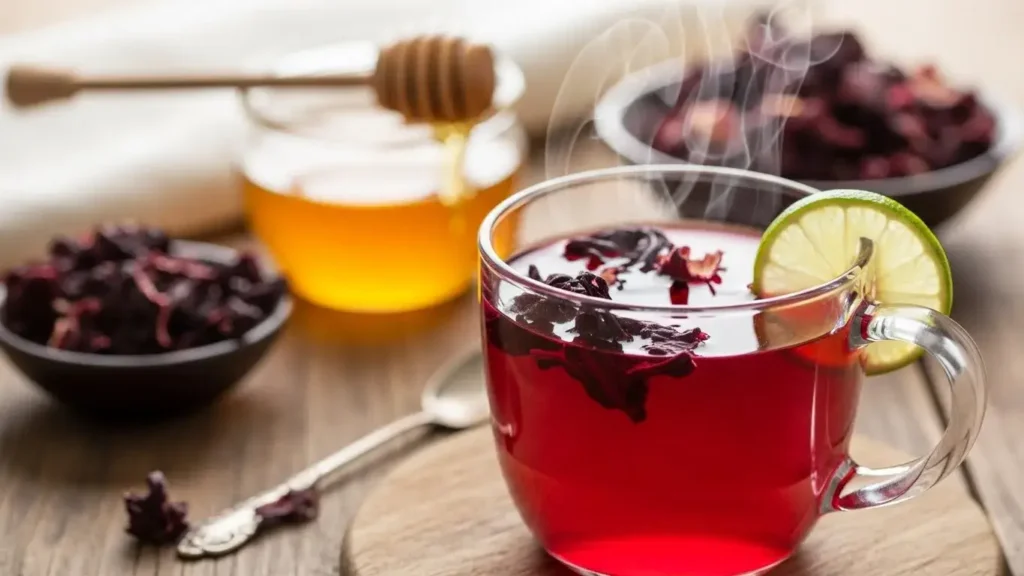
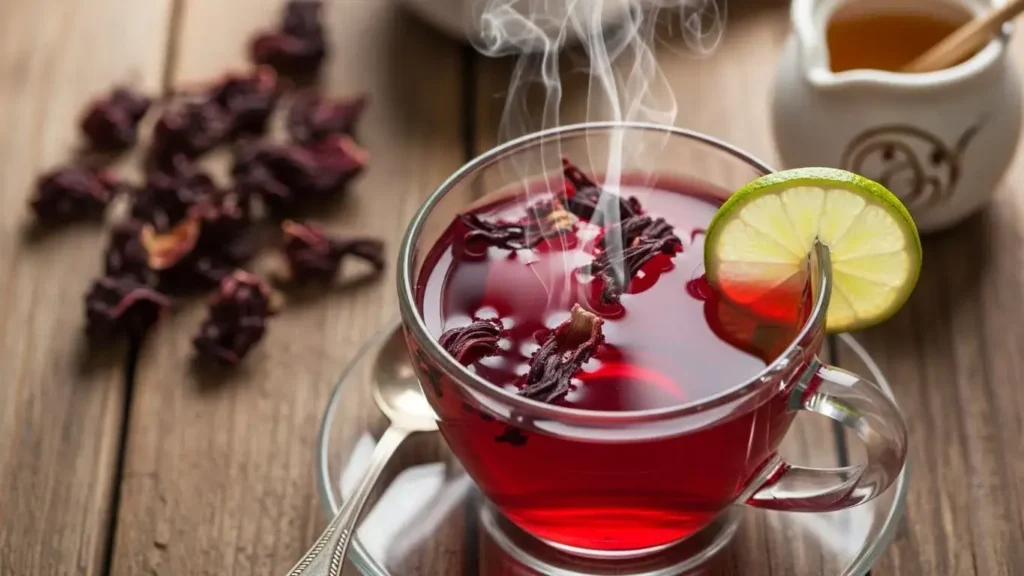
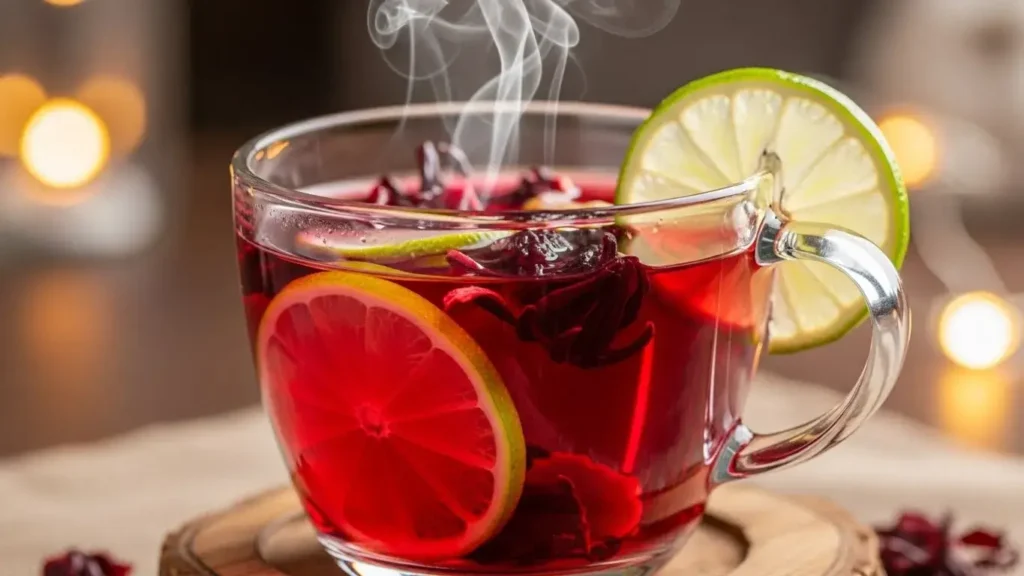
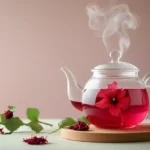
Hibiscus tea has this wonderfully tart, almost cranberry-like flavor that many people enjoy. It’s naturally quite tangy, which is part of its charm. If you find it a bit too sharp on its own, don’t worry, there are tons of ways to make it even more delicious. Adding a touch of honey or maple syrup can sweeten it up nicely.
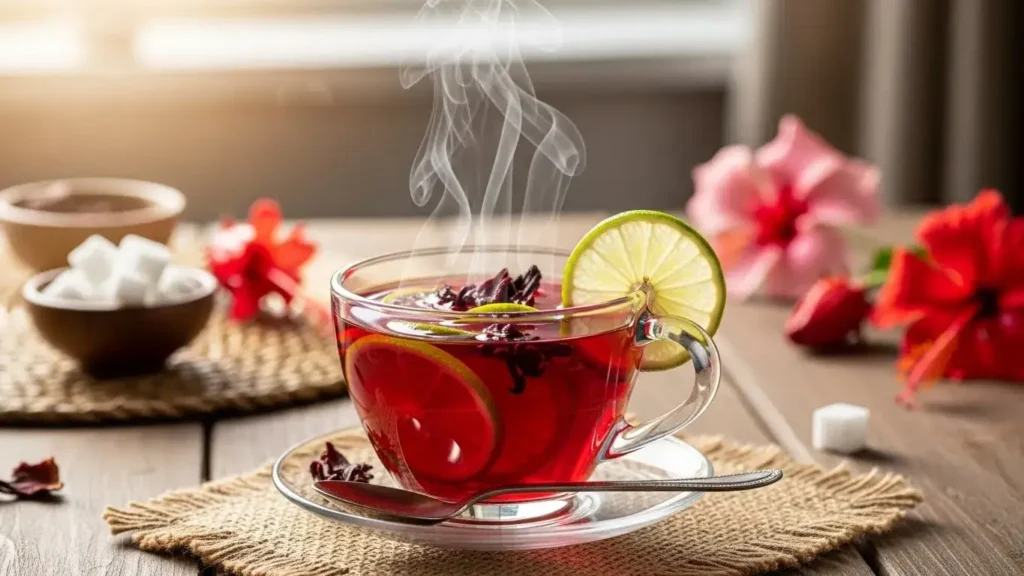
For a more complex taste, try infusing it with spices like cinnamon sticks, star anise, or a few cloves. Fresh ginger slices also add a lovely warmth and zing. Fruit additions are fantastic too – think slices of orange, lemon, or even some berries. If you’re making iced hibiscus tea, a sprig of mint can be incredibly refreshing. Experimenting with different combinations is part of the fun!
Recommended Daily Consumption
When it comes to how much hibiscus tea you should be drinking, moderation is key. Most sources suggest that enjoying one to three cups a day is generally safe and beneficial for most adults. It’s a good idea to listen to your body, though. If you notice any digestive discomfort, it might be a sign to cut back a bit. Remember, while hibiscus tea has many good qualities, it’s not a magic potion, and overdoing it isn’t necessary. Sticking to a reasonable amount ensures you can enjoy its benefits without any unwanted side effects. It’s a great addition to your daily hydration, but it’s just one part of a balanced lifestyle.
When you think about drinking hibiscus tea, especially on an empty stomach, it’s natural to wonder how it might affect your digestive system. For most people, hibiscus tea is pretty gentle. It’s often recommended as a way to stay hydrated without caffeine, which is a big plus for gut health since caffeine can sometimes irritate the stomach. Some studies suggest that the compounds in hibiscus might even help protect the stomach lining.
However, if you’re prone to digestive issues, starting with a small amount is a good idea. Too much of anything can sometimes cause a bit of gas or bloating, and hibiscus is no different. It’s all about finding that sweet spot where you get the benefits without any discomfort. Staying hydrated overall is key for a happy gut, and hibiscus tea can certainly contribute to that.
Hibiscus Tea and Skin Health
Let’s talk about skin. You might be surprised to learn that your daily cup of hibiscus tea could be doing wonders for your complexion. Hibiscus is packed with antioxidants, those little helpers that fight off damage from things like pollution and sun exposure. One of the stars here is Vitamin C, which is super important for making collagen. Collagen is what keeps your skin looking firm and youthful. So, drinking hibiscus tea regularly might help reduce the appearance of fine lines and keep your skin looking brighter. It also aids in wound healing, which means any little nicks or scars might fade a bit faster. It’s like a beauty treatment from the inside out.
Hibiscus Tea and Hormonal Balance
This is where things get a bit more nuanced. Hibiscus tea contains compounds that may influence hormone levels, particularly estrogen. If you have a history of hormonal imbalances or are undergoing treatment for hormone-related conditions, it’s really important to chat with your doctor before making hibiscus tea a regular part of your routine. They can give you personalized advice based on your specific health situation.
For the average person, this effect is usually not a concern, but it’s always better to be informed and cautious when it comes to your hormones. Consulting with healthcare professionals is always a good step when considering new herbal remedies, especially if you have pre-existing conditions or are taking medications. Talk to your doctor if you have concerns.
So, Can You Drink Hibiscus Tea on an Empty Stomach?
Alright, so after all that, what’s the verdict on sipping hibiscus tea first thing in the morning on an empty stomach? For most folks, it seems like a pretty safe bet. Studies haven’t really shown any major stomach issues when people drink it, even a few cups a day. It’s naturally caffeine-free, which is a bonus if you’re trying to avoid that morning jolt or just want something soothing.
Of course, everyone’s body is a little different, so if you notice any weirdness like an upset stomach or gas, maybe ease up or have it with a little something. And as always, if you’re on meds or have health conditions, a quick chat with your doctor is never a bad idea. But for the average person? Go ahead and enjoy that tart, refreshing cup!
Frequently Asked Questions
Is it okay to drink hibiscus tea on an empty stomach?
Yes, for most people, drinking hibiscus tea on an empty stomach is fine. It doesn’t usually cause stomach problems. However, everyone’s body is different, so if you feel any discomfort, it’s a good idea to check with a doctor. Some people suggest having it with a small snack if you’re worried.
Can I drink hibiscus tea every day?
Drinking a cup or two of hibiscus tea daily is generally considered safe for most adults. Some studies suggest that drinking 2-3 cups a day might be good for blood pressure. However, there aren’t many long-term studies on drinking it every single day, so moderation is key.
Are there any risks to drinking too much hibiscus tea?
Drinking a lot of hibiscus tea might cause some stomach upset, gas, or constipation for a few people. It’s also important to know that hibiscus tea can interact with certain medications, like those for blood pressure or diabetes. If you take any medicines regularly, it’s best to ask your doctor about it.
Who should avoid drinking hibiscus tea?
People who have low blood pressure should be careful because hibiscus tea might lower it even more. Also, pregnant or breastfeeding women should talk to their doctor before drinking it, as there isn’t enough research on its safety during these times. If you have kidney issues, it’s also wise to consult a healthcare provider.
What does hibiscus tea taste like?
Hibiscus tea has a really distinct flavor! It’s quite tart, almost like cranberries, with a hint of fruitiness. It has a beautiful deep red color and a refreshing taste that’s a nice mix of sour and a little bit sweet.
Does hibiscus tea have caffeine?
No, hibiscus tea is naturally caffeine-free. This makes it a great choice if you’re trying to cut back on caffeine or want a soothing drink in the evening without worrying about it keeping you awake.
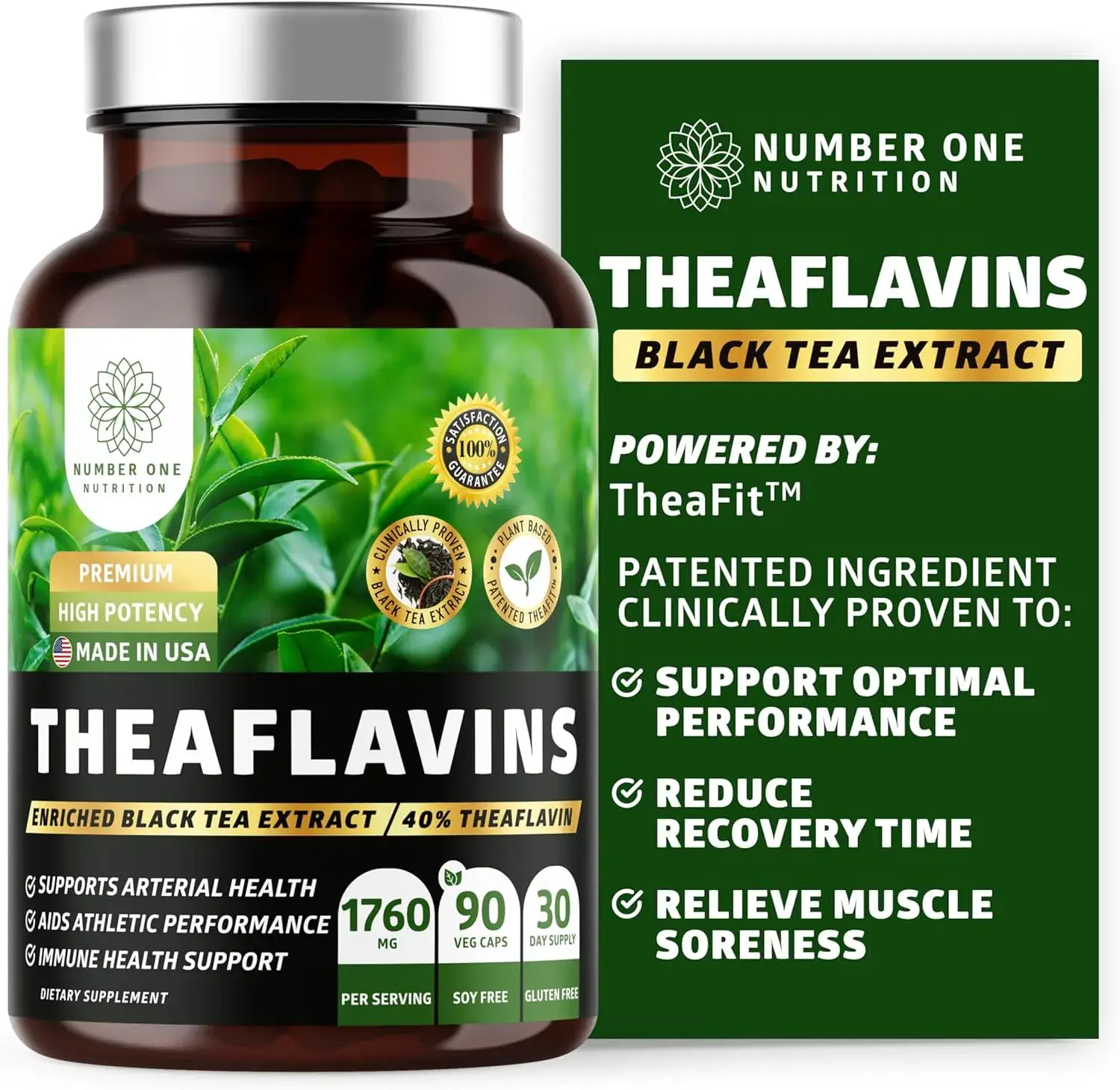
Black Tea Extract that is rich in natural theaflavins and polyphenols that help protect your body from free radicals, promoting overall immune health and well-being
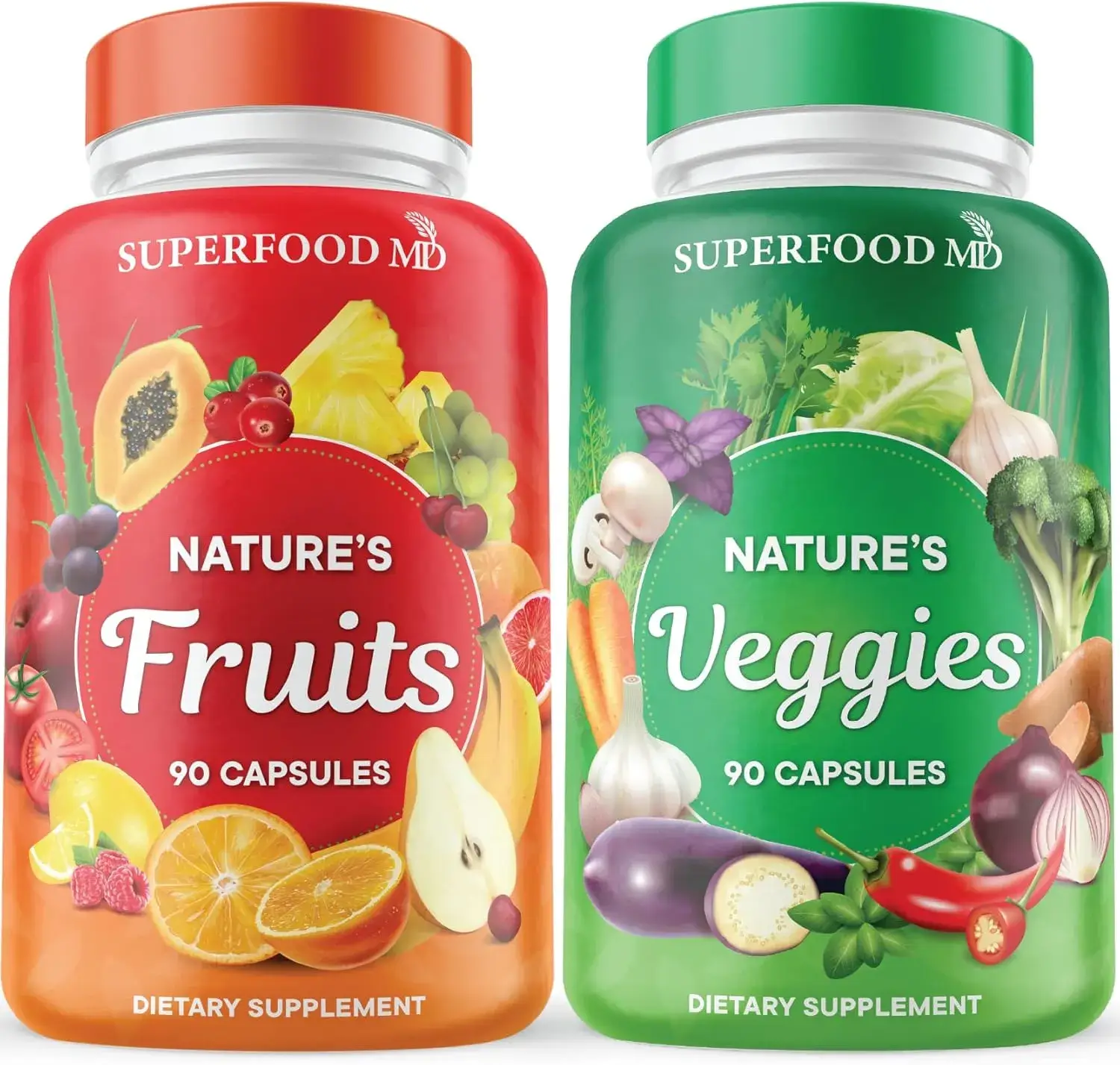
Contains blended amounts of Fruits and Veggies. All natural, with whole foods, fruit and vegetable supplement.Perfect for everyone looking to live a healthier lifestyle.