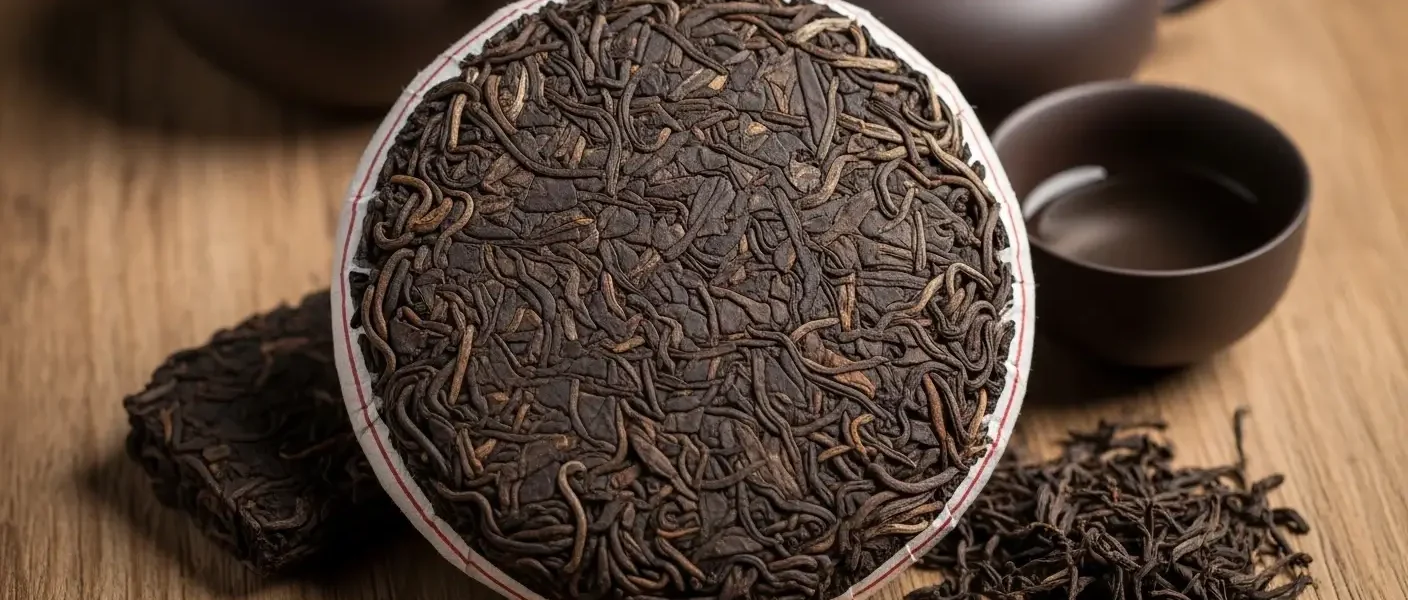
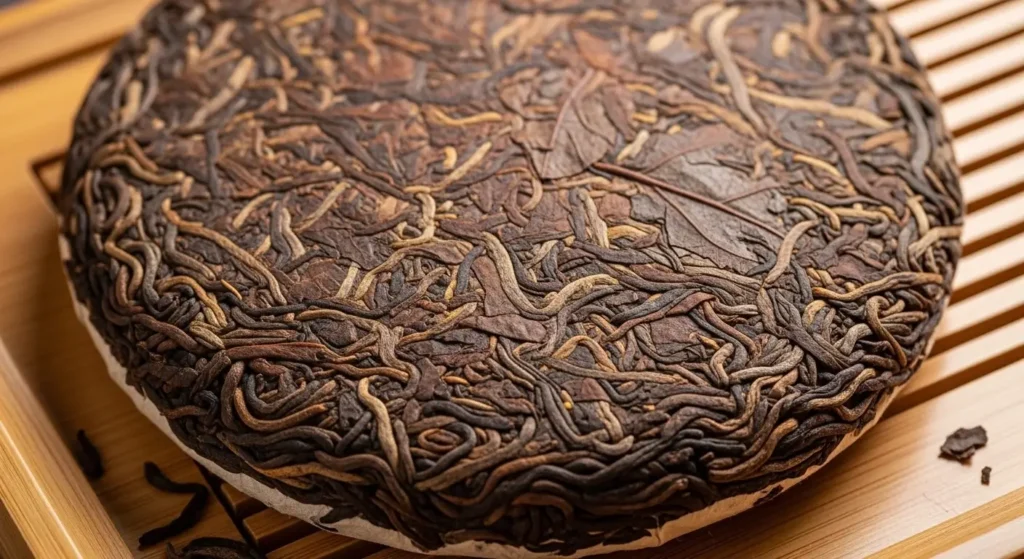
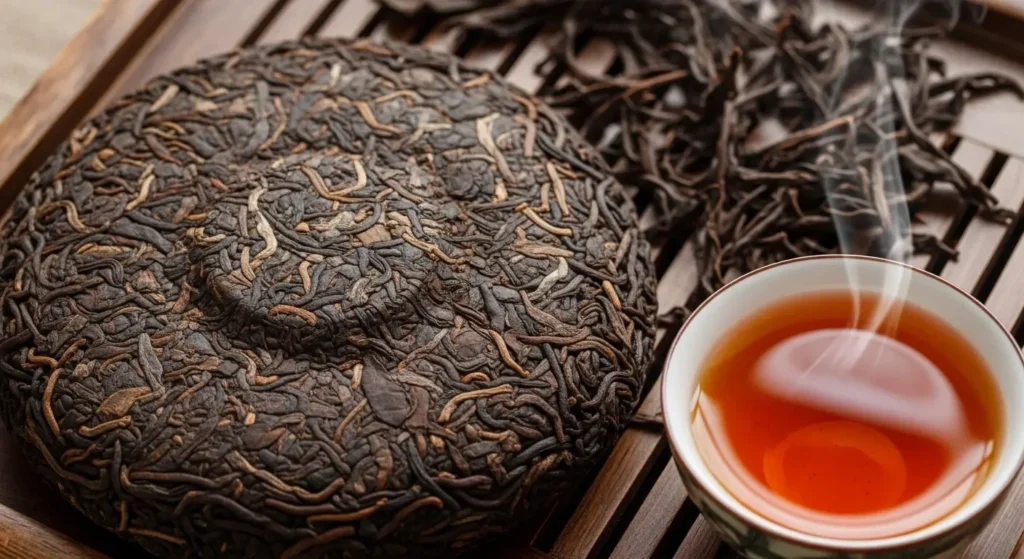
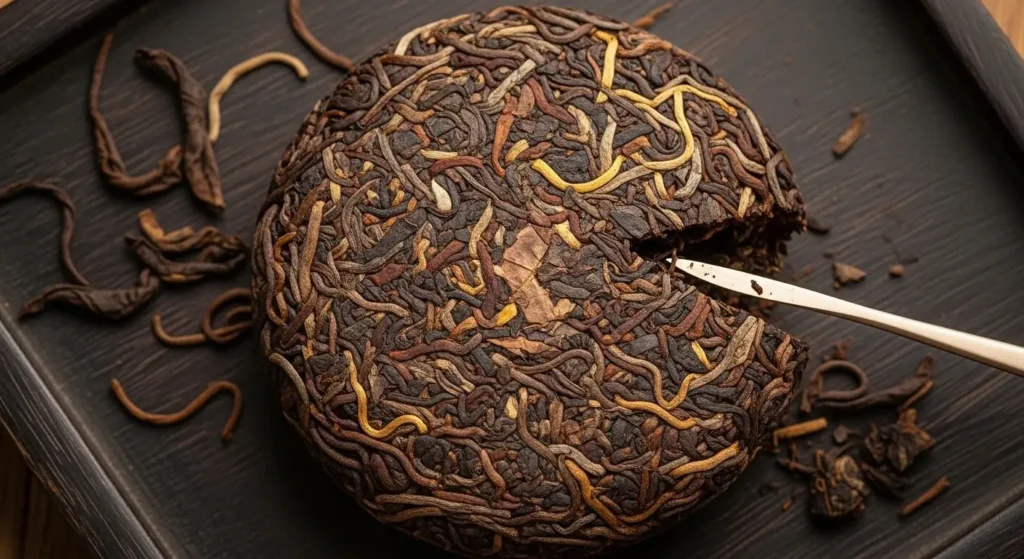
Is pu erh tea good for you, considering people have been drinking it since the 7th Century? As a matter of fact, modern science supports what ancient practitioners understood intuitively. Researchers found that pu erh tea was effective in reducing body weight, among other health markers. I’ve examined the latest scientific evidence to answer why is pu erh tea good for you and whether drinking pu erh tea good for you actually holds up under scrutiny. We’ll explore puer tea benefits in detail, covering everything from metabolism to heart health and what you need to know before brewing your first cup.
Key Takeaways
Science confirms that pu erh tea offers genuine health benefits backed by clinical research, making it a valuable addition to most people’s wellness routines when consumed properly.
• Pu erh tea significantly reduces weight and cholesterol levels – Clinical studies show 1kg average weight loss and measurable cholesterol improvements in 20 weeks
• Unique fermentation creates powerful gut health benefits – Unlike other teas, pu erh undergoes microbial fermentation that promotes beneficial bacteria and improves digestive health
• Choose ripened varieties for gentler effects – Shou (ripened) pu erh is easier on digestion than raw varieties, making it ideal for beginners
• Limit intake to 2-3 cups daily for optimal benefits – This amount provides health benefits while avoiding caffeine-related side effects like sleep disruption
• Quality and brewing method matter significantly – Always rinse leaves before steeping and use 200-212°F water for 2-5 minutes to maximize beneficial compounds
The key is starting slowly with high-quality ripened pu erh and paying attention to how your body responds, especially if you’re sensitive to caffeine or have digestive issues.
What Makes Pu Erh Tea Different from Other Teas
Most teas sold as “fermented” aren’t actually fermented at all. I’ve found that pu erh stands apart because it goes through genuine microbial fermentation, making it a completely different type of tea from what you’ll find in most grocery stores.
The unique fermentation process
Pu erh comes from the Yunnan tea plant, specifically Camellia sinensis var. assamica. What sets it apart from other teas is the fermentation method. Green, black, and oolong teas undergo enzymatic oxidation using enzymes already present in the tea leaves. Pu erh, in contrast, is fermented by living organisms like molds, bacteria, and yeasts that colonize the harvested leaves.
The process involves solid-state fermentation where water activity stays low to negligible. Both endo-oxidation from the tea leaf enzymes and exo-oxidation from microbial activity transform the tea polyphenols. The key organism responsible for nearly all pu erh fermentation is Aspergillus niger, identified in numerous studies. These microbes metabolize the carbohydrates and amino acids in the tea leaves, creating entirely new compounds that don’t exist in other teas.
Raw vs. ripened pu erh tea
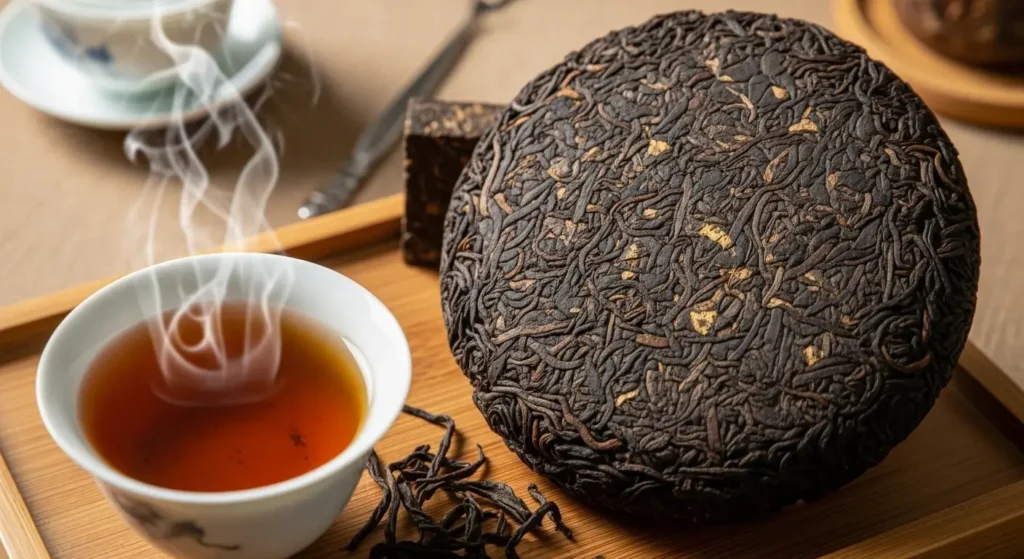
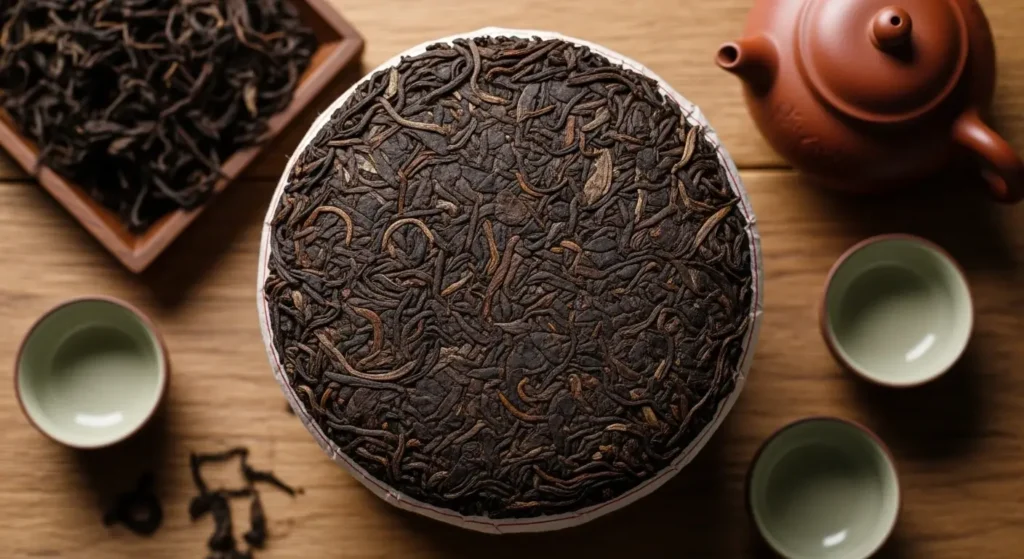
There are two distinct production styles. Raw pu erh, known as sheng, follows a traditional, longer production process where the tea ages naturally over time. Fresh leaves undergo basic processing steps and then sit for years, naturally developing their flavor profile. This natural fermentation typically requires 20 to 30 years to achieve the aged taste that connoisseurs seek.
Ripened pu erh, called shou, uses an accelerated method developed in 1973 by the Kunming Tea Factory and Menghai Tea Factory. This modern technique, known as wo dui or wet piling, mimics decades of natural aging in just 45 to 60 days on average. During wo dui, dry leaves are piled on the floor, sprayed with water, and covered with cloth. Microbial activity heats up the pile, and workers manually turn it to distribute the temperature evenly until fermentation reaches the proper degree.
Chemical compounds that matter for health
The fermentation type drastically changes the chemical makeup. Wet pile fermented pu erh has higher caffeine levels and much higher gallic acid than traditionally aged raw pu erh. Raw pu erh, on the other hand, contains higher levels of epigallocatechin gallate (EGCG), catechin, epicatechin, epigallocatechin, gallocatechin gallate, and epicatechin gallate.
Wet pile fermented pu erh has much lower total catechins than traditional pu erh and other teas except black tea. The microorganisms in ripened pu erh oxidize polyphenols more completely than enzymatic oxidation in other black teas, creating fermentation-derived compounds known as statins. These statins are found in other natural products like oyster mushrooms and red yeast rice. The fermentation also produces theabrownins, which increase during processing while tea polyphenols, catechins, amino acids, and soluble sugars decrease.
What Science Says About Pu Erh Tea Benefits
Research on puer tea benefits spans from controlled human trials to detailed animal studies, and the findings consistently point to measurable health improvements across multiple body systems.
Weight management and metabolism
A 20-week human study involving 59 participants showed that daily consumption of pu erh tea extract resulted in statistically significant weight loss compared to placebo. The average reduction was 1 kilogram, but reached high statistical significance. Body mass index decreased significantly at week 20 in the pu erh group. Researchers measured body composition changes and found fat loss in arms, legs, and the gynoid region.
Animal research supports these findings. Pu erh tea prevented weight gain from high-fat diets in mice when consumed at 450 mg per kilogram daily. The tea increased whole-body energy expenditure and shifted energy substrate utilization toward lipid metabolism rather than carbohydrates. Metabolic cage monitoring revealed that pu erh tea enhanced fat burning without affecting food intake.
Cholesterol and heart health
The lipid profile improvements are where pu erh tea demonstrates particularly strong effects. In the human trial, participants drinking pu erh tea extract showed significant reductions in cholesterol levels starting at week 4 and maintained throughout the study. Triglyceride levels decreased significantly at week 8 and continued dropping through week 20. The cholesterol to HDL ratio improved with statistical significance at week 16.
Animal models revealed the mechanism behind these changes. Serum LDL cholesterol and triglyceride levels were significantly lowered by tea extract compared to control groups. Conversely, HDL cholesterol levels elevated in groups given daily doses. The effect occurs through decreased abundance of bile salt hydrolase-producing microbes in the gut. This leads to increased conjugated bile acids, particularly tauro-chenodeoxycholic acid and tauro-ursodeoxycholic acid in mice. These conjugated bile acids increased cholesterol elimination through feces and stimulated additional bile acid synthesis in the liver, pulling more cholesterol out of circulation.
Digestive system support
Pu erh tea fundamentally reshapes gut microbiota composition. The tea increased gut microbiota richness and reduced the Firmicutes to Bacteroidetes ratio. It promoted beneficial bacteria like Lactobacillus and Bifidobacterium while suppressing pathogenic Proteobacteria. In mice with antibiotic-induced intestinal damage, pu erh tea extract alleviated intestinal inflammation, reduced intestinal lesions, and promoted probiotic growth.
The tea’s effects on inflammatory bowel disease showed promise. Long-term consumption significantly reduced IBD symptoms in mice by inhibiting intestinal oxidative stress, upregulating tight junction proteins, and improving the intestinal immune barrier.
Immune function and antioxidants
Human subjects with metabolic syndrome who took pu erh tea extract twice daily for three months experienced a 21% reduction in IL-6, a 23% reduction in TNF-alpha, and a 26% reduction in C-reactive protein. These reductions indicate substantial decreases in pro-inflammatory status. Additionally, the same group showed a 34% increase in anti-inflammatory IL-10.
In aging mice, pu erh tea reversed markers of immune senescence by enhancing T cell and natural killer cell numbers while reducing IL-6 levels by 43%. The tea’s compound theabrownin promoted macrophage proliferation, enhanced phagocytic ability, and significantly increased nitric oxide secretion. Activities of antioxidant enzymes superoxide dismutase and glutathione peroxidase in serum were significantly elevated in pu erh treated groups.
Understanding why is pu erh tea good for you requires looking at the actual physiological changes it triggers inside your body. The mechanisms at work go beyond simple nutritional benefits.
The gut microbiome connection
Pu erh tea works by suppressing specific bacteria in your intestines. The compound theabrownin predominantly targets microbes associated with bile salt hydrolase (BSH) enzyme activity. This suppression matters because BSH enzymes break down conjugated bile acids into unconjugated forms. When pu erh reduces BSH activity, conjugated bile acids accumulate in your system.
The bile acid shift creates a cascade effect. Tauro-chenodeoxycholic acid and tauro-ursodeoxycholic acid levels increased dramatically in mice, while humans showed significant increases in glycine-conjugated forms like glyco-chenodeoxycholic acid and glyco-ursodeoxycholic acid. These conjugated bile acids antagonize intestinal FXR receptors, which decreases FGF15 production and subsequently alters how your liver synthesizes new bile acids from cholesterol.
Pu erh consumption at 450 mg per kilogram daily in mice and 50 mg per kilogram in humans prevented weight gain and decreased hyperlipidemia markers. The tea also increased beneficial bacterial genera including Lactobacillus, Akkermansia, and Prevotellaceae while reducing the Firmicutes to Bacteroidetes ratio.
Blood lipid changes
Your body shifts its fuel preference when you drink pu erh regularly. Metabolic monitoring showed that pu erh tea changed substrate utilization from carbohydrate-dominant to fat-dominant metabolism. This metabolic switch increased heat production, meaning your body burned more calories at rest.
The tea inhibits key enzymes involved in lipid metabolism. Pu erh extract acts as a competitive inhibitor for HMG-CoA reductase and pancreatic lipase while serving as a noncompetitive inhibitor for lipoprotein-associated phospholipase A2. Activities of antioxidant enzymes superoxide dismutase and glutathione peroxidase in serum were significantly elevated, while malondialdehyde, a byproduct of lipid oxidation, decreased.
Energy levels and mental clarity
The caffeine content in pu erh ranges from 30 to 100 mg per cup, but the energy boost feels different than coffee. This occurs because pu erh contains L-theanine alongside caffeine. L-theanine increases alpha brainwaves, promoting relaxation while maintaining focus. The combination provides sustained energy without the anxiety or jitters associated with coffee alone.
Potential Side Effects and Who Should Be Careful
While the research shows clear puer tea benefits, caffeine-related reactions and digestive sensitivities affect certain individuals. Knowing these potential issues helps you determine whether drinking pu erh tea good for you matches your specific health situation.
Caffeine sensitivity and sleep
Each cup of pu erh contains between 30 to 100 mg of caffeine, depending on brewing strength. The variability stems from steeping time and whether you choose raw or ripened varieties. Caffeine stimulates your nervous system, which triggers restlessness and anxiety in sensitive individuals. Some people experience palpitations or racing heartbeat after consumption, particularly when drinking stronger brews.
Sleep disruption occurs when you consume pu erh later in the day. The caffeine stays active in your system for hours, interfering with your ability to fall asleep or maintain deep sleep cycles. If caffeine affects your sleep patterns, avoid drinking pu erh within 8 hours of bedtime. Most people tolerate up to 400 mg of caffeine daily, but exceeding this threshold causes dizziness, shaking, changes to heart rhythm, dehydration, and excessive urination. Drinking more than 4 cups daily increases the risk of irregular heartbeat, as symptoms can begin after ingesting 400 mg of caffeine.
Individuals who quit pu erh tea may experience withdrawal symptoms including fatigue, headaches, and trouble focusing. These symptoms typically last about one week.
Stomach discomfort with young raw pu erh
Young raw pu erh, known as sheng, creates notably harsher effects on your digestive system than aged or ripened varieties. The tea contains potent compounds that haven’t mellowed with time, making it particularly aggressive on stomach lining. Tannins and caffeine combine to cause discomfort, especially when consumed without food.
Drinking pu erh on an empty stomach frequently leads to nausea in sensitive individuals. The tea increases stomach acid production, which triggers heartburn and acid reflux. Caffeine doesn’t just stimulate your brain but also makes your stomach produce more acid. For some people, this extra acidity causes acid to flow back into the throat, creating a burning sensation.
Diarrhea and bloating occur because caffeine and other compounds stimulate gut motility. Conversely, ripened pu erh proves gentler on digestion since fermentation has already broken down many harsh compounds. Starting with ripened varieties and having a small snack before drinking helps minimize digestive upset.
Interactions with medications
Pu erh tea interacts with medications affecting blood pressure and blood clotting. Specifically, the tea contains compounds that may interfere with anticoagulants and antiplatelet drugs. If you take blood thinners, the caffeine in pu erh might slow blood clotting.
Certain stimulant medications combined with pu erh amplify caffeine’s effects, potentially causing excessive nervousness or rapid heartbeat. The tea also affects how your body metabolizes specific antibiotics, particularly quinolone antibiotics. Heart medications including verapamil and certain asthma medications may interact with the caffeine content.
Pregnant women should limit consumption to no more than 2 to 3 cups daily, as excessive caffeine links to miscarriage risk, premature delivery, and low birth weight. Breastfeeding mothers face similar restrictions since caffeine passes into breast milk and may cause sleep disturbances and irritability in infants. Individuals with anxiety disorders, bleeding disorders, diabetes, glaucoma, high blood pressure, IBS, or osteoporosis should use caution.
How to Get the Most Health Benefits from Pu Erh Tea
Getting maximum puer tea benefits depends on matching the tea type to your body’s needs and brewing it correctly.
Choosing the right type for your needs
Ripened pu erh works better if you have a weaker digestive system or experience stomach sensitivity. The fermentation process creates a gentler tea that nourishes the spleen and stomach. In contrast, raw pu erh retains anti-inflammatory properties and proves particularly suitable for individuals prone to stress and inflammation. For cholesterol concerns, ripened varieties show stronger effects on regulating blood pressure and inhibiting cholesterol elevation.
Quality matters significantly. Avoid purchasing random teas from marketplaces until you know what you’re buying, as low-quality or poorly stored pu erh creates fishy or musty flavors that misrepresent the category. Order sample sizes initially rather than expensive cakes, and don’t hesitate to ask suppliers questions.
Optimal brewing methods
Rinse your leaves before the first steep. Place the pu erh in your teapot, add just enough boiling water to cover the leaves, then discard the water immediately. Repeat this rinse once more. This awakening process ensures higher quality tea by removing any surface impurities.
Use water between 200 to 212 degrees Fahrenheit. Steep for 2 to 5 minutes depending on taste preference. You can resteep the same leaves multiple times, as pu erh develops more complex flavors with each infusion.
How much to drink daily
Most people safely consume up to 3 cups (710 mL) daily. For weight management specifically, start with 1 to 2 cups (240 to 480 mL) per day. Drinking up to 4 cups daily remains possibly safe for most individuals. Exceeding this amount increases risks due to caffeine content.
Conclusion
Modern research confirms what centuries of use already suggested: pu erh tea delivers measurable health benefits. From weight management to cholesterol reduction and gut health improvements, the evidence supports regular consumption for most people.
The unique fermentation process creates compounds you won’t find in regular tea, particularly affecting your gut bacteria and metabolism. That said, caffeine sensitivity and digestive issues mean pu erh isn’t for everyone.
If you decide to try it, start with ripened varieties for easier digestion, brew properly with a rinse step, and stick to 2 to 3 cups daily. The benefits are real, but moderation matters.
Q1. What makes pu erh tea different from other types of tea? Unlike green, black, or oolong teas that undergo enzymatic oxidation, pu erh tea goes through genuine microbial fermentation using living organisms like molds, bacteria, and yeasts. This unique fermentation process creates entirely new compounds not found in other teas, including statins and theabrownins, which contribute to its distinct health benefits.
Q2. Can drinking pu erh tea help lower cholesterol levels? Yes, research shows that pu erh tea can significantly reduce cholesterol levels. Studies demonstrate that regular consumption decreases LDL cholesterol and triglycerides while increasing HDL (good) cholesterol. The tea works by altering bile acid metabolism in the gut, which increases cholesterol elimination through feces and stimulates additional bile acid synthesis in the liver.
Q3. How much pu erh tea should I drink daily for health benefits? Most people can safely consume 2 to 3 cups (480 to 710 mL) of pu erh tea daily to experience health benefits. For weight management specifically, starting with 1 to 2 cups per day is recommended. Drinking up to 4 cups daily is generally safe for most individuals, but exceeding this amount may increase caffeine-related side effects.
Q4. Who should avoid drinking pu erh tea? People with caffeine sensitivity, anxiety disorders, bleeding disorders, or those taking blood thinners should be cautious with pu erh tea. Pregnant women should limit consumption to no more than 2 to 3 cups daily, and individuals with digestive issues may experience stomach discomfort, especially with young raw pu erh varieties. Those on certain medications should consult their healthcare provider before regular consumption.
Q5. Does pu erh tea support heart health? Yes, pu erh tea promotes cardiovascular health through multiple mechanisms. It helps produce lovastatin, a natural compound that supports healthy cholesterol levels, and reduces inflammation markers like IL-6, TNF-alpha, and C-reactive protein. Regular consumption improves the cholesterol to HDL ratio and decreases triglyceride levels, all of which contribute to reduced heart disease risk.
Black Tea Extract that is rich in natural theaflavins and polyphenols that help protect your body from free radicals, promoting overall immune health and well-being
Contains blended amounts of Fruits and Veggies. All natural, with whole foods, fruit and vegetable supplement.Perfect for everyone looking to live a healthier lifestyle.