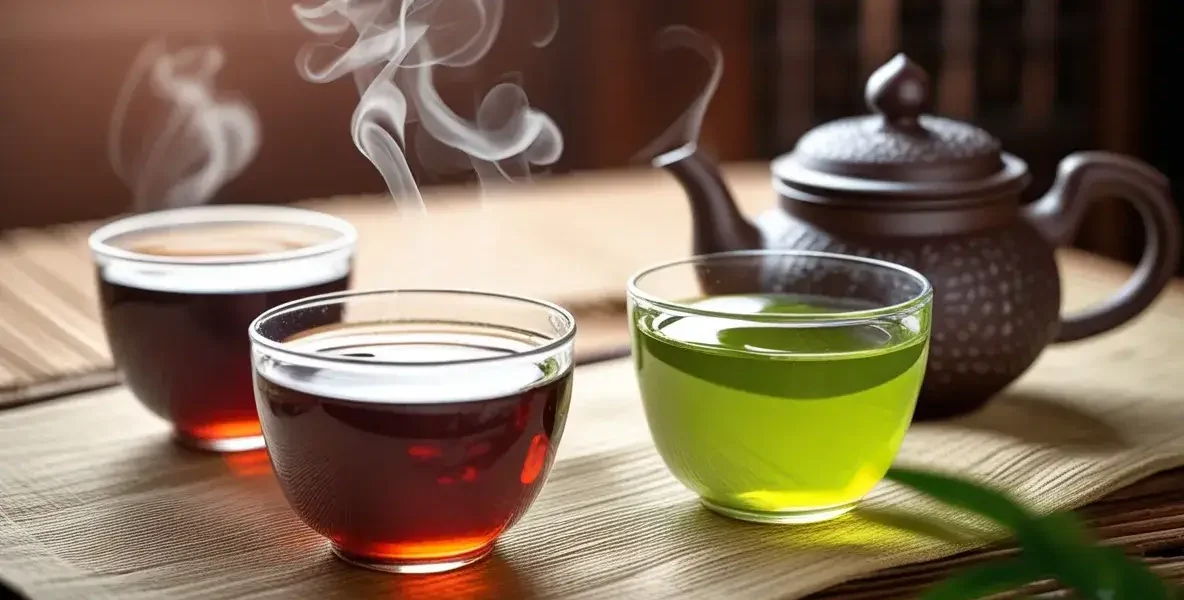
Pu erh tea vs green tea presents one of the most fascinating contrasts in the tea world. While green tea is prized for its freshness and should be consumed as soon as possible, pu erh tea actually improves with age, developing complex flavors over time. Both originate from China, but pu erh tea is exclusively produced in Yunnan Province, home to century-old wild trees that produce the most coveted varieties.
When it comes to pu erh tea vs green tea benefits, the differences are significant. A single study found that pu erh tea extract helped participants significantly improve body weight, BMI, and abdominal fat measurements over a 12-week period. Additionally, pu erh tea extracts may help reduce cholesterol levels through multiple mechanisms. The caffeine in pu erh tea vs green tea also differs, with pu erh containing approximately 60-70 mg per 8 oz cup. Furthermore, the processing methods diverge significantly – green tea undergoes hot air drying, while raw pu erh tea is dried by sunshine, a crucial step that affects its aging quality.
In this comprehensive guide, we’ll explore everything you need to know about these two distinctive teas. From their contrasting origins and processing methods to their unique flavor profiles and health benefits, we’ll help you decide which might be the better addition to your daily wellness routine. Whether you’re looking for weight loss support or simply exploring new tea varieties, we’ve got you covered with evidence-based comparisons.
Origin and Leaf Type Differences
Despite sharing the same plant species, the difference between pu erh tea vs green tea begins at their botanical roots. The distinct varieties of the tea plant create fundamental differences that influence everything from flavor to health benefits.
Camellia Sinensis Varieties: Assamica vs Sinensis
Pu-erh tea comes exclusively from the robust leaves of Camellia sinensis var. assamica, a large-leaf variety indigenous to Yunnan Province. This variety features thicker, broader leaves measuring about 7-22 cm long and 3-8 cm wide. In contrast, green tea primarily uses the small-leaf variety, Camellia sinensis var. sinensis, with leaves typically measuring just 4-10 cm long and 1.5 cm wide.
The internal leaf structure explains many differences between these teas. The assamica variety has a thin palisade mesophyll layer (making it less cold-tolerant) but a thick spongy mesophyll layer packed with catechins that contribute to its bold taste. Conversely, the sinensis variety boasts a thicker palisade layer (providing better protection against cold) and a thinner spongy layer, resulting in more delicate, nuanced flavors.
Geographic Origins: Yunnan vs Zhejiang, Uji, and Others
Geography plays a crucial role in defining these teas. According to China’s National Standard for Pu-erh Tea Geographical Indication Product, only tea grown and processed within Yunnan province can legally be called pu-erh. Yunnan’s high mountainous regions create a unique terroir essential for developing pu-erh’s distinctive character.
Green tea, however, thrives across numerous regions. Notable production areas include Zhejiang, Anhui, and Jiangsu provinces in China, plus regions in Japan such as Uji. Each area produces distinctive green tea varieties—like Dragon Well (Longjing) from Zhejiang—with characteristic flavors shaped by local growing conditions.
Harvesting Practices and Tree Age
Perhaps nothing distinguishes these teas more than their source plants. The most prized pu-erh comes from century-old wild trees in Yunnan’s ancient tea mountains. These venerable trees produce leaves with extraordinary depth and complexity impossible to replicate in younger plantations.
Harvest methods differ notably between these teas. Green tea typically uses higher-grade leaves—often just a bud and one or two young leaves. Pu-erh, however, incorporates more mature leaves alongside young ones, typically harvested as one bud with three to four leaves. These older leaves contribute significantly to pu-erh’s complexity, aging potential, and distinctive health properties.
The grade differences partially explain why caffeine in pu erh tea vs green tea can vary, though both contain moderate amounts compared to coffee. Consequently, these botanical and geographical distinctions create teas with vastly different flavor profiles, shelf lives, and potential health benefits, including their comparative effects on pu erh tea vs green tea weight loss outcomes.
The distinct processing methods of pu erh tea vs green tea form the foundation of their unique characteristics. Even minor variations in these techniques create vastly different final products.
Fixing and Drying: Sun-Dried vs Hot-Air Dried
The critical divergence between these teas occurs during the drying phase. Both raw pu-erh and green tea undergo initial withering, pan-frying (or steaming), and rolling. Nevertheless, raw pu-erh tea is dried naturally in sunshine, whereas green tea is dried using hot air. This seemingly subtle difference profoundly impacts each tea’s future development.
Green tea undergoes high-temperature fixing (160-200°C) which completely deactivates the enzymes responsible for oxidation. This process halts all biological activity, preserving the tea’s fresh character but limiting its shelf life to approximately 18 months. In contrast, pu-erh tea’s sun-drying method allows for minimal continued oxidation, enabling the tea to transform over time.
Fermentation: None in Green Tea vs Microbial in Pu-erh
Green tea remains essentially unfermented, maintaining its original flavors and bright color. Pu-erh, meanwhile, exists in two distinct varieties with different fermentation profiles:
Raw (sheng) pu-erh: Undergoes minimal oxidation initially but can continue fermenting gradually over decades
Ripe (shou) pu-erh: Experiences accelerated fermentation through the “wet piling” process, which typically lasts 1.5 months
Primarily, fermentation in pu-erh involves microbial activity from bacteria, yeast, and mold—unlike the enzymatic oxidation found in most teas. This microbial fermentation creates pu-erh’s distinctive earthy character and unique health properties, including potential digestive benefits and weight management support.
Compression: Loose Leaf vs Tea Cakes
Following processing, pu-erh is often compressed into various shapes, whereas green tea typically remains loose. Originally, this compression served practical purposes—enabling efficient transportation through mountainous regions while reducing volume.
Beyond logistics, compression fundamentally affects pu-erh’s development. Compressed forms provide less surface area for air contact, creating an ideal environment for slow, controlled fermentation. This limited oxygen exposure promotes anaerobic fermentation at the cake’s core, helping develop pu-erh’s complex flavor profile over time.
Different compression styles—cakes (357g being standard), bricks, and nest-shaped “tuos”—offer varying aging potentials. Tightly pressed forms age more slowly, preserving internal components rather than losing them to rapid oxidation. In essence, this compression enables pu-erh’s remarkable shelf life of 10+ years compared to green tea’s 18-month window.
For daily brewing, compressed pu-erh requires breaking apart before steeping, whereas loose leaf options offer greater convenience for casual drinkers. Moreover, compressed forms can withstand numerous infusions—often 10+ steeps compared to green tea’s typical 2-3 brews.
Flavor, Aroma, and Brewing Techniques
Brewing methods dramatically influence the sensory experience when comparing pu erh tea vs green tea. Their distinct preparation techniques reveal the unique character that makes each variety special.
Taste Evolution: Fresh vs Aged Profiles
Pu-erh undergoes remarkable transformation over time, maturing like fine wine. Raw pu-erh gradually changes from light or apricot yellow through dark yellow to yellowish-brown and finally reddish-brown with age. Green tea, instead, offers its best flavor when fresh, with no aging benefit.
Young raw pu-erh may initially taste bitter and astringent before developing a natural sweetness. As it ages, this bitterness fades, creating a smoother, more mellow experience. Ripe pu-erh, having undergone accelerated fermentation, presents a lighter body with earthy flavors balanced by honey notes. Green tea, alternatively, maintains its consistent sweet, light character throughout its shorter lifespan.
Aroma Notes: Floral, Earthy, Nutty vs Grassy, Umami
The aromatic complexity of these teas differs substantially. Pu-erh offers layered notes that span honey, flowery, fruity, and spicy, as well as earthy, mossy or woody undertones. This complex bouquet unfolds gradually across multiple infusions.
In contrast, green tea’s signature is its light, sweet, fresh aroma featuring notes of nuts, grains, chestnut, and umami. Its character emerges strongly in the initial brews before quickly diminishing.
Brewing Temperatures: 100°C vs 70–80°C
Temperature fundamentally impacts extraction and flavor development. For optimal results, pu-erh requires boiling water (95-100°C). This high temperature helps unlock its complex characteristics and assists in breaking apart compressed forms.
Green tea, particularly, demands gentler treatment with water between 75-80°C. Higher temperatures can scorch delicate green tea leaves, releasing excessive bitterness and astringency. Even young raw pu-erh benefits from slightly lower brewing temperatures (around 90°C) compared to aged varieties.
Brewing Resistance: 2 Steeps vs 10+ Steeps
Perhaps the most practical distinction between these teas is their resteeping capability. High-quality pu-erh demonstrates remarkable endurance, easily withstanding 10-20 infusions. This resilience makes pu-erh especially economical, as a single portion provides multiple cups.
Green tea, given its delicate nature, typically depletes after 2-3 infusions. Pu-erh enthusiasts often discard the first steep (or use it to warm cups), considering the second or third infusion as the first proper drinking steep. Each subsequent infusion reveals different flavor dimensions, requiring gradually increased steeping times as the leaves slowly release their essence.
For pu-erh, many experts recommend using 6 grams of tea per 100ml of water, first washing the leaves briefly before drinking subsequent steeps. The tea’s gradual leaf expansion through multiple infusions becomes part of the sensory journey, especially with compressed varieties.
Both pu erh tea and green tea offer substantial health benefits, albeit through different mechanisms that reflect their distinct processing methods and chemical compositions.
Weight Loss Support: pu erh tea vs green tea weight loss
In the battle of pu erh tea vs green tea weight loss effects, both contenders show promise. A study involving 36 overweight individuals found that consuming 333 mg of pu-erh tea extract three times daily for 12 weeks significantly improved body weight, BMI, and abdominal fat measurements. Meanwhile, green tea boosts metabolism and increases fat oxidation by approximately 17%, primarily through its high concentration of catechins, especially EGCG.
Cholesterol and Heart Health
Pu-erh tea reduces cholesterol levels through two primary mechanisms: increasing excretion of dietary-fat-bound bile acid and decreasing fat accumulation. These combined effects help reduce heart disease risk. Green tea similarly promotes heart health by lowering LDL cholesterol and improving blood vessel function.
Antioxidants and Anti-inflammatory Effects
Although green tea contains higher concentrations of catechins with powerful antioxidant effects, pu-erh tea extracts have demonstrated strong scavenging activities against various free radicals, including DPPH, superoxide, and nitrogen dioxide. Both teas exhibit significant anti-inflammatory properties that benefit overall health.
Gut Health: Probiotics in Pu-erh
One unique advantage of pu-erh tea is its probiotic content resulting from fermentation. These beneficial bacteria improve digestive health and potentially enhance blood sugar control. Pu-erh tea polyphenols specifically promote the growth of beneficial bacterial populations like Bifidobacterium and Lactobacillus while reducing harmful bacterial groups.
Liver and Metabolism Support
For liver health, animal studies suggest pu-erh tea may reverse diet-induced fatty liver disease by improving lipid metabolism and reducing inflammation markers. The tea might even help protect the liver from damage caused by chemotherapy drugs. Green tea, consumed in moderation (2-3 cups daily), can help reduce liver inflammation and improve enzyme levels.
Both teas support metabolic health through different pathways—green tea through its thermogenic properties, and pu-erh through its impact on gut microbiota, which plays a key role in metabolic regulation.
Caffeine and Shelf Life Comparison
The caffeine profile and preservation qualities form key differentiating factors when examining pu erh tea vs green tea for daily consumption.
Caffeine in Pu-erh Tea vs Green Tea
The caffeine content varies significantly between these two teas. A standard cup of ripe pu-erh contains approximately 60-70 milligrams of caffeine per 8oz, whereas raw pu-erh contains only 30-45 milligrams per 8oz. Green tea typically offers 25-45 milligrams per 8oz. Interestingly, aging affects pu-erh’s caffeine levels—older leaves generally contain less caffeine as it gradually breaks down over time.
Energy Impact: Gradual vs Quick Boost
Perhaps more important than the quantity is how these teas deliver their energy boost. Pu-erh releases caffeine more slowly into the bloodstream, providing a sustained energy lift without jitters. Conversely, green tea offers a quicker boost but doesn’t sustain as long. Both teas contain L-theanine, which helps mitigate caffeine’s negative effects and enhances focus.
Shelf Life: 18 Months vs 10+ Years
Green tea’s primary advantage is its fresh, vibrant character, yet this comes with a limited shelf life of approximately 18 months. Beyond this period, it doesn’t spoil but loses flavor, with its color gradually shifting from clear green to yellowish. In stark contrast, pu-erh tea—particularly raw varieties—can age gracefully for 10+ years, with some enthusiasts aging cakes for up to 25 years.
Storage and Aging Potential
Unlike green tea, which requires airtight containers, pu-erh benefits from proper ventilation in humid environments (ideally 40-60% humidity). Temperature should remain between 50–70°F to encourage proper aging without promoting unwanted microorganisms. While green tea deteriorates over time, raw pu-erh develops a thicker mouthfeel and sweeter taste, making it increasingly valuable with age.
Side-by-Side Comparison of Pu Erh Tea and Green Tea
Characteristic
Pu Erh Tea
Green Tea
Plant Variety
Camellia sinensis var. assamica
Camellia sinensis var. sinensis
Leaf Size
7-22 cm long, 3-8 cm wide
4-10 cm long, 1.5 cm wide
Geographic Origin
Exclusively Yunnan Province, China
Multiple regions including Zhejiang, Anhui, Jiangsu (China) and Uji (Japan)
Processing Method
Sun-dried, optional fermentation
Hot air dried (160-200°C)
Fermentation
Raw (minimal) or Ripe (wet piling)
None
Form
Often compressed into cakes/bricks
Typically loose leaf
Brewing Temperature
95-100°C
75-80°C
Number of Steeps
10-20 infusions
2-3 infusions
Flavor Profile
Complex, evolving; earthy, honey notes
Light, fresh; grassy, nutty, umami
Caffeine Content
Raw: 30-45mg/8oz Ripe: 60-70mg/8oz
25-45mg/8oz
Shelf Life
10+ years, improves with age
18 months, best when fresh
Key Health Benefits
– Weight management – Cholesterol reduction – Probiotic effects – Gut health support
– Increased metabolism – Fat oxidation – Antioxidant properties – Heart health support
Storage Requirements
Ventilated environment, 40-60% humidity, 50-70°F
Airtight containers
Color Evolution
Changes from light yellow to reddish-brown with age
Maintains green color, yellows when stale
Conclusion
After examining the extensive differences between these two remarkable teas, we can see that both offer significant health benefits through distinct mechanisms. Nevertheless, choosing between pu erh tea vs green tea ultimately depends on your personal health goals and lifestyle preferences.
Green tea certainly shines as a daily drink for those seeking immediate antioxidant benefits, quick metabolism support, and a light, refreshing flavor profile. Many people appreciate its delicate character and straightforward preparation requirements. Additionally, its lower caffeine content makes it suitable for those sensitive to stimulants.
Pu erh tea, however, stands out for individuals focused on long-term gut health, cholesterol management, and sustained energy throughout the day. The probiotic benefits from fermentation give pu erh a unique advantage for digestive wellness that green tea cannot match. Furthermore, the remarkable resteeping capability makes pu erh surprisingly economical despite its higher initial cost.
Tea enthusiasts might consider incorporating both varieties into their wellness routines. Green tea works well as a morning or early afternoon refreshment, while pu erh can serve as a digestive aid after meals. This combined approach maximizes the distinctive benefits each tea offers.
The aging potential of pu erh also creates a fascinating opportunity for tea collectors. Unlike green tea, which deteriorates after 18 months, quality pu erh transforms beautifully over decades, developing complex flavors and potentially increasing in value.
Whether you choose the fresh, grassy notes of green tea or the complex, evolving character of pu erh, both offer remarkable alternatives to sugary beverages or coffee. Your personal taste preferences, brewing convenience needs, and specific health goals should guide your final selection. Undoubtedly, either choice represents a positive step toward improved daily wellness through the ancient tradition of tea consumption.
Both pu erh and green tea offer unique health benefits, but their differences make each suitable for different wellness goals and preferences.
• Pu erh excels for long-term health: Contains probiotics from fermentation, supports gut health, and reduces cholesterol more effectively than green tea.
• Green tea provides immediate antioxidant power: Higher catechin content boosts metabolism by 17% and offers stronger anti-inflammatory effects.
• Brewing economics favor pu erh: One portion yields 10-20 infusions versus green tea’s 2-3 steeps, making it more cost-effective daily.
• Caffeine delivery differs significantly: Pu erh provides sustained energy without jitters, while green tea offers quicker but shorter-lasting boosts.
• Storage and longevity are opposites: Green tea must be consumed within 18 months for best flavor, while pu erh improves over 10+ years.
For optimal wellness, consider incorporating both teas into your routine—green tea for morning antioxidant support and pu erh for digestive health after meals. Your choice should align with whether you prioritize immediate metabolic benefits or long-term gut health improvements.
FAQs
Q1. How do pu-erh tea and green tea compare in terms of health benefits? Both teas offer significant health benefits, but in different ways. Pu-erh tea is known for its potential to aid weight management, reduce cholesterol, and support gut health due to its probiotic content. Green tea, on the other hand, is rich in catechins and antioxidants that can boost metabolism and provide anti-inflammatory effects.
Q2. Which tea has a higher caffeine content, pu-erh or green tea? Pu-erh tea generally contains more caffeine than green tea. A standard cup of ripe pu-erh contains approximately 60-70 mg of caffeine per 8 oz, while green tea typically offers 25-45 mg per 8 oz. However, the caffeine in pu-erh is released more slowly, providing a sustained energy boost.
Q3. How do the flavors of pu-erh and green tea differ? Pu-erh tea offers a complex flavor profile that evolves over time, with notes ranging from earthy and woody to honey-like. Green tea, in contrast, has a lighter, fresher taste with grassy, nutty, and umami notes. The flavor of pu-erh can change significantly as it ages, while green tea is best consumed fresh.
Q4. What are the differences in brewing techniques for pu-erh and green tea? Pu-erh tea is typically brewed with boiling water (95-100°C) and can withstand multiple infusions, often 10 or more. Green tea requires a lower brewing temperature (75-80°C) and usually only yields 2-3 infusions. Pu-erh tea often improves with subsequent steepings, revealing different flavor dimensions.
Q5. How do the shelf lives of pu-erh and green tea compare? Pu-erh tea has a remarkably long shelf life, often improving with age for 10 years or more. Some enthusiasts even age pu-erh for up to 25 years. In contrast, green tea has a much shorter shelf life of approximately 18 months, after which it begins to lose its flavor and freshness.
Black Tea Extract that is rich in natural theaflavins and polyphenols that help protect your body from free radicals, promoting overall immune health and well-being
Contains blended amounts of Fruits and Veggies. All natural, with whole foods, fruit and vegetable supplement.Perfect for everyone looking to live a healthier lifestyle.