So, you’re wondering if sipping on some lavender tea might help with blood pressure? It’s a nice thought, right? That calming scent, the gentle warmth – it feels like it should do something good for your body. While it’s not a magic bullet, there’s actually some interesting stuff out there about lavender and how it might interact with your cardiovascular system. Let’s take a look at what we know, and what we don’t, about lavender tea and blood pressure.
Key Takeaways
There’s limited direct research on lavender tea specifically lowering blood pressure, but aromatherapy with lavender shows some promise for reducing it.
Lavender may help relax blood vessels by affecting potassium ion channels and smooth muscle, potentially aiding blood circulation.
Beyond blood pressure, lavender tea is often linked to benefits like reducing anxiety, improving sleep, and offering antioxidant properties.
Preparing lavender tea involves steeping buds in hot water, and it’s generally safe for daily consumption as it’s caffeine-free.
Always consult a healthcare professional before using lavender tea for blood pressure management, especially if you have existing health conditions or take medications.
Understanding Lavender Tea And Blood Pressure
When we talk about managing high blood pressure, we often look for natural ways to reduce blood pressure. Lavender tea is one of those herbal remedies for high blood pressure that people are curious about. But does lavender affect blood pressure readings? The direct research on drinking lavender tea for blood pressure is pretty limited, which can be a bit frustrating when you’re trying to find natural ways to manage blood pressure. However, there’s some interesting information out there about lavender’s potential effects on our cardiovascular system.
Limited Research on Lavender Tea’s Direct Impact
It’s true, studies specifically looking at how drinking lavender tea affects blood pressure are not abundant. Most of the research that hints at lavender’s benefits for blood pressure involves aromatherapy rather than consumption. This means that while the scent of lavender might have an effect, the jury is still out on whether sipping the tea itself can significantly lower your numbers. We’re still exploring if drinking lavender tea can lower BP in a measurable way.
Aromatherapy’s Potential Influence on Blood Pressure
This is where things get a bit more interesting. Several studies suggest that inhaling lavender, like through aromatherapy, might help in managing high blood pressure. The idea is that the calming scent could lead to relaxation, which in turn might influence blood pressure. It’s a different pathway than drinking the tea, but it shows lavender has some connection to our body’s stress response, which is closely linked to blood pressure. Some research even suggests that aromatherapy might be one of the natural ways to reduce systolic pressure.
How Lavender Tea May Affect Cardiovascular Health
So, how might lavender tea actually impact our heart health? While direct evidence is scarce, we can look at lavender’s known properties. It’s thought that lavender might have a positive effect on blood circulation. Additionally, compounds found in lavender, like coumarins and flavonoids, are known for their potential to relax blood vessels and offer antioxidant benefits. These properties could theoretically contribute to better cardiovascular health and are part of the reason why people consider it among the natural ways to reduce high blood pressure. It’s important to remember that while these are promising, they aren’t a substitute for medical advice.
While research on drinking lavender tea for blood pressure is still developing, its known calming properties and potential effects on circulation make it a subject of interest for those exploring natural ways to manage blood pressure. Always discuss any new herbal remedies with your doctor.
Here’s a quick look at what we know:
Direct Tea Impact: Limited studies specifically on drinking lavender tea for blood pressure reduction.
Aromatherapy Link: Some evidence suggests lavender aromatherapy may help lower blood pressure.
Potential Mechanisms: Compounds in lavender might relax blood vessels and improve circulation.
It’s definitely a fascinating area, and we’ll explore more about how lavender works and its other benefits next.
So, how exactly might lavender tea help with things like blood pressure? It’s not just about the calming scent, though that’s a big part of it. The lavender plant itself is packed with interesting compounds that scientists are looking into.
Impact on Potassium Ion Channels
One area of research suggests that lavender might influence potassium ion channels in our cells. Think of these channels like tiny gates that control how potassium moves in and out of cells. When these channels work right, they help keep things like heart rhythm and muscle function steady. Some studies hint that compounds in lavender could affect these channels, potentially leading to a more relaxed state in blood vessels. This relaxation is key because tighter blood vessels mean higher blood pressure.
Relaxation of Vascular Smooth Muscle
Building on the idea of relaxation, lavender seems to have a direct effect on the smooth muscles that line our blood vessels. When these muscles are too tense, they constrict the vessels, making it harder for blood to flow. Lavender’s components might help these muscles to relax and widen, which would naturally lower the pressure inside the vessels. This is similar to how some blood pressure medications work, but through a natural plant source.
Coumarin and Flavonoid Properties
Lavender is a treasure trove of natural chemicals, including compounds called coumarins and flavonoids. You find flavonoids in lots of healthy foods like fruits and vegetables, and they’re known for their antioxidant powers. Coumarins also have their own set of benefits. Together, these compounds are thought to contribute to lavender’s anti-inflammatory and antioxidant effects, which can indirectly support cardiovascular health.
By fighting off damaging molecules in the body and reducing inflammation, they help keep your whole system, including your heart and blood vessels, in better shape. It’s pretty neat how a simple tea could pack such a punch. If you’re curious about how lavender might fit into your wellness routine, exploring its potential benefits for anxiety and sleep is a good starting point lavender’s potential benefits.
While research is ongoing, the idea is that lavender works on multiple fronts – from calming the nervous system to potentially influencing the physical mechanics of blood vessels. It’s a complex plant with a lot to offer.
Exploring Other Benefits of Lavender Tea
While we’re focusing on blood pressure, it’s worth noting that lavender tea offers a whole bouquet of other potential perks. Many people turn to this fragrant brew for reasons beyond just cardiovascular health. It’s like a little cup of calm in your day.
Anxiety and Depression Relief
Lavender has a long-standing reputation for its calming effects, and research is starting to back this up. Studies suggest that compounds in lavender can influence brain activity and neurotransmitters, potentially leading to a better mood and reduced feelings of anxiety. Some research even indicates that inhaling the aroma while sipping the tea can make a difference. For instance, a study involving new mothers found that those who drank lavender tea and inhaled its scent reported less fatigue and depression compared to a control group. It seems the simple act of enjoying the tea’s aroma can contribute to a sense of well-being.
Sleep Quality Improvement
If you’re tossing and turning at night, lavender might offer some gentle assistance. Its relaxing properties are thought to help quiet a busy mind, making it easier to drift off to sleep. While direct studies on lavender tea and sleep are still developing, the general calming effects of lavender are well-documented. Taking a moment to savor a warm cup of lavender tea before bed, perhaps focusing on its soothing scent, could be a nice addition to your bedtime routine. It’s a simple way to signal to your body that it’s time to wind down.
Antibacterial and Antioxidant Effects
Beyond its calming qualities, lavender also shows promise for its protective properties. Some research indicates that lavender essential oil has antibacterial effects, potentially helping to ward off certain infections. Furthermore, lavender contains antioxidants, which are compounds that help protect your body’s cells from damage caused by unstable molecules called free radicals. This means that enjoying lavender tea could contribute to your body’s overall defense system and cellular health. It’s a nice bonus to an already pleasant beverage.
Making lavender tea at home is pretty straightforward, and honestly, it’s a lovely ritual to add to your day. It’s not just about the potential health perks; the whole experience, from the scent to the taste, can be quite calming.
Brewing Loose Lavender Buds
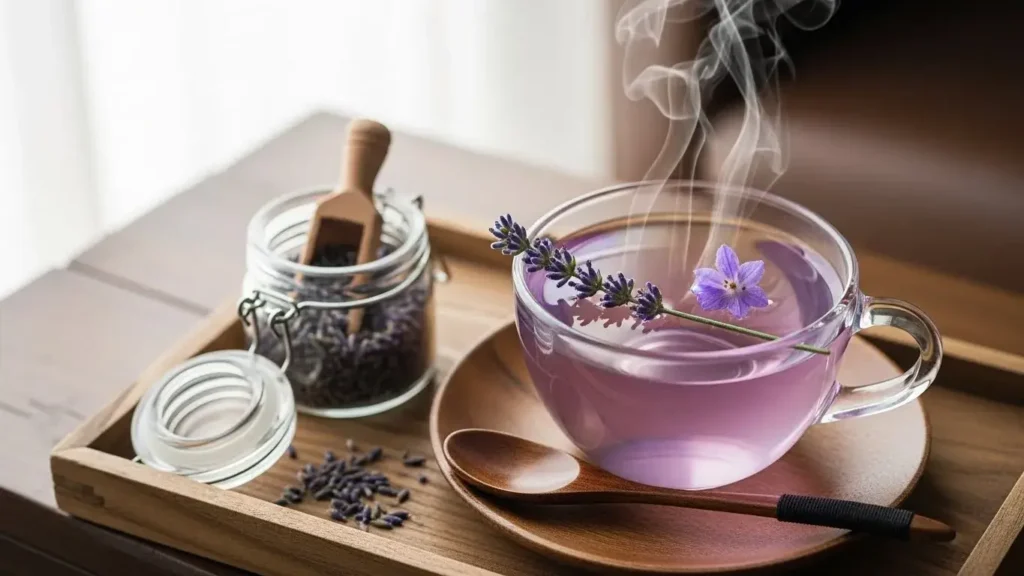
For a simple cup, you’ll want to use dried culinary lavender buds. Not all lavender is created equal, so make sure you’re using a type meant for consumption. You can usually find these at specialty tea shops or health food stores.
Measure: Start with about half a teaspoon of dried lavender buds per cup of water. You can adjust this based on how strong you like your tea.
Heat Water: Bring fresh, cold water to a near boil. You don’t want to scorch the delicate lavender.
Steep: Pour the hot water over the lavender buds in your mug or teapot. Let it steep for about 5 to 10 minutes. Longer steeping can make it a bit too intense for some people.
Strain: Use a fine-mesh sieve to strain out the buds before you drink it. Some teabags work too, but loose buds often give a better flavor.
Incorporating Aroma into Consumption
This is where a lot of the magic happens, especially if you’re looking for relaxation benefits. The scent of lavender is a big part of its appeal.
Mindful Sipping: As you prepare your tea, take a moment to inhale the fragrant steam. It’s a simple way to start unwinding.
Deep Breaths: When you take a sip, try to breathe in the aroma deeply. Studies suggest that paying attention to the scent while drinking can amplify the calming effects.
Quiet Moment: Find a comfortable spot to enjoy your tea. Avoid distractions for a few minutes to really focus on the sensory experience.
Safe Daily Consumption Guidelines
While lavender tea is generally considered safe for most people, moderation is key, as with anything. There aren’t strict, official guidelines for how much lavender tea is “too much,” but common practice and anecdotal evidence suggest a few cups a day is usually fine.
It’s generally thought that drinking one to three cups of lavender tea daily is acceptable for most adults. However, listen to your body. If you notice any unusual reactions, it’s best to cut back or stop altogether.
If you’re new to lavender tea, it might be wise to start with just one cup a day and see how you feel. This allows your body to adjust and helps you gauge your personal tolerance. Remember, the goal is to complement your well-being, not to overwhelm it.
Safety Considerations and Precautions
While lavender tea is often thought of as a gentle, natural remedy, it’s not without its own set of considerations. Just because it’s a plant doesn’t mean it’s automatically safe for everyone, all the time. It’s always a good idea to be aware of potential issues before you start sipping.
Potential Side Effects of Consumption
Most people tolerate lavender tea well, but some might experience a few less-than-pleasant reactions. These are usually mild, but worth knowing about. Think of things like:
Headaches
Upset stomach or nausea
Burping
Diarrhea
In very rare cases, more significant reactions have been reported, like a rapid heartbeat. It’s not common, but it’s a reminder that our bodies can react in unexpected ways to even natural substances.
Skin Sensitivity and Dilution
If you’re thinking about using lavender oil on your skin, either for its scent or for topical benefits, dilution is key. Applying undiluted essential oil can really irritate your skin, leading to redness or inflammation. Always mix a few drops of lavender oil with a carrier oil, like coconut or jojoba oil, before applying it. It’s also smart to do a small patch test on an inconspicuous area of your skin first, just to make sure you don’t have a bad reaction.
Interactions and Vulnerable Populations
This is where things get a bit more serious. Lavender might interact with certain medications, especially sedatives, potentially making you feel extra drowsy. If you’re on any prescription drugs, it’s really important to chat with your doctor or a qualified herbalist before adding lavender tea to your routine.
Also, there’s limited information on how lavender affects pregnant or breastfeeding individuals. Because of this uncertainty, it’s best to err on the side of caution and avoid it unless cleared by a healthcare professional. The same goes for young children; while some studies have looked into potential links between lavender products and early puberty, the evidence is mixed and more research is needed. It’s wise to be cautious with its use around developing kids.
It’s important to remember that ‘natural’ doesn’t always mean ‘risk-free.’ Our bodies are complex, and what works well for one person might not be suitable for another. Always listen to your body and seek professional advice when in doubt, especially when dealing with health conditions or taking medications.
Lavender Tea in the Context of Hypertension Management
Complementary Approach to Treatment
When we talk about managing high blood pressure, it’s important to remember that it’s usually a long-term thing. While lavender tea isn’t a magic bullet, it can fit into a bigger picture of taking care of yourself. Think of it as a gentle addition to what your doctor recommends. It’s not meant to replace your prescribed medications or lifestyle changes, but rather to offer a bit of extra support. Many people find that incorporating herbal remedies for hypertension like a warm cup of lavender infusion can be a soothing ritual. It’s about finding what works for you as part of a broader plan.
Importance of Consulting Healthcare Professionals
Before you start making lavender tea a regular part of your routine for blood pressure, it’s a really good idea to chat with your doctor. They know your health history and can tell you if it’s a good fit for you. They can also advise on how it might interact with any medications you’re already taking. It’s always best to be safe and get professional advice, especially when dealing with a condition like hypertension.
Understanding the Role of Herbal Remedies
Herbal remedies, including a lavender infusion for hypertension, have been used for ages. They often work by helping you relax or by having mild effects on your body. For example, lavender is known for its calming properties, which can be helpful since stress can sometimes affect blood pressure. However, the science behind how much it can directly lower blood pressure is still developing. It’s good to be informed about these options, but always keep in mind that they are usually best used alongside conventional medical advice.
Here’s a quick look at how lavender might fit in:
Relaxation: Lavender’s scent and taste can promote a sense of calm.
Complementary: It can be a pleasant addition to a healthy diet and exercise.
Not a Replacement: It should not be used instead of prescribed medical treatments.
While research on lavender tea’s direct impact on blood pressure is limited, its known calming effects might indirectly support cardiovascular health by reducing stress. This makes it a potentially pleasant addition to a holistic approach to managing hypertension, but always under the guidance of a healthcare provider.
So, Can Lavender Tea Really Help Your Blood Pressure?
Alright, so after digging into it, it seems like lavender tea might offer some chill vibes that could potentially help with blood pressure, but it’s not exactly a magic bullet. Most of the research points to lavender’s scent, like in aromatherapy, doing more for stress and blood pressure than actually drinking the tea.
While sipping on some lavender tea is generally safe and can be a nice way to relax – and who doesn’t need more of that? – don’t ditch your doctor’s advice or medication just yet. Think of it as a pleasant little addition to your routine, maybe something to help you unwind, rather than a primary treatment for high blood pressure. More solid studies specifically on the tea itself are needed to really say for sure how much it can do.
Can drinking lavender tea really help lower my blood pressure?
While there isn’t a lot of research specifically on lavender tea and blood pressure, some studies suggest that smelling lavender, like through aromatherapy, might help relax you and potentially lower blood pressure. It’s thought that lavender might help relax blood vessels. However, it’s not a proven cure, and more studies are needed to be sure about the tea itself.
Is it safe to drink lavender tea every day?
For most people, drinking lavender tea made from tea bags or loose buds is generally considered safe for daily enjoyment. It’s a nice way to relax. Just remember that like anything, moderation is key, and it’s always good to listen to your body.
Does lavender tea have caffeine?
Nope, pure lavender tea is naturally caffeine-free. This makes it a great choice if you’re trying to avoid caffeine, especially in the evening, as it can help you unwind without the stimulating effects.
What are the other possible benefits of drinking lavender tea?
Besides its potential calming effects, lavender tea might help with things like reducing feelings of anxiety and sadness. Some people also find it helps them sleep better. It’s also known to have properties that fight off germs and protect your body from damage.
How should I prepare and drink lavender tea?
To make it, steep about half a teaspoon of loose lavender buds in a cup of hot water for a few minutes. It’s often recommended to really take in the sweet smell while you sip it, as the aroma might be just as helpful as drinking it. Enjoy it slowly to get the most out of its relaxing qualities.
Are there any side effects or precautions I should know about?
While generally safe, some people might experience mild side effects like an upset stomach, headache, or burping. It’s important to use lavender oil diluted with other oils on your skin to avoid irritation. If you have any health conditions or are taking medications, it’s always best to chat with your doctor before making lavender tea a regular part of your routine.
Black Tea Extract that is rich in natural theaflavins and polyphenols that help protect your body from free radicals, promoting overall immune health and well-being
Contains blended amounts of Fruits and Veggies. All natural, with whole foods, fruit and vegetable supplement.Perfect for everyone looking to live a healthier lifestyle.