Are you tired of sore throats ruining your day? You’re not alone. Many people look for natural ways to feel better.
Mint tea is a popular choice. It’s known for its soothing effects and can help with sore throats. But how do you use it to get the most benefits?
This article will show you exactly how to make mint tea good for sore throat relief. We’ll look at its natural remedies and why they work.
Key Takeaways
Discover the soothing properties of mint tea for sore throat relief.
Learn how to prepare mint tea for maximum benefit.
Understand the science behind mint tea’s effectiveness as a natural remedy.
Explore additional natural remedies to complement mint tea.
Find out how to incorporate mint tea into your daily routine for ongoing relief.
Understanding Sore Throats and Their Symptoms
Knowing what causes and shows a sore throat is key to feeling better. A sore throat can feel like pain, scratchiness, or irritation in your throat.
Common Causes of Sore Throats
Sore throats can come from viruses, bacteria, allergies, or things like smoke. Finding out why you have a sore throat helps you know how to treat it.
Cause
Common Symptoms
Viral Infection
Fever, cough, runny nose
Bacterial Infection
Severe throat pain, swollen lymph nodes
Allergies
Sneezing, itchy eyes, postnasal drip
When to Try Natural Remedies
For mild sore throats, mint tea can help. It can make your throat feel better and less sore.
When to See a Doctor
If your sore throat is bad, lasts over a week, or comes with a high fever, see a doctor. Also, if you have trouble swallowing or swollen lymph nodes, get help.
By knowing why you have a sore throat and when to use natural remedies or see a doctor, you’re on the path to feeling better.
Why Is Mint Tea Good for Sore Throat?
Mint tea has been a trusted remedy for sore throats for a long time. Its effectiveness comes from its natural and healing properties. You can count on mint tea to help because of these qualities.
Active Compounds in Mint
Mint tea is packed with compounds that help it work. The main ones are menthol, menthone, and flavonoids. These ingredients together soothe the throat.
Menthol: It gives a cooling feeling, numbing the throat and easing pain.
Menthone: This adds to the tea’s pain-relieving qualities, making the throat feel better.
Flavonoids: These antioxidants cut down inflammation and fight infections.
Anti-inflammatory Properties
Mint tea’s anti-inflammatory properties are key in reducing throat swelling. This swelling is what makes sore throats uncomfortable. The flavonoids and other compounds in mint tea are responsible for these effects.
Antimicrobial Benefits
Mint tea’s ability to fight off bacteria and viruses is another big plus. The menthol in mint tea is known for its antimicrobial properties. This makes mint tea a strong ally against throat infections.
Scientific Evidence
Many studies have shown mint tea’s effectiveness in soothing sore throats. These studies point to mint’s compounds reducing inflammation and fighting off infections. While more research is always good, the current evidence supports mint tea as a natural solution for throat pain.
Adding mint tea to your routine for sore throats is a smart move. Its benefits are supported by both traditional use and scientific studies.
The world of mint is full of different types, each with its own benefits for a sore throat. It’s important to know the differences to pick the best one for you.
Peppermint vs. Spearmint
Peppermint and spearmint are top choices for soothing a sore throat. Peppermint has more menthol, making it stronger for numbing pain. Spearmint is milder, perfect for those who find peppermint too strong.
Other Beneficial Mint Varieties
There are more mint types that can help with a sore throat.
Chocolate Mint
Chocolate mint adds a sweet flavor to mint tea, making it fun for kids to drink.
Apple Mint
Apple mint has a fruity taste and a gentle cooling effect. It’s a great choice too.
Growing Your Own Mint
Growing your own mint is rewarding, giving you fresh tea anytime. Mint is easy to grow and does well in many places. Just plant mint roots or seedlings in a pot or garden bed, and keep the soil wet.
Essential Ingredients for Effective Mint Tea
Making mint tea for sore throat relief starts with the right ingredients. The quality and type of ingredients you choose matter a lot. They can greatly affect the tea’s soothing effects.
Fresh vs. Dried Mint Leaves
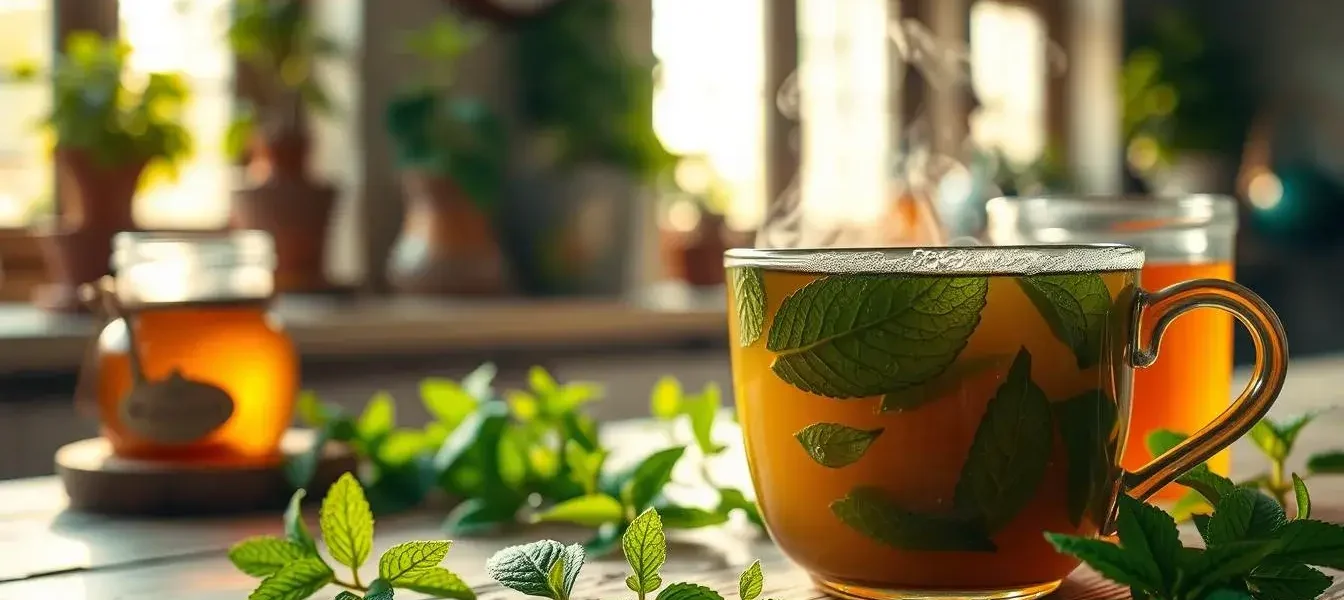
When choosing mint leaves, you can pick fresh or dried ones. Fresh leaves give a lively flavor and scent. Dried leaves have a stronger mint taste. Your choice depends on what you like better and what’s available.
Quality of Water
The water quality for mint tea is key. Use filtered or spring water to avoid impurities. This makes your tea taste clean and refreshing.
Optional Enhancers
You can add honey or lemon to your mint tea. Honey makes it sweeter and soothing. Lemon adds a citrusy flavor. You can add these as you like.
Tools You’ll Need
To make mint tea, you need a few tools: a teapot, a strainer, and a cup. A teapot with a built-in strainer makes things easier. Pick a cup that’s easy to hold, if you’re drinking it for sore throat relief.
Step-by-Step Guide to Brewing the Perfect Mint Tea
Making the perfect mint tea is easy and fun. It’s refreshing and good for you. Adding it to your daily routine is a great idea.
Preparing Fresh Mint Leaves
First, you need fresh mint leaves. Rinse them with cold water to clean them. You can choose between peppermint or spearmint leaves.
Herbal tea lovers say fresh leaves make the tea taste better. Using fresh leaves ensures the best taste.
Proper Steeping Technique
Steeping is key for mint tea. Put the leaves in a teapot or cup. Then, pour boiling water over them, making sure they’re covered.
As a tea expert says, “The key to a perfect cup is in the steeping time and temperature.”
Ideal Temperature and Timing
The best temperature for mint tea is 212°F (100°C). Steeping time is usually 5-7 minutes. For a stronger tea, steep for up to 10 minutes.
Straining and Serving
After steeping, strain the tea into a cup. You can drink it hot or over ice. Adding honey or lemon is optional.
By following these steps, you can make a great cup of mint tea. It’s soothing and delicious.
How to Maximize the Soothing Effects on Your Throat
To get the most out of your mint tea, it’s key to know how to use it best. A few simple steps can make this natural remedy even more effective.
Optimal Consumption Temperature
The temperature of your mint tea matters a lot. Some like it hot, others cold. Try different temperatures to see what soothes your throat the most. Warm tea is often better for sore throats, as it relaxes muscles and boosts blood flow.
Frequency of Use
Drinking mint tea regularly is important. It keeps the soothing effects going. You can have it several times a day, but listen to your body and adjust as needed.
Best Times to Drink
When you drink mint tea can also matter. Try it:
In the morning to soothe a dry throat
Before bed for relaxation and healing
Throughout the day as needed
Gargling Techniques with Mint Tea
Gargling with mint tea can help too. Here’s how to do it right:
Brew a strong mint tea
Let it cool a bit to avoid burns
Gargle with a small amount for 30 seconds to 1 minute
Spit it out and repeat as needed
By following these tips, you can make your mint tea even more effective. Enjoy better relief from throat discomfort.
Enhancing Your Mint Tea with Other Throat-Soothing Ingredients
You can make mint tea even better by mixing it with other soothing ingredients. This way, you can create a special remedy just for you. It’s a fun way to try different combinations and find what works best.
Honey and Lemon Additions
Adding honey and lemon to mint tea can make it even more soothing. Honey has antibacterial properties and can protect your throat. Lemon, full of vitamin C, boosts your immune system and adds a nice flavor.
To add honey and lemon, just put a teaspoon of honey and a squeeze of fresh lemon juice in your tea. Stir it well until the honey is fully dissolved.
Ginger Infusion Method
Ginger is great to mix with mint tea for extra benefits. It has anti-inflammatory properties that can ease throat irritation. It also adds a warm, comforting feeling when you’re not feeling well.
To add ginger, slice a small piece and put it in the tea while it steeps. You can adjust how much ginger you use based on your taste.
Herbal Companions for Mint
Many herbs go well with mint and can make your tea blend even better. Some good options are chamomile, licorice root, and marshmallow root.
Chamomile
Chamomile is calming and can soothe a sore throat. Mixing it with mint makes a tea that’s both refreshing and calming.
Licorice Root
Licorice root has been used for ages to treat throat problems. It reduces inflammation and helps heal. But use it in small amounts because it has a strong taste.
Marshmallow Root
Marshmallow root can also soothe your throat. It has mucilages that protect and soothe your mucous membranes, reducing irritation.
Creating Custom Blends
The secret to the perfect mint tea blend is to experiment. Start with small batches and adjust the ingredients based on your taste and needs. Keep track of your blends to see what works best for you.
By mixing mint tea with ingredients like honey, lemon, ginger, and herbs, you can make a remedy that tastes great and helps with sore throats.
Mint Tea Recipes for Different Types of Sore Throats
Mint tea is great for many sore throats. It can help with inflammation, infection, or irritation. There’s a mint tea recipe for every sore throat.
Cooling Mint Tea for Inflamed Throats
A cooling mint tea is perfect for inflamed throats. Steep fresh peppermint leaves in cold water for hours. Then, strain and serve it chilled.
Warming Mint Tea for Cold-Related Sore Throats
A warming mint tea is good for cold-related sore throats. Mix dried spearmint with hot water and steep for 5-7 minutes. Add a lemon slice for extra benefits.
Mint Tea with Honey for Bacterial Infections
For bacterial infections, add honey to your mint tea. Steep peppermint leaves in hot water. Then, mix with honey and drink while warm.
Mint-Ginger Tea for Post-Nasal Drip Irritation
Mint-ginger tea is great for sore throats from post-nasal drip. Mix fresh mint leaves and sliced ginger in boiling water. Steep for 5 minutes, then strain and enjoy.
Mint tea can help soothe sore throats. But, it’s important to know the precautions and side effects. Always use caution when drinking mint tea to ensure it’s safe and effective.
Who Should Avoid Mint Tea
Some people should be careful or avoid mint tea. These include:
People with gastroesophageal reflux disease (GERD), as mint can make symptoms worse
Those with allergies to mint or other tea ingredients
Pregnant or breastfeeding women, who should talk to their doctor first
Individuals with certain medical conditions, like hiatal hernia or peptic ulcer disease
Possible Interactions with Medications
Mint tea might interact with some medicines. This includes:
Antacids: Mint might affect how well antacids work
Medicines for diabetes: Mint could change blood sugar levels
Blood thinners: The menthol in mint might make blood thinners work too well
Always check with your doctor if you’re on medication and want to drink mint tea often.
Signs Your Sore Throat Needs Medical Attention
Mint tea can help with mild sore throats. But, sometimes you need to see a doctor. Watch for:
Severe throat pain that doesn’t go away in a few days
Difficulty swallowing or breathing
Fever over 101.5°F (38.6°C)
White patches on the tonsils or throat
Proper Storage of Mint Tea
To keep your mint tea safe and good, store it right:
Keep dried mint leaves in airtight containers, away from light and moisture
Store fresh mint in the fridge, wrapped in a damp cloth
Don’t store mint tea in humid places to stop mold
Knowing these precautions helps you enjoy mint tea safely and get its benefits.
Conclusion: Incorporating Mint Tea into Your Wellness Routine
Mint tea is a great addition to your natural remedies, helping with sore throats. It brings many benefits, like reducing inflammation and fighting off germs. Adding mint tea to your daily routine can improve your health.
Drinking mint tea regularly can ease throat pain and boost your overall health. You’ve learned how to make the perfect cup. This includes choosing the right mint, using quality ingredients, and steeping it correctly.
By including mint tea in your self-care, you’re choosing a healthier throat and lifestyle. Enjoy its refreshing taste and many benefits. See how mint tea can positively change your wellness routine.
Peppermint and spearmint can help with sore throats. But peppermint is stronger because it has more menthol.
Can I use dried mint leaves instead of fresh ones for making mint tea?
Yes, dried mint leaves work too. But fresh leaves taste better and are more potent. Keep dried leaves in a cool, dark place to keep their flavor.
How often should I drink mint tea to soothe a sore throat?
Drink mint tea as often as you need. But try not to have more than 2-3 cups a day. Listen to how your body feels and adjust your tea drinking.
Can I add honey and lemon to my mint tea?
Yes, adding honey and lemon can make mint tea even better. Honey fights germs, and lemon helps clear mucus.
Are there any possible side effects of drinking mint tea?
Mint tea is usually safe, but it might upset your stomach or cause allergies in some. If you have a bad reaction, stop drinking it and talk to a doctor.
Can I grow my own mint for making mint tea?
Yes, growing your own mint is a great idea. It’s easy to grow and can do well in many places.
How do I store mint tea to keep its flavor and aroma?
Keep mint tea in a sealed container, away from sunlight and heat. You can also chill it in the fridge to keep it fresh longer.
Can mint tea affect any medications I’m taking?
Mint tea is usually safe, but it might affect some medicines like antacids or blood thinners. If you’re worried, talk to a doctor.
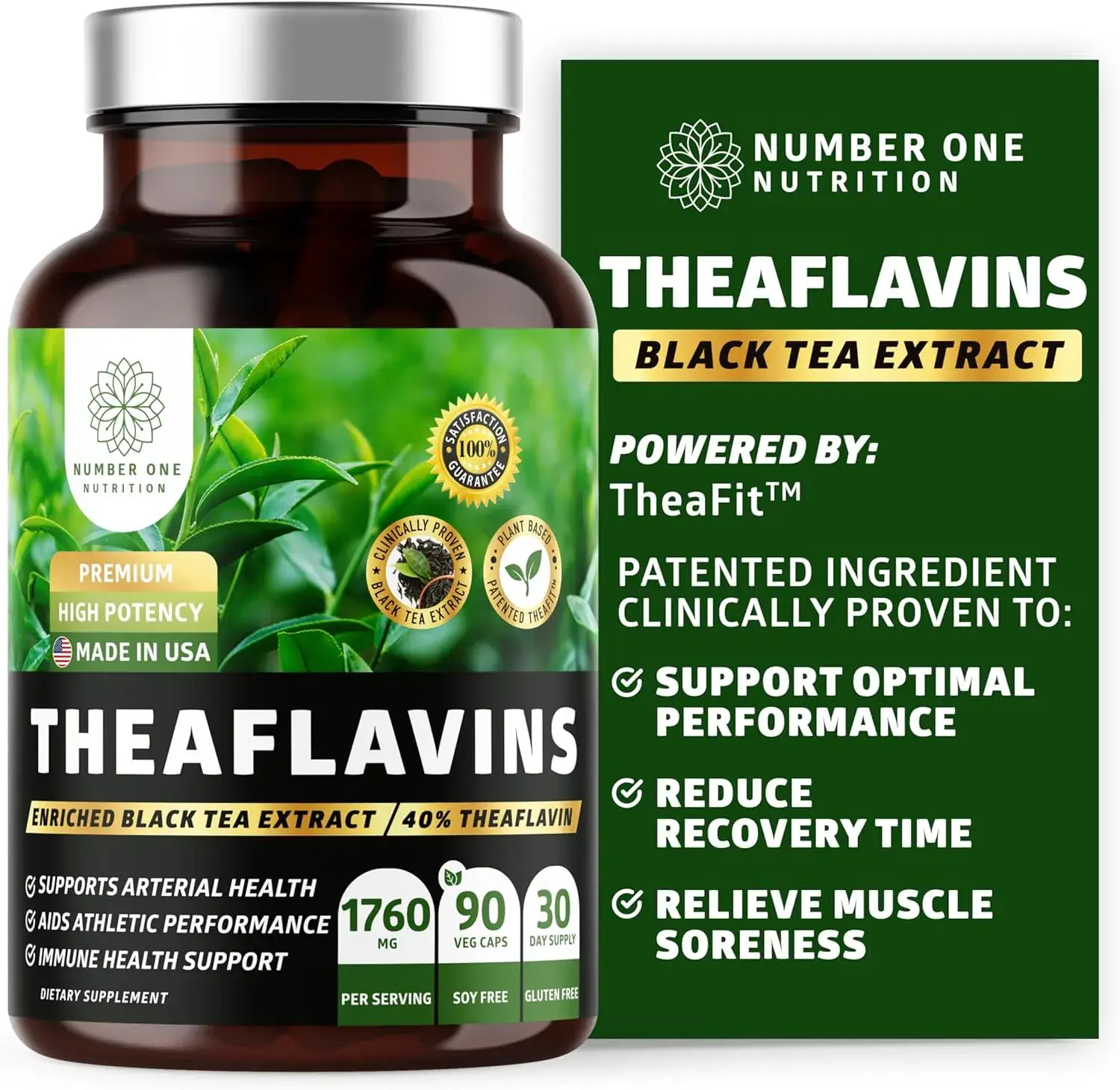
Black Tea Extract that is rich in natural theaflavins and polyphenols that help protect your body from free radicals, promoting overall immune health and well-being
Contains blended amounts of Fruits and Veggies. All natural, with whole foods, fruit and vegetable supplement.Perfect for everyone looking to live a healthier lifestyle.