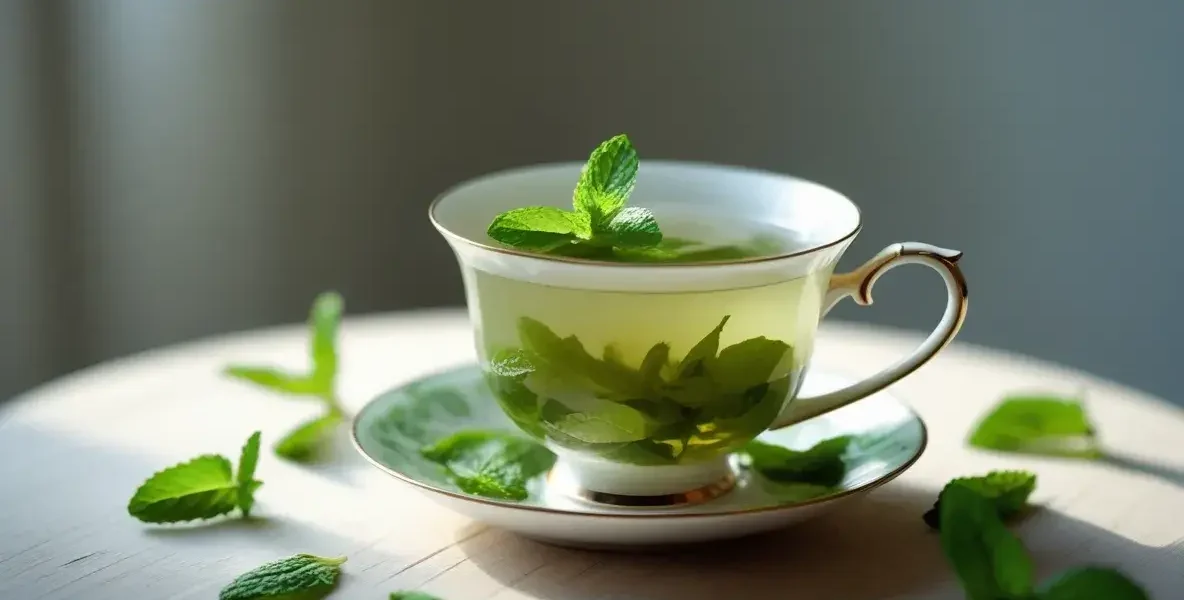
Fresh mint tea recipe with fresh mint is one of the simplest yet most rewarding beverages you can make at home. While dried mint can taste bitter and dull when brewed too long, fresh mint tea offers a bright, clean flavor that’s incredibly refreshing.
Have you been buying pre-packaged mint tea? You might be missing out! Making homemade mint tea takes just 7 minutes from start to finish and requires nothing more than fresh mint leaves and hot water. Simply steep the leaves in boiling water for about 3-7 minutes, depending on how strong you want your brew. The secret to unlocking the full flavor? Crushing the mint leaves while they brew to release their fragrant essential oils.
Fresh mint is, of course, rich in nutrients and commonly used to help soothe an upset stomach or indigestion. During hot summer months, cold herbal tea made with fresh mint leaves makes the perfect refreshing drink for the whole family. Even with a short steep time, you’ll still get an incredibly flavorful tea that many have described as the “best tea” they’ve tried.
In this guide, we’ll walk you through exactly how to make fresh mint tea at home, share some delicious variations, and provide tips for serving and storing your homemade brew. Let’s get started with this quick, easy recipe that truly beats anything store-bought!
What You Need to Make Fresh Mint Tea
Making perfect fresh mint tea begins with gathering the right ingredients. The beauty of this simple beverage lies in its quality components that work together to create a refreshing experience.
Choosing the right type of mint
The mint family (Lamiaceae) offers numerous varieties that create distinctly different teas. Primarily, you’ll want to consider these popular options:
Spearmint: Features a warm, sweet flavor with light menthol notes. This quintessential mint grows worldwide and makes an excellent everyday tea.
Apple or Pineapple mint: These specialty varieties offer unique undertones that complement the minty base.
Chocolate mint: An interesting choice for those who enjoy the classic mint-chocolate combination.
For beginners, I recommend starting with spearmint for a lighter, sweeter tea or peppermint for a more intense experience. Additionally, you can experiment by combining different varieties to create your own signature blend.
Water quality and temperature
Water quality significantly impacts your tea’s flavor. Essentially, tap water containing chlorine, fluoride, and heavy metals can negate almost half of the tea’s aroma and flavor. Instead:
Use filtered water or spring water (Volvic and Fiji are excellent choices with their near-perfect pH of 6.5)
Bring water to a full boil (about 208°F)
Consider warming your teapot beforehand to maintain temperature
The right water makes all the difference—it not only enhances flavor but also reduces the amount of tea needed and steeping time.
Optional ingredients: honey, lemon, green tea
Furthermore, you can elevate your mint tea with these complementary additions:
Honey: 1-2 teaspoons provide natural sweetness and soothing properties
Lemon: A splash of juice or thin slices brighten the flavor
Green tea: Combine with mint leaves to create Moroccan-style mint tea
These optional ingredients transform a simple mint infusion into a more complex, satisfying beverage that can be customized to your preferences or adjusted for seasonal enjoyment.
Step-by-Step: How to Make Mint Tea from Fresh Mint
Creating your own mint tea recipe with fresh mint leaves begins with simple, methodical steps that bring out the plant’s natural oils and flavors. Following this process ensures a perfect cup every time.
1. Wash and bruise the mint leaves
First, thoroughly rinse 10-15 fresh mint leaves under cool water to remove any dirt or residue. Gently pat them dry with a clean kitchen towel. The secret to extracting maximum flavor from mint lies in bruising the leaves before steeping. This critical step releases the aromatic essential oils that give mint tea its distinctive refreshing quality.
Several effective methods exist for bruising mint:
Roll the leaves firmly between your fingers, then tear them into smaller pieces
Bundle the leaves together and give them a quick twist to release their oils
Place the mint in your palm and sharply clap your other hand on top
For larger batches, place sprigs in a plastic bag and gently crush with a meat mallet
2. Steep in hot water for 3–5 minutes
Once your mint leaves are properly bruised, place them in a teapot, mug, or heat-resistant container. Bring approximately 2 cups of filtered water to a boil, then allow it to cool momentarily (about 1-2 minutes). Herbal teas like mint develop better flavors when brewed with hot water rather than boiling water.
Pour the water over the crushed leaves, making sure they’re fully submerged. Cover your container with a lid during steeping to preserve the aromatic oils and moisture. The ideal steeping time ranges from 3-5 minutes for a standard brew, though fresh mint leaves sometimes benefit from a slightly longer steep—up to 8 minutes—for maximum flavor extraction.
3. Strain and serve
After steeping, strain the tea to remove the mint leaves. You may use:
A fine mesh strainer placed over your cup
The plunger of a French press if you prepared your tea in one
A regular tea strainer or even a fork in a pinch
When straining, gently press on the leaves to extract as much flavorful liquid as possible. The tea should have a slight pale yellow-green hue, indicating proper infusion.
4. Optional: Add honey or lemon
Finally, customize your fresh mint tea with optional additions. Add 1-2 teaspoons of honey or sugar if you prefer a sweeter beverage. A squeeze of fresh lemon juice brightens the flavor profile considerably and creates a refreshing mint-lemon combination. For summer enjoyment, pour over ice for an instantly cooling drink, or enjoy hot for a soothing experience during cooler weather.
Variations to Try with Your Mint Tea
Once you’ve mastered the basic mint tea recipe with fresh mint, exploring delicious variations opens up a world of flavors. Beyond the simple pleasure of plain mint tea lie creative combinations that enhance its natural refreshing qualities.
Mint and honey tea
Honey serves as a perfect natural sweetener for mint tea, creating a soothing combination. Simply add 1-2 teaspoons of honey to your freshly brewed mint tea according to your taste preference. Many people find that organic honey not only sweetens but actually complements the herbal notes of the mint, especially when trying to soothe an upset stomach.
Peppermint tea with lemon
For a bright, uplifting cup, add a wedge of fresh lemon or a splash of lemon juice to your peppermint tea. This combination creates a particularly refreshing beverage that helps with digestion. The citrus notes balance the intense menthol flavor of peppermint, resulting in a tea that’s both invigorating and comforting.
Moroccan-style mint tea with green tea
Traditional Moroccan mint tea combines spearmint with gunpowder green tea, creating a beverage that’s both energizing and refreshing. This North African staple typically uses:
Gunpowder green tea (small, tightly rolled pellets)
Fresh spearmint leaves
Sugar (traditionally served quite sweet)
The resulting brew offers charred vegetal flavors with uplifting mint notes, creating a uniquely brisk and aromatic experience.
Iced mint tea for summer
During hot weather, chilled mint tea makes a perfect refreshing beverage. After brewing, allow your tea to cool completely, subsequently refrigerate it for 2-3 hours. Serve over ice with a fresh mint sprig garnish. For extra summer flair, consider adding:
After crafting your perfect mint tea recipe with fresh mint, properly serving and storing it maintains its delightful flavor and aroma.
How to serve hot vs iced
Enjoy hot mint tea immediately after steeping, ideally in a prewarmed mug to maintain temperature. For iced tea, strain your brew, refrigerate for 30 minutes, consequently pour over ice in a tall glass. Consider garnishing with extra mint sprigs or citrus slices for visual appeal and additional flavor notes.
How to store leftover tea
Properly store leftover tea by first straining out all mint leaves. This critical step prevents over-steeping and potential bacterial growth. Place strained tea in a clean container, seal tightly, moreover place promptly in the refrigerator. Never leave brewed tea at room temperature for more than a few hours.
Best containers for storage
Opt for these ideal storage vessels:
Glass or ceramic pitchers with fitted lids
Dark-colored containers that block light
Clean, sterilized jars with airtight seals
Ultimately, avoid plastic containers as they may transfer odors or chemicals that affect flavor.
How long it stays fresh in the fridge
While CDC officially recommends consuming refrigerated tea within 8 hours, homemade mint tea typically remains fresh for up to 48 hours when properly stored. Without added sweeteners, it may last 3-4 days. Trust your senses—discard tea that develops ropy strands, thickness, or a sour smell, as these indicate bacterial growth.
Conclusion
Fresh mint tea stands as one of the most rewarding beverages you can prepare at home. This simple yet flavorful drink truly outshines store-bought alternatives with its bright, clean taste and aromatic qualities.
After trying this five-minute recipe, you’ll likely wonder why you ever purchased pre-packaged mint tea. The process remains incredibly straightforward—gather fresh mint leaves, crush them to release essential oils, steep in hot water, strain, and enjoy. Additionally, customizing your brew with honey, lemon, or combining it with green tea creates endless flavor possibilities.
Remember that quality ingredients make all the difference. Therefore, selecting the right mint variety and using filtered water will significantly enhance your tea experience. Whether you prefer spearmint’s sweet warmth or peppermint’s cooling intensity, each variety offers unique flavor profiles worth exploring.
Most importantly, fresh mint tea provides both refreshment and potential health benefits. You can serve it hot for a soothing experience during cooler weather or iced for a refreshing summer beverage. Proper storage extends its shelf life, though freshly brewed tea always delivers the most vibrant flavor.
Next time you crave a cup of mint tea, skip the store-bought version and spend those few minutes preparing this homemade delight instead. The remarkable difference in taste, aroma, and satisfaction will convince you that sometimes the simplest recipes yield the most extraordinary results.
Master the art of homemade mint tea with these essential insights that will transform your tea-making experience and deliver superior flavor compared to store-bought alternatives.
• Bruise mint leaves before steeping – Crush or tear fresh mint to release essential oils for maximum flavor extraction in just 3-5 minutes.
• Use filtered water at proper temperature – Boil then cool slightly; chlorinated tap water can reduce tea’s aroma and flavor by nearly half.
• Choose the right mint variety – Spearmint offers sweet, mild flavor while peppermint provides intense, cooling menthol notes for different preferences.
• Store properly for freshness – Strain out leaves immediately, refrigerate in airtight containers, and consume within 48 hours for best quality.
• Customize with simple additions – Enhance your brew with honey for sweetness, lemon for brightness, or green tea for Moroccan-style complexity.
The beauty of fresh mint tea lies in its simplicity and versatility. With just fresh leaves and hot water, you can create a refreshing beverage that’s both healthier and more flavorful than commercial alternatives, while offering endless customization possibilities for every season and preference.
FAQs
Q1. How do I make fresh mint tea at home? To make fresh mint tea, wash and bruise 10-15 mint leaves, then steep them in hot water for 3-5 minutes. Strain the leaves and serve. For added flavor, you can optionally add honey or lemon.
Q2. What’s the best type of mint to use for tea? For beginners, spearmint is recommended for a lighter, sweeter tea, while peppermint offers a more intense flavor. You can also experiment with specialty varieties like apple mint or chocolate mint for unique undertones.
Q3. How long can I store homemade mint tea? Properly stored mint tea can stay fresh in the refrigerator for up to 48 hours. If unsweetened, it may last 3-4 days. Always store it in a clean, airtight container after straining out the leaves.
Q4. Can I make iced mint tea? Yes, you can make iced mint tea. After brewing, allow the tea to cool completely, then refrigerate for 2-3 hours. Serve over ice and garnish with a fresh mint sprig. You can also add fruit juice or cucumber slices for extra flavor.
Q5. How can I enhance the flavor of my mint tea? To enhance your mint tea’s flavor, try adding honey for sweetness, a squeeze of lemon for brightness, or combine it with green tea for a Moroccan-style brew. You can also experiment with different mint varieties or create your own blend.
Black Tea Extract that is rich in natural theaflavins and polyphenols that help protect your body from free radicals, promoting overall immune health and well-being
Contains blended amounts of Fruits and Veggies. All natural, with whole foods, fruit and vegetable supplement.Perfect for everyone looking to live a healthier lifestyle.