Mint tea versus peppermint tea – it’s a question many tea drinkers ponder. Both offer that refreshing minty flavor we love, and both come from the mint family. But are they the same when it comes to health? We’re going to explore the distinct mint tea vs peppermint tea benefits and what each brings to your cup. It turns out, there’s a little more to it than just a name.
Key Takeaways
Spearmint and peppermint, while both mints, have distinct flavors: spearmint is milder and sweeter, while peppermint is bolder and cooler due to higher menthol.
Both mint teas offer potential mental clarity and stress reduction, with peppermint’s menthol possibly aiding focus and spearmint offering a gentler calming effect.
Peppermint is often favored for digestive and respiratory support, helping with issues like bloating and nausea, while spearmint may offer hormonal balance benefits.
Mint teas contain antioxidants and can freshen breath, but eating the leaves provides more antioxidants than steeping them for tea.
While generally safe, be mindful of potential side effects like heartburn, especially if you have GERD, and consult a doctor regarding pregnancy or specific health conditions.
Understanding The Mint Family
When we talk about mint tea, it’s easy to think of just one thing, right? But the mint family is actually pretty big, with lots of different plants that give us that familiar, refreshing flavor. Two of the most popular members of this family, especially for teas, are spearmint and peppermint. They’re related, sure, but they’re not exactly the same. Knowing the difference can help you pick the perfect cup for whatever you’re feeling.
Spearmint Versus Peppermint: A Flavorful Distinction
The most obvious way spearmint and peppermint differ is in their taste. Spearmint tends to be a bit sweeter and milder. It has a softer, more gentle minty flavor that’s really pleasant if you don’t like things too strong. Think of it as a subtle whisper of mint. Peppermint, on the other hand, is much bolder. It has a sharper, more intense flavor with a really noticeable cooling sensation. That strong kick is what makes peppermint so good for waking you up or giving you that super-fresh feeling.
Visual Cues: Identifying Spearmint and Peppermint
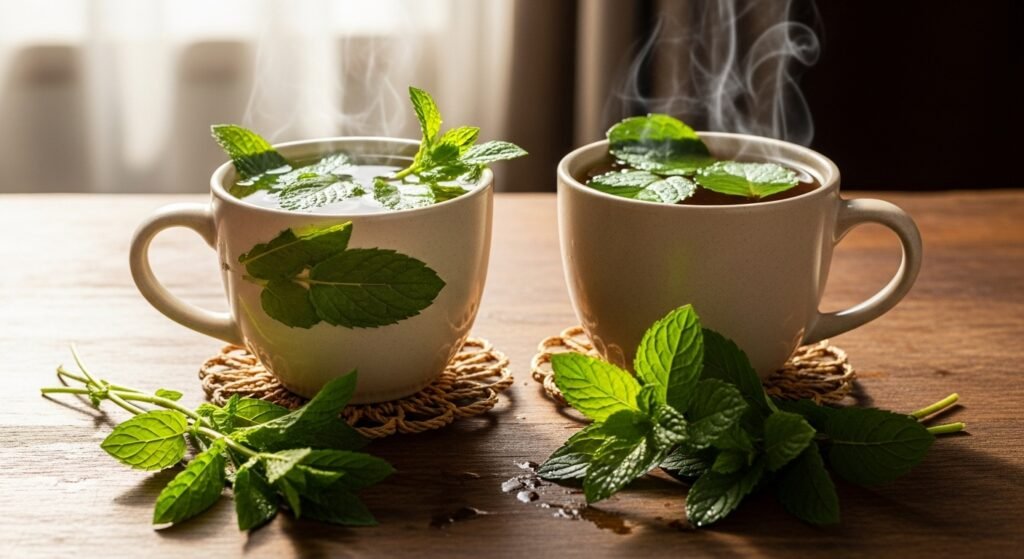
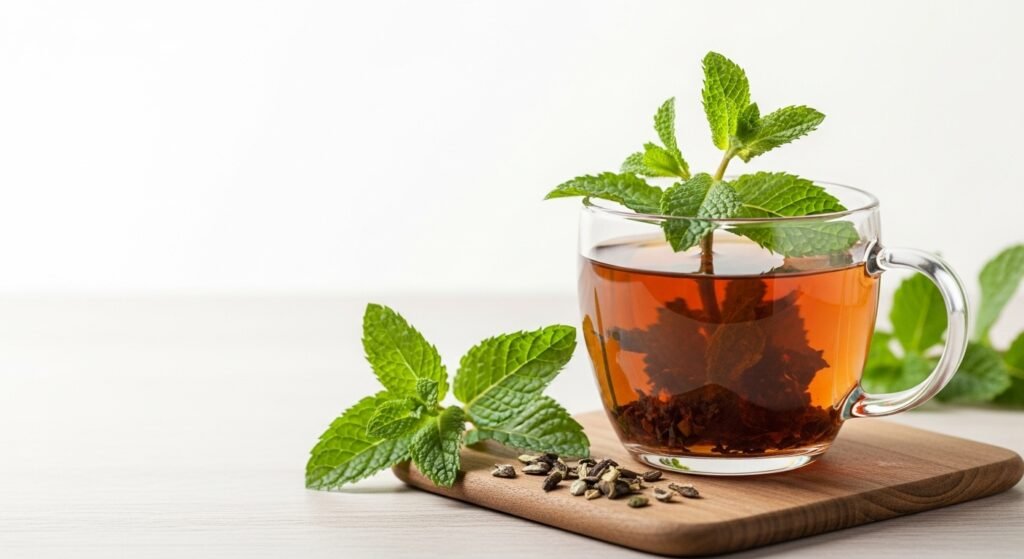
Even if you’re just looking at the plants, there are some clues. Spearmint leaves are usually a brighter green and have a softer, more delicate look to them. Their stems are typically green too. Peppermint leaves can be a bit darker, sometimes with a hint of purple, and the leaves might look a little more crinkled. The stems on peppermint plants often have a reddish or purplish tint. It’s not always super obvious, but once you know what to look for, you can often tell them apart.
Beyond Peppermint and Spearmint: Other Mint Relatives
It’s not just spearmint and peppermint out there. The mint family, scientifically known as Lamiaceae, is huge! It includes other well-loved herbs that sometimes find their way into teas or cooking. You might have heard of lemon balm, which has a light, lemony scent and is known for being calming. Then there’s holy basil, or tulsi, which has a bit of a spicy flavor and is considered an adaptogen, helping your body deal with stress. Sage and thyme are also part of this big family, each with their own distinct flavors and uses, often for digestion or soothing a sore throat.
The mint family offers a wide range of flavors and benefits, from the gentle sweetness of spearmint to the invigorating coolness of peppermint and the unique properties of its many relatives. Each variety brings something a little different to the table, making the world of mint teas quite diverse.
Exploring Mint Tea vs Peppermint Tea Benefits
When you think about mint tea, you’re probably picturing that refreshing, cool sensation. But is it just about the flavor, or is there more to it? Turns out, this popular herbal brew is packed with potential perks that go beyond just tasting good. We’re talking about everything from helping your gut feel better to giving your brain a little boost. So, let’s get into what makes mint tea, and specifically peppermint tea, such a go-to herbal tea for wellness.
Mental Clarity and Stress Reduction
Many people reach for mint tea when they need to unwind or focus. The menthol in mint is thought to have a calming effect, which can be super helpful when you’re feeling stressed out. It’s like a gentle nudge towards relaxation. Plus, some folks find that sipping on mint tea actually helps them concentrate better. It’s a nice, caffeine-free way to stay alert without that jittery feeling you might get from coffee. While more research is always good, the anecdotal evidence is strong for this one.
Antimicrobial and Antiviral Properties
There’s some early research suggesting that mint might have properties that can help fight off certain viruses and bacteria. Think of it as a little extra support for your body’s natural defenses. It’s not a cure-all, of course, but it’s interesting to know that your daily cup could be doing more than just tasting great. These properties might help your body out when it’s under the weather, but remember, it’s not a replacement for seeing a doctor if you’re really sick.
Nutritional Profile of Mint Tea
When you brew a cup of mint tea, you’re mostly getting water and the goodness from the mint leaves. The tea itself is pretty much calorie-free, which is a win if you’re watching your intake. Mint leaves do contain some vitamins, like A and C, and trace minerals. So, while you won’t be getting a significant dose of nutrients from your tea, it’s nice to know you’re sipping on something that comes from a plant with some nutritional value. It’s definitely a healthy choice, especially compared to sugary drinks.
Here’s a quick look at what you might find:
Vitamins: Trace amounts of Vitamin A and C.
Minerals: Small quantities of various minerals.
Calories: Virtually none.
Caffeine: Zero.
It’s important to remember that while mint tea offers potential health benefits, it’s best enjoyed as part of a balanced lifestyle. It complements healthy eating and regular exercise, rather than replacing them. Think of it as a delicious addition to your wellness routine.
When we talk about mint tea, we’re often thinking about spearmint or peppermint. They’re both from the same family, sure, but they bring slightly different things to the table when it comes to health. It’s not just about the taste, though that’s a big part of it! Understanding the nuances of peppermint vs mint for health can help you pick the right brew for what you need.
Spearmint’s Calming and Hormonal Support
Spearmint tea is often praised for its gentler approach. It has a sweeter, milder flavor compared to peppermint, partly because it contains less menthol. This makes it a favorite for many who find peppermint a bit too strong. Beyond its pleasant taste, spearmint is recognized for its potential to help balance hormones. Some research suggests it can be beneficial for women dealing with hormonal imbalances, offering a natural way to support well-being.
It’s also noted for its calming effects, which can be helpful for managing daily stress. If you’re looking for a tea that supports your body’s natural rhythms and offers a sense of calm, spearmint might be your go-to. The health benefits of spearmint tea are quite appealing for a more subtle approach to wellness.
Peppermint’s Soothing and Stimulating Effects
Peppermint, on the other hand, packs a more potent punch, largely due to its higher menthol content. This is what gives it that signature strong, cooling sensation. This intensity is why peppermint is often the choice for quick relief. Its stimulating properties can help with mental clarity and focus, making it a good morning or afternoon pick-me-up. For digestive issues, peppermint is a star player. It’s known for its ability to relax the digestive tract, easing symptoms like bloating, gas, and indigestion. The health advantages of peppermint infusions are well-documented, especially for gut comfort. It’s also great for respiratory support, thanks to that menthol helping to clear things out.
Choosing Between Spearmint and Peppermint for Specific Needs
So, which is better spearmint or peppermint? It really depends on what you’re looking for. If you need a calming brew that might help with hormonal balance and you prefer a milder flavor, spearmint is a great choice. It’s a gentler option for everyday sipping. On the flip side, if you’re seeking a more invigorating tea that can help with digestion, headaches, or a stuffy nose, peppermint is likely the better pick.
The peppermint vs spearmint health benefits offer distinct advantages. Many people find that blending the two can offer a nice balance – getting some of the benefits of both with a flavor profile that suits them perfectly. Ultimately, the peppermint vs spearmint tea health comparison shows that both have their unique strengths, and the best one is the one that meets your personal health goals and taste preferences.
When considering peppermint vs spearmint health benefits, think about your primary goal. For gentle hormonal support and a calming effect, spearmint shines. For more immediate digestive relief and a stimulating, cooling sensation, peppermint takes the lead. Both are wonderful additions to a healthy lifestyle.
Here’s a quick look at their main differences:
Flavor Profile: Spearmint is sweet and mild; Peppermint is strong and cooling.
Menthol Content: Spearmint has less; Peppermint has more.
Primary Benefits: Spearmint leans towards hormonal balance and calm; Peppermint focuses on digestion and respiratory relief.
Digestive and Respiratory Support
When you’re feeling a bit off, a warm cup of mint tea can be a real comfort. It’s not just about the cozy feeling, though; mint has some pretty neat properties that can help out your insides and your airways.
Peppermint’s Role in Digestive Wellness
Peppermint is probably best known for its digestive perks. The main player here is menthol, a compound that gives peppermint its signature zing. Menthol seems to have a relaxing effect on the muscles in your digestive tract. Think of it like this: when those muscles are tense, things can get backed up or feel uncomfortable. Peppermint can help those muscles chill out, allowing food to move through more smoothly. This is why it’s often recommended for issues like bloating, gas, and general indigestion. For folks dealing with Irritable Bowel Syndrome (IBS), studies suggest peppermint oil can really make a difference in reducing symptoms.
Mint Tea for Respiratory Comfort
While the science on mint tea directly impacting lung function is a bit thin, there’s still a lot to appreciate, especially when you’re dealing with a cough or sore throat. The simple act of sipping a warm beverage like mint tea can be incredibly soothing. The steam itself helps to moisten dry airways and can offer temporary relief from irritation. It’s like a gentle hug for your throat and lungs when they need it most.
Potential Digestive Benefits of Mint Tea
Beyond just peppermint, other mint varieties can also contribute to a happy tummy. Spearmint, for instance, is also thought to have properties that aid digestion, though perhaps with a gentler touch than peppermint. The act of drinking any warm herbal tea can encourage relaxation, which in turn can positively influence digestion. It’s a simple, natural way to support your body’s processes.
Here’s a quick look at what mint tea might do for your digestion:
Relaxes digestive muscles: Helps ease spasms and discomfort.
Aids food transit: Supports smoother movement through the gut.
Reduces bloating and gas: Offers relief from common digestive upset.
Soothes sore throats: The warm liquid can be very comforting.
Sometimes, the simplest remedies are the most effective. A cup of mint tea isn’t just a drink; it’s a moment of calm that can help settle your stomach and ease your breathing, especially when you’re feeling under the weather.
Ever feel like you need a quick refresh after a meal? Reaching for a cup of mint tea might be just the ticket. The natural compounds in mint, especially menthol, are known for their ability to combat bad breath. It’s like a little internal mouthwash, leaving your mouth feeling cleaner and your breath fresher. This makes mint tea a fantastic, natural way to freshen your breath. While it’s great for a quick fix, remember it doesn’t replace your regular brushing and flossing routine, but it certainly helps in between.
Antioxidant Content in Mint Leaves and Tea
Mint leaves, whether you’re using fresh or dried for your tea, are packed with antioxidants. These are compounds that help your body fight off damage from unstable molecules called free radicals. Think of antioxidants as tiny protectors for your cells. While mint tea isn’t usually consumed in large enough quantities to be a primary source of vitamins like A or C, the presence of these antioxidants is still a good thing. They contribute to the overall health-supporting qualities of the brew.
Here’s a quick look at what you might find:
Flavonoids: These are a big group of antioxidants found in many plants, including mint.
Phenolic Acids: Another type of antioxidant that contributes to mint’s protective properties.
Menthol: While known for its cooling sensation and flavor, menthol also has antioxidant effects.
The Role of Menthol in Mint Tea’s Benefits
Menthol is probably the most famous component of mint, giving it that signature cool, invigorating sensation. But beyond the refreshing taste and smell, menthol plays a role in some of mint tea’s health perks. It’s thought to be responsible for some of the soothing effects, particularly in the digestive system, and it also contributes to that breath-freshening power. Some research even suggests menthol might have antimicrobial properties, helping to keep certain bacteria in check. It’s a pretty versatile compound, really.
Safety Considerations for Mint Tea Consumption
While mint tea is generally a safe and enjoyable beverage for most people, it’s always a good idea to be aware of potential considerations, especially if you have specific health conditions or are pregnant. It’s not a one-size-fits-all situation, and a little caution goes a long way.
General Safety and Potential Side Effects
For the most part, sipping on mint tea is perfectly fine. However, some individuals might experience mild side effects. These can include heartburn, particularly if you’re prone to it, or an allergic reaction if you happen to be sensitive to mint. Even though mint is known for its digestive soothing properties, in some cases, especially with very strong brews or large quantities, it could potentially aggravate symptoms for those with gastroesophageal reflux disease (GERD). So, if you notice any discomfort, it’s probably best to cut back a bit.
Precautions During Pregnancy
This is a big one for expectant mothers. While mint tea is often considered safe, there’s a bit of a debate, especially concerning peppermint tea. Some sources suggest that pregnant women might want to avoid peppermint tea altogether throughout their pregnancy. The reasoning is that mint, in larger amounts, is believed by some to potentially stimulate menstruation, which is why caution is advised, particularly in the early stages. It’s always best to chat with your doctor or midwife about what’s right for you and your baby.
Interactions and Specific Health Conditions
If you’re currently taking any medications, it’s wise to check in with your healthcare provider or pharmacist. They can help you determine if limiting your mint tea intake is necessary and if there are any potential interactions with your prescriptions. Additionally, if you have existing kidney or liver issues, be mindful that consuming large amounts of certain mint varieties, like spearmint tea, might not be recommended. Always err on the side of caution and consult with a medical professional when in doubt.
Mint tea is a pretty versatile drink, and honestly, it’s not just about sipping it plain. There are so many ways to mix it up, whether you’re feeling like something hot and comforting or cool and refreshing. It’s a simple pleasure that can be adapted to pretty much any mood or occasion.
Classic Hot and Refreshing Iced Preparations
The most straightforward way to enjoy mint tea is, of course, hot. Just steep your favorite mint leaves or tea bags in hot water and savor the warmth and aroma. It’s perfect for a chilly morning or when you just need a moment of calm. But when the weather heats up, or you just want something to really quench your thirst, iced mint tea is the way to go. Brew it strong, let it cool completely, and then pour it over a generous amount of ice. A squeeze of lemon or lime can really make it pop, adding a bright, zesty note that complements the mint beautifully.
Sweetening and Flavoring Mint Tea
While mint tea is lovely on its own, sometimes a little something extra can take it to the next level. Honey is a classic choice; it adds a natural sweetness and a subtle floral undertone that pairs wonderfully with mint. Just stir a spoonful into your hot tea until it dissolves. If you’re looking for a bit more zing, a slice or a squeeze of lemon or lime is fantastic. It cuts through the richness and adds a refreshing tang. For those who like a bit of spice, consider adding a tiny pinch of cinnamon or a sliver of fresh ginger to your brew. These additions can give your tea a whole new personality.
Creative Mint Tea Lattes and Spiced Infusions
Feeling a bit more adventurous? You can turn your mint tea into a creamy latte. Steep your mint tea extra strong, then warm up your milk of choice (dairy or non-dairy works great) and combine them. A touch of sweetener, like honey or maple syrup, makes it a delightful treat. For a cozy vibe, especially during the colder months, try a spiced mint infusion. Think about adding warming spices like cardamom, a tiny bit of nutmeg, or even a star anise pod to your steeping tea. It transforms the simple mint tea into a complex, comforting beverage that feels like a hug in a mug.
Mint tea is a wonderfully adaptable beverage. Don’t be afraid to experiment with different additions to find your perfect cup. Whether it’s a simple squeeze of citrus or a more elaborate latte, there’s always a new way to enjoy this refreshing drink.
So, Which Mint Tea Reigns Supreme?
Alright, so we’ve talked about spearmint and peppermint, and it turns out they’re both pretty great in their own ways. Spearmint is like the chill friend, offering a gentler, sweeter vibe that’s good for calming down and maybe helping with hormones. Peppermint, on the other hand, is the one that wakes you up a bit, with its strong, cool flavor that can help with headaches and stuffy noses.
Honestly, neither one is a clear winner for everyone. It really just depends on what you’re looking for in your cup. If you’re feeling stressed, maybe reach for spearmint. Need a little pick-me-up or some digestive relief? Peppermint might be your go-to. Or, hey, why not mix them both? That way, you get a bit of everything. Ultimately, both are good choices for a healthy, refreshing drink, so pick the one that makes you feel best.
What’s the main difference between spearmint and peppermint tea?
Think of spearmint as the sweet and gentle cousin, with a softer, slightly fruity taste. Peppermint is the bolder one, offering a strong, cool, and sharp minty flavor that really wakes you up. They both come from the mint family but have distinct tastes and slightly different health perks.
Can drinking mint tea every day be good for me?
For most people, enjoying mint tea daily is a healthy habit, especially if it replaces sugary drinks. It’s usually safe, but drinking too much might cause issues for some. It’s always a good idea to chat with your doctor about how much is right for you, considering your own health.
Does mint tea help clean out my body?
While mint tea is refreshing and can offer some health benefits, it doesn’t really ‘detox’ your body in the way some might think. Your body has its own ways of cleaning itself. Mint tea can support your body’s natural processes, like digestion, but it’s not a magic detox drink.
Is mint tea good for digestion?
Yes, mint tea, especially peppermint, is often praised for helping with digestion. It has something called menthol, which can relax your stomach muscles. This might help ease feelings of bloating, gas, and general tummy troubles, making things move more smoothly.
Are there any reasons I shouldn’t drink mint tea?
Mint tea is generally safe, but there are a few things to watch out for. If you have acid reflux (GERD), too much mint tea might make heartburn worse. Also, pregnant women are often advised to be cautious, especially with peppermint tea, as it might affect hormones. If you have kidney or liver issues, talk to your doctor about spearmint tea specifically.
How can I make my mint tea more interesting?
You can enjoy mint tea in many ways! Drink it hot for a cozy feel, or chill it for a refreshing iced tea. Add a slice of lemon or lime for a zesty twist, a spoonful of honey for sweetness, or even a pinch of spices like cinnamon for a warm, comforting flavor. You can even make a creamy mint tea latte!
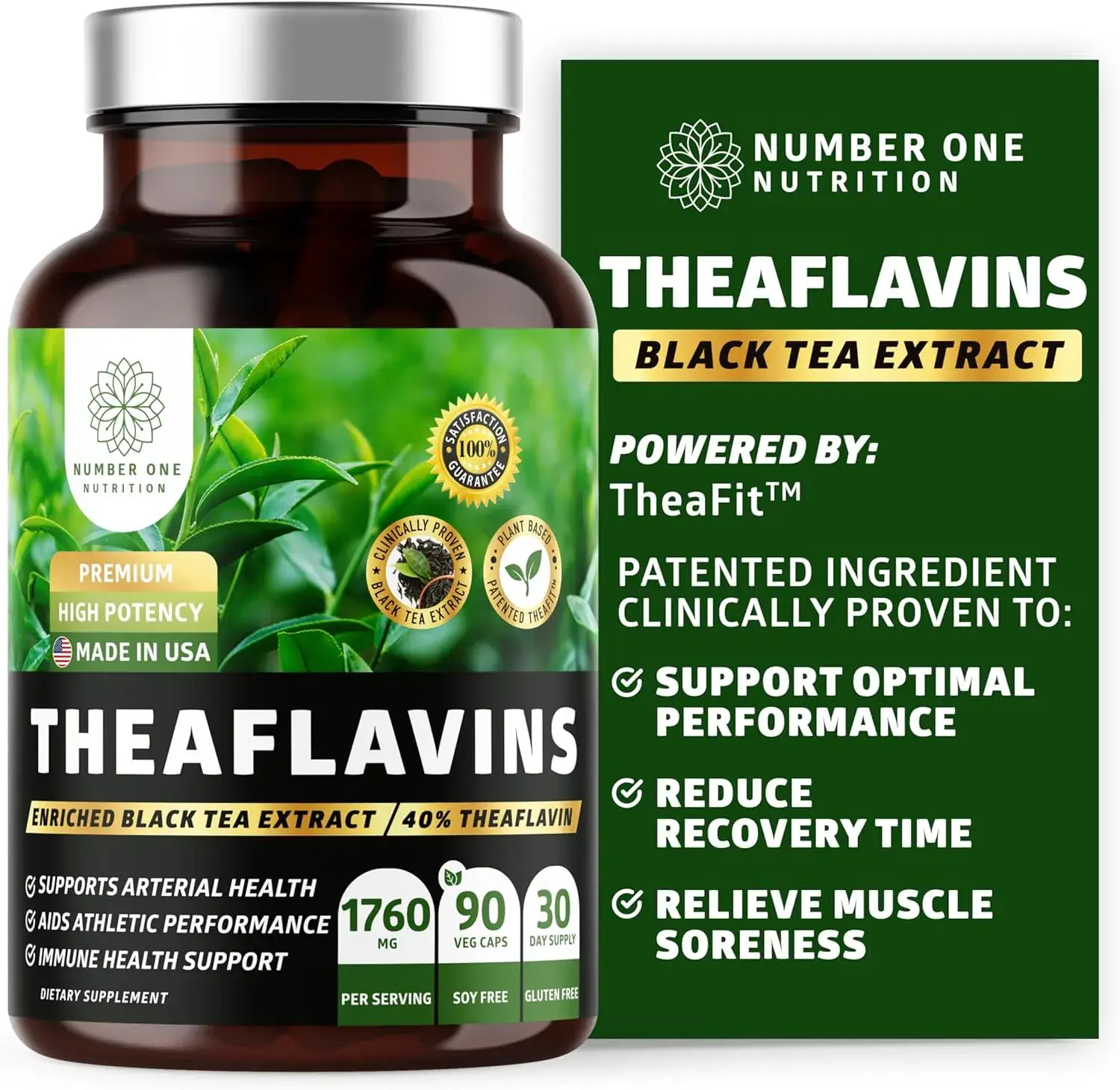
Black Tea Extract that is rich in natural theaflavins and polyphenols that help protect your body from free radicals, promoting overall immune health and well-being
Contains blended amounts of Fruits and Veggies. All natural, with whole foods, fruit and vegetable supplement.Perfect for everyone looking to live a healthier lifestyle.