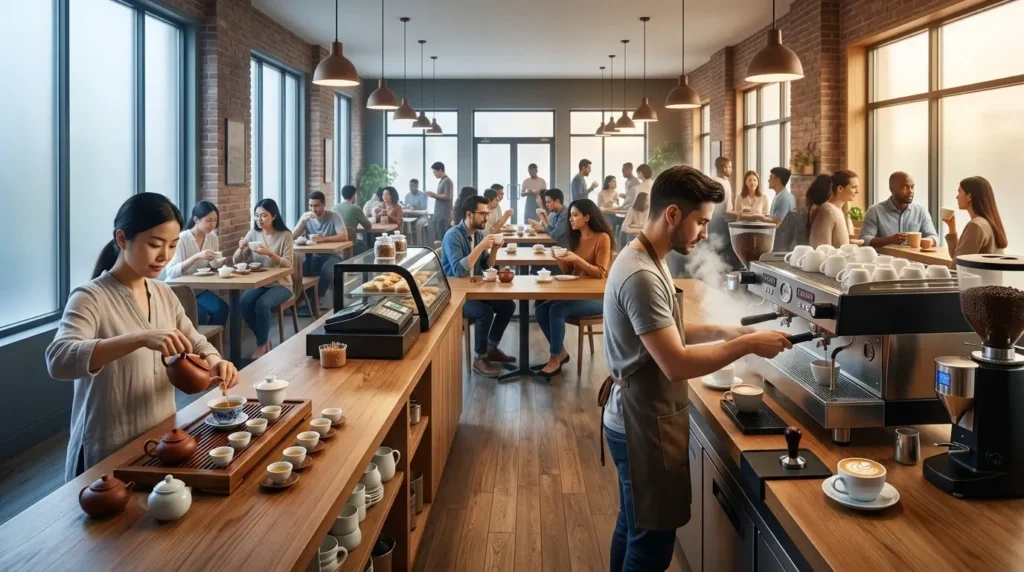
Have you ever thought about why a simple morning mug can change our mood? The drinks we choose often show our values and heritage more than we think.
Every morning, millions of people worldwide take part in ancient rituals. Whether it’s a cup of tea or coffee, these drinks connect us to history and today. Learning about tea culture vs coffee culture helps us see the traditions that shape our world.
In this article, I’ll take you through the amazing history of these drinks. I invite you to see how these habits affect our social lives and health. Let’s discover the stories in every cup we drink.
Key Takeaways
Global beverages reflect local history and social values.
Daily rituals give us comfort and structure in our busy lives.
Unique preparation methods show what makes each drink special.
Understanding these traditions helps us appreciate our daily habits more.
Both beverages are key in bringing people together across societies.
The Historical Roots of Our Favorite Brews
Exploring the history of tea and coffee history shows why these drinks are so important today. They connect us to ancient times. By understanding their origins, we can appreciate the morning rituals we all know.
Ancient Tea Traditions in Asia
The tale of tea starts in early Chinese dynasties, where it was prized for its remarkable medicinal properties. It was said to be discovered by accident, but soon became a health symbol. Over time, it evolved from a bitter herbal drink to a favorite of emperors and scholars.
This rich history of tea shows how a simple leaf changed trade, art, and philosophy in Asia. I find it amazing how these early traditions shaped the tea ceremonies we admire today. It was a transformative period that made a wild plant a key part of culture.
The Rise of Coffee Houses in the Middle East and Europe
Tea thrived in the East, but coffee history unfolded differently in the Middle East’s lively markets. Coffee houses became hubs for learning and socializing. They were places where people could talk about politics, news, and ideas over a warm cup.
By the 17th century, this culture reached Europe, where coffee houses were called penny universities. I think it’s fascinating that a simple drink could create such dynamic social hubs in cities like London and Paris. This history explains why cafes are key for community and connection today.
Understanding the Tea Culture vs Coffee Culture Divide
The difference between tea and coffee culture is about how we spend our time. Both drinks are loved worldwide, but they meet different needs and fit into different social settings. The choice between them often shows our daily pace and what we want to feel.
Ritual and Mindfulness in Tea Consumption
Tea is often linked with calmness. Enjoying tea rituals helps me escape the hustle of daily life and focus on now. Steeping leaves and waiting for the right temperature teach patience, a rare quality today.
“Tea is a way of returning to the self, a quiet bridge between the chaos of the world and the peace within.”
This personal and often solo activity is a chance for reflection. It lowers stress by simply drinking a warm, fragrant tea.
The Energy and Social Dynamics of Coffee Culture
Coffee culture, on the other hand, is all about energy and coffee social dynamics. Coffee shops are lively places where ideas flow and productivity soars with caffeine. I go there to feel part of a community or to spark creativity.
This culture matches the fast pace of work life. It’s about being active, networking, and keeping the day moving.
Feature
Tea Culture
Coffee Culture
Primary Vibe
Meditative
Productive
Social Setting
Intimate/Quiet
Bustling/Public
Key Benefit
Mindfulness
Energy Boost
Pace
Slow
Fast
The Art of Preparation and Brewing Techniques
Whether you love tea’s gentle touch or coffee’s strong taste, knowing your brewing methods is key. Even the best ingredients can disappoint without the right prep. By tweaking a few things, you can bring out flavors you never knew were there.
Mastering the Perfect Cup of Loose-Leaf Tea
With loose-leaf tea, precision is your ally. Use a digital scale to measure the leaves. This avoids confusion from leaf size. Also, the water’s temperature is vital; too hot can ruin a green tea.
Steeping time is the last step in flavor control. Too long, and you get bitter tannins. Keep a timer handy for consistent results.
The Science Behind Espresso and Pour-Over Coffee
Espresso science focuses on grind size and pressure. A fine grind is needed for a rich shot. Too coarse, and the coffee is weak.
Pour-over coffee, on the other hand, brings out the coffee’s clarity and acidity. Control the pour rate and water temperature to highlight different flavors. This knowledge helps you improve your brewing skills.
Global Tea Ceremonies and Their Cultural Significance
Tea ceremonies are found in places like Japan’s tatami rooms and London’s elegant parlors. They are more than just making a drink. They connect our past with today, giving us a moment to think.
Traveling has shown me that these tea rituals are a way to share culture. They bring people together, whether in silence or with friends. This happens all over the world.
The Japanese Chanoyu Experience
The Japanese Chanoyu, or “The Way of Tea,” is deeply rooted in Zen Buddhism. Every step, from cleaning utensils to whisking matcha, is done with purpose. It’s a spiritual journey that values harmony and peace.
“The tea ceremony is a ritualized form of making tea, but it is also a way of life that celebrates the beauty of the imperfect and the fleeting nature of the present moment.”
This practice teaches us to value the simplicity of the moment. It helps us focus on the tea, away from the world’s noise. It shows how traditions can stay strong over time.
British Afternoon Tea Traditions
British afternoon tea is different from Japan’s quiet ceremonies. It’s a time for social elegance and friendship. It started in the 19th century and now centers around tea, sandwiches, scones, and sweets.
Today, these tea rituals have changed but kept their charm. They serve many purposes in our society:
They provide a space for networking.
They are a way to celebrate with family.
They help us relax away from screens.
Whether you like Japan’s quiet or London’s lively, tea ceremonies are important. They show that even a simple cup of tea can mean a lot.
The Evolution of Modern Coffee Shop Culture
I’ve seen local coffee shops grow from just a place to grab a quick coffee to a lively cultural spot. They’ve become key parts of our daily lives. This change shows how much we value our drinks and the places we meet.
The Third Wave Coffee Movement
The third wave coffee movement has changed how I see my morning coffee. It views coffee as a craft, not just a drink. It focuses on the coffee’s unique taste, where it comes from, and how it’s roasted.
At third wave coffee shops, the quality is clear. Baristas are experts who share the coffee’s story. They explain the beans’ origin and the flavors you’ll taste. This makes the coffee experience more than just a drink.
Coffee Shops as Community Hubs in the United States
Coffee shops have become like the town square today. They are community hubs where people meet to work, chat, or relax. The coffee social dynamics in these places create a sense of community in our cities.
Whether it’s a freelancer or friends catching up, these shops are essential. They offer a space between home and work, where people can connect and work together. Here’s how these spaces have evolved over time.
Era
Primary Focus
Social Atmosphere
First Wave
Convenience
Transactional
Second Wave
Consistency
Casual Gathering
Third Wave
Artisanal Quality
Collaborative Hub
Health Benefits and Nutritional Profiles
My morning cup is more than just a caffeine boost. It’s a dive into the science of health benefits. Understanding how tea and coffee affect my body helps me choose wisely for my well-being. By exploring the health benefits of tea and the coffee health effects, I make choices that fit my goals.
Antioxidants and Calming Properties of Tea
Tea is packed with polyphenols, which are strong antioxidants. These protect my cells and support my health over time. I enjoy the calm energy from green or black tea.
Tea also has mental perks. It has L-theanine, which helps me relax without feeling sleepy. This creates a calm alertness that’s great for work or quiet time.
“Tea is a cup of life, a moment of peace in a busy world.”
The Cognitive Boost and Metabolism Effects of Coffee
For sharper focus, I often choose coffee. Its caffeine blocks brain receptors, keeping me alert and productive. Studies show it improves concentration and memory.
Coffee also boosts my physical performance. It can increase my metabolic rate and help burn fat during exercise.
Increased alertness and mental focus.
Potential for enhanced metabolic rate.
Rich source of essential antioxidants.
Remember, balance is key. Choosing high-quality beans and leaves ensures my daily habits support my health.
Every time I brew a cup, I’m part of a huge global economic system. The journey from a remote plantation to my kitchen is long and involves many hands. This journey makes me value my morning ritual more.
The Tea Industry and Fair Trade Practices
The tea industry helps millions of smallholder farmers in places like India, Kenya, and Sri Lanka. Sadly, these workers often earn low wages and work in poor conditions. By choosing fair trade tea, I help ensure they get a fair price for their work.
“The greatest threat to our planet is the belief that someone else will save it.”
Robert Swan
Choosing brands with ethical certifications supports sustainable development in tea-growing areas. This choice helps farmers keep their land and secure a future for their kids.
The Coffee Commodity Market and Sustainable Sourcing
Coffee is a top traded commodity, making it prone to price swings. When prices drop, small farmers find it hard to make ends meet. This has led to a rise in demand for sustainable coffee from consumers who care about where their coffee comes from.
Sustainable sourcing means more than just fair prices. It also protects biodiversity and reduces farming’s environmental impact. Many roasters now work directly with cooperatives for full transparency. As a global citizen, my choices help make the coffee industry more equitable and resilient.
The Sensory Experience of Tasting
Learning to taste better is a journey. It turns every sip into a special sensory tasting moment. By slowing down, you start to see the hidden layers in your favorite drinks.
This shift changes how you see quality and where it comes from. It’s not just about drinking; it’s about enjoying every detail.
Developing a Palate for Tea Varieties
To get into tea, start with smell and mouthfeel. Look at the dry leaves first. Notice their shape and smell before adding hot water.
As the tea steeps, watch how the scent changes. It should fill the room. When you sip, let the liquid cover your tongue.
Feel the astringency, a dry feeling in green teas. Or, enjoy the smooth taste of black tea. By trying different teas, you’ll learn to spot grassy, floral, and earthy tastes.
Identifying Flavor Notes in Single-Origin Coffee
In coffee, learning to spot coffee flavor notes is fun. Single-origin beans show off the unique taste of their place. Start with a light roast to see the most distinct flavors.
Beans from Ethiopia might taste bright and citrusy. Beans from Brazil or Colombia often have nutty or chocolatey notes. Naming these flavors lets you tell baristas and roasters what you like.
Beverage Type
Primary Sensory Focus
Common Flavor Profiles
Green Tea
Vegetal and Astringent
Steamed spinach, seaweed, toasted nut
Black Tea
Malty and Robust
Dried fruit, honey, dark cocoa
Light Roast Coffee
Acidity and Brightness
Lemon, blueberry, jasmine
Dark Roast Coffee
Body and Bitterness
Roasted almond, caramel, smoke
How Technology is Changing Our Daily Rituals
Adding technology to my morning routine has made brewing coffee better. Now, old-school craft meets new tech on my kitchen counter. With smart kitchen technology, I get pro results with little effort.
Smart Kettles and Precision Tea Brewing
For tea lovers, getting the right temperature is key. Old days of guessing are gone with smart kettles. They let me set the perfect temperature for any tea, avoiding burnt leaves.
These home brewing gadgets ensure every cup is consistent. I can even heat water before I wake up. It’s a small tweak that makes a big difference.
“The secret to a perfect cup lies not just in the quality of the leaf, but in the precision of the water that touches it.”
Advanced Home Espresso Machines and Apps
Coffee lovers have seen a digital leap too. My espresso machine connects to my phone, letting me tweak settings with a tap. This level of control was once only for cafes, now it’s home accessible.
These home brewing gadgets come with apps that track my coffee tastes. Using smart kitchen technology, I can improve my brewing based on data, not just trial and error. Here’s how these tools compare to old ways:
Feature
Traditional Method
Smart Technology
Temperature Control
Manual/Guesswork
Digital Precision
Consistency
Variable
High/Repeatable
Ease of Use
High Skill Required
App-Guided
These new tools don’t replace the art of brewing; they make it better. I’m more connected to my morning coffee than ever. Tech has just made it easier, letting me enjoy the taste more.
Every cup of tea or coffee has a story that spans centuries and continents. These drinks are quiet anchors in our busy lives. They offer moments of reflection and connection.
Try something new. Sample a single-origin roast from Blue Bottle Coffee or a delicate loose-leaf blend from Harney & Sons. Small changes can reveal hidden layers of flavor and history.
These drinks bridge cultural gaps by bringing people together. Whether it’s a tea ceremony or a local cafe, you join a global tradition. Keep exploring to find what you truly enjoy.
Your next favorite cup is waiting. Enjoy the journey of tasting, brewing, and learning about the world through your mug.
FAQ
Where did the traditions of tea and coffee drinking actually begin?
Tea started in the Chinese Han Dynasty for health reasons. Coffee culture began in the Middle East and later changed Europe in the 17th century. Both have deep histories that shape how we enjoy our morning drinks today.
How does the “tea culture vs coffee culture” divide affect my daily routine?
It’s about balance. Tea helps me slow down and think deeply, like in Japanese Chanoyu. Coffee is fast-paced and social, perfect for busy mornings. I pick one based on whether I need calm or energy.
What is the secret to brewing a professional-quality cup at home?
It’s all about the science of extraction. For tea, I must be precise with water and steeping time. Coffee requires the right grind size and quality beans. Using top brands like Stumptown Coffee Roasters or Ceylon tea makes a big difference in taste.
Are traditional tea ceremonies and coffee rituals relevant today?
Yes, they’re more important than ever. Rituals like British Afternoon Tea at The Ritz and the Japanese tea ceremony connect us to culture and community. They offer a calm and welcoming break in our fast-paced lives.
What exactly is the “Third Wave” coffee movement?
The Third Wave sees coffee as an art, not just a drink. It values transparency, sustainability, and the unique tastes of single-origin beans. Brands like Blue Bottle Coffee and Intelligentsia focus on the farmer-consumer connection.
Which beverage offers better health benefits?
Both have their perks. Tea is rich in antioxidants and has calming effects, like in Matcha or Oolong. Coffee boosts metabolism and focus. I switch between them for the best health benefits.
Why is Fair Trade and sustainable sourcing so important in these industries?
My choices affect global trade. Choosing Fair Trade or sustainable products helps farmers in places like Ethiopia or Sri Lanka get fair pay. It’s a way to enjoy my drinks while supporting producers.
How is technology changing the way I prepare my favorite drinks?
A: Smart technology has changed my kitchen. I use smart kettles from Fellow and espresso machines from Breville controlled by apps. These tools help me get professional results easily, without needing to be a barista.
How can I develop a better palate for tasting tea and coffee?
Taste with purpose. When drinking single-origin coffee, look for floral, nutty, or fruity notes. With tea, notice the differences between Lapsang Souchong and Earl Grey. It’s a journey that makes drinking a sophisticated experience.
Black Tea Extract that is rich in natural theaflavins and polyphenols that help protect your body from free radicals, promoting overall immune health and well-being
Contains blended amounts of Fruits and Veggies. All natural, with whole foods, fruit and vegetable supplement.Perfect for everyone looking to live a healthier lifestyle.