Do you ever wonder if your favorite morning tea is causing your chest pain? I’ve been there too. There’s something deeply soothing about starting the day with a fragrant brew. But the pain that follows can ruin a peaceful moment.
Many of us face a tough choice. We love our daily habits but hate the burning sensation that ruins our day. I aim to help you understand the link between earl grey tea and acid reflux. My goal is to help you manage your symptoms without giving up your favorite drink.
Key Takeaways
Understanding how specific ingredients in your drink trigger digestive discomfort.
Learning the difference between caffeine sensitivity and other common irritants.
Discovering brewing methods that may reduce the intensity of your symptoms.
Identifying personal triggers to better manage your daily health.
Finding a balance that allows you to enjoy your morning ritual safely.
Understanding the Relationship Between Earl Grey Tea and Acid Reflux
Earl Grey tea has special ingredients that affect your stomach. Many wonder if it causes their heartburn. Let’s dive into how this tea might affect you.
What Makes Earl Grey Unique
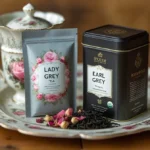
Earl Grey stands out because of its black tea and bergamot oil. The bergamot gives it a unique taste. But, it also affects your stomach health.
Black tea can make your stomach work harder. Adding bergamot oil changes the tea’s effect. This mix can be good for some but not for everyone with a sensitive stomach.
The Science of Acid Reflux Triggers
Acid reflux happens when the LES doesn’t close right. This valve keeps stomach acid out of your esophagus. If it relaxes too much, acid can flow up, causing pain.
Some drinks, like Earl Grey, can make this worse. Its caffeine and citrus oils might affect your LES. Knowing what triggers your acid reflux is key to feeling better.
My Personal Journey with Tea and Heartburn
For years, I enjoyed tea without a second thought. But my body eventually started sending me clear warning signals. I noticed a persistent burning sensation in my chest after my afternoon Earl Grey. It made me wonder: does tea cause heartburn in people who previously had no issues?
Why I Started Questioning My Tea Habits
The discomfort became impossible to ignore, after my daily 3:00 PM break. My tea ritual was no longer relaxing but a source of physical stress. I suspected my tea sensitivity was increasing, forcing me to re-evaluate my favorite beverages.
I decided to stop guessing and start tracking. By keeping a detailed log of what I drank and when, I hoped to uncover the truth behind my symptoms. This process was eye-opening and helped me see patterns I had completely missed before.
Identifying My Specific Reflux Triggers
My food diary became my most valuable tool for managing acid reflux triggers. I recorded the type of tea, the steeping time, and whether I added milk or sugar. I quickly learned that drinking strong black tea on an empty stomach was a recipe for disaster.
The following table illustrates how I tracked my symptoms to identify which habits were the most problematic for my digestion.
Tea Type
Time of Day
Added Milk
Symptom Severity
Earl Grey
Morning
Yes
Low
Earl Grey
Afternoon
No
High
Herbal Blend
Evening
No
None
Black Tea
Afternoon
Yes
Moderate
This simple tracking method allowed me to adjust my habits effectively. I discovered that my body handles tea much better when I consume it with a small snack or a splash of milk. Paying attention to these subtle body signals has made a world of difference in my daily comfort.
Exploring bergamot oil’s role in digestive health has changed my morning tea routine. Many focus on the caffeine, but Earl Grey’s flavor comes from bergamot orange essence. Knowing how it affects tea and digestive health is key for those with reflux.
What is Bergamot and How is it Used
Bergamot is a small, fragrant citrus fruit grown in Italy’s coastal areas. Its essential oil, from the fruit’s rind, gives Earl Grey its floral, citrusy scent. Traditionally, this oil is used in aromatherapy to relax and uplift mood.
Some say bergamot oil benefits extend to general wellness, like supporting a healthy inflammatory response. Yet, its effects on the digestive tract when consumed in hot drinks are more complex.
Potential Effects of Citrus Oils on the Esophageal Sphincter
Citrus oils can be a mixed bag for those with sensitive stomachs. They’re praised for stimulating digestive enzymes but may relax the lower esophageal sphincter. This can let stomach acid flow back up, causing heartburn.
For those with esophageal sensitivity, even small citrus oil amounts can be a problem. It’s vital to watch how your body reacts to these oils. The table below shows how different citrus components affect digestion.
Citrus Component
Primary Effect
Digestive Impact
Bergamot Oil
Aromatic Stimulation
Potential Sphincter Relaxation
Citric Acid
Flavor Enhancement
Increased Stomach Acidity
Limonene
Natural Solvent
May Soothe or Irritate
While I love bergamot’s flavor, I must be careful of its effects. Finding a balance between enjoying tea and digestive health means watching my bergamot intake. If symptoms worsen after drinking, it’s time to adjust the tea’s strength.
Caffeine Content and Its Impact on Stomach Acid
Learning about the connection between my morning tea and stomach acid changed everything. I used to drink tea without thinking, but I soon noticed it affected me. It’s key to understand how certain stimulants affect our digestion.
How Caffeine Stimulates Gastric Secretion
Caffeine is a strong stimulant that makes the stomach produce more acid. Drinking a lot of caffeine can relax the muscle that keeps stomach acid down. This is a big reason why caffeine and acid reflux are common issues.
Too much stomach acid can cause a burning feeling in the chest. I’ve learned that even a little caffeine can upset my stomach if it’s already sensitive. It’s not just the tea, but how caffeine affects my body’s chemistry.
Comparing Earl Grey to Other Caffeinated Beverages
Many wonder, is earl grey acidic like other drinks? The bergamot oil in Earl Grey gives it a special taste, but the black tea base has a lot of caffeine. Comparing caffeine levels helps me understand my daily intake better.
The table below shows how different drinks compare in caffeine content. It helps me choose when to drink decaf to avoid symptoms.
Looking at these numbers helps me manage my caffeine and acid reflux better. Picking the right drink at the right time improves my digestion a lot.
Analyzing the Tannins in Black Tea
Ever wondered why some teas upset your stomach? It’s often because of black tea tannins. These compounds, not caffeine, are key to how your body reacts to tea.
What are Tannins and Why They Matter
Tannins are found in plants like grapes and tea leaves. They give tea its distinctive astringency and bitter taste. This is what you feel right after taking a sip.
Tea plants use tannins to protect themselves. When you make tea, these tannins mix with the water. This creates the rich flavor and color we love in Earl Grey.
How Tannins Affect Sensitive Stomachs
For some, tannins can be tough on the stomach. If you’re tea sensitive, tannins might upset your stomach. This can make your stomach produce more acid.
This problem isn’t for everyone, but it’s common for those with reflux. If you think tea is causing you trouble, watch for these signs:
A feeling of nausea soon after drinking tea.
A sharp, burning feeling in your upper stomach.
More bloating or discomfort after drinking black tea.
To see if black tea tannins are the problem, try a different tea for a few days. If your symptoms go away, you might have found your tea sensitivity. You might need to change how you make tea or pick teas with fewer tannins.
Learning how to brew tea for acid reflux has changed my mornings. I used to think tea meant stomach pain later. But now, I can enjoy my Earl Grey without discomfort.
Adjusting Steeping Times to Reduce Acidity
To manage your brew, shorten the steeping time. Tea leaves in hot water for too long release more tannins and caffeine. These can irritate your stomach.
Try steeping for two or three minutes instead of five. This reduces acidity. You’ll enjoy the bergamot aroma without the stomach pain.
The Benefits of Adding Milk or Plant-Based Alternatives
Adding milk can make a big difference. Dairy or plant-based milks like almond or oat milk act as a buffer for your stomach. They neutralize tea’s acidity, making it easier on your stomach.
I like oat milk for its creamy texture and how it balances the bergamot. Try different additions to find what works for you. These small changes can make a big difference in your tea experience.
Alternative Teas That Might Be Gentler on Your Stomach
If black tea bothers you, there are softer choices. Moving to caffeine-free tea options can ease your stomach. These teas let you enjoy a cozy moment without stomach pain later.
Herbal Options for Soothing Heartburn
For quick relief, I choose teas made from calming plants. Adding herbal tea for heartburn to my day has changed how I feel.
Ginger tea: It fights inflammation and calms the stomach fast.
Chamomile tea: This flower soothes the esophagus lining.
Licorice root tea: It boosts stomach mucus, helping with soothing heartburn naturally.
“Nature itself is the best physician, providing us with simple remedies that can restore balance when our bodies feel out of sync.”— Traditional Wellness Proverb
When to Avoid Tea Entirely
Even soothing teas might not help if symptoms last. If my discomfort won’t go away, I stop drinking tea. This shows my body needs a break to heal.
It’s key to listen to your body and see a doctor if heartburn is a big problem. Home remedies are good, but they shouldn’t replace a doctor’s advice. Prioritizing your long-term health is the best way to manage your digestive health.
Lifestyle Adjustments to Manage Acid Reflux Beyond Diet
Managing acid reflux is more than just what we eat. I started by cutting back on tea, but soon found that lifestyle changes for reflux are key. By changing my daily habits, I’ve found lasting relief.
The Importance of Meal Timing
Controlling when I eat has been a big help. Eating big meals before bed can cause discomfort. Giving my body time to digest before bed helps avoid acid reflux.
I now eat my last meal three hours before bed. This simple change has greatly reduced my heartburn. It also helps me avoid snacking late at night, keeping my digestion steady.
Physical Habits That Reduce Pressure on the Stomach
My physical habits also play a big role. Sitting up straight after eating helps keep acid down. Slouching or lying down too soon can put pressure on the stomach.
Keeping a healthy weight is also important. Even small changes can make a big difference. Here’s a quick guide to help you make these changes.
Habit Category
Recommended Action
Primary Benefit
Meal Timing
Stop eating 3 hours before bed
Prevents nocturnal reflux
Post-Meal Posture
Stay upright for 60 minutes
Uses gravity for digestion
Weight Control
Maintain a healthy BMI
Reduces abdominal pressure
Clothing Choice
Wear loose-fitting garments
Avoids stomach constriction
Conclusion
Managing your relationship with Earl Grey tea is all about finding what works for you. What makes one person happy might not be the same for another. It’s up to you to see how your body reacts to things like bergamot oil or caffeine.
Making small changes can make a big difference in your day. You might try steeping your tea for less time or add almond milk to reduce acidity. These small tweaks can help keep your favorite tea enjoyable.
Keep an eye on how you feel throughout the day. If you’re experiencing pain or discomfort, talk to a healthcare professional. They can check for any underlying issues and help you find a solution that’s right for you.
Your path to better digestive health is about finding a balance that works for you. You should be able to enjoy your tea without feeling uncomfortable. Keep trying different things until you find the perfect balance for your lifestyle.
Does Earl Grey tea cause acid reflux or heartburn?
Yes, it can. Earl Grey is a black tea with caffeine and tannins. These can make your stomach produce more acid. The caffeine can also relax the lower esophageal sphincter (LES), letting acid flow back up into the esophagus. This can cause heartburn.
How does the bergamot oil in Earl Grey affect my digestive health?
The bergamot orange oil gives Earl Grey its citrus smell. But, it might irritate your esophagus if you have GERD or a sensitive stomach. If your stomach is already upset, the citrus in Earl Grey can make acid reflux worse.
Is the caffeine content in Earl Grey higher than in coffee?
No, Earl Grey has less caffeine than coffee. But, caffeine can upset your stomach. Drinking Earl Grey on an empty stomach or too much can cause digestive problems.
Can I stil enjoy Earl Grey if I have a sensitive stomach?
You don’t have to give up Earl Grey completely. But, you need to change how you make it. Use shorter steeping times to reduce tannins and caffeine. Adding Planet Oat milk or dairy can also help make it less acidic.
What are the best herbal alternatives if Earl Grey is too acidic for me?
For bad heartburn, try herbal teas without caffeine. Traditional Medicinals has a ginger tea and chamomile blend that soothes your stomach. Licorice root is also good for coating your stomach and preventing irritation from black tea.
Does the timing of my tea consumption impact my reflux symptoms?
Yes, it does. Never drink Earl Grey before bed. Stay upright for two to three hours after drinking tea to keep stomach acid down. Drinking tea too close to bedtime can cause acid reflux at night.
How do I know if tannins are the specific cause of my discomfort?
A: Tannins make your mouth feel dry. If a strong, dark tea irritates your stomach or makes you nauseous, it’s likely tannins. Keep a food diary to see how different teas affect you.
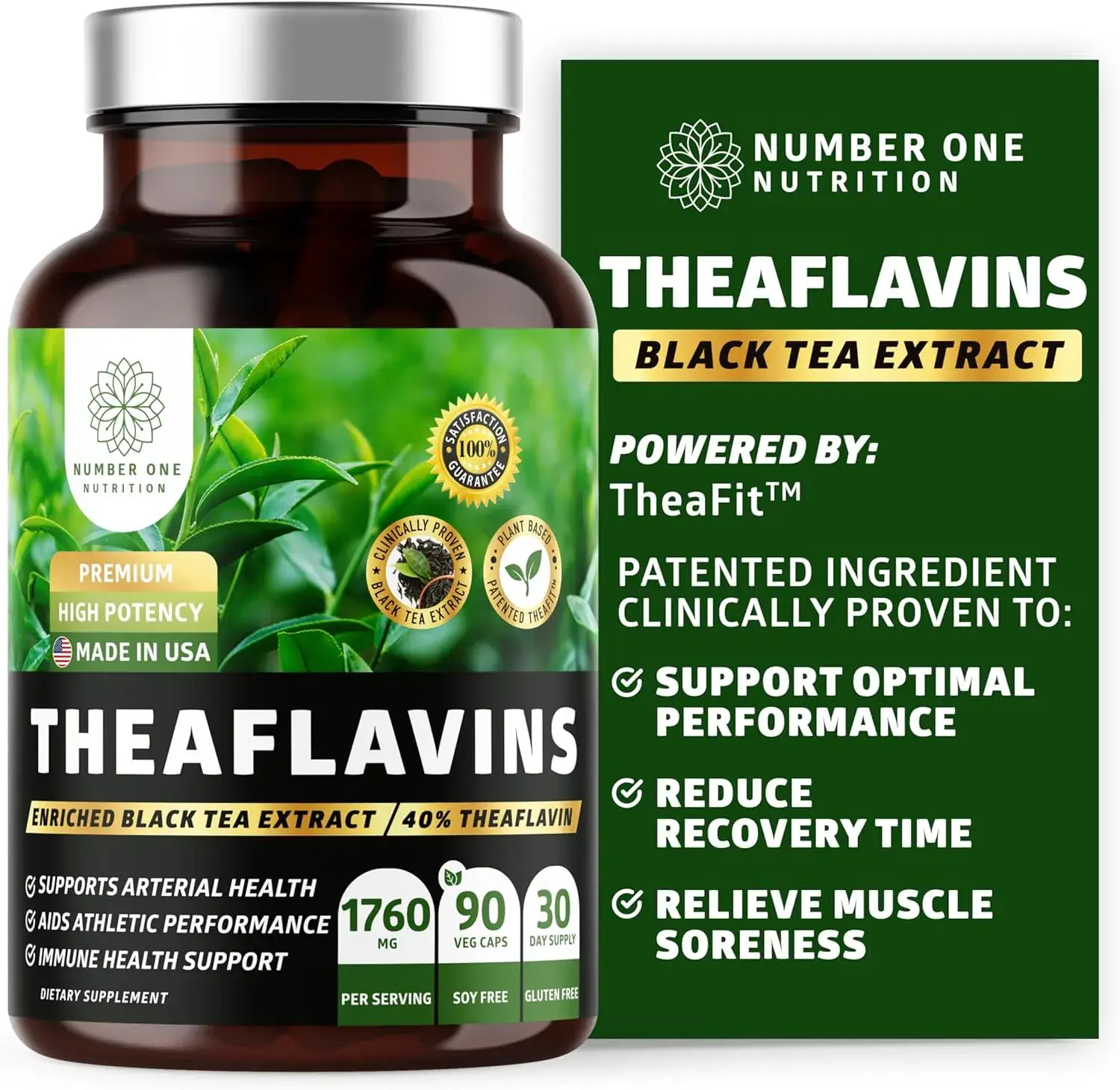
Black Tea Extract that is rich in natural theaflavins and polyphenols that help protect your body from free radicals, promoting overall immune health and well-being
Contains blended amounts of Fruits and Veggies. All natural, with whole foods, fruit and vegetable supplement.Perfect for everyone looking to live a healthier lifestyle.