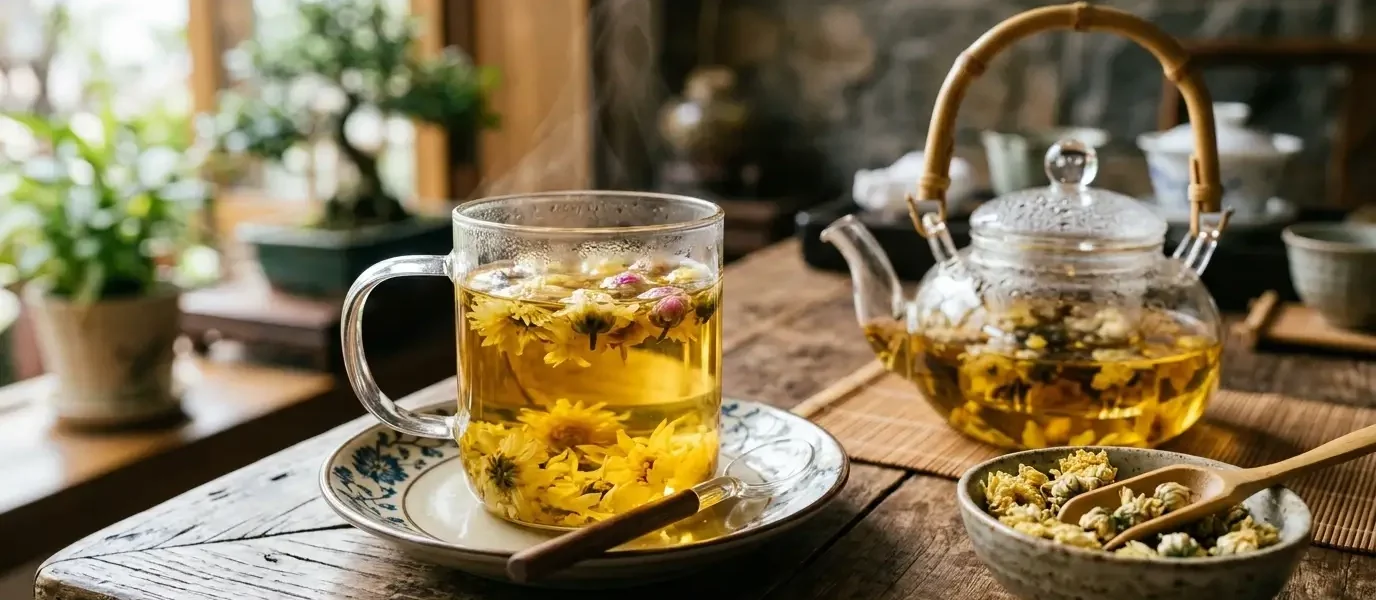
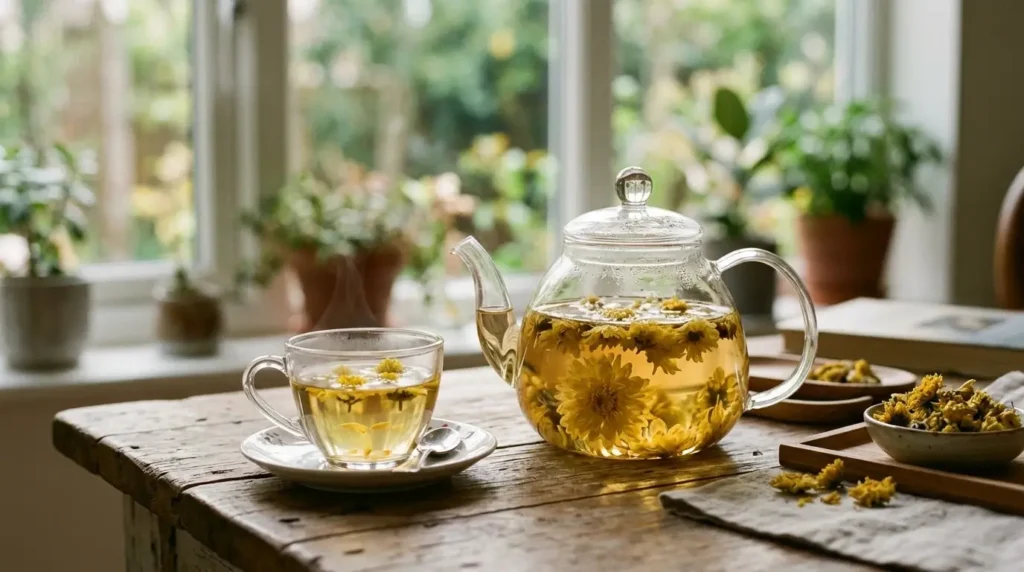
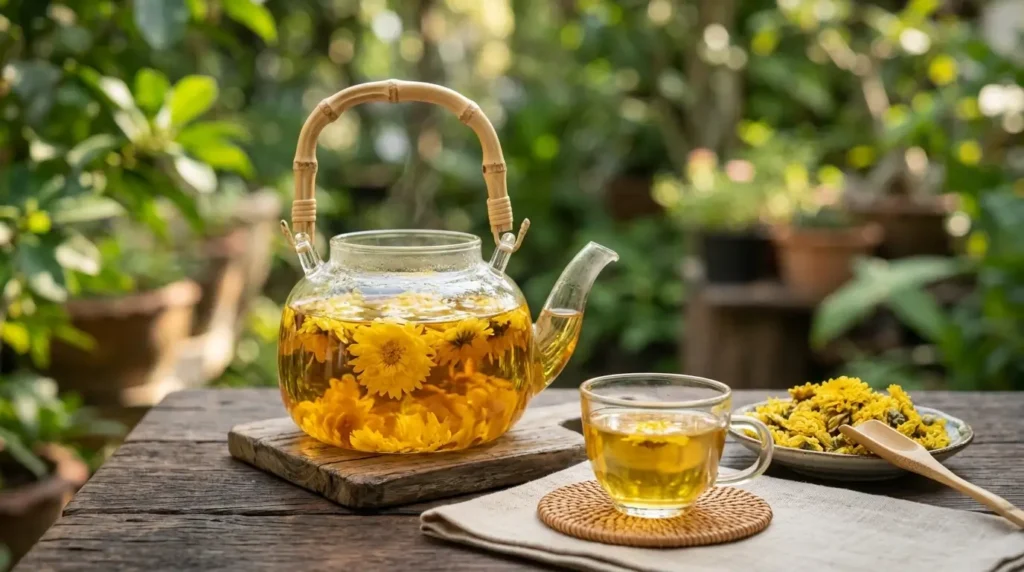
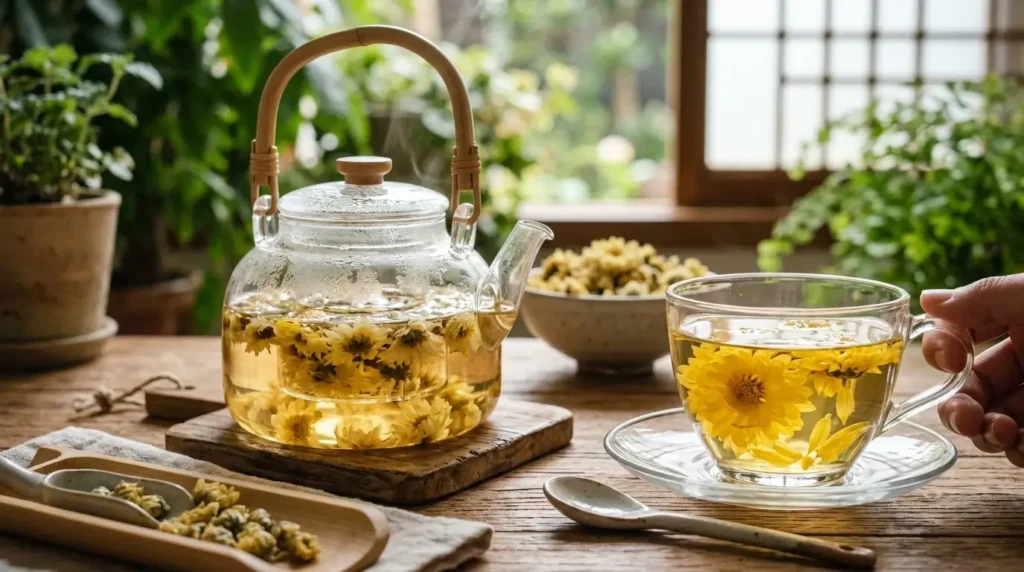
Dealing with the burning discomfort of acid reflux can disrupt your daily life. What if we told you that chrysanthemum tea good for acid reflux relief has been trusted for over 2,000 years in Traditional Chinese Medicine?
This herbal tea offers natural cooling properties that help reduce internal heat, in particular its ability to balance acidity levels and reduce inflammation. That is to say, chrysanthemum tea benefits extend beyond just soothing your digestive system. Additionally, unlike many over-the-counter remedies, this gentle herbal tea for acid reflux provides relief without harsh side effects.
We’ll walk you through exactly how to prepare and use chrysanthemum tea for maximum acid reflux relief, plus share best practices for long-term results.
Key Takeaways
Chrysanthemum tea offers natural acid reflux relief through its cooling properties that balance acidity and reduce inflammation in the digestive tract, backed by over 2,000 years of Traditional Chinese Medicine use.
Essential preparation and usage guidelines:
• Start slowly with proper preparation: Use 4-6 dried flowers steeped in 212°F water for 3-5 minutes, beginning with 1-2 cups weekly to assess your body’s response before increasing frequency.
• Choose quality over convenience: Select closed or half-opened organic buds (Hangbai variety for daily use, Gong for acute symptoms) to maximize beneficial compounds and effectiveness.
• Time your consumption strategically: Drink chrysanthemum tea after meals to promote better digestion and prevent discomfort, serving as both treatment and preventative measure.
• Know the safety boundaries: Avoid if pregnant, taking immunosuppressants, or allergic to Asteraceae family plants (ragweed, daisies); consult your doctor if taking statins or managing chronic conditions.
• Monitor and adjust for optimal results: Track your symptoms and response patterns, adjusting strength and frequency based on individual needs—the tea can be re-steeped 2-3 times for extended use.
Beyond digestive relief, this caffeine-free herbal tea delivers additional health benefits including antioxidant protection, immune support, liver detoxification, and stress reduction, making it a versatile natural remedy for overall wellness.
Understanding Chrysanthemum Tea and Acid Reflux
What is Acid Reflux and How Does It Affect You
Acid reflux occurs when the lower esophageal sphincter (LES) relaxes at inappropriate times, allowing stomach acid to flow backward into your esophagus. This circular muscle band normally opens when you swallow and closes afterward to keep contents in your stomach. When this valve weakens or malfunctions, you experience the painful backwash of acidic contents.
The burning sensation in your chest, commonly called heartburn, represents the most recognizable symptom. You might also experience regurgitation, where stomach contents rise into your throat or mouth, leaving a sour taste. Other symptoms include chest pain, nausea, difficulty swallowing, chronic cough, hoarseness, and sore throat. While occasional acid reflux affects nearly everyone, GERD develops when you experience these symptoms at least twice weekly for several weeks.
Why Chrysanthemum Tea Works for Acid Reflux
Chrysanthemum tea works for acid reflux through its natural cooling properties that help balance acidity levels and reduce inflammation. The tea contains flavonoids and phenolic acids that support digestive health by soothing the stomach and relieving indigestion, bloating, and discomfort. Specifically, the warmth of the tea helps calm cramping and pain.
In light of Traditional Chinese Medicine principles, chrysanthemum functions as a cooling herb that reduces internal heat in the body. This cooling effect proves particularly beneficial for heat-related digestive issues. The anti-inflammatory compounds, including flavonoids and chlorogenic acid, work to reduce inflammation in your digestive tract. Meanwhile, drinking chrysanthemum after meals promotes better digestion and acts as a preventative measure against potential discomfort.
Beyond addressing acid reflux, chrysanthemum tea delivers antioxidant benefits through its high anthocyanin content, which protects your body from oxidative stress. The tea supports liver function by enhancing the activity of liver enzymes involved in detoxification processes. Your immune system receives a boost from vitamin C and flavonoids present in the tea.
Essentially, chrysanthemum tea contains vital nutrients including B vitamins, vitamin C, calcium, magnesium, iron, and potassium. The beta-carotene converts to vitamin A in your body, supporting eye health and vision. Research suggests the tea possesses bone-strengthening properties that may improve bone mineral density. Additionally, its natural calming effects help relieve stress and anxiety while promoting relaxation.
Choosing the Right Chrysanthemum Tea for Acid Reflux
Types of Chrysanthemum Tea Available
Chrysanthemum tea comes from two primary species: Chrysanthemum morifolium and Chrysanthemum indicum. These flowers produce teas with distinct characteristics depending on their variety and origin.
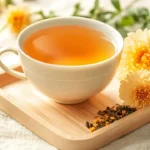
The most renowned varieties include Hangbai Chrysanthemum (杭白菊) from Tongxiang near Hangzhou and Gong Chrysanthemum (贡菊) from Huangshan in Anhui Province. Hangbai features larger, flatter blooms with pale white-to-yellow petals and delivers a mildly sweet, highly aromatic flavor with gentle floral notes. Correspondingly, Gong Chrysanthemum presents smaller, dense, uniformly round blossoms that are brilliant white, offering a more potent and slightly bitter taste with a crisp, cooling sensation.
For acid reflux relief, Hangbai Chrysanthemum proves ideal for daily use due to its gentler nature, while Gong Chrysanthemum works better for acute symptoms like heat-induced discomfort. The unopened buds, called “fetal chrysanthemum,” represent the premium grade, containing more beneficial compounds than fully opened flowers.
You’ll find chrysanthemum tea in several forms: whole loose flowers, tea bags, and blends. Pure chrysanthemum contains no caffeine, but blended versions with black tea, green tea, oolong, or white tea will contain caffeine.
What to Look for When Buying Chrysanthemum Tea
Look for closed or half-opened flower buds when purchasing, as fully opened flowers have already lost much of their flavors and effectiveness. The dried flowers should be approximately the size of a nickel or smaller and retain their full shape.
Organic certification ensures the flowers haven’t been sprayed with pesticides or garden chemicals. Additionally, verify the product contains 100% pure chrysanthemum with no fillers, additives, or preservatives.
Comparing Chrysanthemum Tea with Other Herbal Teas for Acid Reflux
Unlike many herbal teas, chrysanthemum specifically helps balance acidity levels and reduce inflammation for acid reflux sufferers. Chamomile tea offers similar anti-inflammatory benefits and typically doesn’t trigger acid reflux symptoms. However, herbal teas containing mint or peppermint may trigger acid reflux in some people.
Step-by-Step Guide to Using Chrysanthemum Tea for Acid Reflux
Step 1: Gather Your Materials and Ingredients
Start by collecting dried chrysanthemum flowers, which you can find at Asian grocery stores or herbal shops. For one cup of tea, you’ll need 4-6 dried flowers. Optional additions include honey, rock sugar, or goji berries for sweetness. You’ll also need a teapot or cup, boiling water, and a strainer if your brewing vessel lacks a built-in filter.
Step 2: Prepare the Tea Properly
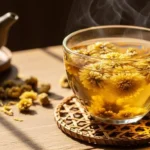
Rinse the dried chrysanthemum flowers under cold water to remove dust and impurities. Place the cleaned flowers into your teapot or cup. Boil water and pour it over the flowers at 212°F. Cover the vessel with a lid to retain heat. Allow the flowers to steep for 3-5 minutes. The water will gradually turn a pale or bright yellow with a floral aroma. Strain the liquid to remove the flowers before drinking. You can re-steep the same flowers 2-3 times by adding fresh boiling water, though subsequent brews will be less strong.
Step 3: Determine the Right Timing and Frequency
Begin with one or two cups per week to observe how your body responds. Drinking chrysanthemum tea after meals promotes better digestion and prevents discomfort. Leave one-third of the cup unfinished, then add new tea and steep again.
Step 4: Drink at the Optimal Temperature
Consume the tea warm for immediate soothing effects, or enjoy it chilled as a refreshing cold beverage. For iced chrysanthemum tea, use cold water instead of hot and refrigerate for at least 12 hours.
Step 5: Monitor Your Body’s Response
Track your acid reflux symptoms to determine the tea’s effectiveness for your specific condition. Adjust the frequency and strength based on your individual response patterns.
Maximizing Results and Safety Considerations
“The reality is that ‘safety’ and ‘natural’ are not synonymous.” — Martins Ekor, Author and researcher
Best Practices for Long-Term Use
Nutritionist Renee Rosen recommends taking chrysanthemum for extended periods to experience benefits. Stick to one of two routines: drink it twice weekly for casual use, or consume it daily for 3-5 days, then stop until symptoms return.
Combining Chrysanthemum Tea with Other Remedies
You can pair chrysanthemum tea with dietary modifications and lifestyle changes for enhanced acid reflux management. Moreover, some practitioners combine it with other Traditional Chinese Medicine practices based on individual needs.
When to Avoid Chrysanthemum Tea
Skip chrysanthemum tea if you’re pregnant, as it may stimulate the uterus abnormally. People with weak digestive systems or sensitive stomachs should avoid this tea due to its cooling nature. Those taking immunosuppressive drugs must not consume it, as a kidney transplant recipient developed toxic blood levels after drinking chrysanthemum-containing tea.
Potential Side Effects and Allergic Reactions
Chrysanthemum belongs to the Asteraceae family alongside ragweed, marigolds, and daisies. If allergic to these plants, you may experience skin rash, respiratory irritation, or anaphylaxis. Some chrysanthemum varieties contain pyrethrum, which may irritate your skin and lungs.
When to Consult Your Doctor
Consult your doctor before using chrysanthemum tea if you take statins, as research indicates potential interactions. Seek medical advice if you have underlying conditions like liver disease, diabetes, or bleeding disorders.
Conclusion: Is Chrysanthemum Tea Good for Acid Reflux?
You now have everything you need to use chrysanthemum tea as a natural remedy for acid reflux relief. By following the preparation steps and drinking it at the right frequency, you can experience the cooling, anti-inflammatory benefits this ancient herbal tea offers.
Of course, always listen to your body and consult your doctor if you have underlying health conditions. Start with one or two cups per week, monitor your symptoms, and adjust accordingly. Give chrysanthemum tea a try and discover if this gentle, time-tested solution works for you.
Q1. Is chrysanthemum tea safe to drink for acid reflux relief? Yes, chrysanthemum tea can be beneficial for acid reflux due to its natural cooling properties that help balance acidity levels and reduce inflammation in the digestive tract. However, you should avoid it if you’re pregnant, have a sensitive stomach, or are taking immunosuppressive medications. Start with one or two cups per week to see how your body responds.
Q2. How often should I drink chrysanthemum tea for best results? For casual use, drink chrysanthemum tea twice weekly. If you’re experiencing active symptoms, you can consume it daily for 3-5 days, then stop until symptoms return. Drinking it after meals promotes better digestion and helps prevent discomfort. Always monitor your body’s response and adjust frequency accordingly.
Q3. What’s the difference between chrysanthemum tea and chamomile tea for digestive issues? Both chrysanthemum and chamomile tea offer anti-inflammatory benefits for digestive health. Chrysanthemum specifically helps balance acidity levels and provides a cooling effect according to Traditional Chinese Medicine principles, while chamomile is known for its calming effect on the digestive system. Both are generally safe and don’t typically trigger acid reflux symptoms.
Q4. Can I drink chrysanthemum tea every day without side effects? While some people drink chrysanthemum tea daily, it’s best to start slowly and monitor your response. Those with weak digestive systems should be cautious due to its cooling nature. If you have allergies to plants in the Asteraceae family (ragweed, marigolds, daisies), you may experience allergic reactions. Consult your doctor if you take statins or have underlying health conditions.
Q5. What type of chrysanthemum tea should I buy for acid reflux? Look for Hangbai Chrysanthemum for daily use, as it has a gentler nature with mildly sweet, floral notes. Choose closed or half-opened flower buds rather than fully opened flowers, as they contain more beneficial compounds. Opt for organic, 100% pure chrysanthemum without fillers or additives, and ensure the dried flowers are approximately the size of a nickel or smaller.
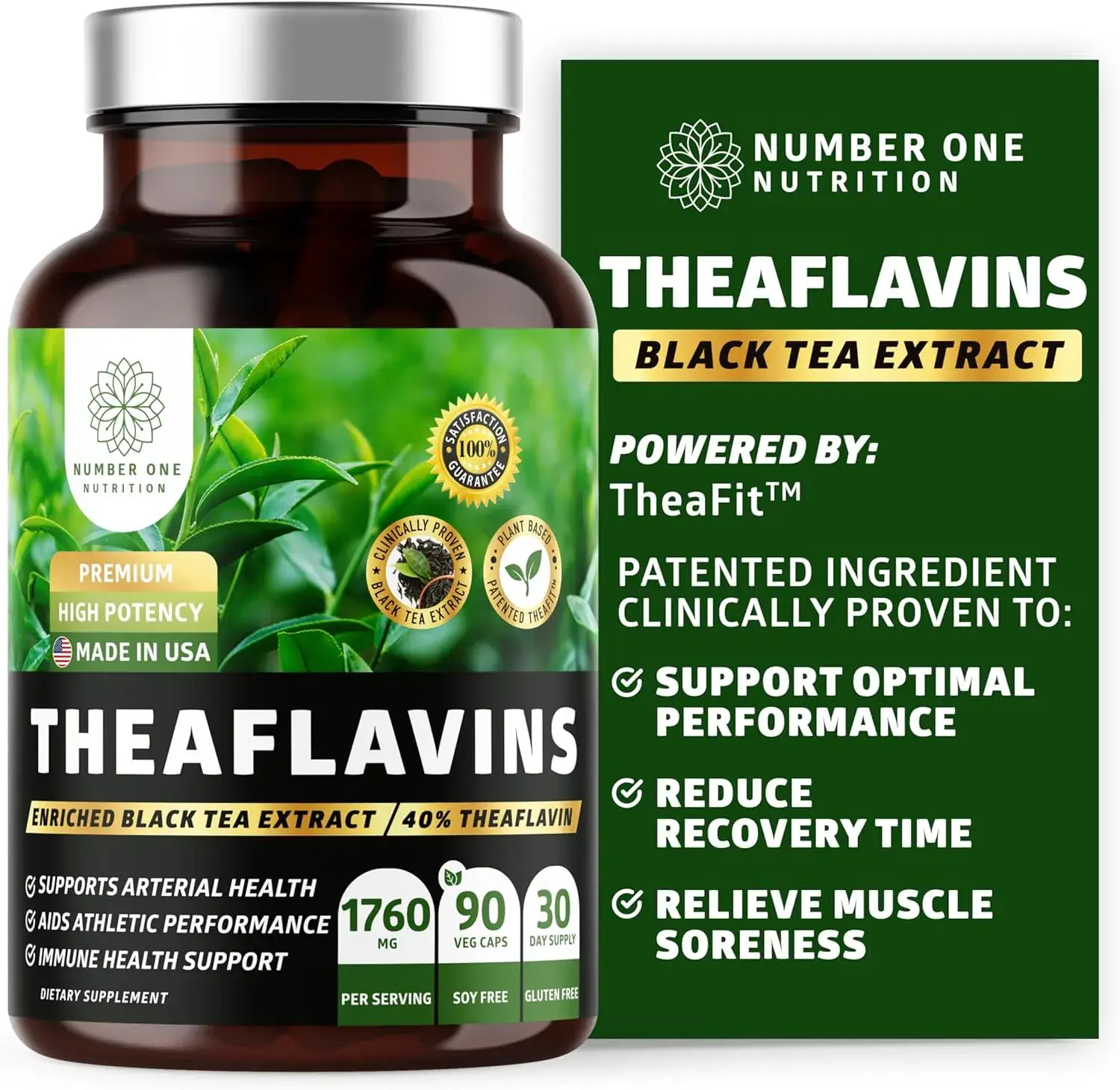
Black Tea Extract that is rich in natural theaflavins and polyphenols that help protect your body from free radicals, promoting overall immune health and well-being
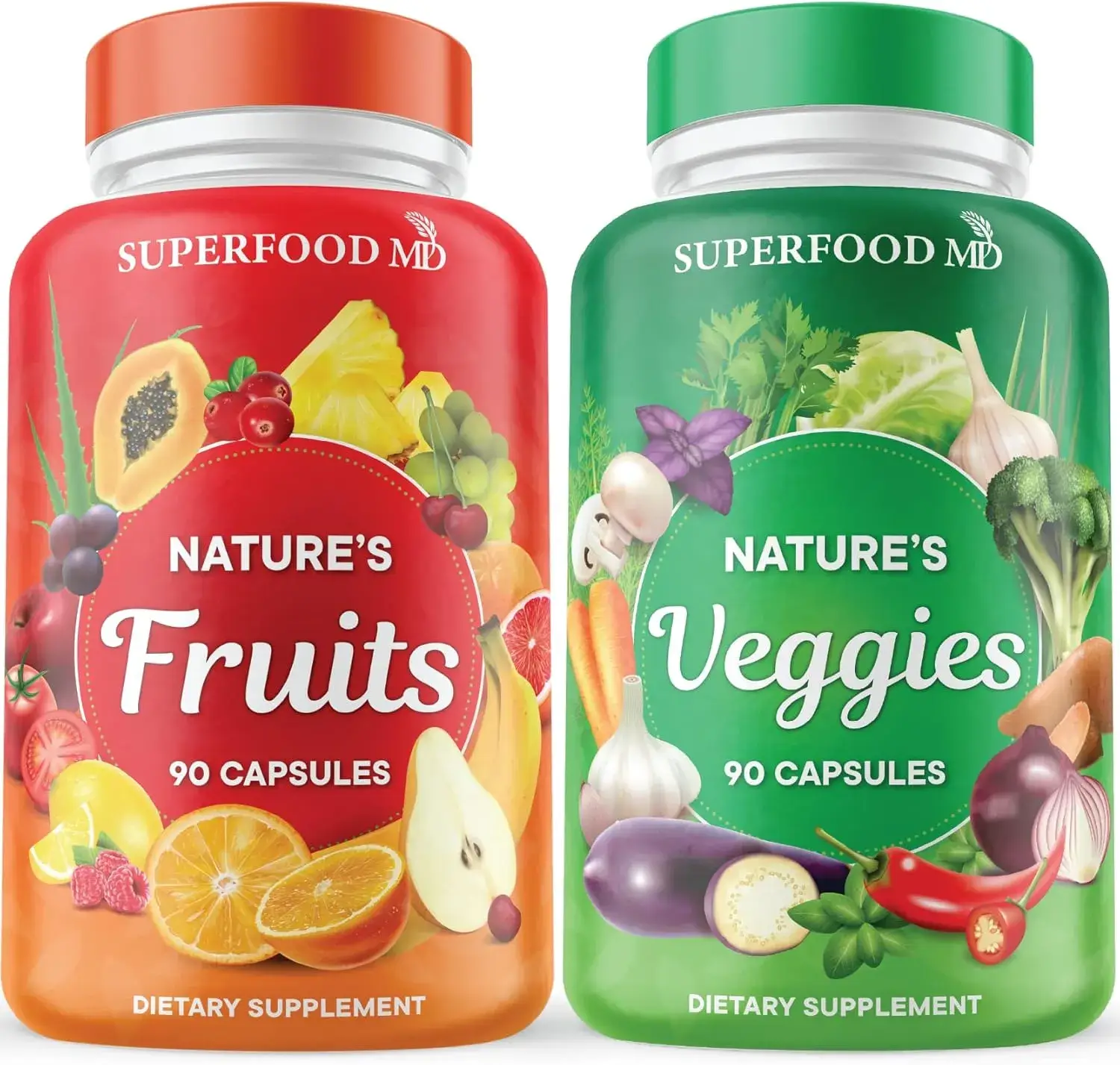
Contains blended amounts of Fruits and Veggies. All natural, with whole foods, fruit and vegetable supplement.Perfect for everyone looking to live a healthier lifestyle.