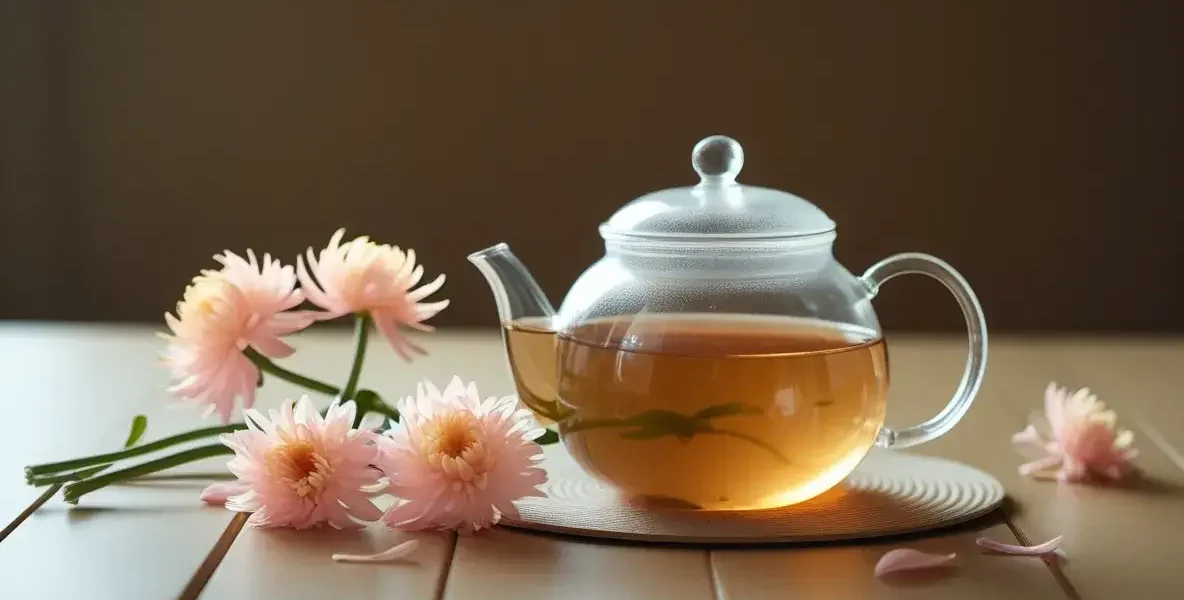
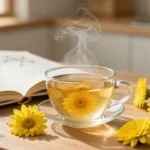
Thinking about adding chrysanthemum tea to your daily routine? It’s a lovely drink, often enjoyed for its delicate flavor and potential health perks. But like anything, knowing how often to drink chrysanthemum tea is key to getting the most out of it without overdoing it. Let’s break down what works best for sipping this floral brew.
Key Takeaways
For general enjoyment and mild benefits, drinking chrysanthemum tea daily in moderation is usually fine for most people.
If you’re looking for specific health boosts, like supporting your heart or immune system, consistent but not excessive consumption is recommended.
Adjust your intake based on your personal health goals and any specific conditions you might have.
Special groups like pregnant women, breastfeeding mothers, and young children should consult a healthcare provider before regular consumption.
Integrating chrysanthemum tea into your routine is simple; enjoy it at various times, perhaps with other ingredients, and store it properly to maintain its quality.
Understanding How Often to Drink Chrysanthemum Tea
So, you’re curious about how much chrysanthemum tea is too much, or maybe you’re wondering if drinking chrysanthemum tea daily is a good idea. It’s a common question, and the short answer is that for most people, enjoying chrysanthemum tea daily is perfectly fine, as long as you’re mindful of moderation. This caffeine-free beverage is often praised for its potential health benefits, making it a popular choice for those looking to incorporate more wellness into their routine. The key is to find a balance that works for you and your body.
Daily Consumption: Is It Safe?
Generally speaking, yes, it’s safe to drink chrysanthemum tea every day. It doesn’t contain caffeine, which is a big plus for many people who want a soothing drink without the jitters. However, like anything, too much of a good thing can sometimes lead to unwanted effects. Traditional practices sometimes refer to chrysanthemum tea as having ‘cooling’ properties, so if you tend to feel cold easily or have certain health conditions, it might be worth paying attention to how your body reacts. The general consensus points towards a safe amount of chrysanthemum tea being a few cups a day, but listening to your body is always the best guide.
Moderation is Key for Regular Enjoyment
When we talk about the benefits of drinking chrysanthemum tea, consistency often plays a role. However, this doesn’t mean you need to guzzle it down. The recommended intake of chrysanthemum tea isn’t set in stone, but aiming for a couple of cups a day is a good starting point for regular enjoyment and potential benefits. Think of it as a gentle addition to your day rather than a cure-all. Finding the right drinking chrysanthemum tea frequency allows you to appreciate its subtle flavors and potential positive effects without overdoing it. This approach helps ensure you can continue to enjoy its benefits long-term.
When to Adjust Your Intake
There are times when you might want to rethink your chrysanthemum tea consumption guidelines. If you experience any adverse reactions, like digestive upset or feeling unusually cold, it’s a sign to cut back. For individuals with specific health concerns, or if you’re pregnant or breastfeeding, it’s always wise to chat with a healthcare provider before making it a daily habit. They can offer personalized advice on the safe ways to drink chrysanthemum tea and how much chrysanthemum tea per day might be appropriate for your unique situation. Paying attention to these signals helps maintain a positive relationship with this lovely herbal infusion.
Frequency for Specific Health Benefits
Chrysanthemum tea isn’t just a pretty drink; it’s packed with compounds that can help your body in various ways. How often you sip it can really make a difference depending on what you’re hoping to achieve. Let’s break down how to use this floral brew for specific wellness goals.
Supporting Heart Health Through Regular Sips
If you’re looking to give your cardiovascular system a little extra support, consistent chrysanthemum tea consumption might be beneficial. The tea contains potassium, a mineral that plays a role in keeping your heart and kidneys working smoothly. Adequate potassium levels are linked to a lower risk of high blood pressure and heart disease. Plus, it has iron, which is pretty important for carrying oxygen around your body. Making chrysanthemum tea a regular part of your routine could contribute to better heart function over time.
Boosting Immunity with Consistent Consumption
Want to give your body’s defenses a nudge? Chrysanthemum tea is a good source of vitamins A and C, both known for their roles in immunity. Vitamin A helps your body’s natural defenses do their job, and Vitamin C encourages the production of white blood cells. The minerals like potassium, magnesium, and calcium found in the tea also contribute to a stronger immune system. For general immune support, aim for about two cups a week. If you feel like you’re coming down with something or are under a lot of stress, you could drink it daily for three to five days, then take a break.
Aiding Relaxation and Sleep Quality
This tea is often turned to when things feel a bit hectic. Its natural cooling and anti-inflammatory properties are thought to promote a sense of calm. In traditional practices, it’s even used to help with things like insomnia and anxiety. It’s no wonder it’s a common ingredient in nighttime tea blends. While there isn’t a strict
So, you’ve got your chrysanthemum tea, and you’re wondering how to best use it for specific things, right? It’s not just a pretty drink; it can actually be a helpful part of your day for a few different reasons.
Drinking for Weight Management Goals
While chrysanthemum tea isn’t a magic bullet for shedding pounds, it can be a supportive player. Its mild, slightly sweet taste makes it a great alternative to sugary drinks. Plus, staying hydrated is always a good idea when you’re trying to manage your weight, and this tea can help with that. Some people find that drinking it before meals helps them feel a bit fuller, potentially leading to eating less. It’s all about making healthier choices, and this tea fits right in.
Addressing Cold Symptoms and Fevers
In traditional practices, chrysanthemum tea is often seen as a ‘cooling’ herb. This means it’s thought to help bring down body heat, making it a go-to when you’re feeling feverish or dealing with the early stages of a cold. Think of it as a gentle way to help your body feel a bit more comfortable when it’s under the weather. It’s not a cure, of course, but it can be a soothing addition to your self-care routine.
Enhancing Eye Health and Vision
This is one of the more well-known benefits. Certain types of chrysanthemum, like Hangju, have been traditionally used to support eye health. It’s believed to help with things like eye strain or dryness, especially if you spend a lot of time looking at screens. While more research is always ongoing, many people find a regular cup of this tea helps keep their eyes feeling refreshed.
Some varieties of chrysanthemum are particularly noted for their benefits. For instance, Hangju is often chosen for its positive effects on the eyes, while Boju is favored for its cooling properties. Huaiji is recognized for its medicinal uses, and Gongju was historically a tea for royalty, known for its superior quality. Each type brings its own unique qualities to the brew.
Special Considerations for Tea Drinkers
When you’re thinking about adding chrysanthemum tea to your daily routine, there are a few things to keep in mind, especially if you’re in a specific group or have certain health concerns. It’s generally a pretty safe drink, but like anything, it’s good to be aware.
Pregnancy and Breastfeeding Guidelines
For those who are expecting or nursing, it’s always best to chat with your doctor before making chrysanthemum tea a regular part of your diet. While it’s often considered safe, some herbal teas can interact with medications or existing health conditions. Your healthcare provider can give you the most accurate advice based on your personal situation. It’s better to be cautious and get professional guidance.
Children’s Consumption of Chrysanthemum Tea
Chrysanthemum tea can be a nice, caffeine-free option for kids. It’s naturally soothing and doesn’t have the jitters that some other drinks might cause. However, if your child has any known allergies or health issues, it’s wise to check with their pediatrician first. A small amount is usually fine, but a doctor’s okay is always a good idea.
Potential Allergy Concerns
This might surprise some people, but it’s possible to be allergic to chrysanthemums. If you tend to get seasonal allergies or have reactions to flowers like daisies or ragweed, you might want to be a little careful. Try a small cup first to see how you react. If you don’t have any issues, then you can probably enjoy it without worry. It’s all about listening to your body.
So, you’ve decided to make chrysanthemum tea a regular part of your life. That’s great! But when’s the best time to actually drink it? Honestly, it depends on what you’re hoping to get out of it. If you’re looking for a little calm before bed, an evening cup is perfect. Its naturally caffeine-free nature means it won’t mess with your sleep. Some people find it helps them wind down after a long day, kind of like a warm hug in a mug.
If you’re trying to focus on a task, a cup in the morning or early afternoon might be just the ticket. It’s said to help clear the mind without the jitters that coffee can bring. Think of it as a gentle nudge for your brain.
And hey, if you just enjoy the mild, slightly sweet taste, any time is a good time! Maybe with a light snack, or just on its own when you need a moment of peace. Don’t overthink it; find what works for your day.
Pairing Chrysanthemum Tea with Other Ingredients
Chrysanthemum tea has a delicate flavor, a bit sweet with subtle honey notes. This makes it pretty versatile. You can enjoy it straight up, of course, but sometimes a little something extra can be nice.
Citrus Zest: A thin slice of lemon or a bit of orange peel can add a bright, refreshing twist. It cuts through the sweetness a little and adds a nice aroma.
Goji Berries: These little powerhouses are often steeped with chrysanthemum. They add a slightly tart, fruity flavor and are thought to boost the tea’s health benefits, especially for the eyes.
Honey or Rock Sugar: If you prefer a sweeter drink, a touch of honey or a small piece of rock sugar can complement the natural sweetness of the flowers.
Ginger: For a bit of warmth, especially if you’re feeling under the weather, a thin slice of fresh ginger can be a great addition. It adds a spicy kick that pairs surprisingly well.
Just remember not to go overboard with strong flavors, as you don’t want to overpower the gentle taste of the chrysanthemum itself. A little goes a long way.
Understanding Tea Potency and Storage
How strong your chrysanthemum tea turns out really depends on a few things. First, the quality of the flowers matters. Fresher, whole flowers usually give a better flavor and aroma than older, broken ones. Then there’s how much you use. A good starting point is about 1-2 teaspoons of dried flowers per cup of hot water. If you like it stronger, just add a few more flowers next time.
Steeping time is also key. Usually, 3-5 minutes is enough. Steep it too long, and it might get a bit too bitter for some people.
Storing your chrysanthemum flowers properly is important to keep them fresh and flavorful. Keep them in an airtight container, away from direct sunlight, heat, and moisture. A cool, dark pantry is usually the best spot.
If you’ve got fresh flowers, they won’t last as long as dried ones, so use them up fairly quickly. For dried flowers, check the smell. If they still smell fragrant, they’re likely still good to go. If the scent has faded, it’s probably time for a new batch.
So, How Often Should You Sip?
Alright, so we’ve talked a lot about this lovely chrysanthemum tea. It’s pretty clear that enjoying a cup or two regularly is generally a good idea for most people. It’s caffeine-free, tastes nice, and has some neat benefits, like helping you relax or maybe even giving your immune system a little nudge. Just remember, like with anything, too much of a good thing can sometimes be, well, too much. If you have any health concerns or are pregnant, it’s always smart to check in with your doctor. But for everyday enjoyment? Go ahead and steep yourself a cup – it seems like a pretty safe and pleasant habit to have.
You can enjoy chrysanthemum tea every day! It’s a wonderful caffeine-free option. Just remember, like with anything, drinking it in moderation is best. If you have any health concerns or are pregnant or breastfeeding, it’s always a good idea to chat with your doctor first.
What does chrysanthemum tea taste like?
Chrysanthemum tea has a light and pleasant taste that’s a little bit sweet, with a gentle floral scent. It’s not strong or overpowering, making it a refreshing drink that many people enjoy.
Can I mix chrysanthemum tea with other things?
Absolutely! Chrysanthemum tea tastes great mixed with other herbs or teas. Many people like to add goji berries or a bit of honey to make it even tastier and boost its benefits. Feel free to experiment and find your favorite combination!
Is chrysanthemum tea okay for kids?
Yes, children can drink chrysanthemum tea in small amounts. Since it doesn’t have caffeine and is known for being calming, it can be a nice, gentle drink for them. However, if your child has allergies or health issues, it’s wise to ask a doctor before serving it.
Can chrysanthemum tea help with allergies?
While chrysanthemum tea has properties that can help with inflammation, some people might be allergic to the flowers themselves, similar to allergies to daisies or ragweed. If you tend to get seasonal allergies, it’s a good idea to try just a little bit first to see how your body reacts.
How long does chrysanthemum tea last?
Dried chrysanthemum tea can keep its flavor and benefits for quite a while, often up to a year or more if stored correctly in a sealed container away from light and moisture. For the best taste and health perks, try to drink it within six months.
Black Tea Extract that is rich in natural theaflavins and polyphenols that help protect your body from free radicals, promoting overall immune health and well-being
Contains blended amounts of Fruits and Veggies. All natural, with whole foods, fruit and vegetable supplement.Perfect for everyone looking to live a healthier lifestyle.