When your stomach feels off, finding comfort at home is key. Many people seek natural diarrhea relief to ease their stomachs. A simple drink in almost every pantry is often the go-to.
Using black tea for loose motion is a trusted method passed down through generations. It has natural tannins that calm your gut. It’s a gentle, easy way to get quick relief.
Looking into loose motion home remedies lets you handle minor health issues with confidence. By learning how to make this classic drink, you can tackle digestive issues easily. Let’s see how this kitchen staple can be your first choice for relief.
Key Takeaways
Black tea acts as a natural astringent to help soothe digestive discomfort.
It serves as an accessible and traditional method for managing symptoms at home.
Tannins found in the leaves are the primary components providing relief.
This remedy is a gentle alternative to over-the-counter options for mild cases.
Proper preparation is essential to maximize the soothing benefits of the drink.
Understanding the Science Behind Black Tea for Loose Motion
Ever wondered why black tea soothes your stomach? It’s not just a simple remedy. There’s a cool science behind it. Learning about it helps you see the digestive health benefits it offers.
The Role of Tannins in Digestive Health
The main reason for the relief is tannins in tea. These compounds are strong astringents in your body. They make your intestinal membranes tighter.
This tightening is key. It cuts down on fluid in your gut. So, black tea slows down digestion. It’s great for tea for upset stomach relief.
How Black Tea Affects Intestinal Inflammation
Black tea’s compounds also calm your system. When your gut is upset, it gets inflamed. The antioxidants in tea soothe these tissues.
Drinking quality tea regularly calms your digestive system. It reduces irritation, helping your body heal faster. Adding this tea for upset stomach to your routine boosts digestive health benefits naturally.
Preparing Your Kitchen for Natural Relief
Start by picking top-notch ingredients and the right tools for your kitchen. A well-stocked pantry is key when you’re feeling off. It makes sure loose motion home remedies are easy to find when you need them.
Selecting the Right Quality of Black Tea
Not all tea is the same when it comes to soothing your stomach. Look for organic, high-quality loose-leaf tea. This ensures you get the most from the natural compounds in the leaves. Freshness is key because older leaves might not be as effective for herbal tea for digestion.
Steer clear of tea bags with dust or fannings. They often lack the oils and tannins you need. Opt for whole-leaf tea instead. This choice helps you get the most out of your natural diarrhea relief efforts.
Essential Tools You Will Need
To make the perfect cup, you need a few basic items. A fine-mesh strainer is essential for loose leaves, keeping your drink clean. Also, a temperature-controlled kettle is key for the right heat to extract the tea’s benefits.
Here’s a table of the must-have tools for making your herbal tea for digestion:
Tool Name
Primary Function
Benefit for Recovery
Fine-Mesh Strainer
Filters loose leaves
Ensures a smooth, grit-free drink
Temperature Kettle
Controls water heat
Prevents burning the delicate leaves
Ceramic Mug
Retains heat
Keeps the tea warm for longer sipping
Measuring Spoon
Ensures consistency
Maintains the correct tea-to-water ratio
Having these items organized helps you manage your health at home. Good preparation is the base of successful loose motion home remedies. It lets you focus on getting better.
Step One: Brewing the Perfect Cup for Digestive Support
Preparing your tea right unlocks its natural benefits. Brewing black tea is an art that needs focus. It turns a simple drink into a wellness tool.
Measuring the Correct Tea-to-Water Ratio
The right brew concentration is key for health benefits. Use one teaspoon of loose-leaf tea or one standard tea bag for eight ounces of water. This balance ensures the tannins in tea are effective but not too strong.
Too much water dilutes the tea’s active ingredients. Too little makes the flavor harsh. Consistency is key for relief. Always use a measuring cup or a standard mug for accurate ratios.
Optimizing Steeping Time for Maximum Tannin Extraction
A proper tea steeping guide maximizes the tea’s medicinal properties. Steep your tea in boiling water for four to five minutes. This time releases the tannins in tea for soothing effects.
Steeping too long makes the tea bitter. Steeping too short misses the benefits. Sticking to this tea steeping guide makes your brewing black tea both effective and tasty.
Making small changes to your brew can make a big difference. When you’re brewing black tea, the ingredients you add matter a lot. It’s important to keep your tea simple to help your body digest it better.
Why You Should Avoid Dairy and Sugar
When you’re feeling sick, your body is very sensitive. Dairy products, like milk or cream, can be hard for your gut to digest. This can make you feel bloated or uncomfortable.
Sugar also pulls water into your intestines, making things worse. It’s best to drink your tea without any additives. This lets the natural tannins help your stomach.
Adding Natural Enhancers Like Ginger or Lemon
If plain tea is too strong, you can add some natural ingredients. A small piece of fresh ginger is great for a tea for upset stomach. It helps calm nausea and cramps.
Or, a bit of fresh lemon can add a nice flavor without sugar. Many people find this mix helps their digestion. Remember, when you’re not feeling well, keep things simple.
Step Three: Establishing a Safe Consumption Schedule
When you use loose motion home remedies, knowing when and how much to drink is key. Being consistent helps your body use the tea’s natural compounds without upsetting your stomach. A structured plan keeps your efforts both effective and gentle.
Determining How Many Cups to Drink Daily
Caffeine and digestion are closely related. While black tea helps, too much can upset your system. Experts usually recommend a moderate amount for safe tea consumption during recovery.
Here are some general guidelines for balanced intake:
Stick to two or three cups per day when you’re feeling sick.
Watch how your body reacts after the first cup before having more.
Check your tea steeping guide to avoid making the brew too strong.
Timing Your Intake Around Meals
When you drink tea is important for your stomach’s comfort. Drinking it right after a big meal can mess with your digestive enzymes. Instead, drink it when your stomach is ready for the tannins’ soothing effects.
Here are some tips for the best timing:
Wait 30 to 60 minutes after eating before having a cup.
Don’t drink tea on an empty stomach if you’re very sensitive.
Drink cups evenly throughout the day to keep your gut supported.
By following these intervals, you let your digestive system rest and heal. This careful approach helps you support your health efficiently.
Identifying When Black Tea Is Most Effective
Knowing when to use black tea for loose motion can really help you feel better faster. This natural remedy works well for small problems. But, it’s key to know when your symptoms started to help your health.
Recognizing Early Symptoms of Loose Motion
Listen to your body when you first feel digestive trouble. Starting to manage loose stools early can save your day.
Watch for these early signs:
Mild stomach cramps or bloating.
More frequent bowel movements suddenly.
Stool that feels different from usual.
Feeling sick or nauseous after eating.
Differentiating Between Mild Discomfort and Serious Conditions
It’s important to tell if you just have a stomach upset or something more serious. Tea can help with minor issues, but it’s not for all problems.
Know when to see a doctor for diarrhea if you see these warning signs:
High fever or chills lasting over 24 hours.
Severe dehydration signs like extreme thirst or dizziness.
Blood or mucus in your stool.
Severe, sharp pain that doesn’t go away after a bowel movement.
Always prioritize your safety by watching your symptoms closely. If you don’t get better in a day or two with home remedies, see a doctor. They can check for serious problems.
When you’re on the path to better digestion, it’s important to be careful. Everyone reacts differently to natural remedies. It’s key to balance caffeine and digestion for your health.
Understanding Caffeine Sensitivity
Black tea has caffeine, which can make your heart beat faster or make you feel jittery. This is more likely if you’re already feeling stressed or sick. If you’re sensitive to caffeine, your stomach might not like it.
Pay attention to how you feel after drinking black tea. If it makes you uncomfortable, try decaf or herbal tea instead. Listening to your body is part of safe tea consumption.
When to Avoid Black Tea During Digestive Distress
There are times when you should not drink black tea. If you’re very dehydrated, caffeine can make it worse by pulling more water out of your body. Always prioritize hydration with water or electrolyte solutions when symptoms are severe.
If you’re sensitive to tannins or have acid reflux, black tea might make things worse. Talk to a doctor before you keep drinking it. Here’s a table to help you decide what to do during your recovery.
Condition
Action Required
Reasoning
High Caffeine Sensitivity
Limit or Avoid
Prevents jitteriness and stomach upset.
Severe Dehydration
Avoid Tea
Caffeine acts as a mild diuretic.
Acid Reflux
Use Caution
Tannins may increase stomach acidity.
General Recovery
Moderate Intake
Ensures safe tea consumption.
Complementary Lifestyle Changes for Faster Recovery
True comfort comes when you pair your tea with supportive habits that nurture your digestive system. While herbal infusions provide a great foundation, natural diarrhea relief often requires a broader strategy to help your body bounce back quickly.
Hydration Strategies Beyond Tea
When you are managing loose stools, your primary goal must be to replace lost fluids and electrolytes. Plain water is essential, but it may not be enough to restore the balance of minerals your body needs to function properly.
Consider sipping on oral rehydration solutions or coconut water, which are excellent for replenishing potassium and sodium. Avoid sugary sodas or caffeinated energy drinks, as these can irritate your stomach lining and worsen your symptoms.
Dietary Adjustments to Support Your Gut
Your food choices play a massive role in how fast you recover. Following simple gut health tips, such as sticking to bland, easy-to-digest foods, can significantly reduce the workload on your intestines.
Focus on the BRAT diet—bananas, rice, applesauce, and toast—to provide gentle nourishment without causing further distress. Incorporating probiotic-rich foods like plain yogurt can also offer natural gut support by restoring the healthy bacteria in your digestive tract.
Remember to eat small, frequent meals instead of large ones to keep your system stable. By making these intentional changes, you create the perfect environment for your body to heal itself naturally.
When to Seek Professional Medical Advice
If your symptoms don’t go away, knowing when to see a doctor for diarrhea is key. Many times, simple care can help. But sometimes, your body needs more help. Keeping yourself safe is vital for good digestive health benefits.
Red Flags That Require a Doctor Visit
Don’t ignore warning signs of a serious issue. Blood or mucus in your stool or a high fever that won’t go away means you need to see a doctor fast. These signs often mean you have an infection or inflammation that needs medical treatment.
Also, if you have severe stomach pain that won’t let you rest, get help right away. Feeling dizzy or confused is another red flag. These are important gut health tips to avoid bigger problems.
Managing Dehydration Risks in Adults and Children
Dehydration is a big risk with loose stools. In adults, look out for extreme thirst, dark urine, and dizziness. If you can’t keep fluids down, call a doctor to avoid serious problems.
Children are at a higher risk and can get dehydrated fast. If a child seems tired, has a dry mouth, or hasn’t had a wet diaper in hours, get medical help. Always err on the side of caution when it comes to your family’s health. Professional care is key for a quick and safe recovery.
Conclusion
Managing digestive discomfort needs patience and smart choices. Black tea is a great ally for a gentle, natural way to ease your gut. By following the brewing tips and safety rules we’ve shared, you can add a valuable tool to your home care kit.
Your body sends clear messages about what it needs to feel better. Listening to these signs helps you know when a warm tea is the best choice. Now, you know how to tell if a problem is small or if you need to see a doctor at places like Mayo Clinic or Cleveland Clinic.
Natural remedies work best when they support your health goals. Adding these habits to your daily life builds strong gut health. Share what you’ve learned with friends or family who might find these tips helpful. Taking care of your health begins with small, consistent steps towards feeling better and balanced.
How exactly does black tea help stop loose motion?
Black tea’s secret is its tannins, which are natural astringents. These compounds tighten your intestinal tract’s mucous membranes. This reduces fluid secretion and calms inflammation during a digestive upset.
Which brands of black tea are best for digestive relief?
High-quality leaves like Twinings English Breakfast or Lipton Black Tea are great choices. They offer a strong dose of compounds for natural diarrhea relief without fillers.
Why should I avoid adding milk or sugar to my tea when I have an upset stomach?
Dairy can make your gut more sensitive, which is bad when you’re feeling loose. Sugar also draws water into your intestines, making symptoms worse. Stick to plain tea or add ginger for better relief.
How long should I steep the tea to get the most medicinal benefits?
Steep your tea for at least 5 minutes to extract more tannins. This might make the tea taste bitter, but that’s okay. The bitterness means the tea is working to firm up your stool.
Can I drink black tea if I am sensitive to caffeine?
If caffeine bothers you, it might make your stomach move too fast. Try decaf black tea from brands like Bigelow. It has the good stuff without caffeine’s effects.
Should I follow a specific diet while using black tea for recovery?
Yes, eat the BRAT diet (Bananas, Rice, Applesauce, Toast) with your tea for gut support. Also, drink Pedialyte or Gatorade to replace lost electrolytes.
When should I stop using home remedies and see a doctor?
See a doctor right away if you have a high fever, blood in your stool, or severe dehydration. If your symptoms don’t get better in 48 hours, visit the Mayo Clinic to check for serious infections.
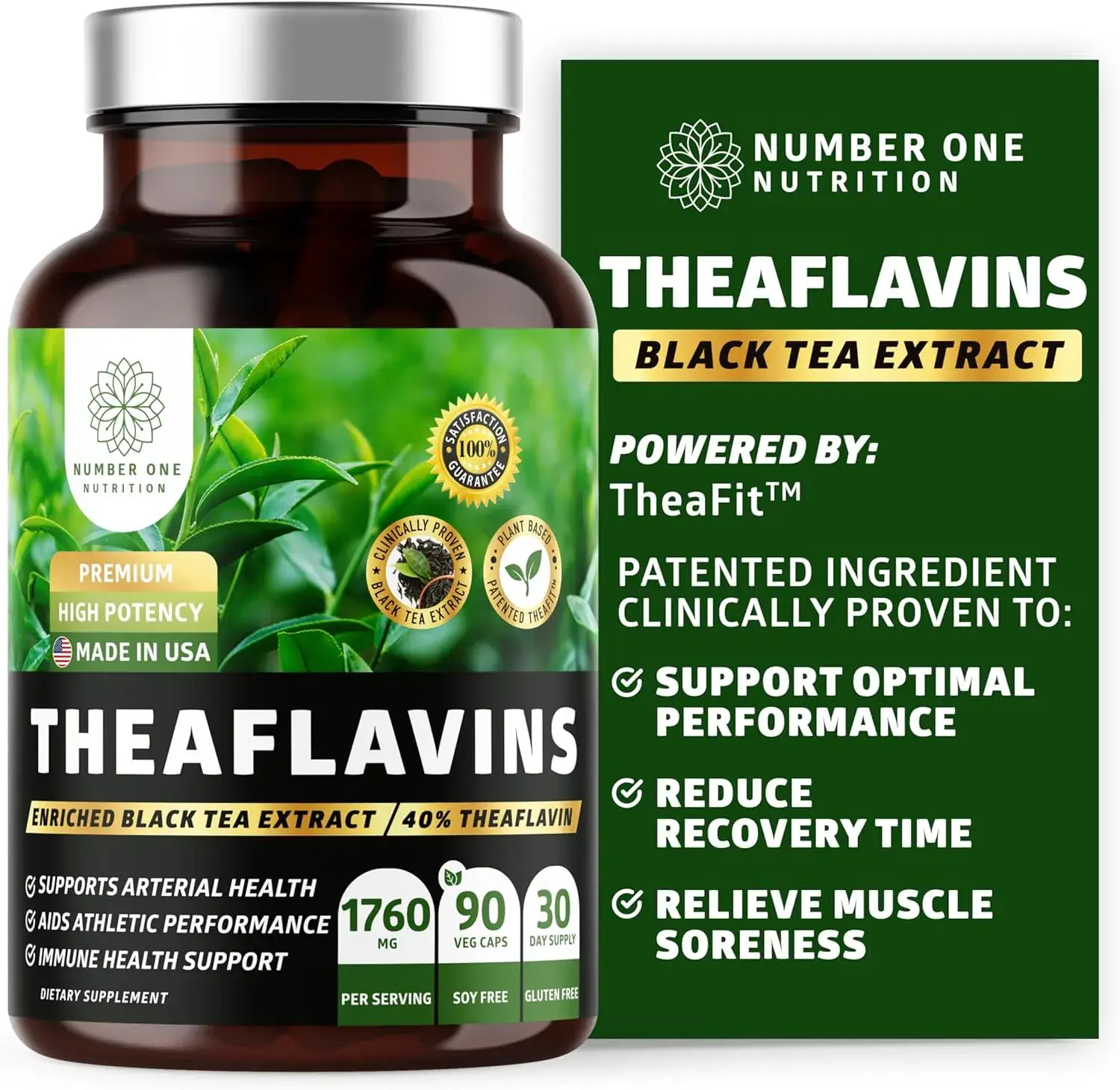
Black Tea Extract that is rich in natural theaflavins and polyphenols that help protect your body from free radicals, promoting overall immune health and well-being
Contains blended amounts of Fruits and Veggies. All natural, with whole foods, fruit and vegetable supplement.Perfect for everyone looking to live a healthier lifestyle.