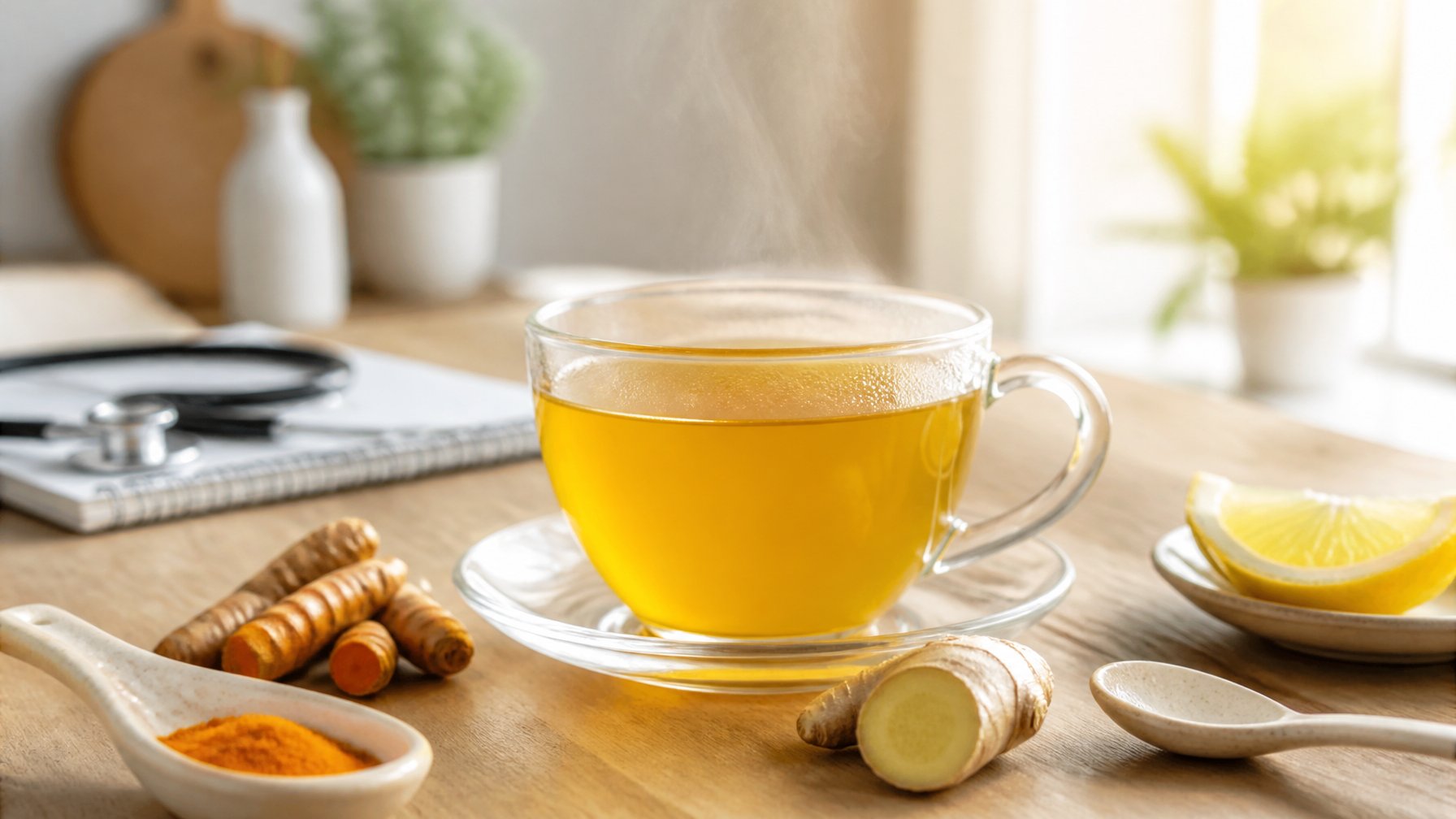
If you deal with heartburn, you have probably heard that turmeric tea can calm your stomach. The claim shows up everywhere, but the science behind it is thinner than most articles admit.
Turmeric tea may ease acid reflux symptoms for some people because curcumin, the active compound in turmeric, has anti-inflammatory and antioxidant properties, but the research is limited and it can make symptoms worse for others. Much of the support for turmeric comes from anecdotal reports rather than large clinical trials.
Whether it helps or hurts often comes down to the dose, the form, and your type of reflux. So, is turmeric tea good for acid reflux? Below, you will find what the studies actually show, how to test turmeric tea safely, who should skip it, and which options have stronger backing for managing GERD.
Key Takeaways
Research on turmeric tea for acid reflux is limited and mixed, so results vary from person to person.
Dose, form, and timing matter, and some people find turmeric triggers heartburn instead of soothing it.
Proven treatments and lifestyle changes should come first, and ongoing symptoms need a doctor’s evaluation.
What the Evidence Says About Turmeric Tea
Turmeric contains curcumin, a compound studied for its anti-inflammatory and antioxidant activity, but most of that research looks at conditions other than reflux. Human studies on turmeric tea and acid reflux are limited, so the honest answer sits somewhere between “may help a little” and “we don’t know yet.”
Potential Role of Curcumin in Reflux-Related Inflammation
Reflux is not only about stomach acid. When acid moves into the esophagus, it triggers inflammation and oxidative stress in the esophageal lining.
Curcumin and related curcuminoids can lower inflammatory signals in the body, and turmeric’s anti-inflammatory and antioxidant properties are the main reason researchers looked at it for digestive complaints.
Turmeric tea also delivers a fairly small dose of curcumin, and curcumin is poorly absorbed on its own. That means the amount reaching your digestive tract from a cup of tea is much lower than the amounts used in supplement studies.
Some people also find warm, non-acidic drinks easier on the stomach than coffee or citrus juice. That comfort effect is real, but it is not the same as treating reflux.
Why Turmeric Tea Is Not a Proven GERD Treatment
There is little scientific evidence that turmeric improves acid reflux symptoms in people. No large clinical trial has tested turmeric tea against a placebo for GERD.
A few points worth knowing:
Dose and form matter. Whether turmeric helps or irritates seems to depend on the dose, the form, and your type of reflux.
It can bother some people. Turmeric may cause stomach upset or worsen symptoms in higher amounts.
It doesn’t replace treatment. Turmeric tea offers modest digestive support at best and is not a substitute for prescribed medication.
Turmeric also does not neutralize stomach acid the way an antacid does.
What Research Suggests About Esophageal Protection
Most of the promising findings come from lab and animal work. In animal models of reflux esophagitis, curcumin has reduced visible damage to the esophagus and lowered markers of inflammation.
That is an interesting idea, but animal results often do not carry over to people. Until human trials on turmeric for acid reflux exist, treat turmeric tea as a possible comfort drink, not a protective therapy for your esophageal lining.
How to Try Turmeric Tea More Safely
Small amounts of turmeric powder in warm water, sipped with food, cause fewer problems than strong brews or high-dose supplements. A few simple choices about ingredients, timing, and add-ins can lower your risk of a burning stomach.
Choosing Ingredients and Preparing a Mild Brew
Start with about 1/4 to 1/2 teaspoon of turmeric powder in one cup of hot water. That is a modest amount, and you can adjust later if you tolerate it well.
Keep the recipe short. Turmeric, water, and a little honey are enough for a first try.
Be careful with common add-ins if you have reflux:
Add-in
Why it matters for reflux
Ginger
May help nausea, but large amounts can burn
Peppermint or mint
Mint can relax the valve at the top of your stomach
Lemon
Adds acid to an already acidic situation
Chili or other spicy foods
Often triggers heartburn
Avoid mixing turmeric into coffee or other caffeinated beverages. Caffeine is a known reflux trigger for many people, so a caffeine-free herbal tea style brew is the safer starting point.
Black Pepper, Piperine, and Bioavailability
Curcumin, the active compound in turmeric, is poorly absorbed on its own. Piperine from black pepper can raise its bioavailability by a large margin, which is why many recipes include a pinch.
That boost cuts both ways. More absorption means a stronger effect, and black pepper itself can irritate the stomach lining and worsen heartburn in some people.
If reflux is your main concern, skip the pepper at first. Try turmeric alone for a week or two, then add a very small pinch if you want more effect.
Watch out for products marked “high absorption” or “enhanced.” These act more like supplements than a kitchen drink, and higher doses are more likely to cause burning or loose stools.
Timing, Portion Size, and Symptom Tracking
Stick to one or two cups a day. That range is safe for most people, while heavier use raises the odds of stomach upset.
Drink it with or after a meal, not on an empty stomach. Turmeric on an empty stomach is a common cause of nausea.
Avoid a cup within two to three hours of lying down. Reflux gets worse when you are flat.
Any burning, sour taste, or nausea, and when it started
If symptoms get worse instead of better, stop and talk to your doctor. Frequent heartburn can point to a condition that needs proper treatment rather than a home remedy.
Turmeric can also interact with blood thinners and some diabetes medicines, so check with a pharmacist if you take daily prescriptions.
Turmeric tea has little research behind it for reflux, but several other approaches do have solid support. Medications, trigger tracking, and daily habit changes all have measurable effects on symptoms.
When Antacids, H2 Blockers, and PPIs May Help
Three drug classes treat reflux, and they work at different speeds.
Antacids like calcium carbonate neutralize acid already in your stomach. They work in minutes but wear off in an hour or two, so they suit occasional heartburn.
H2 blockers such as famotidine reduce acid production. They take 30 to 60 minutes to start and last about 8 to 12 hours.
Proton pump inhibitors (PPIs) like omeprazole and esomeprazole block acid at the source. They are the strongest option, but they may take a few days to reach full effect. PPIs are usually taken 30 to 60 minutes before breakfast.
Long-term PPI use should be reviewed by your doctor. Ask before combining turmeric supplements with any of these, since turmeric may interact with medications and can thin the blood.
Food and Drink Triggers to Identify
Triggers vary from person to person, so a two-week food and symptom diary is more useful than a blanket elimination diet.
Common culprits include:
Category
Examples
Fatty foods
Fried food, cream sauces, full-fat dairy
Spicy foods
Chili, hot sauce, curry blends
Acidic foods
Tomatoes, tomato sauce, citrus fruits
Beverages
Coffee, black tea, other caffeinated beverages, alcoholic drinks, carbonated drinks
Other
Chocolate, mint and peppermint, onions, garlic
Chocolate, mint, and alcohol can relax the lower esophageal sphincter, the muscle that keeps stomach contents down. Caffeine and fat may slow stomach emptying.
Keep in mind that turmeric tea is still a warm drink, and some people find turmeric worsens their reflux rather than helping it.
Lifestyle Measures That Reduce Reflux
These changes are low-risk and often make a noticeable difference:
Eat smaller meals and avoid lying down for three hours after eating.
Raise the head of your bed 6 to 8 inches, or use a wedge pillow. Extra pillows under your head alone do not help much.
Lose weight if you carry extra around your middle. Abdominal pressure pushes acid upward.
Stop smoking. Nicotine weakens the lower esophageal sphincter and reduces saliva, which normally helps clear acid.
Loosen tight waistbands and belts.
Choose moderate exercise such as walking or cycling. Intense core work, heavy lifting, and running can trigger symptoms in some people.
Sleeping on your left side may reduce nighttime reflux for some people.
Other Herbal Drinks and When to Seek Medical Care
Turmeric tea is not the only warm drink that may help with reflux, and some herbs are gentler on the esophagus than others. A few carry real risks, and certain symptoms mean it is time to stop self-treating and call a doctor.
Herbal Tea Choices That May Be Better Tolerated
Most reflux-friendly teas are caffeine-free and low in acid. If turmeric bothers your stomach, these are common alternatives:
Chamomile tea – mild and often used before bed, when nighttime reflux tends to hit.
Ginger tea – ginger is one of the more studied natural remedies for acid reflux and GERD and may help the stomach empty faster.
Fennel tea – a traditional choice for gas and bloating.
Marshmallow root and slippery elm – both form a thick, slippery gel that may coat an irritated esophagus.
Plain water still matters most. Sipping it between meals helps clear acid from the esophagus without stretching your stomach.
Experts note that herbal teas work best alongside diet changes such as smaller meals and no late-night eating.
Herbs That Require Extra Caution
Not every “soothing” tea is safe long term.
Licorice tea is the biggest one to watch. Regular licorice root contains glycyrrhizin, which can raise blood pressure and lower potassium levels when used often or in large amounts. Look for deglycyrrhizinated licorice (DGL) instead, and skip it entirely if you take blood pressure or heart medication.
Peppermint and spearmint teas relax the muscle at the bottom of the esophagus, which can make reflux worse for some people.
Ginger is generally well tolerated, but high doses may thin the blood or cause heartburn on their own. Turmeric supplements can do the same, since there is limited evidence that turmeric eases reflux symptoms.
Always tell your doctor which herbs you use, especially if you take a blood thinner, diabetes medication, or a proton pump inhibitor.
Symptoms That Need Medical Evaluation
Tea does not treat damage to the esophagus. See a healthcare provider if you notice:
Symptom
Why it matters
Heartburn more than twice a week
May point to GERD (gastroesophageal reflux disease)
Trouble or pain when swallowing
Can signal esophagitis or narrowing
Vomiting blood or black stools
Possible bleeding; seek care right away
Unplanned weight loss
Needs prompt testing
Chronic cough, hoarseness, throat clearing
Common in LPR, or silent reflux
Chest pain with sweating or shortness of breath
Call emergency services; this can be a heart problem
If you already take reflux medication and still have symptoms, do not stop it and switch to tea. Untreated reflux esophagitis can lead to scarring and other changes in the esophagus that need real monitoring.
Turmeric tea affects people differently, and the results often depend on how much you drink, when you drink it, and what else is in your cup. Below are answers to the most common questions about using it for reflux.
Can turmeric tea help relieve acid reflux symptoms?
It might, but the evidence is limited. Curcumin, the active compound in turmeric, has anti-inflammatory properties that may calm irritation in the esophagus lining.
Still, there is little scientific evidence that turmeric eases acid reflux symptoms directly. Most studies looked at curcumin supplements, not tea.
Some people report that a warm, mild cup helps their stomach feel better. Others notice no change at all.
Can turmeric tea make acid reflux worse?
Yes, it can. Turmeric may help or worsen reflux depending on the dose and form you use, along with your specific reflux pattern.
Large amounts can irritate the stomach and trigger heartburn. Adding black pepper, ginger, or lemon may also bother sensitive stomachs.
If your symptoms get worse within an hour of drinking it, that is a sign to stop.
How do you make turmeric tea for acid reflux?
Keep it simple. A basic version works best if you have reflux:
Bring 1 cup of water to a boil, then lower the heat.
Add 1/4 to 1/2 teaspoon of ground turmeric or a few thin slices of fresh turmeric root.
Let it simmer for 5 to 10 minutes.
Strain if you used fresh root.
Skip the black pepper at first. It boosts curcumin absorption, but it can also irritate your esophagus.
A small splash of milk or a spoon of honey can soften the taste. Avoid citrus, mint, and strong spices, since these are common reflux triggers.
When is the best time to drink turmeric tea for reflux?
Try it between meals rather than right before bed. Lying down within two to three hours of drinking anything can push stomach contents back up.
Mid-morning or mid-afternoon tends to work well. Some people do better sipping it after a light meal instead of on an empty stomach.
Give each timing a few days before you judge the results.
How much turmeric tea should you drink for acid reflux?
There is no official amount for reflux. Start with one small cup a day and see how your body responds.
For comparison, supplement guidance often suggests starting with 250 to 500 mg of curcumin daily and adjusting slowly. A cup of tea contains far less curcumin than a capsule.
Drinking several strong cups a day raises your risk of stomach upset. More is not better here.
Who should avoid drinking turmeric tea?
Talk to your doctor before trying it if you:
Take blood thinners like warfarin, since turmeric may slow blood clotting
Have gallstones or a blocked bile duct
Have iron deficiency, because turmeric can reduce iron absorption
Are scheduled for surgery within two weeks
Are pregnant or breastfeeding and considering more than food amounts
You should also check in with a doctor if your reflux happens more than twice a week, or if you have trouble swallowing. Turmeric tea is not a replacement for treatment, and comparing it to antacids shows it works very differently than medication does.
So Is Turmeric Tea Good for Acid Reflux?
Turmeric tea may be worth trying in moderation if it does not trigger your symptoms, but it should not be considered a proven treatment for acid reflux or GERD. Because turmeric may worsen reflux for some people, pay attention to how your body responds and use evidence-based treatments when needed.
Black Tea Extract that is rich in natural theaflavins and polyphenols that help protect your body from free radicals, promoting overall immune health and well-being
Contains blended amounts of Fruits and Veggies. All natural, with whole foods, fruit and vegetable supplement.Perfect for everyone looking to live a healthier lifestyle.