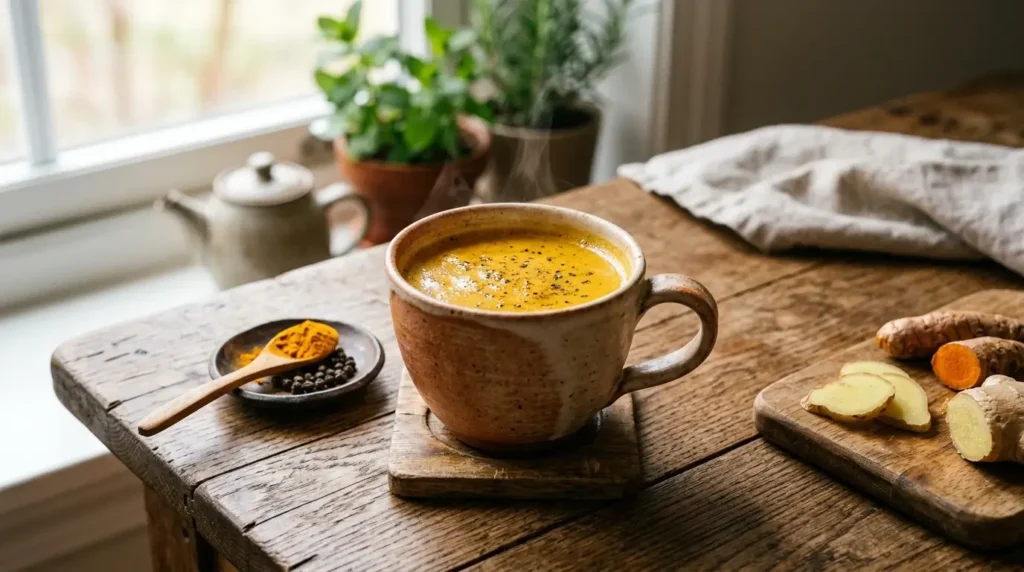
There’s a reason golden tea has been a staple in Ayurvedic and traditional Indian kitchens for centuries — it works. But if you’ve ever brewed a cup of turmeric tea and wondered whether you were actually absorbing any of its benefits, here’s the honest answer: without black pepper, you probably weren’t getting much.
This guide covers everything you need to know about making turmeric tea with black pepper — from the science explaining why this pairing is so powerful to a simple recipe you can brew in under ten minutes, plus variations to suit every taste.
Whether you’re exploring anti-inflammatory drinks for the first time or you’re a long-time wellness enthusiast looking to optimize your routine, this article has you covered.
Why Turmeric Tea with Black Pepper Is Worth Making
The Science Behind the Combination
Turmeric’s health-promoting power comes largely from a polyphenol compound called curcumin. It’s the compound responsible for that vivid golden color and the antioxidant and anti-inflammatory effects turmeric is celebrated for. The problem? Curcumin on its own is notoriously difficult for the body to absorb.
This is where black pepper steps in. Black pepper contains an alkaloid called piperine — the compound that gives it its sharp, pungent bite. Research has shown that when piperine is consumed alongside curcumin, it inhibits the liver enzymes responsible for breaking down and eliminating curcumin too quickly, effectively supercharging how much your body actually absorbs.
How significant is this effect? According to multiple peer-reviewed studies, combining piperine with curcumin can increase curcumin’s bioavailability by up to 2,000%. That’s not a typo. A small amount of black pepper — as little as 1/20th of a teaspoon — is enough to produce a meaningful boost in absorption.
What Makes This Tea Different from Regular Turmeric Tea
Plain turmeric tea does deliver some benefits, but the body clears curcumin very quickly when consumed alone — typically within an hour, with only modest levels reaching the bloodstream. Adding black pepper extends curcumin’s bioavailability window significantly, meaning more of the compound reaches your tissues and actually gets to work.
You can further enhance absorption by adding a small amount of healthy fat — such as coconut oil, a splash of full-fat milk, or a drizzle of olive oil. Curcumin is fat-soluble, meaning it can be absorbed more directly through the lymphatic system when consumed alongside fat, partially bypassing the liver’s rapid filtration process.
A Brief History of Turmeric in Wellness Culture
Turmeric has been used in Ayurvedic medicine for more than 4,000 years, primarily as an anti-inflammatory, digestive aid, and wound-healing agent. The practice of combining turmeric and black pepper in hot drinks is deeply rooted in Indian culinary tradition, where the two spices regularly appear together in chai blends, golden milk, and medicinal preparations.
In modern wellness culture, this ancient combination has been rediscovered and validated by contemporary nutrition research — making turmeric tea with black pepper one of the few traditional remedies that holds up under scientific scrutiny.
Health Benefits of Turmeric Tea with Black Pepper
Fights Inflammation Naturally
Chronic inflammation is increasingly recognized as a driver behind many common health issues, including joint pain, metabolic disease, and fatigue. Curcumin is one of the most studied natural anti-inflammatory compounds in the world, and it works by blocking several key molecular pathways that trigger and sustain inflammation in the body.
Drinking turmeric tea with black pepper regularly may offer a gentle, food-based approach to managing low-grade chronic inflammation — without the side effects associated with long-term NSAID use.
Supports Joint Health and Mobility
One of the most well-researched applications of curcumin is in joint health. Several clinical studies have explored its potential to reduce pain and stiffness in people with osteoarthritis, with some trials finding results comparable to over-the-counter anti-inflammatory medications.
This makes turmeric tea with black pepper a popular daily drink for people managing joint discomfort, especially older adults and active individuals who experience exercise-related muscle soreness.
Boosts Immunity and Antioxidant Defense
Curcumin is also a potent antioxidant — meaning it helps neutralize free radicals, the unstable molecules that contribute to cellular aging and oxidative stress. Beyond neutralizing free radicals directly, curcumin also stimulates the body’s own antioxidant enzyme systems, giving it a compounding protective effect.
Regular consumption of this tea during winter months or times of high stress may help support your immune system‘s baseline resilience.
May Aid Digestion and Gut Health
Both turmeric and black pepper have a long history of use as digestive aids. Piperine stimulates the production of digestive enzymes in the pancreas and can help ease bloating and sluggish digestion. Curcumin, meanwhile, has shown promise in supporting gut lining integrity and reducing inflammation in the digestive tract.
If you experience post-meal discomfort or mild digestive sluggishness, sipping turmeric tea with black pepper before or after meals may offer some relief.
Potential Support for Brain and Mood Health
Emerging research suggests curcumin may have neuroprotective properties, including the ability to cross the blood-brain barrier and influence neurotransmitter activity. Some studies have examined its potential to support mood regulation and reduce markers associated with cognitive decline, though this research is still developing.
While no cup of tea is a replacement for clinical treatment, incorporating anti-inflammatory, antioxidant-rich drinks into your lifestyle is a reasonable part of a brain-healthy routine.
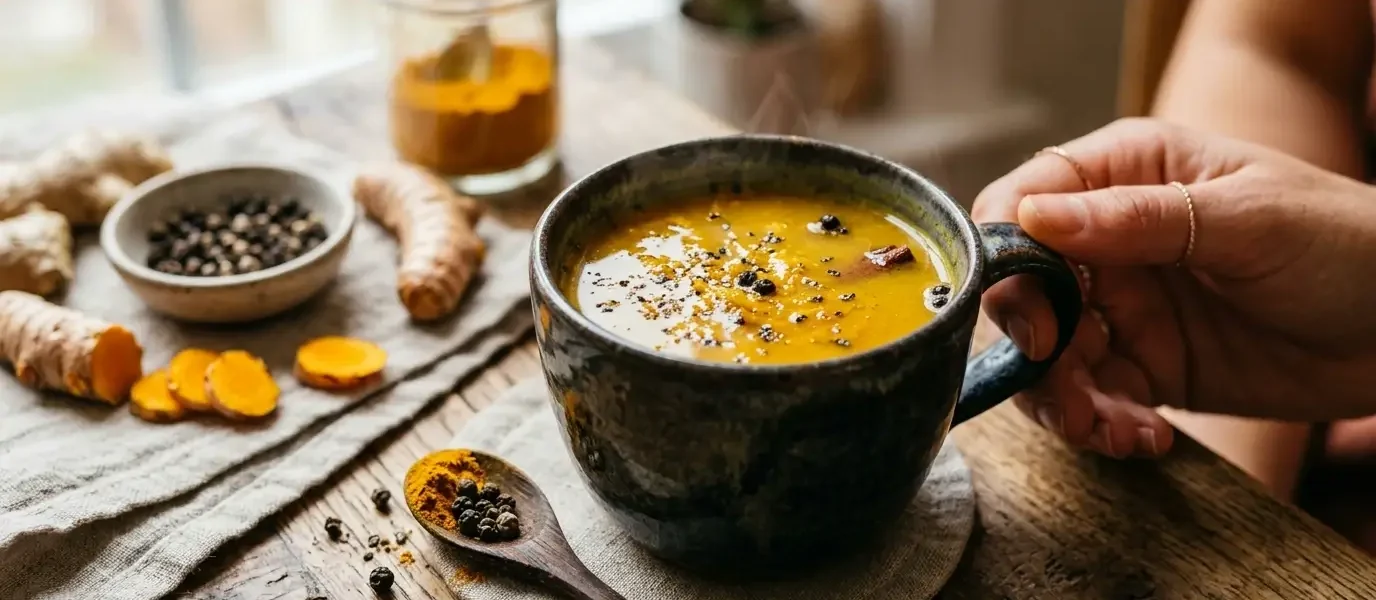
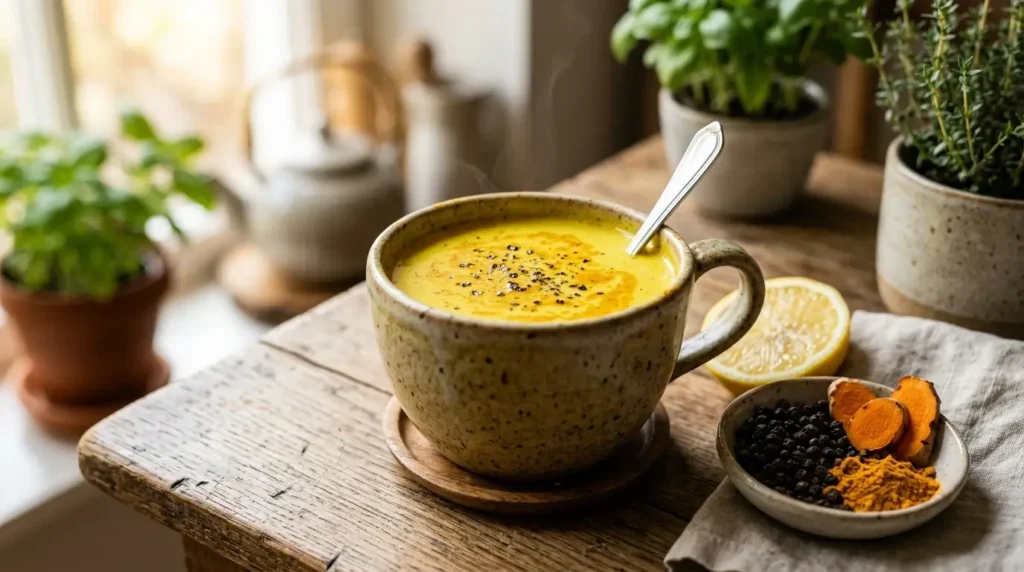
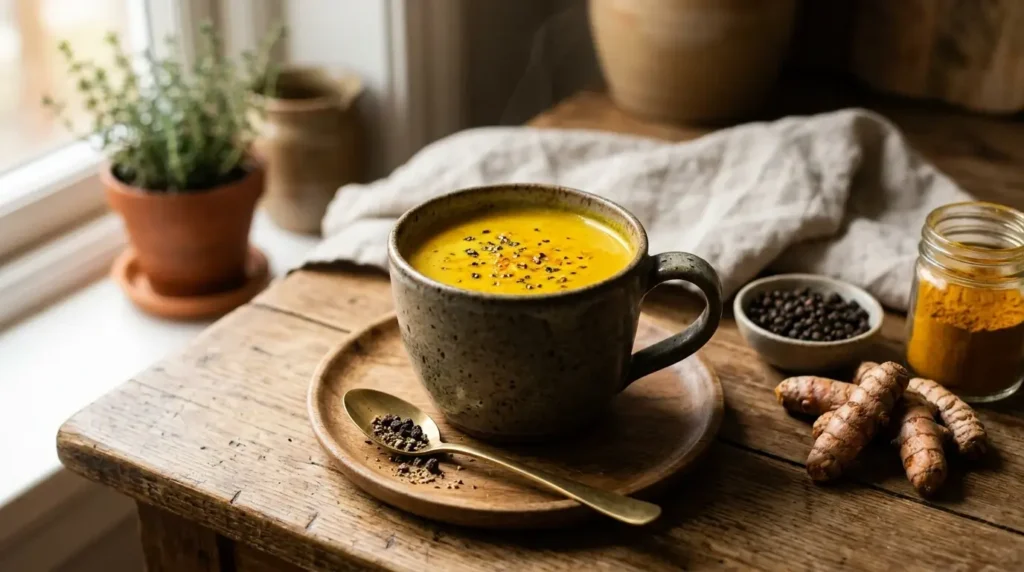
You only need a handful of pantry staples to get started. Here’s what you’ll need for one serving:
2 cups of water — filtered water gives the cleanest flavor
1 teaspoon of ground turmeric — or 1-inch piece of fresh turmeric root, grated
¼ teaspoon of black pepper — freshly cracked is ideal for maximum piperine content
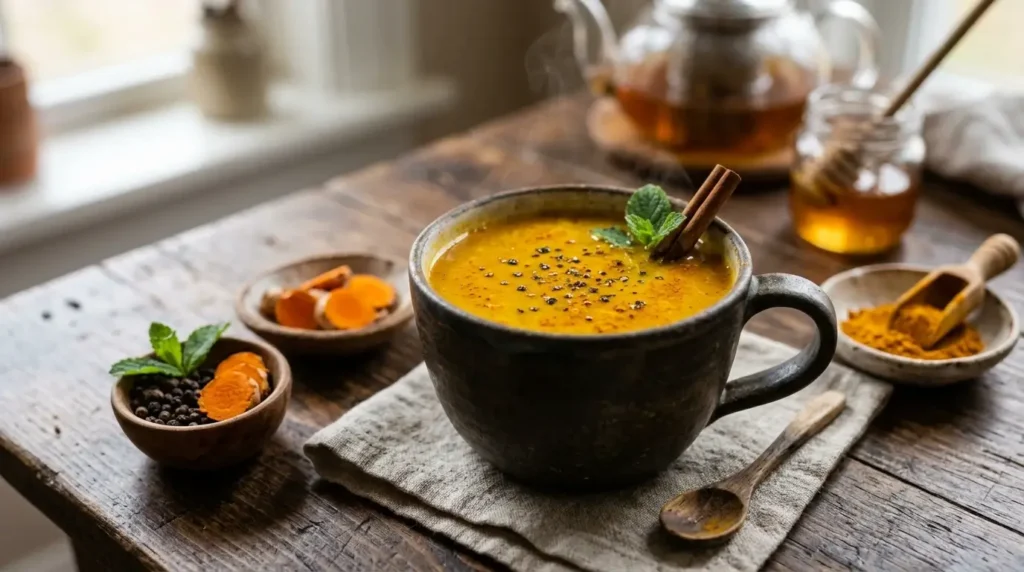
1 teaspoon of raw honey — to balance turmeric’s earthy bitterness (optional but recommended)
½ teaspoon of lemon juice — for brightness and an added vitamin C boost (optional)
Optional Add-Ins to Enhance Flavor and Benefits
These additions are entirely optional but can round out the flavor profile or add extra therapeutic value:
½ teaspoon of coconut oil or ghee — increases fat-soluble curcumin absorption
½-inch piece of fresh ginger — adds warming spice and enhances anti-inflammatory properties
Pinch of cinnamon — a warming flavor that also supports blood sugar balance
A splash of full-fat oat milk or coconut milk — for a creamier, latte-style drink
Pinch of cayenne pepper — if you prefer a more intense warming sensation
Sourcing Quality Turmeric
The quality of your turmeric matters more than you might expect. Look for organic ground turmeric from a reputable brand — it should be a vivid, deep orange-yellow in color. Pale or dull-looking turmeric powder is often old or lower-quality and will taste flat.
If you have access to fresh turmeric root (available in many Asian grocery stores and some health food shops), it delivers an even brighter flavor and often a higher concentration of active compounds. Simply grate about an inch of the peeled root per serving.
For black pepper, buy whole peppercorns and crack them fresh if possible. Pre-ground black pepper loses piperine potency over time.
How to Make Turmeric Tea with Black Pepper (Basic Recipe)
Preparation Time and Yield
Prep time: 2 minutes
Cook time: 7–8 minutes
Total time: Under 10 minutes
Yield: 1–2 servings
Step-by-Step Instructions
Bring the water to a gentle simmer. Pour 2 cups of water into a small saucepan and place over medium heat. You want it simmering — not at a rolling boil, which can degrade some of turmeric’s volatile compounds.
Add the turmeric. Once the water is warm (not yet simmering), whisk in 1 teaspoon of ground turmeric or add your freshly grated turmeric root. Stir well to prevent clumping.
Simmer for 5–7 minutes. Reduce the heat to low and let the mixture simmer gently for 5 to 7 minutes. This steeping time allows the active compounds to fully infuse into the liquid and creates a richer, more potent tea.
Add black pepper. Remove from heat and stir in ¼ teaspoon of freshly cracked black pepper. Adding pepper after heat helps preserve the piperine. Stir thoroughly.
Add optional ingredients. If using coconut oil or ghee, stir it in now while the tea is still hot so it melts and emulsifies into the liquid. Add lemon juice at this stage if desired.
Strain and pour. If you used fresh turmeric root or whole peppercorns, strain the tea through a fine mesh sieve or cheesecloth into your mug.
Sweeten and serve. Stir in raw honey to taste. Don’t add honey while the tea is boiling — high heat destroys some of its beneficial enzymes. Once it’s poured and slightly cooled, add the honey, stir, and enjoy.
Tips for Getting the Best Brew
Don’t skip the black pepper — even ⅛ teaspoon makes a meaningful difference in curcumin absorption.
Use a whisk or small frother to prevent turmeric from settling or clumping at the bottom.
Avoid boiling aggressively — a gentle simmer is the sweet spot for extracting flavor without degrading nutrients.
Rinse your pot immediately — turmeric stains are notoriously stubborn. Hot water and dish soap right after brewing prevents permanent discoloration.
Make it in batches — you can brew a larger pot and refrigerate it for up to 3 days. Reheat gently before serving.
Add a ½-inch piece of freshly grated ginger alongside the turmeric when you begin simmering. Ginger’s active compound, gingerol, is itself a powerful anti-inflammatory and pairs beautifully with turmeric both in flavor and therapeutic profile. This variation is especially warming in winter months and works well when you feel a cold coming on.
Turmeric Tea with Coconut Milk
After straining your brewed tea, stir in ¼ cup of full-fat coconut milk. The result is a creamy, mildly tropical version that’s often compared to golden milk. The coconut fat also improves curcumin absorption, making this one of the most effective ways to drink your turmeric tea.
Iced Turmeric Black Pepper Tea
Brew a double-strength batch using the same recipe but with only 1 cup of water per serving. Allow it to cool completely, then pour over a glass of ice. Finish with a squeeze of lemon and a drizzle of honey. This makes a refreshing, anti-inflammatory summer drink that doesn’t sacrifice any of the health benefits.
Golden Milk Tea Latte Version
This is a popular café-style adaptation. Instead of water, use 1½ cups of your preferred plant-based milk (oat, almond, or coconut all work well). Warm the milk over medium-low heat, whisk in your spices, and froth it with a milk frother for a café-quality golden latte. Add a pinch of cardamom and cinnamon for a more complex spice profile.
Variation
Key Addition
Best For
Absorption Boost?
Classic Recipe
Water + turmeric + black pepper
Daily routine, simplicity
✅ Yes (pepper)
Ginger Variation
Fresh ginger root
Cold & flu season
✅ Yes (pepper + fat optional)
Coconut Milk Version
Full-fat coconut milk
Maximum absorption, creaminess
✅✅ Yes (pepper + fat)
Iced Version
Ice + lemon
Summer, post-workout
✅ Yes (pepper)
Golden Latte
Frothed plant milk + cardamom
Café-style treat
✅✅ Yes (pepper + fat)
Frequently Asked Questions About Turmeric Tea with Black Pepper
How much black pepper should I add to turmeric tea?
You don’t need much. Research indicates that as little as 1/20th of a teaspoon of black pepper is enough to significantly increase curcumin bioavailability. In practice, most recipes call for ¼ teaspoon per cup, which provides a noticeable (but not overwhelming) warmth and is well within a comfortable culinary range. Start with ⅛ teaspoon if you’re sensitive to pepper’s spiciness and adjust from there.
Can I drink turmeric tea with black pepper every day?
Yes, for most healthy adults, daily consumption of turmeric tea with black pepper at culinary doses (1 teaspoon of turmeric and ¼ teaspoon of pepper) is considered safe. Turmeric at food-based amounts has an excellent safety profile — the FDA recognizes it as “Generally Recognized as Safe” (GRAS). That said, if you’re pregnant, taking blood thinners, or managing a condition like gallstones, speak with your healthcare provider before making this a daily ritual, as high doses of turmeric may interact with certain medications.
Does black pepper actually help absorb turmeric?
Absolutely. This is one of the most well-supported claims in nutritional science surrounding herbal teas. Piperine — the active compound in black pepper — inhibits the liver and intestinal enzymes that metabolize curcumin before it can be absorbed into the bloodstream. Multiple peer-reviewed studies, including research published in peer-reviewed journals and cited by institutions like Johns Hopkins Medicine, consistently show up to 2,000% increases in curcumin bioavailability when black pepper is included.
What’s the best time to drink turmeric tea with black pepper?
Morning and evening are both popular options, depending on your goals. Drinking it in the morning on an empty stomach may help with absorption and sets an anti-inflammatory tone for the day. Many people prefer it in the evening as a calming, wind-down ritual — turmeric has mild relaxation properties and the warm liquid is naturally soothing before bed. If you’re drinking it for digestive benefits, try it 20–30 minutes before a meal.
Are there any side effects of turmeric tea with black pepper?
At typical culinary doses, side effects are rare. Some people report mild nausea or stomach discomfort when consuming turmeric on a completely empty stomach, especially in larger amounts. Black pepper can occasionally irritate the stomach lining in people with acid reflux or GERD. Turmeric can also temporarily stain teeth with repeated use — rinsing your mouth after drinking can help. At very high supplemental doses (far above what you’d get from tea), curcumin may interfere with iron absorption, blood clotting, or certain medications. Stick to culinary quantities in your tea and consult your doctor if you have specific health concerns.
Can I use turmeric powder instead of fresh turmeric?
Yes — and for most people, turmeric powder is the more practical and readily available option. Ground turmeric powder works excellently in this recipe and produces a smooth, consistent flavor. Fresh turmeric root offers a slightly brighter, more vibrant taste and a higher moisture content, which some people prefer. If using fresh root, grate approximately one inch of peeled root per cup as a substitute for one teaspoon of ground turmeric. Both forms provide curcumin, and both benefit equally from the addition of black pepper.
Final Thoughts
Making turmeric tea with black pepper is one of the simplest, most evidence-backed things you can do for your daily wellness routine. The combination is affordable, takes less than ten minutes to prepare, and delivers real, measurable benefits — particularly when it comes to reducing inflammation and giving your body an antioxidant boost.
The science is clear: curcumin without black pepper is largely wasted. With just a small pinch of freshly cracked pepper, you unlock the full potential of turmeric’s most powerful compound. Add a healthy fat like coconut oil or a splash of oat milk and you’ve built a genuinely functional wellness drink from scratch.
Start with the basic recipe and see how your body responds. Experiment with the ginger variation, try it iced in summer, or treat yourself to a golden latte on a slow Sunday morning. However you choose to enjoy it, this golden cup has earned its reputation — one well-researched sip at a time.
Looking to explore more herbal tea recipes with science-backed benefits? Browse our wellness tea guide for more inspiration on building a healthy daily ritual.
Black Tea Extract that is rich in natural theaflavins and polyphenols that help protect your body from free radicals, promoting overall immune health and well-being
Contains blended amounts of Fruits and Veggies. All natural, with whole foods, fruit and vegetable supplement.Perfect for everyone looking to live a healthier lifestyle.