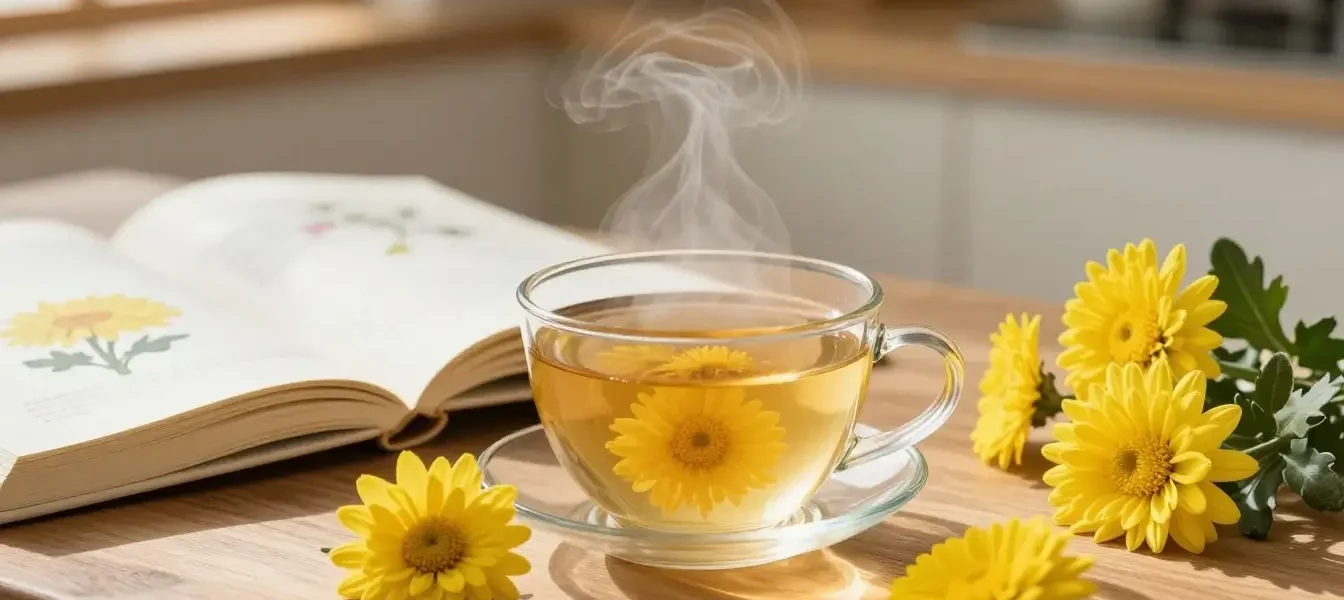
Ever thought a simple floral tea could change your morning routine? In the U.S., more people are trying golden petals for a calm, caffeine-free start. This ancient practice does more than smell nice; it gently supports your body.
Many wonder, can you drink chrysanthemum tea everyday and actually feel the difference? Looking into chrysanthemum tea benefits shows it might help with staying hydrated and managing stress. Drinking this tea daily is a thoughtful way to improve your overall health.
Key Takeaways
Chrysanthemum infusions offer a natural, caffeine-free alternative for daily hydration.
Regular consumption supports a calm and balanced physiological state.
Floral brews are deeply rooted in traditional wellness practices.
Adding this ritual helps foster a mindful approach to your health.
Consistent intake may provide subtle, long-term improvements to your well-being.
The Cultural and Historical Significance of Chrysanthemum Tea
Did you know your favorite floral tea has a history over a thousand years old? This golden drink has moved from ancient times to today’s kitchens. It shows that floral tea benefits are always valuable.
Traditional Chinese Medicine Roots
For over a thousand years, traditional herbal medicine has used these dried flowers. They believed the tea could balance the body’s energy, or “qi.”
This tea cools the body and clears heat. It became key for keeping energy up. Today, many use it to find balance inside.
Evolution into a Modern Wellness Beverage
This tea’s journey from a special remedy to a worldwide favorite is amazing. As more look for natural wellness tips, its popularity grows in the U.S.
It’s now a modern drink that fits into our fast lives. Enjoying it for its taste or history connects you to a long tradition. It lets you embrace floral tea benefits and natural wellness tips today.
Can You Drink Chrysanthemum Tea Everyday Safely?
Thinking about making chrysanthemum tea a regular part of your diet? You might wonder about its safety. Many people love its light, floral taste in the morning or evening. Knowing how to add it to your routine helps you enjoy it while staying healthy.
Understanding Daily Consumption Limits
Wondering if you can drink chrysanthemum tea every day? The answer is mostly yes, if you drink it in moderation. Experts say one to two cups a day is safe for most adults. Drinking more might cause stomach problems or other minor issues for some.
It’s good to focus on daily tea consumption to let your body absorb the good stuff. Start with a small amount to see how you feel. Drinking it regularly is better than drinking a lot at once.
Factors Influencing Your Personal Tolerance
Remember, herbal tea safety depends on your body’s unique needs. Your metabolism, health, and how you react to plants matter a lot. What’s good for one person might not be the same for another.
If you’re allergic to plants in the daisy family, be extra careful. Always talk to a doctor before trying new herbs, if you’re on medication. Paying attention to how your body reacts helps you know if daily tea is right for you.
Did you know your favorite floral tea is full of nutrients and protective compounds? It’s not just about the smell. The chrysanthemum tea benefits go deep into your health. As a caffeine-free tea, it’s a great choice for staying hydrated all day.
Key Antioxidants and Flavonoids
The dried flowers in your tea are packed with good stuff. These antioxidants in tea fight off harmful stress in your body. They protect your cells and boost your energy.
Flavonoids like luteolin and apigenin are key. They help calm your body and keep you balanced. Drinking this tea is a natural way to get these benefits.
Essential Minerals Found in Dried Flowers
Tea also has important minerals that add to your daily nutrients. It’s not a replacement for a healthy diet, but it’s a great supplement. Here’s what makes this tea good for you:
Nutrient Category
Primary Compound
Health Contribution
Flavonoids
Luteolin
Cellular Protection
Minerals
Potassium
Fluid Balance
Trace Elements
Magnesium
Muscle Relaxation
Antioxidants
Chlorogenic Acid
Metabolic Support
Choosing this caffeine-free tea means you’re picking a drink that’s good for you. It’s full of minerals and antioxidants in tea. Every sip helps your health. Enjoying these chrysanthemum tea benefits is a simple way to care for your body.
Impact on Your Immune System and Inflammation
Your body fights off stress every day. Nature has a gentle way to help. Inflammation is a big problem in many health issues. It quietly messes with your energy.
Drinking soothing chrysanthemum tea helps your body stay in balance. It gives your system what it needs to stay healthy.
Natural Anti-Inflammatory Properties
The chrysanthemum plant’s dried flowers are full of good stuff. These compounds calm your body. This makes it a great tea for inflammation.
Drinking it often helps fight off oxidative stress. This stress can cause inflammation. It’s like having a plant-based friend for your health.
This tea doesn’t just hide symptoms. It works deep inside to calm you down. It’s a smart choice for staying healthy all year.
Supporting Your Body During Seasonal Changes
When the seasons change, your body might feel weak and tired. Keeping your immune system support strong is key. Chrysanthemum tea is a reliable friend during these times.
It helps you handle weather changes better. Here’s how this traditional tea helps your body all year.
Benefit Category
Primary Action
Seasonal Advantage
Inflammation Control
Reduces oxidative stress
Soothes seasonal discomfort
Immune Resilience
Boosts natural defenses
Protects during temperature shifts
Systemic Balance
Promotes internal calm
Maintains steady energy levels
Adding this floral tea to your diet is a smart health choice. It supports your immune system and fights inflammation. It’s a tasty way to keep your body balanced and strong, no matter the season.
In our fast-paced digital world, your eyes often bear the brunt of constant screen time. Whether you are working on a laptop or scrolling through your phone, the blue light and lack of blinking can lead to significant fatigue. Incorporating natural eye health tips into your routine may provide the relief you need to stay comfortable throughout the day.
Relieving Digital Eye Strain
Chrysanthemum tea is widely celebrated for its cooling properties. It is believed to help reduce the heat and inflammation associated with eye strain. When your eyes feel dry or irritated after hours of focus, a warm cup of this floral infusion can act as a gentle, soothing balm. Many users find that the ritual of drinking the tea encourages them to take a necessary break from their devices.
Beyond the tea itself, you can combine its consumption with other effective eye health tips. For instance, practicing the 20-20-20 rule—looking at something 20 feet away for 20 seconds every 20 minutes—works wonders when paired with hydration. This holistic approach helps maintain moisture and reduces the physical tension that builds up around your ocular muscles.
Traditional Perspectives on Vision Support
For centuries, practitioners of traditional herbalism have associated the chrysanthemum flower with clarity and brightness. It was often used to support those who spent long hours reading or performing complex tasks. By nourishing the body from within, this tea is thought to help maintain the natural vitality of your vision over time.
The following table outlines how simple daily habits can support your ocular comfort and long-term wellness:
Habit
Primary Benefit
Frequency
Chrysanthemum Tea
Cooling and soothing
Daily
20-20-20 Rule
Reduces muscle fatigue
Every 20 minutes
Proper Hydration
Maintains eye moisture
Throughout the day
Blue Light Filters
Limits digital strain
During screen use
Integrating these eye health tips into your lifestyle does not have to be complicated. By choosing natural support like chrysanthemum tea, you are taking a proactive step toward protecting your eyes in an increasingly digital environment. Remember that consistency is key to seeing the best results for your overall ocular well-being.
Managing Stress and Promoting Better Sleep
Looking for a natural stress reliever? Chrysanthemum tea might be your new go-to. Many seek stress relief drinks to escape daily stress. This tea offers a calming experience, helping you unwind after a busy day.
The Calming Effects of Floral Aromatherapy
Relaxation starts when you pour hot water over the dried buds. The sweet fragrance fills the room, signaling it’s time to relax. This floral aromatherapy tells your brain to slow down and release tension.
Inhaling the flower scent can lower your heart rate and calm your nerves. It’s a simple way to ground yourself after a long day. By focusing on the aroma, you create a mindful pause that clears your mind.
Incorporating Tea into Your Evening Routine
Having a consistent bedtime routine is key for good sleep. Drinking a warm cup of this herbal infusion is a great sleep aid tea to help you wind down. The ritual of brewing the tea encourages you to disconnect from screens and focus on your well-being.
Sipping this tea thirty minutes before bed can signal to your body that it’s time to rest. It’s a caffeine-free drink that keeps you hydrated without interrupting your sleep. Consider how this tea fits into your evening routine compared to other relaxation methods.
Method
Primary Benefit
Ease of Use
Chrysanthemum Tea
Calming Aromatherapy
High
Meditation
Mental Clarity
Medium
Reading a Book
Stress Reduction
High
Warm Bath
Muscle Relaxation
Low
By making this tea a part of your evening, you give your body the comfort it needs to sleep well. It’s a small, intentional choice that greatly benefits your mental health.
Did you know a simple cup of floral tea can help your heart? It’s not just tasty; it’s packed with good stuff for your body. Drinking it regularly is a natural way to boost your health.
Supporting Healthy Blood Pressure Levels
This tea might help with blood pressure management. It has flavonoids that make your blood vessels relax. This means your heart doesn’t have to work as hard.
It’s a great addition to a healthy heart lifestyle. Drinking it can make you feel calm, which is good for your heart.
Metabolic Health and Blood Sugar Regulation
This tea also supports your metabolic health. It helps your body handle sugar better. This keeps your blood sugar levels stable.
Staying energetic is key to feeling good all day. Drinking this tea gives you antioxidants that protect your cells. It’s a simple way to keep your body healthy.
Precautions and Possible Side Effects to Watch Out For
Before you make this tea a regular part of your day, think about a few important safety tips. Many people enjoy it without problems, but it’s wise to keep an eye on herbal tea safety. Knowing how your body reacts to new foods helps you enjoy your tea without worry.
Allergic Reactions and Plant Sensitivities
People with allergies to plants in the Asteraceae family should be cautious. This group includes common allergens like ragweed and chrysanthemums. If you have allergies, start with a small amount to watch for any bad reactions.
Look out for these signs of a reaction after trying it a few times:
Skin rashes or hives
Itching or swelling of the throat
Watery eyes or sneezing
Digestive discomfort
“True wellness is not just about what you consume, but about understanding how your unique body interacts with the natural world around you.”— Anonymous
Interactions with Medications and Supplements
Natural ingredients can affect how your body handles other substances. If you’re on medications or supplements, talk to your doctor before drinking this tea every day. This is key if you’re managing blood pressure or blood sugar.
Ignoring chrysanthemum tea side effects could cause problems, like if you’re on blood thinners. Your doctor can give advice based on your health history. Being informed and careful keeps your wellness journey safe and effective for you.
Best Practices for Brewing and Sourcing Quality Tea
Improving your tea time is easy by focusing on quality and preparation. A great cup of tea needs more than just hot water. It’s about understanding the plant’s delicate nature.
Selecting High-Quality Dried Chrysanthemum Buds
When buying dried flowers, choose buds with a bright, natural color. They should look whole, not crushed or dusty. A good sign of freshness is a pleasant, floral smell.
Stay away from buds that are dull, brown, or too brittle. These may not have the oils that give tea its flavor. Keep them in an airtight container, away from sunlight. This keeps them fresh. Buying the best ingredients is key to making great brewing chrysanthemum tea.
Optimal Brewing Temperatures and Steeping Times
For a smooth tea, use water that’s not boiling. Boiling water can burn the petals and make the tea bitter. Aim for water between 175°F to 185°F.
Steep the flowers for three to five minutes to get the most benefits. For a stronger tea, add more buds, not more time. This careful method ensures a clean, floral taste in every sip.
Enhancing Flavor with Natural Additives
You can make your tea your own by adding natural ingredients. A bit of raw honey adds sweetness and balances the tea’s earthiness. Dried goji berries add a fruity taste and extra nutrients.
Trying different additives lets you customize your herbal tea preparation to your taste. Enjoy it hot in the morning or chilled in the afternoon. These small changes make brewing chrysanthemum tea a personal experience.
Adding chrysanthemum tea to your daily routine is a gentle way to support your body. This ancient practice connects historical wisdom with your modern wellness goals. By choosing quality buds and mastering brewing, you create a ritual that nourishes you.
Building healthy tea habits takes consistency and mindfulness. Listening to your body and adjusting your intake is key. Small changes in what you drink can make a big difference in how you feel.
Your path to better health is personal. We encourage you to explore chrysanthemum tea’s soothing properties as part of self-care. Developing these habits lets you enjoy calm moments while focusing on your long-term health. Sip slowly and appreciate the natural benefits in every cup.
FAQ
Can you safely drink chrysanthemum tea every day?
Yes, you can enjoy chrysanthemum tea daily. It’s a gentle, caffeine-free herbal infusion. It’s safe for regular use. Most people find one to two cups a day helpful. But, always watch your body’s reaction and talk to a doctor if needed.
Does chrysanthemum tea contain caffeine?
No, chrysanthemum tea is naturally caffeine-free. It’s made from dried flowers, unlike green or black teas. This makes it a great choice for drinking in the evening without affecting your sleep.
How does this tea help relieve digital eye strain?
Chrysanthemum tea is known in Traditional Chinese Medicine for its “cooling” properties. It’s believed to clear heat from the liver and support eye health. The antioxidants in the tea can soothe your eyes, helping with digital eye strain.
What are the primary antioxidants found in chrysanthemum tea?
Your cup has flavonoids and phenolic acids, powerful antioxidants. They fight oxidative stress and protect your cells. Using high-quality buds from brands like Traditional Medicinals ensures a rich nutritional profile.
Can chrysanthemum tea help you manage stress and sleep better?
Absolutely. The tea’s natural scent can lower stress levels quickly. Drinking it in the evening can help you relax and prepare for sleep.
Are there any side effects or allergies you should watch out for?
While safe for most, be cautious if allergic to the Asteraceae or Compositae family. This includes ragweed and sunflowers. If you experience skin rashes or respiratory issues, stop using it. Also, check with your doctor if you’re on prescription medications.
What is the best way to brew chrysanthemum tea for maximum benefit?
Use 3 to 5 dried Ju Hua buds in your mug. Pour hot water (about 190°F) over them. Let it steep for 3 to 5 minutes. Adding goji berries or honey can enhance flavor and health benefits.
How does the tea impact your cardiovascular and metabolic health?
Studies show it may help support healthy blood pressure levels. It may also help with blood sugar regulation and metabolic health. It’s a heart-healthy choice for your daily diet.
Black Tea Extract that is rich in natural theaflavins and polyphenols that help protect your body from free radicals, promoting overall immune health and well-being
Contains blended amounts of Fruits and Veggies. All natural, with whole foods, fruit and vegetable supplement.Perfect for everyone looking to live a healthier lifestyle.