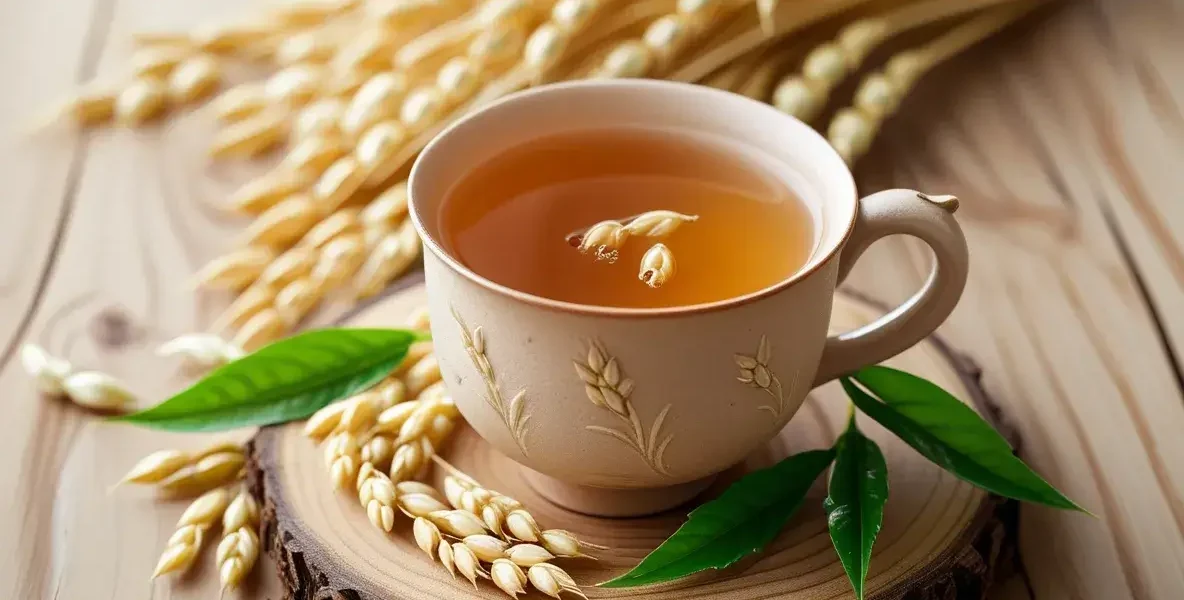
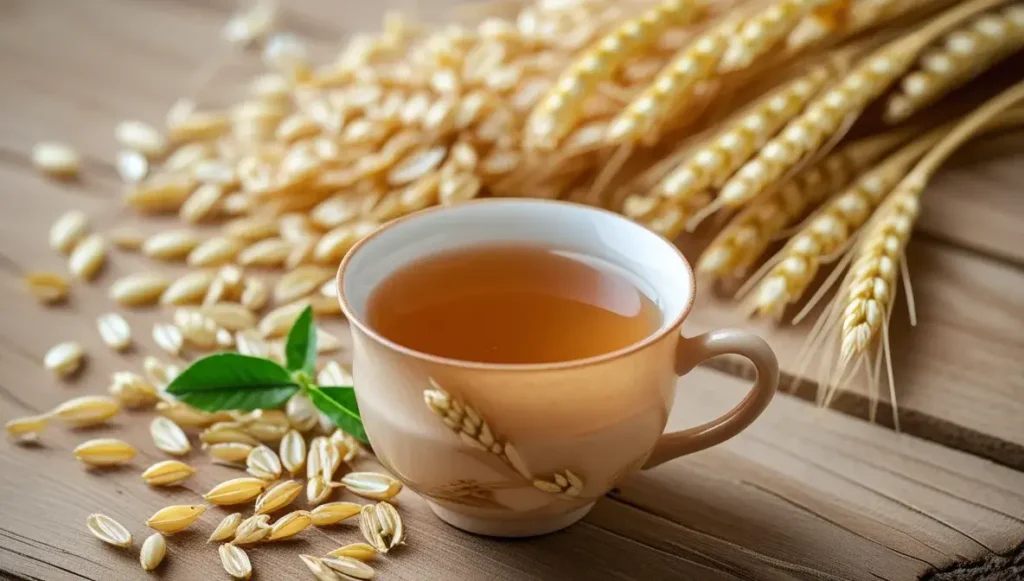
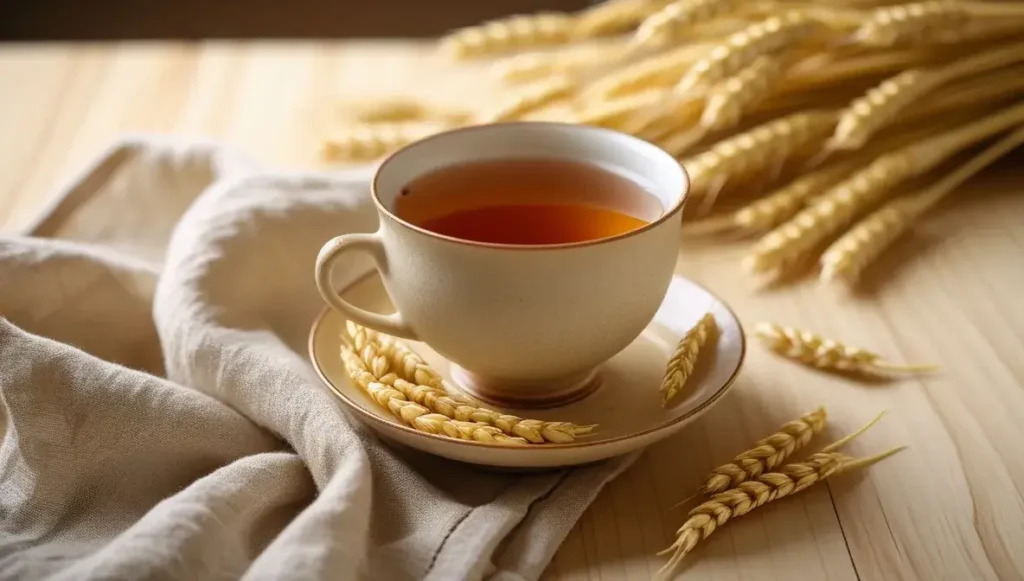
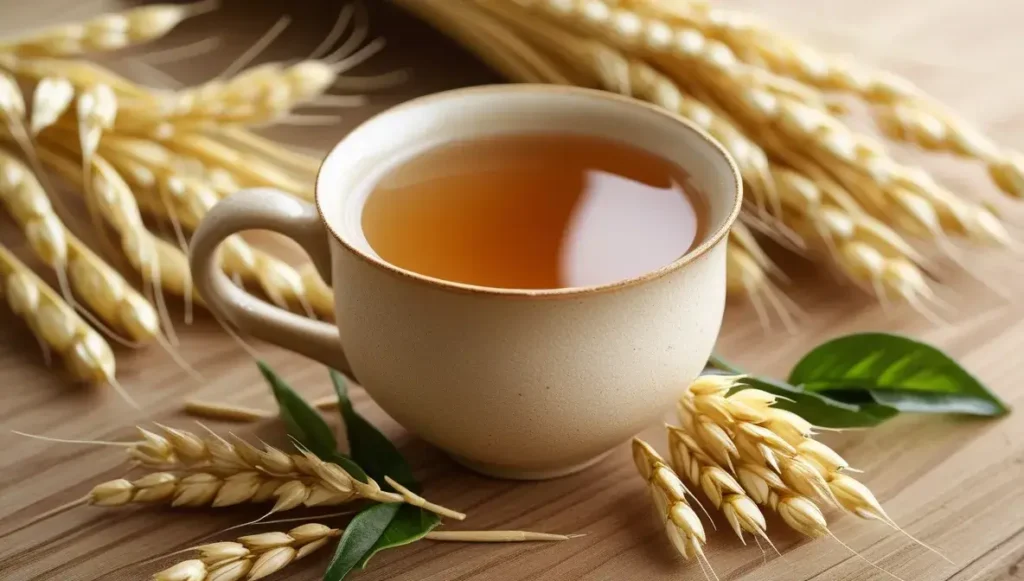
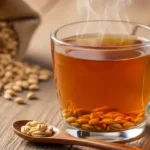
So, you’re wondering: does barley tea help you lose weight or is it just another health trend? It’s a pretty common question, especially with all the wellness fads out there. Barley tea, or ‘boricha’ as it’s known in Korea, is made from roasted barley grains and has been a popular drink in Asia for ages. People often talk about its health perks, including supporting weight management. But does it really live up to the hype? Let’s break down what we know about whether barley tea helps you lose weight.
While rich in antioxidants like quercetin, the direct impact of barley tea on metabolism and fat burning is not strongly supported by scientific research.
The fiber content in whole grain barley is beneficial for satiety, but most of this fiber is not present in the brewed tea.
Anecdotal evidence suggests barley tea may aid weight loss by promoting fullness and replacing high-calorie beverages, but robust scientific studies are limited.
Individuals with gluten sensitivity or celiac disease should avoid barley tea due to its gluten content, and moderation is advised as part of a balanced diet.
Understanding Barley Tea’s Role in Weight Management
So, you’re wondering if barley tea can actually help you shed some pounds? It’s a question a lot of people have, especially when looking for natural ways to lose weight with tea. Let’s break down how this popular drink might fit into a weight management plan.
Barley Tea: A Low-Calorie Beverage Alternative
First off, barley tea is pretty much calorie-free. That’s a big deal when you’re trying to cut down on calories. Think about it: if you’re used to sipping on sugary sodas or juices, switching to barley tea is a smart move. It’s a flavorful way to stay hydrated without all the extra sugar and calories that can really pack on the pounds. It’s a much better choice than those high-calorie drinks, and it’s definitely one of the best teas for weight management if you’re looking to replace them. Just be mindful of what you add to it – keeping it plain is key for those barley tea weight loss benefits.
The Impact of Antioxidants on Metabolism
Barley tea is packed with antioxidants. These aren’t just buzzwords; they’re compounds that help your body fight off damage. Some of these antioxidants, like chlorogenic and vanillic acids, are thought to potentially give your metabolism a little nudge. A faster metabolism means your body might burn more fat at rest. So, while it’s not a magic bullet, the antioxidants in barley tea could play a role in how your body processes energy, potentially aiding in drinking barley tea for fat burning. It’s interesting to think about how barley tea impacts metabolism in this way.
Fiber Content and Satiety
Now, here’s where things get a bit nuanced. Whole grain barley itself is a great source of fiber, which is fantastic for making you feel full longer and controlling your appetite. This feeling of fullness can help prevent overeating and snacking, which is definitely beneficial for weight loss. However, when barley is brewed into tea, most of that beneficial fiber doesn’t actually make it into your cup. So, while the tea itself is low-calorie and hydrating, the significant fiber benefits you get from eating whole barley grains aren’t really present.
It’s more about replacing other drinks and the potential metabolic effects of the antioxidants than the fiber content directly contributing to satiety from the tea itself. Still, feeling satisfied is a big part of managing your weight, and if drinking barley tea helps you avoid less healthy options, that’s a win.
Exploring the Nutritional Profile of Barley Tea
So, what exactly is in this popular Asian beverage? When we talk about barley tea, it’s important to remember it’s not technically a ‘tea’ in the traditional sense, like green or black tea. Instead, it’s what’s called a tisane, made from roasted barley grains steeped in water. This means it doesn’t come from the tea plant at all.
Caffeine-Free Nature of Barley Tea
One of the most appealing aspects for many people is that barley tea is completely caffeine-free. This makes it a great choice if you’re sensitive to caffeine or just want something refreshing to sip on any time of day or night without worrying about jitters or sleep disruption. It’s basically flavored water, but in a good way!
Vitamins, Minerals, and Amino Acids
While the whole barley grain is packed with nutrients, the amount that actually transfers into the brewed tea is quite small. Think of it like this: you’re getting the essence, not the whole package. However, some sources suggest it might contain trace amounts of vitamins like A and C, along with various amino acids. These are present in such low quantities that they likely don’t have a significant impact on your overall health, but it’s still interesting to know what’s in there.
Antioxidant Compounds in Barley Tea
Barley tea does contain some beneficial compounds, particularly antioxidants. These are the same types of things found in other healthy foods and drinks that help your body fight off damage from unstable molecules called free radicals. Some research points to specific phenolic compounds in barley tea, like quercetin, which are known for their protective qualities. While the quantities might not be as high as in some other antioxidant-rich beverages, they are still a positive aspect of this drink.
Here’s a quick look at what you might find (or not find) in a typical cup:
Nutrient
Content in Barley Tea
Calories
Very low / 0
Carbohydrates
Very low / 0
Fiber
Very low / 0
Sugar
0 (unless added)
Protein
Very low / 0
Fat
0
Caffeine
0
It’s worth noting that while the barley grain itself is a powerhouse of fiber and nutrients, the brewing process for barley tea, where the roasted grains are strained out, means most of these beneficial components stay behind with the grains. The tea is essentially flavored water, with the primary benefits coming from its hydrating properties and the presence of some antioxidants.
So, how exactly might barley tea lend a hand in your weight loss journey? It’s not magic, but there are a few ways it could help.
How Barley Tea May Aid Weight Loss
Barley tea is pretty much calorie-free, which is a big plus. Think about it – swapping out those sugary sodas or fancy coffee drinks for a warm cup of barley tea can really cut down on your daily calorie intake. It’s a simple switch, but it adds up.
Plus, some research suggests that the compounds in barley, like certain antioxidants, might give your metabolism a little nudge. A faster metabolism means your body burns more calories, even when you’re just sitting around. It’s not a miracle cure, but every little bit helps, right?
Replacing Sugary Drinks with Barley Tea
This is probably the most straightforward benefit. Many of us consume a lot of extra calories from drinks without even realizing it. Sugary sodas, sweetened juices, and even some specialty teas can be loaded with sugar and calories. Barley tea, on the other hand, is a naturally low-calorie beverage. By choosing barley tea instead of these high-calorie options, you’re directly reducing your sugar and calorie intake. This can lead to a calorie deficit, which is key for weight loss.
It’s a simple substitution that can make a noticeable difference over time. Instead of a midday soda, brew a cup of barley tea. It’s satisfying and won’t derail your efforts.
The Role of Antioxidants in Fat Burning
Barley tea contains antioxidants, and some studies hint that these compounds could play a role in fat burning. While the exact mechanisms are still being explored, the idea is that antioxidants might help your body process fats more efficiently or reduce inflammation, which can sometimes hinder weight loss. It’s thought that these antioxidants could potentially influence how your body stores and burns fat.
While more research is definitely needed to confirm these effects in humans, the presence of these beneficial compounds in barley tea is promising. It suggests that beyond just being a low-calorie drink, it might offer some metabolic advantages.
Here’s a quick look at what might be happening:
Metabolic Boost: Some antioxidants might help increase your metabolic rate.
Fat Oxidation: There’s a possibility that certain compounds could encourage your body to use fat for energy.
Reduced Inflammation: Chronic inflammation can sometimes slow down weight loss, and antioxidants are known for their anti-inflammatory properties.
Scientific Evidence and Traditional Beliefs
While barley tea has been a staple in many Asian cultures for ages, with folks believing it helps with everything from digestion to weight loss, the actual scientific backing for some of these claims is still pretty thin. It’s a bit of a mixed bag when you look at what studies have actually found.
Limited Research on Barley Tea Benefits
Honestly, when you start digging into the research specifically on barley tea and weight loss, you don’t find a ton of direct studies. Most of the ideas about it helping you shed pounds come from general knowledge about drinking more fluids. Because barley tea is basically calorie-free, swapping out sugary drinks for it could definitely help reduce your overall calorie intake. That’s a pretty straightforward way to support weight management, but it’s not unique to barley tea itself. It’s more about what you’re not drinking.
Anecdotal Evidence vs. Scientific Studies
There’s a lot of talk about barley tea having antioxidants, which is true. Roasting the barley seems to boost these compounds. Some studies suggest that antioxidants can help with metabolism and even fat burning, but again, the research directly linking barley tea consumption to significant weight loss in humans is limited. Much of what we hear is based on traditional use and personal experiences, which are great, but they aren’t the same as solid scientific proof. It’s like hearing your neighbor lost weight drinking it – that’s anecdotal, not a clinical trial.
Benefits Derived from Whole Grain Barley
It’s important to remember that barley itself, the whole grain, is packed with fiber and nutrients. These are well-known to be good for overall health and can contribute to feeling full, which indirectly helps with weight management. However, when barley is brewed into tea, much of that fiber doesn’t make it into your cup. So, while the barley grain is beneficial, the tea might not offer the same level of fiber-related advantages. Think of it this way: eating oatmeal is different from drinking the water it was boiled in, even though they come from the same source.
So, you’re thinking about adding barley tea to your daily routine, maybe to help with that weight management goal or just for a change of pace from your usual drinks. That’s a good move. It’s pretty straightforward to make, and honestly, it’s a nice, comforting drink.
How to Prepare Barley Tea at Home
Making barley tea at home is really simple. You’ll need roasted barley grains – you can usually find these at Asian markets or online. The basic idea is to boil the barley in water.
Here’s a simple way to do it:
Rinse the barley: Give about two tablespoons of roasted barley grains a quick rinse under cold water.
Boil: Put the rinsed barley in a pot with about eight cups of water. Bring it to a boil, then lower the heat and let it simmer for about 15 to 20 minutes. You can simmer it longer if you want a stronger flavor.
Strain and cool: Strain out the barley grains. You can drink it hot right away, or let it cool down and chill it in the fridge for a refreshing cold drink.
The key is to use roasted barley for that characteristic toasty, nutty flavor.
Enjoying Barley Tea Plain or Flavored
Honestly, barley tea has a mild, toasty taste all on its own. It’s not sweet, which is part of why it’s a good choice if you’re watching your sugar intake. But if you like a little something extra, there are ways to jazz it up.
Citrus: A squeeze of fresh lemon or lime can add a nice brightness.
Sweeteners: If you need a touch of sweetness, a little bit of honey or a natural sweetener works well. Just don’t go overboard if weight management is your main goal.
Spices: For a warmer, more complex flavor, try adding a cinnamon stick or a few cardamom pods while it’s simmering.
Best Practices for Consuming Barley Tea
When you’re adding barley tea to your diet, think about how it fits with your overall eating habits. Since it’s caffeine-free, you can drink it any time of day without worrying about staying up late. Some people like to have a cup about 30 minutes before a meal, which might help with feeling full, thanks to the fiber content in the barley itself. However, remember that the fiber benefits are more pronounced when you eat whole barley grains. Still, replacing sugary drinks like soda or sweetened juices with barley tea is a definite win for cutting down on calories and sugar. It’s a simple swap that can make a difference.
While barley tea is generally safe and can be a healthy addition, it’s always a good idea to listen to your body. If you have specific health concerns, especially related to gluten or grain allergies, it’s best to check with a doctor before making it a regular part of your diet.
Potential Side Effects and Considerations
While barley tea is generally considered safe for most people, it’s always a good idea to be aware of potential issues before you start sipping on it regularly, especially if you’re trying to manage your weight. It’s not a magic bullet, and like anything, moderation is key.
Gluten Content and Celiac Disease
Barley itself is a grain that contains gluten. This means that if you have Celiac disease or a gluten sensitivity, you’ll want to steer clear of barley tea. Even though it’s a beverage, the gluten from the barley grains is still present. It’s a bummer if you have to avoid it, but better safe than sorry, right?
Allergies to Cereal Grains
Beyond gluten, some individuals might have broader allergies to cereal grains. If you know you react poorly to grains like wheat, rye, or oats, barley could also be a trigger. It’s always best to know your own body and what foods or grains cause you problems.
Pregnancy and Breastfeeding
There’s a caution for pregnant or breastfeeding individuals. Some sources suggest that barley might affect milk production or cause other complications. If you’re expecting or nursing, it’s really important to chat with your doctor before adding barley tea to your routine. They can give you the best advice based on your specific situation.
Acrylamide Content
Here’s something a bit unexpected: barley, when roasted and heated, can develop trace amounts of acrylamide. This is a chemical that forms in some foods during high-temperature cooking. While the levels in barley tea are generally very low and the link to cancer in humans isn’t clear, it’s something to be aware of. Roasting the barley darker and not steeping the tea for too long might help reduce these trace amounts. It’s a small detail, but worth mentioning if you’re concerned.
Moderation and Balanced Diet
Ultimately, barley tea is just one part of a bigger picture. Relying on it solely for weight loss isn’t the way to go. It’s best enjoyed as part of a balanced diet and healthy lifestyle. Think of it as a nice, low-calorie alternative to sugary drinks, rather than a weight-loss miracle worker.
Remember, even healthy beverages can have considerations. Always listen to your body and consult with a healthcare professional if you have any underlying health conditions or concerns before making significant changes to your diet.
Consideration
Potential Impact
Gluten Content
Unsuitable for Celiac disease or gluten sensitivity
Cereal Grain Allergies
May trigger reactions in those with grain allergies
Pregnancy/Breastfeeding
Potential impact on lactation; consult doctor
Acrylamide
Trace amounts formed during roasting; generally low
After looking into it, it seems barley tea can be a nice addition to a healthy lifestyle if you’re trying to shed a few pounds. It’s basically calorie-free, which is a big plus compared to sugary drinks. Plus, some of the stuff in it might help you feel fuller for longer, potentially cutting down on snacking. However, it’s not some magic potion.
The real benefits of barley, like its fiber, come from eating the whole grain, not just drinking the tea. So, while enjoying a cup of barley tea is a good choice, don’t expect it to do all the heavy lifting for weight loss on its own. Think of it as a helpful sidekick, not the main star of your weight loss journey.
Frequently Asked Questions
Is barley tea a good drink if I’m trying to lose weight?
Barley tea is a great choice because it has very few calories. It can be a good way to replace sugary drinks that add extra pounds. Just be mindful of adding too much sweetener yourself. The fiber in barley might also help you feel fuller for longer, which could mean eating less.
Does barley tea have caffeine?
No, barley tea does not contain any caffeine. It’s made from roasted barley grains, not from the tea plant like black or green tea. This makes it a good option for drinking any time of day.
What are the main health benefits of barley tea?
Barley tea is packed with antioxidants, which help protect your body from damage. Some people believe it can help with digestion, boost your immune system, and even help you sleep better due to compounds like melatonin and GABA. However, more scientific studies are needed to confirm many of these benefits.
How do I make barley tea at home?
You can easily make barley tea by boiling roasted barley grains in water for about 15-20 minutes. You can buy pre-roasted barley or roast it yourself until it’s lightly brown. After boiling, you can strain out the barley and drink the tea warm or chilled.
Are there any side effects or people who should avoid barley tea?
Barley tea is generally safe for most people. However, if you have celiac disease, a gluten sensitivity, or an allergy to grains, you should avoid it because barley contains gluten.
Is the fiber in barley tea good for weight loss?
While whole barley grains are high in fiber, most of that fiber doesn’t end up in the tea. So, while barley tea itself is low in calories and can help you drink more fluids, the main fiber benefits you get from barley come from eating the grain itself, not drinking the tea.
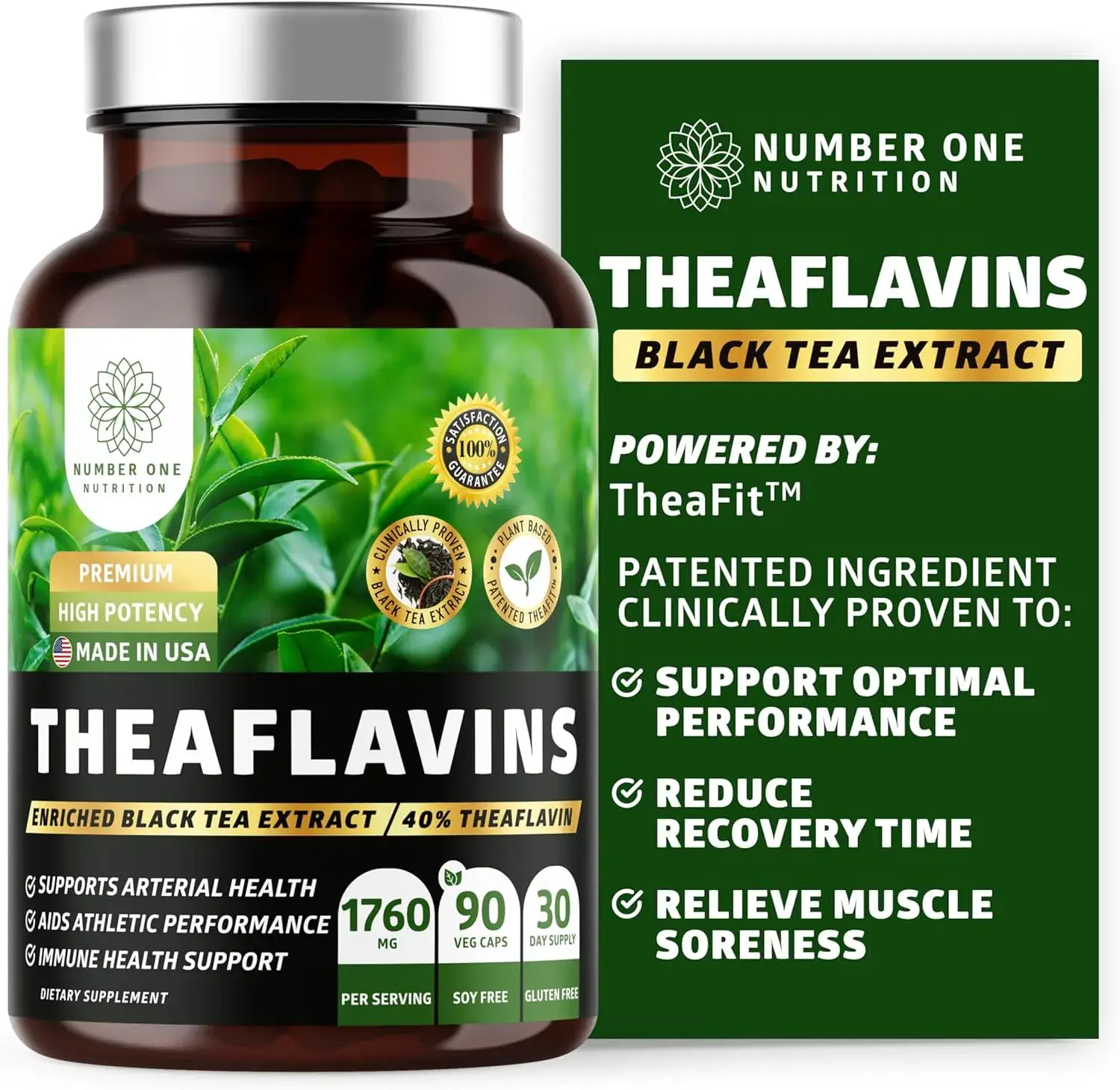
Black Tea Extract that is rich in natural theaflavins and polyphenols that help protect your body from free radicals, promoting overall immune health and well-being
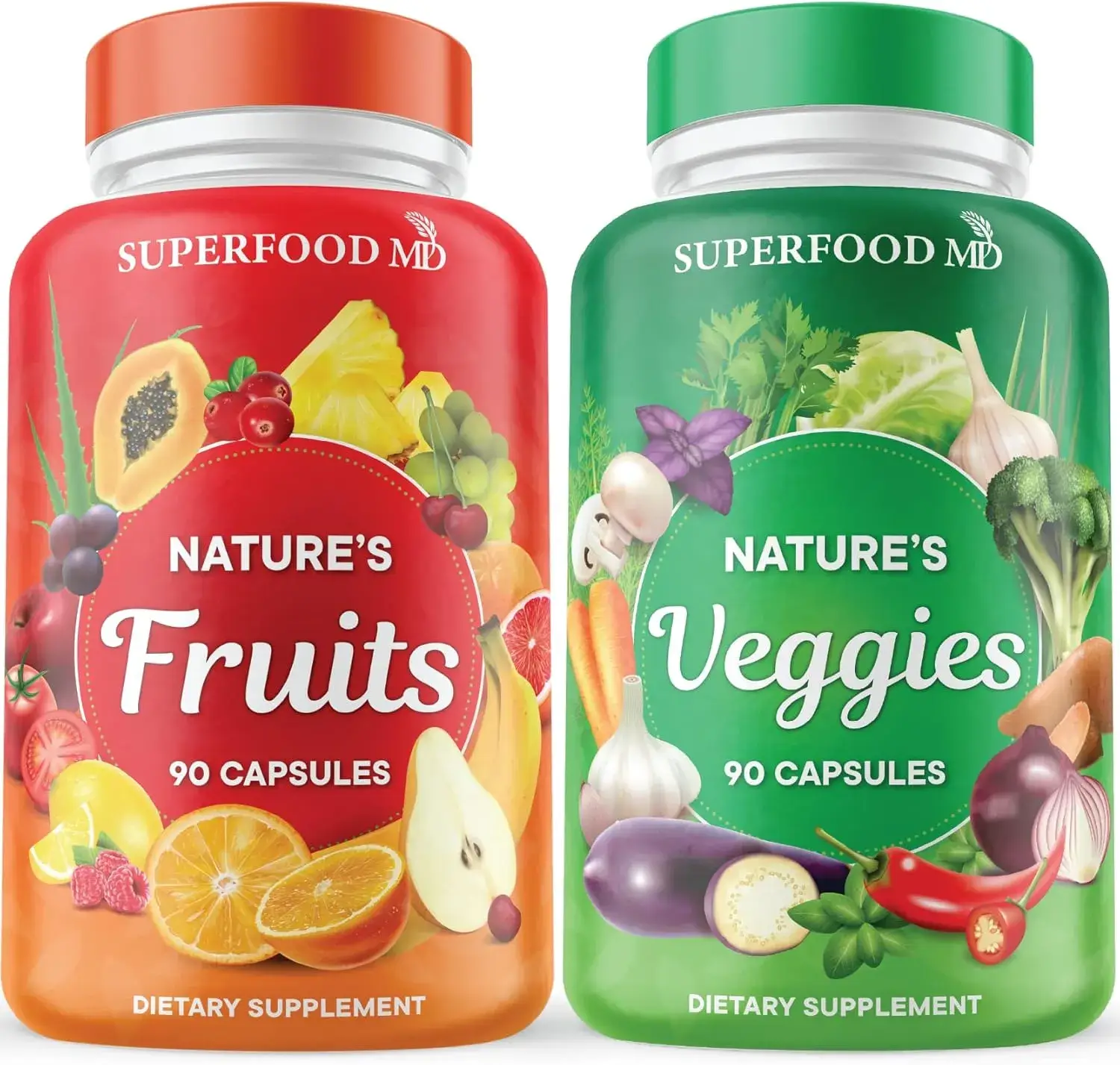
Contains blended amounts of Fruits and Veggies. All natural, with whole foods, fruit and vegetable supplement.Perfect for everyone looking to live a healthier lifestyle.