If you’ve spent any time browsing tea shelves or wellness blogs, you’ve probably noticed genmaicha tea popping up in weight loss conversations. This toasty, nutty green tea has a loyal following in Japan and a growing one everywhere else — and part of the appeal is the idea that it can support fat loss without the jittery edge of coffee or straight matcha.
But does genmaicha tea for weight loss actually hold up, or is it just another wellness trend riding on green tea’s coattails? This guide breaks down what genmaicha is, what the science says about it, and exactly how to brew and use it so it earns a real place in your routine — not just your pantry.
What Is Genmaicha Tea?
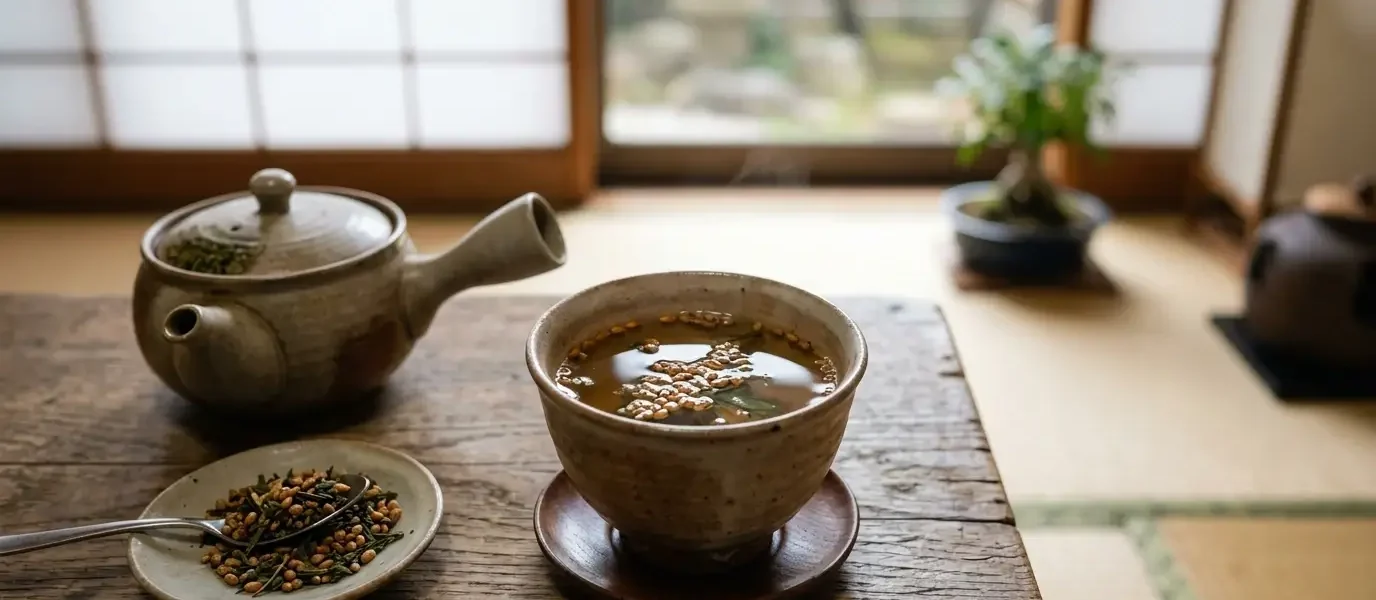
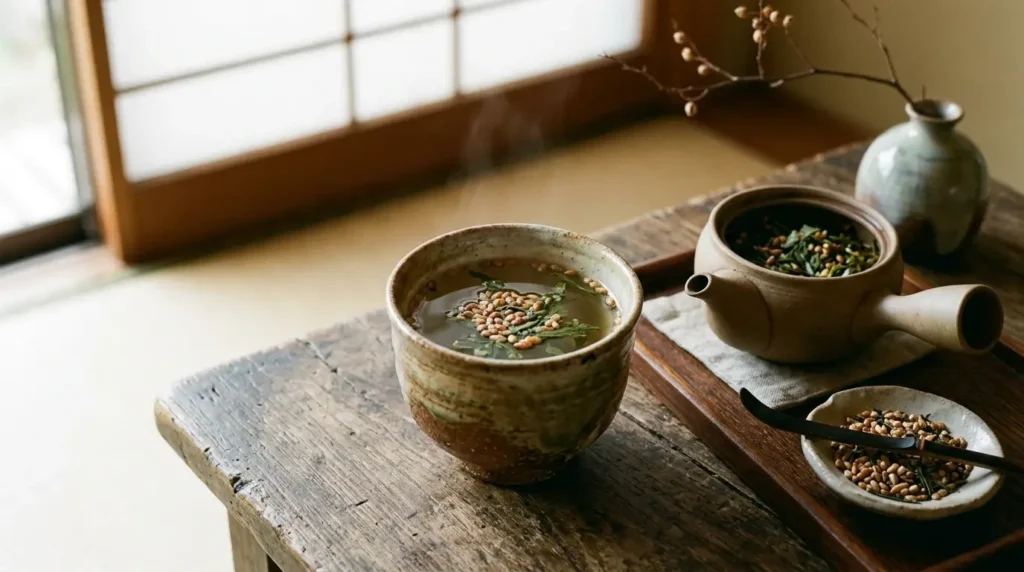
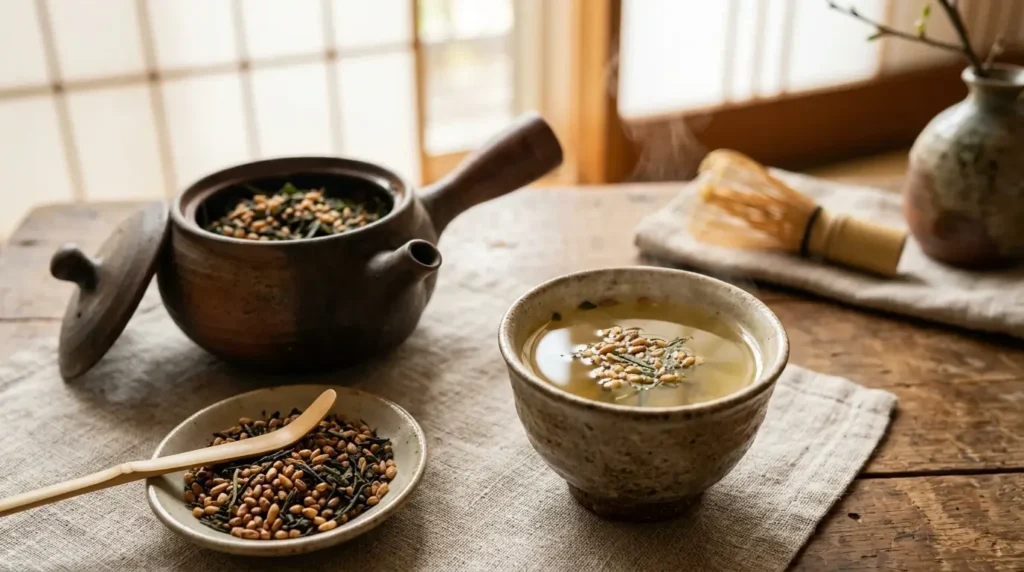
Genmaicha is a traditional Japanese tea made by blending green tea leaves — usually bancha or sencha — with roasted, toasted brown rice. Some of the rice kernels pop during roasting, which is why genmaicha is sometimes nicknamed “popcorn tea.” The result is a golden-green brew with a warm, toasty aroma and a milder, less astringent flavor than straight green tea.
The Green Tea and Roasted Rice Blend
The tea originated centuries ago as a practical way to stretch expensive tea leaves using inexpensive rice, but the flavor combination stuck around because people genuinely liked it. Today, genmaicha is prized for being approachable: it tastes less bitter than sencha, which makes it easier to drink multiple times a day without added sugar.
Nutritional Profile at a Glance
A typical 8-ounce cup of brewed genmaicha contains:
Roughly 2–5 calories (essentially calorie-free when unsweetened)
15–30 mg of caffeine, less than half of what’s typically found in matcha or coffee
Catechins and polyphenols inherited from the green tea base
Small amounts of L-theanine, an amino acid linked to calm alertness
Because it’s naturally low in calories and caffeine, genmaicha functions well as a daily habit rather than an occasional treat — which matters more for weight loss than any single “fat-burning” property.
How Genmaicha Tea Supports Weight Loss
Genmaicha isn’t a magic fat-melting potion, but it does offer several mechanisms that can genuinely support a weight loss effort when combined with a reasonable diet and activity level.
Metabolism-Boosting Catechins
Because genmaicha is made with real green tea leaves, it retains catechins — plant compounds that have been studied for their potential to modestly increase calorie burning and fat oxidation. Catechins are believed to work partly by supporting the enzymes involved in breaking down fat for energy, and partly by interacting with the nervous system alongside natural caffeine. The effect is real but small; catechins are a nudge, not a solution on their own, and they work best as one piece of an otherwise healthy pattern of eating and movement.
A Low-Calorie Swap for Sugary Drinks
One of the most practical ways genmaicha supports weight loss has nothing to do with exotic compounds — it’s simply a satisfying, flavorful drink that contains next to no calories. Swapping a daily soda, sweetened latte, or juice for a cup of genmaicha can meaningfully reduce total calorie intake over weeks and months.
Blood Sugar Regulation
Some research on green tea polyphenols suggests they may help moderate post-meal blood sugar spikes, which can reduce cravings and support steadier energy levels. Steadier blood sugar often translates into fewer impulsive snack decisions throughout the day. Drinking genmaicha instead of a sugar-sweetened beverage compounds this benefit twice over: you avoid a spike from added sugar in the first place, and you get a gentle assist from the tea’s polyphenols on top of that.
Gut Health and Digestion
Genmaicha’s roasted rice component is traditionally considered gentle on digestion in Japanese culture, and warm tea in general can support comfortable digestion after meals. A settled stomach and a routine of mindful sipping can also naturally slow down eating and reduce overeating.
To understand genmaicha’s potential, it helps to look at the research on its green tea base, since genmaicha inherits most of its active compounds from sencha or bancha leaves.
EGCG and Thermogenesis
Epigallocatechin gallate (EGCG) is the most-studied catechin in green tea. Some studies suggest EGCG, especially in combination with caffeine, may slightly increase thermogenesis — the rate at which the body burns calories for heat. The key word is slightly: most studies show modest effects, and results vary from person to person.
Caffeine Content Compared to Other Teas
Here’s how genmaicha stacks up against other common teas and drinks in terms of caffeine per 8-ounce cup:
This lower caffeine load is one reason genmaicha appeals to people who want the metabolic benefits associated with green tea without the overstimulation that can come with matcha or coffee.
What the Research Actually Shows
It’s worth being honest here: most clinical studies on green tea and weight loss show small effects — often just a few extra calories burned per day, or modest reductions in body fat percentage over several months, and usually only when paired with regular exercise. Genmaicha specifically hasn’t been the subject of dedicated large-scale weight loss trials; the evidence is largely extrapolated from its green tea content. Some of the more encouraging findings also come from studies using concentrated green tea extract rather than a cup of brewed tea, so the real-world effect of sipping genmaicha day to day is likely gentler than headlines sometimes suggest. Treat genmaicha as a helpful supporting habit, not a stand-alone weight loss treatment.
How to Brew Genmaicha Tea for Maximum Benefit
Getting the brew right matters both for flavor and for preserving the beneficial compounds in the tea.
Water Temperature and Steeping Time
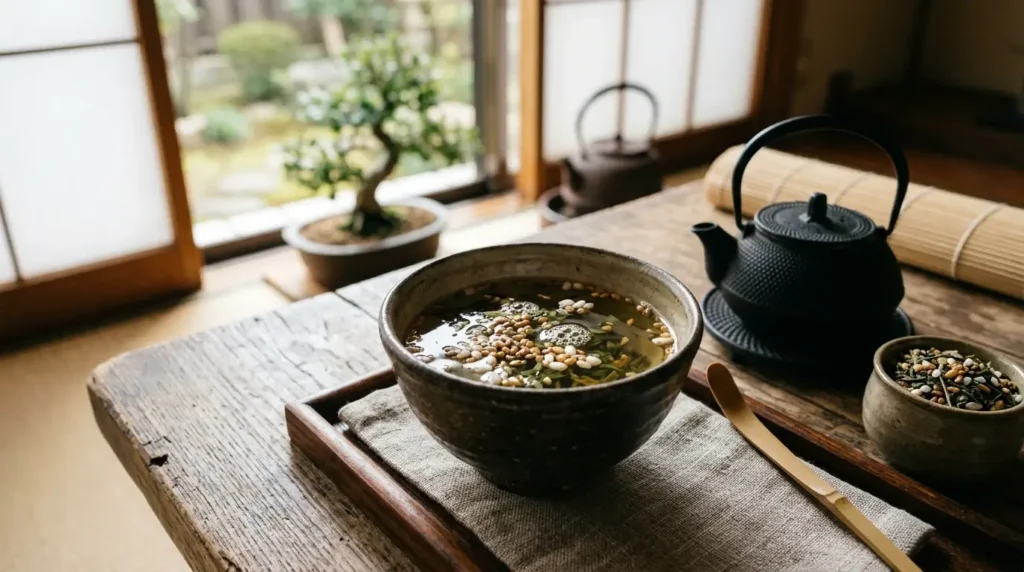
Heat water to about 175–185°F (80–85°C) — just short of boiling, since fully boiling water can scorch the leaves and create bitterness.
Use roughly 1 teaspoon of genmaicha leaves per 8 ounces of water.
Steep for 1–2 minutes for a lighter, smoother cup, or up to 3 minutes for a stronger, toastier flavor.
Strain and drink; genmaicha leaves can often be re-steeped once or twice with a slightly longer steep time.
Best Times of Day to Drink It
Because genmaicha is relatively low in caffeine, it’s flexible: many people enjoy a cup in the morning to ease into the day, one after lunch to support digestion, and a final cup in the early evening in place of a dessert-style drink. Avoid drinking it too close to bedtime if you’re sensitive to caffeine.
Hot vs. Iced Genmaicha
Genmaicha works well both hot and cold. For iced genmaicha, brew it double-strength, then pour over ice — this prevents the flavor from becoming watery as the ice melts. Iced genmaicha makes an easy, refreshing substitute for sweetened iced drinks in warmer months.
How to Build Genmaicha Into a Weight Loss Routine
Genmaicha delivers the most value when it replaces less healthy habits and fits naturally into your day, rather than being treated as an isolated “fix.”
Replacing Sugary Beverages
The single most effective way to use genmaicha for weight loss is substitution: swap one sugary soda, juice, or flavored latte per day for a cup of genmaicha. Over a month, this alone can meaningfully cut calorie intake without requiring any willpower-heavy dieting.
Pairing With Meals
Drinking a cup of genmaicha alongside or shortly after meals is a traditional practice in Japan, and it can help you eat more mindfully, sip slowly, and recognize fullness cues sooner — all of which support portion control.
A Sample Daily Routine
Morning: One cup of genmaicha with breakfast instead of a sweetened coffee drink.
Midday: A cup after lunch to support digestion and curb the urge for a sugary dessert.
Afternoon: Iced genmaicha instead of a soda or energy drink during an afternoon slump.
Evening: A smaller, decaffeinated-leaning cup (shorter steep) if you enjoy a warm drink before bed.
Combine this pattern with regular movement, adequate protein, and enough sleep, and genmaicha becomes a small but consistent ally rather than a gimmick.
Combining Genmaicha With Exercise
Some research on green tea catechins suggests their modest metabolic effects are more noticeable when paired with physical activity, since exercise itself is what drives the bulk of increased calorie expenditure. A cup of genmaicha before a workout can offer a light, steady dose of caffeine and L-theanine for focus without the crash sometimes associated with stronger stimulants. After exercise, a cup can serve as a low-calorie way to rehydrate and unwind instead of reaching for a sports drink loaded with sugar.
Genmaicha is generally well tolerated, but a few groups should be mindful of how much they drink.
Caffeine Sensitivity
Even though genmaicha is lower in caffeine than many teas, people who are highly sensitive to caffeine may still notice jitteriness, restlessness, or sleep disruption with multiple cups per day. Signs worth watching for include a racing heart, trouble falling asleep, or increased anxiety after your usual cup count. Start with one cup and see how your body responds before increasing your intake, and consider shifting later cups earlier in the day if evening sleep quality suffers.
Pregnancy, Medications, and Health Conditions
Pregnant or breastfeeding individuals should keep total caffeine intake in mind and check with a doctor about safe daily limits, since genmaicha’s caffeine still adds up alongside coffee, soda, or other teas consumed the same day. Anyone taking medication, managing a chronic health condition such as anemia or a heart arrhythmia, or with concerns about iron absorption (tea can slightly inhibit iron uptake, particularly when consumed with iron-rich meals) should talk to a healthcare provider before making genmaicha a daily habit, especially in large quantities. This is general information, not personalized medical advice — your own health history should guide the final decision.
FAQ
Does genmaicha tea burn belly fat specifically? No tea targets fat loss in one specific area of the body. Genmaicha may support overall calorie balance and metabolism slightly, but spot reduction isn’t something any beverage can achieve.
How many cups of genmaicha tea should I drink per day for weight loss? Most people do well with 2–4 cups a day. This provides a meaningful reduction in sugary-drink calories without excessive caffeine intake, though individual tolerance varies.
Is genmaicha better than matcha for weight loss? Matcha contains more concentrated catechins and caffeine per cup, but genmaicha is gentler and easier to drink daily. Neither is dramatically superior; the “better” choice depends on your caffeine tolerance and taste preference.
Can I add sugar or honey to genmaicha and still lose weight? Adding sugar reduces the calorie advantage that makes genmaicha useful as a soda or juice replacement. If you want sweetness, try a very small amount of honey or drink it plain to preserve the benefit.
How long does it take to see weight loss results from drinking genmaicha tea? There’s no fixed timeline, and genmaicha alone won’t produce noticeable weight loss. When used consistently as part of an overall healthy routine, its contribution — like reduced sugary-drink calories — tends to show up gradually over weeks to months.
Is genmaicha tea safe to drink every day? For most healthy adults, yes, in moderate amounts (2–4 cups daily). Those with caffeine sensitivity, certain health conditions, or who are pregnant should check with a doctor about appropriate limits.
Final Thoughts on Genmaicha Tea for Weight Loss
Genmaicha tea for weight loss works best when you think of it as a supporting habit rather than a shortcut. Its low calorie count, gentle caffeine level, and green tea catechins make it a smart substitute for sugary drinks and a pleasant addition to a balanced routine — but it won’t outwork a poor diet or an inactive lifestyle on its own.
Start with one or two cups a day in place of a less healthy drink, brew it properly to get the most out of the leaves, and give it time to become a genuine part of your daily rhythm. Paired with sensible eating habits and regular movement, genmaicha can be a small, sustainable piece of a much bigger picture.
Black Tea Extract that is rich in natural theaflavins and polyphenols that help protect your body from free radicals, promoting overall immune health and well-being
Contains blended amounts of Fruits and Veggies. All natural, with whole foods, fruit and vegetable supplement.Perfect for everyone looking to live a healthier lifestyle.