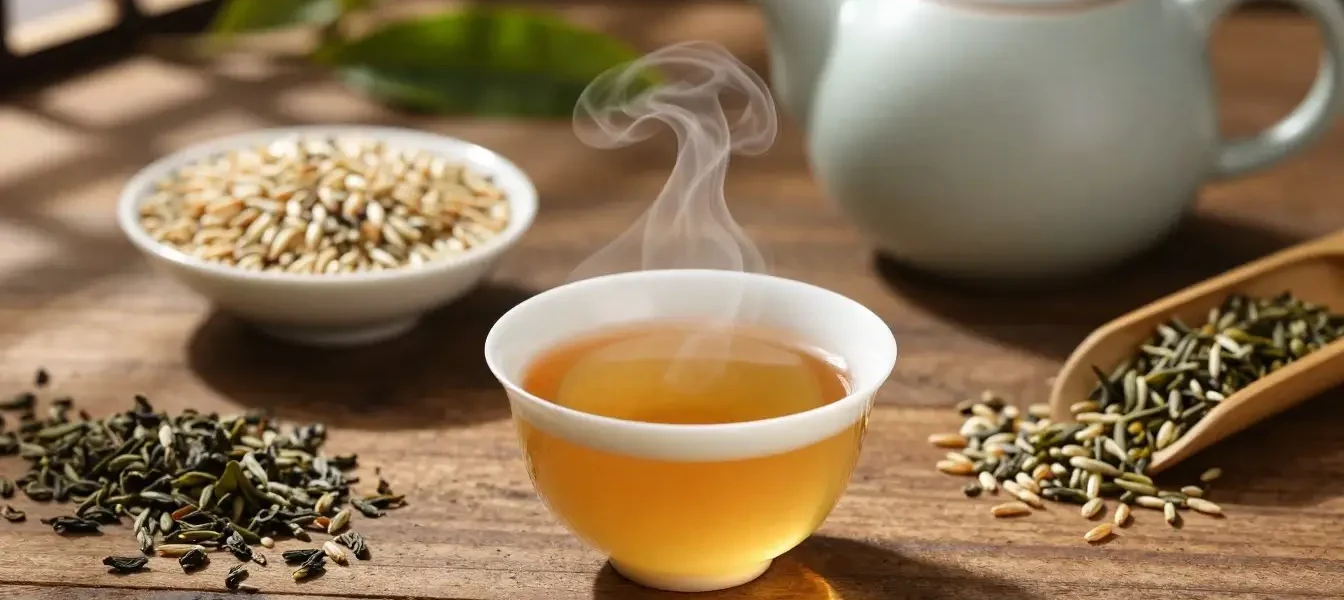
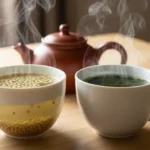
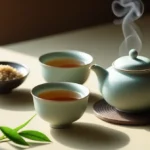
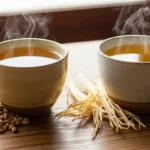
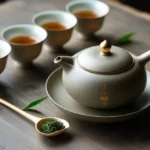
Did you know that genmaicha tea was once called a “people’s beverage”? This was because the added grains made the leaves more affordable. Many newcomers often ask, genmaicha tea what is it? It’s a mix of high-quality green leaves and toasted brown rice.
The flavor is incredibly soothing. The nutty, toasted notes balance the grassy freshness of the leaves. This combination creates a savory depth that makes it stand out.
It’s become a key part of my morning routine. The roasted aroma fills a room, giving a unique experience. It feels both grounding and refreshing.
Key Takeaways
This beverage blends green leaves with roasted brown rice for a unique flavor.
The addition of grains provides a distinct, nutty aroma and savory taste.
It serves as a perfect, comforting choice for a daily morning ritual.
The drink offers a balanced profile that differs from standard Japanese varieties.
Its historical roots as an affordable staple highlight its accessibility and charm.
Understanding Genmaicha Tea What Is It Exactly
Exploring Japanese tea culture reveals many treasures, but Genmaicha stands out. It’s a blend of simple, high-quality ingredients. This makes it both comforting and sophisticated.
The Unique Blend of Green Tea and Roasted Rice
Genmaicha combines Japanese green tea with roasted brown rice. It uses Bancha or Sencha leaves for a refreshing taste. The roasted rice adds a nutty, savory flavor.
The roasted brown rice also sweetens the tea. This makes Genmaicha easy to drink, even for those who prefer milder teas. It’s a perfect example of balancing flavors.
The Origins of the People’s Tea
Genmaicha was once called “the people’s tea” because it was affordable. In the past, adding rice to tea was a way to make it last longer. This shows the resourcefulness of Japanese tea culture.
By mixing green tea with rice, families could enjoy a good cup without spending much. Today, it’s loved for its history and comforting taste. It reminds us that great traditions often come from necessity.
Component
Primary Role
Flavor Contribution
Green Tea Leaves
Base Structure
Grassy and Refreshing
Roasted Brown Rice
Flavor Balancer
Nutty and Toasted
Combined Blend
Final Beverage
Savory and Mellow
The Sensory Experience of Drinking Genmaicha
When I pour hot water over these roasted grains, the room fills with a scent that feels like home. Making a cup of this tea is a meditative ritual. It invites me to slow down and enjoy the moment. It’s more than a drink; it’s a break from the day’s hustle.
Aroma Profile of Toasted Grains
The first thing I notice is the toasted flavor that rises with the steam. This warm, nutty smell is unmistakable. It makes my kitchen feel cozy, like freshly baked bread or roasted nuts.
The Golden Hue and Savory Flavor Notes
As the tea steeps, it turns into a beautiful, vibrant golden hue. This color promises a depth of flavor. The savory tea notes balance the sweetness of the rice, creating a complex taste.
Every sip is a mix of the green tea’s freshness and the roasted undertones. This savory tea character makes it a satisfying drink any time. The toasted flavor that stays on my palate is the perfect end to a wonderful experience.
Health Benefits of Incorporating Genmaicha Into Your Routine
Adding Genmaicha to my day has brought surprising wellness benefits. It’s more than just a tasty drink; it gently supports my body all day. By choosing this tea, I enjoy the health benefits of tea that have been loved for centuries.
Antioxidant Properties of Sencha and Bancha
The base of this blend is high-quality green tea leaves, like Sencha and Bancha. These leaves are full of tea antioxidants. They help fight oxidative stress in the body. Drinking them regularly boosts cellular health and strengthens the immune system.
The tea’s mix with roasted rice lowers caffeine levels. This makes it easy to drink more cups without feeling jittery. You get the tea antioxidants benefits while staying calm and focused.
Metabolic Support and Digestion Benefits
I love how this drink helps with digestion after a big meal. The roasted brown rice and green tea mix soothes the stomach. It’s a natural way to boost metabolism and ease digestion.
Many people find it helps reduce bloating. It’s a light, effective digestive aid that fits into any lifestyle. Here’s why this blend is great for your wellness routine.
Exploring Japanese green tea reveals a world of unique flavors. Many start with steamed leaves, but blended teas like Genmaicha can change your daily tea time.
Knowing the differences helps pick the right tea for your mood. Do you want a sharp, grassy taste or a warm, toasted finish? There’s a perfect tea for you.
Genmaicha Versus Sencha
The debate between sencha vs genmaicha often comes down to taste. Sencha is Japan’s favorite, known for its vibrant, grassy taste.
Genmaicha, on the other hand, blends roasted brown rice with tea. This mix adds a mellow, nutty sweetness that balances the tea’s bitterness. The rice also makes the tea less caffeinated than pure sencha.
Genmaicha Versus Matcha
Genmaicha is a loose-leaf tea for steeping, while Matcha is a finely ground powder. Drinking Matcha means you get all the nutrients and caffeine from the leaf.
Genmaicha is a relaxed experience with a light body and toasted aroma. It’s great for a quick, savory cup. Matcha, needing whisking, offers a frothy texture.
Tea Variety
Flavor Profile
Caffeine Level
Sencha
Grassy and fresh
Moderate to High
Genmaicha
Nutty and toasted
Low
Matcha
Rich and umami
Very High
Choosing between these teas depends on your day’s needs. I enjoy Genmaicha in the afternoon for its soothing taste. Matcha gives me a morning boost.
The Role of Roasted Brown Rice in the Blend
Adding roasted brown rice to green tea makes it more than just a drink. It becomes a hearty, satisfying experience. This ingredient is not just a filler; it’s the heart of the tea’s character.
It balances the grassy notes of green tea with a deep, earthy warmth. This creates a profile that feels both grounding and refreshing.
How the Roasting Process Changes the Flavor
The magic happens during the high-heat roasting phase. As the grains are heated, the natural starches in the roasted brown rice undergo a process called caramelization. This chemical change is responsible for the signature nutty and toasted flavor profile that defines the tea.
Without this careful roasting, the tea would lack its characteristic depth. The heat mellows the sharp, vegetal edges of the green tea leaves. It creates a harmonious balance that makes every sip feel like a warm, comforting embrace.
Nutritional Contributions of the Rice
The roasted brown rice adds a subtle layer of nutritional value to your cup. While the tea leaves provide antioxidants, the rice contributes small amounts of essential minerals and dietary fiber. This makes the infusion feel more substantial and satisfying than a standard green tea.
I appreciate how this combination turns a light beverage into a more nourishing ritual. The following table highlights how the transformation of the rice impacts the final quality of your brew.
Feature
Raw Brown Rice
Roasted Brown Rice
Flavor Profile
Neutral/Starchy
Nutty/Toasted
Aroma
Mild/Earthy
Strong/Caramelized
Texture
Hard/Chewy
Crisp/Light
Digestibility
Moderate
Enhanced
Step by Step Guide to Brewing the Perfect Cup
The secret to a great cup of genmaicha is finding the right balance of heat and time. When you get the hang of brewing genmaicha, you’ll enjoy a mix of green tea’s grassy taste and roasted rice’s deep aroma. It’s simpler than you might think.
Water Temperature and Steeping Time
Many people make the mistake of using boiling water, which can burn the tea leaves. For the best taste, use water between 175°F and 185°F. This temperature brings out the tea’s savory, nutty flavors without bitterness.
When it comes to tea steeping time, patience is key. Aim for a short infusion of about 60 seconds. For a stronger flavor, you can steep for 90 seconds, but don’t steep too long.
Heat your fresh, filtered water to 175°F-185°F.
Measure one teaspoon of loose leaf tea per six ounces of water.
Pour the water over the leaves and let it steep for 60 to 90 seconds.
Strain the leaves completely to prevent the tea from becoming astringent.
Choosing the Right Teaware
Learning how to brew tea well also means picking the right tools. I like using a traditional Japanese kyusu, a side-handled teapot for green tea. It has a built-in mesh filter, letting the leaves and rice expand fully for a clean, flavorful tea.
If you don’t have a kyusu, a glass teapot or a ceramic infuser mug works great. The key is to make sure there’s enough room for the leaves to unfurl. By following these steps on how to brew tea, you’ll always get a high-quality cup. Remember, the right tea steeping time makes all the difference, turning a regular drink into a soothing experience.
My kitchen experiments show that Genmaicha is a versatile ingredient for both savory and sweet dishes. It’s not just for a warm mug. The toasted rice adds depth to various recipes. I love exploring new ways to use its unique, nutty flavor in my cooking.
Using Genmaicha in Culinary Recipes
I love adding the tea leaves to savory dishes. Grind them into a fine powder for a savory seasoning on steamed veggies or grilled fish. It adds a subtle, earthy crunch that makes simple dishes special.
Using brewed tea as a base for cooking grains is another favorite trick. It gives white rice or quinoa a delicate, toasted aroma. This simple change makes a big difference in your dinner.
Genmaicha Infused Desserts and Lattes
The toasted rice in Genmaicha pairs well with creamy textures in sweets. I often steep it in milk or heavy cream for panna cotta or ice cream. This creates a sophisticated dessert with a sweet and nutty flavor.
For a cozy morning, I make a frothy latte with concentrated tea and oat milk. Adding honey or maple syrup enhances the sweetness. This drink gives a gentle energy boost without the usual coffee intensity.
Application
Preparation Method
Flavor Profile
Seasoning
Grind leaves into a fine powder
Earthy and savory
Rice Cooking
Use brewed tea as liquid base
Subtle toasted aroma
Dessert Infusion
Steep in warm milk or cream
Rich and nutty
Latte
Whisk concentrate with steamed milk
Creamy and comforting
Pairing Genmaicha with Your Favorite Foods
Genmaicha is amazing with many flavors. Its unique taste makes it a great match for different foods. It’s not just a drink, but a way to enhance your meals.
Complementing Savory Japanese Dishes
The toasted rice in Genmaicha goes well with Japanese dishes. It’s perfect with sushi or sashimi. The aroma refreshes your taste buds between bites.
Here are some classic pairings to try:
Tempura: The nutty notes match the light batter perfectly.
Grilled Fish: The earthy tea balances the saltiness of soy-glazed dishes.
Onigiri: A simple rice ball becomes special with a warm cup.
“The magic of a well-paired tea lies in its ability to highlight the hidden notes of the food on your plate, without competing for attention.”
Balancing Sweet Treats with Nutty Undertones
Genmaicha is also great with desserts. Its nutty taste grounds sweet treats. It’s perfect with dark chocolate or almond pastries, preventing sweetness overload.
Try these pairings to see how it works:
Dark Chocolate: The cocoa’s bitterness meets the toasted grain notes for a sophisticated finish.
Shortbread Cookies: The buttery cookie is enhanced by the tea’s light, roasted quality.
Fruit Tarts: The tea’s balanced taste complements the tart’s acidity.
Choosing the right tea can make a snack into a special moment. I suggest trying these combinations and see how Genmaicha can change your meals.
Common Varieties and Grades of Genmaicha
Exploring the market, you’ll see Genmaicha blends vary. The quality of tea leaves and roasted rice ratio affects your cup. Knowing these differences helps ensure a tasty brew every time.
Standard Blends Versus Premium Matcha-Iri Genmaicha
Standard Genmaicha is a mix of green tea leaves and toasted brown rice. It’s affordable and offers a nutty, savory taste. But, for a better experience, try matcha-iri genmaicha.
This premium version adds high-quality matcha powder. It gives a vibrant green color and a deeper umami flavor. It’s a luxurious choice for tea enthusiasts.
“The addition of matcha to a traditional roasted rice blend transforms a simple beverage into a sophisticated sensory experience that bridges the gap between earthy and sweet.”
Identifying Quality in Loose Leaf Tea
Look at the leaves to spot high-quality tea. You want whole, green leaves, not broken dust or stems. The roasted rice should be golden and crisp, not burnt.
Here’s a quick guide for comparing options:
Feature
Standard Genmaicha
Matcha-Iri Genmaicha
Appearance
Green leaves and golden rice
Vibrant green powder coating
Flavor Profile
Light, nutty, and toasted
Rich, creamy, and umami-forward
Best For
Casual daily enjoyment
Special occasions or lattes
Lastly, check the packaging for freshness. Freshness is key in green tea. Airtight, opaque containers keep tea fresh longer. If the tea smells stale, it’s too old.
Knowing about the caffeine in genmaicha makes balancing your energy levels easier. This blend mixes green tea leaves with roasted brown rice. It gives a unique experience compared to pure teas.
Understanding the Lower Caffeine Profile
The main reason for less caffeine in genmaicha is the mix’s ingredients. A lot of the dry mix is roasted rice. This means there’s less tea leaf per serving.
This natural mix means each cup has less caffeine than regular Sencha. It’s a gentle alternative for those who like green tea but want a milder effect.
Why It Makes an Ideal Afternoon Pick-Me-Up
The caffeine in genmaicha is perfect for my afternoon slump. It gives a gentle boost without the jitters or crash later.
It’s my favorite drink for staying focused without too much caffeine. This blend lets me enjoy a calming ritual that keeps me sharp all day.
Sustainability and Sourcing Your Tea
When I buy my favorite tea, I think about its journey from the farm to my cup. Choosing organic tea sourcing lets me enjoy my tea while supporting good causes. It’s fulfilling to find brands that care about the planet and tea quality.
Supporting Ethical Tea Farmers in Japan
I think the best way to help the environment is to support small, ethical tea farmers in Japan. They use old methods that keep the soil and wildlife healthy. By picking these farmers, I help keep centuries-old agricultural heritage alive and ensure fair pay for workers.
“The true value of a cup of tea lies not just in its flavor, but in the hands that nurtured the leaves and the earth that sustained them.”
Buying organic tea supports a cycle of sustainability that helps everyone. It’s a simple way to make a big impact in the tea world. I look for companies that are open about their grower relationships.
What to Look for on the Label
Finding the right tea in the grocery store can be tough, but there are clues to help. Look for specific labels that show the tea is organic and sustainably made. Here’s a quick guide for your next tea purchase:
USDA Organic or JAS Certification: These marks mean the tea was grown without bad chemicals.
Origin Transparency: Check for labels that tell you where the tea comes from, like Japan.
Harvest Date: Fresh tea is best, so look for a recent harvest year or date.
Fair Trade Labels: These show the farmers were paid fairly for their work.
Remembering these tips helps you choose tea that matches your values. Knowing your tea was made with care makes every sip even more enjoyable.
Conclusion
Exploring Japanese tea shows a world full of tradition and taste. Genmaicha is special, blending green tea’s coolness with toasted grains’ warmth.
This tea’s savory taste is perfect for any time. It gives a gentle energy boost or a calming drink for meals. It’s always reliable.
Now you know how to pick and brew top-notch Genmaicha. Try different types from places like Ippodo Tea or Harney & Sons. You’ll love the unique flavors in each cup.
Adding this to your daily life brings peace in a busy world. I hope you’re inspired to share it with friends or enjoy it alone. Begin your journey today and see why it’s a beloved Japanese classic.
What exactly is genmaicha tea and why is it so unique?
Genmaicha tea is a special Japanese drink. It mixes green tea leaves with roasted brown rice. The rice adds a nutty flavor that balances the tea’s fresh taste.
Why is genmaicha often referred to as the “people’s tea”?
Genmaicha got its nickname because it was once made to stretch expensive tea. Now, it’s loved for its unique taste and history.
Does genmaicha have a high caffeine content?
No, genmaicha has less caffeine than other teas. The rice in it makes it a gentle pick-me-up. It’s perfect for staying focused without feeling jittery.
What are the main health benefits I can expect from drinking it?
Genmaicha is great for your health. It has antioxidants that fight stress. It also helps with digestion and metabolism. It’s a tasty way to support your body.
How do I brew the perfect cup of genmaicha at home?
To brew the perfect genmaicha, use water between 175°F and 185°F. Steep it for 30 to 60 seconds. A Japanese Kyusu teapot enhances the flavor and aroma.
What is the difference between standard genmaicha and Matcha-iri genmaicha?
Matcha-iri genmaicha has a stronger flavor. It’s made with high-quality matcha powder. Brands like Ippodo Tea offer great versions with a richer taste.
Can I use genmaicha in my cooking or baking?
Yes, genmaicha is great in cooking and baking. It’s perfect for desserts like cookies or panna cotta. You can also make a creamy latte or use it in savory dishes like Ochazuke.
How can I ensure I am buying high-quality, sustainable tea?
Look for organic tea and brands that support farmers. Check the label for the harvest region and ensure the rice is well-roasted. Choose brands that are transparent about their practices.
What foods pair best with the flavor of genmaicha?
Genmaicha goes well with sushi, sashimi, and tempura. It also pairs surprisingly well with dark chocolate or almond-based pastries. It’s versatile and balances flavors well.
Black Tea Extract that is rich in natural theaflavins and polyphenols that help protect your body from free radicals, promoting overall immune health and well-being
Contains blended amounts of Fruits and Veggies. All natural, with whole foods, fruit and vegetable supplement.Perfect for everyone looking to live a healthier lifestyle.