Morning sickness affects 80% of women during pregnancy first trimester, making ginger tea a popular natural remedy many expectant mothers consider. As someone who reviews pregnancy-safe options, I understand the constant worry about what’s safe to consume when you’re carrying a precious little one.
Ginger tea pregnancy questions are among the most common concerns I hear from readers. Is ginger tea safe during pregnancy? According to research, it appears to be, with studies showing no increased risk for complications among babies of women who consumed ginger during pregnancy. In fact, approximately 29% of pregnant women across 18 countries use herbal supplements at some point during their pregnancy. However, understanding the proper dosage and preparation is crucial. Throughout this article, we’ll explore doctor-backed facts about ginger tea during pregnancy first trimester, covering everything from safety guidelines to preparation tips and potential benefits for managing those challenging early pregnancy symptoms.
What is ginger tea and why is it used during pregnancy?
“Ginger root includes many components that may help decrease annoyance when pregnant. Specific two components: Gingerols and shogaols affect the receptors in the gastrointestinal systems and increase the speed of emptying the stomach, therefore reducing the feeling of nausea.” — Vinmec Healthcare, International healthcare provider with medical expertise
Ginger tea stands as a simple yet powerful herbal infusion created by steeping fresh or dried ginger root in hot water. The spicy, invigorating taste has made this beverage a trusted ally for pregnant women dealing with the discomforts of early pregnancy.
How ginger tea is made
Making ginger tea involves an uncomplicated process that yields impressive benefits. You can prepare it using either fresh or dried ginger, though fresh ginger often delivers a more intense, vibrant flavor. To create a basic cup:
Slice 1-2 inches of fresh ginger root thinly (no need to peel it, just rinse thoroughly)
Place the slices in a pot with 1-2 cups of water
Bring to a boil, then reduce heat and simmer for 5-10 minutes
Strain the liquid and enjoy
Many pregnant women enhance their ginger tea with complementary ingredients. Adding a tablespoon of freshly squeezed lemon juice and raw honey creates a powerful morning sickness remedy. For those seeking extra digestive benefits, a small pinch of cinnamon or cayenne pepper can be added as well.
Traditional uses for nausea and digestion
Ginger has centuries-old roots in traditional medicine systems across Asia, particularly in China and India. The medicinal properties primarily come from compounds called gingerols and shogaols, which are present in different concentrations depending on whether you use fresh or dried ginger.
These active compounds work by calming the digestive system through multiple mechanisms. Notably, ginger stimulates digestive enzymes that aid in food breakdown while simultaneously soothing the gastrointestinal tract. Additionally, ginger helps speed stomach emptying, which consequently reduces feelings of nausea.
The first trimester often brings challenging symptoms, especially morning sickness. Approximately one gram of ginger per day (equivalent to 1-2 cups of properly prepared tea) has been shown to effectively reduce nausea and vomiting in pregnant women.
The scientific evidence supporting ginger’s effectiveness is substantial. A review of 33 studies found that ginger was superior to placebo for pregnancy-induced nausea and vomiting, while demonstrating comparable effectiveness to vitamin B6. Furthermore, another systematic review of 24 trials revealed that doses between 35-500 mg of ginger showed identical effects against pregnancy nausea as vitamin B6.
What makes ginger tea particularly appealing to expectant mothers is that it offers relief without the sedative side effects common in many anti-nausea medications. The active ingredient 6-gingerol appears responsible for much of the antiemetic activity, working directly on the gastrointestinal tract.
For women experiencing hyperemesis gravidarum (severe pregnancy nausea), ginger may help by stimulating gastrointestinal motility while reducing stimuli to the chemoreceptor zone responsible for triggering nausea. This natural approach aligns with many women’s preferences to avoid medications whenever possible while pregnant.
Ginger tea has earned its popularity among pregnant women primarily because it offers effective symptom relief with scientific backing, is easy to prepare at home, and provides a comforting ritual at a time when comfort is much needed.
For many expecting mothers concerned about ginger tea during pregnancy first trimester, research offers reassurance about its safety profile. The medical community has extensively studied this popular remedy, yielding promising findings for women struggling with early pregnancy symptoms.
Doctor-backed research on ginger tea safety
The American Academy of Obstetrics and Gynecology explicitly mentions ginger as an acceptable non-pharmaceutical remedy for pregnancy-related nausea and vomiting. This endorsement didn’t come without substantial evidence—a large study involving more than 1,000 women found no increased risk for complications among babies whose mothers consumed ginger during pregnancy.
First and foremost, ginger is classified as “possibly safe” by medical professionals. A comprehensive review by the National Center for Complementary and Integrative Health acknowledges that although the safety evidence isn’t absolutely conclusive, ginger is generally considered safe during pregnancy.
Multiple medical organizations have examined ginger’s safety profile. The Society for Obstetric Medicine of Australia and New Zealand recommends standardized ginger extract at doses of 250 mg three to four times daily (maximum 1,000 mg/day). Nevertheless, healthcare providers typically suggest discussing its use with your doctor before adding it to your pregnancy regimen.
What studies say about ginger and morning sickness
Clinical trials consistently demonstrate ginger’s effectiveness in reducing nausea during early pregnancy. One meta-analysis reported that ginger decreases pregnancy nausea by about 4 points on a 40-point scale. Moreover, research shows it can completely stop vomiting for one in three women after just six days of use.
The scientific evidence is substantial:
A seven-day clinical trial involving 120 pregnant women before 16 weeks gestation found ginger reduced vomiting by 51% and nausea by 46%
Multiple systematic reviews found ginger more effective than placebo and comparable to vitamin B6 for nausea relief
Ginger’s effectiveness appears similar to medications like dimenhydrinate but causes less drowsiness
The active compounds in ginger—gingerols and shogaols—act on receptors in the digestive system to speed stomach emptying, thereby reducing nausea. This mechanism explains why one teaspoon (5 grams) of grated ginger steeped in water can provide relief equivalent to a 1,000-mg supplement.
Is lemon ginger tea safe during pregnancy?
Given that plain ginger tea has proven safety credentials, lemon ginger tea is generally considered equally safe for pregnant women. The addition of lemon provides vitamin C and may enhance both flavor and efficacy for some women.
Lemon ginger combinations follow the same safety guidelines as regular ginger tea. Therefore, pregnant women should limit consumption to approximately 1 gram (1,000 mg) of ginger daily, which equates to about four cups of tea.
The real benefit of adding lemon comes from improved palatability. Some women find the spicy warmth of ginger more pleasant with citrus notes. As a result, they may be more likely to consume the tea regularly enough to experience relief from morning sickness.
Despite these benefits, caution remains prudent. Pregnant women with a history of miscarriage, vaginal bleeding, or bleeding disorders should consult their healthcare provider before consuming ginger tea. Ultimately, moderation remains the key principle—even beneficial remedies require balanced consumption during pregnancy.
How much ginger tea is safe to drink while pregnant?
Finding the perfect balance with ginger tea consumption is crucial for pregnant women seeking relief from morning sickness. Medical research offers clear guidelines on safe amounts that maximize benefits while minimizing risks.
Recommended daily dosage
Medical studies consistently point to 1 gram (1,000 mg) per day as the standard safe dosage of ginger during pregnancy. This amount has been extensively studied, with research confirming that consuming an average of 1,000 mg daily did not increase the chance of birth defects.
For women suffering from severe morning sickness (hyperemesis gravidarum), clinical trials successfully used 1 gram per day divided into four 250 mg doses without reporting adverse effects. All infants in these studies were normal, supporting the safety of this dosage.
Importantly, healthcare experts recommend not exceeding 4 grams daily due to ginger’s potential uterine stimulating effects. Even at lower doses, ginger demonstrates effectiveness – systematic reviews have shown that doses between 35-500 mg have effects against pregnancy nausea comparable to vitamin B6.
How many cups per day is considered safe
Translating the medical recommendations into practical measurements:
One cup of homemade ginger tea made from 1 teaspoon (5 grams) of grated ginger root contains approximately 250 mg of ginger
Therefore, 4 cups (950 ml) of properly prepared ginger tea typically stays within the recommended 1 gram daily limit
For packaged ginger teas, the same 4-cup guideline generally applies
Some healthcare providers suggest an even more moderate approach, recommending 1-2 cups daily, specifically for women with certain health conditions or those taking medications.
When to stop drinking ginger tea in pregnancy
Afterward, as your pregnancy progresses, you should be mindful about certain timeframes when ginger tea consumption may require caution:
Firstly, some medical experts advise against consuming ginger tea after 37 weeks gestation. Additionally, WebMD experts recommend avoiding ginger close to your delivery date since it might increase bleeding risk.
Undoubtedly, ginger should be discontinued if you’re taking blood-thinning medications, as ginger can affect how these medications work. This is primarily due to ginger’s mild blood-thinning properties.
Throughout your pregnancy, you should stop drinking ginger tea if you experience any unusual symptoms or have specific health conditions like bleeding disorders. Overall, even though ginger tea is generally considered safe for most pregnant women, consulting with your healthcare provider about your specific situation remains essential.
Risks and side effects of ginger tea in early pregnancy
“Pregnant women who have a history of miscarriage, vaginal bleeding, or bleeding disorders should avoid products made from ginger.” — Vinmec Healthcare, International healthcare provider with medical expertise
While ginger tea offers benefits for morning sickness, it comes with potential risks that every expectant mother should understand. Balancing therapeutic advantages against possible drawbacks requires careful consideration, particularly during those sensitive early months.
Possible side effects like heartburn or bleeding
Ginger tea consumption can lead to mild digestive issues for some pregnant women. Common reactions include heartburn, diarrhea, gas, and abdominal discomfort—especially when consumed in larger quantities. These symptoms typically occur when consuming around 1 gram of ginger or more.
Of greater concern, ginger possesses natural blood-thinning properties that inhibit platelet thromboxane, potentially increasing bleeding risk. This becomes particularly relevant for women with existing bleeding tendencies or those approaching delivery.
Consuming excessive amounts (over 5 grams daily) significantly raises the likelihood of experiencing side effects. In essence, moderation remains crucial—what helps morning sickness in reasonable amounts can cause discomfort when overconsumed.
Who should avoid ginger tea
Certain groups should exercise extra caution or avoid ginger tea altogether:
Women with history of miscarriage, vaginal bleeding, or bleeding disorders
Those approaching their delivery date (after 37 weeks gestation)
Women experiencing menstruation (as ginger may increase bleeding)
Individuals scheduled for surgery (discontinue at least two weeks prior)
People with certain heart conditions, as high doses might worsen symptoms
A small 2024 review noted a slight increased risk of stillbirth with daily ginger doses ranging from 0.3mg to 7200mg, albeit without reports of fetal malformations. Still, consulting healthcare providers remains vital before incorporating ginger tea into pregnancy routines.
Interactions with medications
Ginger interacts with numerous medications—over 60 drug interactions have been documented. Chiefly concerning are:
Blood thinners: Ginger enhances the effects of anticoagulants like warfarin, aspirin, and clopidogrel, potentially leading to excessive bleeding. This interaction ranks as highly significant clinically.
Pain medications: As a P-glycoprotein inhibitor, ginger can increase blood levels of drugs like morphine, potentially causing severe side effects including respiratory distress, profound sedation, or even coma.
Other medications: Ginger may interact with diabetes treatments (insulin, metformin), blood pressure medications (nifedipine), and has shown interaction with fetal testosterone metabolism[201].
Most interactions with ginger are categorized as moderately significant clinically, meaning these combinations should typically be avoided unless specifically approved by healthcare providers. Pregnant women taking any medications should disclose ginger tea consumption to their doctors to prevent potential complications.
How to prepare ginger tea safely at home
Creating homemade ginger tea offers expectant mothers full control over ingredients and strength, making it an ideal choice for managing first trimester symptoms. Properly prepared ginger tea can be both effective and enjoyable.
Using fresh vs dried ginger
Both fresh and dried ginger work effectively for tea preparation, yet they offer slightly different experiences. Fresh ginger provides a more vibrant, intense flavor, whereas dried ginger typically delivers a milder taste. For preparation with fresh ginger, simply peel and thinly slice about 1-2 inches of ginger root. Meanwhile, dried ginger offers convenience through pre-packaged tea bags that require minimal preparation. Commercial options sometimes combine ginger with other ingredients, so checking labels carefully ensures you’re getting primarily ginger.
Tips for making lemon ginger tea while pregnant
Lemon ginger tea combines two powerful morning sickness fighters in one delicious cup. For a basic recipe:
Start with 1 tablespoon finely grated fresh ginger
Add 1 tablespoon freshly squeezed lemon juice
Mix with 1 tablespoon raw honey (optional)
Pour boiling water over the mixture
Steep for 5-10 minutes, strain thoroughly, and sip slowly to prevent consuming too quickly, which might paradoxically trigger nausea. Unlike store-bought varieties, homemade versions let you control the exact ingredients and avoid unnecessary additives.
How to adjust strength and flavor
Customizing your ginger tea strength involves simple adjustments. Initially, try steeping one teaspoon (5 grams) of sliced or grated ginger in hot water. After brewing, take a small sip to evaluate the intensity. Should the flavor seem too potent, immediately add more water to dilute it. Conversely, for stronger effects, increase steeping time to 10-15 minutes.
Honey or lemon can enhance palatability without compromising benefits. For those with gestational diabetes, consider skipping honey. Experimenting with steeping times between 5-20 minutes helps achieve your ideal balance of flavor and therapeutic properties.
Ginger tea stands as a generally safe option for most pregnant women struggling with first-trimester morning sickness. Scientific research certainly supports moderate consumption – specifically around 1 gram daily or approximately four cups of properly prepared tea. This natural remedy offers effective relief from nausea without the sedative effects common in medications, making it particularly appealing during early pregnancy.
Though beneficial for many expectant mothers, ginger tea isn’t suitable for everyone. Women with bleeding disorders, history of miscarriage, or those taking blood-thinning medications should exercise caution. Additionally, those approaching their delivery date might want to reduce or eliminate ginger tea consumption due to its mild blood-thinning properties.
Homemade preparation gives you complete control over ingredients and strength. Fresh ginger typically delivers more vibrant flavor while dried options offer convenience. Many women find adding lemon enhances both taste and effectiveness against morning sickness symptoms.
The decision to include ginger tea in your pregnancy routine remains personal. Your specific health circumstances must guide this choice. Consulting your healthcare provider before starting any herbal remedy during pregnancy represents the safest approach. Medical professionals can offer personalized advice based on your unique situation.
Moderation serves as the golden rule with ginger tea consumption during pregnancy. While this ancient remedy has helped countless women through challenging first-trimester symptoms, balance remains key. Armed with this knowledge about proper preparation, dosage, and potential considerations, you can make an informed decision about whether ginger tea might help ease your pregnancy journey.
Key Takeaways
Research shows ginger tea can be a safe and effective natural remedy for first-trimester morning sickness when consumed properly and in moderation.
Ginger tea is generally safe during first trimester – Studies show no increased risk of birth defects when consuming up to 1 gram daily
Limit to 4 cups daily maximum – This equals approximately 1,000mg of ginger, the medically recommended safe dosage
Avoid if you have bleeding disorders – Women with history of miscarriage, bleeding issues, or on blood thinners should consult doctors first
Stop consumption after 37 weeks – Ginger’s blood-thinning properties may increase bleeding risk near delivery
Fresh ginger offers better potency – Homemade tea with 1-2 inches of fresh ginger root provides optimal therapeutic benefits
Always consult your healthcare provider before adding ginger tea to your pregnancy routine, especially if you’re taking medications or have underlying health conditions. When prepared correctly, this centuries-old remedy can provide natural relief from morning sickness without the drowsiness of conventional medications.
FAQs
Q1. Is ginger tea safe to consume during the first trimester of pregnancy? Generally, ginger tea is considered safe during the first trimester when consumed in moderation. Studies have shown no increased risk of birth defects or complications when pregnant women consume up to 1 gram of ginger daily, which is equivalent to about 4 cups of properly prepared ginger tea.
Q2. How much ginger tea can I safely drink while pregnant? The recommended safe dosage is about 1 gram (1,000 mg) of ginger per day, which translates to approximately 4 cups of properly prepared ginger tea. It’s best to start with smaller amounts and gradually increase if needed, always staying within this limit.
Q3. Can ginger tea help with morning sickness during pregnancy? Yes, ginger tea can be effective in reducing nausea and vomiting associated with morning sickness. Studies have shown that ginger can decrease pregnancy nausea by about 4 points on a 40-point scale and can completely stop vomiting for one in three women after six days of use.
Q4. Are there any risks or side effects of drinking ginger tea during pregnancy? While generally safe, some women may experience mild side effects like heartburn or digestive discomfort. Ginger also has mild blood-thinning properties, so women with bleeding disorders or those taking blood-thinning medications should consult their healthcare provider before consuming ginger tea.
Q5. How should I prepare ginger tea at home during pregnancy? To prepare ginger tea safely at home, use 1-2 inches of fresh ginger root (peeled and thinly sliced) or 1 teaspoon of dried ginger per cup of hot water. Steep for 5-10 minutes, strain, and add lemon or honey if desired. Start with a weaker brew and adjust the strength to your preference, ensuring you don’t exceed the recommended daily limit.
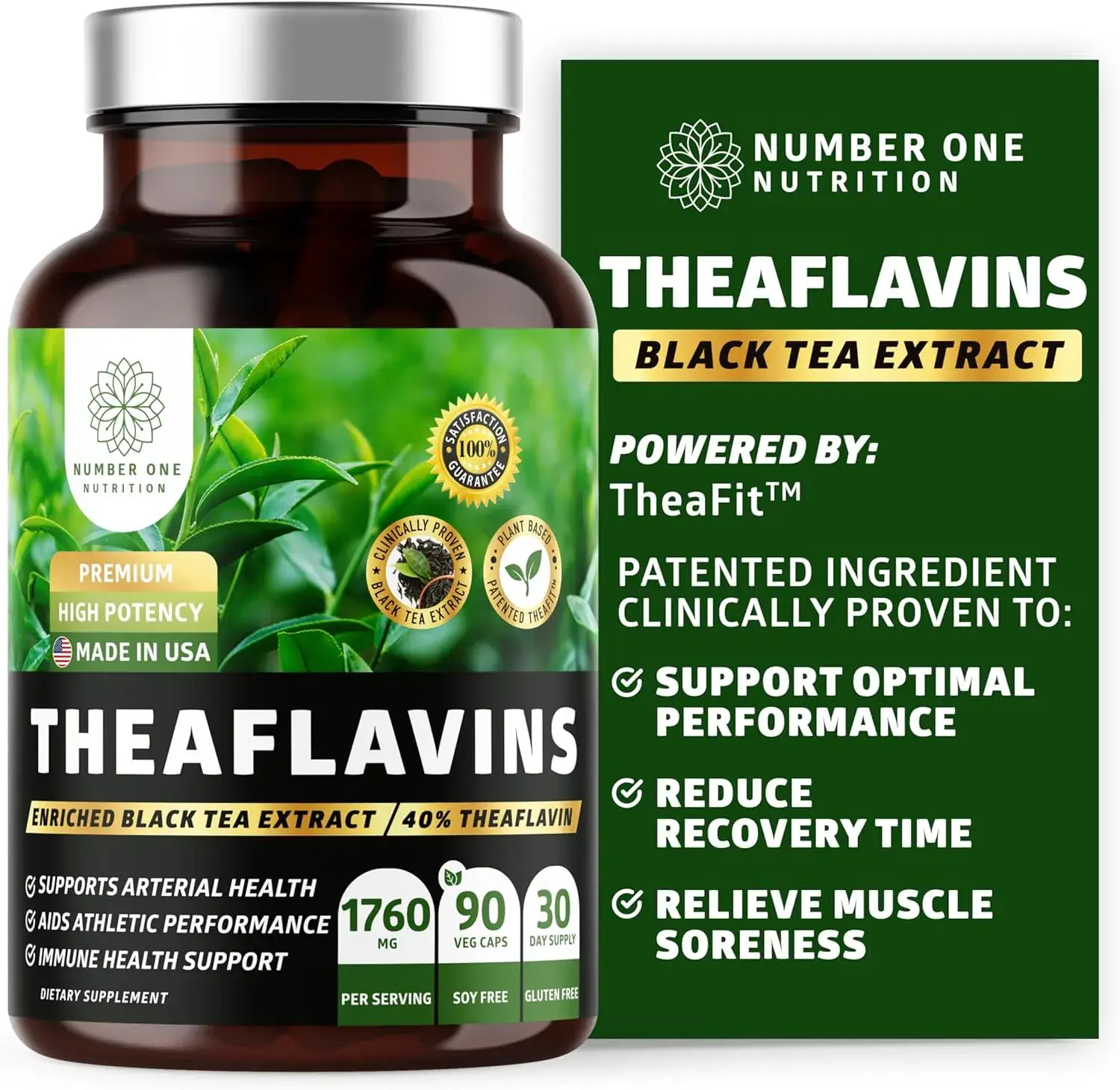
Black Tea Extract that is rich in natural theaflavins and polyphenols that help protect your body from free radicals, promoting overall immune health and well-being
Contains blended amounts of Fruits and Veggies. All natural, with whole foods, fruit and vegetable supplement.Perfect for everyone looking to live a healthier lifestyle.