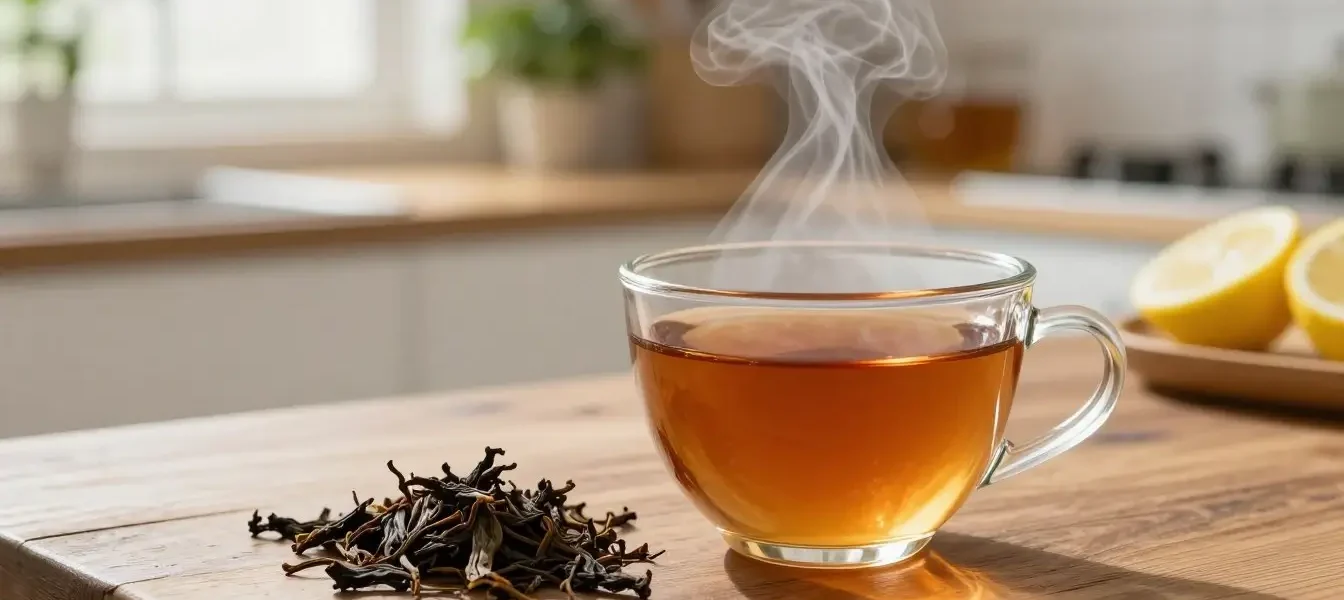
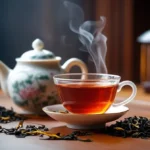
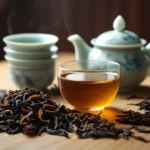
Pregnant women can drink Lapsang Souchong tea in moderation, but it is generally not the best tea choice during pregnancy because it contains caffeine and is smoked over pinewood, which may raise additional concerns. If you are pregnant, it’s best to limit your intake and consult your healthcare provider before drinking it regularly.
Ever thought about how your favorite smoky drink might affect your baby? Pregnancy is like solving a big puzzle, with nutrition being a key piece.
Many moms-to-be wonder if lapsang souchong tea safe for pregnancy is okay for them. This tea, with its smoky taste, is loved by many. But, it’s important to think about it carefully before drinking.
It’s key to know how your drinks fit into your pregnancy diet tips. By mixing your cravings with expert advice, you can make choices that are good for you. Let’s look at the facts to help you feel sure about what you drink every day.
Key Takeaways
Understand the unique properties of smoke-dried beverages.
Learn how caffeine content impacts your prenatal health.
Discover how to balance specific cravings with nutritional needs.
Identify reliable sources for your dietary questions.
Gain confidence in making informed beverage choices daily.
Understanding the Unique Profile of Lapsang Souchong
Ever wondered why some black teas taste like a cozy evening by the fire? That’s Lapsang Souchong for you. It’s famous for its bold and smoky flavor profile. This tea offers a unique sensory experience that’s both intense and comforting.
What Makes This Tea Different from Other Black Teas
Most black teas are known for their malty, floral, or fruity notes. These come from the natural oxidation of the leaves. Lapsang Souchong also undergoes oxidation, but it’s the finishing stage that makes it special. Unlike other teas, it’s intentionally exposed to smoke.
This unique method changes the leaf into something special. The liquor is darker, and the aroma is more pungent than usual. It’s a distinctive beverage for those who love complex, savory flavors.
Tea Variety
Primary Flavor
Processing Method
Standard Black Tea
Malty/Floral
Air-Dried
Lapsang Souchong
Smoky/Resinous
Pinewood Smoke
Green Tea
Grassy/Vegetal
Steamed/Pan-Fired
The Traditional Smoke-Drying Process Explained
The secret of Lapsang Souchong lies in drying leaves over pinewood fires. This ancient method was used in the Wuyi Mountains of China. It helps the leaves dry quickly in humid conditions.
The leaves absorb aromatic resins from the burning wood. This gives them that iconic campfire scent. This process requires skill to avoid overpowering the tea leaf. By controlling the fire, producers achieve a perfect balance between the tea’s natural sweetness and the smoke’s intensity. Knowing this history makes you appreciate why this tea is so revered worldwide.
Is Lapsang Souchong Tea Safe for Pregnancy?
Are you wondering if your love for bold, smoky flavors is okay during pregnancy? Many expectant moms are checking their favorite foods and drinks to make sure they’re safe. If you enjoy the unique taste of lapsang souchong tea safe for pregnancy, you might be curious about its safety.
Evaluating the Safety Profile of Smoked Teas
Smoked teas, like lapsang souchong, are made by drying them over pinewood fires. This process gives them a special flavor. But, it’s key to think about how your body reacts to these compounds during pregnancy. Remember, every pregnancy is unique, and what’s good for one might not be for another.
When looking for pregnancy diet tips, pay attention to caffeine and smoke. It’s best to drink in moderation if you’re unsure. Keeping a journal of what you eat and drink can help you notice any changes in how you feel.
Consulting with Your Healthcare Provider
Always talk to your doctor or midwife before making big changes to your routine. They can give you the best pregnancy diet tips based on your health and needs. They can tell you if lapsang souchong tea safe for pregnancy is right for you.
Don’t hesitate to share your favorite drinks with your healthcare team. Talking openly with them helps you feel supported and confident. Your well-being is the most important thing when deciding what to drink every day.
Caffeine Content and Your Pregnancy
When you’re expecting, watching your caffeine in tea is very important. You might want to keep your daily habits, but it’s key to be careful about what you drink. Small changes can really help you and your baby.
How Much Caffeine Is Too Much During Pregnancy
Health experts say pregnant people should not have more than 200 milligrams of caffeine a day. This is part of the tea safety guidelines to help your baby grow well. Drinking less than this helps you enjoy your favorite drinks safely.
Caffeine is in coffee, tea, sodas, and chocolate. Keeping track of all your caffeine helps you stay safe. Being consistent is important for your health and happiness.
Comparing Lapsang Souchong to Coffee and Other Teas
Lapsang Souchong is a black tea with less caffeine than coffee. Knowing this helps you choose teas that fit your tea safety guidelines.
Beverage Type
Average Caffeine (mg)
Serving Size
Brewed Coffee
95 – 165 mg
8 oz
Lapsang Souchong
40 – 60 mg
8 oz
Green Tea
25 – 45 mg
8 oz
Decaf Coffee
2 – 5 mg
8 oz
Choosing Lapsang Souchong is often a softer choice than coffee. Watching your caffeine in tea helps you stay safe during pregnancy. Always listen to your body and talk to your doctor about your routine.
Many tea lovers enjoy the bold, campfire aroma of Lapsang Souchong. But, you might wonder about the health implications of smoke-dried foods. While this tea is a beloved tradition, knowing about smoke-dried tea risks is wise during pregnancy. Understanding the production process helps you make better choices.
Understanding Polycyclic Aromatic Hydrocarbons
During the traditional smoke-drying process, organic materials like pine wood are burned. This infuses the tea leaves with flavor. But, this intense process can sometimes lead to the formation of polycyclic aromatic hydrocarbons.
These chemical compounds are created during incomplete combustion. They are found in many smoked or charred foods. Knowing this helps you evaluate your dietary habits better.
Moderation as a Key Strategy
When it comes to managing your intake, moderation is your best tool. You don’t need to avoid your favorite beverage entirely. But, keeping your consumption within reasonable limits is wise.
Think of your tea ritual as a special treat. Balance it with other caffeine-free or herbal options. This way, you can enjoy unique flavors while being mindful of smoke-dried tea risks. Always listen to your body and consult with your healthcare provider if you have specific concerns about your diet.
Nutritional Benefits of Black Tea During Pregnancy
Did you know that drinking black tea can be good for you when you’re pregnant? It’s important to watch out for caffeine, but good tea can do more than just give you energy.
Antioxidants and Their Role in Your Health
Black tea during pregnancy is great because it has lots of antioxidants. These black tea antioxidants, like theaflavins and thearubigins, fight off harmful free radicals.
They help keep your cells healthy during big changes in your body. Adding these to your diet can help take care of you from the inside.
“Moderate consumption of tea can be a part of a balanced lifestyle, providing beneficial plant compounds that support overall wellness during the prenatal period.”
Supporting Your Immune System Naturally
Tea also helps your immune system. When you eat well, the nutrients in tea can help keep you healthy.
Remember, tea is best when it’s part of a varied diet. Here’s a table showing what makes your tea so good for you.
Component
Primary Benefit
Impact on Wellness
Theaflavins
Antioxidant support
Reduces oxidative stress
Flavonoids
Heart health
Promotes circulation
Amino Acids
Relaxation
Supports mental calm
Knowing how black tea antioxidants work helps you make better choices. Always eat a variety of foods to get all the nutrients you need.
Identifying High-Quality Lapsang Souchong
When you’re pregnant, knowing where your tea comes from is key. Not all teas are the same. Choosing the best leaves helps you avoid harmful additives. This way, you can enjoy your tea’s natural benefits safely.
Distinguishing Between Natural Smoke and Artificial Flavoring
Real Lapsang Souchong is dried over pinewood fires, giving it a unique smell. But, some teas use fake flavors instead. These fake tastes can be bad for you when you’re pregnant.
Look at the tea’s ingredient list to tell the difference. True, high-quality tea only has tea leaves. It should not have “natural flavors” or “smoke flavoring” to avoid harmful chemicals.
Why Sourcing Matters for Your Peace of Mind
Buying tea from reliable sources is smart. It means you get a tea that’s been made with care. This way, your tea is less likely to have bad stuff in it.
Going for top-notch, natural tea lets you enjoy its black tea antioxidants safely. It’s all about quality over quick fixes. Your health and happiness are worth it.
Finding the right balance for your daily tea intake is key for a healthy pregnancy. Enjoying a warm beverage is great, but be mindful of black tea during pregnancy amounts. This ensures you and your baby stay healthy and comfortable.
Setting Reasonable Limits for Your Daily Routine
Having a consistent routine helps you stay within your tea consumption limits. Use smaller cups or brew for less time to make your tea weaker. Keeping a log or mental checklist helps track your daily intake.
“Moderation is the golden rule for a healthy lifestyle, even when you’re nurturing a new life.”
To manage your habits, try these tips:
Choose smaller teacups to naturally reduce your portion size.
Opt for a shorter steep time to decrease the concentration of caffeine in tea.
Alternate your tea with water or other hydrating, caffeine-free beverages.
Signs That You Should Reduce Your Intake
Your body is a great guide to your health. If you notice physical changes, it’s time to adjust your tea consumption limits. Pay attention to how you feel after drinking your tea.
Common signs you might need to cut back include:
An increased heart rate or feelings of palpitations.
Difficulty falling asleep or staying asleep at night.
Feeling unusually jittery or anxious after your morning brew.
If you experience these symptoms, cut back on caffeine in tea right away. Listening to your body is the best way to manage black tea during pregnancy and keep well.
Alternative Beverages for Your Pregnancy Journey
Your pregnancy nutrition plan can include more than just caffeinated teas. As your body changes, you might feel more sensitive to caffeine. Trying new, calming drinks can keep you hydrated and maintain your daily routines.
Herbal Teas That Are Generally Considered Safe
Many herbal tea alternatives are gentle and caffeine-free. They are rich in minerals and can calm you down during busy days. Make sure to buy your herbs from trusted sources for the best quality.
Here are some popular herbal teas to try:
Ginger tea: Great for easing morning sickness.
Rooibos tea: A caffeine-free red tea full of antioxidants.
Peppermint tea: Refreshing and good for digestion.
“Staying hydrated is one of the simplest yet most effective ways to support your health and your baby’s development throughout every trimester.”
Decaffeinated Options for Your Afternoon Ritual
If you love black tea, try a decaffeinated tea. This way, you can enjoy your favorite tea without worrying about caffeine. The decaffeination process keeps the flavor you love while removing most of the caffeine.
When picking healthy pregnancy drinks, compare your options. The table below shows why many moms prefer these alternatives:
Beverage Type
Caffeine Level
Primary Benefit
Traditional Black Tea
Moderate to High
Rich flavor profile
Decaffeinated Tea
Very Low
Maintains ritual safely
Herbal Infusions
None
Natural hydration
Listening to your body is key during pregnancy. Whether you prefer a floral herbal tea or a decaf black tea, you’re choosing well for your health. Enjoy these moments of calm as you get ready for your baby’s arrival.
Addressing Common Concerns About Tea Additives
When you’re expecting, every ingredient in your tea matters. It’s easy to miss the fine print, but being a savvy consumer is key for your peace of mind. By watching what you drink, you can manage your tea intake and keep your baby safe.
Checking Labels for Unwanted Ingredients
Many teas have hidden additives that aren’t good for pregnant women. Always check the ingredient list for artificial flavorings, sweeteners, or preservatives. If you see a lot of chemicals, it’s best to pick a simpler, natural tea.
Stick to pure, single-ingredient teas to avoid unwanted additives. If you want variety, choose brands that are open about their ingredients. This way, you can enjoy your favorite teas without worry.
The Importance of Organic Certification
Choosing organic products is a smart way to protect your health. Organic labels mean the tea was grown without harmful chemicals. The organic tea benefits are clear, as you avoid chemical residues that could harm your pregnancy.
Opting for certified organic products supports clean farming and the environment. This extra check gives you confidence in your tea’s quality. By making these choices, you can enjoy your tea while knowing it’s good for you.
Conclusion
Enjoying a warm cup of tea is a comforting ritual during pregnancy. You can do it safely by choosing quality and moderation.
Opting for organic tea benefits keeps you away from synthetic pesticides. High-quality leaves give you the best antioxidants without risks.
Be careful when reading labels to avoid harmful additives in mass-market blends. This way, you can make the best choices for your baby.
You have many healthy drink options for pregnancy. Whether it’s black tea or herbal infusion, being aware is key.
Talk to your healthcare provider about your drink preferences. This ensures they meet your health needs. Your proactive steps make motherhood safe and enjoyable.
Is it safe to drink Lapsang Souchong tea while I am pregnant?
Drinking Lapsang Souchong tea in moderation is usually safe during pregnancy. It’s a black tea with caffeine and unique compounds from smoke-drying. Just make sure to follow your healthcare provider’s advice on tea consumption.
How much caffeine is in a cup of Lapsang Souchong compared to coffee?
A cup of Lapsang Souchong has 40 to 60 milligrams of caffeine. This is less than a Starbucks drip coffee, which can have over 150 milligrams. Staying under 200 milligrams daily is safe, so two cups of this tea are okay for most pregnant women.
What are the risks associated with the smoky flavor of this tea?
The smoky flavor comes from drying leaves over pinewood fires. This can produce PAHs, but brewed tea levels are usually low. To be safe, choose quality brands and avoid over-steeping.
Can black tea provide any health benefits during my pregnancy?
Yes! Black tea is full of antioxidants that help fight oxidative stress and boost your immune system. It’s a healthy addition to your pregnancy diet, providing a soothing ritual.
How do I distinguish between high-quality tea and those with artificial flavorings?
Always check the ingredient list for “artificial smoke flavors.” Quality Lapsang Souchong is naturally processed. Look for the USDA Organic seal to ensure it’s free from synthetic additives and pesticides.
What are some signs that I should reduce my tea intake?
Pay attention to signs like increased heart rate, anxiety, or trouble sleeping. These could mean you’re drinking too much caffeine. Try decaf tea or herbal options like ginger or peppermint instead.
Are there any smoke-free alternatives if I want to avoid PAHs entirely?
For a dark tea without smoke, try Keemun or decaf Earl Grey from Twinings. These options are great for those who want a warm drink without certain processing byproducts.
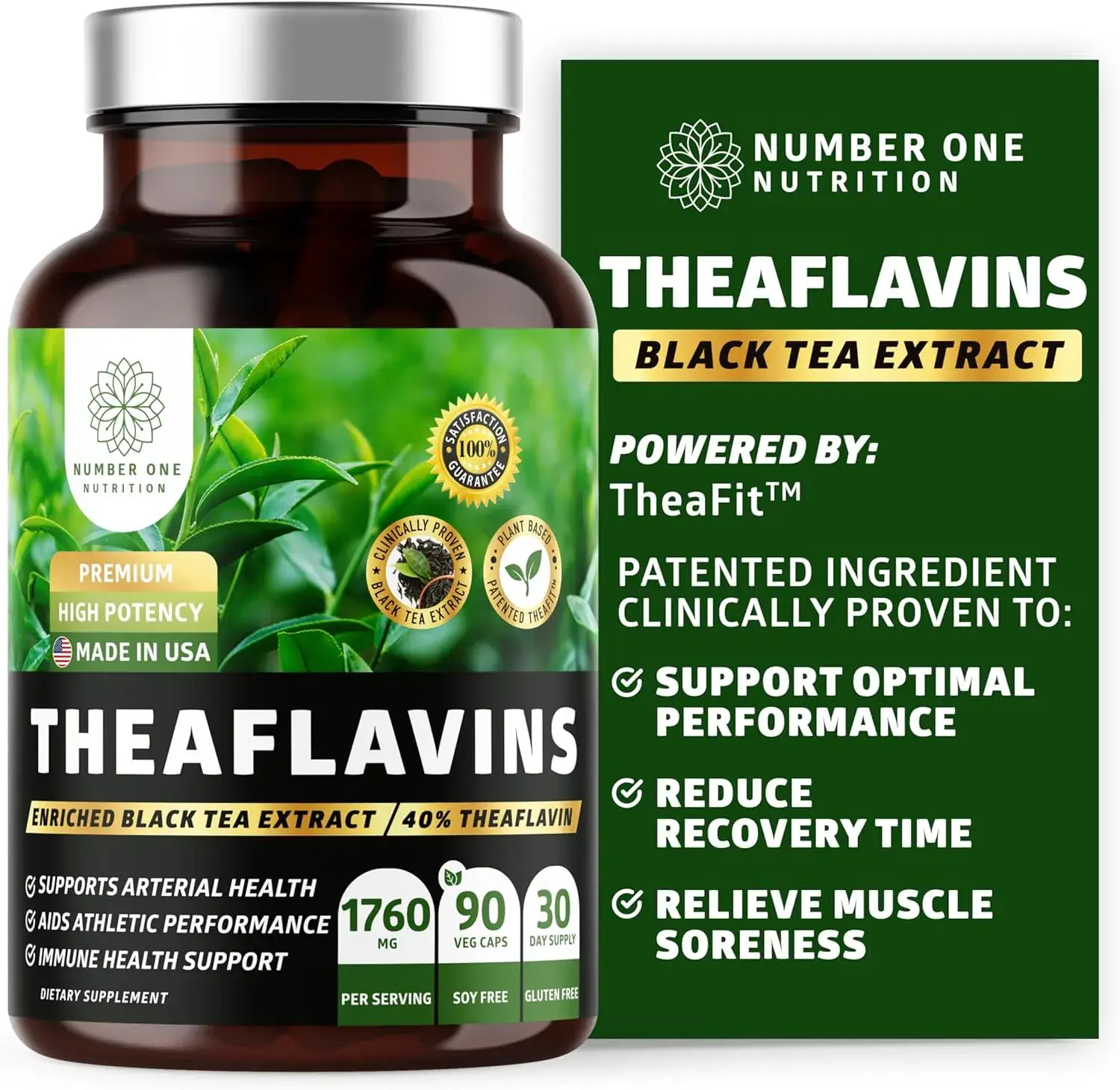
Black Tea Extract that is rich in natural theaflavins and polyphenols that help protect your body from free radicals, promoting overall immune health and well-being
Contains blended amounts of Fruits and Veggies. All natural, with whole foods, fruit and vegetable supplement.Perfect for everyone looking to live a healthier lifestyle.