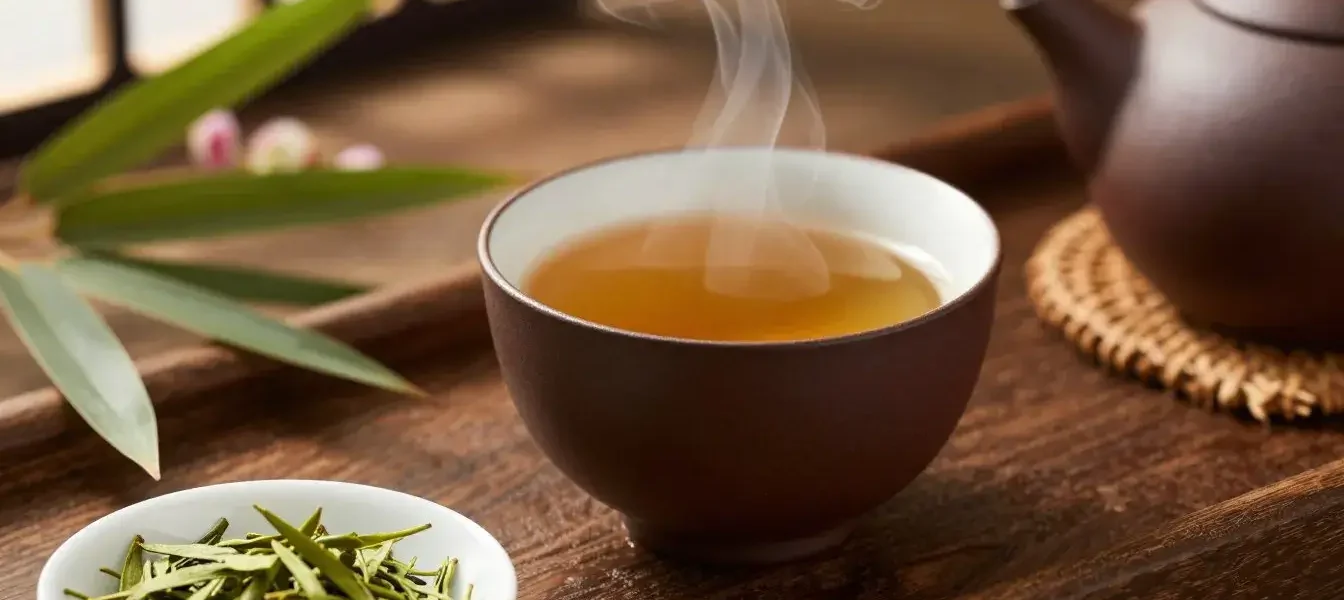
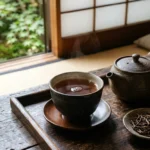
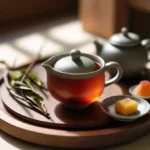
Roasting green leaves at high heat turns them into hojicha tea, a nutty, low-caffeine drink enjoyed across Japan. This process creates a smooth drink that feels gentle on your stomach and suits any time of day. Once you know the basics, making it at home is surprisingly simple.
Measure your loose leaves carefully before brewing. Heat water to 175 and 195 degrees Fahrenheit for the best flavor extraction. Allow the mixture to steep for about two or three minutes, then strain it.
Learn hojicha tea how to make in a steaming mug, over ice, or as a velvety latte. Customize your drink to match your personal preferences. Explore these simple ways to prepare this delightful roasted infusion.
Key Takeaways
Discover the unique roasting process that gives this beverage its signature nutty flavor.
Learn the precise water temperature range for optimal brewing results.
Master the timing required for a perfect, balanced cup every time.
Explore versatile serving options including iced drinks and creamy lattes.
Understand why this low-caffeine option is a favorite for evening relaxation.
What Makes Hojicha Different From Other Japanese Teas
Many varieties of Japanese tea keep their bright green color through steaming. Hojicha takes a different path. Roasting its leaves at high temperatures changes the tea’s chemistry and flavor.
How roasting changes green tea’s flavor and color
Roasting changes the leaves from bright emerald green to deep, reddish-brown. It also creates a complex aroma unlike the grassy notes of steamed teas. Heat gives this roasted green tea its defining toasted character.
Why hojicha tastes smooth, nutty, and naturally low in bitterness
This hojicha feels remarkably smooth on the palate. High heat lowers its catechin and caffeine levels, so the brew has little bitterness. Instead, it offers comforting nutty flavor with subtle caramel hints, making it popular with people who prefer mellow cups.
Choosing loose-leaf hojicha, tea bags, or hojicha powder
Choose a format based on how you plan to enjoy the drink. Loose-leaf hojicha offers the most authentic experience, while tea bags provide quick, easy brewing. For concentrated drinks like lattes, choose finely ground powder.
Format
Best Use
Brewing Style
Loose-leaf
Traditional brewing
Steeped in a teapot
Tea bags
Daily convenience
Quick infusion
Powder
Lattes and baking
Whisked into liquid
Gather Your Hojicha Ingredients and Brewing Equipment
A perfect cup of tea begins before the water reaches the leaves. Prepare your workspace to keep the hojicha brewing process smooth and enjoyable. Good organization helps create consistent results each time.
Selecting fresh hojicha for the best roasted flavor
The freshness of your tea greatly affects the final cup. Choose leaves with an even brown color and a strong, toasted aroma. High-quality loose-leaf hojicha brings out delicate caramel notes in every sip.
Measuring tea, water, and optional sweeteners
Accurate measurements help you follow a reliable hojicha recipe. Place your dry tea leaves, filtered water, and desired extras on the counter. Common additions include:
Raw honey for a floral sweetness.
Pure maple syrup to complement the roasted notes.
Organic cane sugar for a classic finish.
Choosing a teapot, infuser, kettle, mug, or saucepan
Your tools depend on how you plan to enjoy your tea. A mug and kettle work well for one quick serving. A teapot or infuser lets loose-leaf hojicha expand fully.
Equipment for making traditional hot hojicha
For traditional hot tea, use a kettle and a teapot with a built-in strainer. For a simple option, use a mug with a stainless steel infuser. This setup keeps hojicha brewing simple and effective.
Equipment for preparing iced or concentrated hojicha
Planning an iced hojicha recipe requires different tools. Use a small saucepan to make a concentrated stovetop brew. You also need a large pitcher for ice and a strainer for removing the leaves.
Step One: Measure the Hojicha and Water
A perfect cup of tea starts with careful measurements. Balance the tea and water before heating to draw out the best flavor.
Using the right tea-to-water ratio for loose leaves
For loose-leaf hojicha, use about one rounded teaspoon for every six to eight ounces of water. This ratio creates a gentle, toasted flavor.
Light brew: 1 teaspoon per 8 ounces of water.
Standard brew: 1.5 teaspoons per 8 ounces of water.
Strong brew: 2 teaspoons per 8 ounces of water.
Adjusting the amount for hojicha tea bags
If you use hojicha tea bags, remember that their tea is often cut into smaller pieces. The greater surface area helps the tea infuse much faster than loose leaves.
Use one bag per cup of water. If the flavor tastes too strong, shorten the steeping time instead of adding water.
Scaling the measurements for one cup or a full teapot
Scaling your recipe is easy after you understand the basic ratio. For a standard teapot, multiply each measurement by the number of cups you will serve.
Measure the water first so you do not overfill the teapot. A kitchen scale can help keep large batches consistent.
How to make a stronger base for milk tea
If you plan to add milk, make a more concentrated brew so the roasted notes remain clear. Use twice as much tea and half as much water.
This creates a bold, robust base that works well with dairy or plant-based alternatives. It keeps your final latte flavorful instead of watered down.
Correct water temperature brings out your tea’s deep, roasted notes. Hojicha is more forgiving than delicate teas like sencha, but careful heating still improves the result.
Heating water to approximately 175 to 195 degrees Fahrenheit
For balanced flavor, choose a hojicha water temperature between 175 and 195 degrees Fahrenheit. This range brings out toasted, caramel-like flavors without adding bitterness. Staying in this range keeps each cup smooth and satisfying.
Why boiling water can flatten delicate roasted flavors
Boiling water may seem convenient, but it can overwhelm the tea leaves. It can flatten hojicha’s subtle, nutty flavor. Slightly cooler water protects the roast and keeps the taste bright and clean.
Using a temperature-controlled kettle or a simple cooling method
A temperature-controlled kettle lets you choose the desired range. Without one, use a standard kettle and let the water rest for a few minutes after boiling. This simple step helps you control your hojicha steeping time and quality.
How long to let freshly boiled water cool
After boiling, leave the water uncovered for about two to three minutes. This pause usually lowers it to the ideal 175-195 degree range. Use a kitchen thermometer for greater accuracy.
Safety tips for handling hot water and heated teaware
Always handle your kettle and teaware carefully to prevent burns. Use a towel or heat-resistant mitt when touching a hot teapot or ceramic mug. Keep the workspace free of spills for safe, relaxing brewing.
Step Three: Steep the Hojicha Tea
Brewing magic happens during steeping, when roasted leaves release their signature aroma. When water reaches the ideal temperature, pour it over the tea to begin extraction.
Adding the water and starting the steeping time
Pour heated water slowly over the leaves or tea bag for even saturation. Start your timer as soon as water touches the tea. Consistent hojicha steeping time creates the perfect toasted profile you love.
Steeping loose-leaf hojicha for about two to three minutes
Steep loose-leaf varieties for about two to three minutes. This gives the leaves time to unfurl and release deep, nutty notes. For a bolder flavor, extend the time slightly, but watch closely to keep the taste smooth.
Steeping hojicha tea bags without over-extracting them
When using hojicha tea bags, take extra care. Their finer tea particles extract flavor faster than whole leaves. Watch your cup closely to prevent an overly intense or astringent taste.
When to gently swirl the teapot or infuser
If using a teapot, gently swirl it halfway through steeping to spread the flavor evenly. This motion helps water circulate through all the leaves. Avoid strong stirring, which can break leaves and release unwanted tannins.
How to avoid a weak, dusty, or overly bitter cup
To avoid a dusty or bitter result, never leave tea in water too long. Over-extraction mainly causes a flat or harsh flavor. Recommended timing gives every sip a clean, refreshing finish.
Tea Type
Steeping Time
Water Temp
Flavor Profile
Loose-Leaf
2-3 Minutes
175-195°F
Rich & Toasted
Hojicha Tea Bags
1-2 Minutes
175-185°F
Smooth & Light
Powdered Hojicha
Instant/Whisk
175°F
Creamy & Bold
Hojicha Tea How to Make: Strain and Serve Your Cup
When the timer ends, finish your brew. Understanding hojicha tea how to make helps capture the leaves’ toasted flavor without bitterness.
Removing the leaves or tea bag at the right moment
Timing matters when you prepare this roasted green tea. Remove the leaves or tea bag as soon as the steeping time ends.
Leaving tea in water too long can cause over-extraction. The result may taste harsh or astringent and hide the roast’s nutty sweetness.
Pouring the tea evenly into your cup
When serving, pour the tea slowly and evenly. With a teapot, divide small amounts among several cups for consistent strength.
This method keeps the flavor balanced from the first sip to the last drop. Consistency marks a well-prepared cup of tea.
Serving hojicha plain to enjoy its roasted aroma
Many enthusiasts enjoy this tea plain. Its smoky, caramel-like notes can shine without other flavors getting in the way.
“Tea is a mirror of the soul, reflecting the care and patience poured into every single cup.”Traditional Tea Proverb
Adding honey, maple syrup, or sugar for gentle sweetness
For gentle sweetness, add a small drizzle of honey or maple syrup. Both options pair well with hojicha’s toasted notes.
Adding milk or oat milk for a creamy hojicha latte
For a richer drink, add dairy or plant-based milk. To make hojicha milk tea, stir in milk until the drink turns soft tan.
Using hojicha powder when you want a thicker, more intense drink
For stronger flavor, try hojicha powder. This finely ground tea includes the whole leaf, creating a thicker texture and deeper roasted taste.
Turn your daily brew into a cold treat or rich latte with ease. Choose a crisp drink for warm afternoons or a creamy cup for comfort. These methods reveal new dimensions of flavor from roasted leaves.
Making a hot-brewed iced hojicha over ice
For a quick iced hojicha, use twice your usual amount of leaves. The concentrated tea stays bold as ice melts.
Pour the freshly steeped tea over a glass filled with ice. Rapid cooling preserves its toasted aroma and helps prevent a watery drink.
Cold-brewing hojicha for a softer, smoother flavor
For a mellow drink, try the cold brew hojicha method. Time, not heat, draws delicate compounds from the leaves.
Put loose-leaf tea in a pitcher of cold, filtered water. Refrigerate it for at least six to eight hours. This creates a smooth, naturally sweet drink with subtle caramel notes from the roast.
Building a balanced hojicha latte on the stovetop
A cafe-quality hojicha latte combines earthy tea with rich milk. On the stovetop, gentle heat brings these flavors together in a balanced cup.
Creating a concentrated hojicha base with less water
Steep your tea in a very small amount of hot water to make a strong base. Less water keeps the tea bold beside the milk.
Frothing dairy or plant-based milk
While the tea base rests, heat dairy or plant-based milk until steaming, not boiling. Use a handheld frother to make velvety micro-foam for your hojicha latte. This texture gives your drink a luxurious mouthfeel.
Sweetening and chilling the latte without watering it down
For sweetness, stir in a little honey or maple syrup while the tea base remains warm. For a cold latte, pour the tea over ice before adding frothed milk. This keeps the drink concentrated and flavorful until the last sip.
Adjust the Flavor to Match Your Taste
Finding your ideal hojicha flavor is a fun journey of testing and discovery. You can customize each cup to match your mood instead of choosing a standard brew. Small changes help you master the perfect pour.
Making hojicha stronger without making it harsh
Many people fear that stronger tea will taste bitter. Roasting keeps this tea smooth, even with more leaves. Focus on increasing the amount of tea leaves instead of steeping too long, which can cause astringency.
Fixing a weak cup with more tea, time, or a smaller volume of water
If your first cup has a weak hojicha flavor, you have three simple choices. Add a half-teaspoon of loose leaves, use less water, or steep for thirty seconds longer. Change one choice at a time so you know what improves your cup.
Increase leaf quantity for a deeper, more intense body.
Reduce water volume to concentrate the existing aromatics.
Extend steeping time slightly to extract more complex compounds.
Balancing smoky, nutty, caramel-like, and toasted notes
This tea’s profile lets you highlight different notes to match your taste. You can bring out the caramel-like sweetness with cooler water. Use hotter water to emphasize the smoky, toasted notes. Use the guide below to find your preferred balance:
Goal
Adjustment
Result
Lighter Body
Less Tea
Subtle, smooth finish
Bolder Profile
More Tea
Rich, nutty intensity
Sweet Notes
Lower Temp
Caramel undertones
Choosing a shorter steep for a lighter evening drink
A shorter steep of about ninety seconds suits a relaxing evening. It keeps the hojicha flavor light and gentle, making it a good drink before bed. It also highlights the delicate, toasted aroma without overwhelming your palate.
Choosing a longer steep for a bolder breakfast cup
For a robust morning start, steep leaves for three to four minutes. This longer time creates a bolder, fuller-bodied hojicha flavor that pairs well with breakfast foods. Enjoy the deep, roasted intensity as it gives your senses a satisfying wake-up call.
Store Hojicha Properly and Troubleshoot Common Problems
Good care keeps your roasted tea delicious from the first sip to the last. Effective hojicha storage preserves its delicate toasted notes for weeks or even months.
Keeping loose-leaf hojicha fresh after opening
After opening, freshness starts to fade. Air and other exposure can weaken the leaves’ signature aroma and complex flavor profile.
Always move your tea into an airtight container. A ceramic or opaque metal tin best shields the leaves from harmful elements.
Protecting roasted tea from heat, light, air, and moisture
Your tea is sensitive to its surroundings. Store your container in a cool, dark, dry place, such as a pantry or cupboard away from the stove.
Keep your tea away from windows and heat-producing appliances. Moisture can cause serious damage, so avoid refrigeration unless the tea is vacuum-sealed.
Understanding why your hojicha tastes bitter, flat, or smoky
Sometimes, your brew may taste wrong. Excess bitterness or a flat flavor usually comes from your brewing technique.
What to do when the water is too hot
Boiling water can scorch the leaves and draw out unwanted tannins. If the tea tastes harsh, lower the temperature to the 175-195°F range.
What to do when you steep the tea for too long
Steeping for too many minutes can create an unbalanced, bitter cup. If the flavor feels too strong, reduce steeping time by thirty seconds next time.
When to replace old or stale hojicha
If your tea loses its vibrant, nutty aroma or smells dusty, it has likely gone stale. Once leaves lose their distinct roasted scent, no brewing method can make a satisfying cup.
Reusing hojicha leaves for a second infusion
You can reuse your leaves after one use. A second infusion hojicha can offer a lighter, subtler flavor that feels refreshing.
Ensure you brew the second cup immediately after the first.
Use slightly hotter water to extract the remaining flavor.
Extend the steeping time by about one minute to compensate for the used leaves.
Conclusion
You now have the knowledge to make a comforting mug of roasted goodness at home. Learning how to brew hojicha rewards patience with deep, toasted flavors.
Measure your leaves carefully, and keep your water between 175 and 195 degrees Fahrenheit. Steep hojicha tea for two to three minutes to bring out its best flavor without bitterness.
Experiment with your routine. Enjoy it plain to appreciate natural caramel notes, or add milk for a creamy latte. Serve it over ice on a warm afternoon, or cold-brew it for a smooth, refreshing treat.
Adjust the strength and sweetness to suit your personal palate. Each cup lets you refine your technique and discover new ways to enjoy this unique Japanese staple. Grab your favorite teapot and start your next brewing session today.
What is the best water temperature for brewing hojicha?
Heat water to 175 to 195 degrees Fahrenheit for a balanced, smooth flavor. Boiling water can flatten the delicate roasted notes of brands like Ippodo Tea or Hojicha Co. Without a temperature-controlled kettle, let freshly boiled water sit for about two minutes before pouring it over the leaves.
How long should I steep loose-leaf hojicha versus tea bags?
Steep loose-leaf hojicha for about two to three minutes. Tea bags often contain finer leaves, so use the shorter time to avoid over-extraction. Watch the clock so your cup does not become dusty or overly bitter.
Can I make a creamy hojicha latte at home?
Create a latte by brewing a concentrated tea base with less water or whisking hojicha powder into your liquid. Many people froth Oatly oat milk or Califia Farms almond milk for a creamy texture. This complements the tea’s natural caramel-like and nutty undertones.
Is it possible to reuse hojicha leaves for a second infusion?
Yes, high-quality roasted tea leaves can often be reused for a second infusion. The flavor may be lighter, but you can still enjoy smoky and toasted notes. Increase the steeping time slightly to extract the remaining depth.
How should I store my hojicha to keep it fresh?
Store your tea in a cool, dark place away from heat, light, air, and moisture. An airtight tin, such as those provided by Harney & Sons, helps keep loose leaves or tea bags fresh. It also prevents them from absorbing unwanted kitchen odors.
What is the difference between hot-brewed iced hojicha and cold-brewing?
For hot-brewed iced hojicha, make a stronger concentrate and pour it over ice. Cold-brewing means steeping leaves in cold water for several hours in the refrigerator. This slow method creates a softer, smoother flavor that highlights natural sweetness without bitterness.
How can I adjust the strength of my tea if it tastes too weak or too bold?
Adjust the tea-to-water ratio: use more leaves or steep three minutes for a bolder breakfast cup. For a lighter evening drink, use a shorter steep or a smaller volume of tea. Change one variable at a time to find your palate’s perfect balance of smoky and caramel notes.
Black Tea Extract that is rich in natural theaflavins and polyphenols that help protect your body from free radicals, promoting overall immune health and well-being
Contains blended amounts of Fruits and Veggies. All natural, with whole foods, fruit and vegetable supplement.Perfect for everyone looking to live a healthier lifestyle.