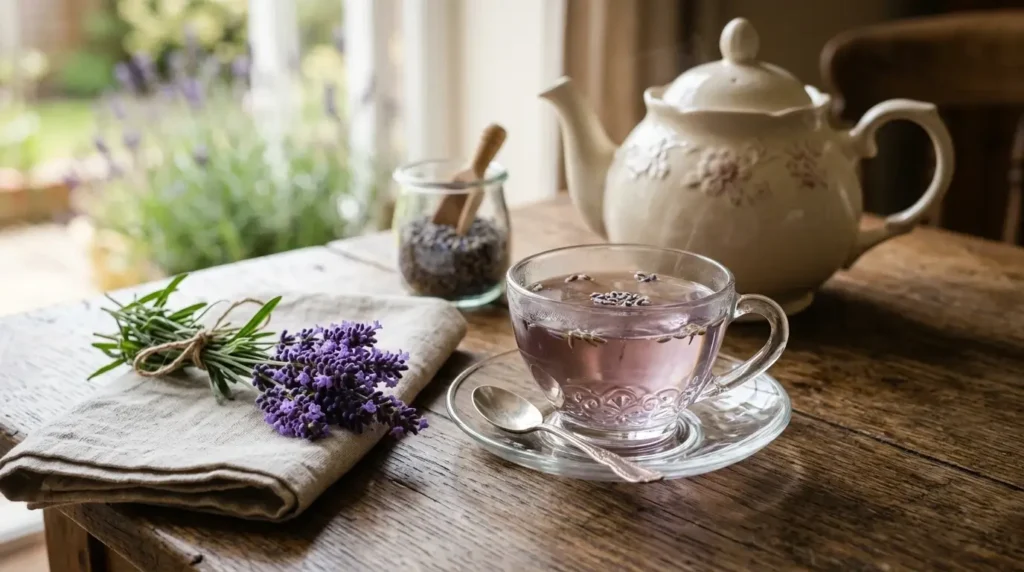
Your skincare shelf is probably full of serums, toners, and creams — but what if some of the most powerful skin support was already brewing in your kitchen? Lavender tea, made from the dried blossoms of Lavandula angustifolia, has been used for centuries in traditional wellness practices. And modern research is beginning to back up what herbalists have always known: when it comes to lavender tea benefits for skin, this delicate purple flower is far more than just a pretty scent.
Whether you drink it, use it topically as a toner, or breathe it in as a facial steam, lavender tea delivers a remarkable range of skin-supporting properties. We’re talking antioxidants that fight aging, antibacterial compounds that combat acne, anti-inflammatory agents that calm redness, and detoxifying qualities that let your skin breathe.
In this article, we cover the top 5 scientifically grounded lavender tea benefits for skin — plus practical, easy ways to add this floral powerhouse to your daily routine.
What Makes Lavender Tea So Powerful for Your Skin?
Before diving into the specific benefits, it helps to understand why lavender tea works so well for skin health. The answer lies in its rich biochemistry.
Key Bioactive Compounds in Lavender Tea
Lavender flowers are packed with bioactive compounds that interact with your skin at a cellular level. The most important ones include:
Linalool & Linalyl acetate — Terpene alcohols with potent antimicrobial and anti-inflammatory properties. These are the compounds primarily responsible for lavender’s skin-calming reputation.
Flavonoids (luteolin, apigenin) — Plant antioxidants that neutralize free radicals, protecting collagen fibers and cell membranes from oxidative stress.
Rosmarinic acid — A phenolic compound with strong anti-inflammatory and antioxidant activity, also found in rosemary and sage.
Caffeic acid — Another polyphenol that helps brighten uneven skin tone and protect against UV-induced skin damage.
Coumarins — Natural compounds with mild antimicrobial activity that contribute to lavender’s skin-clarifying effects.
Drinking vs. Applying — Two Ways It Works
One of the most unique aspects of lavender tea is its dual-action potential. Internally, drinking 1–2 cups per day delivers antioxidants and anti-inflammatory compounds into your bloodstream, allowing your body to support skin health from the inside out. Externally, cooled lavender tea can be used directly on the skin as a toner, facial mist, compress, or steam — giving you targeted, localized benefits.
This inside-and-out approach is what makes lavender tea stand apart from most single-use topical treatments.
Is Lavender Tea Safe for Daily Use?
For most adults, lavender tea is considered safe when consumed in moderate amounts — typically 1–2 cups per day. It’s naturally caffeine-free, making it a great alternative to caffeinated teas that can sometimes dehydrate the skin. Topically, it’s well-tolerated by most skin types, though a patch test is always wise for those with sensitive skin or known floral allergies.
💡 Pro Tip Brew lavender tea in filtered water at around 85–90°C (185–194°F). Boiling water can degrade some of the delicate volatile compounds. Steep for 5–7 minutes and cover the cup to trap the aromatic oils.
Benefit #1 — Fights Acne and Clears Blemishes
Acne is one of the most common skin complaints worldwide, and one of the most researched applications for lavender in dermatology. The lavender tea benefits for skin shine brightest here — especially for anyone who’s tried harsh chemical treatments without long-term success.
Antibacterial Action Against Breakout-Causing Bacteria
Acne is largely triggered by Cutibacterium acnes (formerly Propionibacterium acnes), a bacteria that proliferates inside clogged pores. Linalool and linalyl acetate — lavender’s primary terpene compounds — have been shown in laboratory studies to exhibit significant antibacterial activity against this organism and other common skin-surface bacteria.
Drinking lavender tea helps reduce overall systemic inflammation (which can exacerbate acne), while applying cooled lavender tea topically creates an unfriendly environment for acne-causing bacteria on the skin’s surface.
Anti-Inflammatory Relief for Swollen, Painful Pimples
Inflamed acne — the red, swollen kind — responds particularly well to lavender’s anti-inflammatory compounds. Rosmarinic acid and flavonoids inhibit certain inflammatory pathways in the skin, helping reduce the redness, swelling, and discomfort associated with active breakouts. This doesn’t happen overnight, but consistent use of lavender tea (internally and externally) can meaningfully reduce the frequency and intensity of flare-ups over time.
How to Use Lavender Tea for Acne-Prone Skin
🌸 DIY Lavender Acne Toner
Brew a strong cup of lavender tea (2 tsp dried flowers per 240ml water).
Allow it to cool completely and strain well.
Pour into a clean spray bottle or toner bottle.
Apply to clean skin morning and evening with a cotton pad.
Follow with your regular moisturizer. Store in the fridge for up to 5 days.
Benefit #2 — Slows Down Visible Signs of Aging
Every day, your skin battles environmental aggressors — UV rays, pollution, stress, and poor diet — that generate unstable molecules called free radicals. Left unchecked, free radicals break down collagen and elastin, leading to wrinkles, sagging, and dullness. This is where lavender tea’s antioxidant profile makes it a worthy anti-aging ally.
Antioxidants That Neutralize Free Radical Damage
Lavender tea contains a meaningful concentration of flavonoids — specifically luteolin and apigenin — which are classified as potent antioxidants. These compounds donate electrons to unstable free radical molecules, effectively neutralizing them before they can damage collagen fibers or cell membranes. Think of them as a molecular cleanup crew, constantly working in the background to keep your skin cells functioning correctly.
Rosmarinic acid, also present in lavender, adds another layer of antioxidant protection. It’s been studied for its ability to inhibit oxidative stress in skin cells, supporting a more youthful cellular environment.
Collagen Protection and Skin Elasticity
Collagen is the scaffolding of your skin — it’s responsible for plumpness, firmness, and elasticity. Once collagen degrades, you start to see sagging skin and deeper lines. Lavender’s anti-inflammatory and antioxidant compounds help protect the enzymes that build collagen (like prolyl hydroxylase) from oxidative damage, potentially slowing the rate of collagen breakdown.
While lavender tea alone won’t replace dedicated collagen-boosting treatments, it works synergistically with a good diet, sun protection, and other antioxidant-rich foods to maintain youthful skin structure over time.
How Often Should You Drink Lavender Tea for Anti-Aging?
Most wellness practitioners recommend 1–2 cups daily for consistent antioxidant intake. Evening is an ideal time since lavender also has mild calming properties — and quality sleep is itself one of the most powerful anti-aging tools available.
📖 Did You Know? Chronic stress raises cortisol levels, which degrades collagen and worsens skin aging. Lavender tea’s natural anxiolytic (anxiety-reducing) properties — largely attributed to linalool — make it a two-for-one deal: it calms your nervous system and supports your skin simultaneously.
If your skin is reactive, easily flushed, or prone to flare-ups, this may be the lavender tea benefit that resonates most. Lavender has one of the most well-established records of any herb when it comes to calming skin inflammation — and its tea form makes this accessible to virtually anyone.
Natural Relief for Eczema and Rosacea
Both eczema and rosacea are inflammatory skin conditions characterized by redness, itching, burning, and visible capillary or patchy irritation. Lavender’s flavonoids — particularly luteolin — have been studied for their ability to suppress mast cell activation and histamine release, two core mechanisms in eczema flare-ups. Applied topically as a compress or toner, cooled lavender tea can provide immediate soothing relief during mild flare-ups.
For rosacea, lavender tea’s vasoconstricting and anti-inflammatory effects may help reduce the visible redness and flushing associated with this condition. It’s not a medical cure, but many people with rosacea report improved comfort and reduced redness with consistent use.
Calming Sun-Damaged and Inflamed Skin
After sun exposure, the skin undergoes an inflammatory response — even in the absence of a visible sunburn. This subclinical inflammation accelerates skin aging and can cause hyperpigmentation over time. Applying a lavender tea compress to sun-exposed skin helps quell this inflammatory response, reduces immediate redness, and supports faster skin recovery.
Lavender Tea Facial Steam Guide
🌿 Calming Lavender Facial Steam
Bring 500ml of water to a gentle simmer. Remove from heat.
Add 2–3 tablespoons of dried lavender flowers to the water.
Drape a towel over your head and lean over the bowl (keep your face at least 30cm away to avoid burns).
Steam for 5–8 minutes, breathing deeply.
Pat your face dry and follow with a gentle moisturizer.
Do this 1–2 times per week for ongoing soothing benefits.
Benefit #4 — Reduces Dark Spots and Evens Skin Tone
Uneven skin tone, dark spots, and hyperpigmentation are among the most persistent cosmetic skin concerns — and one of the more exciting lavender tea benefits for skin is its potential to help address all three naturally.
Natural Brightening Without Harsh Chemicals
Caffeic acid and rosmarinic acid, both present in lavender tea, are members of the hydroxycinnamic acid family — a group of polyphenols studied for their ability to inhibit tyrosinase, the enzyme responsible for melanin (pigment) production in the skin. By reducing excess melanin synthesis at the source, lavender tea may help brighten overall skin tone over time with consistent use.
This makes it a gentler alternative to chemical brighteners like hydroquinone, which can cause rebound hyperpigmentation and are increasingly restricted in many countries.
Addressing Post-Acne Marks and Hyperpigmentation
Post-inflammatory hyperpigmentation (PIH) — the dark marks left behind after acne heals — can persist for weeks or months. Because PIH is driven by melanin overproduction triggered by inflammation, lavender tea addresses it on two fronts: reducing the inflammation that causes the spot, and then mildly inhibiting the pigment production that deepens it. It won’t erase existing dark spots overnight, but used consistently as both a drink and a toner, it creates a skin environment where PIH fades faster.
Lavender Tea Toner DIY Recipe for Clearer Skin
✨ Brightening Lavender & Honey Toner
Brew a double-strength lavender tea (3 tsp dried flowers in 200ml water, steeped 10 minutes).
Cool completely and strain through cheesecloth.
Add 1 teaspoon of raw honey and stir until dissolved.
Optional: add 2–3 drops of vitamin C serum for enhanced brightening.
Apply to face with a cotton round after cleansing. Use nightly for best results.
Keep refrigerated and use within 5–7 days.
Benefit #5 — Hydrates and Detoxifies from Within
The clearest skin starts from within — and that means keeping your body well-hydrated and your detoxification pathways running smoothly. Lavender tea supports both, making it a deceptively powerful addition to any skin-care routine.
Staying Hydrated for Plumper, Clearer Skin
Dehydration is one of the most underestimated contributors to dull, tired-looking skin. When your body lacks adequate fluid, skin cells shrink slightly, making fine lines more visible and giving the complexion a flat, lackluster appearance. Lavender tea is caffeine-free, meaning every cup counts directly toward your daily fluid intake without the mild diuretic effect of caffeinated teas or coffee.
Swapping out one caffeinated drink per day for a cup of lavender tea is a small change that your skin will thank you for within days — especially if you tend to run slightly dehydrated.
Internal Detox and Its Visible Skin Effects
Lavender tea has traditionally been used as a mild digestive tonic and liver-supporting herb. When the liver and kidneys are working efficiently, the body processes and excretes metabolic waste more effectively — and the skin, which often acts as a secondary elimination organ, bears less of that burden. This is why people who support their gut and liver health often notice cleaner, less congested, more even-toned skin.
Lavender’s mild diuretic and hepatoprotective properties (particularly from its rosmarinic acid content) support this internal cleanup — resulting in skin that looks cleaner and less congested over time.
Combining Lavender Tea with a Skin-Healthy Routine
To maximize the detox and hydration benefits of lavender tea for skin, combine it with:
Adequate sleep (7–9 hours) — when cellular repair occurs most actively
A diet rich in omega-3 fatty acids, zinc, and vitamins A & C
Reduced sugar and processed food intake — which spike inflammation
Daily gentle movement to support lymphatic circulation
Lavender Tea vs. Other Herbal Teas for Skin (Quick Comparison)
Wondering how lavender tea stacks up against other popular herbal options? Here’s a side-by-side look at the most skin-relevant properties:
Tea
Antioxidant Level
Anti-Acne
Anti-Aging
Soothing
Brightening
Caffeine-Free
🌸 Lavender Tea
High
✔ Strong
✔ Strong
✔ Excellent
✔ Moderate
✔ Yes
🌼 Chamomile Tea
Moderate
~ Mild
✔ Good
✔ Excellent
~ Mild
✔ Yes
🌹 Hibiscus Tea
Very High
~ Mild
✔ Excellent
~ Moderate
✔ Strong
✔ Yes
🍵 Green Tea
Very High
✔ Good
✔ Excellent
~ Moderate
✔ Good
✘ Contains caffeine
🌿 Spearmint Tea
Moderate
✔ Strong
~ Mild
~ Mild
~ Minimal
✔ Yes
🔴 Rooibos Tea
High
~ Mild
✔ Good
✔ Good
~ Mild
✔ Yes
Lavender tea stands out for its exceptional combination of anti-acne and soothing properties — a pairing few other herbal teas can match. For pure antioxidant power, hibiscus and green tea have the edge, but for sensitive, reactive, or acne-prone skin, lavender is hard to beat.
Frequently Asked Questions About Lavender Tea Benefits for Skin
❓ How long does it take to see results from lavender tea for skin?
Most people begin to notice subtle improvements — reduced redness, calmer skin, slightly fewer breakouts — within 2–4 weeks of consistent daily use. More significant changes in skin tone, dark spots, or signs of aging typically require 6–12 weeks of regular use. Consistency matters far more than quantity; one cup per day is more effective than drinking four cups for a week and then stopping.
❓ Can I apply lavender tea directly to my face?
Yes — cooled, strained lavender tea can be applied directly to the skin as a toner, compress, or facial mist. It’s gentle enough for most skin types, though if you have particularly sensitive skin or a known allergy to lavender or other Lamiaceae family plants (like mint or sage), do a patch test on your inner wrist before applying it to your face. Avoid the eye area.
❓ Is lavender tea good for oily skin?
Yes, lavender tea is particularly well-suited for oily and combination skin types. Its antibacterial properties help control the bacteria that thrive in excess sebum, while its mild astringent properties (from tannins in the flowers) can help temporarily tighten pores and reduce shine. Use it as a morning toner before applying moisturizer for a mattifying, balancing effect throughout the day.
❓ Can lavender tea help with hormonal acne?
Lavender tea can support — but not resolve — hormonal acne. Its anti-inflammatory properties help reduce the severity of breakouts driven by hormonal fluctuations, and its stress-reducing effects (via linalool’s calming action) can help manage cortisol spikes that worsen hormonal skin issues. However, hormonal acne driven by conditions like PCOS typically requires medical management. Use lavender tea as a complementary support tool, not a standalone treatment.
❓ What’s the best time of day to drink lavender tea for skin benefits?
Evening is generally ideal. Your skin does most of its repair work at night, and drinking lavender tea 1–2 hours before bed not only provides antioxidants and anti-inflammatory compounds during the peak repair window, but also promotes better sleep quality — which is itself one of the most powerful skin regeneration tools available. That said, any time of day is beneficial; morning lavender tea is also a great alternative to caffeinated drinks.
❓ Does lavender tea help with under-eye dark circles?
It can help in an indirect way. Under-eye circles are often caused by poor sleep, dehydration, and skin thinning over time — all of which lavender tea addresses. Used topically (a cooled tea-soaked cotton pad placed over closed eyes for 10 minutes), lavender tea’s mild vasoconstrictive and anti-inflammatory properties may temporarily reduce puffiness and the appearance of darkness. For structural dark circles caused by pigmentation or very thin under-eye skin, the effect will be modest.
Final Thoughts
The lavender tea benefits for skin are both broad and genuinely impressive. From fighting the bacteria that cause acne and neutralizing the free radicals that cause aging, to soothing eczema-prone redness and gently evening out your skin tone — this modest floral tea earns its place in any serious skin wellness routine.
What’s more, it’s accessible, affordable, and beautifully versatile. You can drink it in the evening for systemic antioxidant support, use it as a toner in the morning for direct skin benefits, and incorporate it into a weekly facial steam for deep pore-cleansing relaxation. No lab-produced formula needed.
Start simply: brew one cup of quality lavender tea tonight. Drink it. Save the excess in a small bottle in your fridge. Tomorrow morning, use it as a toner. Give it four weeks of consistency — and let your skin tell you the rest.
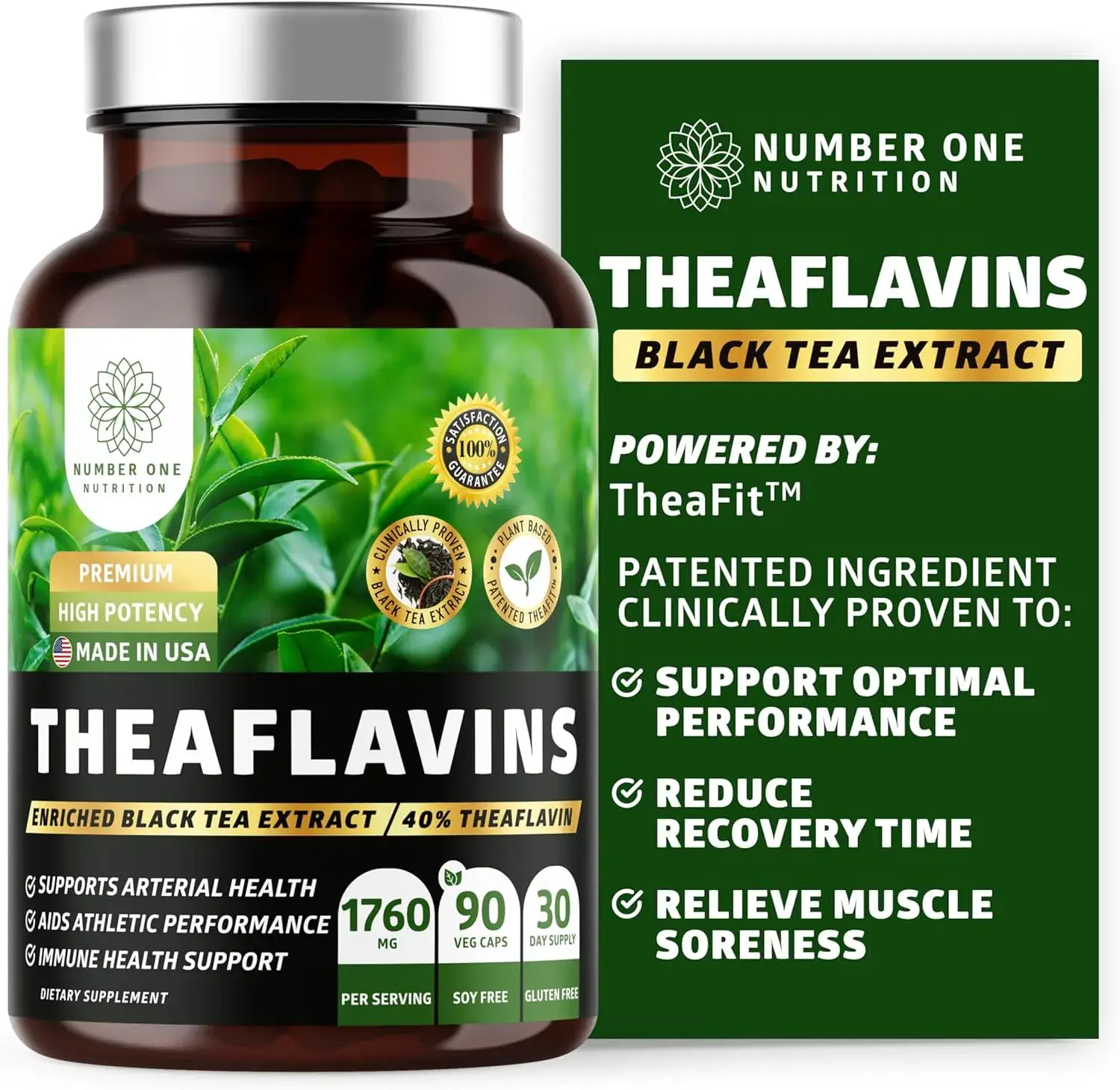
Black Tea Extract that is rich in natural theaflavins and polyphenols that help protect your body from free radicals, promoting overall immune health and well-being
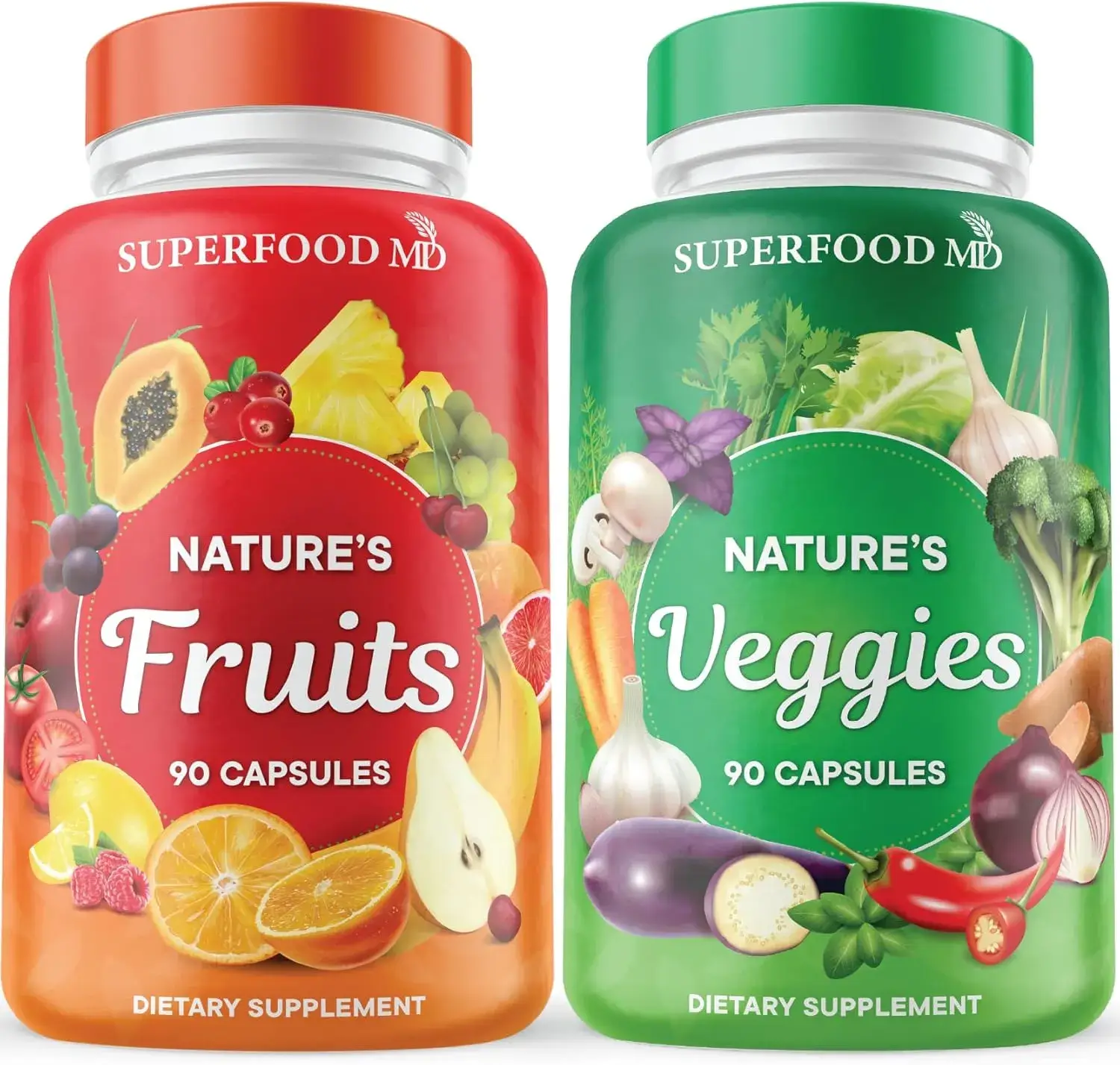
Contains blended amounts of Fruits and Veggies. All natural, with whole foods, fruit and vegetable supplement.Perfect for everyone looking to live a healthier lifestyle.