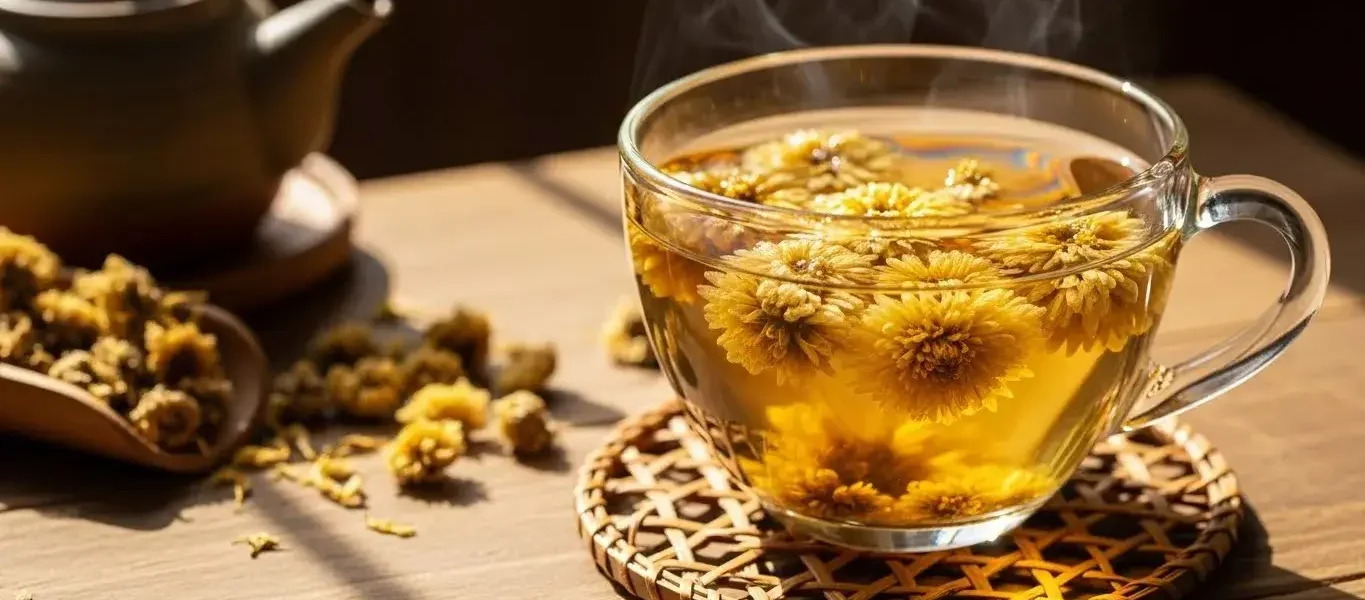
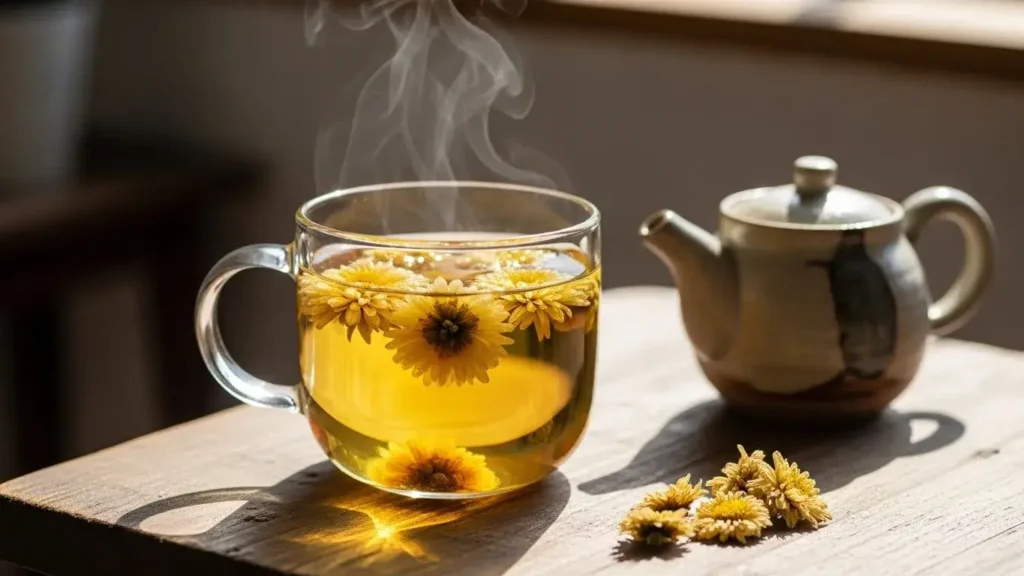
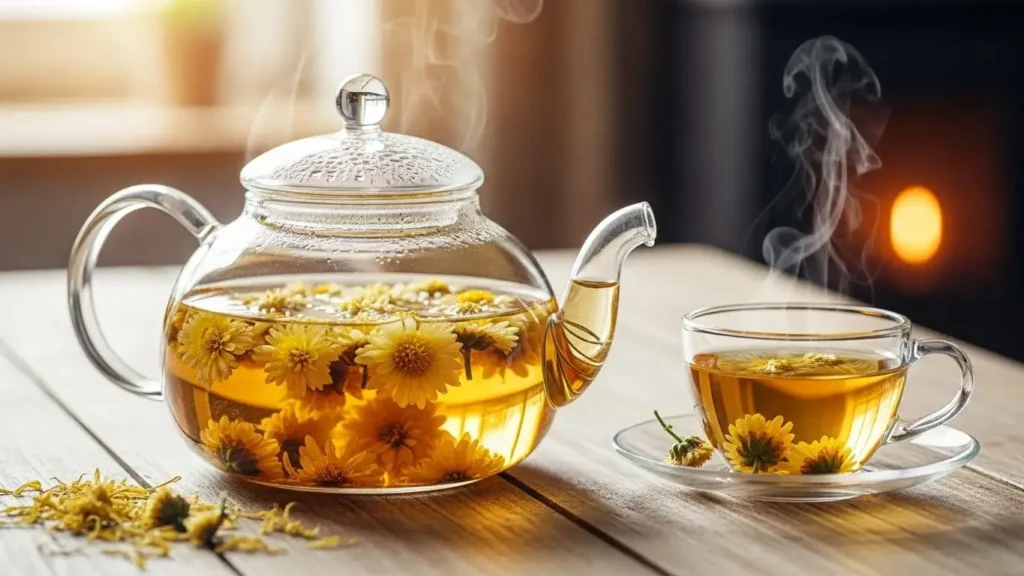
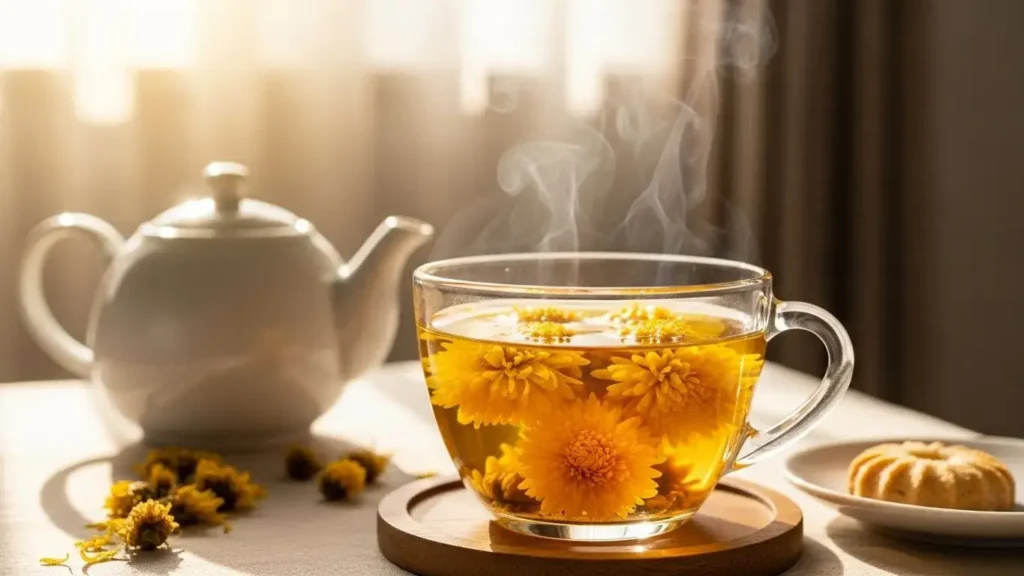
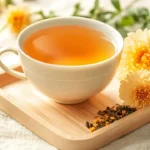
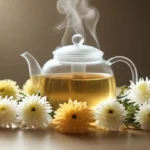
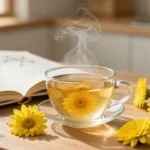
You’ve probably seen chrysanthemums, those pretty flowers that brighten up gardens. But did you know they’re also used to make a tea that people have been drinking for ages? It turns out this floral brew might be more than just a nice drink. We’re going to look into whether chrysanthemum tea is good for health and what it might do for you.
Key Takeaways
Chrysanthemum tea, with a history stretching back over a thousand years in Asia, is made from the flowers of the chrysanthemum plant and is known for its mild, floral taste.
This tea is packed with nutrients like vitamins, minerals, and antioxidants, which are thought to contribute to its health benefits.
Potential benefits include helping you relax, supporting heart health by managing blood pressure, and aiding digestion.
It’s also traditionally used to help with cold symptoms, improve skin health, and may even play a role in preventing certain diseases.
While generally safe, it’s wise to be aware of potential allergies, especially if you’re sensitive to daisy-like plants, and to choose pure, unsweetened preparations for the best results.
Is Chrysanthemum Tea Good For Health?
So, is chrysanthemum tea actually good for you? The short answer is, it seems to be! This floral brew, with its roots stretching back over a thousand years in Asia, has been a staple in traditional medicine and daily life for centuries. People have been drinking chrysanthemum for health for a long time, and now, modern science is starting to catch up with what folks have known for ages. It’s a pretty interesting drink, and understanding what it does for you can be quite eye-opening.
A Brief History of Chrysanthemum Tea
Chrysanthemums weren’t always just pretty flowers. They were first cultivated in China way back when, and people didn’t just look at them; they cooked with them, adding young shoots and petals to salads. It wasn’t until the Song Dynasty, between 960 and 1279 AD, that the flowers and leaves really made their way into tea. It became popular then, and it’s been a favorite ever since, especially in places like China, Korea, and Japan. It’s even considered a symbol of nobility and integrity in some cultures. It’s pretty cool to think that a drink you might have today has such a long and storied past.
Nutritional Profile of Chrysanthemum Tea
What’s actually in this tea that makes it potentially good for you? Well, it’s packed with a bunch of stuff. You’ll find vitamins like A, B, C, and K, plus minerals such as calcium, iron, magnesium, and potassium. It also contains beta-carotene and amino acids – apparently, more than green tea! These components are what give the tea its reputed health benefits. It’s not just water and flowers; there’s some real nutritional punch in there.
Here’s a quick look at some key nutrients:
Vitamins: A, B complex (including niacin, riboflavin, folic acid), C, K
Not all chrysanthemums are created equal, especially when it comes to tea. The most common ones used for tea are the white and yellow varieties. However, there’s a particularly prized type known as ‘Snow Chrysanthemum’. This rare variety grows high up in the Kunlun Mountains and has a very short blooming season. It’s known for its bold, refreshing taste with hints of fruit and spice, and is often said to have even more potent benefits. So, when you’re looking for chrysanthemum tea, you might see different types, and they can vary in flavor and potentially in their health-boosting properties.
While many people wonder if chrysanthemum tea is safe to drink, the general consensus is yes, for most individuals. It’s a gentle herbal tea that has been consumed for centuries without widespread reports of serious issues. However, like anything, moderation is key, and it’s always wise to be aware of how your own body reacts.
Ultimately, the question of whether chrysanthemum tea is good for your health has a lot of positive indications. From its historical use to its nutritional makeup and the potential benefits being explored, it’s definitely a beverage worth considering for your wellness routine. What does chrysanthemum tea do for you? It seems like quite a bit!
Chrysanthemum tea, a fragrant herbal infusion, has been cherished for centuries, particularly in East Asian cultures, not just for its delicate flavor but also for its array of potential health advantages. The health benefits of chrysanthemum are rooted in its rich nutritional profile and the traditional uses of chrysanthemum tea that modern science is now beginning to explore. Let’s look at some of the ways this floral brew might support your well-being.
Promoting Relaxation and Reducing Stress
Feeling a bit wound up? The health advantages of chrysanthemum infusions might offer a gentle solution. This tea is often associated with calming effects, potentially helping to lower blood pressure and cool the body. It’s thought that the potassium content in chrysanthemum can help widen blood vessels, improving circulation. Better blood flow means your body might be more efficient at managing stress hormones. So, a warm cup could be just the thing after a long day.
Supporting Heart Health and Blood Pressure
Keeping your heart happy is important, and chrysanthemum flower benefits might play a role here too. The presence of potassium is a key factor, as adequate levels are linked to a reduced risk of high blood pressure and heart disease. Additionally, chrysanthemum tea contains iron, which is vital for transporting oxygen throughout your body via the blood. These elements contribute to the overall cardiovascular support that chrysanthemum tea offers.
Aiding Digestion and Metabolism
When it comes to what are the effects of chrysanthemum tea on your digestive system and metabolism, it’s quite interesting. The tea contains B vitamins, like folic acid and choline, which are known to be beneficial for metabolism. These vitamins can help with digestion and how your body processes fats. For those looking for a little help with their metabolism, drinking unsweetened chrysanthemum tea, perhaps after a meal, could be a simple addition to your routine. The uses of chrysanthemum flower tea extend to supporting these internal processes.
Chrysanthemum Tea for Wellness and Prevention
When we talk about herbal tea for wellness, chrysanthemum tea often comes up, and for good reason. It’s more than just a pretty flower in your cup; it’s packed with compounds that can really help keep you feeling good and ward off common issues. Think of it as a gentle nudge towards better health, day in and day out.
Relieving Cold and Flu Symptoms
Feeling that tickle in your throat or a stuffy nose? Chrysanthemum tea might be your new best friend. It’s known for its anti-inflammatory properties, which can help calm down that irritation in your throat and lungs. In traditional medicine, it’s been used for ages to tackle the early signs of colds, like fevers and sore throats. It’s not a magic cure, but it can certainly make those first few days feel a lot more bearable. Some people even add a bit of honey to make it taste better and help soothe things even more.
Supporting Skin Health and Anti-Aging
Who doesn’t want healthier-looking skin? Drinking chrysanthemum tea can help keep your skin hydrated, which is a big deal when it comes to preventing that dry, aged look. It’s also thought to help clear out toxins that can mess with your skin, and even balance hormones that might be causing breakouts. Plus, it’s got Vitamin C, which is great for your complexion and can help fight off things that make your skin look tired or irritated. So, a daily cup might just be a simple way to keep your skin looking a bit brighter and younger.
Potential Role in Cancer Prevention
This is a more complex area, but there’s some interesting research suggesting that chrysanthemum tea might play a role in preventing cancer. It’s all thanks to things like flavonoids and triterpenoids, which are natural antioxidants. These compounds are thought to help protect your cells from damage and might even stop cancer cells from growing. While we definitely need more studies to be sure, it’s promising to think that this simple tea could offer some level of protection against serious diseases. It’s a good example of how chrysanthemum tea for wellness can extend to more serious health concerns.
It’s important to remember that while chrysanthemum tea has many potential benefits, it’s not a replacement for medical treatment. Think of it as a complementary part of a healthy lifestyle.
Here’s a quick look at what makes it so good:
Anti-inflammatory effects: Helps calm irritation in the throat and lungs.
Antioxidant power: Fights off cell damage, potentially aiding in disease prevention.
Hydration and detoxification: Supports skin health and overall body cleansing.
Nutrient-rich: Contains vitamins and minerals that boost overall well-being.
So, incorporating drinking chrysanthemum tea daily could be a simple yet effective strategy for general herbal tea for health improvement and overall herbal tea for wellness.
Beyond its general wellness perks, chrysanthemum tea might offer targeted support for a few specific health areas. It’s pretty interesting how this delicate flower can potentially help with things like your eyesight and even your bones.
Improving Vision and Eye Health
Ever feel like your eyes are just tired from staring at screens all day? Chrysanthemum tea has been traditionally used to help with eye strain and other vision issues. It contains compounds that are thought to be good for the eyes, possibly by reducing inflammation and acting as an antioxidant. Some research suggests it might help with conditions like dry eyes or redness. It’s believed that the lutein and zeaxanthin found in chrysanthemum flowers could play a role in protecting eye health.
Bone Health and Osteoporosis Prevention
This is a less talked-about benefit, but some studies hint that chrysanthemum tea could be good for your bones. It contains minerals that are important for bone structure. While it’s definitely not a replacement for medical treatment, incorporating this tea into your diet might offer some supportive benefits, especially as we age and bone density can become a concern. It’s thought that certain compounds might help slow down bone loss.
Detoxifying the Liver and Kidneys
Your liver and kidneys work hard to filter out waste from your body, and chrysanthemum tea might give them a little extra help. In traditional medicine, it’s often used to support these organs. The tea is thought to have properties that can help the body process toxins more efficiently. Some studies suggest it could protect the liver from damage, perhaps due to its antioxidant and anti-inflammatory effects. It’s a gentle way to support your body’s natural cleansing processes, and you can find it at many health food stores.
While chrysanthemum tea shows promise for various health concerns, it’s important to remember it’s a supportive beverage, not a cure-all. Always consult with a healthcare professional for serious health issues.
Considerations When Consuming Chrysanthemum Tea
While chrysanthemum tea is generally seen as a healthy drink, it’s good to know a few things before you start sipping regularly. It’s not a magic potion, and like anything, there are details to keep in mind.
Potential Allergies and Side Effects
Some folks might have a reaction to chrysanthemum tea, especially if they’re sensitive to plants in the daisy family, like ragweed or marigolds. It’s not super common, but it can happen. Symptoms could include things like a rash, itching, or even some breathing trouble. If you’ve never tried it before, it’s probably a good idea to start with just a small amount to see how your body reacts. Also, while it’s known for being calming, drinking too much might make some people feel a bit sluggish. It’s all about moderation, really.
Choosing and Preparing Chrysanthemum Tea
When you’re picking out chrysanthemum tea, you’ll see different types. Some are just the dried flowers, while others might be blends with other herbs. For the most authentic experience, look for pure, dried chrysanthemum flowers. You can usually find them in Asian markets or health food stores. To make it, just steep a few flowers in hot water for about 5-10 minutes. Don’t boil the flowers, as that can make the taste a bit bitter. You can drink it plain, or add a little honey if you prefer it sweeter. Some people even add a slice of lemon.
The Importance of Purity and Concentration
It’s really important to pay attention to the quality of the chrysanthemum you’re using. If the flowers aren’t pure or if the tea is super concentrated, it might affect how it works and how it tastes. Think of it like cooking – using fresh, good ingredients makes a big difference. If you’re looking for specific health benefits, like stress relief or digestive help, using a good quality tea is key. Also, remember that the effects might build up over time, so don’t expect miracles overnight. Consistency with a good product is more likely to give you the results you’re hoping for.
It’s wise to approach any herbal remedy with a balanced perspective. While chrysanthemum tea has a long history of use and some promising research, it’s not a substitute for professional medical advice or treatment. If you have ongoing health concerns, always chat with your doctor first.
So, Is Chrysanthemum Tea Worth a Sip?
Alright, so we’ve talked a lot about this flower tea. It seems like chrysanthemum tea has been around for ages, and for good reason. From helping you relax and maybe even sleep better, to giving your immune system a little nudge, it’s got some pretty interesting stuff going on. Plus, who doesn’t want a little help with digestion or clearer skin?
While it’s not a magic cure-all, and more research is always good, it definitely seems like a pleasant and potentially beneficial drink to add to your routine. Just remember to go for the unsweetened kind if you’re looking for those health perks, and maybe start slow to see how it works for you. Cheers to a potentially healthier, more relaxed you!
What exactly is chrysanthemum tea, and where does it come from?
Chrysanthemum tea is a special drink made by steeping dried chrysanthemum flowers in hot water. These flowers have been grown in Asia for a very long time, over a thousand years! People in China first started using them for cooking and then discovered they made a wonderful tea, especially during the Song Dynasty. It’s known for its pretty yellow or white flowers and a mild, flowery taste.
What good stuff is in chrysanthemum tea?
This tea is packed with helpful things! It has vitamins like A, B, and C, plus minerals like potassium and iron. It also contains antioxidants, which are like little helpers that protect your body. These ingredients are what give the tea its health benefits, like helping your body work better and stay healthy.
Can drinking chrysanthemum tea help me relax?
Yes, it can! Chrysanthemum tea has something called potassium, which helps your blood vessels relax and widens them. This can help your body get rid of stress hormones and make you feel calmer. It’s like a warm hug in a mug that helps you unwind after a long day.
Is chrysanthemum tea good for my skin or eyes?
It can be! The tea has vitamin A and antioxidants that are great for your eyes, helping to keep them healthy and maybe even improving your vision. For your skin, these same antioxidants can help fight signs of aging, like wrinkles, and its anti-inflammatory properties might help calm down skin irritation.
Are there any downsides to drinking chrysanthemum tea?
For most people, it’s safe and beneficial. However, if you’re allergic to flowers like daisies, you might want to be careful, as chrysanthemums are related. It’s also a good idea to start with just a cup or two a week to see how your body reacts. Also, watch out for bottled versions, as they might have added sugar.
How do I make chrysanthemum tea at home?
Making it at home is simple! You’ll need dried chrysanthemum flowers. Just boil about 0.2 ounces of these dried flowers in 3 cups of water for a few minutes. Let it steep, and then you have your own healthy brew! You can drink it plain or add a little honey if you like, but try it without sugar first to get the most health benefits.
Black Tea Extract that is rich in natural theaflavins and polyphenols that help protect your body from free radicals, promoting overall immune health and well-being
Contains blended amounts of Fruits and Veggies. All natural, with whole foods, fruit and vegetable supplement.Perfect for everyone looking to live a healthier lifestyle.