Ever wondered if adding cream might cover up the muscatel notes in your tea? This question divides many tea lovers. They worry that milk could mask the complex flavors of their favorite Himalayan tea.
Exploring the best way to drink Darjeeling tea benefits your daily routine. Some prefer a clean, sharp taste to begin their day. Others enjoy a richer, creamier texture that milk adds.
This guide will help you decide whether to enjoy Darjeeling tea with or without milk. It’s about finding what you like best. Start your journey into premium teas with our simple tips.
Key Takeaways
Understand how different preparation methods affect the unique floral flavor.
Discover why this premium harvest is often enjoyed in its purest form.
Identify the health advantages linked to these high-altitude leaves.
Learn how a splash of dairy can alter the astringency of darker flushes.
Determine your personal preference by testing various infusion times.
Explore why water temperature plays a vital role in your final cup.
What Makes Darjeeling Tea So Special
Darjeeling tea comes from the misty hills of Darjeeling. It’s known for its top-notch quality and special traits. You might wonder what makes it different from other teas.
The Champagne of Teas
Darjeeling tea is called the “Champagne of Teas” for its fancy and light taste. This name shows its high quality and the effort put into making it. Its light, floral flavors are what make it stand out.
Unique Growing Conditions in the Himalayan Foothills
The unique growing conditions in the Himalayan foothills make Darjeeling tea special. The cool, misty climate and well-drained soil are perfect for tea.
Distinctive Flavor Characteristics That Set It Apart
The Darjeeling tea flavor profile is known for being light and floral. You can taste different flavors depending on the season. From the delicate First Flush to the muscatel Second Flush, it shows the tea’s complexity and uniqueness.
The Traditional Approach to Serving Darjeeling
The way we enjoy Darjeeling tea is deeply rooted in tradition. It reflects the rich cultural heritage of the regions that have adopted it. Darjeeling tea has been savored in various ways, influenced by historical and cultural contexts.
British Colonial Tea Traditions
During the British colonial era, Darjeeling tea was often served with milk and sugar. This followed the traditional English tea customs. It showed the British love for strong, comforting beverages enjoyed in social settings.
How Indians Traditionally Enjoy Their Darjeeling
In India, Darjeeling tea is often enjoyed without milk. This lets the delicate flavors of the tea shine through. It provides a unique tasting experience, highlighting the tea’s floral and fruity notes.
What Modern Tea Experts Recommend
Today, tea experts suggest trying both methods to find your preferred way of enjoying Darjeeling tea. They recommend starting with the tea without milk to appreciate its subtle flavors. Then, try it with milk to experience the difference.
Here’s a comparison of traditional Darjeeling tea serving methods:
Tradition
Milk Preference
Additional Notes
British Colonial
With Milk
Sugar often added
Indian
Without Milk
Appreciates delicate flavors
Modern
Both
Experimentation encouraged
Why You Should Consider Drinking Darjeeling Without Milk
Darjeeling tea lovers often wonder if they should add milk. But, there’s a strong argument for drinking it without. This way, you can truly enjoy its unique flavors without dairy getting in the way.
Preserving the Delicate Flavor Notes
Drinking Darjeeling tea without milk lets you savor its full flavor. Its subtle notes, from floral to fruity, shine through. You can fully appreciate them.
Experiencing the Full Aromatic Profile
The aroma of Darjeeling tea is also better without milk. Its light, floral scent can be fully enjoyed. It’s a treat for your nose.
Appreciating the Differences Between Flushes
Darjeeling tea comes from different harvests, each with its own traits. Enjoying it without milk lets you notice these differences better.
Flush
Characteristics
Best Enjoyed
First Flush
Light, floral, and delicate
Without milk
Second Flush
Muscatel notes and complexity
Without milk
Autumn Flush
Full-bodied and robust
With or without milk
Drinking Darjeeling tea without milk helps you understand its subtleties and complexities better.
Exploring Darjeeling tea reveals a wide range of flavors. These differences come from the unique growing conditions in the Himalayas. The tea’s taste varies with each flush.
First Flush: Light, Floral, and Delicate
The first flush Darjeeling tea is light, floral, and delicate. It’s picked in early spring. Its pale color and subtle orchid and flower notes are special.
Second Flush: Muscatel Notes and Complexity
The second flush, picked in late spring, is famous for its muscatel notes. It’s known for its rich, fruity taste and a hint of spice. This makes it a favorite among tea lovers.
Autumn Flush: Full-Bodied and Robust
The autumn flush offers a bold and robust taste. It’s picked after the monsoon season. Its strong, malty flavors and darker color set it apart.
Flush
Flavor Profile
Harvest Time
First Flush
Light, floral, delicate
Early Spring
Second Flush
Muscatel notes, complex
Late Spring
Autumn Flush
Full-bodied, robust
After Monsoon Season
The Benefits of Adding Milk to Your Darjeeling
Adding milk to Darjeeling tea changes how you enjoy it. It makes the flavor milder, perfect for those who like it less strong. It’s also great for those moving from coffee to tea.
Softening Astringency and Bitterness
Milk softens the astringency and bitterness in Darjeeling tea. The casein in milk binds with the tea’s tannins. This makes the flavor smoother.
Creating a Creamier, More Comforting Texture
Milk makes Darjeeling tea creamy and comforting. It’s perfect for cold months or as a cozy drink.
Making the Transition Easier for Coffee Drinkers
Adding milk helps coffee lovers switch to tea. The milk makes Darjeeling tea feel more familiar.
Enhancing the Tea for Breakfast Pairings
Darjeeling tea with milk is great with breakfast. Its creamy texture and sweet flavor go well with many morning dishes.
Characteristics
Darjeeling Without Milk
Darjeeling With Milk
Flavor Profile
Delicate, floral, and slightly bitter
Milder, creamy, and smoother
Texture
Light and refreshing
Creamy and comforting
Pairing Options
Best with delicate foods or alone
Complements breakfast foods and baked goods
How Milk Transforms Your Tea Experience
Adding milk to Darjeeling tea changes your experience in surprising ways. The mix of milk and tea affects flavor, texture, and enjoyment. It’s a complex process.
The Science Behind Milk and Tea Compounds
Milk adds casein, a protein, to tea. This protein binds with theaflavins and thearubigins in tea. These compounds give tea its astringent taste and color.
By binding to these compounds, casein makes the tea taste smoother. It also reduces bitterness and astringency.
Temperature and Texture Changes
Milk changes the flavor, temperature, and texture of tea. Its fat content makes the tea creamy, which many find comforting. It also cools the tea, making it easier to drink.
Why Fat Content Matters
The fat in milk is key to how it affects tea. Whole milk, with more fat, makes the tea richer and more luxurious. This changes your tea experience a lot.
Darjeeling Tea With or Without Milk: Expert Opinions
Experts have different views on adding milk to Darjeeling tea. This shows how complex and loved this tea is. Learning from those who know tea well can make you enjoy Darjeeling even more.
What Professional Tea Sommeliers Recommend
Tea sommeliers say Darjeeling tea is best without milk. Jane Pettigrew, a famous tea expert, says, “Darjeeling’s subtle and complex flavors are lost with milk.”
“The delicate floral and fruity notes of Darjeeling are best appreciated without the addition of milk, which can overpower the tea’s natural flavors.”— Tea Sommelier, Jane Pettigrew
Insights from Darjeeling Tea Estate Producers
Tea estate owners in Darjeeling know a lot about their tea. Mr. Rajeev Sharma, a Darjeeling tea estate owner, says, “Some like Darjeeling with milk, but we suggest trying it without. This way, you get to enjoy all its flavors.”
Expert
Recommendation
Jane Pettigrew, Tea Sommelier
Enjoy Darjeeling without milk to appreciate its subtle flavors.
Rajeev Sharma, Darjeeling Tea Estate Owner
Try Darjeeling without milk to experience its full flavor profile.
Perspectives from Tea Culture Authorities
Tea culture experts add a historical and cultural twist. They point out that adding milk to tea is a personal choice, influenced by culture. Dr. Jane Smith, a tea culture historian, notes, “Adding milk to Darjeeling tea is about taste and tradition.”
By listening to the varied opinions of experts, you can decide how to enjoy your Darjeeling tea. Whether with or without milk, it’s up to you.
Health Considerations for Both Drinking Styles
Many tea lovers wonder about the health effects of drinking Darjeeling tea with or without milk. Darjeeling tea is famous for its unique taste and health perks.
Darjeeling tea is packed with antioxidants, which are good for our health. Adding milk can change some of these benefits.
How Milk Affects Antioxidant Absorption
Studies suggest that milk can block some antioxidants in tea. But, how much this happens depends on the milk type and tea antioxidants.
Calorie and Nutritional Differences
Milk in Darjeeling tea changes its taste and nutrition. It adds calories, proteins, and fats, which matter for diet watchers.
Component
Darjeeling Tea Without Milk
Darjeeling Tea With Milk
Calories
Virtually calorie-free
Adds calories from milk
Antioxidants
High
Potential reduction
Proteins
Negligible
Adds protein from milk
Fats
None
Adds fat from milk
Digestive Benefits and Concerns
Some people find tea with milk easier on their stomach. It might help with digestive problems. But, for those with dairy issues, it can cause stomach upset.
Brewing Your Darjeeling Perfectly for Either Method
The perfect cup of Darjeeling tea starts with the right brewing technique. Whether you’re enjoying it with or without milk, the brewing process is key. It brings out the unique flavors and aromas of this exquisite tea.
The Best Way to Brew Darjeeling Without Milk
To fully appreciate Darjeeling’s delicate flavor profile, brewing it without milk is a great way to start. Here are some key factors to consider:
Optimal Water Temperature
For Darjeeling tea, the ideal water temperature is between 195°F and 205°F. This range allows for the optimal extraction of the tea‘s complex flavors.
Ideal Steeping Time
The steeping time can vary depending on the flush, but generally, 3 to 4 minutes is recommended. Adjust the time based on your personal preference for strength and flavor.
Tea-to-Water Ratio
A good starting point is to use one teaspoon of loose-leaf Darjeeling tea per 8 oz of water. You can adjust this ratio to suit your taste preferences.
How to Brew Darjeeling When Adding Milk
When you choose to add milk to your Darjeeling, a few adjustments to the brewing process can enhance the overall experience.
Should You Add Milk Before or After?
Traditionally, milk is added after brewing. This allows you to adjust the amount to your liking and prevents the milk from interfering with the tea’s infusion.
Choosing the Right Type of Milk
The type of milk you use can affect the flavor. Whole milk adds a richness, while skim milk provides a lighter taste. Non-dairy alternatives like almond or oat milk offer a different flavor profile.
Adjusting Brew Strength
When adding milk, you might prefer a stronger brew to balance the flavors. Experiment with steeping times to find your ideal strength.
By following these guidelines, you can perfect your Darjeeling brewing technique, whether you enjoy it with or without milk.
Choosing whether to drink Darjeeling tea with or without milk depends on many personal factors. Your taste in Darjeeling tea is shaped by unique influences. These factors are specific to you.
Your Natural Taste Sensitivity and Preferences
Your sensitivity to taste greatly affects how you enjoy Darjeeling tea. Some might add milk to soften the flavor because they’re sensitive to bitterness. Others might prefer the tea’s natural taste and drink it without milk.
Your Background with Tea and Coffee
Your experience with tea and coffee also plays a role. If you’re used to drinking tea or coffee with milk, you might stick to this habit with Darjeeling tea.
The Time of Day and Occasion
The time of day and the occasion can also influence your choice. For example, you might want a stronger, milkier tea in the morning. But a lighter, more delicate tea without milk might be better in the afternoon.
Your Dietary Needs and Restrictions
Lastly, your dietary needs and restrictions can also affect your decision. For instance, those watching their calorie intake might choose to drink Darjeeling tea without milk. Others might not have such concerns.
How to Discover Your Perfect Darjeeling Style
Finding your perfect Darjeeling style is a personal journey. It’s about knowing what you like in a cup of tea. And being open to trying different ways until you find your ideal cup.
Start by trying the side-by-side tasting approach. Brew two cups of Darjeeling tea at once. Serve one with milk and the other without. This lets you see the differences and choose what you like best.
The Side-by-Side Tasting Approach
Comparing Darjeeling tea with and without milk side by side shows the flavor and aroma differences. This direct comparison helps you decide what you prefer.
Experimenting with Different Milk Ratios
If you like your Darjeeling with milk, try different milk ratios. Some like a hint of milk, while others prefer it creamier.
Milk Ratio
Description
Flavor Profile
1:10
Slight hint of milk
Delicate, floral notes preserved
1:5
Noticeable creaminess
Balanced flavor with a touch of richness
1:1
Strong milky flavor
Robust, creamy texture
Keeping Track of Your Preferences
As you try different ways to enjoy Darjeeling tea, keep track of what you like. Note what you enjoy and what you don’t. This helps you refine your perfect Darjeeling style.
Trying Darjeeling with Different Foods
Also, try Darjeeling tea with different foods. You might find that certain foods bring out or contrast with the tea’s flavor.
Conclusion
The Darjeeling tea experience is all about what you like best. You’ve seen how whether to add milk is up to you. It’s a choice that makes the tea your own.
Exploring Darjeeling tea has shown its wide range of tastes. From the light First Flush to the strong Autumn Flush, there’s something for everyone. Each cup offers a unique experience.
Think about your taste, your tea and coffee background, and the moment. Try different ways of brewing and milk amounts. This can lead you to your ideal Darjeeling tea.
In the end, adding milk to Darjeeling tea is a personal choice. It’s about enjoying the tea as you like it. The key is to savor the special qualities of this tea.
It depends on where you are! In Britain, milk is often added to Darjeeling tea. But, many in India and tea experts today prefer it without milk. This lets you enjoy the tea’s unique taste from the Himalayas.
Which Darjeeling flush pairs best with milk?
The Second and Autumn Flushes are best with milk. They have a stronger taste and can handle the creaminess of milk well. Their muscatel notes and tannins stay strong.
Why do some people say milk ruins Darjeeling tea?
Darjeeling tea is known for its light, floral flavors. Milk can hide these delicate tastes. But, if the tea feels too sharp, milk can make it smoother.
Does adding milk to my tea reduce its health benefits?
Some studies say milk might reduce the tea’s health benefits. This is because milk proteins can bind with the tea’s antioxidants. If health benefits are why you drink Darjeeling, try it without milk.
What is the best water temperature for brewing Darjeeling tea?
Use water between 180°F and 185°F for the First Flush. This avoids burning the leaves. For the Second Flush, hotter water around 200°F is better. It makes a stronger tea that’s good with milk.
Should I use plant-based milk like oat or almond milk in my Darjeeling?
Yes, you can! Oat milk is a great choice for its creamy texture. But, be careful with nut milks. They can overpower the tea’s flavors.
How long should I steep Darjeeling if I plan to add milk?
Steep for 4 or 5 minutes if you’ll add milk. This makes a stronger tea. It keeps the Darjeeling flavor clear when you add milk.
Why does Darjeeling feel dry or “fuzzy” on my tongue?
That’s astringency from the tea’s tannins. Adding a bit of milk can soften this. It makes the tea feel smoother and more comforting.
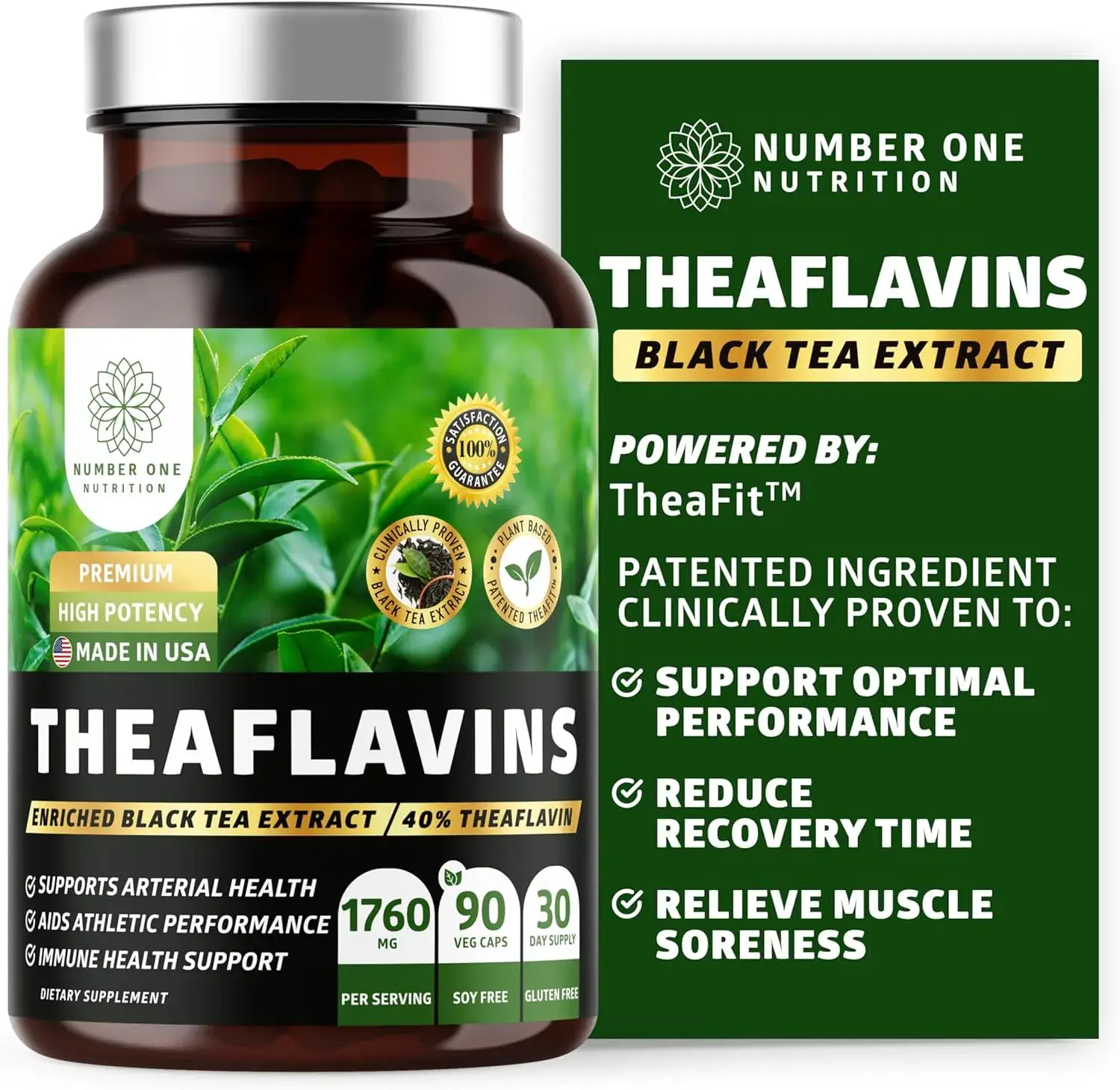
Black Tea Extract that is rich in natural theaflavins and polyphenols that help protect your body from free radicals, promoting overall immune health and well-being
Contains blended amounts of Fruits and Veggies. All natural, with whole foods, fruit and vegetable supplement.Perfect for everyone looking to live a healthier lifestyle.