Did you know that 4 out of 10 adults in the U.S. ages 18 to 44 have insulin resistance? Surprisingly, many people don’t even realize they have it.
Fortunately, finding the right tea recipe to lower blood sugar can be a simple, natural way to support healthier glucose levels. Research shows that certain teas can help manage blood sugar levels, reduce inflammation, and improve insulin sensitivity.
Specifically, options like cinnamon tea, green tea for insulin resistance, black tea, and other herbal blends offer impressive benefits for blood sugar control. Green tea may even decrease the risk of developing type 2 diabetes.
In this guide, we’ll show you exactly how to make effective blood sugar teas with easy, step-by-step recipes you can start using today.
Key Takeaways
These evidence-based tea recipes offer a natural, accessible way to support healthy blood sugar levels through simple daily habits.
Drink 3-4 cups of unsweetened tea daily – Studies show this amount provides measurable blood sugar benefits and 17% lower diabetes risk
Cinnamon tea reduces blood sugar by 24% – Use Ceylon cinnamon sticks steeped for 10-15 minutes for maximum glucose-lowering effects
Green tea improves insulin sensitivity – Steep at 170-185°F for 3 minutes to extract beneficial EGCG compounds that enhance glucose uptake
Never add sugar, milk, or sweeteners – These additions completely negate blood sugar benefits and reduce insulin-enhancing activity by 90%
Time your tea consumption strategically – Drink green tea in the morning and herbal teas after meals to optimize glucose response
Consistency is crucial for results. Start with one recipe, monitor your blood sugar response, and combine tea consumption with a healthy diet for best outcomes. Always consult your healthcare provider before making significant changes to your diabetes management routine.
Understanding Tea and Blood Sugar Control
Why Tea Helps Lower Blood Sugar
Tea contains powerful compounds that interact directly with our glucose metabolism. The most significant player is epigallocatechin gallate (EGCG), a catechin found abundantly in green tea. This compound reduces hepatic glucose production by increasing tyrosine phosphorylation of the insulin receptor and insulin receptor substrate-1. In fact, EGCG controls gluconeogenesis by inhibiting the expression of genes like PEPCK and G6Pase.
Polyphenols in tea work through multiple pathways. They enhance cellular glucose uptake, particularly by stimulating glucose to enter muscle cells. What is more, these compounds scavenge free radicals and decrease lipid peroxidation by increasing the activity of superoxide dismutase and glutathione. Research shows that drinking tea may reduce gut inflammation and permeability, which appears related to lowering blood glucose regardless of health status.
The anti-inflammatory effects extend beyond the gut. Studies confirm that tea intervention protects pancreatic beta-cells, the cells responsible for insulin production. On account of continuous beta-cell function decline from euglycemia until type 2 diabetes onset, early intervention with tea might help maintain these critical cells.
How Different Teas Affect Glucose Levels
Green tea consumption can decrease fasting blood glucose levels by 2.10 mg/dL compared to placebo. Particularly in individuals younger than 55 years old, the effect reaches 2.51 mg/dL. Asian-based studies show even stronger results at 3.81 mg/dL reduction.
Black tea operates differently through theaflavins and thearubigins. Theaflavins inhibit alpha-glucosidase activity, decreasing glucose production in the intestine. A single dose of black tea decreased the postprandial insulin response by approximately 29%. For instance, black tea polysaccharides demonstrate superior effectiveness in inhibiting digestive enzymes compared to green tea extracts.
Oolong tea showed dramatic results in network meta-analysis, with FBG reductions of 39.91 mg/dL. Studies drinking four or more cups of tea per day showed a 20% lower risk of type 2 diabetes.
What Makes a Tea Recipe Effective
Dosage matters significantly. Meta-analyzes consistently point to four or more cups per day for measurable blood sugar benefits. The catechin content determines effectiveness, with higher catechin intakes producing significant fasting glucose reductions while lower intakes show no effect.
Caffeine removal improves results. Beneficial effects on fasting glucose concentrations appear only when the confounding effect of caffeine is removed. Furthermore, intervention duration plays a role, though both long and short-term consumption can lower fasting glucose concentrations. The key is consistency and avoiding added sugars, which counteract the blood sugar-lowering properties completely.
One study found cinnamon reduced blood sugar levels by 24% and cholesterol by 18% when participants consumed 1 to 6 grams daily for 40 days. Cinnamon tea made from Cinnamomum burmannii decreased postprandial blood glucose levels in nondiabetic adults. The recommended dosage ranges from 0.5 to 1 gram per day of Cassia cinnamon to avoid excess coumarin intake. Ceylon cinnamon contains significantly less coumarin and can be consumed safely in higher doses.
Green Tea for Insulin Resistance
Research on green tea shows mixed results. One meta-analysis of 17 trials found green tea reduced fasting glucose by 0.09 mmol/L and hemoglobin A1c by 0.30%. However, another systematic review found no evidence that green tea or green tea extract reduced HbA1c, HOMA-IR, fasting insulin, or fasting glucose in people with pre-diabetes or type 2 diabetes. Notably, a recent study demonstrated green tea intervention significantly improved fasting blood glucose, glycated hemoglobin, and insulin resistance index in type 2 diabetes patients.
Hibiscus Tea Benefits
Hibiscus tea produced remarkable metabolic changes. Patients showed a 47.49% decrease in blood glucose levels and 9.53% reduction in glycated hemoglobin after one month of consumption. Red roselle extracts inhibited alpha-glucosidase with an IC50 of 25.2 µg/mL, while white varieties showed weaker activity.
Black Tea and Diabetes
Black tea decreased postprandial blood glucose after sucrose intake in both normal and pre-diabetic subjects. Drinking at least one cup of black tea daily reduced diabetes risk by 14% in a study of 63,000 people.
Ginger Tea Recipe
Ginger supplementation at 2 grams per day for 12 weeks significantly reduced fasting blood sugar and HbA1c levels. Consumption should not exceed 4 grams daily to avoid side effects like heartburn.
Turmeric Tea Options
Turmeric’s active compound curcumin shows blood sugar benefits, but research focuses mainly on supplements rather than tea. Combining turmeric with fat improves curcumin absorption.
Step-by-Step Tea Recipe Instructions
Basic Cinnamon Tea Recipe to Lower Blood Sugar
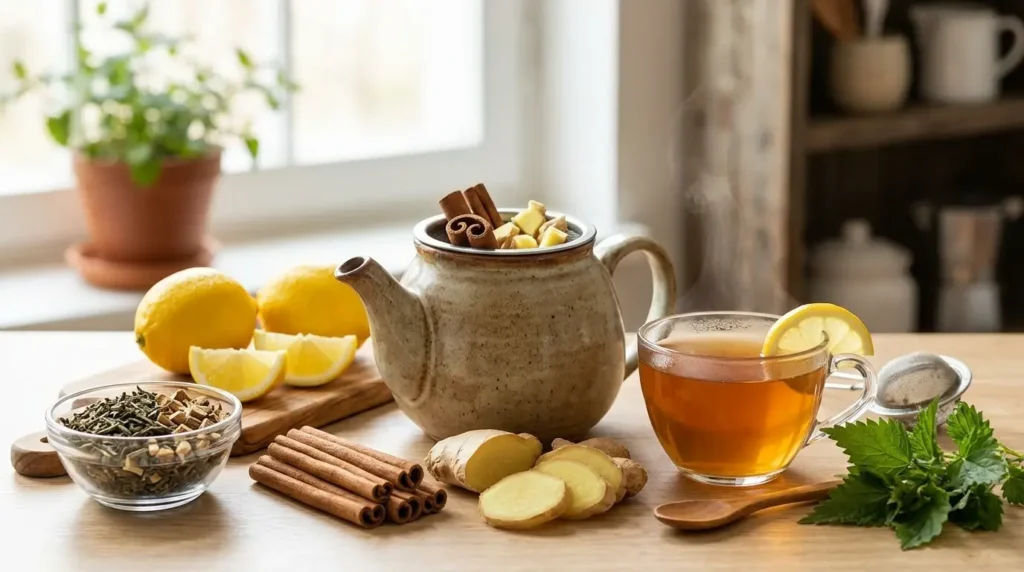
Combine 2 Ceylon cinnamon sticks with 2 cups of water in a small saucepan. Bring to a boil over high heat, then reduce to a gentle simmer for 10 to 15 minutes. Remove the cinnamon sticks with a slotted spoon and strain to catch any flaked pieces. Serve warm without added sweeteners.
For a stronger preparation, soak 60 grams of cinnamon sticks in 1000 mL of water for 24 hours at room temperature. Heat the solution for 30 minutes at 100°C, then filter at room temperature. Alternatively, boil water with 3 cinnamon sticks and a liter of water for 10 to 15 minutes, cover, and allow to cool.
Green Tea Preparation Method
Steep bagged or loose-leaf green tea in hot water between 170 to 185°F for 3 minutes. For maximum antioxidant extraction, use water at 85 degrees Celsius and steep for 2 to 3 minutes. Avoid steeping longer than necessary to prevent bitterness. Drink plain without milk or sugar to maintain blood sugar benefits.
Herbal Tea Blend Recipe
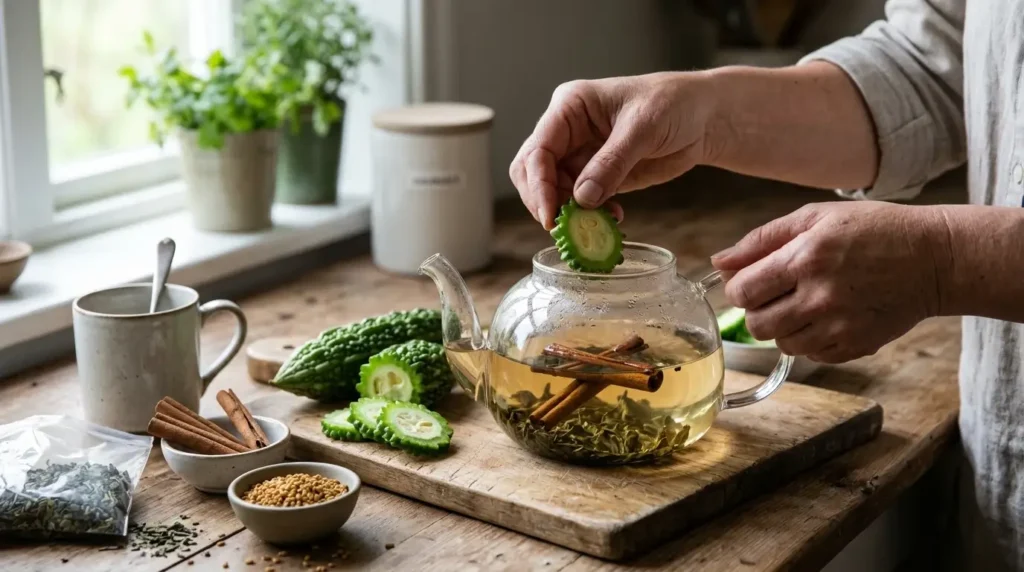
Boil water with a half-inch cinnamon stick or pinch of cinnamon powder. Switch off the flame and add one teaspoon of green tea. Close the lid and let it infuse for 4 to 5 minutes, then strain and drink.
How to Brew for Maximum Benefits
Brew tea for 5 to 10 minutes at temperatures between 80 to 100 degrees Celsius for optimal antioxidant extraction. Use filtered water to reduce toxicant exposure. Store leftover tea in an airtight container in the refrigerator for up to 3 days.
Timing your tea consumption can optimize blood sugar benefits. Drink green or oolong tea in the morning to support insulin response. After meals, a warm cup of herbal or black tea helps slow sugar absorption. Consume green tea early in the day to avoid impacting sleep, which affects stress hormones and blood sugar levels. The tea and starch need to be consumed simultaneously for maximum effect.
What Not to Add to Your Tea
Keep your tea unsweetened. Adding sugar negates the blood sugar-lowering effects. Milk decreases insulin-potentiating activity by approximately 90% when you add 50 grams per cup. Nondairy creamers and soy milk also reduce the insulin-enhancing activity. Skip commercial bottled teas with extra sugar and calories. Add lemon for flavor without affecting insulin activity.
How Much Tea to Drink Daily
Drinking 2-4 cups of green tea regularly each day may help lower the risk of early death due to type 2 diabetes by 19%. Consuming 3-5 cups is usually the sweet spot to get maximum benefits. Adults drinking four or more cups per day had a 17% reduced risk for developing type 2 diabetes.
Combining Tea with Diet Changes
Monitor your blood glucose levels more closely after introducing a new tea. Consult with your healthcare team before drinking herbal teas that can interact with diabetes medications.
Conclusion
You now have everything you need to start brewing blood sugar-friendly teas at home. Whether you choose cinnamon tea, green tea, or a custom herbal blend, the key is consistency and drinking them unsweetened.
As a matter of fact, four cups daily can make a real difference in your glucose levels. Start with one recipe that appeals to you most, monitor your blood sugar response, and adjust accordingly.
Remember, these teas work best when combined with a healthy diet and regular exercise. Keep brewing, stay consistent, and your blood sugar management will improve with time.
Q1. Which tea is most effective for lowering blood sugar levels? Green tea, cinnamon tea, and black tea are among the most effective options for blood sugar management. Green tea can decrease fasting blood glucose by approximately 2.10 mg/dL, while cinnamon tea has been shown to reduce blood sugar levels by up to 24% when consumed regularly. Black tea also helps by decreasing postprandial insulin response by about 29%. For best results, drink 2-4 cups daily without added sweeteners.
Q2. How quickly can tea reduce blood sugar levels? The speed at which tea affects blood sugar depends on the type and timing. Black tea can decrease postprandial blood glucose immediately after meals when consumed with food. Cinnamon tea shows effects within 40 days of consistent use. For sustained benefits, regular consumption of 3-5 cups daily over several weeks produces the most significant improvements in fasting glucose and HbA1c levels.
Q3. Should I add milk or sugar to my blood sugar tea? No, you should avoid adding milk or sugar to your tea. Sugar completely negates the blood sugar-lowering properties, while milk decreases insulin-potentiating activity by approximately 90%. Nondairy creamers and soy milk also reduce the insulin-enhancing benefits. Keep your tea plain or add lemon for flavor, which doesn’t affect the beneficial properties.
Q4. What is the optimal daily amount of tea for blood sugar control? Drinking 2-4 cups of tea daily provides optimal blood sugar benefits. Studies show that consuming four or more cups per day reduces the risk of developing type 2 diabetes by 17-20%. The sweet spot for maximum benefits is typically 3-5 cups spread throughout the day. Consistency matters more than quantity, so establish a regular routine.
Q5. When is the best time to drink tea for blood sugar management? Drink green or oolong tea in the morning to support insulin response throughout the day. After meals, consume herbal or black tea to help slow sugar absorption. Avoid drinking green tea late in the day as it may impact sleep quality, which can affect stress hormones and blood sugar levels. For maximum effect, the tea should be consumed simultaneously with meals containing carbohydrates.
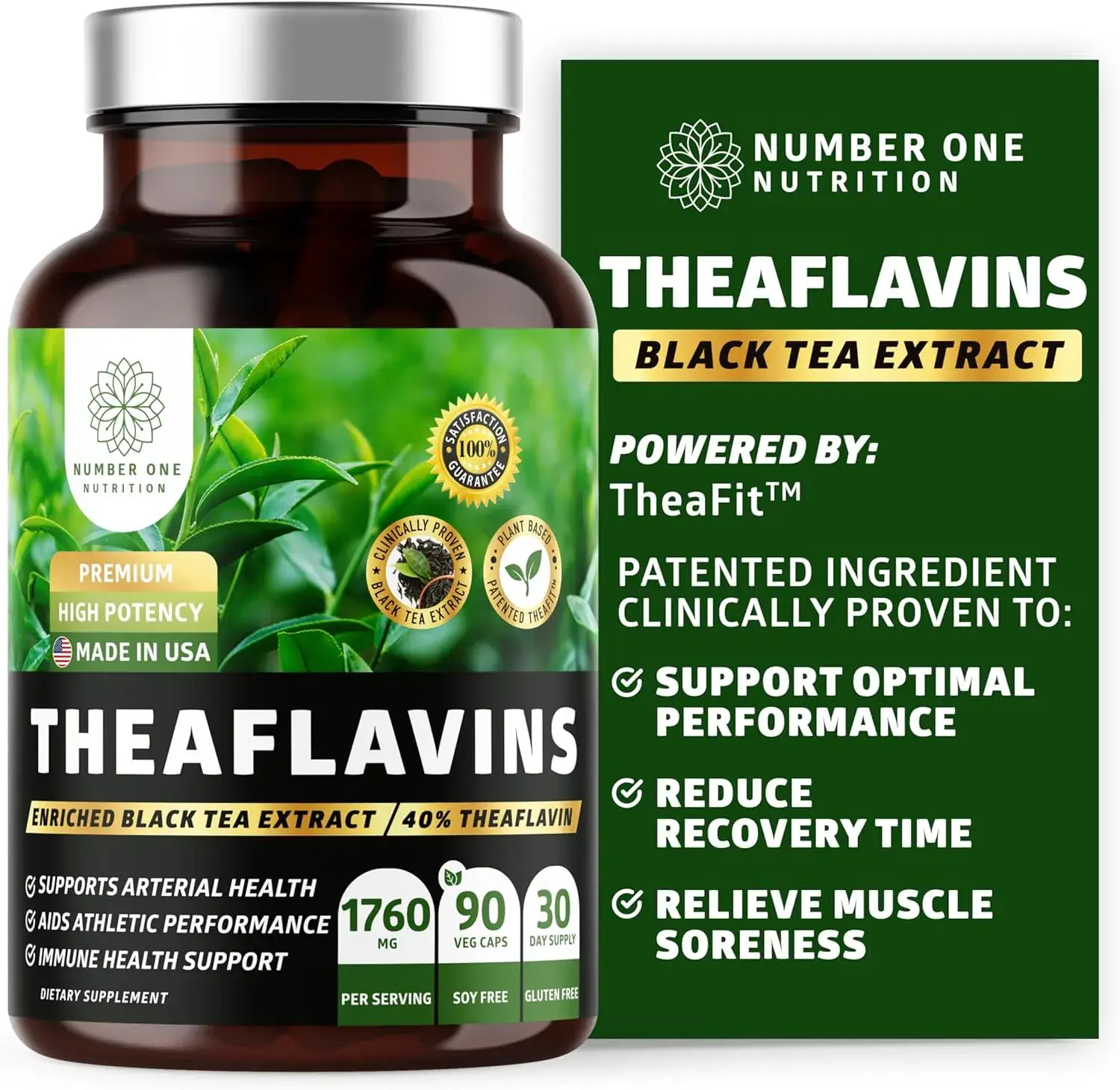
Black Tea Extract that is rich in natural theaflavins and polyphenols that help protect your body from free radicals, promoting overall immune health and well-being
Contains blended amounts of Fruits and Veggies. All natural, with whole foods, fruit and vegetable supplement.Perfect for everyone looking to live a healthier lifestyle.