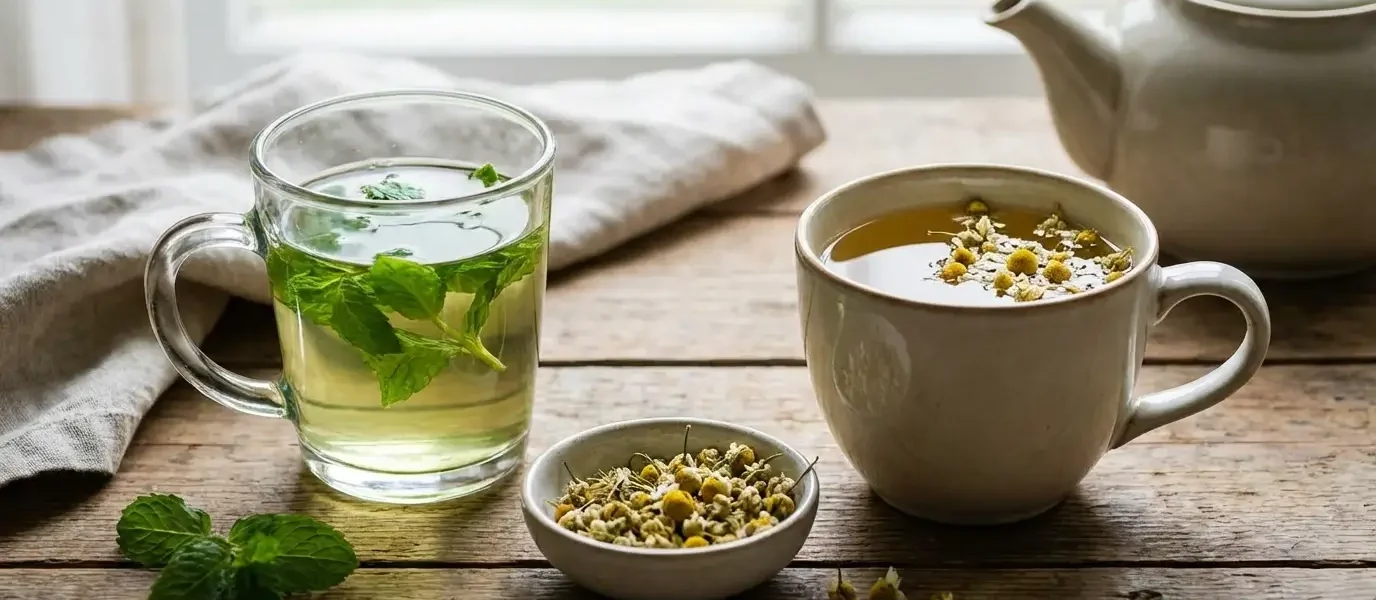
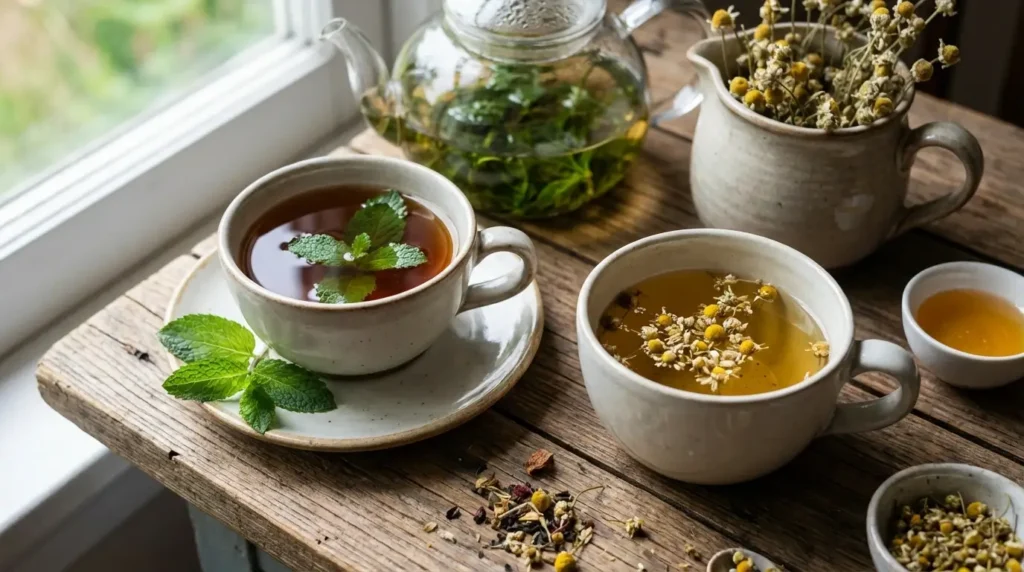
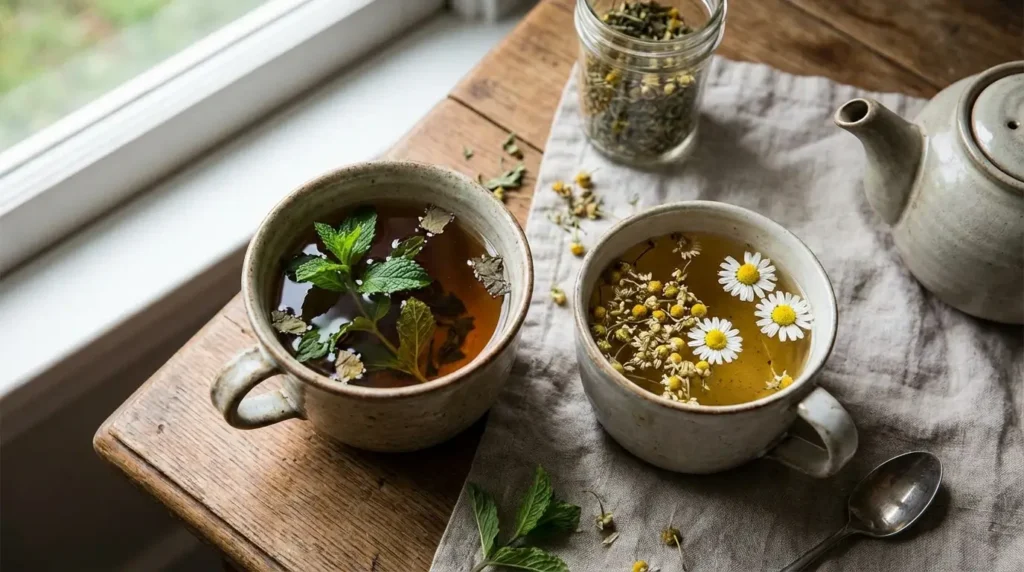
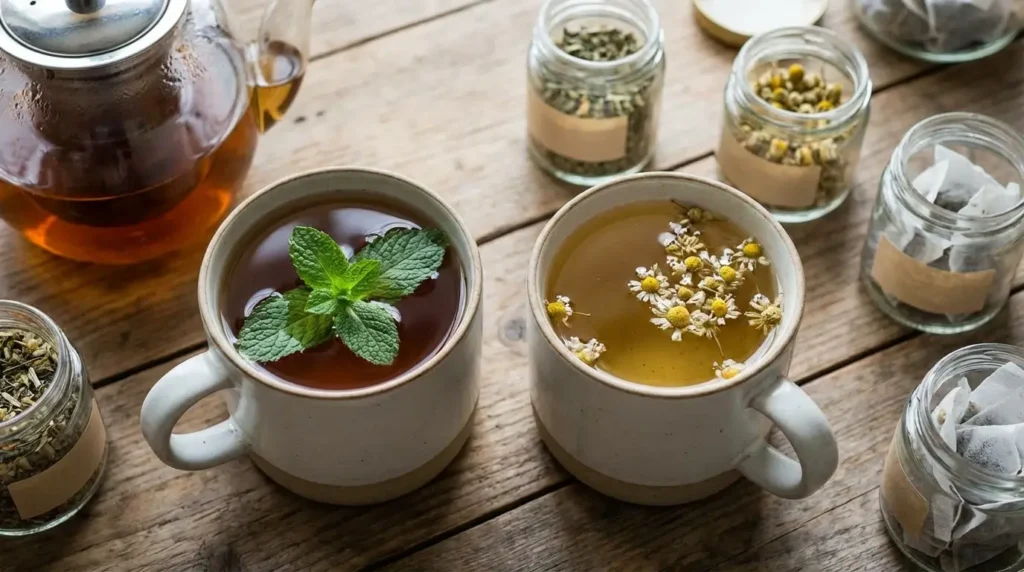
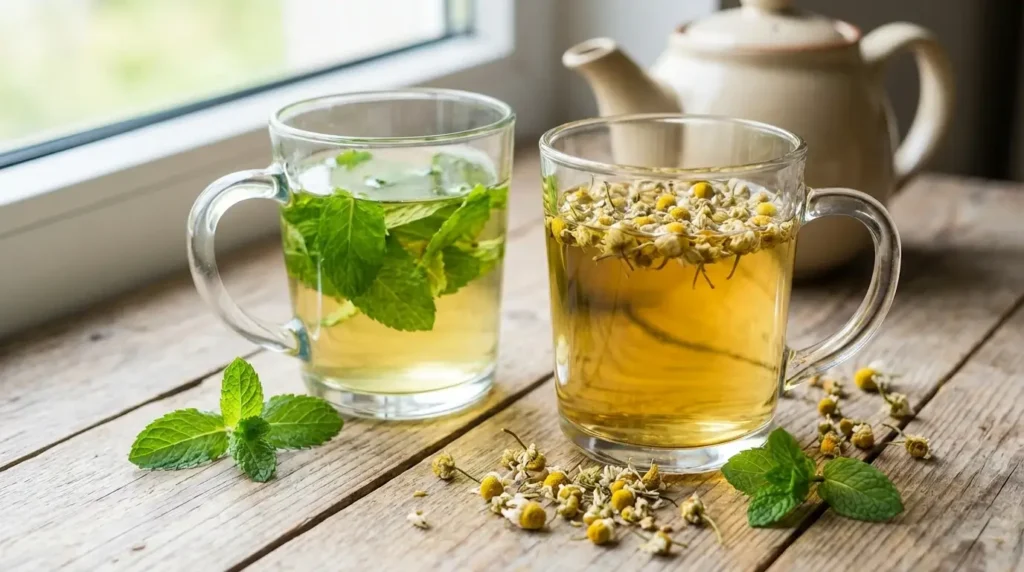
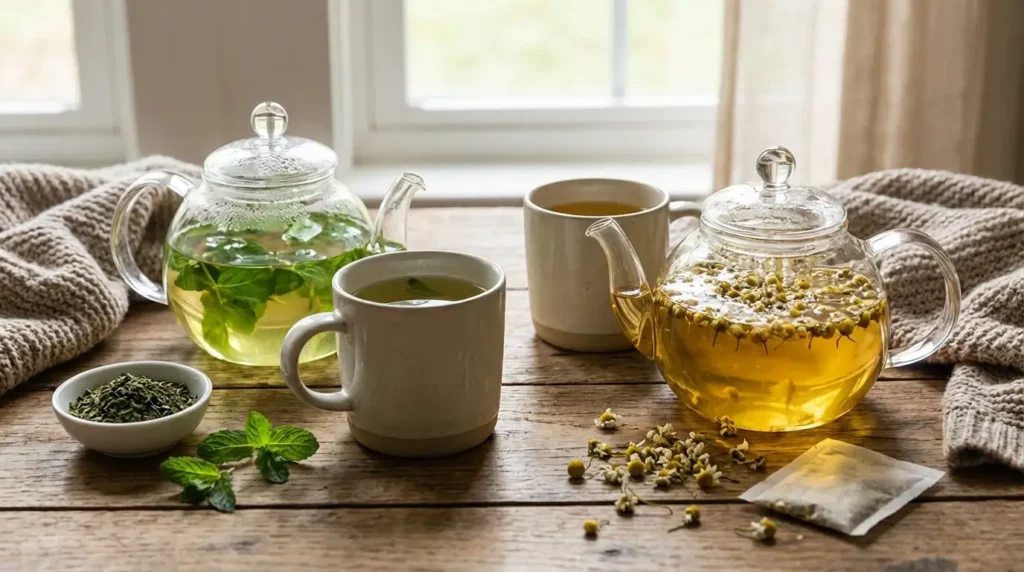
Choosing between peppermint tea or chamomile tea can feel like picking a favorite child. Both are herbal classics, but they’re really different in what they do and how they taste. Peppermint is punchy and cool, while chamomile is mellow and floral. Some folks swear by peppermint tea for stomach trouble, while others reach for chamomile when they need to unwind. If you’re stuck at the grocery store aisle wondering which box to grab, this article breaks down the science, flavor, and real-world use to help you decide which tea deserves a spot in your mug.
Key Takeaways
Peppermint tea or chamomile tea each have unique benefits—peppermint is better for digestion and congestion, while chamomile is a go-to for stress and sleep.
The main active compound in peppermint is menthol, which gives it that cooling feel and helps relax stomach muscles. Chamomile’s main player is apigenin, which can help calm nerves and might help you fall asleep.
Peppermint tea tastes sharp and cool, and is best brewed at a slightly lower temperature. Chamomile is mild, a bit sweet, and needs hotter water for best flavor.
Both teas are generally safe but have a few cautions—peppermint isn’t great if you have acid reflux, and chamomile can cause problems for people with ragweed allergies.
There’s no single winner—choose peppermint tea or chamomile tea based on what you need: peppermint after a big meal, chamomile before bed.
Understanding The Core Components: Peppermint Tea Or Chamomile Tea?
When you’re looking for a warm drink to help you unwind, the world of herbal teas can seem a bit overwhelming. Two of the most popular choices are peppermint and chamomile. But what exactly is in these teas that makes them work? It all comes down to their unique chemical makeup, or phytochemical profiles. These compounds are the powerhouses behind the effects we feel, whether it’s a soothing calm or a refreshing lift.
Phytochemical Profiles Driving Tea Effects
Herbal teas, unlike their caffeinated counterparts, are made from dried leaves, flowers, roots, or fruits. Each plant brings its own special blend of natural chemicals. Peppermint, for instance, is packed with menthol, which gives it that signature cooling sensation and helps relax muscles. Chamomile, on the other hand, contains compounds like apigenin, which are known for their calming properties. Understanding these core components is key to choosing the right tea for your needs. It’s not just about flavor; it’s about the science behind the sip.
Key Bioactives and Their Mechanisms
Let’s get a little more specific. Peppermint’s main player is menthol. It works by interacting with certain receptors in our body, like TRPM8, which are responsible for sensing cold. This interaction is what creates that cooling feeling and also helps to ease muscle spasms in the digestive tract. Chamomile’s star compound is apigenin. This flavonoid is thought to bind to certain receptors in the brain, specifically GABA receptors, which are involved in reducing nerve activity and promoting relaxation. This is why chamomile is often considered a go-to for a calming herbal infusion.
Concentration and Primary Actions
While both teas are beneficial, their primary actions differ significantly. Peppermint’s high menthol content (often 29–48% of its essential oil) makes it a top choice for digestive issues and even for clearing the airways. Its cooling and antispasmodic effects are quite pronounced. Chamomile, with its apigenin and other flavonoids, focuses more on the mind.
Its primary action is to calm the nervous system, making it a popular choice when considering mint vs chamomile for sleep or general anxiety relief. The concentration of these key bioactives influences how potent the tea’s effects will be. For example, while peppermint might help with an upset stomach, chamomile is generally considered the superior option for winding down before bed, making it a key player in the best tea for sleep discussion.
The journey from plant to cup involves more than just steeping. The specific compounds within each herb interact with our bodies in distinct ways, offering targeted benefits. Whether you’re seeking digestive comfort or a moment of tranquility, the science behind these simple infusions is quite fascinating.
Sensory Experiences: Flavor And Aroma
Aroma and Taste Profiles
When you think about peppermint tea, what comes to mind? For most people, it’s that bright, sharp, almost eucalyptus-like scent that hits you first. Then, as you sip, there’s a distinct minty flavor, often with a surprising sweetness on the finish. It’s a really clean taste that leaves your mouth feeling refreshed. Chamomile, on the other hand, is a whole different ballgame. Its aroma is much softer, often described as floral with hints of apple and honey. The taste follows suit – it’s mild, a little bit sweet, and can sometimes have a hay-like quality. It’s definitely a gentler experience compared to the invigorating punch of peppermint.
Mouthfeel and Brewing Temperatures
The way a tea feels in your mouth, its mouthfeel, is a big part of the experience. Peppermint tea tends to feel cool and clean as it goes down. It’s not heavy or thick at all. To get the best out of it, brewing it between 90–95°C (194–203°F) is usually recommended. Chamomile tea often has a slightly different mouthfeel, sometimes described as velvety or coating. It’s a bit more substantial, and for this one, brewing at a slightly higher temperature, around 95–100°C (203–212°F), is often preferred to really coax out those delicate flavors and compounds.
Sensory Trial Rankings
It’s interesting to see how people actually rate these teas side-by-side. In one blind sensory trial, when people were asked to rate how ‘refreshing’ the teas were, peppermint scored pretty high, getting an 8.7 out of 10. For ‘comforting,’ chamomile really shined, with participants giving it an 8.4 out of 10. These scores really highlight the different vibes each tea gives off. Peppermint is clearly the go-to for a wake-up call, while chamomile is the champion of cozy moments.
The aroma of a tea can significantly influence our perception of its taste and even its perceived effects. A sharp, menthol-rich scent from peppermint primes the senses for a cooling sensation, while the gentle, floral notes of chamomile prepare us for a soothing experience. It’s a fascinating interplay between smell and taste that makes each cup unique.
Digestive Health Benefits: Peppermint Tea Or Chamomile Tea?
When your stomach feels a bit off, reaching for a warm cup of herbal tea can be a real comfort. Both peppermint and chamomile are popular choices, and they each bring something a little different to the table when it comes to soothing your digestive system. It’s not just about a warm drink; these teas have compounds that actually help your gut.
Peppermint’s Antispasmodic Action
Peppermint is a powerhouse for digestive issues, especially bloating and that uncomfortable feeling after a big meal. The main player here is menthol, which is found in peppermint. Menthol works by relaxing the smooth muscles in your gastrointestinal tract. Think of it like easing a cramp. This antispasmodic effect can significantly reduce spasms in the colon, which is why it’s often recommended for people with Irritable Bowel Syndrome (IBS). While a cup of peppermint tea might not have the same concentrated dose as peppermint oil used in studies, it’s still quite effective for mild indigestion and general discomfort. It’s a go-to for that post-meal bloat.
Ginger’s Role in Motility and Nausea
While we’re focusing on peppermint and chamomile, it’s worth a quick mention of ginger. Ginger is fantastic for speeding up how quickly food moves through your stomach, which can help with feelings of fullness and nausea. It’s also a well-known remedy for motion sickness and morning sickness during pregnancy. Its warming properties can be very comforting when your stomach is unsettled.
Chamomile’s Mild Digestive Support
Chamomile is often thought of as the best herbal tea for relaxation, and while it’s not as potent as peppermint for strong digestive spasms, it offers gentle support. Its anti-inflammatory and antispasmodic properties are milder but still beneficial. Chamomile can help calm an upset stomach and reduce inflammation in the gut lining. It’s a great option if you’re looking for a soothing herbal infusion that also helps with mild digestive upset, especially when combined with its calming effects.
Here’s a quick look at how they stack up for common digestive woes:
Digestive Issue
Top Choice
Runner-Up
Post-meal Bloating
Peppermint
Chamomile
General Indigestion
Peppermint
Ginger
Nausea / Motion Sickness
Ginger
Peppermint
Mild Stomach Cramps
Peppermint
Chamomile
When you’re feeling queasy or bloated, the choice between peppermint and chamomile often comes down to the specific type of discomfort. Peppermint’s strong muscle-relaxing properties make it a clear winner for spasms and gas, while chamomile offers a gentler, more overall soothing effect that can calm an irritated stomach lining. Both are excellent choices for digestive health and calm.
So, whether you’re dealing with a bit of gas after dinner or just want a comforting drink to settle your stomach, both peppermint and chamomile offer valuable benefits. They are wonderful examples of how simple herbal tea benefits can support our well-being, making them fantastic digestive aid tea options.
Calming The Mind: Stress And Sleep
Finding natural remedies for stress relief is something almost everyone looks for at some point. Maybe your mind races before sleep, or maybe stress from the day just won’t let go. Two teas—peppermint and chamomile—stand out among natural sleep aids and calming tea for sleep, but how do they really stack up?
Chamomile’s GABAergic Effects
Chamomile tea has this almost gentle magic when it comes to quieting both mind and body. The main compound, apigenin, actually connects with GABA receptors in your brain, helping your system slow down and prep for sleep. Studies show that regular use may lower general anxiety scores and even bump up sleep efficiency in older adults. People often notice:
Easier transition into sleep
Less waking during the night
A noticeable drop in restlessness or anxiety before bedtime
Drinking chamomile tea as part of a nightly ritual makes drifting off feel natural, not forced. The scent, the warmth, and the slowing-down routine all work together to help you unwind. Want more on this soothing bedtime effect? Read about how chamomile can calm the nervous system.
Peppermint’s Stimulating Aroma
Peppermint tea is refreshing, crisp, and definitely useful for some stress (think tense muscles or headaches). But here’s the catch: the menthol in peppermint actually wakes up your body’s alert systems. It stimulates beta-wave activity in the brain—more focus, less drowsiness. While it can clear your head or ease an anxious stomach, drinking it close to bedtime probably isn’t the best choice if you’re aiming for natural remedies for sleep.
Key effects of peppermint before sleep:
Heightened alertness due to menthol’s impact on nasal and brain receptors.
Temporary relief from headaches or tension, but not designed for winding down.
May interrupt or reduce sleep quality for some people who are sensitive.
Evidence for Anxiety and Sleep Improvement
Let’s break down how chamomile and peppermint compare for stress and sleep:
Tea
Best For
Key Compounds
Effect On Sleep
Chamomile
Mild anxiety, difficulty sleeping
Apigenin
Improves sleep onset
Peppermint
Daytime tension, mild headaches
Menthol
May reduce sleepiness
If your main goal is to sleep better or find calming tea for sleep, chamomile is the go-to option. Peppermint might be perfect early in the evening or during the day to ease stress without making you drowsy, but chamomile takes the lead for natural sleep aids and deeper relaxation.
When it comes to tackling inflammation and pain head-on, ginger really shines. It’s packed with compounds like gingerols and shogaols, which are known to get in the way of inflammatory processes in the body. Think of them as little helpers that can dial down the body’s response to injury or irritation. Studies have shown that regularly sipping on ginger tea can make a difference, especially for things like menstrual cramps and even the aches that come with conditions like osteoarthritis. It’s not just anecdotal; research backs this up, showing reductions in inflammatory markers and pain scores.
Peppermint’s Topical Analgesia
Peppermint offers a different kind of relief, particularly when applied externally. The menthol in peppermint acts as a counter-irritant. When you put peppermint oil on your skin, it creates a cooling sensation that can distract from pain signals. It’s like a gentle nudge that redirects your nerves away from the ache. This is why peppermint oil is often used in massage blends for headaches or sore muscles. While drinking peppermint tea might offer some mild internal benefits, its real superpower for pain seems to be when it’s used topically.
Chamomile’s Mild Anti-inflammatory Action
Chamomile is often thought of as a gentle soother, and that extends to its anti-inflammatory properties. It contains compounds like apigenin and bisabolol, which have shown mild anti-inflammatory effects in lab studies. While it might not pack the same punch as ginger for severe inflammation, chamomile tea can be a comforting choice for everyday aches and pains. It’s particularly noted for its ability to help with digestive discomfort, which often has an inflammatory component. For those looking for a calming way to ease minor inflammation, chamomile is a solid, gentle option.
Key Bioactives and Their Effects:
Ginger: Gingerols and shogaols inhibit COX-2 and 5-LOX pathways, reducing inflammatory signals.
Peppermint: Menthol provides a cooling sensation and acts as a counter-irritant, offering topical pain relief.
Chamomile: Apigenin and bisabolol exhibit mild anti-inflammatory effects, contributing to its soothing properties.
When considering which tea to reach for, it really depends on the type of discomfort you’re experiencing. For deep-seated inflammation or significant pain, ginger often takes the lead. If you’re dealing with muscle soreness or a headache and prefer a topical approach, peppermint might be your go-to. And for a gentle, calming approach to everyday aches and mild inflammation, chamomile offers a comforting cup.
Cardiovascular Support And Respiratory Relief
When we talk about teas that can help with your heart and lungs, a couple of names really stand out. It’s not just about feeling cozy; some of these brews have actual science behind them.
Hibiscus’s Antihypertensive Effects
Hibiscus tea is the real star when it comes to blood pressure. It works by blocking an enzyme called ACE, which plays a role in how your body regulates blood pressure. Plus, it seems to help your body get rid of extra fluid, which also helps lower pressure. Studies have shown that drinking a few cups of hibiscus tea daily can bring down both systolic and diastolic blood pressure. It’s pretty comparable to some low-dose medications, which is quite something for a simple tea. This makes hibiscus a top pick for folks dealing with pre-hypertension or even mild hypertension.
Tea Type
Typical Dose
Systolic BP Reduction
Diastolic BP Reduction
Hibiscus
2–3 cups/day
~7.1 mmHg
~3.5 mmHg
Peppermint’s Role in Respiratory Health
Peppermint is where it’s at for your airways. The menthol in peppermint activates a specific receptor in your body that can make you feel like you’re breathing easier, even if you’re feeling a bit congested. It’s also been shown to help clear out your lungs a bit better. If you’ve got a cough or feel stuffed up, peppermint steam can be surprisingly effective. Some research even suggests it can cut down on how often you cough. It’s a go-to for that stuffy-nose feeling, and you can find it in many cold and cough remedies.
Other Teas’ Cardiovascular Impact
While hibiscus is the clear winner for blood pressure, the other teas don’t really show a significant effect in that area. Peppermint might actually relax the muscle at the bottom of your esophagus, which isn’t ideal if you have acid reflux. Ginger, especially in larger amounts, can sometimes increase the risk of bleeding, so it’s something to be mindful of if you’re on blood thinners or have a bleeding disorder. Chamomile seems to be pretty neutral when it comes to your heart and blood vessels.
So, if your main goal is to manage blood pressure, hibiscus is your best bet. For breathing easier when you’re sick, peppermint is the way to go. The others don’t really have a strong, direct impact on cardiovascular or respiratory systems in the same way.
When you’re enjoying your peppermint or chamomile tea, it’s good to know a few things about how to get the most out of them safely and effectively. It’s not just about tossing a bag in hot water and calling it a day, you know?
Tea Safety and Contraindications
While both peppermint and chamomile are generally considered safe for most people, there are a few things to keep in mind. For instance, if you have allergies to plants in the daisy family (like ragweed or chrysanthemums), you might want to be cautious with chamomile. It’s rare, but some people can have a reaction. Peppermint, on the other hand, can sometimes worsen heartburn for individuals prone to it, as it can relax the lower esophageal sphincter. It’s always a good idea to listen to your body.
It’s easy to get caught up in the health benefits of teas, but remember that even natural remedies can have side effects or interact with medications. Always do a little research or chat with your doctor if you’re unsure, especially if you have existing health conditions or are pregnant or breastfeeding.
Recommended Doses and Cautions
For most adults, drinking a cup or two of peppermint or chamomile tea a day is perfectly fine. However, excessive consumption isn’t necessarily better. Too much peppermint can sometimes lead to digestive upset in some individuals, and while chamomile is quite gentle, sticking to moderate amounts is usually the best approach. If you’re taking any medications, especially blood thinners or sedatives, it’s wise to check with your healthcare provider, as certain herbs can interact. Remember, these teas are meant to complement a healthy lifestyle, not replace medical advice.
Brewing For Maximum Bioactivity
Getting the most out of your tea involves a bit of technique. The way you brew your tea can really affect the concentration of those beneficial compounds. Here’s a quick rundown:
Water Temperature: For both peppermint and chamomile, using water that’s just off the boil (around 200-212°F or 93-100°C) is ideal. This temperature helps extract the active compounds without scorching the delicate herbs.
Steeping Time: Aim for about 5 to 10 minutes. Shorter times might not extract enough beneficial compounds, while steeping for too long can sometimes lead to a slightly bitter taste, especially with peppermint. Experiment a bit to find what tastes best to you while still getting those good bits.
Cover Your Cup: While your tea is steeping, cover your mug. This traps the volatile oils, which are part of the aroma and beneficial properties, preventing them from escaping with the steam. It’s a simple step that makes a difference in the final flavor and potency. For more detailed guidance on proper brew timing and temperature control, resources are available.
By paying a little attention to these details, you can make sure you’re getting the best possible experience from your peppermint and chamomile teas.
So, Which Tea Wins?
Alright, so we’ve looked at peppermint and chamomile, and honestly, there’s no single winner here. It really just depends on what you’re going for. If your stomach’s feeling a bit off after a big meal, or you’ve got that stuffy nose feeling, peppermint is probably your best bet. Its menthol really seems to do the trick for digestion and clearing things out. But if you’re looking to wind down, maybe get a better night’s sleep, or just take the edge off a stressful day, chamomile is where it’s at. That gentle, calming vibe from chamomile is hard to beat when you just need to relax. Both are great, just for different reasons. So, maybe keep both on hand?
Frequently Asked Questions
What makes peppermint tea so refreshing?
Peppermint tea’s cool and invigorating feeling comes from a special ingredient called menthol. When you drink it, menthol makes your body feel cool, and it can also help relax your stomach muscles. It’s like a refreshing blast for your senses and your tummy!
Why is chamomile tea considered calming?
Chamomile tea is known for its calming effects because of a compound called apigenin. This compound can connect with certain parts of your brain that help you feel relaxed and sleepy. It’s like a gentle lullaby in a cup, perfect for winding down.
Can tea really help with tummy troubles?
Yes, some teas can! Peppermint tea is great for upset stomachs because it relaxes the muscles in your digestive system, helping with things like bloating and gas. Ginger tea is also helpful, especially for feeling less nauseous or helping food move through your stomach faster.
Which tea is best for helping me sleep?
Chamomile tea is your best bet for a good night’s sleep. It has natural properties that help calm your mind and body, making it easier to drift off. Peppermint, on the other hand, can be a bit too stimulating for sleep because of its strong, awakening scent.
Are there any teas that can help with feeling achy or inflamed?
Ginger tea is a real powerhouse when it comes to fighting inflammation and pain. It contains compounds that work like natural pain relievers and can help reduce swelling. Peppermint can offer some relief too, especially when used on the skin for headaches, and chamomile has mild anti-inflammatory effects.
Is there a tea that’s good for my heart?
Hibiscus tea is the star when it comes to heart health. It has been shown to help lower blood pressure, similar to how some medications work. It’s a tasty and natural way to support your cardiovascular system.
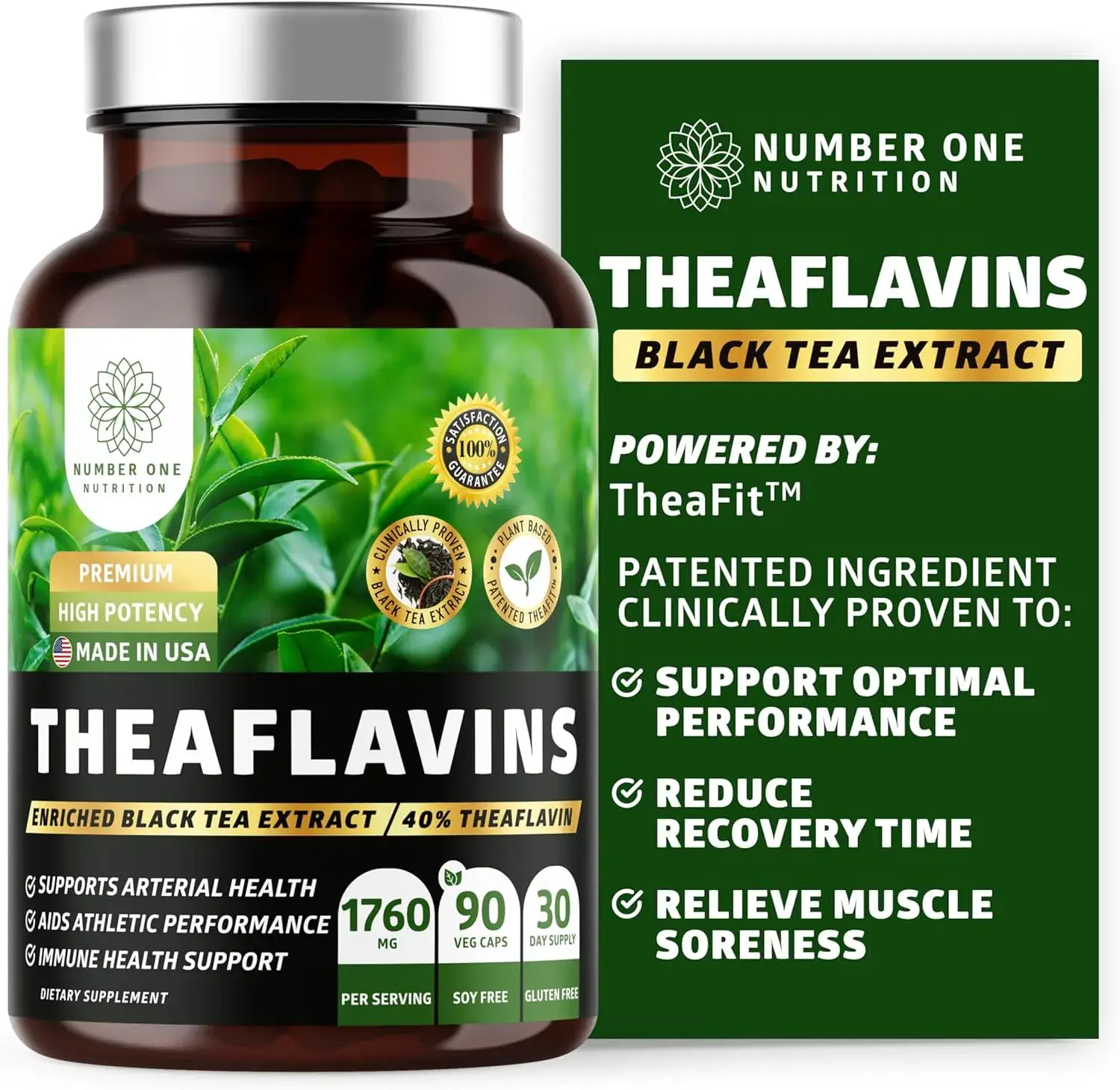
Black Tea Extract that is rich in natural theaflavins and polyphenols that help protect your body from free radicals, promoting overall immune health and well-being
Contains blended amounts of Fruits and Veggies. All natural, with whole foods, fruit and vegetable supplement.Perfect for everyone looking to live a healthier lifestyle.