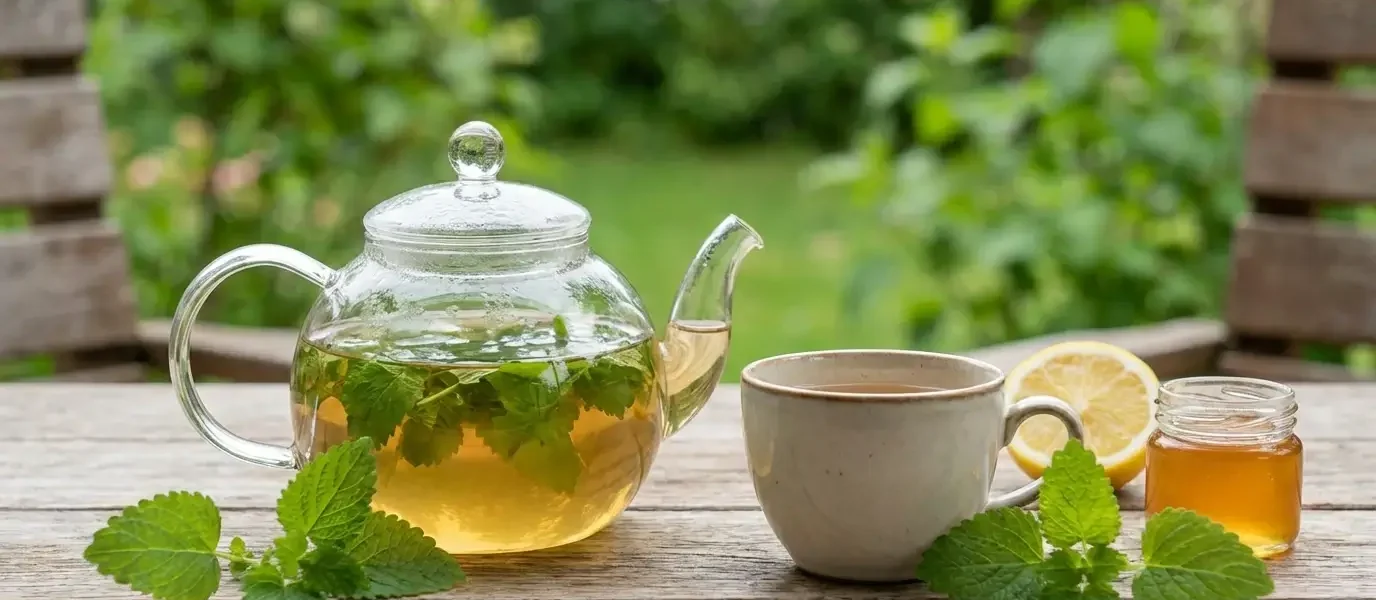
Have you ever stared at the ceiling for hours, wondering if there’s a natural way to quiet your mind? Many people struggle to relax after a long day, and that’s why so many are asking whether lemon balm tea good for sleep is more than just a wellness trend.
This aromatic plant has been used in medicine for years to help you relax. People have used its leaves to calm their nerves for centuries. It remains a top choice for those seeking a peaceful evening.
Studies show that this infusion helps the brain lower stress. It helps restore your natural balance, improving your sleep quality. This nightly habit can greatly improve your health.
Key Takeaways
This herbal remedy has natural sedative properties that calm the mind.
Drinking this botanical infusion reduces cortisol levels before bedtime.
Centuries of traditional use support its effectiveness as a mild relaxant.
It serves as a caffeine-free alternative to standard evening beverages.
Regular consumption may lead to faster onset of rest each night.
The Science Behind Why Lemon Balm Tea Is Good For Sleep
Lemon balm tea helps you sleep better because of its active compounds. These compounds work on your brain’s GABA receptors. GABA is a neurotransmitter that helps you relax.
When GABA receptors are activated, it calms your nervous system. This makes it easier to fall asleep.
Understanding Melissa Officinalis and Its Calming Properties
Melissa officinalis, or lemon balm, has compounds that improve your mood and sleep. The herb is known for its calming effects. It works with your brain’s GABA system.
This interaction helps reduce anxiety and stress. These are common sleep disruptors.
Some key components in lemon balm include:
Rosmarinic acid, which has antioxidant properties
Flavonoids, known for their anti-anxiety effects
Triterpenes, which contribute to the herb’s sedative properties
How Lemon Balm Interacts with GABA Receptors in Your Brain
Lemon balm’s interaction with GABA receptors is key to its sleep benefits. Studies show its active compounds bind to GABA receptors. This boosts their activity and promotes calmness.
This effect is similar to some anti-anxiety medications. But lemon balm is a natural option.
“The anxiolytic and sedative effects of lemon balm extract have been demonstrated in various studies, highlighting its potential as a natural remedy for sleep disorders.
Adding lemon balm tea to your evening routine can improve your sleep. It’s important to be consistent and patient. This allows your body to fully benefit from lemon balm’s calming effects.
Historical Uses of Lemon Balm as a Natural Sedative
Lemon balm has been used for centuries as a natural sedative. It has a long history across many cultures. This herb was valued for its calming effects and ability to help people relax.
Traditional Herbal Medicine Practices Through the Ages
In traditional herbal medicine, lemon balm was used to soothe the mind and body. It was used in teas, tinctures, and salves. It was prized for calming nervous tension and helping with sleep.
The ancient Greeks and Romans used lemon balm for its medicinal properties. It remained a popular remedy through the Middle Ages.
In medieval Europe, lemon balm was believed to have a positive effect on the heart. It was used to treat indigestion and insomnia.
Culture
Traditional Use
Preparation Method
Ancient Greece
Calming effects, stress relief
Tea, topical application
Medieval Europe
Treatment for indigestion, insomnia
Tincture, salve
Traditional Herbal Medicine
Nervous tension, sleep promotion
Tea, infusion
From Medieval Gardens to Modern Wellness Routines
Lemon balm has been popular for centuries. It was used in medieval gardens and is now part of modern wellness routines. Today, it’s often used in herbal tea to promote relaxation and reduce stress.
In modern times, lemon balm is often mixed with other herbs. For example, it’s paired with valerian root or chamomile for sleep. You can also find it in supplements and skincare products.
Adding lemon balm to your daily routine can help you relax and prepare for sleep. Whether in tea or topical applications, it brings calm and relaxation.
Key Health Benefits of Drinking Lemon Balm Tea Before Bed
Thinking about adding lemon balm tea to your bedtime routine? It’s great for sleep and health. It can make your sleep more restful and refreshing.
Reducing Anxiety and Nervous Tension
Lemon balm tea has anxiolytic effects. It helps reduce anxiety and nervousness that can keep you awake. It promotes relaxation and lowers stress, making it easier to sleep.
Can help alleviate symptoms of anxiety and depression
Alleviating Digestive Discomfort That Keeps You Awake
Digestive problems can make it hard to sleep well. Lemon balm tea can ease digestive issues like bloating and cramps. It helps your digestive system relax, making it easier to fall asleep and sleep better.
Improving Overall Sleep Quality and Duration
Lemon balm tea reduces anxiety and digestive issues. Its calming effects improve sleep quality and duration. Adding lemon balm tea to your bedtime routine can make you wake up feeling refreshed and energized.
Drinking lemon balm tea regularly can improve sleep hygiene. This leads to better health and well-being.
Comparing Lemon Balm to Other Popular Sleep-Inducing Herbs
Lemon balm is not the only herb that helps you sleep better. Let’s see how it compares to other popular ones. It’s important to know the unique benefits and how different herbs work together.
Lemon Balm Versus Chamomile: Which One Suits Your Needs?
Lemon balm and chamomile both help you relax, but in different ways. Chamomile is great for calming your mind and body. Lemon balm, on the other hand, helps improve your mood and thinking skills. Your choice might depend on what you need more: relaxation or stress relief.
Herb
Primary Benefits
Best For
Lemon Balm
Improves mood, reduces stress and anxiety
Those seeking cognitive benefits alongside relaxation
Chamomile
Soothes the mind and body, promotes relaxation
Individuals looking for a calming, sleep-inducing effect
The Synergy of Lemon Balm and Valerian Root
Using lemon balm with valerian root can make a great team for sleep. Valerian root helps you relax, and lemon balm reduces stress. Together, they might make your sleep better by tackling both your mind and body.
Valerian root’s ability to deepen sleep can pair well with lemon balm’s stress-reducing properties.
Combining Lemon Balm with Lavender for Enhanced Relaxation
Lavender is also known for its calming effects. Mixing it with lemon balm creates a strong blend for relaxation. The floral taste of lavender goes well with lemon balm’s citrus flavor, making a soothing tea for bedtime.
Knowing how lemon balm compares to and can be mixed with other herbs helps you choose better for your sleep. This might improve how well you rest.
To enjoy lemon balm tea, start by learning how to make it. It’s easy and lets you get the most from this calming herb.
The quality of your lemon balm tea depends on the ingredients. So, choose the best dried leaves or fresh herbs.
Selecting High-Quality Dried Leaves or Fresh Herbs
You can use dried or fresh lemon balm for your tea. Fresh lemon balm tastes and smells better. But dried lemon balm is easier to store and just as good if dried right.
For the best quality, pick dried leaves that are bright green and smell strongly of citrus. If using fresh herbs, choose leaves that are clean and smell fresh.
Optimal Steeping Times for Maximum Potency
The time you steep lemon balm tea affects its strength and taste. Steeping for 5 to 10 minutes is usually best. But you can adjust this to your liking.
Steeping longer lets more of the herb’s active compounds, like rosmarinic acid, come out. This acid is thought to help calm you down.
Enhancing Your Evening Ritual with Natural Additives
You can make your lemon balm tea even better by adding natural things. Try adding a lemon slice for extra citrus or honey for sweetness.
Some like to mix lemon balm with herbs like chamomile or lavender. This makes a more complex and calming tea. Try different mixes to find your favorite.
Recommended Dosage and Timing for Optimal Results
To get the most out of lemon balm tea for sleep, knowing the right dosage and timing is key. The tea’s effectiveness can change a lot based on how much you drink and when.
Finding Your Personal Sweet Spot for Consumption
Finding the perfect amount of lemon balm tea is a personal journey. It depends on your sensitivity to herbal remedies, health, and sleep concerns. Start with one cup (about 8 oz) a day and adjust as needed.
It’s essential to listen to your body and see how you react to the tea. If you’re new, start with a weak brew and slowly increase the strength.
Dosage
Recommended For
Notes
1 cup (8 oz), weak brew
Beginners or those sensitive to herbal remedies
Start here and adjust as needed
1-2 cups (8-16 oz), standard brew
Most adults looking to improve sleep quality
Typical dosage for general sleep improvement
2 cups (16 oz) or more, strong brew
Those with severe sleep issues or high tolerance
Consult with a healthcare professional
When to Sip Your Tea for the Best Night of Rest
When you drink lemon balm tea is as important as how much. Drinking it close to bedtime can help, but it should be part of a relaxing routine.
Drink your tea 30 to 60 minutes before bed. This lets the tea’s active compounds work and signals to your body it’s time to relax.
Consistency: Why Daily Habits Matter for Sleep Hygiene
Consistency is key for healthy sleep habits. Drinking lemon balm tea randomly won’t improve sleep much. Make it a daily part of your evening routine.
This not only improves sleep hygiene but also tells your body it’s time to wind down. It makes falling and staying asleep easier.
Thinking about adding lemon balm tea to your bedtime routine? It’s important to know if it’s safe for you. Lemon balm is usually safe, but some people should be careful or avoid it.
Who Should Avoid Lemon Balm Tea?
Some groups need to be careful with lemon balm tea. Pregnant or breastfeeding women should talk to a doctor first. People with thyroid problems should also be cautious because lemon balm might affect their thyroid.
Also, if you’re allergic to mint or plants like it, you might react to lemon balm. If you get hives, itch, or have trouble breathing after drinking it, stop and see a doctor.
Group
Precaution
Pregnant or breastfeeding women
Limited research available; consult a healthcare provider
Individuals with thyroid disorders
Potential interference with thyroid function
People with allergies to mint or Lamiaceae family plants
Risk of allergic reaction
Interactions with Medications and Other Supplements
Lemon balm tea might affect how some medicines or supplements work. It could make sedatives or thyroid meds work too well. Always check with a doctor before drinking lemon balm tea, if you’re on meds or supplements.
Some possible interactions to watch out for include:
Sedatives: Enhanced sedative effects
Thyroid medications: Possible interference with thyroid function
Blood thinners: Increased risk of bleeding
Listening to Your Body: Monitoring Your Reactions
Pay attention to how lemon balm tea makes you feel. Start with a little to see how you react. If you feel sick, dizzy, or allergic, drink less or stop.
By watching how your body reacts and adjusting your use, you can avoid side effects. This way, you can enjoy lemon balm tea safely.
Integrating Lemon Balm Tea into Your Nightly Wind-Down Routine
A soothing cup of lemon balm tea can be perfect for your bedtime routine. It helps you relax and feel calm. It’s important to create a cozy environment and a calming ritual to signal it’s time to sleep.
Creating a Calming Environment for Better Sleep
Your bedroom should be a sleep sanctuary. Dim the lights, keep it quiet, and the temperature just right. A clutter-free space helps clear your mind, making it easier to fall asleep.
Consider using aromatherapy or calming colors in your decor. Here’s a simple guide to enhance or detract from a calming environment:
Element
Calming Effect
Disrupting Effect
Lighting
Dim, warm lighting
Bright, harsh lighting
Noise Level
Quiet or white noise
Loud or jarring sounds
Temperature
Cool to moderate
Too hot or too cold
Pairing Tea with Mindfulness and Breathing Exercises
Drinking lemon balm tea is more effective with mindfulness and breathing exercises. As you sip, notice the liquid, taste, and warmth. This mindfulness calms your mind and prepares your body for sleep.
Try simple breathing exercises like deep diaphragmatic breathing or the 4-7-8 technique. These can slow your heart rate and relax you.
Building a Sustainable Bedtime Schedule
Consistency is key for healthy sleep habits. Set a regular bedtime and wake-up time, even on weekends. Lemon balm tea can remind you to start winding down.
To create a sustainable bedtime schedule, set gentle reminders in the evening. Activities like reading, meditation, or a warm bath can lead up to your tea time. This prepares you for a good night’s sleep.
Final Thoughts: Is Lemon Balm Tea Good For Sleep?
Lemon balm tea is a natural way to relax and improve sleep. It has calming properties and a long history of use. This herbal remedy can help you sleep better.
Drinking lemon balm tea before bed is a simple yet effective habit. It helps reduce anxiety and soothes the stomach. This makes it great for a good night’s sleep.
To get the most from lemon balm tea, add it to your evening routine. Combine it with mindfulness and a calm space. This will help you sleep better and wake up feeling great.
Start using lemon balm tea to improve your sleep and well-being. It’s a simple step towards a better night’s rest. Try it and see the difference for yourself.
How exactly does lemon balm tea help you fall asleep?
Lemon balm tea works by affecting your brain’s GABA receptors. These receptors help calm your nervous system. Drinking lemon balm tea can make you feel less anxious and relaxed, helping you sleep better.
Is lemon balm more effective than chamomile for relaxation?
It depends on what you need. Lemon balm is great for stress and stomach issues. Chamomile is good for many too. Mixing them can be even better.
Can I combine lemon balm with other sleep-inducing herbs like valerian root?
Yes, you can. Lemon balm works well with valerian root and lavender. These combinations can make you feel even more relaxed. You can find these blends in teas like Yogi Tea.
When is the best time to drink your tea to ensure a restful night?
Drink your tea 30 to 60 minutes before bed. This lets the tea’s effects kick in as you wind down. You’ll be ready to sleep by the time you go to bed.
Should I use fresh leaves from my garden or dried herbs?
Both are good choices. Fresh leaves give a bright flavor. Dried leaves are more concentrated. Just steep for 5 to 10 minutes to avoid bitterness.
Are there any side effects or safety concerns I should know about?
Lemon balm is usually safe. But, it might cause nausea or dizziness in some. If you’re on medication, talk to a doctor first.
How does lemon balm help with digestive issues that keep you awake?
Lemon balm soothes your stomach. It helps with bloating and gas. This makes it easier to relax and sleep well.
Black Tea Extract that is rich in natural theaflavins and polyphenols that help protect your body from free radicals, promoting overall immune health and well-being
Contains blended amounts of Fruits and Veggies. All natural, with whole foods, fruit and vegetable supplement.Perfect for everyone looking to live a healthier lifestyle.