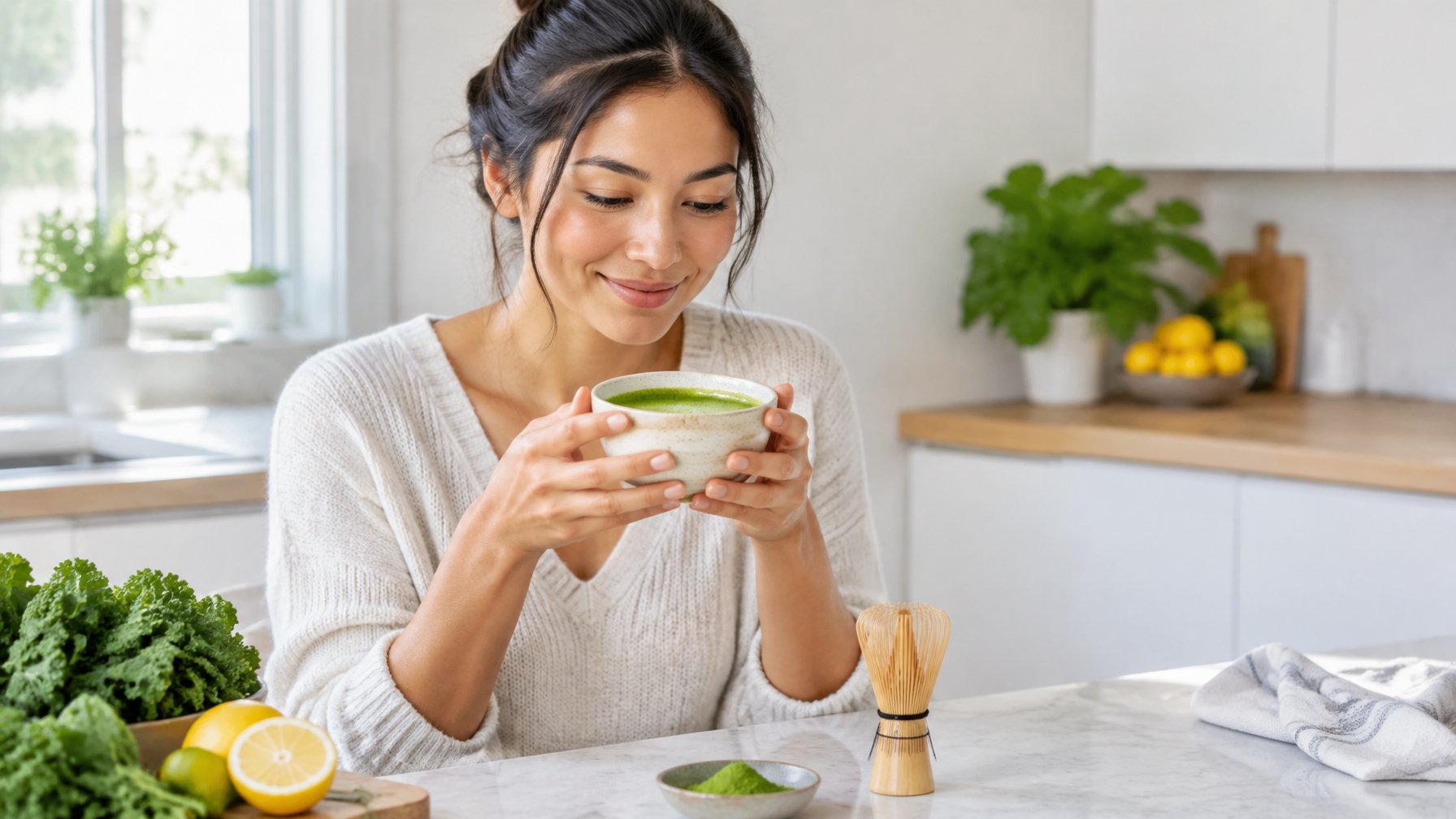
The potential matcha tea benefits for women include improved alertness, better focus, and antioxidant protection. Matcha provides caffeine to help boost alertness, while its combination of caffeine and L-theanine may help you stay focused throughout a busy day.
For women’s health, the details matter: your serving size, total caffeine intake, and stage of life all influence how matcha fits into your daily routine. Choosing unsweetened matcha is a simple way to enjoy this green tea without adding extra sugar.
Key Takeaways
You get caffeine and L-theanine that may support focus.
You keep added sugar low when you choose plain matcha.
During pregnancy, you should keep total caffeine below 200 milligrams daily.
Energy, Focus, and Stress Support
Matcha pairs caffeine with L-theanine, a tea compound linked to calm alertness. Your serving size, caffeine intake, and sleep habits affect how this mix feels.
How Caffeine and L-Theanine Affect Alertness
Caffeine blocks signals that make you feel sleepy, helping you stay alert. L-theanine affects brain signals involved in attention and relaxation. Together, they may support calm focus during tasks that need steady attention.
Your response depends on your caffeine tolerance and how much powder you use. A larger serving adds more caffeine. Count matcha alongside coffee, tea, energy drinks, and other caffeine sources when tracking your daily intake.
For sustained energy, pair your drink with regular meals and enough sleep. Take it earlier in the day if caffeine affects your rest. During pregnancy, keep total caffeine intake below 200 milligrams per day. If you breastfeed, discuss your intake with your care team, especially if your baby seems restless.
What Research Suggests About Focus and Stress
Small human studies suggest that matcha or the combination of caffeine and L-theanine may improve certain attention tasks. Research on matcha’s effects on focus and stress varies in dose, study length, and the people tested.
You might notice better alertness during reading or desk work. Claims about calm alertness describe a possible effect, so treat them as an expectation to test against your own response.
For stress support, pay attention to how you feel after drinking it. Caffeine can cause tension, a racing heart, or poor sleep, especially at higher doses. Choose a smaller serving if these symptoms appear, and protect your sleep with a consistent bedtime.
Menstrual and Reproductive Health: Evidence and Limits
Some studies link green tea to fewer menstrual cramps, while small trials have tested green tea extracts for PCOS. Claims about fertility, ovulation, and HPV treatment require caution when you make choices about your reproductive health.
Green Tea and Menstrual Cramps: Observational Findings
An observational study of women in China linked green tea drinking with fewer menstrual cramps. Researchers asked women about their tea habits and period pain. They found an association, which leaves questions about whether tea itself affected the pain.
Your diet, activity, sleep, and other habits also affect period symptoms. Research that tracks these factors helps explain the link, while controlled trials offer a stronger test of treatment effects.
If you enjoy matcha, you can include it in your routine. For cramp relief, anti-inflammatory pain medicines and heat have stronger support. Seek medical care if pain disrupts your day, gets worse, or comes with heavy bleeding.
Hormonal Balance and PCOS: Preliminary Evidence
Polycystic ovary syndrome (PCOS) affects ovulation and hormone levels. Some small trials have tested green tea supplements in women with PCOS, measuring weight, insulin levels, and testosterone. Results vary, and the studies use different doses and products.
Green tea contains plant compounds called catechins, including EGCG. Researchers study these compounds for their effects on metabolism. Claims that matcha “balances your hormones” go beyond these early findings.
If you have PCOS, keep your care plan focused on your symptoms and goals. Treatment options include support for blood sugar, medicines to manage periods, and fertility treatment. Discuss supplements with your clinician, especially if you take prescription medicines.
Fertility and Ovulation: Unproven Benefits
Clinical research has not established that drinking matcha improves ovulation, egg quality, or your chance of pregnancy. Fertility claims based on antioxidant content extend beyond evidence from human pregnancy studies.
If you are trying to conceive, focus on steps with clear medical guidance: take folic acid, review your medicines, and get help for irregular periods. Your age, cycle pattern, and health history guide the timing of a fertility check.
Matcha adds caffeine to your daily intake. During pregnancy, keep total caffeine below 200 milligrams a day. Serving strength varies, so check product details. Discuss caffeine limits and medicine interactions with your clinician when planning pregnancy or managing a health condition.
Why HPV Extract Studies Do Not Establish Benefits From Drinking Matcha
Some studies have tested concentrated green tea extracts in people with HPV cervical infections or cervical lesions. These studies examine specific doses and preparations. A cup of matcha delivers a different mixture and amount of compounds.
Early research reported encouraging results, while a later controlled trial found no benefit for clearing persistent HPV infection or low-grade cervical lesions. These findings leave no established role for drinking matcha as an HPV treatment.
If you have an HPV cervical infection, follow your recommended screening and follow-up schedule. Your care depends on the HPV test result and any cell changes. Keep cervical screening appointments, and discuss HPV vaccination with your clinician if you have not completed it.
Skin Health and Antioxidant Protection
Matcha provides antioxidants that may help limit damage linked to skin aging. Research on green tea drinks offers some support for skin elasticity, while evidence for increased collagen production or hormonal acne treatment remains limited.
EGCG, Oxidative Damage, and Skin Aging
Matcha contains catechins, a group of plant compounds with antioxidant effects. One key catechin, EGCG, helps neutralize free radicals, unstable molecules that damage cells when they build up.
Sun exposure creates free radicals in your skin. This process contributes to oxidative damage that affects collagen, the protein that gives your skin structure. Over time, that damage plays a role in wrinkles and loss of firmness.
Research links green tea catechins with reduced redness after UV exposure. These findings suggest a possible benefit for your skin’s response to sunlight. Keep daily sun protection in place: use broad-spectrum SPF 30 or higher, seek shade, and wear protective clothing.
Skin Elasticity and Collagen Production: What Is Known
Skin elasticity describes how well your skin returns to shape after stretching. Collagen provides strength, while another protein, elastin, helps your skin stretch and spring back.
A 12-week trial in women linked a daily high-catechin green tea drink with improved skin elasticity and hydration. The study tested a specific drink, so its findings apply to that dose and formula.
Lab research suggests EGCG may help protect collagen by limiting processes that break it down. Evidence that drinking matcha increases collagen production in people remains limited.
Your daily skin care habits matter. Use sunscreen, avoid smoking, and eat enough protein and vitamin C to support normal collagen production. Treat matcha as an optional part of your diet.
Hormonal Acne: Why Matcha Is Not a Proven Treatment
Hormonal acne develops partly when hormones increase oil production. Oil and dead skin cells clog pores, while bacteria and inflammation contribute to breakouts. You might notice flares around your period or along your jawline.
Green tea compounds have antioxidant and anti-inflammatory properties. These properties alone do not establish drinking matcha as a treatment for hormonal acne. Reliable clinical evidence for that use remains lacking.
For ongoing breakouts, choose care with stronger evidence. Benzoyl peroxide and adapalene treat acne, while prescription options address hormonal factors. Ask a clinician about painful spots, scarring, or persistent flares. Avoid adapalene during pregnancy or when trying to conceive.
Matcha’s caffeine and plant compounds may support fat burning during exercise. For your weight, cholesterol, and blood sugar, benefits depend on your diet, activity, and the type of tea product researchers studied.
Exercise-Related Fat Burning Versus Lasting Weight Loss
A small study in women found that drinking matcha increased fat burning during brisk walking.
Exercise-related fat burning measures the fuel your body uses during activity. Lasting weight loss depends on your energy balance over weeks and months. Your body uses both fat and carbohydrates for fuel, and that mix changes with exercise intensity, meals, and caffeine intake.
For weight management, choose unsweetened matcha and keep track of additions. Syrups, sweetened milk, and cream add calories. Replacing a sugary drink with plain matcha reduces your calorie intake, while regular activity and filling meals help you maintain your routine.
Potential Effects on Cholesterol and Blood Sugar
Matcha contains green tea catechins, including EGCG, a plant compound studied for its effects on health. Research on green tea suggests small reductions in total and LDL cholesterol, the type linked to fatty buildup in arteries.
Findings on blood sugar vary across studies. Some trials report small improvements in fasting blood sugar, while results for longer-term blood sugar control remain mixed. Your response depends partly on your starting health, diet, and treatment.
Treat matcha as one part of a heart-healthy eating pattern. Prioritize fiber-rich foods, exercise, and prescribed medicines to manage cholesterol or diabetes. If you add sugar or syrup to matcha, count those carbohydrates in your meal plan.
Why Green Tea Findings May Not Apply Directly to Matcha
With matcha, you drink powdered tea leaves mixed into water. With brewed green tea, you steep the leaves and remove them. This changes how much caffeine and catechins you consume.
Studies use brewed tea, powders, or concentrated extracts at different doses. Your serving of matcha will have its own caffeine and antioxidant content, which varies with the product and preparation.
Check what researchers tested before applying a finding to your daily cup. Human matcha trials remain small, and evidence specific to women is limited. Concentrated green tea extracts also carry different risks, including liver injury, so discuss supplements with your clinician before taking them.
Caffeine, Pregnancy, and Other Safety Considerations
Your caffeine intake matters during pregnancy, breastfeeding, and sleep. Matcha also affects iron absorption, interacts with some medicines, and carries different risks when you take it as a concentrated extract.
Pregnancy and Breastfeeding: Count Caffeine From All Sources
During pregnancy, keep your total caffeine intake below 200 milligrams a day. Matcha contains caffeine, so count it alongside coffee, other teas, chocolate, and soft drinks.
Check the label or ask your café how much caffeine your drink contains. The amount changes with the powder, serving size, and recipe. A large latte with several scoops adds more caffeine than a small serving.
While breastfeeding, keep caffeine at 300 milligrams a day or less. Try less if your baby becomes restless or sleeps poorly, especially with a newborn or premature baby. Ask your pregnancy care team about a lower limit if you have heart palpitations or other health concerns.
Iron Absorption, Sleep, and Medication Interactions
Matcha contains compounds that reduce your absorption of iron from plant foods. This matters for women’s health if you have heavy periods, low iron, or iron-deficiency anemia.
Leave one to two hours between matcha and iron-rich meals or iron supplements. Pair plant foods such as beans and lentils with vitamin C foods, including peppers or oranges, to help your body absorb iron.
Caffeine can disrupt your sleep for several hours after you drink it. Try stopping at least six hours before bedtime, then adjust based on your sleep.
Ask your pharmacist about medication interactions. Green tea reduces absorption of nadolol, a blood pressure medicine. If you take warfarin, discuss matcha’s vitamin K content and keep your intake consistent.
Why Concentrated Green Tea Extracts Require Extra Caution
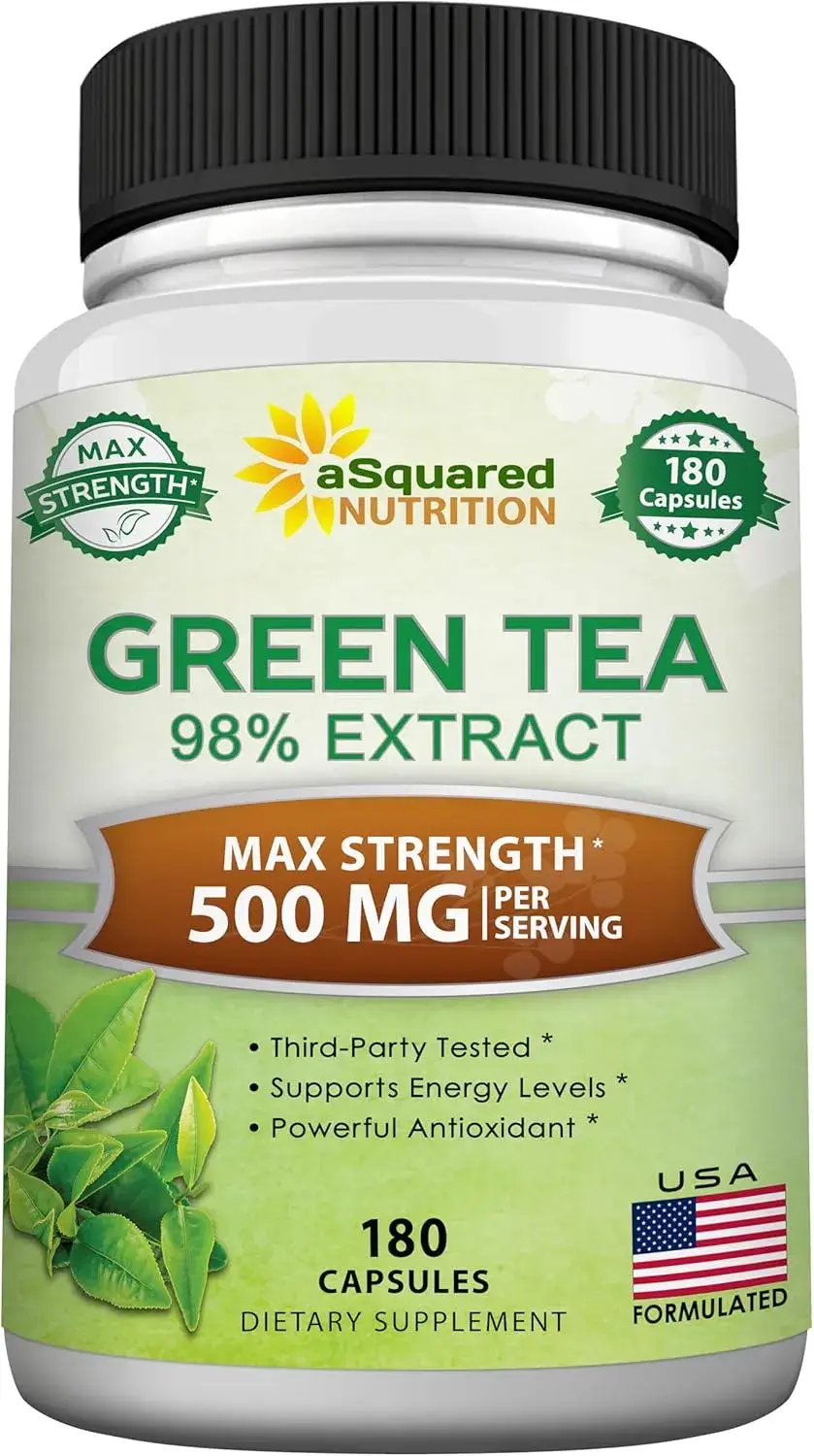
Matcha powder contains whole, ground green tea leaves. Supplements labeled “green tea extract” deliver concentrated amounts of compounds such as EGCG, a type of antioxidant. Check the ingredient list so you know which product you are taking.
High-dose green tea extracts have caused liver injury, with added concern when people take them on an empty stomach. Avoid using these supplements for weight loss or female reproductive health without medical advice. Evidence does not support treating fertility problems with matcha or EGCG.
During pregnancy or breastfeeding, avoid concentrated extracts unless your clinician recommends them. Stop an extract and seek medical care if you develop yellow skin or eyes, dark urine, or upper belly pain.
Choose matcha with clear quality testing, measure your powder, and keep added sugar low. Your serving size affects how much caffeine you drink.
Whole-Leaf Matcha Versus Steeped Green Tea
Matcha and steeped green tea come from Camellia sinensis. With matcha, you drink finely ground green tea leaves mixed into water. With steeped tea, you remove the leaves after brewing.
Because you consume the leaf powder, matcha gives you more leaf compounds per serving, including antioxidants called catechins. Your actual intake depends on the powder and amount you use.
Matcha green tea also contains caffeine and L-theanine, a compound studied for its effects on attention. Check the label for caffeine per serving, since amounts vary. If caffeine disrupts your sleep or causes jitters, use less powder and drink it earlier in the day.
Quality Testing and Ceremonial Grade Labels
When you buy ceremonial grade matcha, treat the term as a seller’s description. No single regulated standard defines this label across brands. It commonly describes powder intended for drinking with water.
Look for details about where the tea grew, when the producer packed it, and how the seller stores it. Bright green color and a fresh smell help you judge freshness, but quality testing requires lab checks.
Choose a brand that shares independent test results for lead, other heavy metals, pesticide residues, and harmful microbes. Ideally, match the report’s batch number to your package. Organic certification describes farming practices; separate lab results provide information about tested contaminants.
Serving Size, Preparation, and Added Sugar
Start with ½ teaspoon of matcha, then adjust for taste and caffeine tolerance. Use the package’s gram weight and caffeine information when available, since spoon measurements vary.
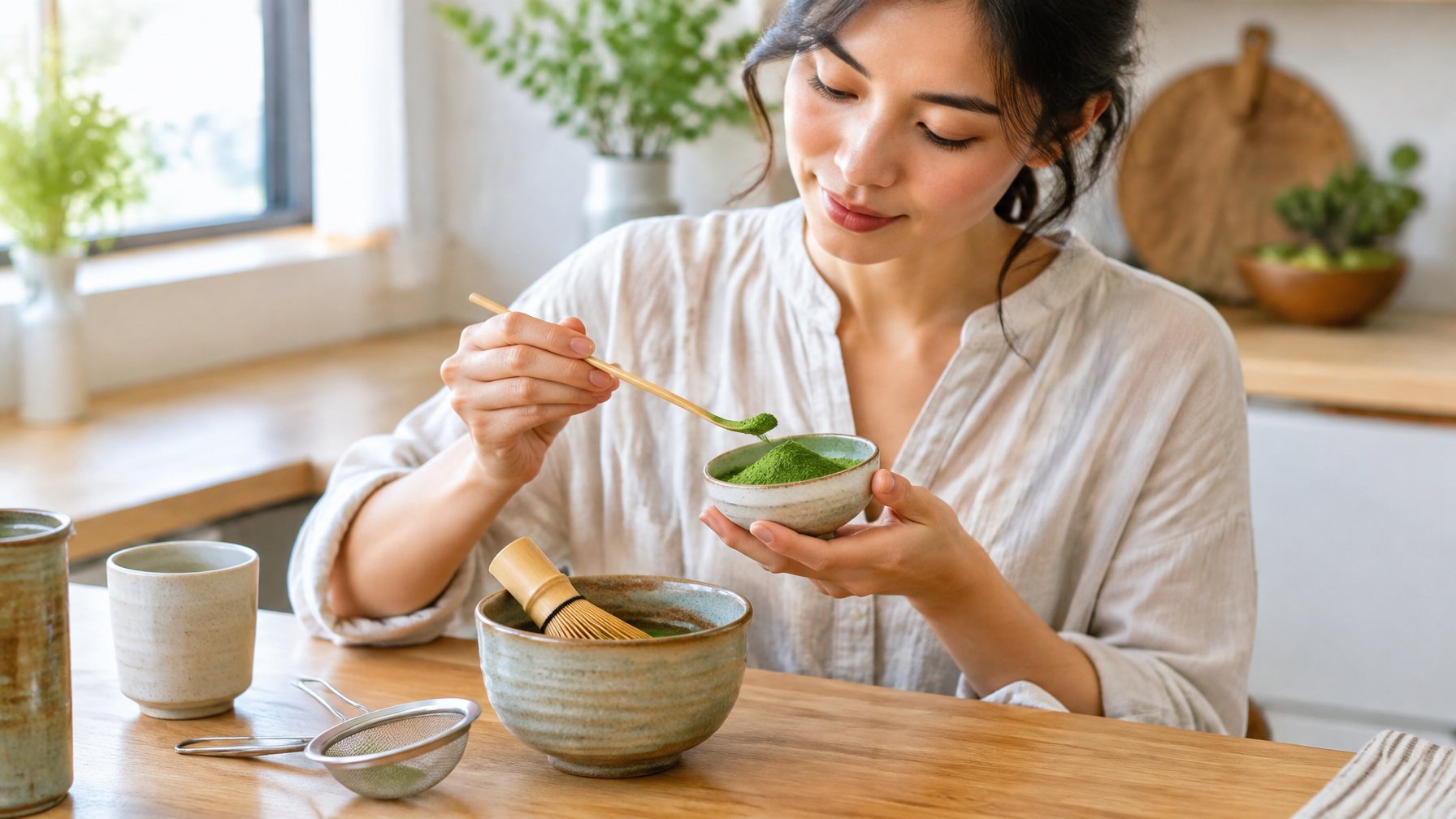
For a smooth cup, use these basic matcha tools and preparation steps:
Sift the powder into a bowl.
Add about 2 ounces of water at 160–175°F (70–80°C).
Whisk until smooth, then add water or milk to taste.
Keep added sugar low by choosing unsweetened milk and measuring sweeteners. One teaspoon of sugar adds about 4 grams of sugar.
During pregnancy, keep total caffeine below 200 milligrams daily, including coffee, tea, and other drinks. Store your matcha tightly sealed, away from heat, light, and moisture.
Frequently Asked Questions
Matcha gives you caffeine for alertness and plant compounds called antioxidants. Your serving size and timing affect your sleep, stomach comfort, and iron intake.
What are the benefits of drinking matcha daily for women?
Matcha’s caffeine helps you feel more alert. It also contains L-theanine, a tea compound that may support attention when combined with caffeine.
You get antioxidants with each serving. If you choose unsweetened matcha, you also keep added sugar out of your drink.
Can matcha help women lose weight or reduce belly fat?
Matcha may have a small effect on how much energy your body burns. Your food choices, activity, and sleep have a much larger role in weight control.
You cannot choose where your body loses fat. Replacing a sugary drink with plain matcha reduces your calorie intake, which supports weight loss.
How does matcha affect women’s skin health?
Matcha contains plant compounds that researchers study for their effects on skin inflammation and sun damage. Drinking it may offer some support for skin health, though direct research on matcha remains limited.
Keep sunscreen, gentle cleansing, and treatment for any skin condition in your daily routine.
Is matcha good for digestion and stomach health?
You may feel nausea, stomach pain, or acid reflux after drinking matcha, especially on an empty stomach. Try a small serving after a light snack if it bothers your stomach.
Matcha’s caffeine also stimulates bowel movements in some people.
What is the best time of day to drink matcha?
Drink matcha in the morning or early afternoon. Leave at least six hours before bed, and allow more time if caffeine affects your sleep.
If you have low iron, drink matcha between meals. Tea compounds reduce how much iron your body absorbs from plant foods.
What are the potential side effects of matcha for women?
You may experience jitters, a fast heartbeat, nausea, or trouble sleeping. Start with a small serving and check the product’s caffeine content.
During pregnancy, keep your total daily caffeine below 200 mg, unless your clinician sets a different limit. Count caffeine from coffee, tea, chocolate, and other drinks.
Avoid high-dose green tea extracts for weight loss. These concentrated supplements carry a risk of liver injury.
Final Thoughts on Matcha Tea Benefits for Women
Matcha can be a valuable addition to a balanced lifestyle, offering caffeine, L-theanine, and antioxidant compounds. However, its potential benefits for women should be understood alongside the limits of current research. Pay attention to serving size, caffeine intake, and individual health needs to enjoy matcha safely as part of your daily routine.
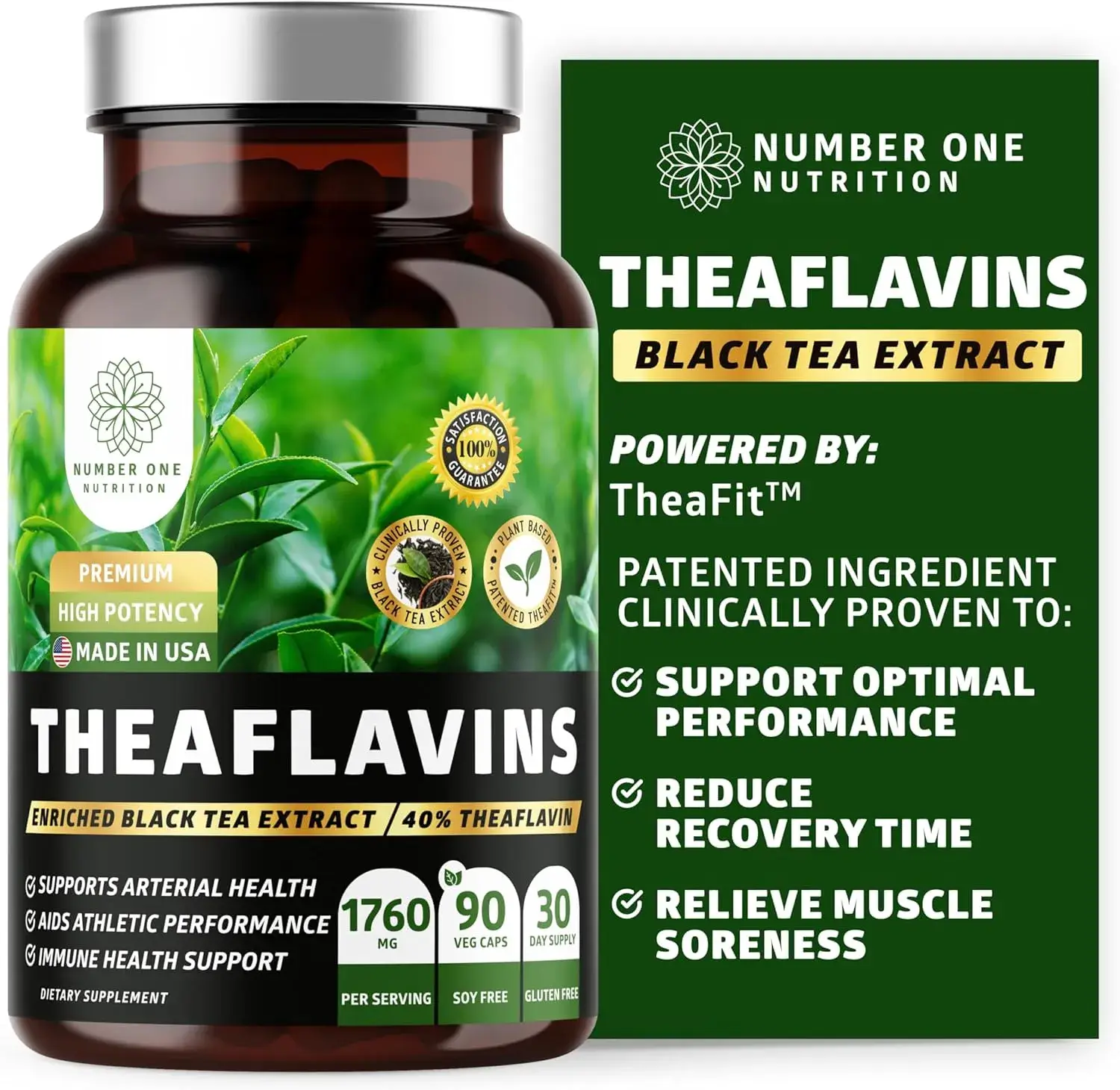
Black Tea Extract that is rich in natural theaflavins and polyphenols that help protect your body from free radicals, promoting overall immune health and well-being
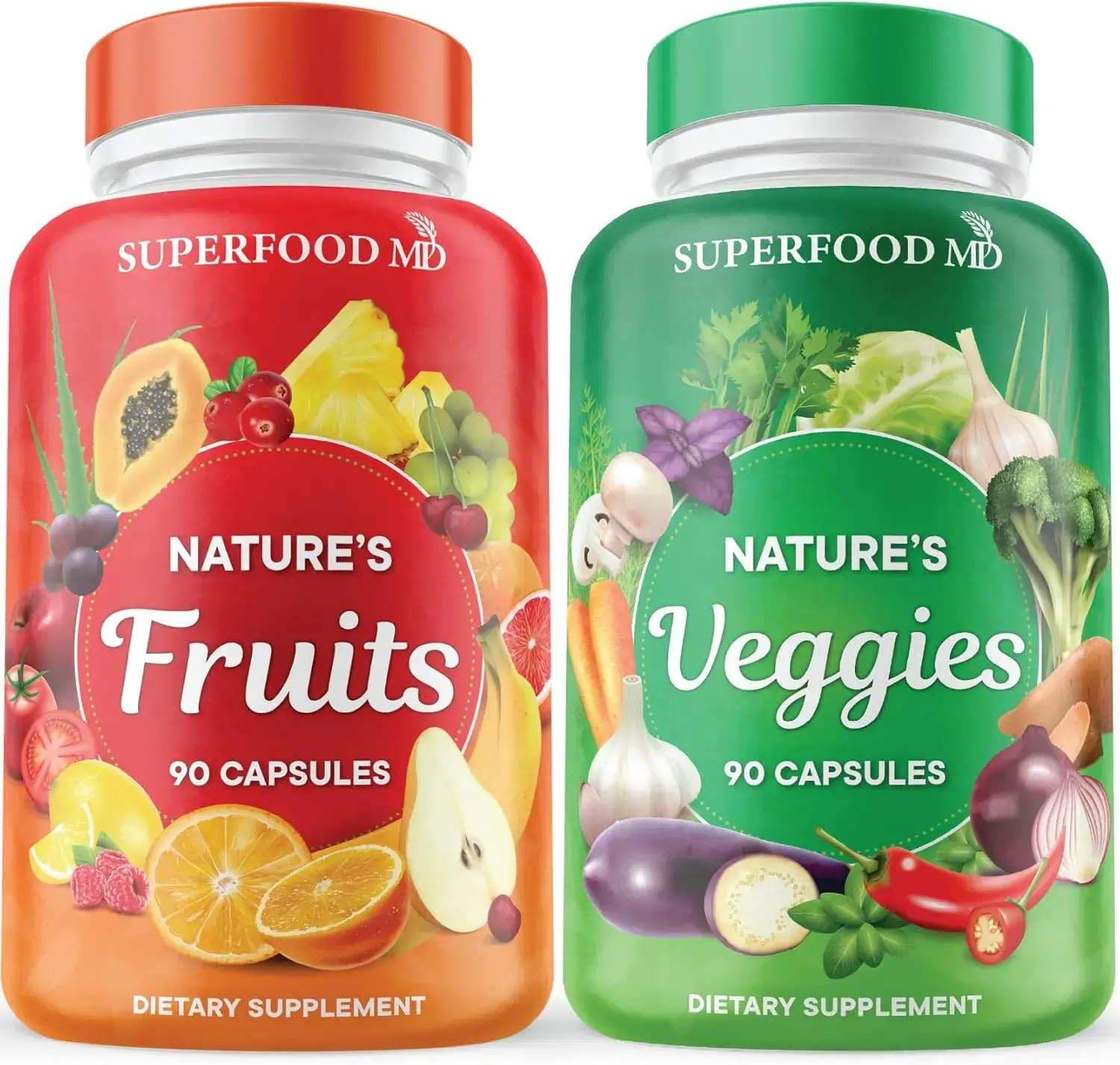
Contains blended amounts of Fruits and Veggies. All natural, with whole foods, fruit and vegetable supplement.Perfect for everyone looking to live a healthier lifestyle.