Pu erh tea has a reputation that few other teas can match. Tea shops call it a cholesterol fighter, a weight-loss helper, and a digestive aid, all in one earthy, dark-brewed cup. Traditional Chinese medicine has valued it for centuries, and modern researchers have started to take a closer look.
But the marketing often runs ahead of the evidence. If you are trying to decide whether pu erh belongs in your daily routine, you deserve a straight answer about both sides: what it might do for you, and what can go wrong.
This guide covers the main pu erh tea benefits and side effects in plain language. You will see where the research looks promising, where it is thin, who should be cautious, and how to drink pu erh in a way that keeps the upside and limits the downside.
What Is Pu Erh Tea?
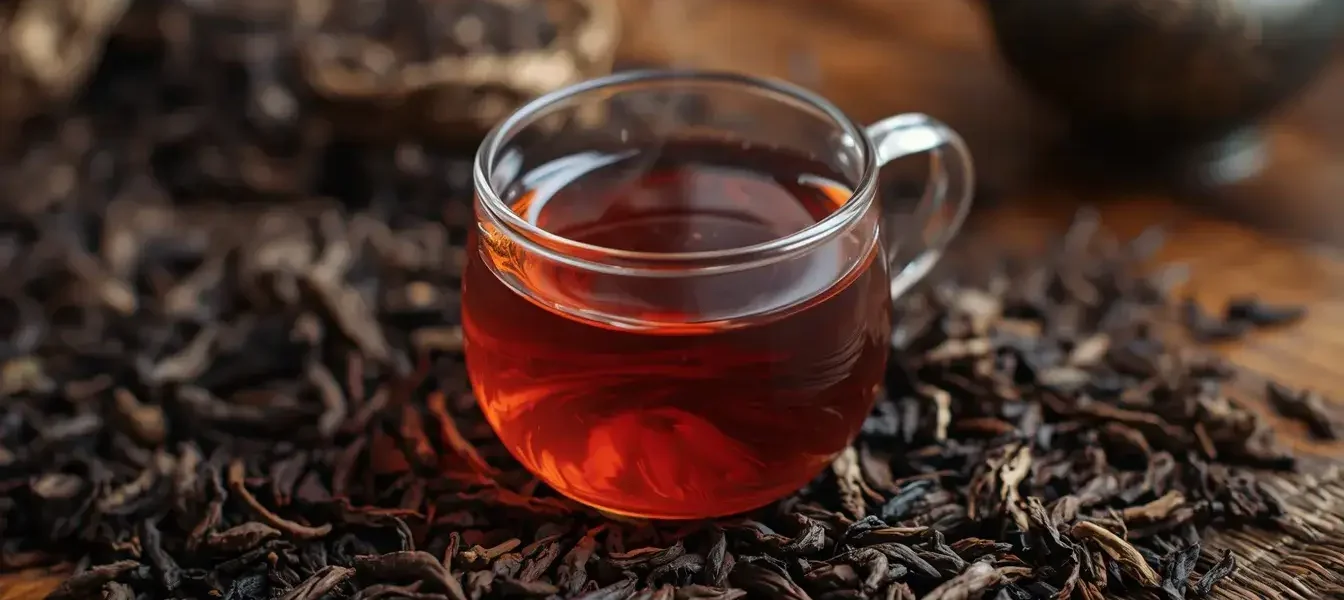
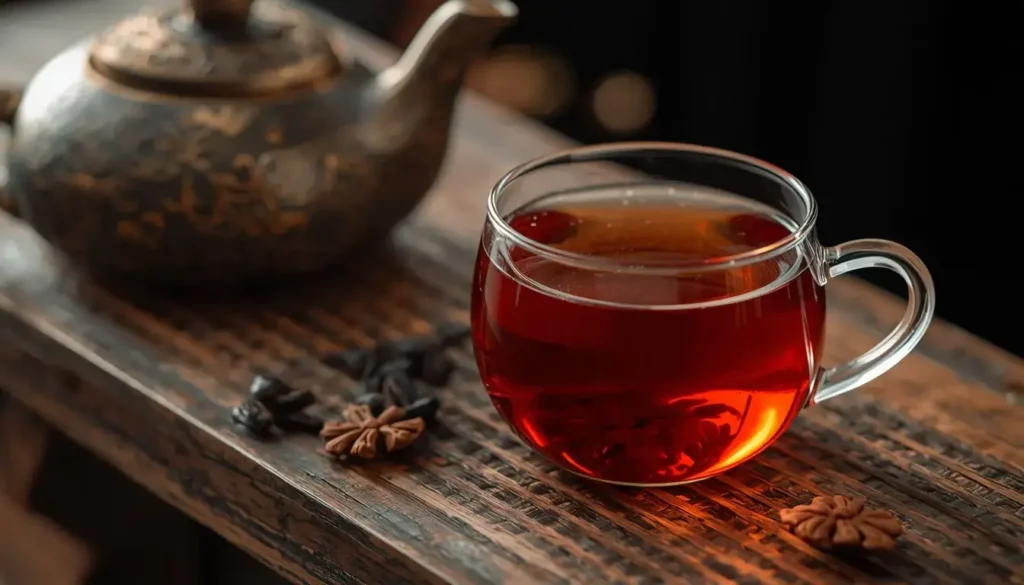
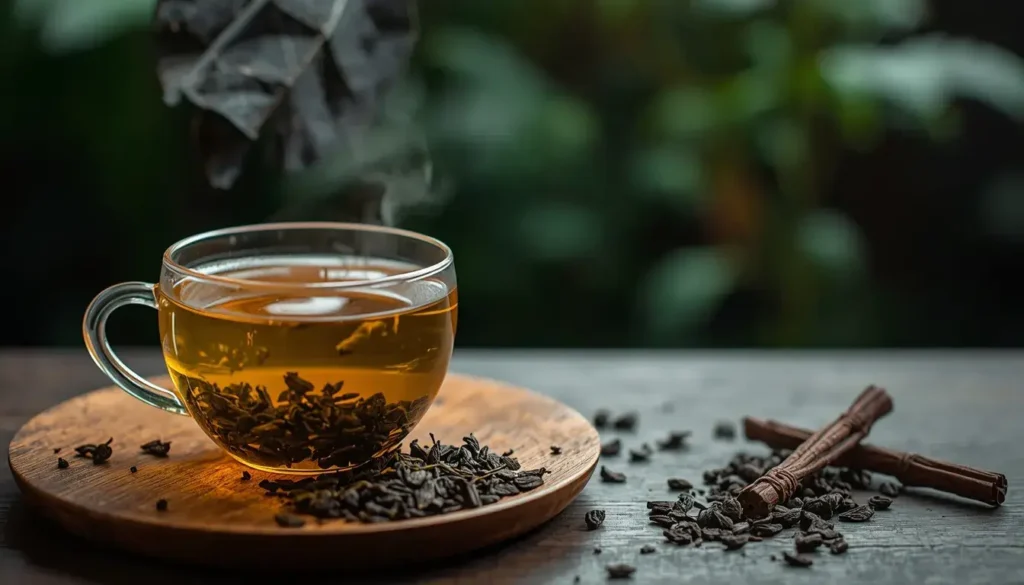
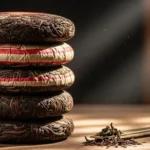
Pu erh (also spelled pu-erh or pu’er) is a fermented tea made from the leaves of the Camellia sinensis var. assamica plant, grown mainly in China’s Yunnan province. Unlike green or black tea, it goes through a microbial fermentation step, and many pu erh teas are aged for years like a fine wine.
That fermentation is the reason pu erh tastes so different. Expect deep, earthy, sometimes woody or sweet flavors rather than the grassy freshness of green tea. It is also the reason researchers believe pu erh may behave differently in the body than other teas.
Raw (Sheng) vs. Ripe (Shou) Pu Erh
Not all pu erh is processed the same way, and the difference matters when you read health claims.
Feature
Raw (Sheng) Pu Erh
Ripe (Shou) Pu Erh
Processing
Sun-dried leaves, then aged slowly over years
Accelerated fermentation (“wo dui”) in a controlled, humid pile
Brew color
Pale gold to amber
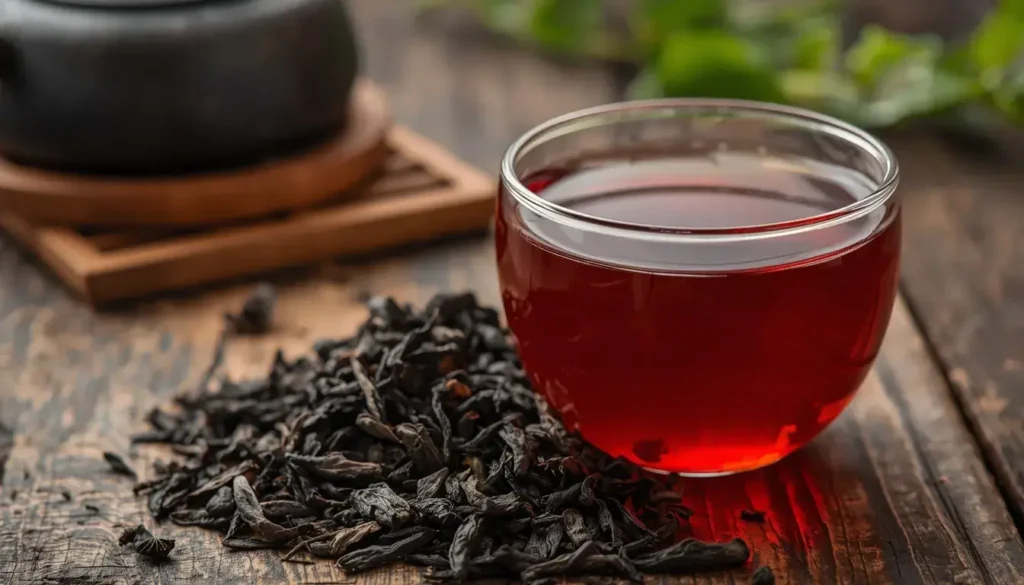
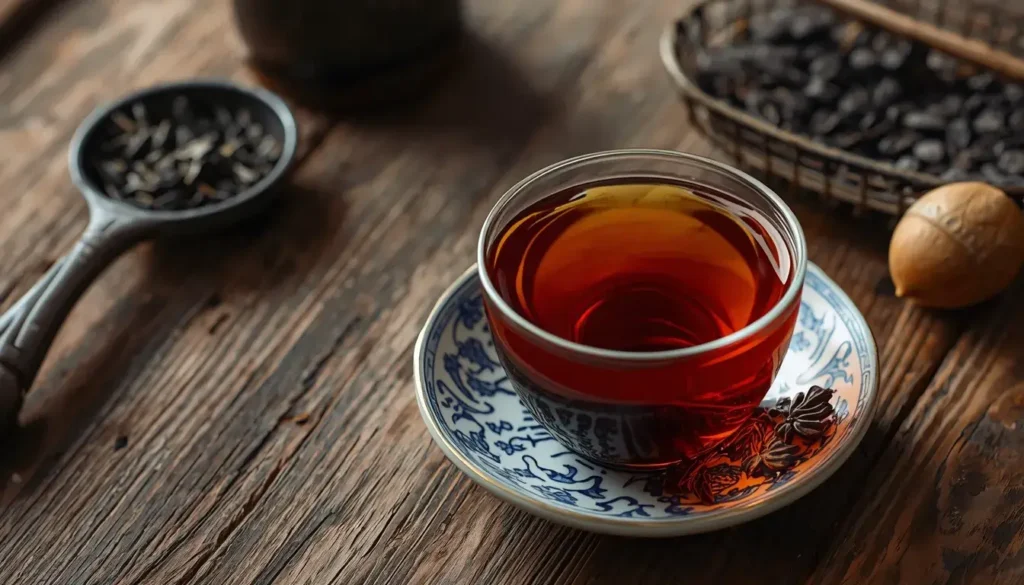
Dark red to nearly black
Flavor
Brisk, floral, sometimes bitter when young
Smooth, earthy, mellow
Common in studies
Yes
Yes, often showing stronger fat-lowering effects in animal work
How Much Caffeine Does Pu Erh Contain?
Pu erh contains caffeine, typically in the range of roughly 30 to 70 mg per cup, depending on the leaf, the amount used, and how long you steep it. That is usually less than a cup of coffee but more than many herbal teas. Because most of the side effects of pu erh trace back to caffeine, this number comes up again later.
Pu Erh Tea Benefits: What the Research Shows
Most of the interest in pu erh centers on metabolism, meaning how your body handles fats, sugars, and weight. A 2022 review in the Journal of Traditional Chinese Medical Sciences summarized human and animal studies and linked pu erh’s effects to an interaction between the liver and the gut microbiome. Here is what the individual areas look like.
Cholesterol and Blood Fats
This is pu erh’s strongest area of research. In a 2008 study published in Phytotherapy Research, pu erh extract reduced the rise in blood cholesterol after a meal in mice, and long-term use lowered total cholesterol and LDL (“bad”) cholesterol in rats. Other rat studies have also reported higher HDL (“good”) cholesterol after daily tea extract.
Human data exist too. Researchers have proposed that a compound called theabrownin, which forms during fermentation, is responsible for much of this lipid-lowering effect. Still, many of the human studies are small, short, or used concentrated extracts rather than a normal cup of tea.
Weight and Body Fat
Pu erh is popular in weight-loss circles, and there is some basis for it. A randomized, double-blind, placebo-controlled trial gave pu erh tea extract to 59 overweight or mildly obese adults with high cholesterol and reported significant weight loss, lower body mass index, and an improved lipid profile. One summary of that trial put the weight loss at around 3% over 20 weeks.
That is a modest result, from one small study, using an extract. Pu erh is not a fat-burning shortcut. At best, it looks like a small supporting player alongside diet and exercise.
Blood Sugar Control
Reviews suggest that pu erh polysaccharides may lower blood sugar and reduce insulin resistance, but this evidence comes largely from animal and lab studies. Human proof is limited. If you have diabetes, treat pu erh as an interesting area of research rather than a treatment, and read the medication section below.
Gut Health and Digestion
Pu erh is often described as a digestive tea, and many people enjoy a cup after a rich meal. Researchers believe gut microbes play a central role in how pu erh’s compounds are processed, and early work points to effects on gut bacteria. The science here is still developing, so claims about “detoxing” your digestive system are well ahead of the evidence.
Antioxidants and Mental Alertness
Like other teas made from Camellia sinensis, pu erh provides polyphenols with antioxidant activity. The caffeine can also give you a steady lift in alertness. Some producers promote benefits for bones, the brain, and inflammation, but those claims rest mostly on very early lab and animal findings.
How Strong Is the Evidence, Really?
It helps to be honest about what we know. The enthusiasm around pu erh is real, but the research behind it has clear limits.
Three caveats stand out. First, many studies use standardized extracts, not the tea you brew at home. Second, there are no large, long-term randomized trials confirming these effects in people. Third, pu erh varies enormously from one product to another, so the cup you drink may not match the material in a study.
The practical takeaway: pu erh can be a pleasant part of a healthy routine, but it should never replace prescribed cholesterol or diabetes medication.
For most healthy adults, moderate pu erh drinking is considered safe. Problems tend to show up with large amounts, sensitivity to caffeine, or poorly stored tea.
Caffeine-Related Effects
Most common pu erh side effects come straight from caffeine. These include nervousness, jitters, a faster heartbeat, headaches, and increased urination. Drinking more than about five cups a day makes these effects much more likely.
Trouble Sleeping
Pu erh in the late afternoon or evening can keep sensitive people awake. If you notice restless nights, move your last cup earlier in the day or switch to a lighter, less steeped brew.
Stomach Upset and Diarrhea
Strong tea on an empty stomach can cause nausea or an unsettled stomach in some people. Caffeine can also stimulate the gut, so heavy pu erh drinking may worsen diarrhea.
Fluoride Intake
Tea plants naturally absorb fluoride from the soil, and older, coarser leaves tend to hold more. Compressed cakes and bricks often use mature leaves, so very heavy daily drinking of low-grade pu erh could add up over time, particularly for people with kidney problems. Moderate amounts are not a concern for most people.
Reduced Iron Absorption
Tannins in tea can interfere with how well your body absorbs iron from plant foods. If you are prone to low iron or anemia, avoid drinking pu erh with iron-rich meals and leave a gap of an hour or two.
Mold and Contamination
Pu erh is meant to be microbially fermented, but that does not mean every cake is safe. Tea stored in damp, warm, or unclean conditions can develop unwanted mold or bacteria. Warning signs include a musty, stale, or “basement” smell, visible fuzzy growth, and a sour taste. If something seems off, throw it out. Rinsing the leaves is a good habit for flavor and surface dust, but it will not make spoiled tea safe.
Who Should Be Careful With Pu Erh Tea?
Some people should drink less pu erh, or check with a healthcare professional first.
Pregnancy and Breastfeeding
Caffeine passes into breast milk and crosses the placenta. Many health organizations, including the American College of Obstetricians and Gynecologists, suggest keeping caffeine under about 200 mg a day during pregnancy. A cup or two of pu erh can fit within that, but count caffeine from all sources. For breastfeeding, large amounts may leave a baby fussy or sleeping poorly.
People Who Are Sensitive to Caffeine
If caffeine gives you anxiety, palpitations, or heart rhythm concerns, pu erh may not be a good daily habit. Talk with your doctor if you have a heart condition.
Anyone Taking Medication
Because pu erh contains caffeine, it shares caffeine’s interaction list. Medication references flag the following:
Cimetidine: may increase caffeine side effects such as jitteriness, headache, and a fast heartbeat.
Clozapine: caffeine can slow how quickly the body breaks it down, strengthening its effects.
Stimulants such as ephedrine: combining them with caffeine can overstimulate the heart and nervous system.
Disulfiram: may amplify caffeine’s effects.
Dipyridamole and adenosine: caffeine may block their effects.
Certain antibiotics: may raise the risk of jitteriness and a faster heart rate.
If you take any prescription medication, ask your pharmacist whether daily pu erh is a good fit.
People With Diabetes
Pu erh may have blood-sugar-lowering effects, though the research is early. If you use insulin or glucose-lowering drugs, monitor your levels more closely when you start drinking it regularly, and mention it to your care team.
People With Low Iron or Kidney Concerns
Those with iron deficiency should time tea away from meals, and those with reduced kidney function should be careful about heavy, long-term intake because of fluoride.
How to Drink Pu Erh Tea Safely and Get the Most From It
A few simple habits keep pu erh enjoyable and low-risk.
Keep it moderate. Two to four cups a day is a sensible range for healthy adults. Going past five cups raises the odds of caffeine side effects.
Use a reasonable amount of leaf. Studies of metabolic effects have typically used around 3 to 5 grams of dry leaf per day, roughly two to three cups.
Rinse the leaves first. Pour hot water over the leaves, discard it after a few seconds, then brew. This wakes up the leaf and removes surface dust.
Time it well. Many people enjoy pu erh after a meal. Avoid it late in the evening if caffeine affects your sleep, and avoid it on a completely empty stomach if it makes you queasy.
Buy from reputable sellers. Look for transparent sourcing, proper dry storage, and a clean aroma.
Store it properly. Keep pu erh in a cool, ventilated spot away from strong odors and excess humidity.
Listen to your body. If a particular tea gives you headaches, a racing heart, or stomach trouble, cut back or stop.
If you are new to pu erh, start with a ripe (shou) tea. It is smooth, forgiving, and easy to brew, and it is the type many tea drinkers find most approachable.
It may help a little. One small randomized trial using pu erh extract reported modest weight loss and improved cholesterol, and animal studies are supportive. Still, pu erh is not a stand-alone weight-loss solution. Think of it as a calorie-free drink that may add a small benefit to a healthy diet and regular activity.
Is it safe to drink pu erh tea every day?
For most healthy adults, yes, in moderation. Two to four cups per day is generally considered reasonable. People who are pregnant, sensitive to caffeine, or taking certain medications should check with a healthcare professional first.
How much caffeine is in pu erh tea compared with coffee?
A cup of pu erh usually contains about 30 to 70 mg of caffeine. A typical cup of brewed coffee has noticeably more, and green tea often has less. Longer steeping and more leaf push the number higher.
Can I drink pu erh tea on an empty stomach?
You can, but some people feel nauseous or jittery when they do. If that happens to you, have it with or after food, or choose a lighter brew.
Is pu erh safe during pregnancy?
A small amount may fit within common caffeine limits, but there is not enough research on pu erh specifically in pregnancy. Count your total caffeine from all sources and ask your doctor or midwife what is right for you.
Is raw or ripe pu erh healthier?
Both types appear in research. One animal study reported a stronger fat-reducing effect from ripe pu erh, but there is no firm human evidence that one type is better. Choose the one you enjoy and can source from a trustworthy seller.
Final Thoughts on Pu Erh Tea Benefits and Side Effects
The honest summary of pu erh tea benefits and side effects looks like this. Pu erh has real, promising research behind it, especially for cholesterol and possibly weight and blood sugar, but most of that evidence is early, small, or based on animals and extracts. On the other side, the risks are manageable for most people and usually come down to caffeine, a few medication interactions, and the quality of how the tea was stored.
If you enjoy the flavor and keep your intake moderate, pu erh can be a satisfying and potentially helpful part of your day. If you have a medical condition or take regular medication, a quick conversation with your doctor or pharmacist is worth having before you make it a habit.
Ready to give it a try? Start with a small, reputable ripe pu erh, brew a cup after your next meal, and see how your body responds. For more tea guides, explore our other articles on the health effects of everyday teas.
This article is for general information and is not medical advice. Talk with a qualified healthcare professional about your personal health needs.
Black Tea Extract that is rich in natural theaflavins and polyphenols that help protect your body from free radicals, promoting overall immune health and well-being
Contains blended amounts of Fruits and Veggies. All natural, with whole foods, fruit and vegetable supplement.Perfect for everyone looking to live a healthier lifestyle.