When considering yellow tea with lemon benefits, you get fluids, tea antioxidants, and a small amount of vitamin C. You also get caffeine, which can help you feel more alert. If you enjoy a mild brew, yellow tea offers a delicate flavor and antioxidant content that pairs well with a squeeze of lemon.
Your brewing time and lemon portion shape both the taste and your comfort. To enjoy this tea with lemon, start with a small squeeze and watch for heartburn or caffeine-related sleep trouble.
Key Takeaways
You get hydration, antioxidants, and some vitamin C.
You get caffeine that may improve alertness.
Adjust your lemon and tea intake if you notice discomfort.
What Yellow Tea and Lemon Contribute
Yellow tea supplies caffeine and plant compounds called polyphenols. Lemon adds citric acid, some vitamin C, and a tart flavor, with the amount depending on how much juice you use.
What Is Yellow Tea, and How Does Sealed Yellowing Work?
Yellow tea comes from Camellia sinensis, the same plant used for green and black tea. Its key processing step, sealed yellowing, gives the leaves their distinct taste and yellow tone.
Tea makers first heat the leaves to slow the enzymes that drive oxidation. They then wrap or cover the warm, damp leaves and hold them before drying. This stage changes the leaves’ aroma, color, and chemical makeup.
In your cup, that process often produces a softer taste with fewer grassy notes than green tea. The word “sealed” describes the covered processing stage. It does not mean the finished tea needs special packaging. Leaf quality, processing, and brewing all affect your drink’s strength and flavor.
Antioxidants, Catechins, and EGCG
Yellow tea contains polyphenols, a broad group of plant compounds. These include flavonoids called catechins. One catechin is epigallocatechin gallate (EGCG), which researchers study for its antioxidant activity.
Antioxidants help limit damage from unstable molecules called free radicals. Your tea’s catechin content depends on the leaf variety, processing, storage, and brewing. You cannot judge its EGCG level by its yellow color or mild taste.
When you drink yellow tea, you get a mix of compounds, including caffeine. Findings from tests using pure EGCG or concentrated extracts do not establish the same effects for your brewed cup. Treat yellow tea as a drink you enjoy, without expecting a set dose of antioxidants or a treatment for disease.
What Lemon Adds, and Why Green Tea Research Is Not Direct Evidence
Lemon juice adds citric acid and vitamin C. A small squeeze supplies less vitamin C than a whole lemon, and heat breaks down some of it. Lemon also changes tea’s flavor and color.
Lab studies of green tea with lemon suggest that acidic conditions help preserve catechins during simulated digestion. That finding concerns compounds in a lab setting, not measured health benefits from drinking yellow tea.
Yellowing changes the tea’s chemical makeup, so green tea findings do not directly establish benefits for your yellow tea blend. Add lemon for its taste and the small amount of nutrients it supplies.
Potential Heart and Metabolic Benefits
Yellow tea with lemon gives you tea compounds linked to heart health and blood sugar control. Its value for weight loss comes mainly from replacing sugary drinks, with smaller effects from caffeine on metabolism.
Heart Health and Blood Pressure: What Tea Research Suggests
Research on green and black tea links regular intake with modest improvements in blood pressure and cholesterol. Reviews describe tea’s potential effects on cardiovascular risk factors, including how its plant compounds affect blood vessel function.
Yellow tea contains related compounds called catechins, including EGCG. These compounds may help blood vessels relax, which supports healthy blood flow. Their amounts vary with the tea leaves, processing, and brewing time.
For your daily cup, keep added sugar low. Lemon adds flavor with few calories. If caffeine raises your blood pressure or causes a racing heartbeat, choose smaller servings and discuss your intake with your healthcare provider.
Weight Loss, Metabolism, and Fat Burning: Realistic Expectations
Yellow tea contains caffeine, which can briefly raise energy use. Catechins also play a role in research on metabolism and fat burning. Any weight effect from drinking tea is likely to be small, with food intake and activity having a larger influence.
Your clearest benefit comes from what the drink replaces. Swapping a daily soda or sweetened coffee for unsweetened yellow tea with lemon lowers your calorie intake. Adding sugar, honey, or syrup increases the drink’s calories.
Use tea as a low-calorie drink within your eating plan. Keep portions of sweeteners small, and avoid drinking caffeinated tea late if it disrupts your sleep. Poor sleep makes appetite management harder.
Blood Sugar Control and Insulin Resistance: Preliminary Findings
Researchers have studied tea compounds for their effects on insulin, the hormone that helps move sugar from your blood into cells. A review of tea and metabolic health discusses potential benefits across laboratory, animal, and human research.
Early studies suggest catechins such as EGCG may influence insulin resistance and how cells use glucose. Much of this work involves green tea or concentrated extracts. Your response to brewed yellow tea will depend on factors such as your diet, health, and serving size.
If you have type 2 diabetes, keep taking prescribed medicine and checking your blood sugar. Choose unsweetened tea with lemon to limit added sugar, and discuss major diet changes with your care team.
Alertness, Hydration, and Digestive Comfort
Yellow tea with lemon supplies fluid and caffeine, which supports short-term alertness. Your response depends on the tea’s strength, your caffeine intake, and whether lemon irritates your stomach.
Caffeine and L-Theanine for Short-Term Focus
Yellow tea contains caffeine and L-theanine, an amino acid found in tea leaves. Caffeine helps you feel more awake by blocking signals that promote sleepiness. L-theanine affects brain signaling, and studies of the two compounds together suggest benefits for attention on some short tasks.
Your cup’s caffeine level depends on the leaves, serving size, water temperature, and brewing time. Research using measured doses of caffeine and L-theanine does not establish the same effect for every cup of yellow tea.
You may notice better mental clarity or a brief lift in perceived energy levels. Lemon adds flavor without adding caffeine. If caffeine causes jitters, a racing heart, or poor sleep, choose a smaller serving and drink it earlier.
Brain Health Claims Versus Evidence for Disease Prevention
Yellow tea contains plant compounds called polyphenols. Researchers study these compounds for their effects on inflammation and cell stress, both of which relate to brain health.
Feeling more alert differs from preventing disease. A short-term improvement in attention does not establish lasting gains in cognitive function. Claims that yellow tea with lemon prevents Alzheimer’s disease require strong human trials that test the drink itself over time.
Some studies link tea drinking with better cognitive outcomes, but sleep, diet, exercise, and other habits complicate those findings. For your long-term brain health, prioritize regular movement, adequate sleep, and blood pressure care. Enjoy tea as a drink, and continue any care your clinician recommends for memory concerns.
How Tea Contributes to Daily Hydration
Tea counts toward your daily fluid intake. The water in yellow tea supports hydration, even though the drink contains caffeine. At moderate amounts, tea still supplies more fluid than you lose through caffeine’s effect on urine output.
Adding lemon changes the flavor, which may help you drink more if you dislike plain water. A squeeze of juice adds little sugar; honey and sweetened lemon syrups increase the drink’s sugar content.
Spread your drinks through the day and increase fluids when heat or exercise raises your needs. Pale yellow urine offers a rough hydration check, although vitamins and medicines affect its color. If your clinician limits your fluids because of a health condition, include tea in that daily limit.
Digestive Comfort Without Proven Digestive Enzyme Benefits
People have traditionally used yellow tea after meals for digestive comfort. A warm drink may feel soothing, but your response depends on your symptoms and tolerance.
Evidence does not establish that adding lemon increases your digestive enzymes or makes food break down faster. Your stomach, pancreas, and small intestine already release substances that support digestion.
For digestive health, pay attention to how you feel after drinking it:
Choose a smaller serving if strong tea causes nausea.
Reduce lemon if you notice heartburn or sour burps.
Avoid drinking it close to bedtime if reflux disrupts your sleep.
Seek medical advice for ongoing pain, trouble swallowing, or frequent vomiting.
Lemon adds a small amount of vitamin C to your yellow tea. Your body uses this nutrient to support immune cells and build collagen, a protein that gives your skin strength.
How Much Vitamin C Does a Squeeze of Lemon Add?
The amount depends on how much juice you add. A quick squeeze varies, so measuring your lemon juice gives you a clearer estimate:
1 teaspoon: about 2 milligrams (mg) of vitamin C.
1 tablespoon: about 6 mg.
2 tablespoons: about 12 mg.
Most adult women need 75 mg daily, while most adult men need 90 mg. Pregnancy, breastfeeding, and smoking increase your needs.
One tablespoon supplies about 7% to 8% of the usual adult daily target. Treat your lemon tea as a small contribution to your intake. Peppers, kiwifruit, oranges, and strawberries help you meet the rest through food.
Supporting Normal Immune Function Without Promising Infection Prevention
Your immune cells need vitamin C to work well. It supports their response to germs and helps protect cells from damage during immune activity. Research describes several roles for vitamin C in normal immune function.
Vitamin C also acts as an antioxidant, helping control unstable molecules that damage cells. Yellow tea supplies other antioxidants, including plant compounds called polyphenols.
The clearest benefit comes from meeting your daily nutrient needs. If your intake falls short, adding vitamin C-rich foods helps correct that gap.
Keep lemon tea within a broader routine that includes varied meals, enough sleep, recommended vaccines, and handwashing. Each supports your health in a different way.
Collagen Production and the Limits of Skin Health Claims
Your body needs vitamin C for collagen production. Collagen supports your skin’s structure and helps wounds heal. Getting enough vitamin C through your diet supports these normal processes.
A squeeze of lemon contributes to that intake, but your skin also needs protein, zinc, and other nutrients. Include foods such as beans, eggs, fish, or tofu alongside fruits and vegetables.
The amount of lemon in your cup matters when weighing skin health claims. One tablespoon adds about 6 mg of vitamin C, a modest share of your daily needs.
For daily skin care, pair balanced meals with sun protection and a gentle cleansing routine. These habits address several factors that affect your skin’s health and appearance.
How to Brew Yellow Tea and Add Lemon
Brew yellow tea with water below boiling, then remove the leaves before adding lemon. Choose a light, sweet Junshan Yinzhen or a fuller Huoshan Huangya, and keep lemon and sugar amounts small.
Choosing Junshan Yinzhen or Huoshan Huangya
Choose Junshan Yinzhen if you prefer a delicate cup with mild sweetness. This yellow tea comes from Hunan, China, and uses tender buds. Start with only a few drops of lemon to keep its light flavor easy to taste.
Choose Huoshan Huangya, from Anhui, China, if you enjoy a fresh, slightly nutty taste. Its flavor gives you a good base for tea with lemon, though a large squeeze will still overpower it.
Buy small amounts from a seller who lists the tea’s origin and harvest date. Keep your leaves in an airtight container away from heat, light, and strong smells. Taste your first brew plain so you know how much lemon suits your tea.
Leaf Quantity, Water Temperature, and Steeping Time
Start with 3 grams of leaves per 150 milliliters of water, a yellow tea brewing ratio you can adjust to taste. Use a small teapot or a mug with a roomy infuser so the leaves have space to open.
Match your water temperature to the yellow tea variety:
Tea
Water temperature
First steep
Junshan Yinzhen
75–80°C (167–176°F)
Start with 2 minutes
Huoshan Huangya
80–85°C (176–185°F)
Start with 2 minutes
Use these times as a starting point and follow the seller’s directions when available. Remove the leaves after steeping. For a stronger cup, add 30 seconds to your next brew. Reuse the leaves while they still give you a pleasant flavor.
Adding Lemon to Taste and Keeping Sweeteners Modest
Let your strained tea cool to a comfortable drinking temperature. Add ¼ teaspoon of fresh lemon juice per small cup, stir, and taste. Add a few more drops if you want more tartness.
For a lighter lemon flavor, briefly dip a thin slice into your cup. Wash the lemon before slicing it, and remove the slice once the taste suits you.
Try your tea without sweetener first. If you want sweetness, start with ¼ teaspoon of sugar or honey and measure any extra. Both add sugar, so keep portions small.
Lemon adds flavor without adding much sugar. If citrus triggers your heartburn, use less lemon or leave it out.
Side Effects, Precautions, and Daily Intake
Your main concerns with yellow tea and lemon are caffeine, acid exposure, and reduced iron absorption around meals. Your serving size, brewing strength, medicines, and health conditions all affect how much suits you.
Caffeine Sensitivity, Sleep, and Pregnancy Considerations
Yellow tea contains caffeine, and the amount varies with the leaves, serving size, and brewing time. Adding lemon leaves the caffeine content unchanged. If you feel shaky, anxious, or notice a fast heartbeat, reduce your intake or stop drinking it.
Keep total caffeine below 400 milligrams a day if you are a healthy adult. Count coffee, energy drinks, chocolate, and medicines that contain caffeine toward that total. Your personal limit could be lower.
During pregnancy, keep caffeine below 200 milligrams daily and discuss your intake with your pregnancy care team. If you breastfeed, ask about a suitable limit, especially if your baby seems restless. To protect sleep, leave at least six hours between caffeinated tea and bedtime.
Acid Reflux, Stomach Irritation, and Tooth Enamel
Lemon adds citric acid, which may trigger heartburn or stomach discomfort. Tea’s caffeine also bothers some people with reflux. Lemon tea’s acidity and caffeine raise concerns for sensitive drinkers, so use less lemon and avoid drinking it close to bedtime if symptoms follow.
Frequent contact with acidic drinks contributes to tooth enamel damage. Sipping lemon tea throughout the day gives your teeth repeated acid exposure.
Drink your tea in one sitting, then rinse your mouth with plain water. Wait at least 30 minutes before brushing after an acidic drink. Choose a comfortable drinking temperature, and reduce the lemon or stop adding it if you develop tooth sensitivity.
Iron Absorption: Why Lemon May Not Offset Tea’s Effects
Yellow tea contains polyphenols, plant compounds that bind iron in your digestive tract. When you drink tea with food, these compounds reduce absorption of nonheme iron, the type found in beans, lentils, leafy greens, and fortified cereals.
Vitamin C improves nonheme iron absorption, but the amount in a small squeeze of lemon varies. You should not rely on lemon to cancel tea’s effect, especially if you have low iron or take iron tablets.
If you have iron deficiency, leave about one to two hours between tea and iron-rich meals. Follow your pharmacist’s timing advice for iron tablets. Include vitamin C-rich foods, such as peppers or citrus fruit, with plant-based meals to support iron absorption.
Choosing Your Intake and Checking Medication Interactions
Start with one cup a day, using about 240 milliliters of water, and check how you feel. One or two cups is a practical starting range, not an established medical limit for yellow tea with lemon. Adjust for your total caffeine intake and symptoms.
Caffeine may briefly raise your blood pressure. If you have high blood pressure, an irregular heartbeat, or a caffeine restriction, ask your clinician about a suitable amount.
Check with your pharmacist if you take prescription medicines, stimulant medicines, or iron supplements. Give them your tea type, cup size, and daily intake. Some medicines slow caffeine clearance, while stimulants increase its effects. Avoid concentrated tea extracts unless your clinician recommends them.
Frequently Asked Questions
Yellow tea with lemon gives you antioxidants, fluid, and a small amount of vitamin C. Its caffeine affects sleep, while lemon’s acid can trigger heartburn and wear down tooth enamel.
What are the health benefits of drinking yellow tea with lemon?
You get antioxidants from yellow tea and some vitamin C from lemon juice. These nutrients help protect your cells from damage, and the drink adds to your daily fluid intake.
The amount of vitamin C depends on how much lemon you add. A small squeeze supplies only a small amount.
Can yellow tea with lemon help with weight loss?
Unsweetened yellow tea with lemon can support weight loss when you use it to replace sugary drinks. You reduce your calorie intake by skipping sugar, honey, and sweetened syrups.
Your long-term results depend on your eating habits, activity, and total calorie intake.
Does drinking yellow tea with lemon benefit the skin?
The drink adds to your fluid intake, which supports normal skin function. Lemon also supplies vitamin C, which your body needs to make collagen, a protein that gives skin structure.
For skin care, pair your drink with balanced meals, sunscreen, and enough sleep.
What are the potential side effects of yellow tea with lemon?
The caffeine in yellow tea can cause shaky feelings, a racing heartbeat, or trouble sleeping, especially if you are sensitive to it. Drinking tea on an empty stomach also causes nausea in some people.
Lemon’s acid may worsen heartburn and wear down tooth enamel over time. Rinse your mouth with plain water after drinking it, and avoid sipping it for hours.
Is it safe to drink yellow tea with lemon every day?
For most healthy adults, moderate daily intake is generally safe. Keep your total caffeine intake from all drinks, foods, and supplements below 400 milligrams a day.
During pregnancy, keep caffeine below 200 milligrams a day. Your tea’s caffeine content varies with the amount of leaf and brewing time.
Is it beneficial to drink yellow tea with lemon at night?
A warm cup adds fluid, but its caffeine can make falling asleep harder and reduce sleep quality. If caffeine affects your sleep, finish your yellow tea at least six hours before bedtime.
If you get nighttime heartburn, avoid lemon tea close to lying down. Choose a caffeine-free drink without lemon for your evening routine.
Final Thoughts on Yellow Tea With Lemon Benefits
Yellow tea with lemon can be an enjoyable way to add fluids, tea antioxidants, and a little vitamin C to your daily routine. While potential heart, metabolic, and other health benefits are worth exploring, current evidence does not establish this combination as a treatment or a way to prevent disease. Choose quality yellow tea, adjust the brewing time and lemon amount to your taste, and be mindful of caffeine, acidity, and your individual tolerance.
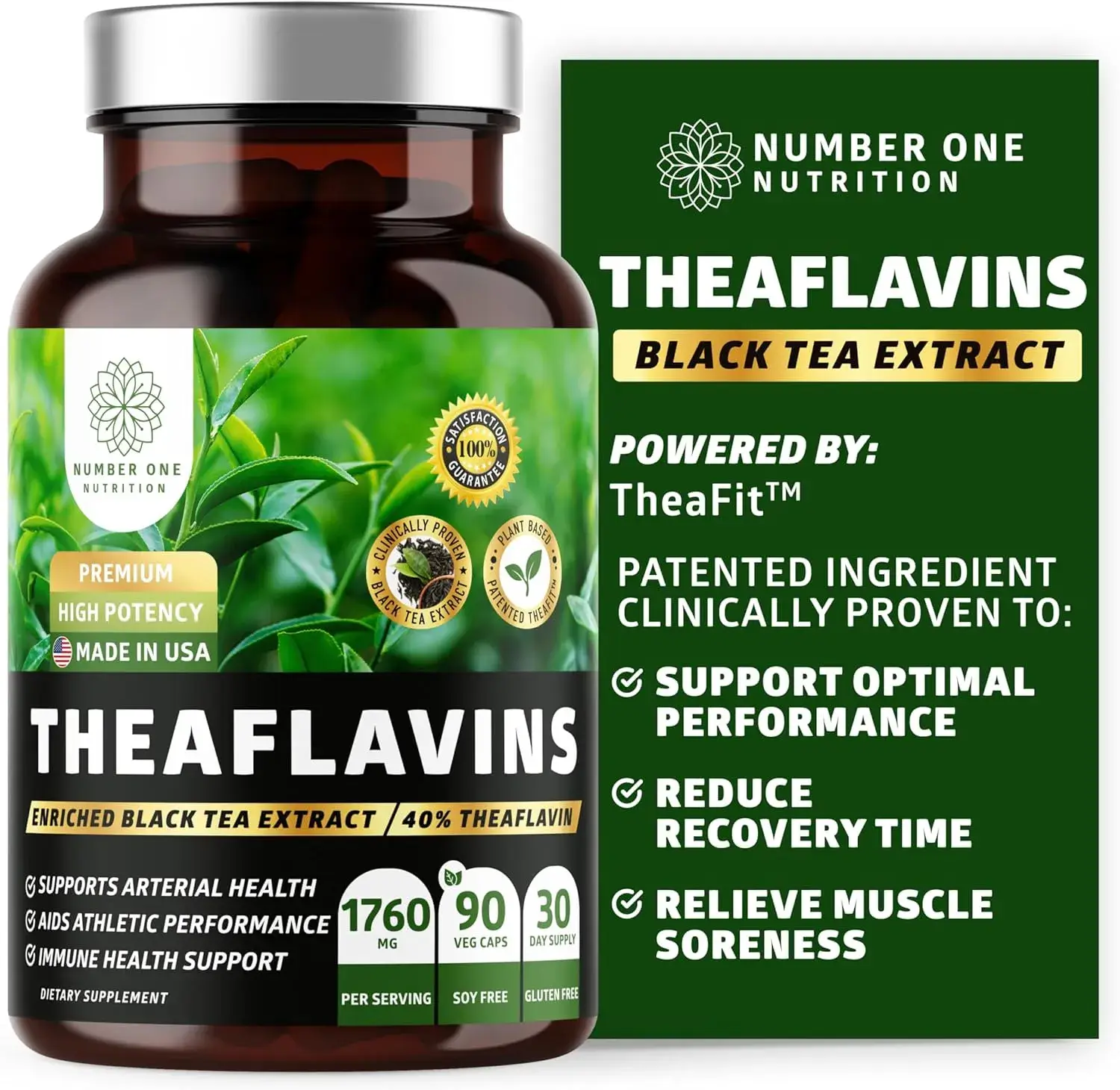
Black Tea Extract that is rich in natural theaflavins and polyphenols that help protect your body from free radicals, promoting overall immune health and well-being
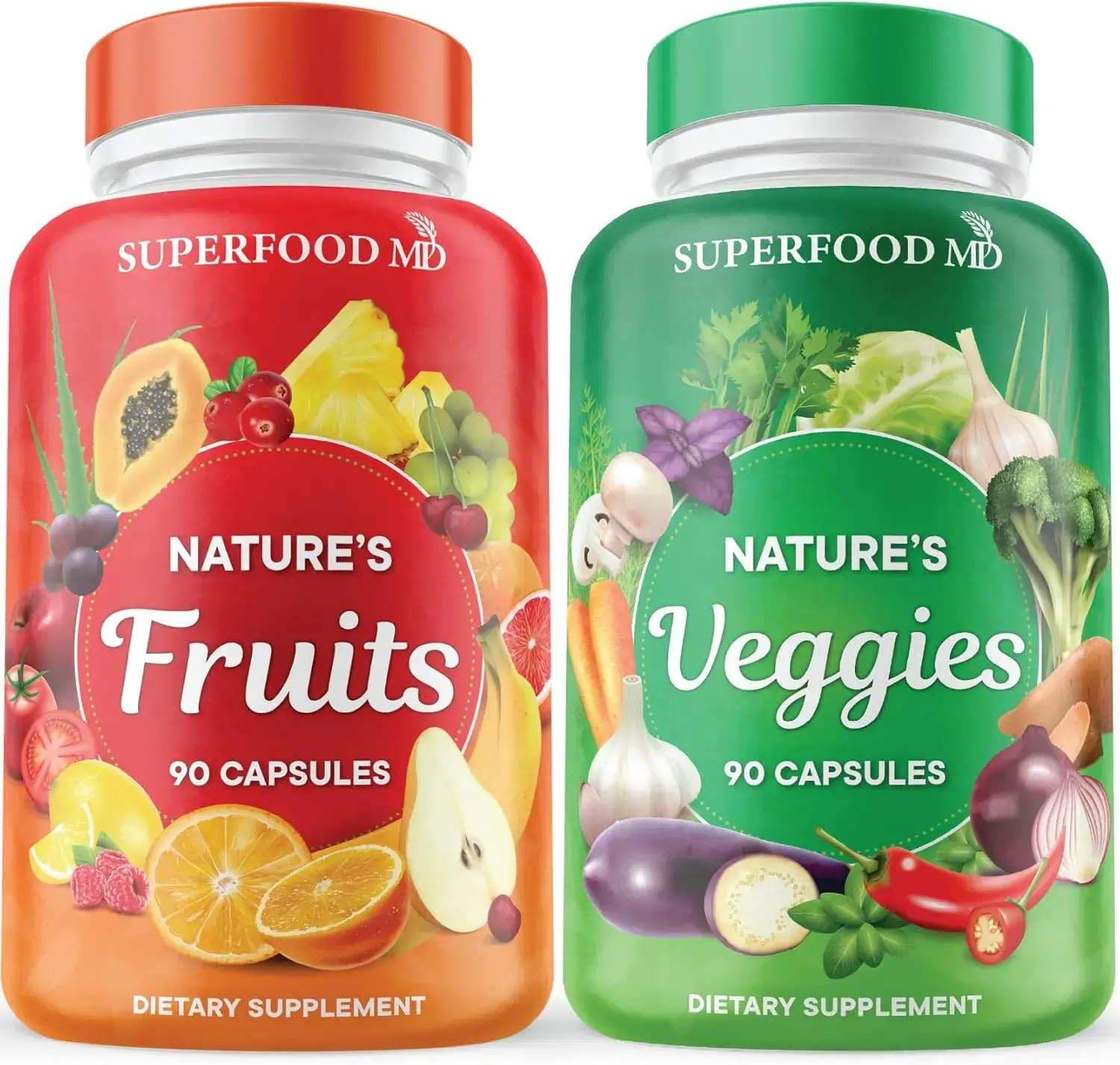
Contains blended amounts of Fruits and Veggies. All natural, with whole foods, fruit and vegetable supplement.Perfect for everyone looking to live a healthier lifestyle.