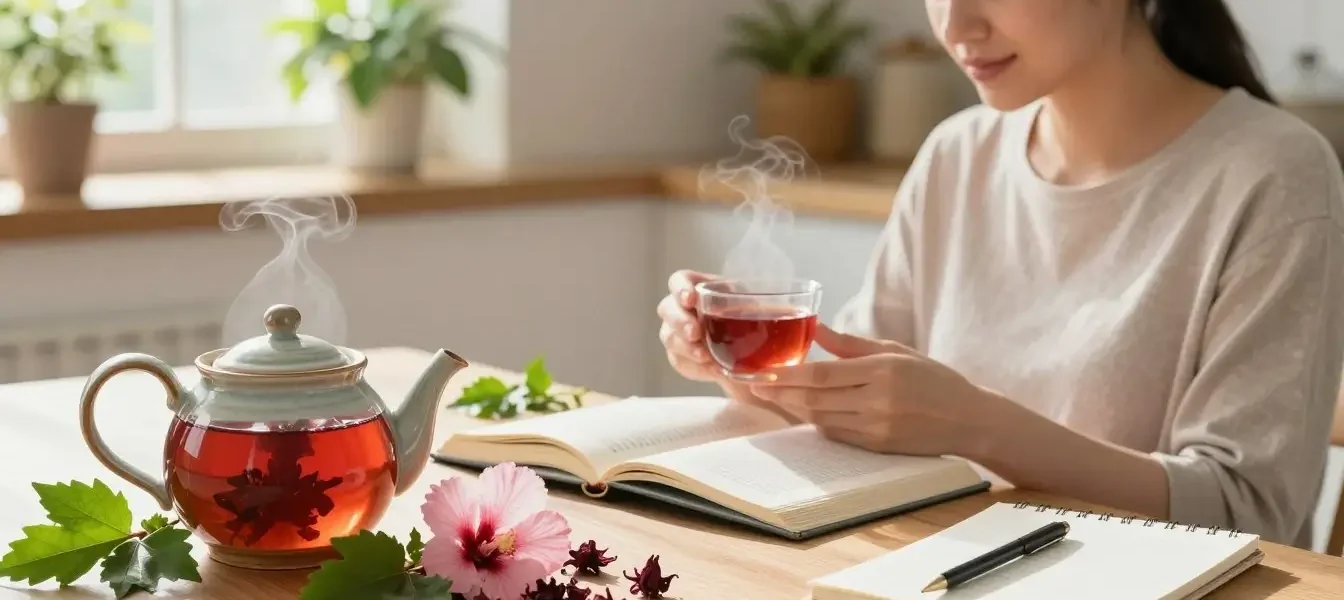
Ever thought about how your favorite tea might affect your baby? Pregnancy is like solving a puzzle with food choices. You aim to stay healthy without risking your baby’s safety.
Many pregnant women wonder if hibiscus tea ok for pregnancy. It’s natural to be careful with new foods during this time. Knowing the facts helps you feel more confident.
Doctors often advise caution with herbal teas. To know if is hibiscus tea safe during pregnancy, we look at studies and expert advice. We aim to guide you in enjoying your wellness journey safely.
Key Takeaways
Consult your healthcare provider before adding new herbal drinks to your routine.
Research suggests that some herbal infusions may have unintended effects on hormone levels.
Moderation is a vital principle when consuming any non-standard beverages during gestation.
Always prioritize evidence-based advice over anecdotal stories found online.
Your comfort and the well-being of your baby remain the top priority throughout this process.
Understanding the Safety Profile of Hibiscus Tea
When you think about herbal tea pregnancy safety, start by looking at the plant type. Many love the bright color and tangy taste of hibiscus tea. But, knowing the plant’s botanical details is key to understanding its chemical makeup. This is why people wonder, is hibiscus tea safe during pregnancy?
What is Hibiscus Sabdariffa?
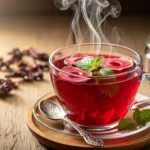
Hibiscus sabdariffa is a flowering plant in the Malvaceae family. It’s known for its bright red calyces, which are used to make tea. These calyces have organic acids like citric and malic, making the tea tart.
The plant is also rich in bioactive compounds like anthocyanins and polyphenols. These give the tea its deep color and are studied for health benefits. But, these compounds can interact with your body in ways that need careful thought during pregnancy.
Common Uses and Cultural Significance
Worldwide, this plant is loved for its refreshing taste. It’s enjoyed as a cool drink in hot weather or at celebrations. Known as bissap in West Africa, flor de jamaica in Mexico, or hibiscus tea in the U.S., its popularity is clear.
“Herbal infusions are often seen as safe because they’re natural. But, they have strong phytochemicals that can affect our bodies.”— Clinical Nutritionist
It’s important to think carefully about what you drink. The table below shows how different herbal teas compare in taste and use.
Tea Type
Primary Flavor
Common Use
Hibiscus
Tart/Citrusy
Refreshing beverage
Ginger
Spicy/Warm
Nausea relief
Peppermint
Cool/Minty
Digestive aid
Rooibos
Sweet/Earthy
Caffeine-free hydration
Knowing these differences helps you make better choices. Always check the ingredients in your favorite teas to ensure they’re safe for you.
Why Is Hibiscus Tea Ok for Pregnancy a Subject of Debate?
Exploring herbal teas during pregnancy can raise more questions than answers. You might find that some sources say certain drinks are safe, while others warn of dangers. This is true for hibiscus tea ok for pregnancy, a topic of much debate.
The Lack of Large-Scale Clinical Trials
The main reason for this debate is the lack of big studies on pregnant women. Most research on herbal extracts is done in labs or on animals, not humans. It’s hard for doctors to give clear advice without enough human data.
Without enough human studies, it’s hard to know the hibiscus sabdariffa pregnancy risks. Doctors often choose to be safe and advise against certain teas. This is because we don’t fully understand their effects on babies.
Conflicting Information in Popular Media
Online, you’ll find many different opinions on herbal teas. It’s easy to get confused when some say a tea is great and others warn of dangers. This anecdotal information is not always based on solid science, but it spreads fast.
It’s important to rely on reliable sources for your health. When you hear about hibiscus tea and pregnancy, think about where the information comes from. Here’s a quick guide on the reliability of different sources.
Source Type
Evidence Level
Reliability
Peer-Reviewed Journals
High
Very Reliable
Medical Professional Advice
High
Very Reliable
Social Media/Blogs
Low
Often Misleading
Anecdotal User Reviews
Low
Subjective
Knowing the difference between reliable and unreliable sources helps. By focusing on solid research, you can make better choices for your health and avoid risks.
Potential Risks Associated with Hibiscus Consumption
When you’re expecting, your body changes a lot. This makes you more sensitive to certain herbal ingredients. It’s important to know that hibiscus side effects pregnancy concerns often come from how it affects your heart and hormones. Drinking this tea can be popular, but understanding how it works is key to staying healthy.
Blood Pressure Fluctuations
Many people love this tart tea for its taste. But, it’s key to remember that hibiscus tea blood pressure can drop. During pregnancy, your blood pressure changes to support your baby. Drinking this tea could make you feel dizzy or lightheaded.
If you already have low blood pressure, drinking a lot of this tea might make it worse. Experts say to be careful because it can affect you differently at different times in your pregnancy.
Impact on Blood Sugar Levels
Beyond heart effects, think about how hibiscus sabdariffa pregnancy risks affect your blood sugar. Studies show it can change how your body handles sugar, which is important for energy.
For those watching their blood sugar, knowing these effects is helpful:
Glucose Regulation: Hibiscus might lower blood sugar too much, causing tiredness or mood swings.
Metabolic Sensitivity: Your body’s insulin is already working hard. More herbal stimulants can make it harder.
Nutrient Absorption: Big changes in blood sugar can also affect the nutrients your baby needs.
Always prioritize your safety by talking to your healthcare provider about what you eat. They can give advice based on your health and history.
Hormonal Effects and Uterine Stimulation
When you’re expecting, you might wonder how certain ingredients affect your hormones. It’s important to understand how herbal teas can interact with your body during pregnancy. Choosing the right drinks is key to your prenatal health.
The Concept of Emmenagogues
Some plants are called emmenagogues in herbal medicine. They might make blood flow more in the pelvic area and uterus. Experts often suggest caution because these plants could upset the balance needed for a healthy pregnancy.
“Herbal substances that possess emmenagogue properties are generally avoided during the prenatal period due to their hibiscus side effects pregnancy concerns.”
Knowing about hibiscus side effects pregnancy helps you choose wisely. Many herbal teas are safe, but it’s smart to avoid those that could affect blood flow.
Understanding Uterine Contractions
Expectant mothers often worry about hibiscus tea uterine contractions. Some think that hibiscus phytochemicals might affect your hormones, leading to more uterine activity. While there’s not much research, herbalists and doctors discuss this possibility.
The table below shows how herbal properties are viewed during pregnancy:
Herbal Category
Primary Effect
Pregnancy Consideration
Emmenagogues
Stimulates pelvic blood flow
Use with extreme caution
Uterine Stimulants
May induce contractions
Avoid during pregnancy
Gentle Infusions
Mild hydration
Generally considered safe
Being aware of these risks helps you manage herbal drinks better. Always think about your comfort and talk to your doctor about your tea choices.
The Role of Phytochemicals in Hibiscus Sabdariffa
Drinking herbal tea means you’re getting a mix of active phytochemicals. These plant compounds give the tea its color and tart taste. The amount of these ingredients can change based on how long you steep the tea.
These extracts are strong, so your body handles them differently than food. Being careful with the tea’s strength is key to a balanced wellness routine.
Antioxidant Properties and Their Benefits
Hibiscus Sabdariffa is packed with polyphenols and anthocyanins. These powerful antioxidants fight oxidative stress by neutralizing free radicals. Many people find these properties beneficial for general health and immune support.
But, the high levels of these compounds can be active in the body. While antioxidants are good, the strong amounts in hibiscus extracts might have unknown effects during pregnancy. Always drink in moderation.
Potential Interactions with Medications
The phytochemicals in hibiscus tea can affect your heart. Studies show it might lower blood pressure due to its diuretic and vasodilatory effects.
If you’re on blood pressure medication, these compounds could interact with it. It’s crucial to discuss your dietary habits with your doctor. This ensures your herbal choices don’t conflict with your treatment. Even natural ingredients can affect how your body reacts to medicine.
It’s key to know what experts say about your prenatal diet for a healthy pregnancy. Your body changes a lot when you’re expecting, making what you eat even more critical. Doctors always put safety first, which means they’re careful about herbal infusions that haven’t been well-studied.
Perspectives from Obstetricians
Most obstetricians recommend being careful with herbal supplements during pregnancy. Many herbal teas haven’t been tested for safety in pregnant women. So, doctors often tell you to stick with what’s been well-studied.
They say your main goal is to avoid things that could harm your uterus or blood pressure. Following pregnancy nutrition tips can help you make good choices. Your doctor can give you advice tailored to your health history. If you’re not sure about a tea, it’s best to wait until you talk about it at your next prenatal visit.
General Recommendations from Nutritionists
Nutritionists stress the need for a balanced diet to support your baby’s growth. They recommend drinking water, diluted fruit juices, or safe teas. Sticking to pregnancy diet guidelines helps you get the nutrients you need without risks from unknown herbs.
When planning your diet, think about the long-term benefits of eating whole foods over herbal supplements. These pregnancy diet guidelines help you stay healthy through all three trimesters. By choosing evidence-based practices, you can enjoy a drink while keeping your health and your baby’s well-being first.
How to Identify Hibiscus in Herbal Tea Blends
If you’re worried about drinking hibiscus tea while pregnant, learning to read labels is key. Many teas mix different flowers and fruits, making it hard to spot hibiscus. Always check the packaging to control what you eat during pregnancy.
Reading Ingredient Labels Carefully
Always check the full ingredient list, not just the front of the box. Names like “Berry Zinger” might hide what’s really in the tea. Always look for the fine print on the back or side to see what’s inside.
If it just says “herbal blend” or “natural flavors,” it’s safer to pick something else. Brands vary in how clear they are about what’s in their teas. If you’re unsure, check the company’s website for a full list of ingredients.
Common Names for Hibiscus on Packaging
Hibiscus is known by many names in food and drinks. Knowing these names helps you find it, even if it’s not called “hibiscus.”
Look for these names on your tea boxes:
Hibiscus Sabdariffa (the scientific name)
Roselle
Jamaica (often used in Latin American products)
Flor de Jamaica
Red Sorrel
By knowing these names, you can easily find hibiscus in teas. Staying vigilant about these labels lets you enjoy your favorite drinks safely.
Safe Herbal Tea Alternatives During Pregnancy
Finding the right drinks during pregnancy can be tricky. When you focus on herbal tea pregnancy safety, you look for safe, hydrating options. Exploring herbal tea alternatives for pregnancy lets you enjoy comforting drinks while meeting your body’s needs.
Ginger Tea for Nausea Relief
Ginger is known for easing stomach issues. Many pregnant women find ginger tea helps with morning sickness and nausea. It’s a natural way to ease early pregnancy discomforts.
Peppermint Tea for Digestion
As pregnancy goes on, you might feel digestive issues or bloating. Peppermint tea can soothe your stomach and ease discomfort after eating. Its scent and cooling effect make it a top pick for many.
Rooibos as a Caffeine-Free Option
If you want a flavorful drink, try rooibos. This South African tea is a caffeine-free pregnancy drinks option. It tastes like black tea but without caffeine. Plus, it’s full of antioxidants, making it a healthy choice.
Managing Cravings for Tart and Refreshing Beverages
If you’re missing the bold taste of your favorite herbal brews, you’re not alone. Many expectant parents seek pregnancy nutrition tips to stay hydrated and satisfy their taste buds. Finding the right balance is essential for enjoying your daily routine during this special time.
Fruit-Infused Water Ideas
Infusing your water with fresh fruit is a great way to get a similar taste to tart teas. You can make caffeine-free pregnancy drinks by adding sliced strawberries, raspberries, or pomegranate seeds to cold water. These fruits add a natural, subtle tang that’s refreshing on a warm day.
For more flavor, try adding a few fresh mint leaves or a slice of ginger to your water. This turns plain water into a sophisticated drink that helps manage your pregnancy cravings. It’s a healthy, low-calorie way to keep your taste buds excited without any bad additives.
Safe Citrus-Based Alternatives
Citrus fruits are great for those who love a sharp, zesty flavor. Adding lemon, lime, or grapefruit slices to your water gives it a crisp acidity. These options are naturally hydrating and add a bit of vitamin C to your daily diet.
If plain citrus water is too simple, try sparkling mineral water with fresh lime. This bubbly drink offers a satisfying mouthfeel that refreshes and energizes you. Always wash your fruit well before slicing to keep your drink safe and delicious.
When to Consult Your Healthcare Provider
Keeping a close relationship with your obstetrician is key. Pregnancy brings many changes, and your diet needs are unique. By sharing your choices with your doctor, you ensure a healthy path for you and your baby.
Discussing Your Dietary Habits
Keep a simple log of your drinks for the week. Bring it to your doctor’s visit. This helps you discuss pregnancy diet guidelines and if your drinks meet your health goals.
Curious about ingredients in your favorite drinks? Your doctor can guide you based on your health. They might recommend herbal tea alternatives for pregnancy that are safer for you.
Reporting Unusual Symptoms
Your body sends signals when something’s off. If you notice changes after trying a new drink, call your healthcare team right away. It’s important to know how certain ingredients affect you.
Watch for signs of hibiscus tea uterine contractions or discomfort. While many enjoy herbal drinks, your body’s reaction is what counts. Tell your provider if you experience:
Unexpected abdominal cramping or pelvic pressure.
Sudden changes in your blood pressure readings.
Persistent nausea or digestive distress after consumption.
Any unusual spotting or physical sensations that cause concern.
Always prioritize your peace of mind. If you’re unsure about a food or drink, talk to your doctor. They’re there to support you and help you make confident choices.
Conclusion
When you’re pregnant, what you eat and drink matters a lot. Choosing safe drinks is key to keeping you and your baby healthy.
It’s up to you to watch what you drink. Learning about herbal teas and their labels is important. This helps you avoid drinks that might not be safe.
Managing cravings is also important. Instead of reaching for unhealthy drinks, try fresh fruit or lemon water. These choices are good for you and taste great.
Talking to your doctor about what you drink is a must. They can help make sure you’re making the best choices for your health. This way, you can feel confident in your food choices.
Use this time to focus on eating well. You can make healthy choices that feel good. Keep trying new, safe drinks that make you happy.
Is it safe for you to drink hibiscus tea during your pregnancy?
Hibiscus tea is loved for its color and taste. But, most doctors say to be careful. There’s not enough research on pregnant women to be sure it’s safe.
It’s best to focus on safe foods during pregnancy. This helps keep you and your baby healthy.
Why is hibiscus consumption a subject of debate among medical professionals?
Doctors worry because hibiscus might cause blood flow in the uterus. This could lead to contractions. There’s no clear agreement on this.
It’s best to follow advice based on solid research. This way, you avoid relying on just stories.
Can drinking hibiscus tea affect your blood pressure or blood sugar?
Yes, hibiscus tea can change your blood pressure and blood sugar. This is a big deal during pregnancy. Your body’s balance is key, and hibiscus might upset it.
It’s wise to watch how much herbal tea you drink. Nutritionists often give this advice.
How can you identify hibiscus on ingredient labels when shopping for tea?
Look for hibiscus in many teas, like those from Celestial Seasonings or Tazo. It might be called Roselle, Sorrel, or other names. Knowing these names helps you choose safe teas.
Reading labels well is a simple way to control what you eat during pregnancy.
What are some safe herbal tea alternatives you can enjoy while pregnant?
There are many safe teas to try. Ginger tea from Traditional Medicinals helps with nausea. Peppermint tea soothes your stomach.
Rooibos tea is caffeine-free and safe for your uterus. These teas are great for staying hydrated without risks.
How can you manage cravings for tart and refreshing beverages without using hibiscus?
If you miss hibiscus’s tartness, try fruit-infused water. Use raspberries, cranberries, or citrus slices. These options are safe and tasty, meeting your cravings while keeping you healthy.
When is the most important time to consult your healthcare provider about your tea habits?
Always talk to your doctor about your tea choices. This is true for all three trimesters. If you notice any unusual symptoms, like cramping, tell your doctor right away.
Your doctor can give advice based on your health history. This ensures a safe pregnancy journey.
Do the antioxidant properties of hibiscus outweigh the risks for pregnant individuals?
Hibiscus’s antioxidants are good for most people. But, it might affect hormones and interact with medicines during pregnancy. Experts say the risks are too high, suggesting safer sources like blueberries or spinach for antioxidants.
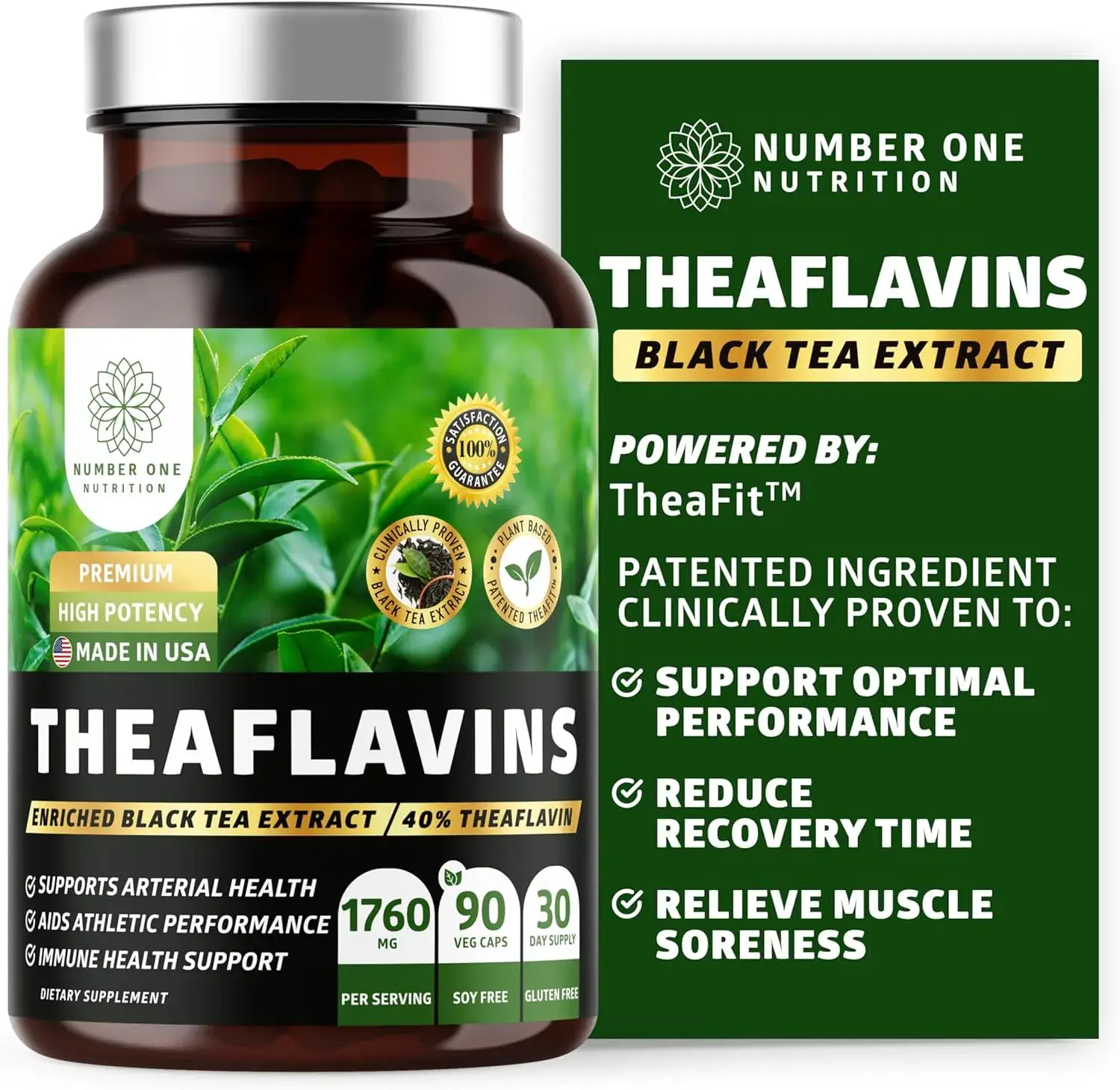
Black Tea Extract that is rich in natural theaflavins and polyphenols that help protect your body from free radicals, promoting overall immune health and well-being
Contains blended amounts of Fruits and Veggies. All natural, with whole foods, fruit and vegetable supplement.Perfect for everyone looking to live a healthier lifestyle.