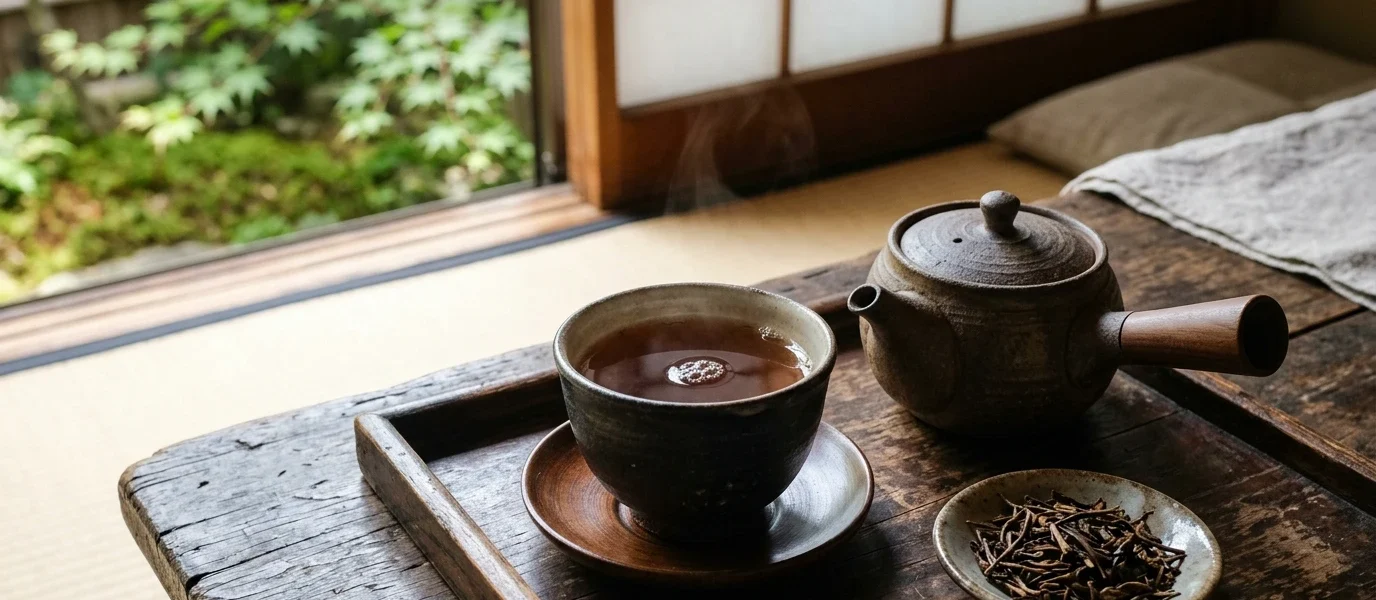
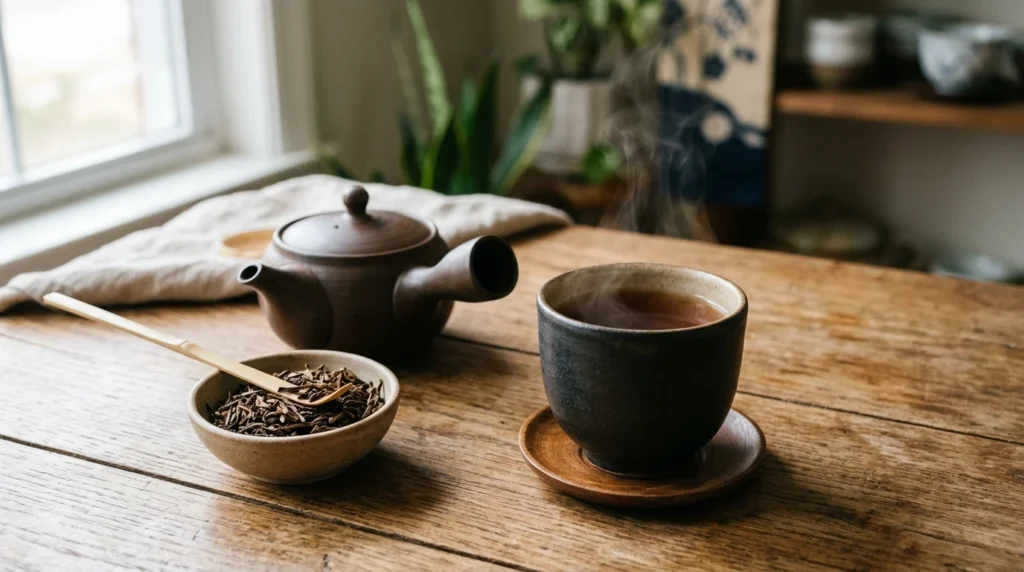
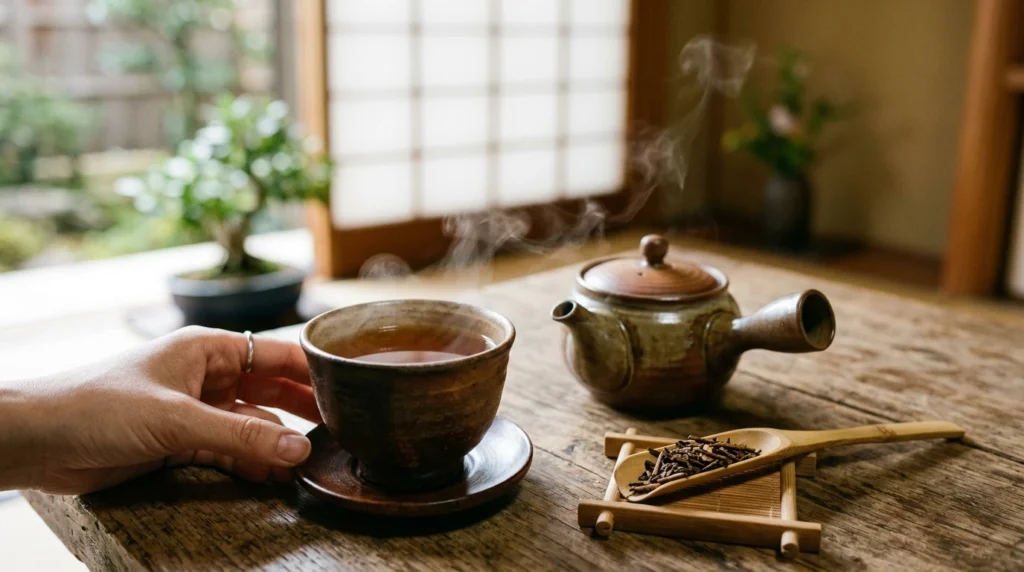
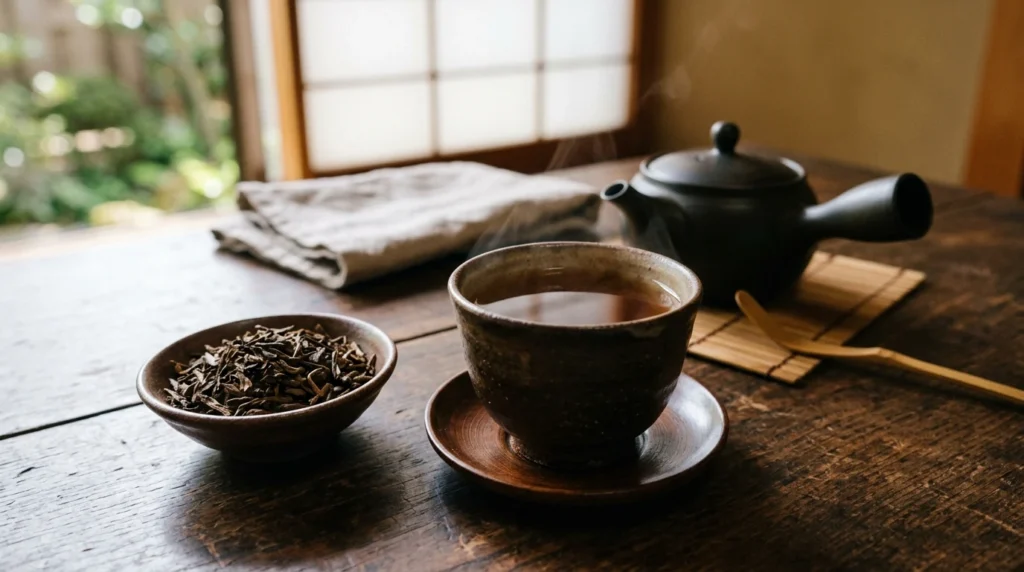
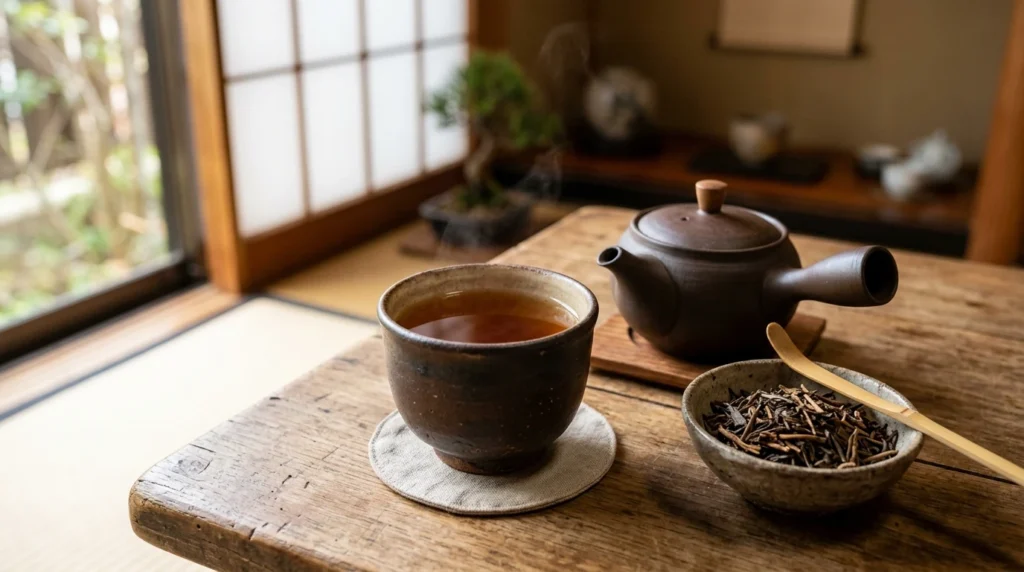
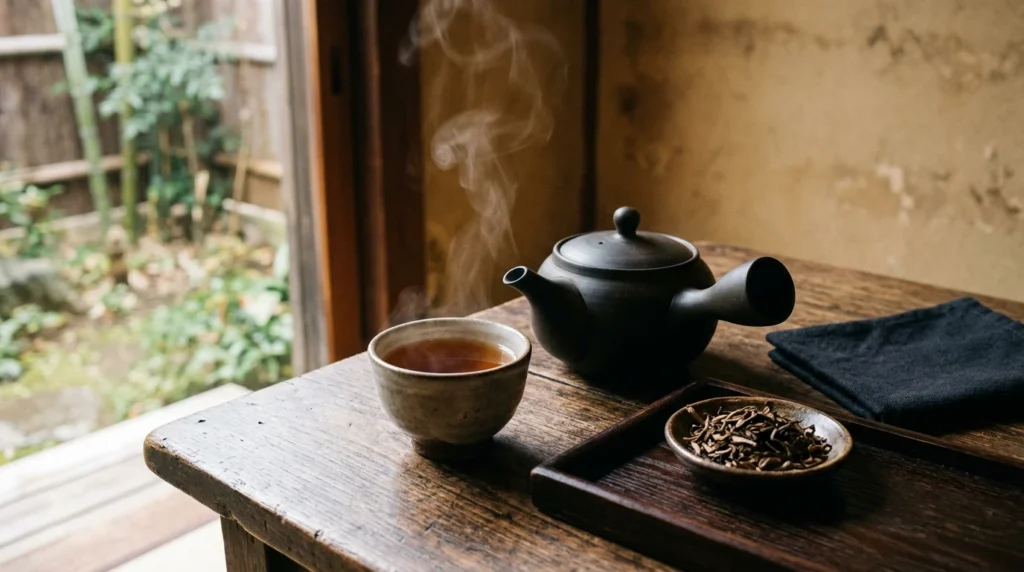
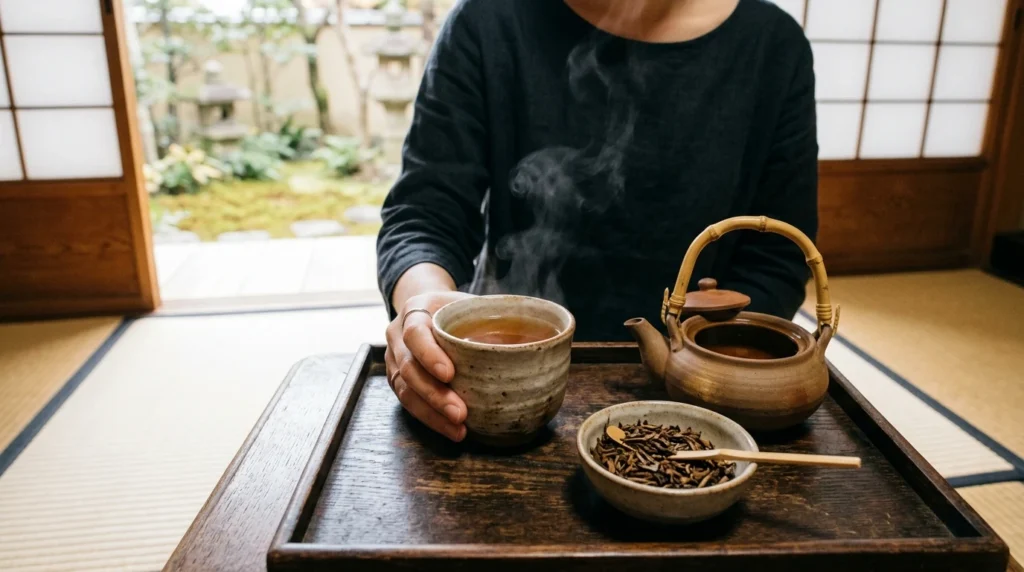
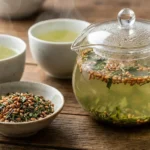
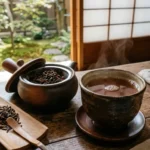
If you’ve been curious about the warm, toasty cup of Japanese tea that’s been quietly gaining global fans, you’re not alone. Hojicha tea — a roasted green tea with a smooth, nutty flavor and reddish-brown hue — has become a wellness staple for people who love the ritual of tea without the jittery side effects of heavy caffeine.
But what does the science actually say about hojicha tea benefits and side effects? Is it truly the gentle, health-boosting brew it’s made out to be, or are there hidden risks worth knowing about?
In this guide, you’ll get a clear, evidence-informed look at everything hojicha has to offer — and everything you should keep in mind before making it your daily drink.
What Is Hojicha Tea? A Brief History and How It’s Made
Hojicha (焙じ茶) is a Japanese green tea that stands apart from its counterparts — not because of the leaves used, but because of what happens to them after harvest. Unlike sencha or gyokuro, which are steamed and rolled immediately, hojicha undergoes an additional roasting step at temperatures above 200°C (392°F).
This roasting process is what gives hojicha its signature characteristics: a caramel-brown color, a toasty aroma, and a flavor profile that’s earthy, mellow, and far less astringent than standard green tea.
The story of hojicha begins in Kyoto in the 1920s. Resourceful tea merchants roasted leftover tea leaves and stems — material that would otherwise go to waste — and discovered that the heat transformed them into something remarkably pleasant to drink. What started as a thrifty solution quickly became one of Japan’s most beloved teas.
Today, hojicha is enjoyed across Japan at all hours of the day, including evenings, by people of all ages — including children and the elderly. Its low caffeine content and smooth flavor are central to why it has such broad appeal.
Nutritional Profile: What’s Actually in Your Cup?
Understanding what’s inside hojicha helps explain why it behaves so differently from other teas. Here’s a quick breakdown of its key compounds:
Compound
Role in Hojicha
Compared to Matcha / Sencha
Caffeine
Mild stimulant
~15–20 mg/cup (vs. 70–100 mg in matcha)
L-Theanine
Promotes calm focus
~5–8 mg/cup
Catechins (EGCG)
Antioxidants, anti-inflammatory
Reduced by roasting, but still present
Pyrazines
Formed during roasting; relaxation, circulation
Unique to hojicha — not in raw green teas
Melanoidins
Antioxidant, prebiotic-like fiber
Unique to roasted teas
Vitamin E
Supports circulation, skin health
Present in modest amounts
Fluoride
Dental health
Naturally occurring in tea leaves
The roasting process reduces the caffeine content of hojicha by approximately 60–70% compared to unroasted green tea, while simultaneously producing new compounds — like pyrazines and melanoidins — that have their own distinct health effects.
Top 8 Health Benefits of Hojicha Tea
From its antioxidant power to its gut-friendly properties, here are the most well-supported hojicha tea benefits you should know about.
1. Rich in Antioxidants That Fight Oxidative Stress
Despite the roasting process reducing some catechins, hojicha remains a meaningful source of antioxidants. The catechins that remain — along with the melanoidins produced during roasting — help neutralize free radicals in the body, reducing oxidative stress linked to aging, heart disease, and cancer risk.
Melanoidins, in particular, are a standout compound unique to roasted foods and beverages. They demonstrate strong antioxidant properties and also act similarly to dietary fiber, offering a protective effect against several chronic conditions.
2. Supports Heart Health
The catechins in hojicha — especially EGCG (epigallocatechin gallate) — have been associated with maintaining healthy blood pressure and cholesterol levels, reducing the risk of heart disease, stroke, and arterial inflammation. Hojicha also provides vitamin E, a key nutrient that supports healthy circulation and helps prevent the formation of blood clots.
Studies on green tea consumption broadly have shown associations with lower risks of cardiovascular disease, and hojicha, as a roasted green tea, is thought to carry similar cardioprotective properties.
3. Promotes Healthy Digestion
One of hojicha’s most practical benefits is how gentle it is on the stomach. Because roasting significantly reduces the tannin content of the leaves, hojicha is far less astringent and acidic than sencha or black tea. This makes it easier to drink on an empty stomach and less likely to cause acid reflux or bloating.
The melanoidins produced during roasting also act like dietary fiber in the gut, helping to lower cholesterol, slow the rise in blood sugar, and improve the intestinal environment — which may help prevent constipation.
4. Very Low in Caffeine — Ideal for Evening Drinking
A standard cup of hojicha contains just 15–20 mg of caffeine, compared to 70–100 mg in matcha and about 95 mg in a typical cup of coffee. This makes it one of the lowest-caffeine options in the green tea family.
This is particularly valuable for people who love tea but are sensitive to caffeine — those who experience jitteriness, anxiety, or disrupted sleep when consuming other teas or coffee. Because it’s so low in caffeine, hojicha is widely consumed in Japan as an evening beverage and is considered safe for children and older adults.
5. Reduces Stress and Promotes Relaxation
Hojicha contains L-theanine, an amino acid found in green tea leaves that promotes calm alertness without drowsiness. But what makes hojicha unique is the addition of pyrazines — aromatic compounds formed during roasting that are not found in raw green teas.
Pyrazines help balance the autonomic nervous system, giving dominance to the parasympathetic (“rest and digest”) system. This creates a physiological relaxation response — a calmer heart rate, lower tension, and a sense of ease. Pyrazines also promote the secretion of GABA (gamma-aminobutyric acid) in the brain, further supporting stress relief.
6. Improves Blood Circulation
Both pyrazines and catechins in hojicha have vasodilatory effects, meaning they help widen blood vessels and promote better blood flow. Improved circulation helps reduce fatigue, supports brain function, and may ease the discomfort of poor circulation — a common issue in people who sit for long periods or in colder climates.
7. Supports Skin Health
Hojicha’s antioxidant and anti-inflammatory compounds contribute to healthier skin from the inside out. The catechins — particularly epigallocatechin (EGC) — help protect skin cells from free radical damage, which is a primary driver of skin aging. The anti-inflammatory properties also help calm redness, irritation, and potential acne flare-ups, making hojicha a good choice for those with sensitive skin.
8. Promotes Oral Health
Like other green teas, hojicha contains natural fluoride and catechins that inhibit Streptococcus mutans, the primary bacterium responsible for tooth decay. Research published in the European Journal of Dentistry confirmed that regular green tea consumption reduces plaque formation. Since hojicha has a naturally low tannin content (further reduced by roasting), it also causes significantly less tooth staining than black tea or coffee.
One of the most compelling reasons people reach for hojicha is its effect on the mind. The combination of low caffeine, L-theanine, and pyrazines creates a synergistic calming effect that few other beverages can match.
In a study where participants drank hojicha during cognitive tasks, they performed better and felt less fatigued than those who drank hot water — and even reported feeling slightly calmer than those who drank standard green tea. Researchers linked this to hojicha’s low caffeine and its lingering aroma, which stimulates the parasympathetic nervous system.
For sleep, hojicha is particularly well-suited as an evening drink. Its low caffeine content means it won’t keep you awake, while the pyrazines and L-theanine help wind down an overactive nervous system. Many Japanese households serve hojicha after dinner specifically for this reason.
If you struggle with anxiety, restless evenings, or simply want a mindful wind-down ritual, swapping your late-night coffee or black tea for hojicha is a small change with a meaningful impact.
Hojicha Tea Side Effects and Potential Risks
Hojicha is widely considered safe for most healthy adults, but that doesn’t mean it’s completely risk-free — especially when consumed in excess or by specific populations. Here are the key hojicha tea side effects to be aware of.
1. Iron Absorption Interference
Like all teas, hojicha contains tannins — polyphenolic compounds that can bind to non-heme iron (the type found in plant-based foods) and reduce its absorption in the gut. This is one of the more significant concerns for regular hojicha drinkers, particularly those who follow a plant-based diet, are already iron-deficient, or have anemia.
The practical solution is simple: avoid drinking hojicha with or immediately after iron-rich meals. Wait at least 30–60 minutes between eating and drinking tea to minimize this interaction.
2. Caffeine-Related Side Effects (at High Doses)
While hojicha is low in caffeine, it’s not caffeine-free. Drinking very large quantities — many cups per day — or combining it with other caffeine sources can still lead to caffeine-related symptoms such as:
Mild jitteriness or restlessness
Headaches
Increased heart rate
Difficulty sleeping if consumed late at night in large amounts
For most people, 2–4 cups per day brewed from leaves is well within a safe caffeine range. If you’re particularly sensitive to caffeine, starting with one cup and monitoring your response is sensible advice.
3. Digestive Discomfort with Overconsumption
While hojicha is notably gentle on the stomach at moderate amounts, overconsumption can occasionally cause mild digestive discomfort, including nausea or stomach upset. This is more common when drinking very strong brews or consuming hojicha powder (used in lattes), which contains a higher concentration of tea solids.
4. Possible Medication Interactions
The compounds in hojicha — particularly catechins and tannins — can interact with certain medications. Of particular note:
Iron supplements: Tannins can significantly reduce the absorption of supplemental iron. Take iron supplements at least two hours apart from hojicha.
Blood thinners (e.g., warfarin): Vitamin K and catechins in green teas can interfere with anticoagulant medications.
Stimulant medications: Even the modest caffeine in hojicha can have additive effects when combined with stimulant drugs.
If you’re on any prescription medication, consult your healthcare provider before making hojicha a regular part of your routine.
5. Concerns During Pregnancy and Breastfeeding
Hojicha’s low caffeine makes it one of the safer teas for expectant mothers compared to matcha or coffee. However, all sources of caffeine still count toward the recommended daily limit during pregnancy (typically under 200 mg/day). Hojicha should be factored into your total caffeine intake alongside coffee, chocolate, soft drinks, and any medications.
If you’re pregnant or breastfeeding, it’s always best to discuss your tea habits with a qualified healthcare provider.
While hojicha is one of the most accessible and gentle teas available, certain groups should exercise particular caution:
People with iron deficiency or anemia — Tannins can reduce iron absorption; drink away from meals and consult a doctor if iron levels are a concern.
Those on blood-thinning medications — Catechins may interfere with anticoagulant therapy.
Pregnant women — Perfectly fine in moderation, but should count toward total daily caffeine limits.
People with severe caffeine sensitivity — Even 15–20 mg may be enough to trigger symptoms in extreme cases; consider hojicha powder in very dilute amounts or switch to a certified caffeine-free herbal tea.
Those with kidney disease — High oxalate intake from any tea can be a concern for those at risk of kidney stones; moderation and medical guidance are key.
How to Drink Hojicha Safely: Dosage and Tips
Getting the most out of hojicha means drinking it thoughtfully. Here are practical guidelines to enjoy it safely and effectively:
Optimal daily intake: 2–4 cups of brewed hojicha per day is considered safe for most healthy adults. If using hojicha powder (latte format), limit to 1–2 servings daily.
Brew temperature: Use water at around 90–95°C (194–203°F) — near boiling but not quite. This brings out the full flavor while controlling extraction.
Steep time: 30 seconds to 1 minute is enough. Over-steeping increases bitterness and tannin extraction.
Space it from meals: To protect iron absorption, wait 30–60 minutes after eating before drinking hojicha.
Best time to drink: Morning, afternoon, or evening — hojicha is flexible. Its low caffeine makes it one of the few teas suitable after dinner.
Choose quality leaves: Opt for organic, high-quality loose-leaf hojicha where possible to reduce exposure to pesticide residues.
Frequently Asked Questions About Hojicha Tea
Is hojicha tea good for weight loss?
Hojicha can support weight management as part of a healthy lifestyle. The catechins in the tea help stimulate metabolism, encouraging the body to burn calories more efficiently. However, hojicha is not a weight-loss cure on its own. It works best when combined with a balanced diet and regular physical activity.
Is hojicha safe for children?
Yes — hojicha is one of the few teas traditionally offered to children in Japan, precisely because of its very low caffeine content. Its smooth, mild flavor and gentle profile make it well-suited for young drinkers. That said, it’s still worth limiting portion sizes for young children, and parents should consult a pediatrician if uncertain.
Does hojicha tea have less caffeine than green tea?
Yes, significantly. The roasting process reduces caffeine content by approximately 60–70% compared to unroasted green teas. A cup of hojicha contains around 15–20 mg of caffeine, while sencha has about 20–30 mg and matcha contains 70–100 mg. This makes hojicha the go-to choice for those who want the ritual and flavor of Japanese tea without the caffeine load.
Can I drink hojicha every day?
Absolutely — for most healthy adults, drinking 2–4 cups of hojicha per day is considered moderate and safe. Its low caffeine, gentle tannin content, and abundance of beneficial compounds make it an excellent daily beverage. Just remember to space it away from iron-rich meals and medications if applicable.
Does hojicha help with sleep?
Yes, in most cases. Its very low caffeine content means it’s unlikely to interfere with sleep. Meanwhile, the L-theanine and pyrazine compounds it contains actively promote relaxation and a calm nervous system state — making it an ideal evening drink. Many people in Japan drink hojicha specifically as part of a bedtime wind-down routine.
Is hojicha a black tea or green tea?
Hojicha is a green tea. Despite its reddish-brown color and roasted flavor — which might suggest otherwise — it is made from green tea leaves and stems that have simply been subjected to high-heat roasting. It is not oxidized like black tea; only roasted. This distinction matters nutritionally, as it retains many of green tea’s polyphenols and antioxidants.
Final Thoughts on Hojicha Tea Benefits and Side Effects
When you look at the full picture of hojicha tea benefits and side effects, the verdict is overwhelmingly positive for most people. This roasted Japanese green tea offers a rare combination: it’s rich in antioxidants, supports heart and digestive health, calms the mind, promotes better sleep, and is gentle enough for nearly everyone — including children and those sensitive to caffeine.
Its side effects are minimal and largely preventable with sensible habits — space it away from iron-rich meals, keep intake moderate, and check with your doctor if you’re on medication or pregnant.
Whether you’re discovering hojicha for the first time or looking to deepen your understanding of what it does for your body, the evidence is clear: this isn’t just a trendy tea. It’s a centuries-old staple with very real benefits for modern life.
Ready to try it? Start with a cup or two in the evening and pay attention to how your mind and body respond. For many people, that first toasty, nutty sip marks the beginning of a lasting daily ritual.
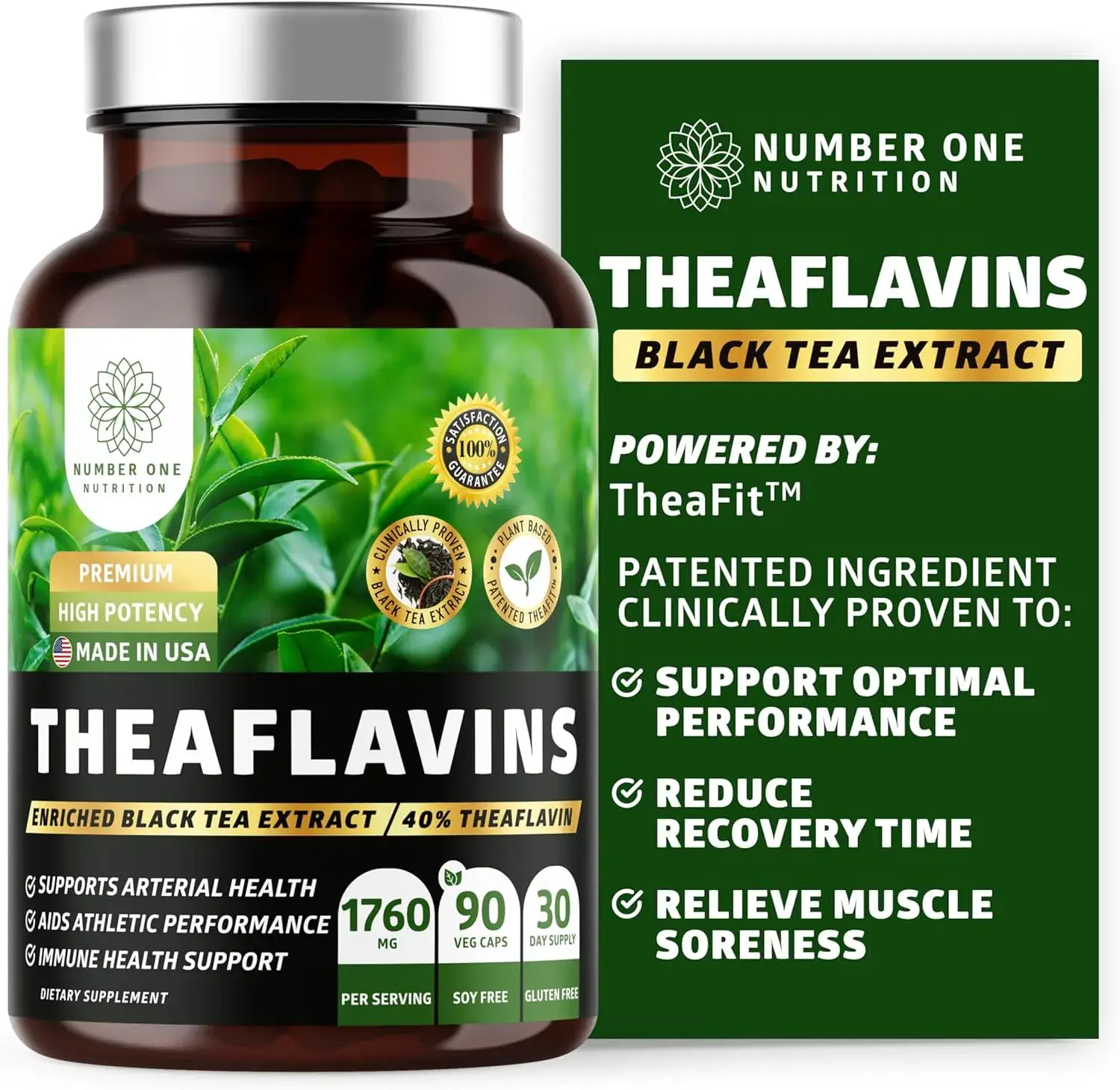
Black Tea Extract that is rich in natural theaflavins and polyphenols that help protect your body from free radicals, promoting overall immune health and well-being
Contains blended amounts of Fruits and Veggies. All natural, with whole foods, fruit and vegetable supplement.Perfect for everyone looking to live a healthier lifestyle.