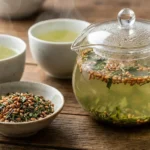
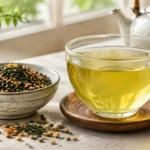
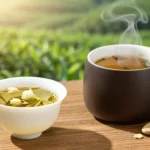
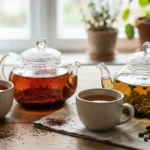
You want a Japanese tea that fits your day, but comparing hojicha tea vs genmaicha can make the choice easier because they offer very different experiences. Both come from Japanese green tea, yet they taste, smell, and feel nothing alike. One leans warm and roasted, while the other blends green tea with toasted rice for a savory edge.
Choose hojicha if you want a smooth, low‑caffeine, roasted cup, and choose genmaicha if you prefer a grassy green tea with a nutty rice flavor and moderate caffeine. That simple difference shapes how each tea fits into your routine, from morning focus to an easy evening drink.
When you understand how roasting and rice blending change flavor, aroma, and caffeine, you can match each cup to your mood and your meal. Japanese tea culture values balance, and these two teas show that balance in distinct ways.
Key Takeaways
Hojicha offers a roasted flavor, darker color, and lower caffeine.
Genmaicha blends green tea with toasted rice for a nutty, savory taste.
Your choice depends on flavor preference, caffeine needs, and time of day.
What Sets Hojicha and Genmaicha Apart
You can see the difference between hojicha and genmaicha in their history, ingredients, and roasting style. Each tea uses Camellia sinensis, yet the way producers treat the leaves creates distinct flavor, color, and aroma.
Origins and History in Japan
Hojicha began in Japan in the early 20th century. Tea sellers in Kyoto roasted leftover green tea leaves and stems to reduce waste. This practice created a warm, brown tea with a mild taste. Many producers used bancha, a later harvest green tea, or even twigs such as kukicha.
Genmaicha also comes from Japan, but it developed as a blend. Producers mixed green tea with roasted brown rice to stretch tea supplies. Some accounts note that when hojicha combines with popped rice, it forms genmaicha.
Today, most genmaicha uses sencha rather than roasted hojicha as its base.
Crafting Methods and Ingredients
Both teas start with leaves from the Camellia sinensis plant. The key difference lies in what you add and how you treat the leaves.
Hojicha ingredients:
Bancha or sencha leaves
Sometimes kukicha stems
No added grains
Producers roast the leaves at high heat. This step turns them reddish brown and lowers bitterness.
Genmaicha ingredients:
Sencha or bancha
Roasted brown rice
Sometimes popped rice pieces
Some modern blends include matcha powder, but traditional genmaicha focuses on green tea and rice only.
The Roasting Process Explained
The roasting process defines hojicha. Producers apply high heat to already steamed green tea leaves. This step changes the leaf color from green to brown and creates a toasty aroma. Hojicha has a slightly smoky flavor when brewed with boiling water, and genmaicha features roasted rice grains that may pop during heating.
Genmaicha roasting focuses on the rice, not the tea leaves. Producers roast brown rice until it turns golden and sometimes pops like popcorn. They then blend it with unroasted green tea.
This difference means hojicha tastes more uniformly roasted, while genmaicha balances grassy notes with nutty rice.
Green Tea Base and Blends
You often find hojicha made from bancha, which uses older leaves picked later in the season. Some producers also roast sencha or kukicha stems. The roasting step becomes the main feature.
Genmaicha usually starts with sencha, though some blends use bancha. A few premium versions use shaded teas like gyokuro, but this is less common. As noted in the Springer overview of Japanese tea types, genmaicha is green tea mixed with popped rice, while bancha refers to later-season leaves from the same plant, Camellia sinensis.
When you choose between them, you are choosing between fully roasted tea leaves and a green tea blended with roasted rice.
Flavor, Aroma, and Color Profiles
You will notice clear differences in taste, smell, and color as soon as you brew hojicha and genmaicha. Roasting changes hojicha’s character, while roasted rice reshapes the flavor of genmaicha.
Hojicha Flavour Profile and Aroma
Hojicha has a distinct roasted flavor that sets it apart from most green teas. Producers roast the leaves at high heat, which lowers bitterness and softens the grassy notes common in sencha.
You taste mild sweetness first. Then you notice toasty flavor and light smoky flavor tones.
Its aroma reflects this process. You smell a warm roasted aroma with hints of wood and caramel. Some batches carry a gentle smoky aroma, but it should not smell burnt.
Because roasting reduces catechins, the hojicha taste feels smooth and low in astringency. You can drink it in the evening without the sharp bite found in many unroasted green teas. Research on green tea varieties describes hojicha as roasted leaves and stems with a nutty or toasty aroma and taste, as noted in this overview of green tea varieties and production.
Genmaicha Flavour Profile and Taste
Genmaicha blends green tea, often bancha or sencha, with roasted brown rice. Many people call it popcorn tea because some rice grains pop during roasting.
You taste two layers at once. The green tea base brings light vegetal notes, while the rice adds a clear nutty flavor and mild sweetness.
The genmaicha flavour profile feels balanced rather than strong. The rice softens bitterness and adds body, but you still sense the fresh character of green tea underneath.
Its aroma carries toasted cereal notes. You may notice a scent similar to warm rice or light popcorn.
Toasty, Nutty, and Smoky Characteristics
Both teas show roasted traits, but they express them in different ways.
Genmaicha: softer toast, clear nutty flavor from rice, little to no smoke
In hojicha, heat transforms the leaf itself. You taste deeper toasty flavor and sometimes a faint smoky aroma.
In genmaicha, roasting affects mainly the rice. The green tea remains steamed, not roasted. This creates a mix of fresh and toasted notes.
If you prefer a stronger roast, you will likely choose hojicha. If you want balance between vegetal tea and toasted grain, genmaicha offers that mix.
Visual Differences in Liquor and Leaves
You can see the difference before you even taste the tea.
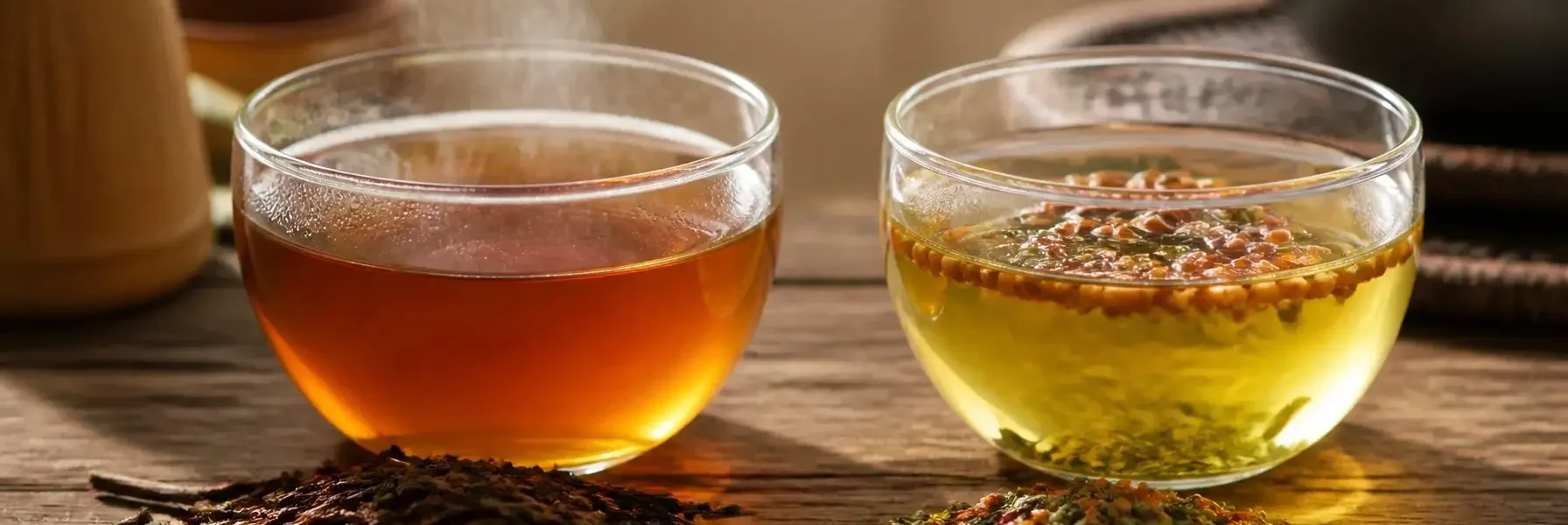
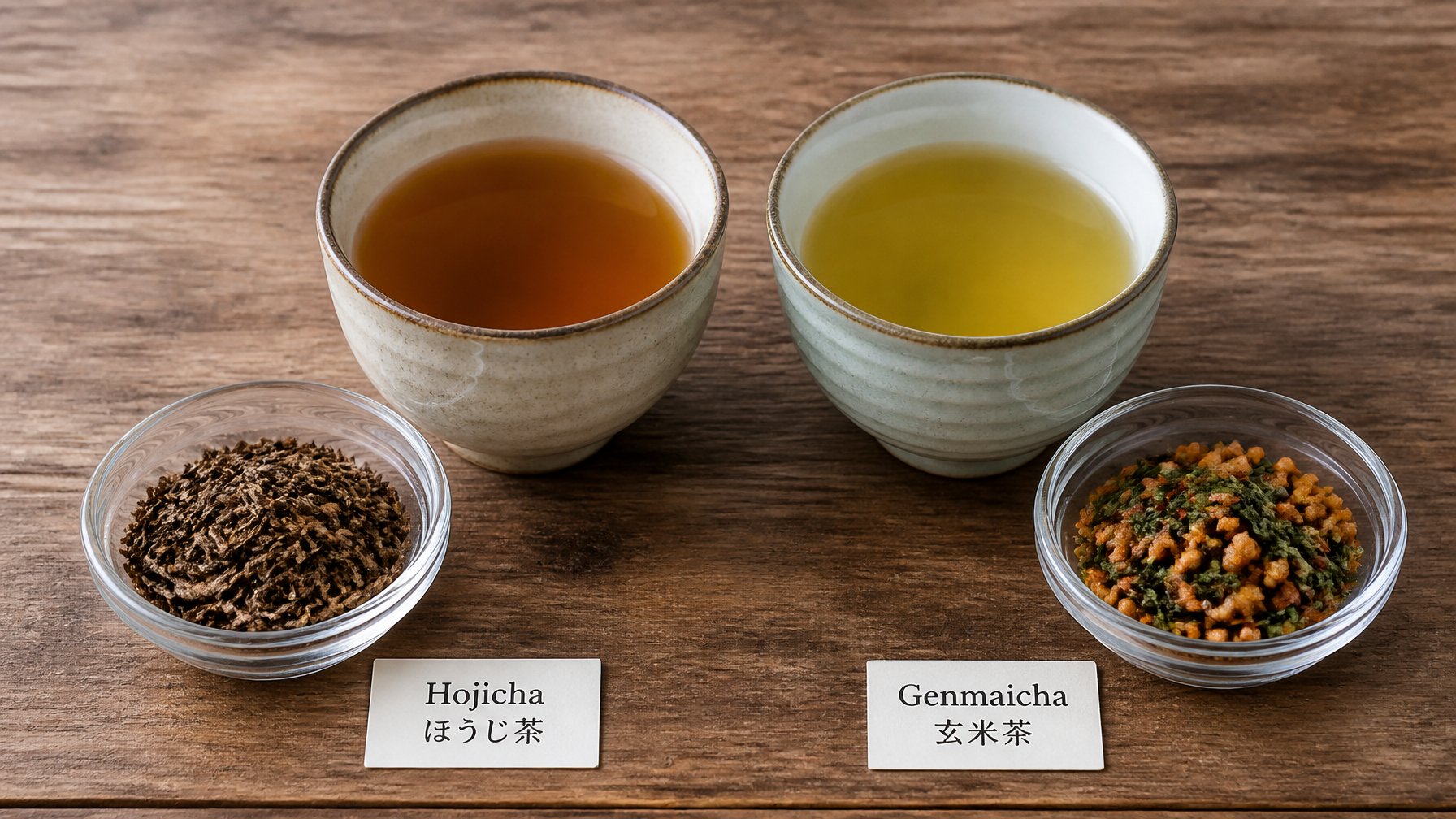
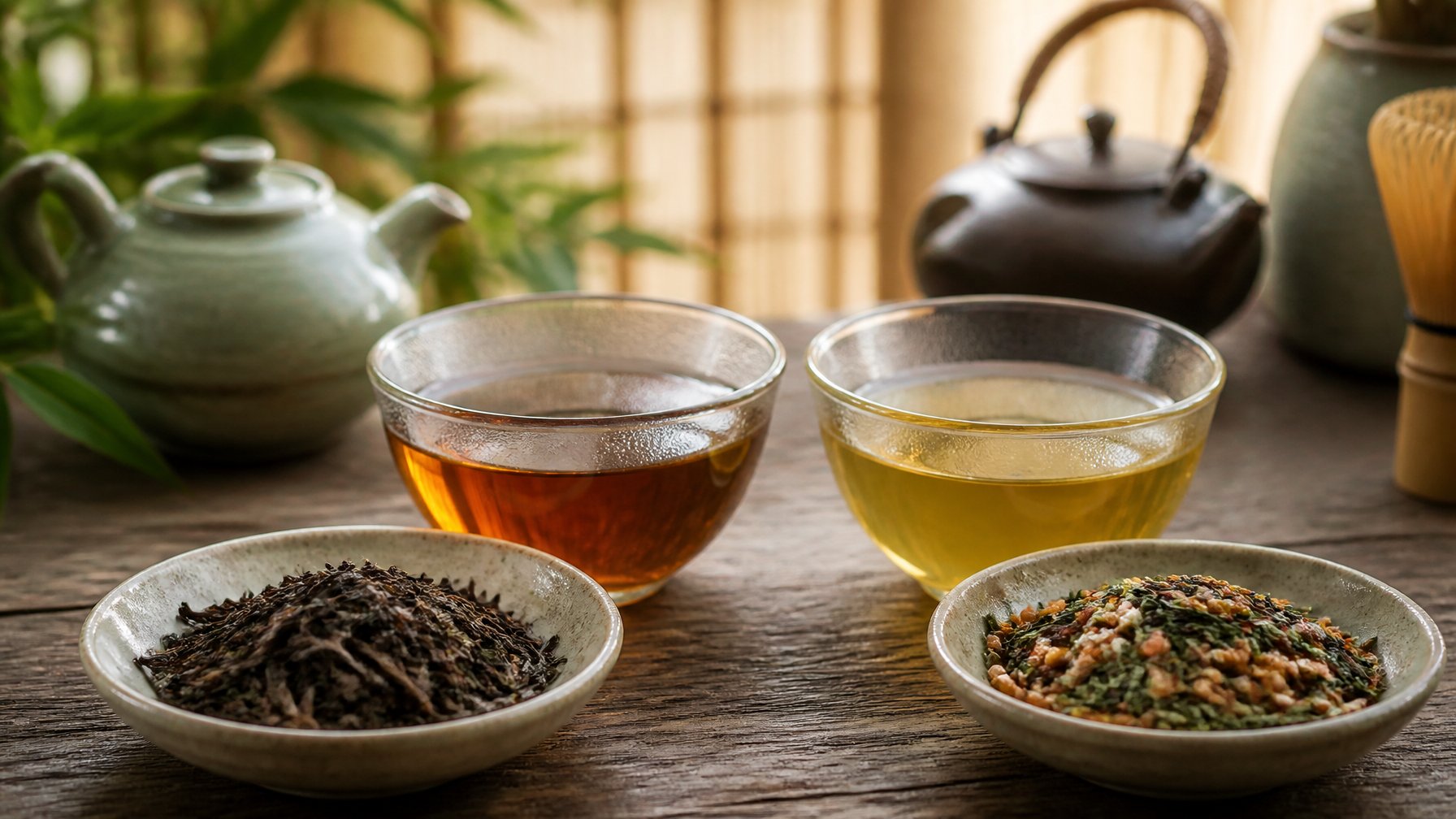
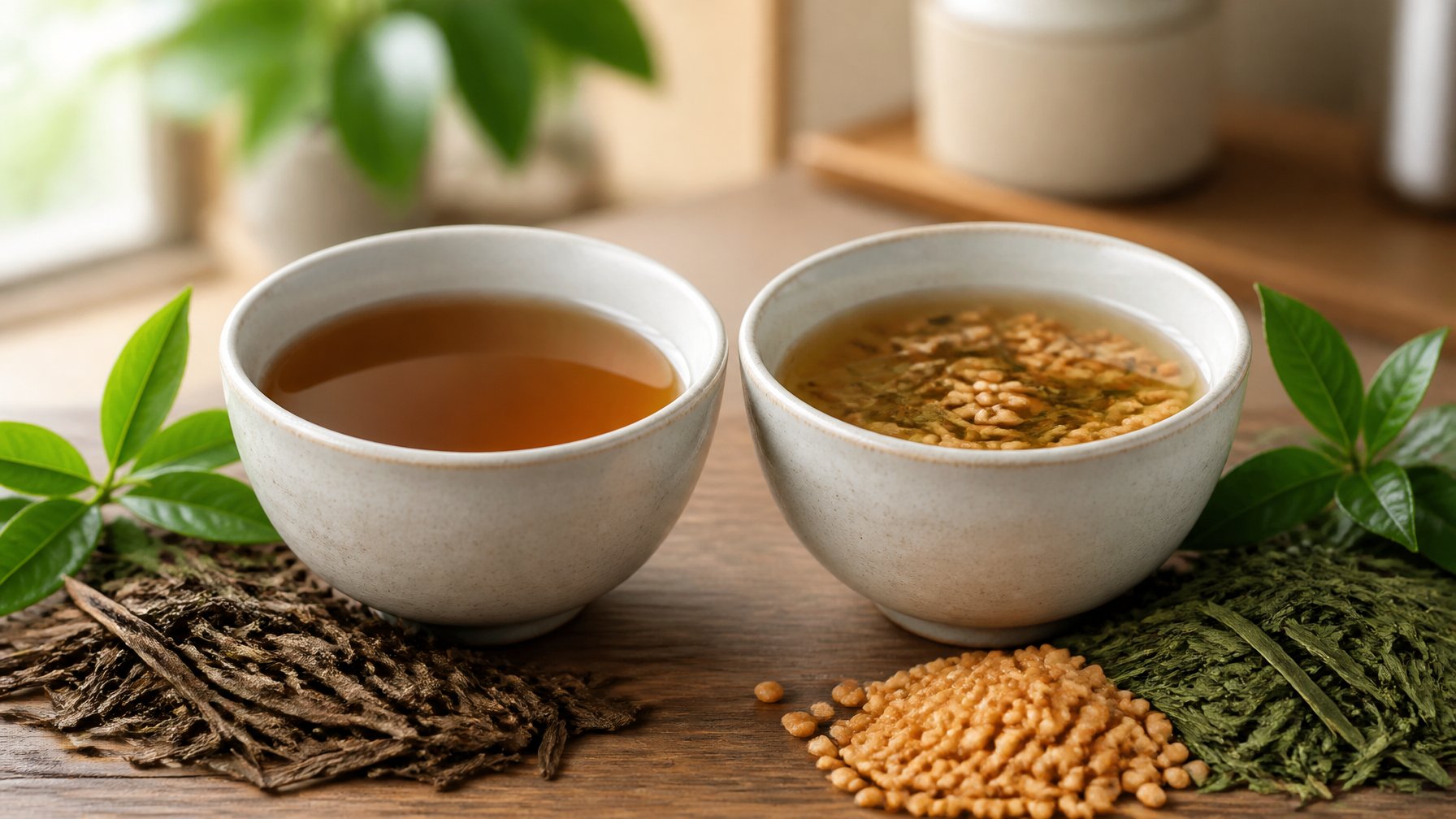
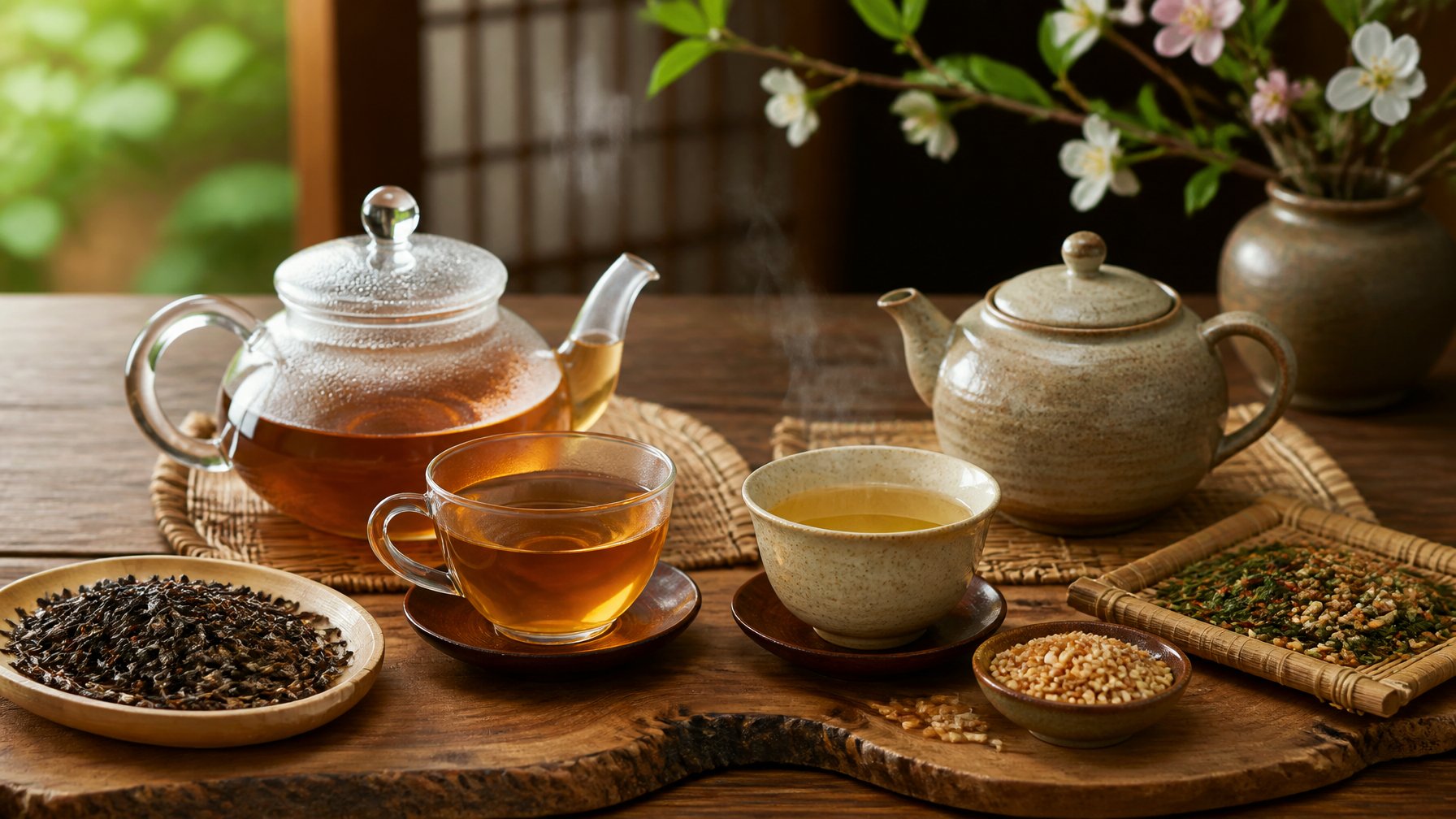
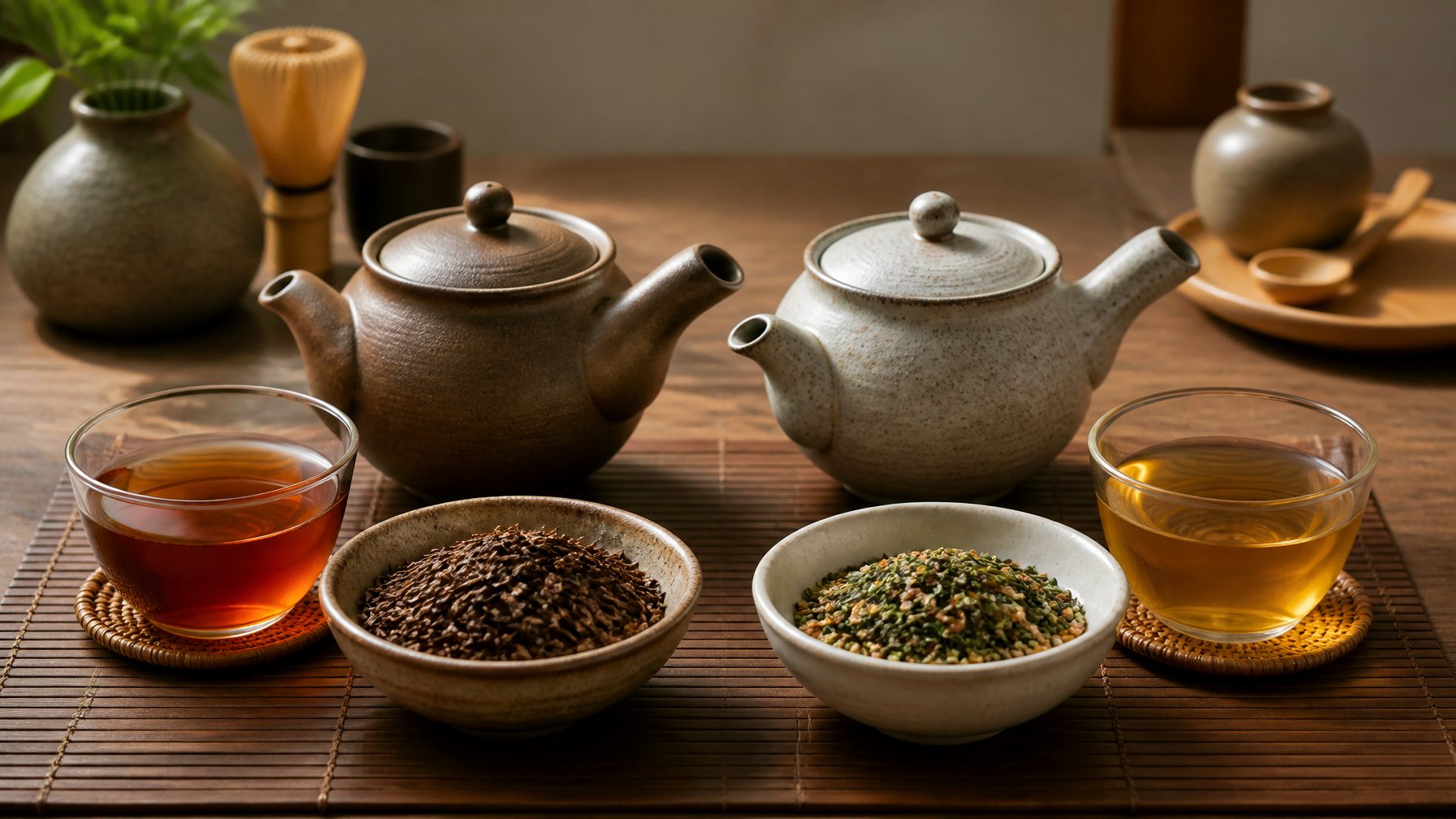
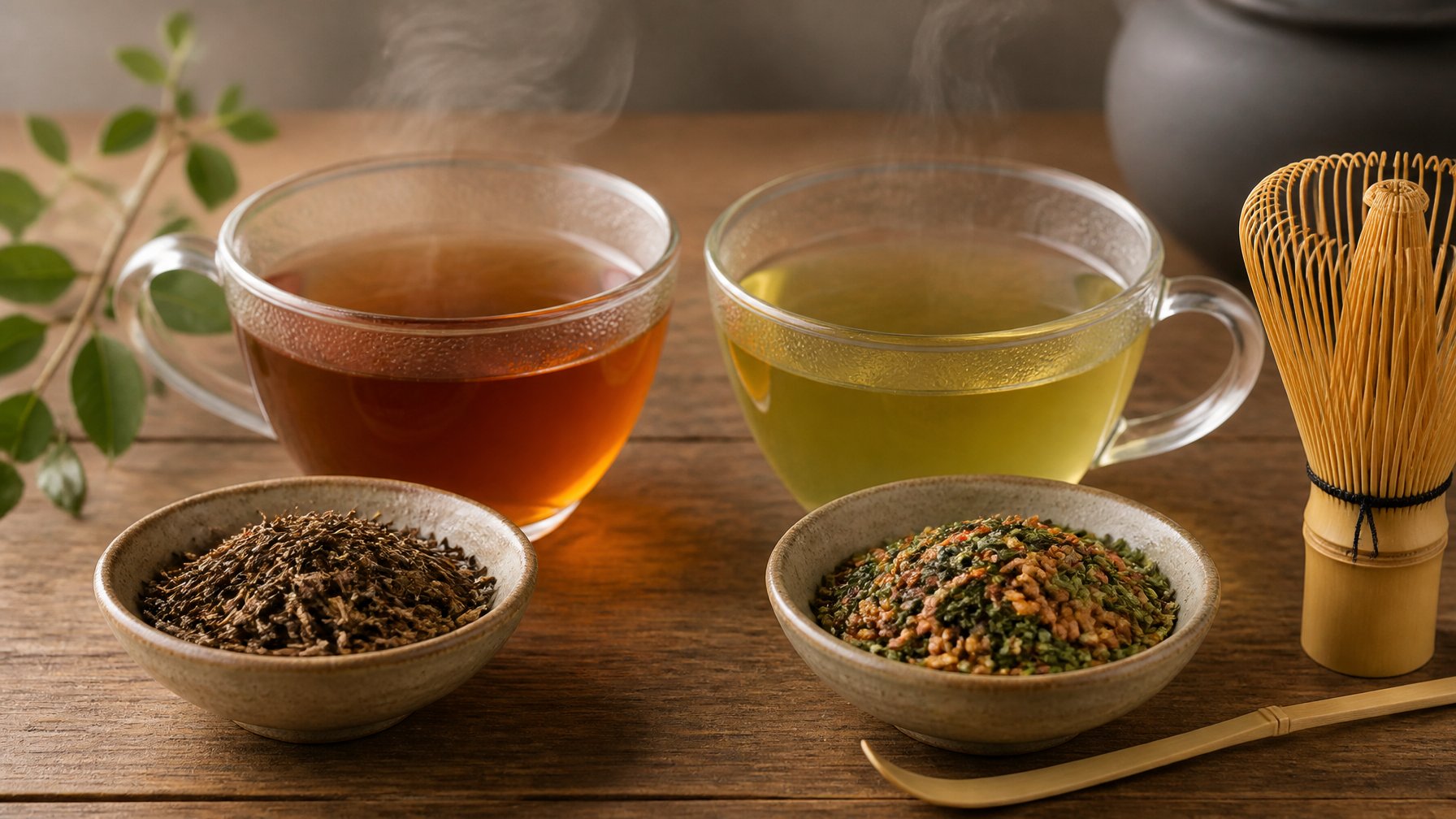
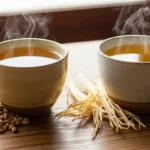
Hojicha brews into an amber-hued infusion with a clear reddish-brown color. The dry leaves look brown rather than green because roasting darkens them.
Genmaicha produces a pale yellow to light golden liquor. The dry blend shows green leaves mixed with tan or golden rice kernels.
Some rice pieces look puffed or cracked. This gives the tea its “popcorn” nickname.
When you compare cups side by side, hojicha appears darker and warmer in tone. Genmaicha looks lighter and more typical of green tea, with rice clearly visible among the leaves.
Hojicha and genmaicha differ most in caffeine levels, antioxidant profile, and how they feel on your stomach. You will notice clear differences in energy, taste, and digestibility.
Caffeine Content Comparison
You will usually get less caffeine from hojicha than from genmaicha.
Hojicha uses roasted green tea leaves. The roasting process lowers hojicha caffeine content compared to most standard green teas. Many cups contain about 7–20 mg of caffeine per 8 ounces, though exact levels vary by leaf grade and brew time.
Genmaicha blends green tea with roasted brown rice. The rice dilutes the leaves, so genmaicha caffeine content often falls in a moderate range, about 15–30 mg per 8 ounces. The base tea, often sencha or bancha, affects the final amount.
If you want the lowest caffeine levels, hojicha often fits better. If you want a mild lift without strong stimulation, genmaicha caffeine may suit you.
Key Antioxidants and Nutrients
Both teas come from Camellia sinensis, so you still get antioxidants, especially catechins.
Hojicha contains catechins, but roasting reduces some of these compounds. You still receive antioxidant support, just at lower levels than in unroasted green tea. The flavor shifts from grassy to nutty, and bitterness drops.
Genmaicha keeps more of the original green tea catechins, depending on the base tea. The added brown rice contributes small amounts of minerals and starch, but its main role is flavor and dilution, not nutrition.
Both teas contain L-theanine (theanine). This amino acid supports focus and balanced alertness. The mix of caffeine and theanine shapes how you feel after drinking each cup.
If you want higher antioxidant levels, genmaicha may offer a slight edge. If you prefer lower bitterness with moderate antioxidants, hojicha works well.
Digestive Benefits and Astringency
You may find hojicha easier on your stomach.
Roasting lowers tannin levels, which reduces astringency and bitterness. Lower astringency often improves digestibility, especially if you are sensitive to strong green tea. Many people drink hojicha after meals because it feels light and smooth.
Genmaicha also supports digestion in a different way. The roasted rice adds a toasty flavor and softens the sharp edge of green tea. This can make the tea feel gentler than plain sencha.
In traditional Japanese cooking culture, roasted teas such as hojicha and bancha often appear with meals. If you struggle with bitterness or stomach discomfort, hojicha usually offers better digestive comfort. Genmaicha remains mild, but it can taste slightly more vegetal and brisk.
Calming and Relaxing Effects
You will likely experience both teas as calming, but in different ways.
Hojicha’s lower caffeine content creates a soft effect. Many people choose it in the evening because it rarely interferes with sleep. Its warm, roasted aroma also supports a sense of relaxation.
Genmaicha provides a bit more stimulation due to higher caffeine levels. Still, the presence of L-theanine helps balance that effect. You may feel alert yet steady, not jittery.
If you want a calming tea for late afternoon or night, hojicha usually fits better. If you want gentle focus during the day without strong caffeine impact, genmaicha gives you that middle ground.
When and How to Enjoy Each Tea
You choose between hojicha tea and genmaicha tea based on caffeine level, flavor, and the time of day. Each tea fits different meals, moods, and uses beyond a simple hot cup.
Best Times to Drink Hojicha or Genmaicha
You can drink hojicha tea in the late afternoon or as an evening tea. Roasting lowers its caffeine compared to many green teas, so it feels lighter on your system. Its toasty flavor and brown color come from high-heat roasting.
You can serve hojicha after dinner when you want warmth without strong stimulation. Many families in Japan treat it as a daily, casual drink.
Genmaicha tea works well in the morning or early afternoon. It blends green tea with roasted rice, which adds body and a mild nutty taste. The rice softens the grassy notes of the leaf, so you get steady energy without sharp bitterness.
If you compare matcha vs hojicha, matcha delivers more caffeine and intensity. Hojicha stays gentle, while genmaicha sits in the middle.
Pairing with Food and Cuisine
You pair hojicha tea with roasted or savory foods. Its toasted flavor matches grilled fish, soy-based dishes, and simple rice meals. The warm notes also balance sweet desserts like sponge cake or milk chocolate.
In Japanese tea culture, hojicha often appears with everyday meals. It does not compete with food. It clears your palate and keeps flavors clean.
Genmaicha tea pairs well with sushi, light noodles, and vegetable dishes. The roasted rice echoes the taste of grains, so it feels natural with rice bowls and bento.
You can also serve genmaicha with salty snacks. The mild sweetness from the rice balances salt and oil. If you want one tea for lunch, genmaicha usually fits more foods than stronger green teas.
Uses Beyond Traditional Cup: Lattes and Desserts
You can turn both teas into modern drinks and sweets.
A hojicha latte blends roasted tea with steamed milk. The result tastes smooth, nutty, and low in bitterness. Many cafés offer it as a softer option than matcha. You can prepare it hot or iced, and you can sweeten it lightly without hiding the tea’s flavor.
A genmaicha latte tastes lighter and slightly savory. The rice gives it a cereal-like note that works well with oat or dairy milk. You should brew genmaicha strong before adding milk, so the flavor stays clear.
You can also use hojicha powder in ice cream, cookies, or custard. Genmaicha works best in simple syrups or light cakes, where its toasted rice aroma can stand out without heavy sugar.
Brewing Techniques for Hojicha and Genmaicha
You brew hojicha and genmaicha at different temperatures because they use different leaf styles. Hojicha is roasted and tolerates hotter water, while genmaicha uses a green tea base that needs slightly cooler water to control bitterness.
How to Brew Hojicha
Hojicha is roasted at high heat, so you can use hotter water without ruining the flavor. Many producers note that hojicha can handle water close to boiling, around 90–95°C, due to its roasting process..
Use 2–3 grams of loose leaf per 240 ml (8 oz) of water. Heat water to 90–95°C and steep for 30 seconds to 1 minute for a light cup. Steep up to 2 minutes for a stronger brew.
You can re-steep hojicha once or twice. Increase steep time by 15–30 seconds for each round.
Because roasting lowers bitterness and caffeine, brewing hojicha is forgiving. Even if you steep slightly longer, it stays smooth and toasty instead of sharp.
How to Brew Genmaicha
Genmaicha blends green tea leaves with toasted rice. Most versions use a sencha green tea base, so you must treat it like green tea, not like roasted hojicha.
Use 2–3 grams per 240 ml (8 oz). Heat water to 80–85°C. Steep for 1–2 minutes.
If you brew genmaicha with boiling water, the green tea base releases excess tannins. That makes the cup taste dry and bitter. Cooler water protects the grassy notes while letting the roasted rice add a warm, nutty flavor.
You can re-steep genmaicha once. Shorten the first steep to 1 minute if you plan multiple infusions.
Common Mistakes and Pro Tips
Common mistakes
Using boiling water for genmaicha
Steeping too long and creating bitterness
Using too little leaf, which makes the tea thin
Forgetting to preheat your teapot or cup
Small changes improve your results. Preheat your teaware with hot water, then discard it before adding leaves.
If you want a lighter cup, reduce leaf amount instead of cutting steep time too short. Very short steeps can taste flat.
For stronger flavor, increase leaf quantity before increasing time. This keeps brewing hojicha and brewing genmaicha balanced and clear instead of harsh.
Choosing Between Hojicha and Genmaicha
You choose between hojicha and genmaicha based on flavor, caffeine level, and how your body reacts to green tea. The difference between hojicha and genmaicha comes down to roasting style, rice content, and taste balance.
Personal Preferences and Sensitivities
Start with flavor.
Hojicha green tea is a roasted green tea. Producers roast the leaves at high heat, which turns them brown and creates a toasty, slightly sweet taste. You taste notes similar to nuts or light caramel, not grass or strong umami.
Genmaicha green tea blends green tea leaves with roasted rice. The rice adds a warm, grain-like flavor, but you still taste the base tea. That means you may notice mild grassiness and a light umami finish.
If you are sensitive to caffeine, hojicha usually works better. Roasting lowers caffeine levels. Some guides note that hojicha contains about 10–20 mg of caffeine per cup, which makes it one of the lower-caffeine Japanese teas.
Genmaicha often contains more caffeine than hojicha because it uses standard green tea leaves, though the rice lowers it compared to pure sencha.
Beginner-Friendly Options
If you are new to Japanese tea, hojicha often feels easier to enjoy.
Its roasted tea profile removes most bitterness. You can brew it with hotter water, even close to 90–95°C, without creating harsh flavors. This makes it more forgiving if you do not measure temperature closely.
Genmaicha works well if you want a bridge between classic green tea and something milder. The rice softens the sharper edges of the leaf. Many brewing guides suggest that genmaicha performs well around 80°C, similar to standard sencha.
If you dislike grassy notes, choose hojicha. If you enjoy some umami and want more of a traditional green tea taste, choose genmaicha.
Hojicha Tea vs Genmaicha: Key Takeaways
Use this quick comparison when deciding between hojicha vs genmaicha:
Feature
Hojicha
Genmaicha
Base
Roasted green tea
Green tea + roasted rice
Flavor
Toasty, nutty, low umami
Warm rice, mild grass, light umami
Caffeine
Low
Low to moderate
Best Time
Evening or late afternoon
Morning or early afternoon
You pick hojicha when you want a smooth, low-caffeine roasted tea with almost no bitterness.
You pick genmaicha when you want the comfort of roasted rice combined with the fresh character of green tea.
Black Tea Extract that is rich in natural theaflavins and polyphenols that help protect your body from free radicals, promoting overall immune health and well-being
Contains blended amounts of Fruits and Veggies. All natural, with whole foods, fruit and vegetable supplement.Perfect for everyone looking to live a healthier lifestyle.