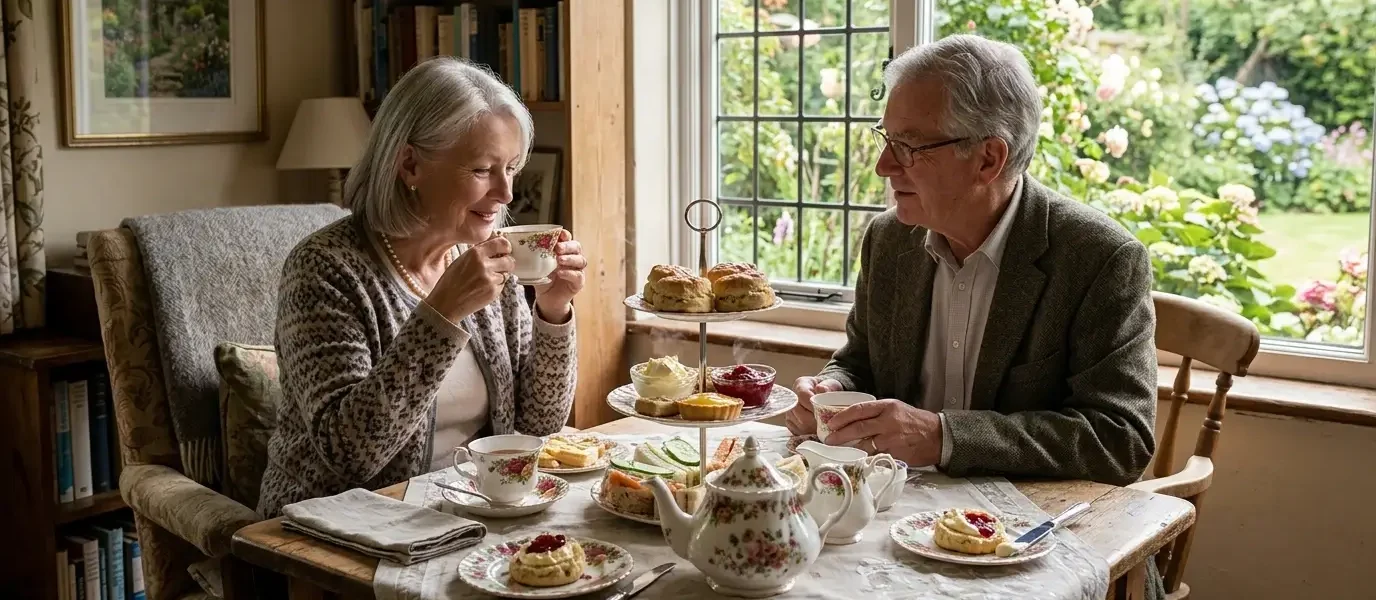
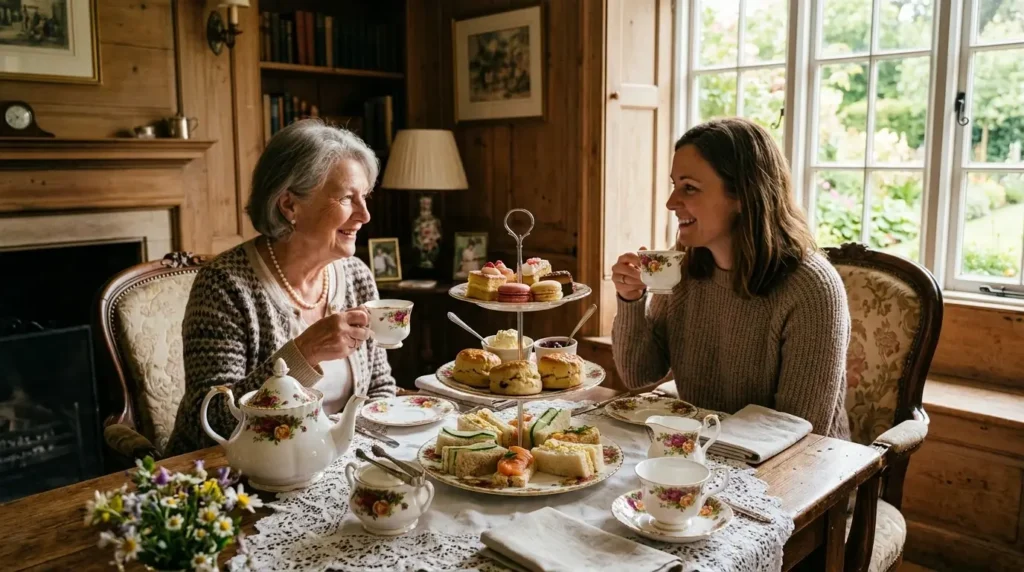
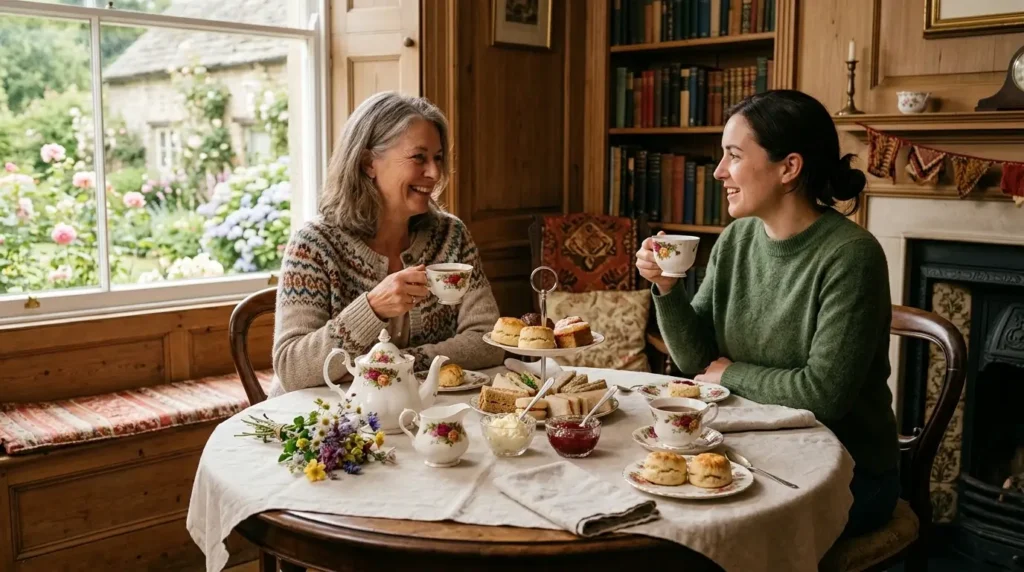
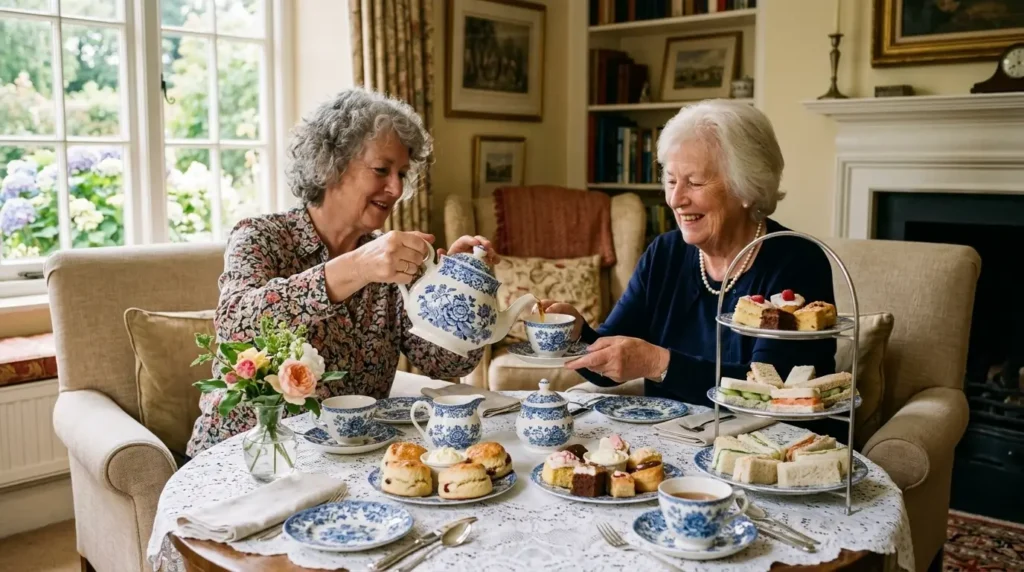
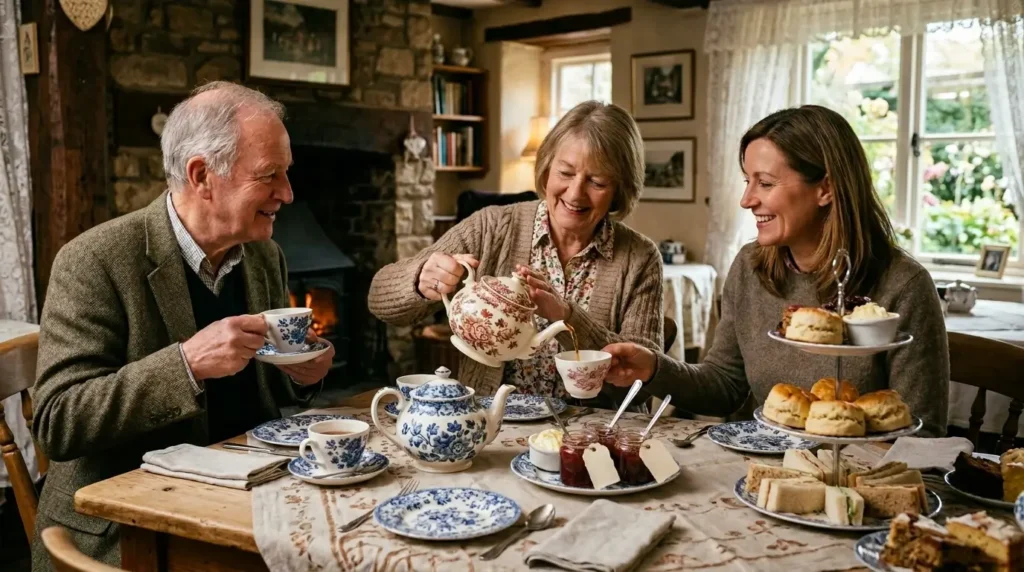
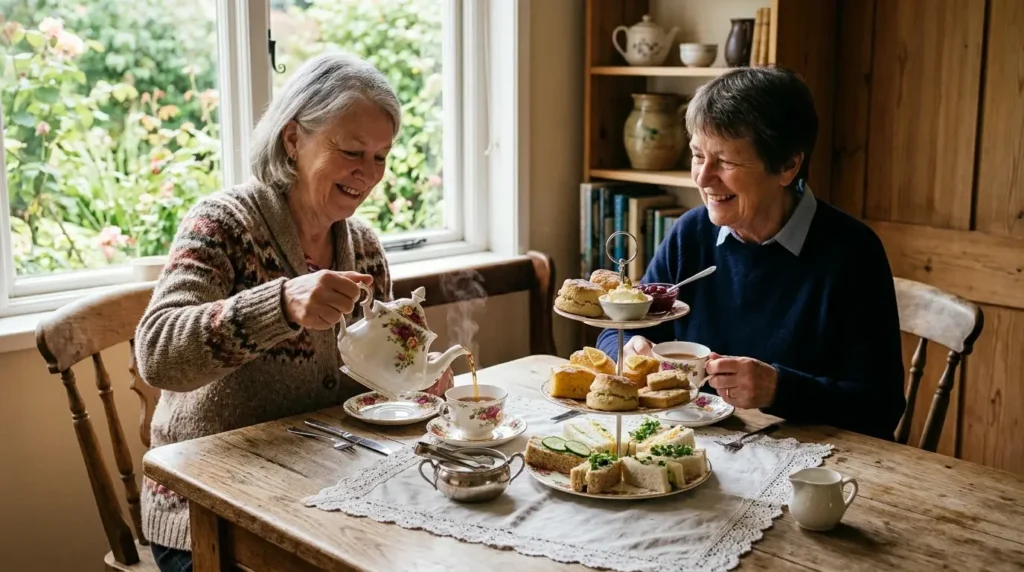
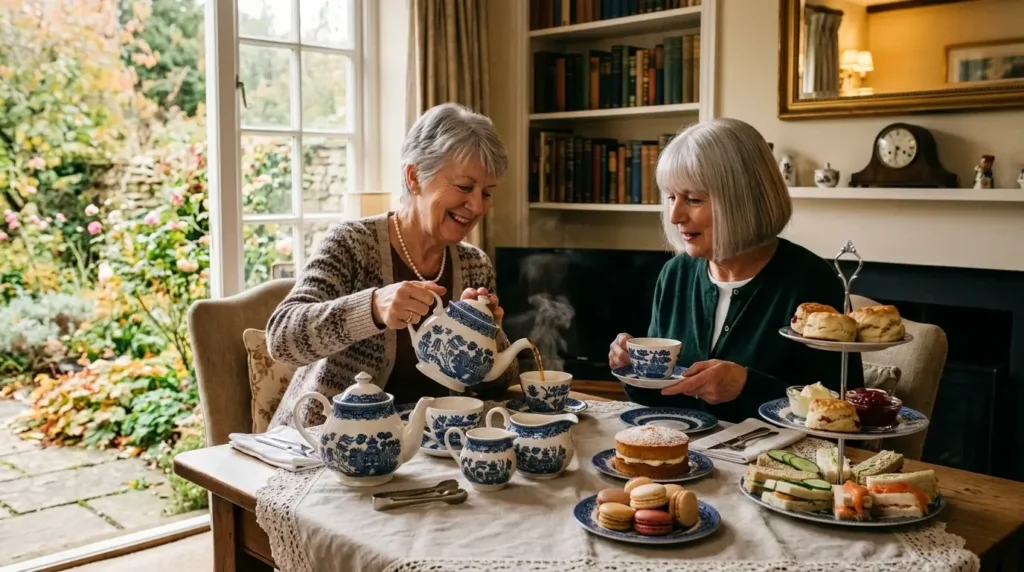
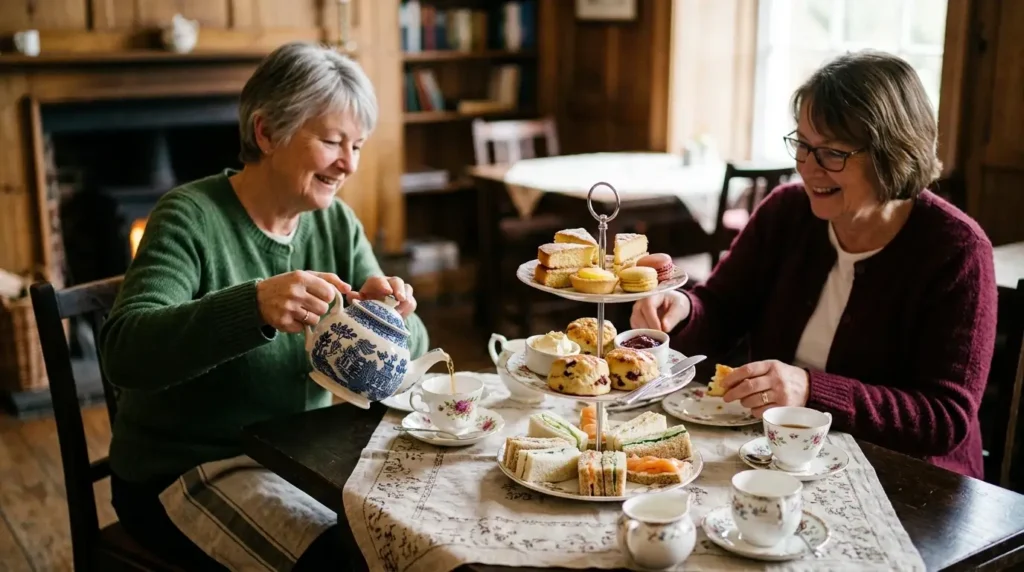
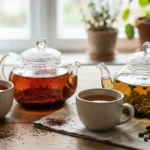
There is something undeniably comforting about the idea of pausing your day, sitting down with a warm pot of tea, and enjoying a spread of delicate sandwiches and freshly baked scones. It is a ritual that has shaped British society for nearly two centuries — and one that continues to enchant people around the world. But if you have ever wondered what time is traditional tea time, you are not alone. The answer is richer, and more layered, than a single hour on the clock.
In this guide, we explore the precise timing of traditional tea time, the history behind it, the many forms it takes, and how you can bring this charming ritual into your own life.
The Origins of Traditional Tea Time
To understand what time is traditional tea time, we first need to understand where the tradition came from — and why it emerged at the particular hour that it did.
Tea itself had been enjoyed in England since the 1660s, when King Charles II and his Portuguese wife, Catherine of Braganza, helped popularize the habit at court. But drinking tea in a structured, social “tea time” setting is a much more specific invention.
The credit belongs to Anna, the seventh Duchess of Bedford, who in 1840 found herself feeling famished in the late afternoon. Dinner in aristocratic households was served fashionably late — often as late as eight o’clock in the evening — which left an agonizingly long gap after a light midday lunch. The Duchess began requesting that a tray of tea, bread and butter, and small cakes be brought to her private rooms at around four o’clock. She soon started inviting friends to join her, and the concept took off rapidly.
Within years, this afternoon ritual spread through Britain’s upper classes, took root in grand drawing rooms, and eventually filtered into every layer of society. It became not just a meal, but a social institution — a time to slow down, connect, and savor both good company and good tea.
“Afternoon tea is one of the greatest British contributions to civilisation.” — Unknown Victorian wit
So, What Time Is Traditional Tea Time Exactly?
Here is the direct answer: traditional tea time — properly known as Afternoon Tea — takes place between 3:00 PM and 5:00 PM, with the sweet spot most commonly considered to be around 3:30 PM to 4:30 PM. In some circles, particularly in Victorian England, 4 o’clock became the symbolic “tea hour.”
The famous phrase “five o’clock tea” also reflects a slightly later version of this ritual that became fashionable, particularly among those who kept busier daytime schedules. But whether you sit down at three, four, or five, you are firmly within the traditional tea time window.
It is worth noting that “tea time” in a broader, modern British sense can also refer to the early evening meal — what many call High Tea — which typically occurs between 5:00 PM and 7:00 PM. This is a different tradition with different origins (more on that below), so the timing question is best answered by first clarifying which tea tradition you mean.
Afternoon Tea vs. High Tea: What’s the Difference?
One of the most persistent misconceptions in the world of British tea culture is the confusion between Afternoon Tea and High Tea. Many people use these terms interchangeably, but they are, in fact, very different traditions — separated not just by time but by social history.
Afternoon Tea (Low Tea)
Afternoon Tea — sometimes called “Low Tea” because it was served on low, comfortable armchairs and settees in the drawing room — was the invention of the aristocracy. It is the elegant, refined ritual most people picture when they imagine British tea: tiered cake stands, bone china cups, finger sandwiches, and fresh scones. It takes place in the mid-afternoon, between 3 and 5 PM.
High Tea
High Tea, despite its grand-sounding name, was originally the tea of the working class. Served later in the evening (5–7 PM) at a high dining table — hence the name — it functioned as the main evening meal for laborers returning home after a long day’s work. The food was hearty and filling: meat pies, cold cuts, cheese, baked beans, and strong, milky tea. It was sustenance, not ceremony.
Today, many upscale hotels and restaurants market “High Tea” as a synonym for Afternoon Tea, which is technically incorrect but widely accepted in practice outside the UK. If you are booking a traditional experience in Britain, look for venues offering Afternoon Tea for the authentic version.
Part of what makes traditional tea time so enchanting is the carefully curated menu. Afternoon Tea is not merely a drink — it is a miniature feast, presented with intention and in a specific order.
The Three-Tiered Stand
The most iconic presentation of Afternoon Tea is the three-tiered cake stand, each level holding a different course. The sequence is eaten from the bottom up:
Bottom tier — Savoury sandwiches: Dainty, crustless finger sandwiches filled with cucumber and cream cheese, egg and cress, smoked salmon, or coronation chicken.
Middle tier — Scones: Warm, freshly baked scones served with thick clotted cream and fruit jam (traditionally strawberry). The great Devon vs. Cornwall debate — whether cream or jam goes on first — remains gloriously unresolved.
Top tier — Pastries and cakes: A selection of miniature cakes, tarts, éclairs, macarons, Victoria sponge slices, and other sweet confections.
The Tea Itself
The tea is, of course, central to the entire ritual. Popular choices include:
Earl Grey — a black tea delicately flavored with bergamot oil, named after Prime Minister Charles Grey
Darjeeling — often called the “Champagne of teas,” light and floral
Assam — rich, malty, and full-bodied; ideal with milk
English Breakfast — a robust blend, the everyday favorite
Lapsang Souchong — smoky and distinctive, for the more adventurous palate
Tea is traditionally served in a silver or ceramic pot and poured into fine bone china cups. The perennial question of milk in first or milk in last is a matter of personal preference, though traditionalists often add milk after pouring to better judge the tea’s strength.
Tea Time Etiquette: How to Do It Right
Traditional tea time comes with its own set of manners and customs — a social language that speaks of grace, consideration, and attention to detail. Whether you are visiting a grand hotel or hosting at home, these guidelines will serve you well.
Dress Code
For formal Afternoon Tea at a hotel or tea room, smart casual is the standard expectation. Think: a dress or blouse for women, a collared shirt for men. Jeans may be frowned upon in more traditional establishments, particularly those that have served royalty.
Table Manners
Always pour tea for your guests before yourself.
Stir tea gently — back and forth, not in circles — and never clink the spoon against the cup.
Hold the cup by the handle with your index finger and thumb; do not loop all fingers through.
Eat from the bottom tier of the stand upward: sandwiches first, then scones, then cakes.
Break scones by hand rather than cutting them with a knife.
Never extend your pinky finger while holding a cup — this is a surprisingly modern myth, not an old tradition.
Serving Etiquette
If hosting at home, warm the teapot before use by filling it with hot water first and discarding it before brewing. Use loose-leaf tea if possible, and steep for three to five minutes depending on the variety. Always offer a small strainer when pouring if using loose leaves.
“Tea is to the English what champagne is to the French — a marker of occasion, warmth, and belonging.”
Tea Time Around the World
While Britain gave the world its most famous tea time tradition, the ritual of gathering around tea in the afternoon is by no means exclusively British. Cultures across the globe have developed their own deeply meaningful tea ceremonies and tea-time customs.
Japan — The Way of Tea (Chado)
Japan’s tea ceremony, Chado or Chanoyu, is one of the most spiritually rich tea traditions in the world. Rooted in Zen Buddhism and perfected over centuries, it centers on the preparation and serving of matcha (powdered green tea) in a meditative, precise ritual. Every movement has meaning; every gesture is intentional. It is not about the tea alone — it is about mindfulness, respect, and harmony.
China — Gongfu Tea Ceremony
China, the birthplace of tea itself, has the Gongfu tea ceremony — a practice involving multiple small infusions of high-quality tea (usually oolong or pu-erh) brewed in a tiny teapot. Precision, patience, and quality are paramount. The ritual emphasizes the idea that good tea deserves slow, careful attention.
Morocco — Mint Tea Ritual
In Morocco, the preparation and serving of sweet mint tea is an expression of hospitality so important that refusing a cup is considered impolite. The tea — made with gunpowder green tea, fresh mint, and generous amounts of sugar — is poured from a height to create a froth, then served three times, each glass representing a different sentiment: life, love, and death.
Russia — Samovar Tea
Russians have long gathered around a samovar, a large decorative urn used to heat water, for afternoon tea. Strong black tea is brewed in a small pot atop the samovar and diluted with hot water to taste. It is an inherently communal tradition, associated with long conversations and warm hospitality.
India — Chai Time
In India, chai — spiced milk tea made with ginger, cardamom, cinnamon, and black pepper — is not a formal ceremony but a daily, beloved ritual enjoyed multiple times a day. Street vendors known as chaiwallahs serve steaming glasses to passersby, and the sharing of chai is an intrinsic act of social bonding.
You do not need to visit a grand London hotel to experience the pleasure of traditional tea time. With a little preparation, you can recreate the warmth and elegance of this ritual right in your own home — and make it a regular part of your week.
What You Will Need
A good quality teapot (ceramic or silver-plated, if possible)
Fine teacups and saucers (bone china adds an authentic touch)
Sandwiches: cucumber and cream cheese on crustless white bread; smoked salmon with dill butter
Scones: classic plain or fruit scones, served warm with clotted cream and strawberry jam
Sweet bites: lemon curd tarts, Victoria sponge slices, or shortbread fingers
Tea selection: offer at least two varieties, such as English Breakfast and Earl Grey
Setting the Mood
Tea time is as much about atmosphere as it is about food. Set your table near a window or garden if you can. Soft classical or jazz music playing in the background adds to the ambiance. Put your phone down. Let the afternoon linger. That, after all, is the whole point.
Ready to elevate your tea ritual?
Explore curated loose-leaf teas, fine teaware, and hosting guides to bring the full Afternoon Tea experience to your home table.
Frequently Asked Questions About Traditional Tea Time
What time is traditional tea time in England?
Traditional Afternoon Tea in England is served between 3:00 PM and 5:00 PM, with 3:30 PM to 4:30 PM being the most popular window. The phrase “five o’clock tea” also refers to a slightly later version of this tradition. High Tea — a separate, more substantial working-class meal — is served later, between 5:00 PM and 7:00 PM.
Is “High Tea” the same as Afternoon Tea?
No. Despite being used interchangeably by many people outside the UK, they are different traditions. Afternoon Tea (also called Low Tea) is a light, elegant meal served in the mid-afternoon, originating with the upper classes. High Tea is a heartier, later meal that originated with the working class and was served at a dining table in the early evening.
Who invented Afternoon Tea?
The tradition is widely credited to Anna, the 7th Duchess of Bedford, who began the practice around 1840 to fill the long gap between lunch and dinner. She would invite friends to her rooms for tea and small bites at around four in the afternoon. The habit quickly spread among the aristocracy and eventually became a national institution.
What is the correct order to eat at Afternoon Tea?
Traditionally, you eat from the bottom tier upward: start with the savoury finger sandwiches on the lowest tier, move to the scones in the middle, and finish with the sweet pastries and cakes on the top tier. This mirrors a natural progression from savoury to sweet.
What tea is typically served at traditional tea time?
The most commonly served teas at Afternoon Tea are Earl Grey, Darjeeling, Assam, and English Breakfast. Premium venues will offer a full menu of loose-leaf teas from various origins. Herbal and caffeine-free options are also widely available for those who prefer them.
Is it true you should extend your pinky when drinking tea?
No — this is one of the most enduring myths about tea etiquette. Extending the pinky finger is not a traditional rule and was never part of formal British tea manners. The correct way to hold a teacup is with the index finger and thumb on the handle, with the other fingers gently curled beneath.
So, what time is traditional tea time? The classic answer is between 3:00 PM and 5:00 PM — a golden window in the afternoon when the pace of the day gentles, and the simple act of pouring a cup of tea becomes something close to ceremony. It is a tradition born in 1840 out of one duchess’s afternoon hunger, yet it has grown into a global symbol of elegance, hospitality, and the joy of slowing down.
Whether you enjoy it in a grand hotel overlooking Hyde Park, a cozy Edinburgh café, or your own kitchen with a homemade scone and your favorite mug, the spirit of Afternoon Tea endures: gather with people you care about, steep a good pot of tea, and let the afternoon unfold without hurry.
The ritual is as relevant today as it ever was — perhaps even more so in an age that rarely stops to breathe. Tea time is that rare, protected pause. And four o’clock, as the Duchess of Bedford would agree, is a perfectly civilized hour to take it.
Black Tea Extract that is rich in natural theaflavins and polyphenols that help protect your body from free radicals, promoting overall immune health and well-being
Contains blended amounts of Fruits and Veggies. All natural, with whole foods, fruit and vegetable supplement.Perfect for everyone looking to live a healthier lifestyle.