We often hear about green tea and matcha, but white tea benefits for women deserve just as much attention. This delicate, minimally processed brew packs a serious wellness punch. Studies show that drinking three cups of tea daily can lower heart disease risk by 21%. Furthermore, white tea can boost your metabolism by as much as 5%, equivalent to burning an extra 100 calories per day. From fighting premature aging and supporting weight loss to strengthening bones and balancing hormones, white tea offers powerful advantages specifically aligned with women’s health needs. Let’s explore seven science-backed reasons why this antioxidant-rich beverage deserves a spot in your daily routine.
Key Takeaways
White tea offers scientifically-proven health benefits specifically tailored to women’s wellness needs, from anti-aging to hormonal balance.
White tea contains 3x more antioxidants than green tea and boosts metabolism by 4-5%, burning an extra 70-100 calories daily
Protects skin from premature aging by suppressing collagen-damaging enzymes and defending against UV damage with superior antioxidant power
Strengthens bones and reduces osteoporosis risk by 25% through catechins that stimulate bone-building cells and inhibit bone breakdown
Supports heart health with 21% lower heart disease risk when drinking 3+ cups daily, plus improved blood pressure and cholesterol levels
Reduces stress hormones by 50% within one hour through L-theanine, promoting calm energy and hormonal balance without jitters
Promotes hair growth and prevents loss by stimulating follicle cells and blocking DHT hormone conversion that causes thinning
The minimal processing of white tea preserves maximum beneficial compounds, making it the most potent tea variety for women’s health. Start with three cups daily to experience these transformative wellness benefits naturally.
What is White Tea and Why It’s Perfect for Women
Origins and Processing of White Tea
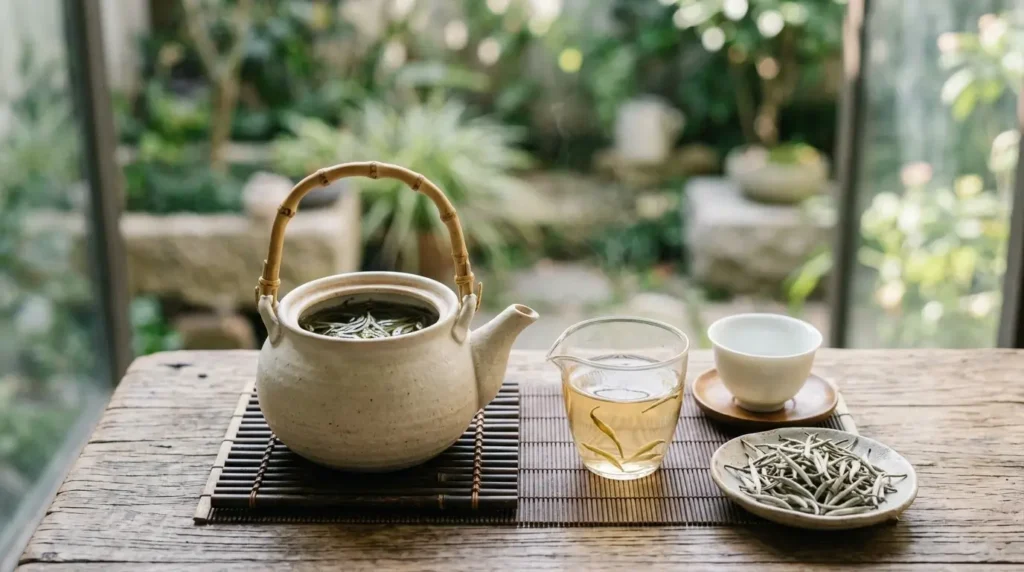
White tea comes from the Camellia sinensis plant, the same source as green and black teas. The name derives from the fine silvery-white hairs covering the unopened buds when harvested. China leads white tea production, with Fujian Province standing as the primary growing region for centuries. This southeastern Chinese province’s unique climate and centuries of expertise create optimal conditions for cultivating premium white tea varieties.
The processing method sets white tea apart from all other tea types. After harvesting young buds and leaves in early spring, tea makers use only two steps: withering and drying. The withering phase typically lasts 24 to 36 hours, during which water gradually diminishes and endogenous polyphenol oxidase induces slight oxidation. This extended withering period breaks down proteins into amino acids that enhance both flavor and mood. The leaves then undergo solar drying, air drying, or carefully controlled mechanical drying. No rolling, firing, or steaming occurs, making white tea the least processed variety available.
This minimal handling preserves the tea’s natural compounds in their most potent form. The selection process for white tea manufacture demands extreme precision. Only the youngest tea leaves covered in fine hairs can produce high-quality white tea. Silver Needle white tea uses exclusively unopened buds, while White Peony blends one bud with two young leaves.
White Tea vs Other Teas
All true teas originate from Camellia sinensis, yet processing creates distinct differences in flavor, antioxidant content, and caffeine levels.
White and green teas undergo no fermentation, with enzyme activity inactivated through minimal processing. Consequently, white tea contains the most antioxidants among all tea types. Black tea’s full oxidation process reduces its polyphenol content, while white tea’s gentle handling preserves these beneficial compounds.
Nutritional Profile and Active Compounds
White tea’s nutritional composition explains why it delivers powerful health advantages for women. Polyphenol concentrations range from 10.60 to 25.95 g per 100 g. These plant-based molecules function as antioxidants, protecting cells from free radical damage.
The catechin content in white tea measures between 7.94 to 16.56 g per 100 g. White and green teas contain the highest catechin concentrations, with EGCG (epigallocatechin gallate) comprising approximately 59%, EGC at 19%, ECG at 13%, and EC at 6%. In reality, EGCG concentrations in white tea range from 5.23 to 9.49 g per 100 g. Additionally, some sources indicate EGCG appears in higher concentrations in white tea than green tea.
Tea leaves contain 15-20% protein on a dry weight basis, including amino acids such as theanine, tryptophan, tyrosine, leucine, and lysine. White tea also provides vitamins E, C, and B, along with trace elements including calcium, zinc, and magnesium. The composition includes methylxanthines like theobromine, caffeine, and theophylline.
White tea generally contains less caffeine than green or black tea varieties. This lower caffeine content, combined with high antioxidant levels and L-theanine, makes white tea particularly suitable for women seeking calm energy without the jitters associated with coffee or stronger teas.
White Tea Benefits for Radiant Skin and Anti-Aging
Skin aging concerns most women at some point, but understanding how white tea health benefits combat this process makes a real difference. Your skin ages through two distinct pathways that white tea addresses simultaneously.
How White Tea Protects Against Premature Aging
External aging occurs when environmental factors damage skin cells and accelerate visible aging signs. UV rays from sun exposure cause inflammation and breakdown of skin structure. In contrast, internal aging stems from damage by free radicals and specific enzymes within your body. These unstable molecules attack cells and cause what scientists call oxidative stress, similar to how rust forms on metal.
Enzymes called elastase and collagenase naturally exist in your body but can harm the skin’s fiber network that keeps it tight and firm. White tea’s polyphenols suppress these cellular components that damage skin structure. Research demonstrates that white tea prevents activities of enzymes that break down both elastin and collagen. Elastin supports natural elasticity in lungs, arteries, ligaments, and skin while helping tissue repair after wounds.
The antioxidants in white tea neutralize free radicals, reducing oxidative stress and protecting skin cells from damage. Studies reveal white tea contains three times more antioxidants than green tea. This exceptional concentration provides superior protection against oxidative damage that contributes to premature skin aging.
Collagen Protection and Wrinkle Reduction
Collagen serves as a protein found in connective tissues throughout your body, providing strength and elasticity to skin. As you age, natural collagen production declines, resulting in wrinkles and sagging skin. White tea’s polyphenols and flavonoids help strengthen both collagen and elastin in skin, contributing to improved elasticity and firmness.
Kingston University researchers tested 21 plant and herb extracts alongside Neal’s Yard Remedies and found white tea considerably outperformed all of them. The catechins of white tea include catechin (C), epigallocatechin gallate (EGCG), epicatechin gallate (ECG), epigallocatechin (EGC), and epicatechin (EC). These antioxidants improve wound healing by increasing collagen volume and keratinocytes reproduction.
Water extracts from white and black teas showed better effects than green tea on wrinkle improvement. Research on UV-irradiated hairless mice found white tea extracts effectively reduced skin damage and promoted anti-wrinkling processes. At week 4, skin moisture capacity increased significantly, and transepidermal water loss decreased substantially with white tea treatment.
UV Damage Defense
Scientists at University Hospitals of Cleveland and Case Western Reserve University proved that white tea ingredients boost immune function of skin cells and protect them against sun’s damaging effects. Applying white tea extract to skin helped protect against harmful effects of UV rays.
Langerhans cells function as sentinel cells in the outer layer of skin, detecting germs and mutated proteins produced by cancerous cells. Because of their location, these immune cells remain very sensitive to sunlight damage. White tea extract protected against Langerhans cell destruction observed in sun-exposed skin not treated with the extract.
Equally important, DNA damage that occurs in cells after sun exposure was limited in skin cells protected by white tea extract. Researchers believe white tea extract’s antioxidant properties explain why the extract proved effective. The same oxidative stress process in skin cells that leads to immune system damage can also promote skin cancer and photo damage, such as wrinkling or mottled pigmentation. By the same token, white tea extract builds skin’s resistance against stresses that cause aging.
White Tea and Weight Loss: Your Natural Metabolism Booster
Managing weight becomes increasingly difficult as metabolism naturally slows with age. White tea and weight loss research reveals this minimally processed beverage offers scientifically-backed advantages for women seeking natural metabolism support.
How White Tea Burns Fat
White tea extract actively stimulates fat breakdown while preventing new fat cells from forming. Test-tube studies demonstrate this dual action occurs largely on account of EGCG, the primary catechin in white tea. During adipogenesis, the process where preadipocytes develop into mature fat cells, white tea significantly decreased triglyceride incorporation while increasing lipolytic activity in existing adipocytes. Cell viability remained unaffected, indicating white tea works specifically on fat metabolism without damaging cells.
Research comparing six tea varieties in rats found white tea produced the strongest anti-obesity properties. Over eight weeks, the white tea group experienced the least weight gain compared to all other tea types. The same study showed white tea created the highest decrease in serum glucose, total cholesterol, triglycerides, and LDL cholesterol levels, plus the greatest increase in beneficial HDL cholesterol.
Polyphenols in white tea inhibit pancreatic lipase, an enzyme effective in lipid metabolism. By blocking this enzyme, white tea reduces fat absorption from food. Catechins also lower glucose concentrations by inhibiting carbohydrate digestive enzymes. For instance, a six-month clinical trial combining exercise and white tea showed significant decreases in body weight and BMI.
EGCG and Metabolism Enhancement
White tea may boost your metabolism by an extra 4-5%, equal to burning an additional 70-100 calories per day. A human study revealed even more striking results: acute white tea consumption increased resting energy expenditure by 8.7% at 180 minutes after drinking, specifically 118.93 kJ/day higher than baseline.
The thermogenic effect stems from the catechin-caffeine mixture, which produces greater results than equivalent amounts of caffeine alone. Caffeine inhibits phosphodiesterase, an enzyme that breaks down cAMP in cells, affecting sympathetic nervous system activity. The sympathetic nervous system controls energy expenditure and lipolysis through norepinephrine, a key modulator. When consumed together, catechins and caffeine synergistically alter this system.
Body temperature also increased significantly over time with white tea consumption, confirming a genuine thermogenic effect. White tea activates pathways involved in energy expenditure, including respiratory electron transport, oxidative phosphorylation, and ATP metabolism.
Does White Tea Reduce Belly Fat
Clinical evidence confirms white tea reduces belly fat alongside overall body weight. In a study of obese individuals, body weight, waist circumference, and BMI parameters decreased significantly in the white tea group. Equally important, inflammatory markers TNF-α, IL-6, IL-1β, and MMP-9 levels decreased significantly. Hormone levels including leptin, ghrelin, and asprosin also fell substantially.
Serum cholesterol, LDL cholesterol, and triglyceride levels decreased significantly, while HDL cholesterol elevated. These lipid profile improvements indicate white tea regulates biochemical parameters positively. The study concluded white tea consumption plays an important role in reducing body weight and preventing obesity.
Another study found participants following a diet and exercise program with white tea experienced significant decreases in body weight, waist circumference, and BMI. White tea works best when combined with healthy lifestyle choices rather than as a standalone solution.
Strengthening Bones: White Tea for Osteoporosis Prevention
Bone loss happens silently, progressing without symptoms until a fracture occurs. Osteoporosis affects approximately 44 million American women and men aged 50 and older, with predictions showing this number will climb to over 61 million by 2020. The economic burden continues escalating as fracture-related expenses increase annually.
Why Bone Health Matters for Women
Women face four times higher osteoporosis risk than men. This disparity stems from decreased estrogen levels after menopause combined with naturally lighter and thinner bone structure. Bone mineral density drops rapidly during the first three to five years immediately following menopause, then continues declining throughout a woman’s remaining life. Consequently, over half of postmenopausal women will experience bone fractures resulting from osteoporosis.
Hip fractures represent the most severe consequence, leading to reduced daily activities, lowered quality of life, and increased mortality. As global populations age, osteoporosis has emerged as a serious health threat in many countries. The World Health Organization defines osteoporosis as a BMD T-score at or below -2.5 at the hip or lumbar spine. Environmental and lifestyle factors including vitamin D deficiency, smoking, alcohol consumption, inadequate calcium intake, and physical inactivity contribute to development.
How White Tea Supports Bone Density
Tea consumption plays an important role in preventing age-related bone loss in elderly women and men. Habitual tea consumption, especially for more than 10 years, produces significant beneficial effects on BMD of the total body, lumbar spine, and hip regions. Older women who drank tea had higher BMD measurements than those who did not drink tea.
A meta-analysis revealed that tea consumption linked to reduced osteoporosis risk, with an odds ratio of 0.75. Furthermore, high-frequency drinkers consuming tea more than four times weekly showed slightly stronger protective effects (OR = 0.73) than low-frequency drinkers (OR = 0.82). Tea polyphenols improve bone microstructure, increase bone density, and modulate gut microbiota, thereby contributing to better bone health.
Research on Catechins and Bone Protection
Catechins demonstrate osteoprotective properties by stimulating osteoblastic cells and inhibiting bone resorption. EGCG and epicatechin act on osteogenic markers RANKL, TRAP, and NF-κβ while increasing expression of BMPs and ALP, thus improving bone microarchitecture. In particular, EGCG boosted activity of a key enzyme promoting bone growth by up to 79 percent. EGCG also significantly increased bone mineralization levels in cells, which strengthens bones.
Animal studies showed EGCG increased calcium and osteoprotegerin levels while regulating the transcription factor NF-ATc1 associated with osteoclastogenesis. Regarding human studies, EGCG reduced fracture risk in a dose-dependent manner. EGCG stimulates cytokines related to osteogenesis, increasing bone mineral density, reducing osteoclastogenesis factors, and showing potential as a therapeutic strategy for reducing bone fracture risk. Free radicals and inflammation accelerate osteoporosis, while catechins in white tea may interfere with cells that break down bones, reducing osteoporosis risk.
Heart Health Protection with White Tea
Heart disease presents another critical health concern for women, ranking as the leading cause of death in the United States. White tea health benefits extend beyond skin and bone health to offer substantial cardiovascular protection through multiple biological pathways.
Cardiovascular Benefits for Women
Research demonstrates white tea effectively reduces three key factors driving atherosclerosis: oxidative stress, inflammation, and dyslipidemia. In studies examining atherosclerosis progression, white tea administration significantly decreased total cholesterol and triglyceride levels compared to control groups. Additionally, inflammatory markers including TNF-α, interleukin-1β, IL-6, and IL-12 dropped substantially after four weeks of white tea consumption.
The polyphenols in white tea work by relaxing blood vessels and strengthening immune function. Furthermore, these compounds prevent harmful LDL cholesterol from oxidizing, a major risk factor for cardiovascular disease. White tea also improves artery function and helps prevent blood clot formation, reducing stroke and heart attack risk. The tea’s ability to enhance endothelial function leads to improved vascular relaxation and reduced arterial stiffness.
Blood Pressure and Cholesterol Management
Long-term white tea consumption produces measurable improvements in blood pressure regulation. Elderly women drinking 250 mL daily experienced an average reduction of 2-3 mmHg in both systolic and diastolic blood pressure. Habitual moderate tea consumption at 120 mL per day for more than one year significantly reduced hypertension incidence.
Regarding cholesterol management, white tea increases beneficial HDL cholesterol while decreasing harmful LDL levels. Studies show white tea catechins reduce cholesterol accumulation and help prevent arterial hardening and blood flow blockage. After white tea administration, oxidized LDL, LOX-1, Lp-PLA2, and MPO levels decreased significantly, while protective PON-1 levels increased.
Reducing Heart Disease Risk
An analysis of five studies revealed people drinking three cups or more of tea daily had a 21% lower risk of heart disease. Research on individuals who consumed two or more cups daily showed they were almost 50% less likely to die after suffering a heart attack.
White tea’s cardiovascular protection stems from its rich flavonoid content, which acts as powerful antioxidants guarding against free radical damage. These compounds reduce oxidative stress in blood vessels, preserve endothelial cell integrity, and decrease inflammation linked to vascular dysfunction. The combination prevents arterial plaque buildup and atherosclerosis development. Given that white tea contains higher polyphenol concentrations than other tea varieties, it provides superior antioxidant support for maintaining healthy blood pressure, improving circulation, and promoting overall cardiovascular wellness.
Stress affects every woman differently, yet the physiological response remains remarkably consistent. Chronic stress elevates cortisol levels, which disrupts hormonal equilibrium across sleep patterns, appetite regulation, and menstrual cycles. White tea addresses this cascade through L-theanine, a unique amino acid that transforms how your body manages stress.
L-Theanine and Calm Energy
L-theanine exists almost exclusively in tea leaves, with white tea containing substantial amounts alongside its minimal caffeine content. This non-protein amino acid affects brain chemistry by modulating neurotransmitters, the chemical messengers regulating mood, stress, and focus. In particular, L-theanine boosts levels of GABA, serotonin, and dopamine, leading to better relaxation and reduced anxiety.
Studies show L-theanine promotes alpha brainwave activity associated with calm, focused relaxation. Unlike sedatives or sleep aids, L-theanine provides soothing effects without drowsiness or diminished alertness. The combination of L-theanine and caffeine in white tea creates what researchers describe as “calm focus,” delivering mental clarity alongside relaxation. Furthermore, white tea can reduce cortisol by almost 50 percent within an hour of consumption.
Managing Stress and Anxiety
Clinical research confirms L-theanine’s anti-stress effects occur at 200 mg daily. A four-week study examining healthy adults found Self-rating Depression Scale scores, State-Trait Anxiety Inventory scores, and Pittsburgh Sleep Quality Index scores all decreased significantly after L-theanine administration. Sleep latency, sleep disturbance, and reliance on sleep medication improved compared to placebo groups.
White tea extracts demonstrated stress-reduction capabilities in chronic unpredictable mild stress models. Depressive behaviors reversed, olfactory sensitivity improved, and mitochondrial damage in brain tissue decreased with white tea treatment. Equally important, brain-derived neurotrophic factor expression increased, supporting cognitive function and mental resilience.
Supporting Women’s Hormonal Health
Stress represents one of the most common drivers of hormonal imbalance in women. When sustained stress persists, cortisol production takes priority, suppressing estrogen, progesterone, and thyroid hormone production. Because white tea reduces cortisol while promoting relaxation, it helps restore the hormonal equilibrium disrupted by chronic stress.
White tea works best as part of consistent daily practice rather than occasional remedy. The polyphenols and L-theanine combine with caffeine to build resistance against chronic stress over time, enhancing your body’s ability to respond and recover from stressful situations.
White Tea Antioxidant Power for Overall Wellness
White tea antioxidant compounds form the foundation of nearly every health advantage this beverage provides. The polyphenol content measures 226 ± 3.13 mg GAE/g dry weight, with flavonoid content at 10.6 ± 2.8 mg QE/g dry weight. These concentrations surpass those found in other tea varieties, positioning white tea as one of the most potent natural antioxidant sources available.
Fighting Free Radicals
Free radicals function as unstable molecules that damage cells through oxidative stress. Polyphenols in white tea neutralize these harmful compounds by donating electrons, stabilizing free radicals before they attack cellular structures. Test-tube studies confirmed white tea extract protects nerve cells against hydrogen peroxide damage, a particularly destructive free radical. Similarly, white tea powder effectively reduced inflammation caused by free radicals in human skin cells.
EGCG represents the predominant catechin in white tea, appearing in higher concentrations than green tea. Because EGCG contains the most phenolic hydroxyl groups, it delivers the strongest antioxidant activity and highest bioactivity potential. Chemical analysis comparing tea types found white tea exhibited superior radical-scavenging effects. In particular, white tea demonstrated better antioxidant capacity than the synthetic antioxidant BHT, with EC50 values ranging from 3.6 to 9.2 µg/mL compared to BHT’s 23.9 µg/mL.
Long-term consumption reduces oxidative damage markers in tissues. White tea intake decreased MDA levels in liver tissue, indicating protection against lipid peroxidation. Furthermore, antioxidant enzymes SOD, GPx, GR, and GSH increased significantly with white tea consumption.
Immune System Support
White tea strengthens immune defenses through antibacterial, antiviral, and antifungal properties. Research demonstrates these effects prove even more powerful than green tea’s immune benefits. The catechins work by supporting immune cell function and reducing inflammatory responses that weaken resistance.
After exhaustive exercise, white tea counteracted increases in pro-inflammatory cytokines IL-1β and IL-6. These inflammatory markers, when elevated chronically, suppress immune function and promote disease progression. White tea’s anti-inflammatory action helps maintain immune system effectiveness during physical and mental stress.
Cancer Prevention Properties
White tea inhibits cancer cell proliferation across multiple cancer types. Studies show it triggered cell death in several lung cancer varieties. The extract suppressed colon cancer cell growth and prevented spreading while protecting healthy cells from oxidative DNA damage. In breast cancer research, white tea inhibited tumor development and enhanced anticancer drug effectiveness.
The mechanisms involve activating caspases, reducing oxidative stress, and inhibiting lipid peroxidation. White tea demonstrated more efficient DNA mutation inhibition than green tea in bacterial assays, suggesting stronger cancer prevention potential. Elevated liver enzyme levels in animal studies indicated particular protection against colon cancer. Researchers concluded white tea may help prevent cancer by reducing oxidative stress throughout the body.
Hair Health Benefits of White Tea
Hair thinning and loss affect countless women, yet white tea offers protection through its rich EGCG content. This powerful antioxidant works differently than the compounds we’ve discussed for skin or bones, targeting hair follicles directly.
EGCG for Hair Growth
EGCG promotes hair growth by stimulating dermal papilla cells, which regulate follicle development. Research showed EGCG increased these cells’ proliferation while reducing apoptosis, or cell death. The compound upregulates proteins Erk and Akt, both linked to cell survival and growth. Consequently, EGCG creates dual proliferative and anti-apoptotic effects that encourage new hair formation.
Preventing Hair Loss
White tea’s catechins and polyphenols reduce oxidative stress that weakens follicles and triggers shedding. In particular, EGCG may block 5-alpha-reductase, the enzyme converting testosterone into DHT, a hormone driving pattern hair loss. Studies found 33% of animals consuming tea extract experienced regrowth after six months. The antioxidants preserve and restore follicles, creating a healthy environment for sustained growth.
Scalp Health and Shine
Vitamins C and E in white tea promote blood flow to your scalp, delivering oxygen and nutrients follicles need. Furthermore, white tea’s anti-inflammatory properties soothe conditions like dandruff and irritation that compromise follicle health. The catechins protect against environmental stressors including pollution and sun damage while restoring natural shine.
Increased cell proliferation; Reduced apoptosis; May block DHT hormone conversion
Conclusion
White tea delivers powerful, science-backed advantages specifically aligned with women’s health needs. From fighting premature aging and supporting weight management to strengthening bones and balancing hormones, this minimally processed brew offers benefits you simply can’t ignore. Equally important, its superior antioxidant content outperforms both green and black tea varieties.
The best part? You don’t need drastic lifestyle changes to experience these benefits. Start with three cups daily, and let white tea work alongside your existing wellness routine. Your skin, metabolism, bones, heart, and overall vitality will thank you for making this simple yet transformative addition.
FAQs
Q1. What makes white tea particularly beneficial for women’s health? White tea contains the highest concentration of antioxidants among all tea types due to its minimal processing. It addresses multiple women’s health concerns simultaneously, including skin aging, weight management, bone density, hormonal balance, and cardiovascular health. The rich polyphenol and EGCG content, combined with L-theanine, provides unique benefits like metabolism boosting, stress reduction, and collagen protection that align specifically with women’s wellness needs.
Q2. Can drinking white tea every day improve my skin and reduce wrinkles? Yes, daily white tea consumption can significantly benefit your skin. The polyphenols and catechins in white tea suppress enzymes that break down collagen and elastin, helping maintain skin firmness and elasticity. Studies show white tea protects against UV damage, reduces oxidative stress, and contains three times more antioxidants than green tea. Regular consumption helps prevent premature aging, improves skin moisture, and reduces the appearance of wrinkles.
Q3. How does white tea help with weight loss and metabolism? White tea boosts metabolism by 4-5%, which translates to burning an extra 70-100 calories per day. It works by stimulating fat breakdown while preventing new fat cell formation, primarily through its EGCG content. Research shows white tea increases resting energy expenditure and body temperature, creating a genuine thermogenic effect. When combined with healthy lifestyle choices, it can significantly reduce body weight, waist circumference, and BMI.
Q4. Is white tea effective for lowering blood pressure and supporting heart health? White tea effectively supports cardiovascular health by relaxing blood vessels, preventing harmful LDL cholesterol oxidation, and improving arterial function. Studies show that drinking three or more cups daily reduces heart disease risk by 21%. Regular consumption can lower both systolic and diastolic blood pressure by 2-3 mmHg, decrease total cholesterol and triglycerides, and increase beneficial HDL cholesterol levels.
Q5. How much white tea should I drink daily to experience health benefits? Three cups of white tea daily is the recommended amount to experience significant health benefits. This quantity has been shown in studies to reduce heart disease risk, boost metabolism, support bone density, and provide antioxidant protection. The lower caffeine content (10-50 mg per cup) compared to other teas makes it suitable for regular consumption throughout the day without causing jitters or sleep disruption.
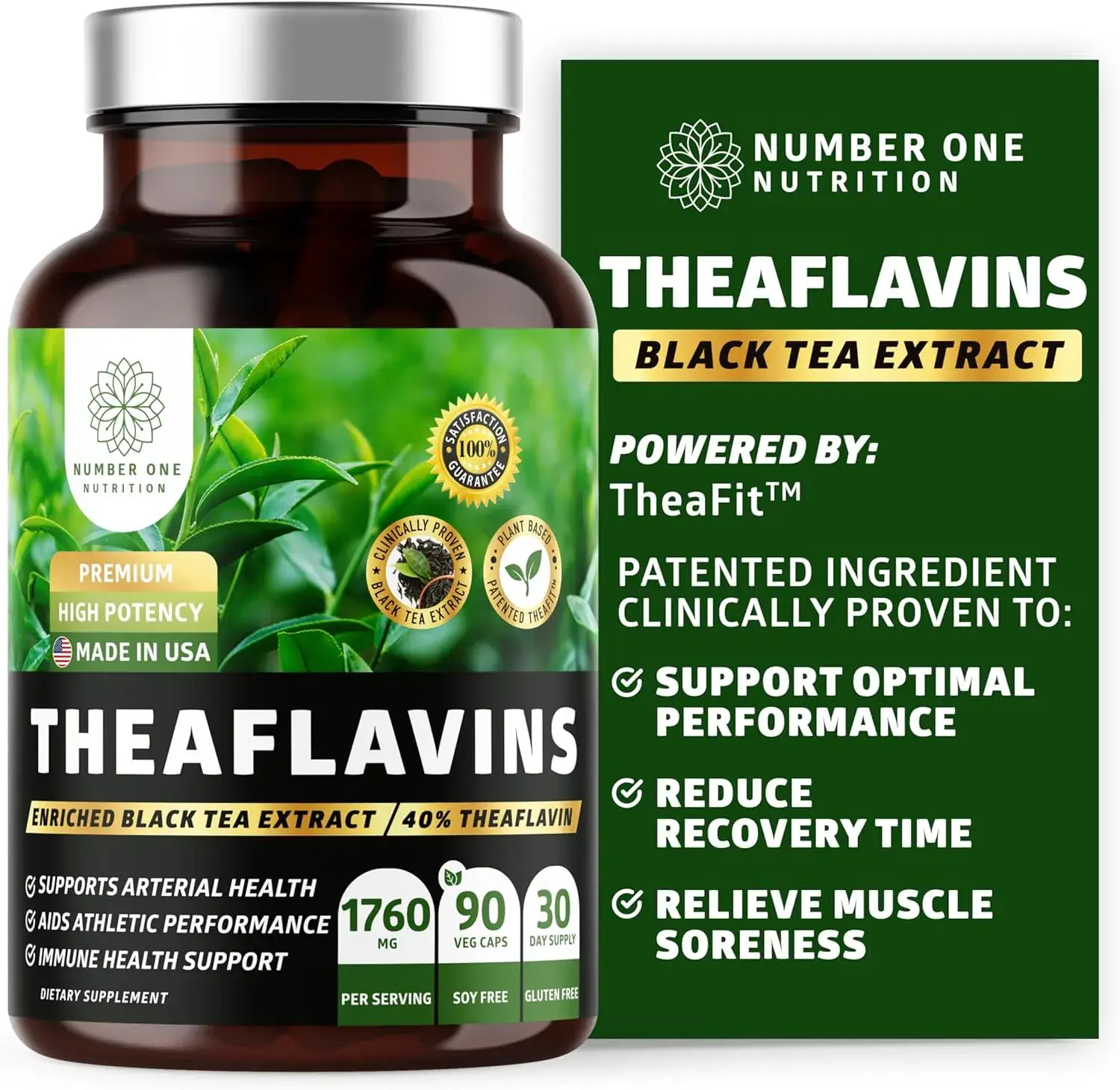
Black Tea Extract that is rich in natural theaflavins and polyphenols that help protect your body from free radicals, promoting overall immune health and well-being
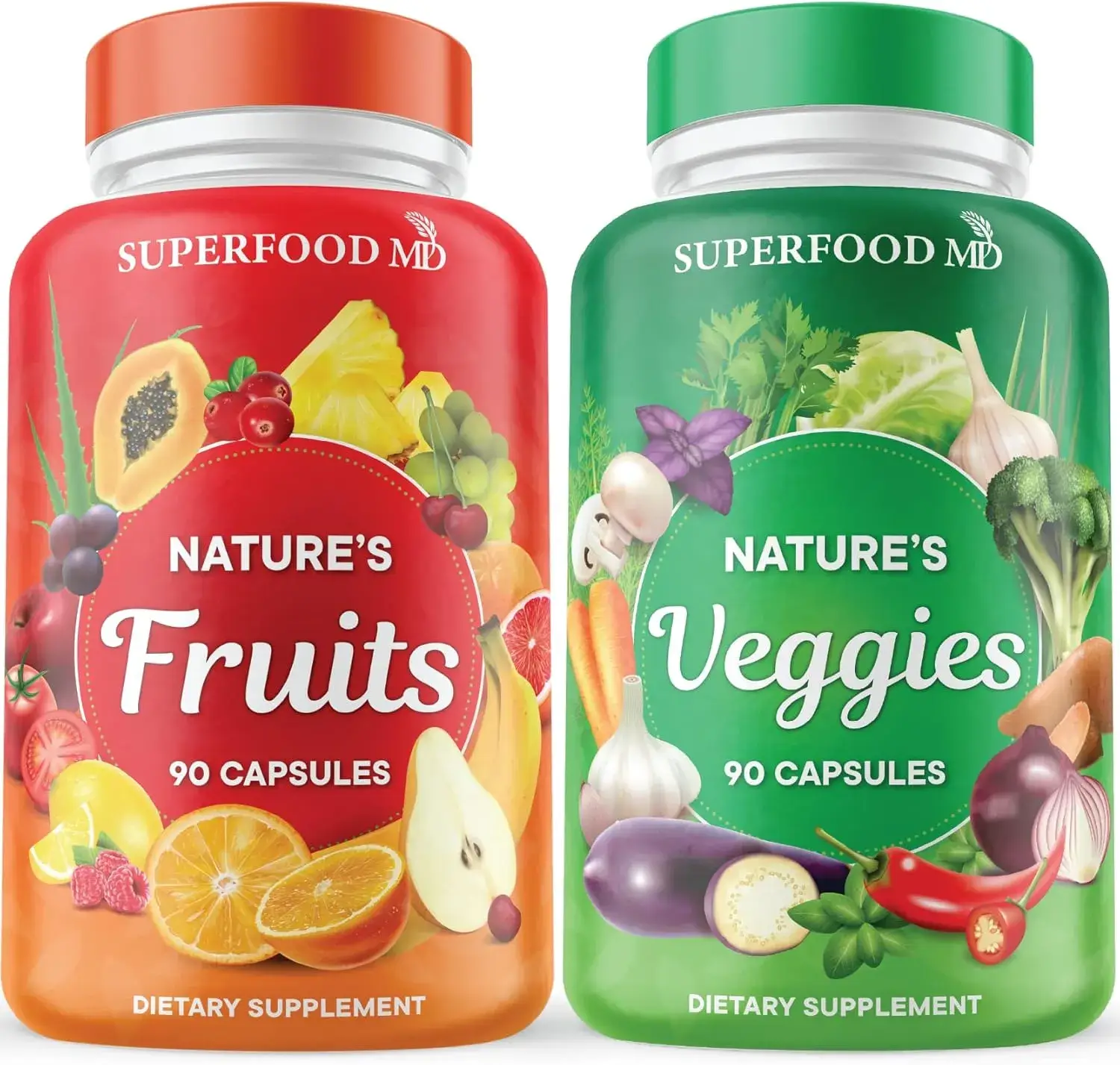
Contains blended amounts of Fruits and Veggies. All natural, with whole foods, fruit and vegetable supplement.Perfect for everyone looking to live a healthier lifestyle.