Stress is everywhere. Between demanding schedules, digital overload, and the constant noise of modern life, millions of people are searching for natural ways to unwind. Hibiscus tea—that deep crimson brew with a pleasantly tart flavor—has become one of the most talked-about options. But does hibiscus tea relax you in a real, noticeable way, or is it simply a beautiful drink with a strong reputation?
The answer, shaped by both scientific research and centuries of traditional use, is more nuanced—and more interesting—than you might expect. In this guide, we’ll explore what hibiscus may do for stress and calm, the key plant compounds behind its effects, how it compares with other popular calming teas, and how to brew it for the most relaxing experience.
What Is Hibiscus Tea and Why Is It So Popular?
The Origins of Hibiscus Tea
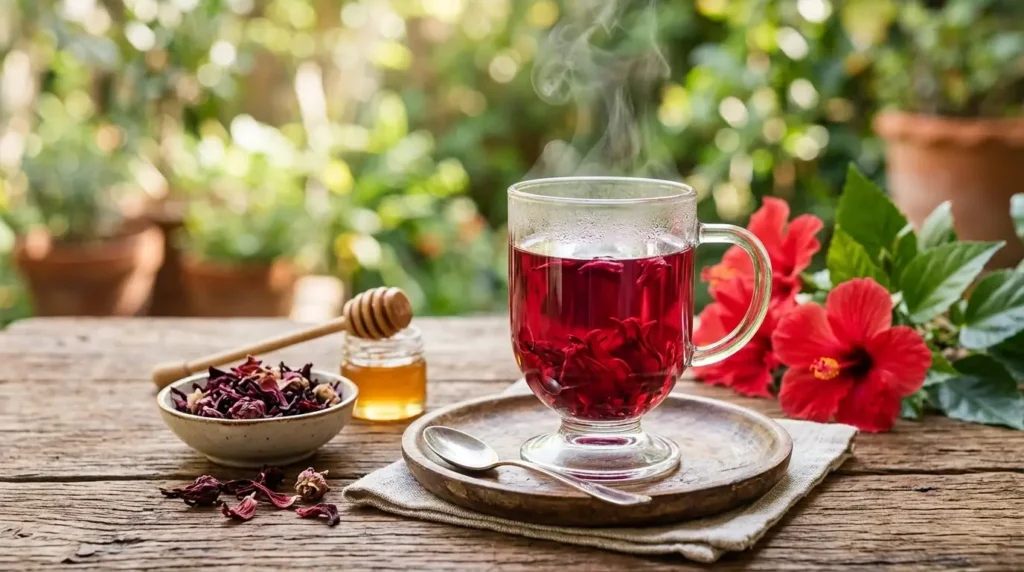
Hibiscus tea is brewed from the dried calyces of Hibiscus sabdariffa, a flowering plant native to tropical regions of Africa, the Caribbean, and parts of Southeast Asia. The calyx is the cup-shaped structure just beneath the flower petals — and it’s packed with bioactive compounds that have made this plant a medicinal staple across cultures for centuries.
Known by many names around the world — sobolo in Ghana, agua de Jamaica in Mexico, karkadé in Egypt, and bissap in Senegal — hibiscus tea is far from a wellness trend. It’s a time-tested botanical brew with deep roots in traditional medicine and everyday life.
How Hibiscus Tea Is Made
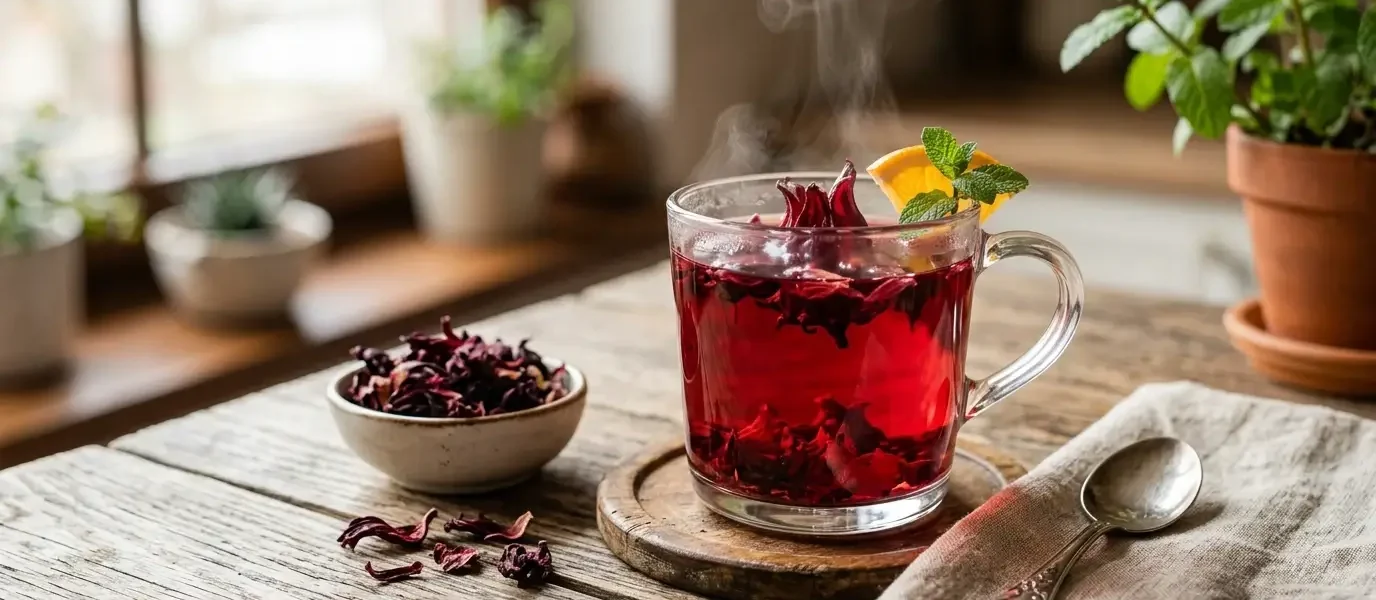
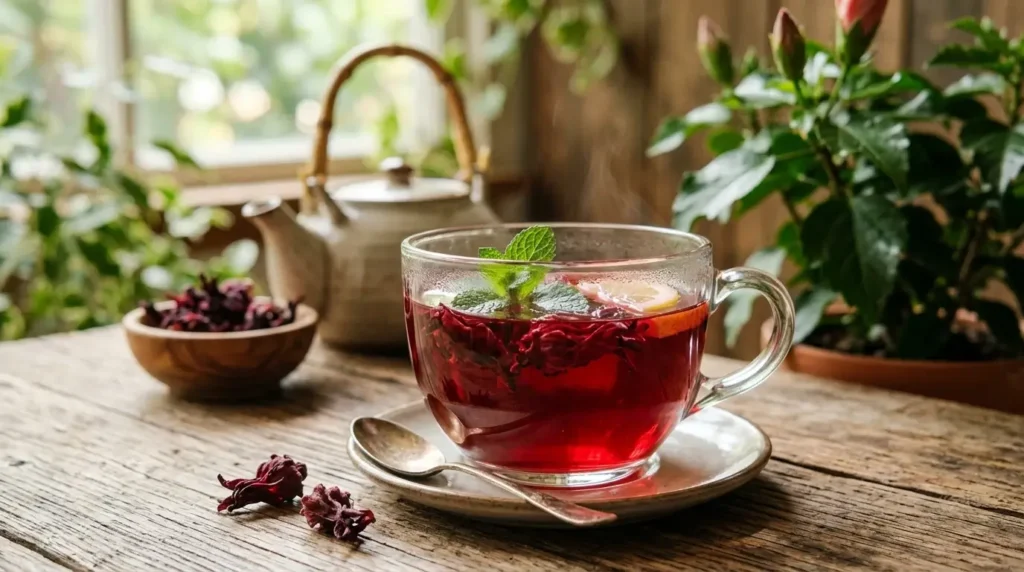
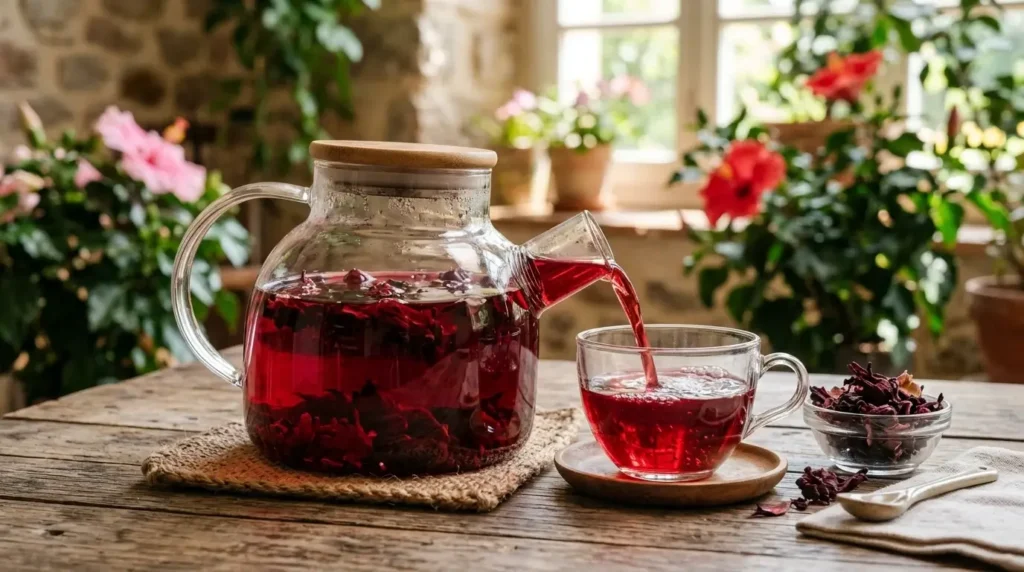
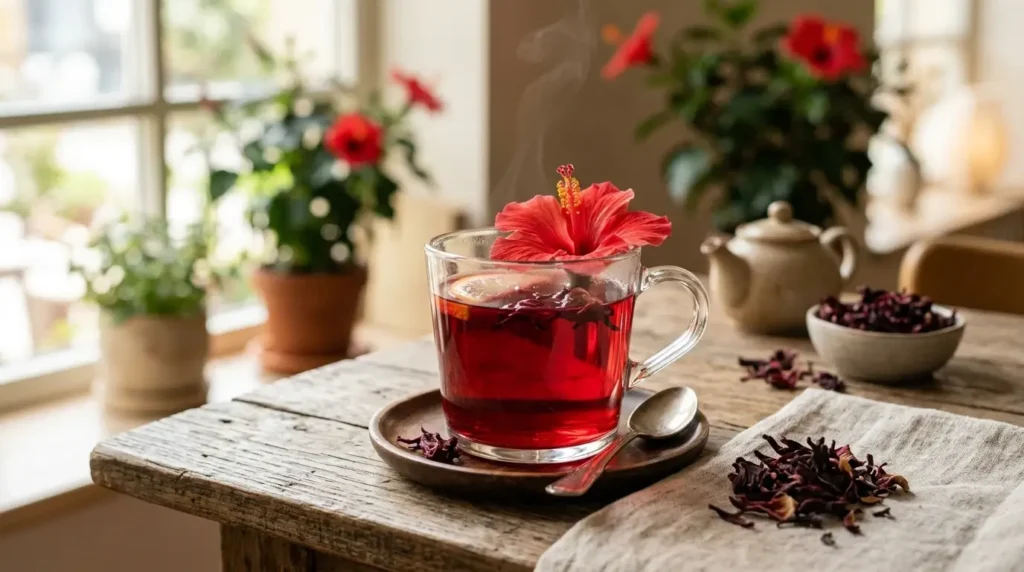
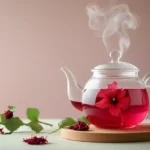
Making hibiscus tea is beautifully simple. Dried hibiscus calyces are steeped in hot water for 5 to 10 minutes, releasing a vivid ruby-red infusion with a cranberry-like tartness and natural floral notes. It’s equally delicious served hot or chilled as a cold brew. The intense color isn’t just striking — it signals the presence of anthocyanins, the powerful antioxidant pigments also found in blueberries, pomegranates, and red cabbage.
Why People Are Turning to Hibiscus Tea
Beyond its bold flavor, hibiscus tea has attracted serious attention from the wellness community for practical reasons. It’s naturally caffeine-free, exceptionally rich in antioxidants, and has been studied in clinical trials for a range of health benefits — from blood pressure support to anti-inflammatory effects and, increasingly, its potential for calming the nervous system.
As more people seek plant-based, low-risk alternatives to over-the-counter stress remedies, hibiscus tea is earning a well-deserved place in the conversation.
Does Hibiscus Tea Relax You? What Science Says
The Role of Antioxidants in Stress Reduction
Chronic stress generates what scientists call oxidative stress — a state where free radicals accumulate faster than the body can neutralize them. This oxidative burden manifests as fatigue, anxiety, inflammation, and impaired mood regulation. Hibiscus tea is one of the most antioxidant-dense herbal teas available, with vitamin C and anthocyanins working together to combat this damage at the cellular level.
While antioxidant action isn’t the same as sedation, reducing the body’s overall oxidative burden can meaningfully lower the physiological expression of stress — leaving you feeling more balanced, less reactive, and calmer over time.
How Hibiscus Affects the Nervous System
Here’s where the science gets particularly interesting. Several studies suggest that hibiscus contains compounds that interact directly with the central nervous system. Research published in the Journal of Ethnopharmacology demonstrated that hibiscus extracts exhibit anxiolytic (anti-anxiety) properties, likely through modulation of GABA receptors.
GABA — gamma-aminobutyric acid — is the brain’s primary inhibitory neurotransmitter. When GABA activity is high, neural excitability decreases, producing a quieting, calming effect throughout the nervous system. It’s the same receptor system targeted by many prescription anti-anxiety medications and natural compounds like valerian and lemon balm. That hibiscus may engage this pathway is a significant finding.
Research on Hibiscus and Anxiety
Human research is still catching up with animal studies, but the available evidence is encouraging. One study found associations between hibiscus tea consumption and reduced self-reported anxiety in adult participants. Another body of research links hibiscus’s well-documented ability to lower blood pressure — a direct physiological marker of acute stress — with broader stress-modulating effects.
The takeaway: hibiscus tea won’t sedate you, but it appears to offer a genuine, multi-mechanism calming effect that distinguishes it from many other herbal teas.
Anthocyanins are the headline act in hibiscus — and they deserve the billing. These water-soluble pigments are responsible for the tea’s dramatic red color, but their job doesn’t stop at aesthetics. Anthocyanins are among the most potent antioxidants found in the plant kingdom, linked in research to improved mood, better cognitive function, and support for healthy dopamine pathways — neurotransmitter systems at the heart of emotional wellbeing and stress regulation.
Flavonoids and the Relaxation Response
Hibiscus is also rich in flavonoids, a broad class of plant compounds with anti-inflammatory and neuroprotective properties. Two flavonoids of particular note in hibiscus are quercetin and kaempferol, both of which have been studied for their ability to reduce neuroinflammation — a factor now increasingly linked to depression, anxiety, and stress susceptibility.
Neuroinflammation essentially raises the brain’s stress “set point,” making you more reactive to everyday challenges. Flavonoids that calm this inflammation can gradually create a more resilient, less stressed nervous system.
Magnesium and the Stress Response
While hibiscus tea isn’t a concentrated source of minerals, it contains trace amounts of magnesium — a nutrient that plays a crucial role in the body’s stress response. Magnesium helps regulate the hypothalamic-pituitary-adrenal (HPA) axis, the central command system for the stress response. Even modest magnesium intake, combined with hibiscus’s other bioactive compounds, may contribute to a compounding calming effect with regular consumption.
Other Health Benefits of Hibiscus Tea
Blood Pressure and Cardiovascular Support
Of all hibiscus tea’s documented benefits, its effect on blood pressure is the most robustly studied. Multiple clinical trials — including a landmark study published in the Journal of Nutrition — found that drinking three cups of hibiscus tea daily significantly reduced systolic blood pressure in adults with mild hypertension. Because chronic stress and high blood pressure are deeply linked — each one feeding the other — hibiscus tea’s cardiovascular benefits are directly relevant to its calming effects.
Antioxidant and Anti-Inflammatory Properties
Hibiscus tea ranks among the highest-antioxidant herbal teas available, performing comparably to green tea in certain analyses. Its anti-inflammatory polyphenols help reduce systemic inflammation throughout the body — inflammation that, left unchecked, has been linked not just to physical disease but to anxiety, depression, and mood dysregulation. A daily cup of hibiscus tea is a simple, enjoyable way to flood your system with plant-based protection.
Digestive Health and the Gut-Brain Axis
Hibiscus contains organic acids — including citric, malic, and tartaric acids — that support healthy digestion and exhibit mild antimicrobial properties. This matters more than it might initially seem. The gut-brain axis is a well-established bidirectional communication pathway: a calm, well-functioning gut supports emotional balance, while gut distress amplifies stress and anxiety. By supporting digestive health, hibiscus tea indirectly supports mental calm.
Hibiscus Tea vs. Other Calming Teas
Hibiscus vs. Chamomile
Chamomile is the long-reigning king of calming herbal teas, and for good reason. Its key compound, apigenin, binds directly to GABA receptors and promotes drowsiness, making chamomile especially effective as a sleep aid. Hibiscus doesn’t match chamomile’s direct sedative power — but it counters with superior antioxidant density, blood pressure benefits, and a more complex flavor profile. For sleep: chamomile wins. For daytime calm and overall wellness: hibiscus is a compelling, caffeine-free alternative.
Hibiscus vs. Lavender Tea
Lavender tea is beloved for its mood-lifting aromatics and anxiolytic properties, with research — particularly around lavender’s active compound linalool — pointing to GABA-pathway interactions similar to hibiscus. However, hibiscus brings significantly broader antioxidant and cardiovascular benefits to the table. Many skilled tea blenders combine both: hibiscus-lavender blends offer a gorgeous balance of aromatherapy and phytochemical potency that is hard to beat for evening unwinding.
Hibiscus vs. Green Tea
Green tea’s star relaxation compound is L-theanine, an amino acid that promotes “alert calm” — a state of relaxed focus without drowsiness — making it excellent for daytime productivity. Hibiscus, being caffeine-free, is better suited to evenings or for people who are caffeine-sensitive. Think of them as complementary: green tea for calm focus during the day; hibiscus for gentle, caffeine-free wind-down at night.
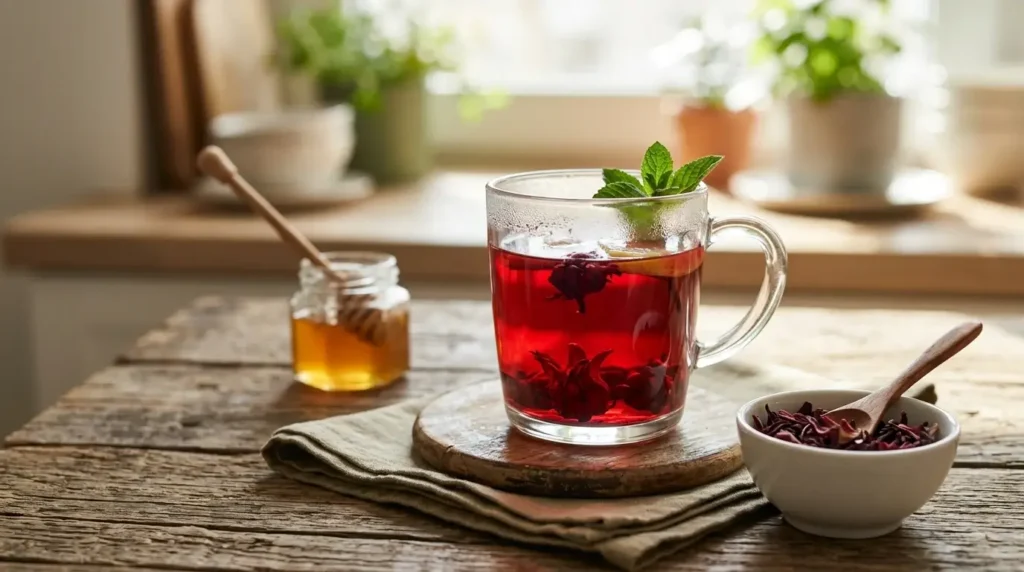
Hot brew (best for evening calm): Steep 1–2 teaspoons of dried hibiscus calyces in 8 oz (240 ml) of just-off-the-boil water — around 90–95°C (194–203°F) — for 5 to 7 minutes. The heat extracts anthocyanins quickly and creates a warming, soothing infusion. Sweeten with a drizzle of raw honey or add a cinnamon stick for depth and additional anti-inflammatory action.
Cold brew (best for all-day sipping): Add 2 tablespoons of dried hibiscus calyces to 4 cups of cold filtered water. Cover and refrigerate for 6 to 12 hours. Cold brewing produces a smoother, less sharp flavor profile and preserves heat-sensitive vitamin C better than hot water extraction. This is ideal for a gentle, ongoing antioxidant and calming effect throughout the day.
Best Time of Day to Drink Hibiscus Tea
Evening (1–2 hours before bed): Hibiscus’s caffeine-free, mildly calming nature makes it a perfect pre-sleep ritual. Pair it with a few minutes of quiet reading or mindful breathing to amplify the effect.
Afternoon (3–5 PM): Use hibiscus tea as a healthy, antioxidant-rich alternative to an afternoon coffee. It avoids the post-caffeine crash while offering a pleasant mood lift.
Morning: Starting the day with a cup of hibiscus provides a potent antioxidant boost without the jittery edge of caffeine — particularly useful for those dealing with morning anxiety.
Hibiscus Tea Blends for Enhanced Calm
Want to amplify hibiscus’s relaxing properties? These evidence-informed blends are worth trying:
Hibiscus + Chamomile: The ultimate pre-bedtime blend. Hibiscus contributes antioxidants and tartness; chamomile brings direct GABA-mediated sedation. A perfect combination.
Hibiscus + Rose Petals: Floral, elegant, and mood-lifting. Rose has mild anxiolytic and antidepressant properties in traditional use.
Hibiscus + Lemon Balm: Lemon balm has well-documented GABA-modulating and cortisol-reducing effects. Together with hibiscus, it forms a genuinely powerful calming combination.
Hibiscus + Ginger: A warming, anti-inflammatory blend that eases physical tension, supports digestion, and adds a comforting spice to the tartness of hibiscus.
💡 Relaxation Tip: The ritual of brewing tea is itself a calming practice. Turn off screens, boil the kettle with intention, inhale the floral steam as the tea steeps, and sit quietly with your cup for a few minutes before drinking. You may find the calm begins before you even take the first sip.
Frequently Asked Questions About Hibiscus Tea and Relaxation
Can I drink hibiscus tea every day?
Yes, most healthy adults can safely enjoy 2 to 3 cups of hibiscus tea per day. The clinical research on blood pressure benefits was conducted with daily consumption over several weeks, with no significant adverse effects reported. However, because hibiscus can lower blood pressure, people already taking antihypertensive medication should consult their physician before consuming large daily amounts.
Does hibiscus tea help with sleep?
Hibiscus tea can support sleep indirectly by reducing the physiological markers of stress — particularly elevated blood pressure and oxidative tension — that often disrupt sleep onset. It’s caffeine-free and mildly calming, making it a sensible pre-bedtime choice. That said, it’s not a direct sedative the way chamomile or valerian root are. For the most effective sleep-supporting blend, combine hibiscus with chamomile or lemon balm in your evening ritual.
Are there any side effects of hibiscus tea?
Hibiscus tea is generally very safe for healthy adults. A few considerations to be aware of:
Blood pressure interaction: Hibiscus may potentiate the effects of antihypertensive medications. Avoid excessive consumption if you’re already on blood pressure treatment.
Possible hormonal interaction: Some studies suggest hibiscus may have mild estrogen-modulating effects. Those on hormonal therapies should consult a healthcare provider.
Dental enamel: Hibiscus tea is naturally acidic, which over time can affect tooth enamel. Drinking through a straw or rinsing your mouth with water afterward is a simple precaution.
How quickly does hibiscus tea work for relaxation?
Hibiscus tea works subtly rather than dramatically. Most people notice a gentle sense of calm within 20 to 30 minutes of drinking a warm cup — likely driven by the warmth itself, the ritual, and the initial absorption of bioactive compounds. The deeper benefits — improved stress resilience, lower basal blood pressure, reduced oxidative burden — build with consistent daily consumption over several weeks. Think of it as a long-game wellness tool, not a fast-acting sedative.
Is hibiscus tea safe during pregnancy?
This requires caution. Some research indicates that hibiscus may have uterotonic properties — meaning it could stimulate uterine contractions — which is why many healthcare providers advise pregnant women to avoid it, especially in larger amounts. Always consult your doctor or midwife before drinking hibiscus tea during pregnancy or while breastfeeding.
Can hibiscus tea help with anxiety?
Hibiscus tea is not a replacement for professional treatment of clinical anxiety disorders. However, as a complementary lifestyle tool, it may genuinely help manage mild, everyday anxiety through its antioxidant, anti-inflammatory, and potential GABA-modulating properties. It works best when paired with other evidence-based stress-reduction practices such as regular exercise, adequate sleep, mindful breathing, and a balanced diet.
Final Thoughts — Make Hibiscus Tea Your Daily Calm Ritual
So, does hibiscus tea relax you? The answer is a grounded, evidence-backed yes — with nuance. It won’t sedate you the way a sleep aid might, and it’s no substitute for medical care if you’re dealing with serious anxiety. But hibiscus tea is a genuinely functional calming drink, backed by real science: rich in antioxidants that reduce oxidative stress, containing compounds that appear to engage GABA pathways, and demonstrably effective at lowering blood pressure — one of the body’s primary stress signals.
Beyond the biochemistry, there’s something to be said for the ritual itself. Pausing the day’s chaos, brewing a pot of deep crimson tea, wrapping your hands around a warm cup, and breathing slowly — that’s the kind of calm that science and centuries of human wisdom agree on.
Whether you’re winding down after a demanding day, looking for a caffeine-free afternoon ritual, or simply curious about what this remarkable plant can do for you, hibiscus tea is a smart, delicious, and evidence-supported place to start. Brew a cup tonight. Your nervous system will thank you.
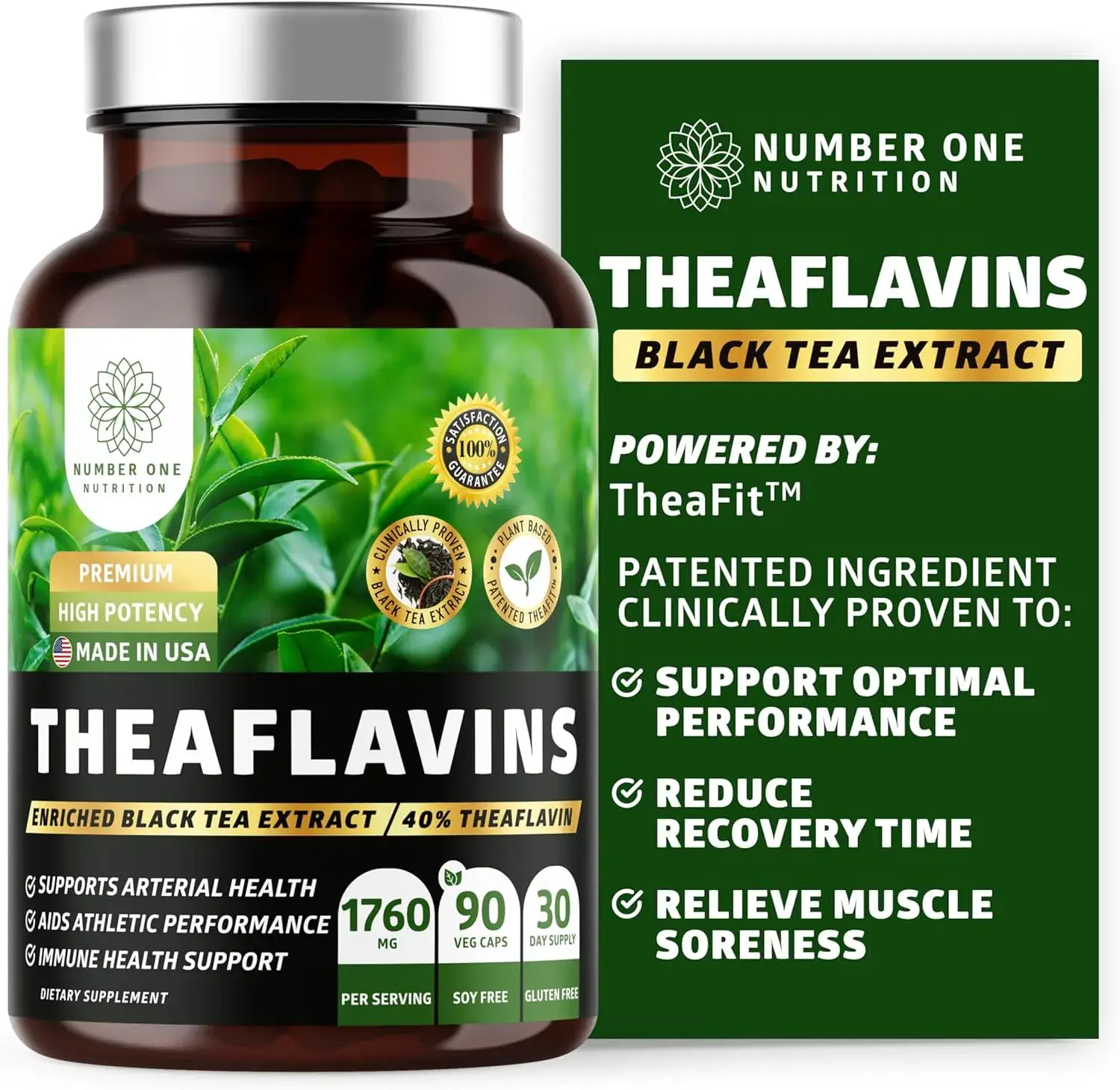
Black Tea Extract that is rich in natural theaflavins and polyphenols that help protect your body from free radicals, promoting overall immune health and well-being
Contains blended amounts of Fruits and Veggies. All natural, with whole foods, fruit and vegetable supplement.Perfect for everyone looking to live a healthier lifestyle.