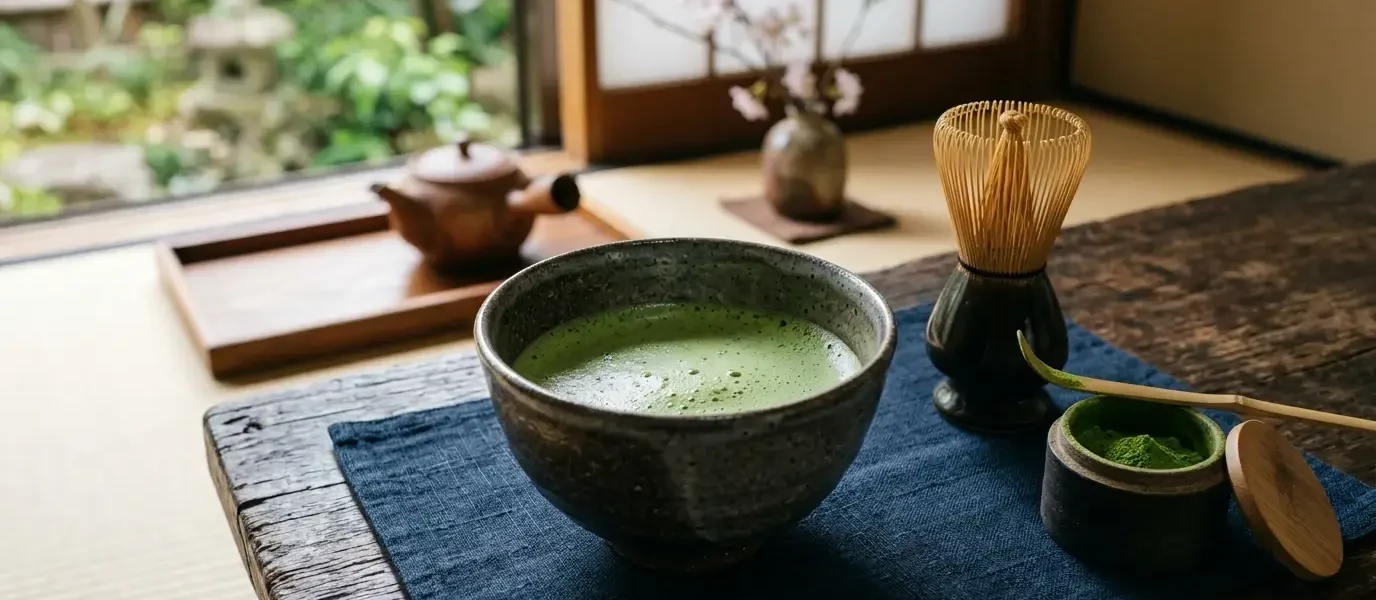
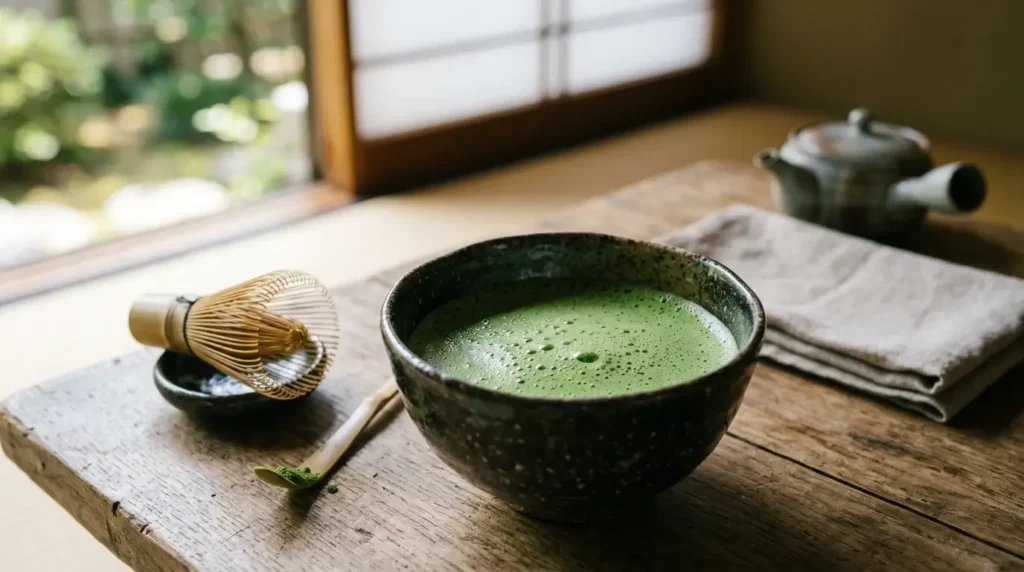
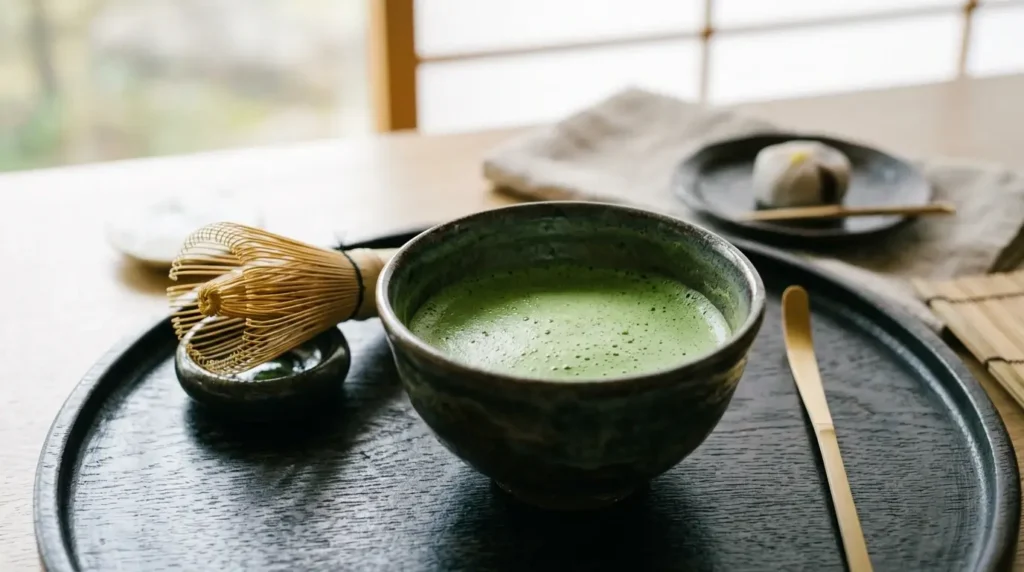
Matcha has gone from a centuries-old Japanese ceremony staple to a global wellness phenomenon — and for good reason. Beyond its vibrant green color and earthy flavor, matcha is packed with compounds that may genuinely support cardiovascular health. But when it comes to matcha tea and blood pressure, the story is nuanced. The same cup that may help relax your blood vessels also contains caffeine that can temporarily push readings up.
This guide digs into the science to give you a clear, honest picture: what matcha can do for blood pressure, how much you need, and who should approach it with caution.
What Makes Matcha Different from Regular Green Tea
The Shade-Growing Process and Nutrient Concentration
Matcha comes from the same plant as regular green tea — Camellia sinensis — but the way it is grown sets it apart entirely. For the final three to four weeks before harvest, the tea plants are shaded from direct sunlight. This triggers a dramatic increase in chlorophyll and L-theanine production, giving matcha its distinctive deep green color and a more complex, umami-forward flavor profile.
Because you consume the entire leaf ground into a fine powder — rather than steeping and discarding the leaves — you ingest a far higher concentration of every bioactive compound matcha contains. Gram for gram, matcha delivers roughly 3 to 10 times the antioxidant content of brewed green tea.
Key Bioactive Compounds in Matcha
The cardiovascular effects of matcha trace back to a handful of active compounds working together:
Epigallocatechin gallate (EGCG): The most studied catechin in green tea, linked to vasodilation and reduced arterial stiffness.
L-theanine: An amino acid almost exclusive to tea plants, known for promoting calm alertness and counteracting caffeine’s stimulant edge.
Caffeine: Present in moderate amounts; creates a gentler, more sustained energy lift compared to coffee.
Chlorophyll: Contributes anti-inflammatory properties and supports detoxification pathways.
Quercetin: A flavonoid with antihypertensive potential studied in multiple clinical trials.
Why Whole-Leaf Powder Matters for Health Benefits
When you drink brewed green tea, a significant portion of the water-insoluble compounds — including certain catechins — remain trapped in the discarded leaves. With matcha, those compounds end up in your cup. This is not a minor difference; studies comparing matcha to standard green tea extracts consistently find higher bioavailability of EGCG and other polyphenols in matcha drinkers. For blood pressure research specifically, this higher bioavailability is what makes matcha a meaningful subject of study.
The Science Behind Matcha Tea and Blood Pressure
EGCG and Vasodilation
EGCG is the most pharmacologically active catechin in matcha, and its effect on blood vessels is one of the most studied areas in cardiovascular nutrition. Research shows that EGCG stimulates the production of nitric oxide (NO) in the endothelium — the thin layer of cells lining blood vessels. Nitric oxide causes blood vessel walls to relax and widen, a process called vasodilation, which directly reduces vascular resistance and lowers blood pressure.
A 2020 meta-analysis published in Medicine reviewed 25 randomized controlled trials on green tea catechins and found a statistically significant reduction in both systolic and diastolic blood pressure, particularly in hypertensive or pre-hypertensive participants. The effect size was modest — roughly 1.8 mmHg systolic — but consistent across studies, suggesting a real physiological mechanism rather than chance.
L-Theanine’s Role in Reducing Stress-Induced Hypertension
High blood pressure doesn’t always come from arterial stiffness alone. Stress and anxiety are major triggers for short-term blood pressure spikes, and chronic stress contributes to long-term hypertension. This is where L-theanine offers something genuinely useful.
L-theanine increases alpha brain wave activity, associated with a state of calm, focused alertness — the feeling of being relaxed but mentally sharp. It also modulates the release of neurotransmitters including GABA, serotonin, and dopamine. Research from Japan has demonstrated that L-theanine supplementation can blunt the cardiovascular response to psychological stressors, leading to lower blood pressure during stress-triggering situations. In matcha, L-theanine is present at concentrations 5 times higher than in standard brewed green tea — a meaningful difference for stress-related blood pressure management.
What Clinical Studies Show
The evidence base for matcha tea and blood pressure specifically (rather than green tea extracts in general) is still developing, but several key findings are worth noting:
A 2018 study in Nutrients found that daily consumption of matcha over 12 weeks improved measures of arterial stiffness in middle-aged adults.
A systematic review in the European Journal of Preventive Cardiology concluded that habitual green tea consumption was associated with a 35% lower risk of cardiovascular disease events — a finding likely driven in part by blood pressure effects.
A crossover trial from Wageningen University found that three cups of green tea daily led to a measurable reduction in blood pressure in a healthy adult population over just four weeks.
While none of these studies use matcha exclusively, the higher bioavailability of matcha’s active compounds suggests its effects should be at least as strong — if not stronger — than those observed with standard green tea.
How Matcha’s Caffeine Content Affects Blood Pressure
Caffeine and Short-Term Blood Pressure Spikes
Here’s the counterpoint that deserves honest discussion: caffeine raises blood pressure — temporarily. It works by blocking adenosine receptors, which normally help widen blood vessels. The result is a short-term increase in systolic pressure of 8–10 mmHg and diastolic pressure of 5–6 mmHg in people who are not regular caffeine consumers. For regular caffeine drinkers, the effect is much smaller due to tolerance.
A standard serving of matcha (1 gram of powder, or roughly ¾ teaspoon) contains around 35–70 mg of caffeine — similar to half a cup of coffee. A double-strength ceremonial-grade serving may reach 100 mg. This is enough to produce a temporary spike in people who are caffeine-sensitive or who have medication-managed hypertension.
Why Matcha Is Different from Coffee
The critical distinction is that matcha’s caffeine does not act alone. The L-theanine in matcha — present in a roughly 2:1 ratio with caffeine — modulates the stimulant effect. Multiple studies confirm that the combination of caffeine and L-theanine produces a calmer, more sustained energy than caffeine alone, with attenuated cardiovascular stimulation. In other words, the same amount of caffeine in matcha is less likely to spike blood pressure than the equivalent dose in coffee, precisely because L-theanine works as a physiological buffer.
Tolerance, Timing, and Moderation
For most healthy adults, any caffeine-related blood pressure rise from matcha is transient — returning to baseline within one to three hours. To minimize even temporary spikes, consider these practical steps:
Avoid drinking matcha within 30 minutes of taking blood pressure readings (if you self-monitor).
Don’t consume matcha on an empty stomach; food slows caffeine absorption and smooths out the curve.
Stick to one to two servings per day to stay well within safe ranges for both caffeine and EGCG.
If you’re caffeine-sensitive, opt for a thinner preparation (usucha) with less powder per serving.
Other Cardiovascular Benefits of Matcha Tea
Cholesterol and Arterial Health
Blood pressure rarely exists in isolation as a cardiovascular concern — it tends to travel alongside elevated LDL cholesterol and arterial inflammation. Matcha addresses both. EGCG has been shown to inhibit the oxidation of LDL cholesterol, which is the process that leads to arterial plaque buildup (atherosclerosis). A 2011 meta-analysis in the American Journal of Clinical Nutrition found that green tea consumption significantly lowered LDL cholesterol without reducing beneficial HDL levels.
Antioxidant Protection Against Oxidative Stress
Oxidative stress — an imbalance between free radicals and antioxidants in the body — damages blood vessel walls and is a major driver of hypertension and heart disease. Matcha’s ORAC (Oxygen Radical Absorbance Capacity) score is among the highest of any food tested, roughly 15 times that of blueberries. The catechins and other polyphenols in matcha neutralize reactive oxygen species before they can impair endothelial function, essentially protecting the vascular system from within.
Anti-Inflammatory Effects on Blood Vessel Walls
Chronic low-grade inflammation contributes to arterial stiffness and hypertension. Matcha’s polyphenols — particularly EGCG and quercetin — suppress inflammatory cytokines such as TNF-α and IL-6. By reducing this inflammatory baseline, matcha helps keep blood vessel walls flexible and responsive to blood pressure regulation signals. This is the same mechanism behind much of the cardiovascular benefit seen with a Mediterranean diet, just delivered via a cup of tea.
How Much Matcha Should You Drink for Blood Pressure Benefits?
Daily Intake
Likely Effect on Blood Pressure
Caffeine Load
Best For
½ tsp (1g) — 1 cup
Mild vasodilatory support
~35–50 mg
Caffeine-sensitive individuals
1 tsp (2g) — 1–2 cups
Moderate benefit; supported by research
~70–100 mg
Most healthy adults
1.5–2 tsp (3–4g) — 2–3 cups
Stronger catechin intake; may approach saturation
~100–140 mg
Active, non-sensitive adults; split across day
More than 4g/day
Diminishing returns; potential liver stress
Over 150 mg
Not recommended for regular use
Recommended Daily Intake
The research-supported sweet spot for matcha and blood pressure benefits appears to be one to two cups per day, prepared with 1–2 grams of powder each. This delivers a meaningful dose of EGCG (roughly 50–100 mg) and L-theanine (around 40–80 mg) without pushing caffeine into ranges that could cause concern. Japanese traditional consumption — the population with the strongest epidemiological data on tea and cardiovascular health — typically falls in this one-to-three-cup-per-day range.
Best Time to Drink Matcha
Timing matters more than most people realize. The ideal windows for matcha consumption from a blood pressure perspective are:
Mid-morning (10–11 AM): Cortisol levels are dropping from their morning peak, and a cup of matcha can smooth the transition without adding cardiovascular stimulation.
Early afternoon (1–3 PM): Pairs well with meals and avoids disrupting evening sleep, which is critical for healthy blood pressure regulation.
Before meditation or light exercise: L-theanine promotes relaxed focus — ideal for practices that also lower blood pressure.
Avoid matcha within two hours of bedtime, as caffeine interference with sleep quality ultimately counteracts any blood pressure benefits.
Preparation Methods That Preserve Potency
How you prepare matcha affects how much of its active compounds reach your bloodstream. Key tips:
Use water at 70–80°C (158–176°F), not boiling — temperatures above 90°C degrade EGCG significantly.
Sift the powder before whisking to avoid clumping, which reduces surface area for dissolution.
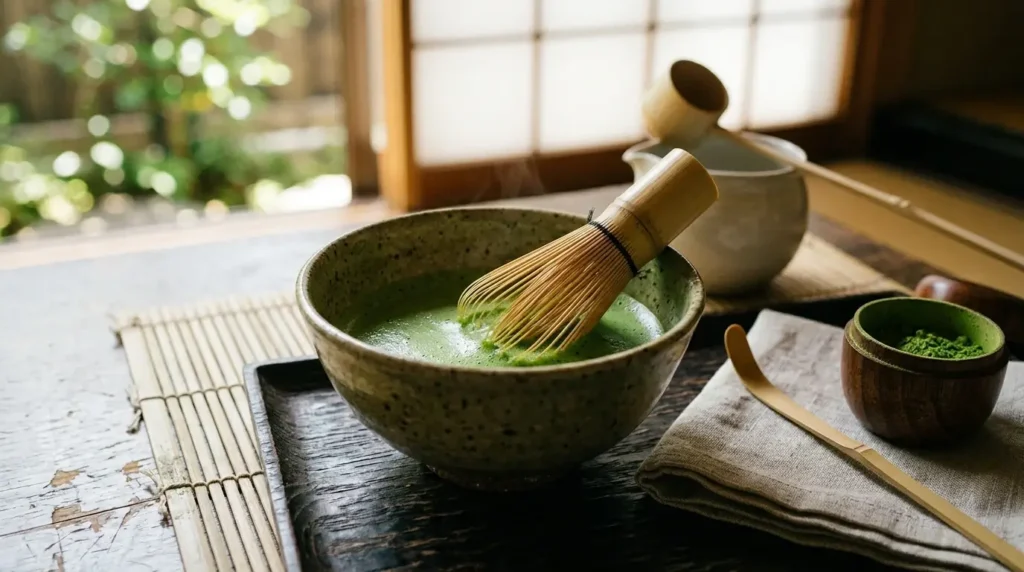
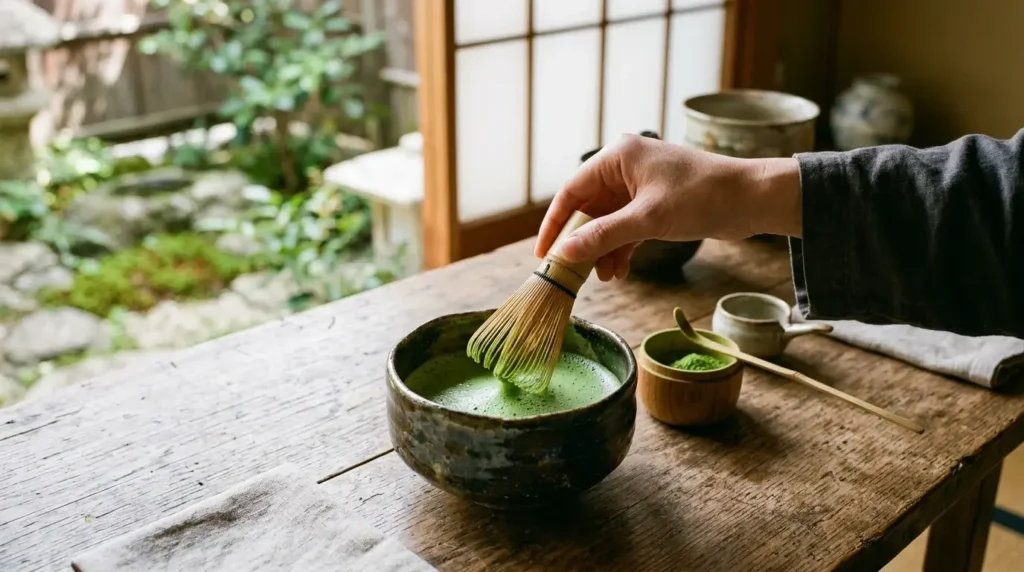
A bamboo chasen (whisk) creates a finer foam and better emulsification of the powder’s compounds than a spoon or blender.
Avoid adding excess milk if the primary goal is blood pressure support; casein proteins in dairy can bind to catechins and reduce bioavailability.
Who Should Be Cautious About Matcha and Blood Pressure
⚠️ Important: If you are currently taking medication for high blood pressure, consult your doctor before adding matcha to your daily routine. While matcha is generally safe, interactions are possible.
People on Blood Pressure Medications
Matcha can interact with several classes of antihypertensive drugs. EGCG is known to inhibit certain liver enzymes involved in drug metabolism — particularly CYP3A4 — which may affect how your body processes calcium channel blockers, beta-blockers, and ACE inhibitors. Additionally, because matcha itself has a mild blood-pressure-lowering effect, combining it with medication could theoretically push readings lower than intended. This is not a reason to avoid matcha entirely, but it is a conversation to have with your prescribing physician.
Caffeine-Sensitive Individuals
Some people — particularly those with a specific variant of the CYP1A2 gene — metabolize caffeine slowly. For these individuals, even the moderate caffeine in matcha can produce exaggerated cardiovascular responses, including elevated heart rate and blood pressure. If you notice palpitations, jitteriness, or sustained blood pressure increases after drinking matcha, reduce your serving size or consider decaffeinated green tea as an alternative.
Pregnant Women and Those with Liver Conditions
During pregnancy, caffeine intake should generally be limited to under 200 mg per day (some guidelines say 100 mg). One to two cups of matcha falls within this range, but adds to caffeine from other sources. High-dose EGCG supplements — not typical dietary matcha — have been associated with rare cases of hepatotoxicity (liver toxicity). People with existing liver disease should be particularly conservative with matcha intake and seek medical guidance before regular use.
Ready to Make Matcha Part of Your Heart-Health Routine?
Start with one cup of high-quality ceremonial-grade matcha each morning. Be consistent for at least four weeks — that’s the timeframe most research uses to detect measurable changes in blood pressure markers.
Frequently Asked Questions About Matcha Tea and Blood Pressure
Does matcha tea lower blood pressure?
Matcha can contribute to modest blood pressure reductions over time, primarily through EGCG’s vasodilatory effect (stimulating nitric oxide production) and L-theanine’s stress-reducing properties. Clinical studies on green tea catechins consistently show reductions of 1–3 mmHg in systolic and diastolic pressure in adults with elevated readings. Matcha, with higher bioavailability of these compounds, is likely to produce comparable or stronger effects — though it should be seen as a supportive strategy, not a replacement for medication or lifestyle changes.
Can matcha raise blood pressure?
Temporarily, yes — primarily due to its caffeine content. For caffeine-naive individuals or those with high caffeine sensitivity, a cup of matcha can raise systolic blood pressure by 5–10 mmHg for up to two hours. For regular caffeine consumers, this effect is largely attenuated. The L-theanine in matcha partially offsets caffeine’s cardiovascular stimulation, making the temporary increase milder than an equivalent dose of coffee. Long-term habitual consumption is associated with lower, not higher, blood pressure levels.
How long does it take for matcha to affect blood pressure?
Acute effects (such as caffeine-related changes) appear within 30–60 minutes of consumption and typically resolve within 1–3 hours. Long-term cardiovascular benefits — including reduced arterial stiffness and improved endothelial function — generally become measurable after 4–12 weeks of daily consumption, based on clinical trial durations. Consistency is key; sporadic consumption is unlikely to yield the sustained improvements seen in habitual tea drinkers.
How many cups of matcha per day is ideal for blood pressure?
One to two cups daily appears to be the optimal range for most adults. This delivers enough EGCG and L-theanine to support vascular health without excessive caffeine intake. Consuming more than three cups per day provides diminishing returns on cardiovascular benefit while increasing the risk of side effects such as insomnia, digestive discomfort, and (with very high intake over time) potential strain on liver detoxification pathways.
Is matcha better than regular green tea for blood pressure?
Likely yes, due to its significantly higher EGCG concentration and whole-leaf bioavailability. Because you consume the entire ground leaf rather than a water infusion, you ingest more of the active compounds per gram of tea. A single cup of matcha is estimated to deliver the nutritional equivalent of 10 cups of brewed green tea in terms of antioxidant content. For blood pressure purposes, this means you can achieve a meaningful dose with fewer cups.
Can I drink matcha if I am on blood pressure medication?
Possibly, but only with your doctor’s guidance. Matcha can interact with antihypertensive drugs by influencing liver enzyme activity (particularly CYP3A4), which affects drug metabolism and efficacy. The mild hypotensive effect of matcha may also combine with medication to lower blood pressure more than intended. This is not a blanket contraindication, but it is something to discuss with your prescribing physician before making matcha a daily habit.
Final Thoughts
The relationship between matcha tea and blood pressure is genuinely promising — but it requires realistic expectations. Matcha is not a substitute for antihypertensive medication, and no single food will reverse years of vascular stress on its own. What matcha can do is contribute meaningfully to a cardiovascular-healthy lifestyle through multiple overlapping mechanisms: EGCG-driven vasodilation, L-theanine-mediated stress reduction, LDL protection, and broad antioxidant and anti-inflammatory support.
For most healthy adults, one to two cups of high-quality matcha per day is a low-risk, evidence-supported habit that complements a heart-healthy diet and regular physical activity. Those with diagnosed hypertension, caffeine sensitivity, or existing medication regimens should approach it with appropriate caution and medical guidance.
The ancient Japanese tea masters who turned matcha into a ritual understood something that modern science is now confirming: there is something genuinely nourishing about this small, quiet bowl of green. Whether or not you adopt the full ceremony, the health logic behind the habit is sound.
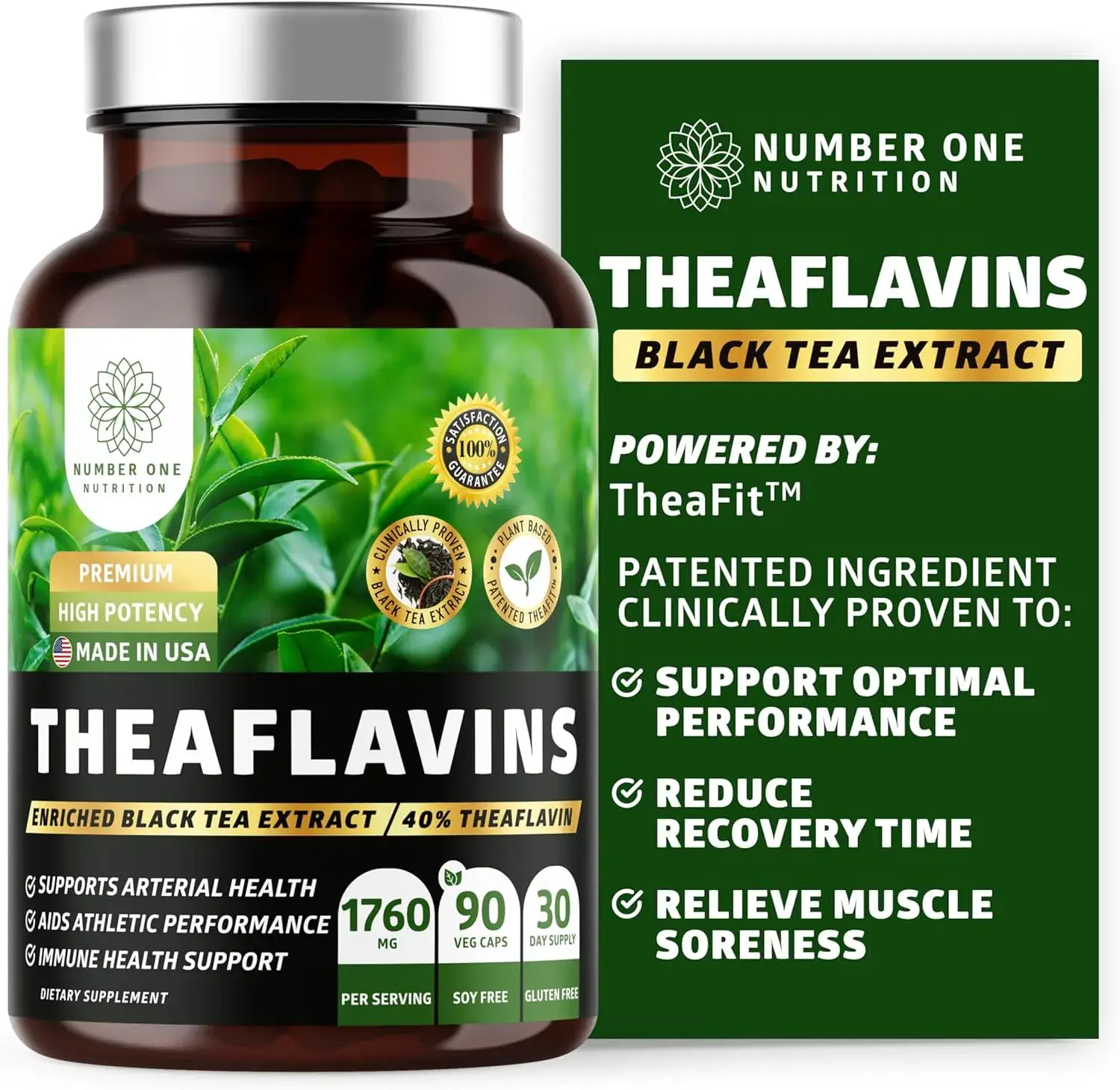
Black Tea Extract that is rich in natural theaflavins and polyphenols that help protect your body from free radicals, promoting overall immune health and well-being
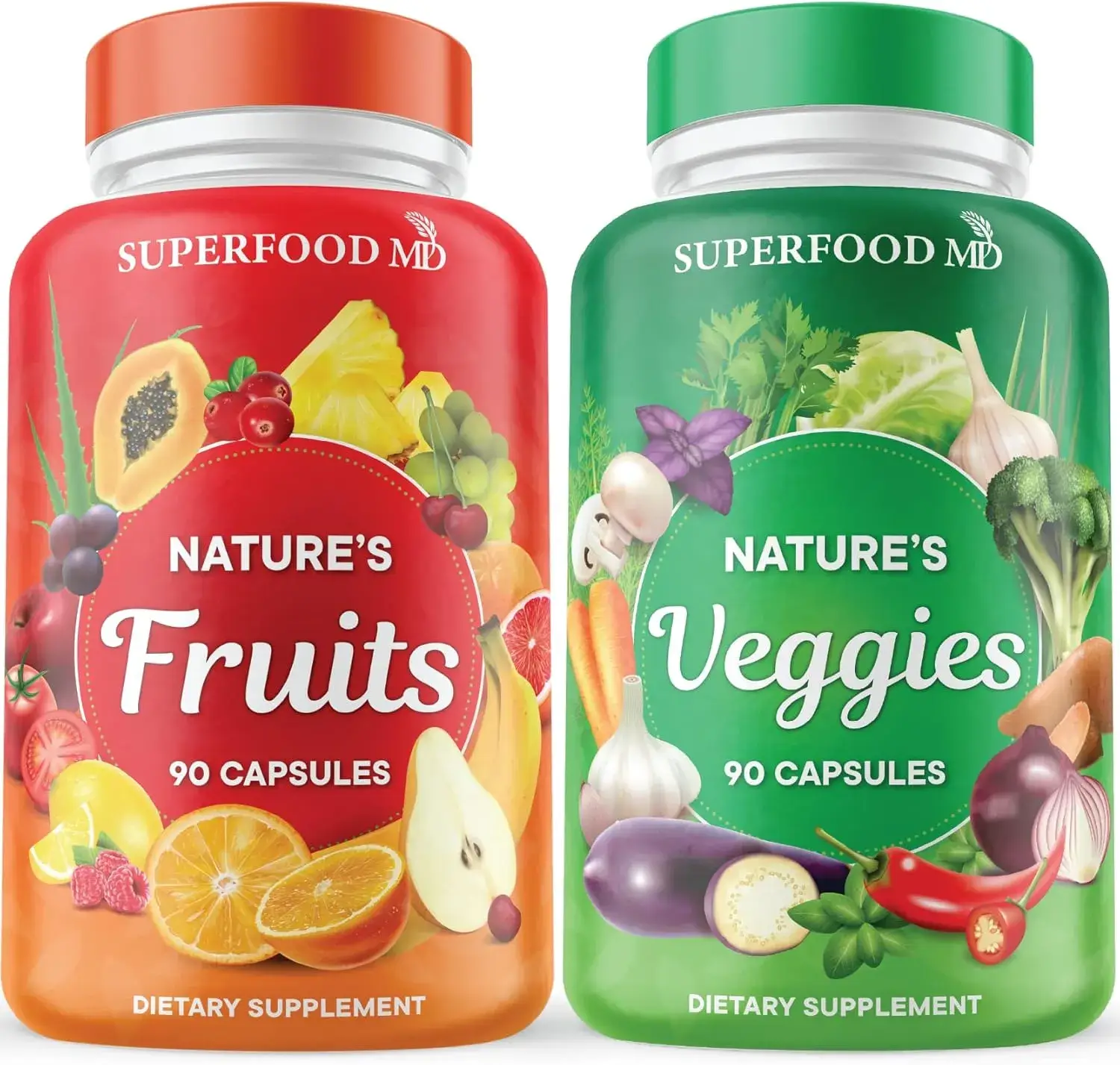
Contains blended amounts of Fruits and Veggies. All natural, with whole foods, fruit and vegetable supplement.Perfect for everyone looking to live a healthier lifestyle.