Ever wondered why some leaves get so much respect from tea lovers worldwide? You might think all teas come from the same place. But, the real story is much more delicate.
To understand what is considered a white tea, you need to know about its special processing. Unlike other teas, white teas are made from young leaves that are barely touched. This keeps their natural taste and aroma intact.
White tea is the most refined tea in the world. Learning about how it’s harvested will help you enjoy this sensory pleasure at home.
Key Takeaways
White tea undergoes the least amount of processing compared to other varieties.
The harvest focuses on young, tender buds often covered in fine silver hairs.
Minimal oxidation preserves the delicate, floral flavor profile of the leaves.
Proper brewing techniques are essential to unlock the full flavor of your tea.
This category is widely celebrated for its purity and high antioxidant content.
Defining the Essence of White Tea
Every cup of tea starts with a special plant. The world of tea might seem big, but it’s really simple at its core.
Knowing this helps you see why each tea is unique. It’s all about the natural state of the leaf, connecting you to the tea’s purity.
The Botanical Origins of Camellia Sinensis
The Camellia sinensis plant is at the heart of all true tea. This evergreen shrub is the only source of white, green, oolong, and black teas. Its character is shaped by its environment.
The specific type of plant greatly affects the tea’s taste. Things like soil, altitude, and climate change how the leaves grow.
Drinking high-quality tea lets you taste the plant’s environment. It absorbs its surroundings, making a unique flavor that shows where it’s from.
How Minimal Processing Defines the Category
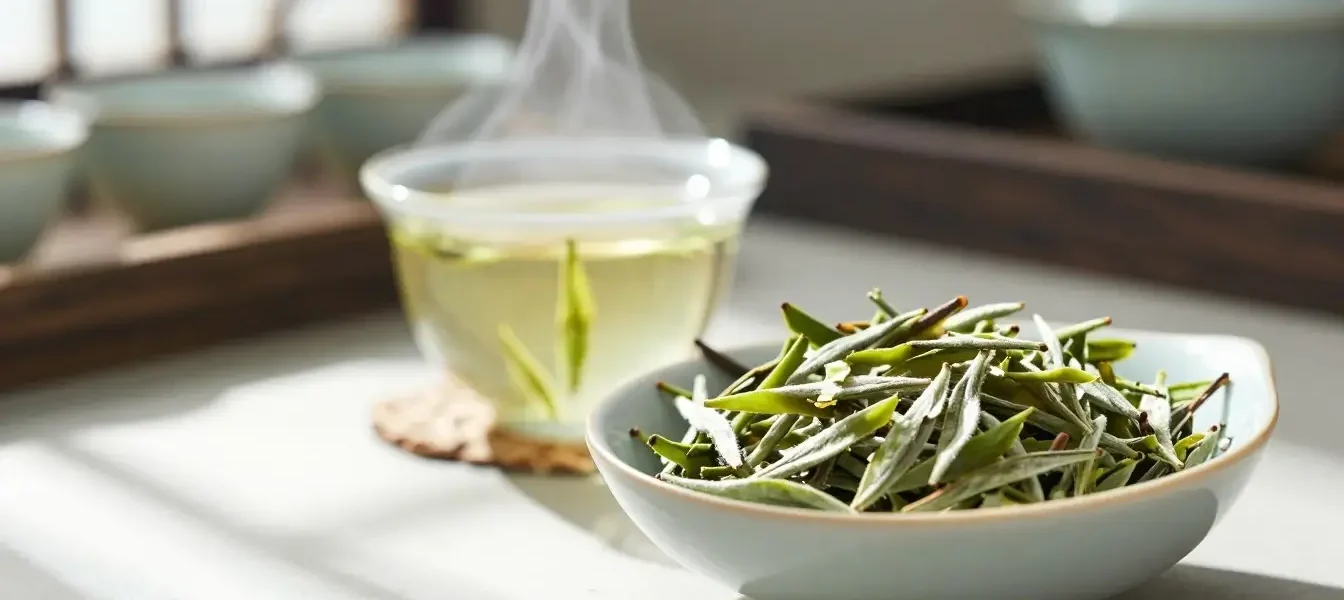
The magic of white tea is in its simplicity. Unlike others, white tea processing is very light.
This gentle method keeps the young leaves and buds intact. It avoids harsh steps, keeping the tea light and fresh.
This minimalist approach makes the tea clean and sweet. The leaves are just dried, keeping their freshness. This is hard to find in more processed teas.
What Is Considered a White Tea in the Global Market
Walking down the tea aisle can be confusing. Figuring out what is considered a white tea is tough. The global market has clear standards to ensure you get the real deal. These standards help spot high-quality, minimally processed leaves from fake ones.
Distinguishing White Tea from Green and Black Varieties
The main difference is in how the Camellia sinensis plant is treated after picking. Green tea is pan-fired or steamed to stop oxidation. White tea, on the other hand, is left to wither naturally.
This natural withering gives white tea a unique flavor. It’s lighter and more delicate than black tea.
When you compare white tea vs green tea, white tea looks more natural. It keeps its fuzzy appearance. Green tea is darker and more uniform because of heat. Black tea is fully oxidized, making it dark and robust.
The journey of a tea leaf from the branch to your cup is fascinating. It shows patience and precision. White tea production keeps the raw, natural plant intact. This simple process ensures the delicate flavors are preserved for you.
Harvesting Techniques and Timing
Timing is key for high-quality tea. Farmers go to the gardens in early spring. This is when the tender buds are just starting to open, giving the best flavor.
Workers carefully pick these buds by hand. They do this to avoid damaging the delicate leaves. This careful picking means only the best material ends up in your teapot. The tea stays sweet and refreshing because it’s picked young.
The Art of Natural Withering
After picking, the leaves go through withering. This stage is important because it lets the leaves dry slowly. Producers control the air and temperature to limit white tea oxidation to a minimum.
This slow drying turns the raw leaves into the complex, floral aromas you love. Because the leaves aren’t rolled or crushed, they keep their natural beauty.
Drying Methods for Preservation
After withering, the leaves need to be dried to keep them fresh. This final step removes moisture, preventing spoilage and keeping the flavor. If the leaves aren’t dried right, they can lose freshness or become bitter.
Producers use gentle heat or sun-drying to get it just right. This careful method keeps your tea vibrant and aromatic, even after months. Here’s a table showing the main steps of this traditional craft:
Process Stage
Primary Goal
Key Benefit
Harvesting
Select tender buds
Maximum sweetness
Withering
Reduce moisture
Control white tea oxidation
Drying
Stabilize leaves
Long-term freshness
Popular Varieties of White Tea
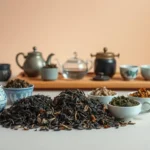
A beautifully arranged display of various types of white tea, featuring delicate silver needle tea leaves, fluffy white peony buds, and fragrant cake-style teas, elegantly presented on a rustic wooden table. In the foreground, a close-up shot captures the intricate silver hairs and pale green hues of the tea leaves, illuminated by soft, natural light spilling through a nearby window.
The middle ground includes a stylish tea pot and cups, showcasing steam rising gently to hint at the warmth of freshly brewed tea. In the background, subtle hints of a serene tea garden can be seen, with soft bokeh effects adding depth and a tranquil atmosphere. Overall, the image conveys a peaceful, inviting ambiance that invites exploration into the world of white tea.
White tea comes in many forms, from delicate buds to robust leaves. Each type offers a unique taste. Knowing about these varieties helps you enjoy the art of white tea production more.
Whether you like a light, floral tea or a deeper, earthier one, there’s a perfect match for you.
Silver Needle: The Premium Bud Selection
Silver Needle tea is known as the top quality white tea. It’s made from unopened, downy buds picked in early spring. This makes it very delicate and sweet.
“The finest silver needle is a testament to patience, capturing the very essence of the tea plant in its most pristine form.”
White Peony: Balancing Buds and Leaves
White Peony tea is great for those who like a more complex taste. It has one or two young leaves and a bud. This mix gives a fuller body than bud-only teas.
The leaves and buds together make a smooth, rich infusion. It’s loved by those who want a balanced tea experience.
Long Life Eyebrow: The Mature Leaf Experience
Long Life Eyebrow, or Shou Mei, is made from mature leaves picked later. It has a bold, woodier taste. It’s perfect for those who like a deeper flavor.
These larger leaves make a strong infusion that’s great for longer steeping. Many find it gets even better with age, adding more depth.
Variety
Composition
Flavor Profile
Silver Needle tea
Only Buds
Delicate, Sweet
White Peony tea
Buds & Young Leaves
Balanced, Floral
Long Life Eyebrow
Mature Leaves
Earthy, Robust
When picking a white tea, think about these differences:
Drinking white tea is like starting a journey through soft smells and smooth textures. It’s known for being gentle, a refreshing break from stronger teas. Exploring the white tea sensory characteristics helps you notice the fine differences in each tea.
Identifying Subtle Floral and Sweet Notes
The white tea flavor profile is light, airy, and sweet. You might taste hints of honeysuckle, fresh hay, or apricot. These flavors are delicate because the white tea leaves are processed lightly to keep their natural taste.
To enjoy these flavors, sip slowly and let the tea stay on your tongue. The sweetness is clean and crisp, leaving a nice finish. This makes trying different types of white tea a fun journey for tea lovers.
The Mouthfeel and Texture of High-Quality White Tea
The feel of the tea in your mouth is also important. Good tea has a silky or velvety texture that feels smooth. This comes from the high-quality, young buds used in the best teas.
When you make high-quality tea, the liquid should feel round and soft. A slight oiliness or a coating feel means the tea’s natural oils are present. This shows you’re drinking a well-made, carefully handled tea.
How Terroir Influences the Final Cup
The place where the tea grows, called terroir, greatly affects its taste. Things like the soil’s minerals, the garden’s altitude, and the local weather all impact it. Tea from high, misty mountains tastes brighter and more floral than tea from lower, warmer places.
These factors mean no two teas are the same. Knowing where your tea comes from helps you understand how the environment shaped it. This adds depth to your daily tea time.
Variety
Primary Aroma
Texture
Flavor Notes
Silver Needle
Fresh Honeysuckle
Silky and Light
Sweet, Melon, Hay
White Peony
Floral and Nutty
Velvety
Apricot, Honey, Earth
Long Life Eyebrow
Woody and Mellow
Full-bodied
Dried Fruit, Spice
Health Benefits and Nutritional Profile
Did you know your daily white tea can boost your health? It’s minimally processed, keeping lots of natural compounds. These compounds offer big white tea benefits for your body.
Antioxidant Content and Cellular Health
White tea is loved for its high white tea antioxidants, like catechins. These fight free radicals, harmful molecules that stress your cells.
“The secret to longevity and vitality often hides in the simplest of nature’s offerings, like a pure, unadulterated cup of white tea.”
Drinking this tea regularly gives your body a natural shield. It helps protect your cells, keeping you healthy and full of energy for a long time.
Caffeine Levels Compared to Other Teas
Many are concerned about caffeine intake. But white tea has very little, making it perfect for a calm energy boost. It avoids the jitters you might get from coffee or black tea.
Tea Variety
Caffeine Level
Processing Level
White Tea
Very Low
Minimal
Green Tea
Low to Moderate
Low
Black Tea
Moderate to High
High
White tea leaves are picked young, so they have less caffeine than darker teas. You can enjoy it in the afternoon without worrying about sleep.
Potential Impacts on Skin and Metabolic Wellness
The white tea health properties also benefit your skin and metabolism. Its anti-inflammatory properties can soothe your skin and protect it from harm. This leads to clearer, brighter skin.
Also, white tea may help your metabolism. It naturally aids in nutrient processing, supporting a healthy lifestyle.
Mastering the Art of Brewing
Learning to brew white tea is key to enjoying its delicate flavors. Knowing how to brew white tea right lets you bring out the best in each leaf. With a few simple steps, you can make every cup perfect.
Ideal Water Temperature for Delicate Leaves
The white tea brewing temperature is very important. These leaves are very sensitive to heat. Boiling water can burn the leaves, making the tea taste harsh.
For the best taste, use water between 170°F and 185°F. If you don’t have a special kettle, let boiling water sit for a few minutes before using it. This helps keep the tea’s natural flavor.
Steeping Times for Optimal Flavor Extraction
Steeping white tea needs patience. It’s different from black tea because it’s more delicate. A short steep time is best to avoid bitterness.
Start with two to three minutes for steeping. You can adjust this based on your taste and the tea type. For a stronger tea, add more leaves instead of steeping longer.
Choosing the Right Teaware for Your Brew
The teaware you use affects the white tea sensory characteristics. Clear glass or thin porcelain is best. They let you see the leaves unfurl beautifully.
Glass teaware is great because it lets you watch the brewing. It makes drinking tea a calming experience. Make sure your teapot or gaiwan is clean to keep the flavor pure.
Your tea leaves are delicate, but they stay fresh with simple storage tips. Proper white tea storage keeps the flavor you love. By controlling your environment, every cup stays vibrant.
Protecting Leaves from Light and Moisture
Light and moisture harm high-quality tea. Sunlight can strip leaves of their oils and scents. Keep your tea in a cool, dark spot to preserve it.
Humidity is also bad for your tea. It can cause mold or unwanted changes in flavor. Always ensure your storage area is dry to keep leaves fresh.
The Importance of Airtight Containers
Choosing the right container is key. Airtight containers keep oxygen out, preventing early oxidation. This is as important as the white tea brewing temperature.
Don’t store tea near strong smells like spices or coffee. Tea absorbs scents easily. A sealed, opaque tin or ceramic jar with a tight lid is best.
Understanding Aging in White Tea
Some teas get better with age. While most green teas are best consumed quickly, White Peony tea can develop deeper flavors over time. This aging process needs a cool, dry, stable environment.
As it ages, the tea’s sharp notes turn into a sweet, honey-like taste. Patience is the key to enjoying these flavors. Store aged tea in its original packaging or a dedicated caddy.
Common Misconceptions About White Tea
It’s important for tea lovers to know the truth. Online, you might find confusing info. By clearing up myths, you can enjoy your tea more.
Debunking Myths Regarding Caffeine Content
Many think white tea has no caffeine. But, it does come from the Camellia sinensis plant. So, it has some caffeine, just less than black tea.
When comparing white tea vs green tea, some think they’re very different. But, both offer a gentle energy boost. Knowing this helps you manage your caffeine intake.
“Tea is a work of art and needs a master hand to bring out its noblest qualities.”— Okakura Kakuzo
Clarifying the Difference Between White Tea and Herbal Infusions
Some get confused about what’s called “tea.” Herbal infusions like peppermint aren’t true teas. They come from different plants. Real white tea comes from the tea plant.
White tea’s health properties are unique because of its processing. It’s not like herbal teas. Its antioxidants are preserved, thanks to special aging and oxidation steps.
Beverage Type
Source Plant
Caffeine Level
Processing
White Tea
Camellia Sinensis
Low to Moderate
Minimal
Green Tea
Camellia Sinensis
Moderate
Steamed/Pan-fired
Herbal Infusion
Various Herbs
None
Dried Botanicals
Knowing the differences helps you choose better. Always check the ingredients. Enjoying quality tea is a journey worth taking.
Conclusion
Your journey into the world of Camellia sinensis shows a simple yet elegant drink. It’s made with minimal processing, keeping the leaf’s natural state intact.
You now know how to make the most of white tea in your life. Adding it to your routine gently supports your health. The high amount of antioxidants in white tea helps keep your cells healthy.
Learning to brew white tea lets you enjoy its delicate flavors and smooth texture. The right water temperature and timing turn simple leaves into a rich experience. You can try different steeping times to find your favorite taste.
Storing white tea properly is key to keeping its quality. Keep it away from light and moisture to ensure every sip is as fresh as the day it was picked. Now, you can pick the best teas from places like Rishi Tea or Harney & Sons.
Keep exploring the world of white tea with an open mind. Each cup offers a chance to appreciate the skill behind every harvest. Enjoy the quiet moment of making your next pot and savor the unique taste in every sip.
White tea is made from the Camellia sinensis plant and is minimally processed. It’s not rolled or heavily oxidized like green or black teas. Instead, it’s simply withered and dried, keeping the tea leaf natural and raw. This results in a delicate flavor.
How does white tea differ from green or black tea varieties?
White tea has less oxidation than black tea and green tea. Black tea is fully oxidized, while green tea is heated to stop oxidation. White tea’s light oxidation gives it a pale color and a unique flavor without the grassy taste of its counterparts.
What are the most popular varieties of white tea I should try?
Start with the “big three”: Silver Needle, White Peony, and Long Life Eyebrow. Silver Needle is silky and sweet, while White Peony is balanced. Long Life Eyebrow has earthier notes.
Why is the harvesting timing so important for white tea?
Harvesting at the right time is key for quality. The best white teas are picked in early spring. This ensures they have fine hairs and are full of nutrients, making them taste better and be more nutritious.
Does white tea have caffeine, and will it affect my sleep?
Yes, white tea has caffeine, but less than black tea or coffee. It’s a gentle energy boost, but not as strong as coffee. It’s not caffeine-free like herbal teas.
What is the best way to brew white tea to avoid bitterness?
Use water that’s not boiling. Aim for 175°F to 185°F. Steep for two to three minutes in a porcelain or glass teapot. This brings out the tea’s floral notes and sweet taste without bitterness.
Can white tea really improve my skin and metabolic wellness?
Many drink white tea for its antioxidants. These help fight stress and support health. Drinking it regularly can make your skin look better and help your metabolism.
How should I store my white tea to keep it fresh?
Store your tea in airtight containers away from light, heat, and moisture. High-quality white tea can get better with age if stored right. It can become more complex over years.
What does “terroir” mean when talking about my cup of tea?
Terroir is the environment where the tea was grown. It includes the soil, altitude, and climate. For example, teas from Fuding or Zhenghe in China have unique flavors due to their environment.
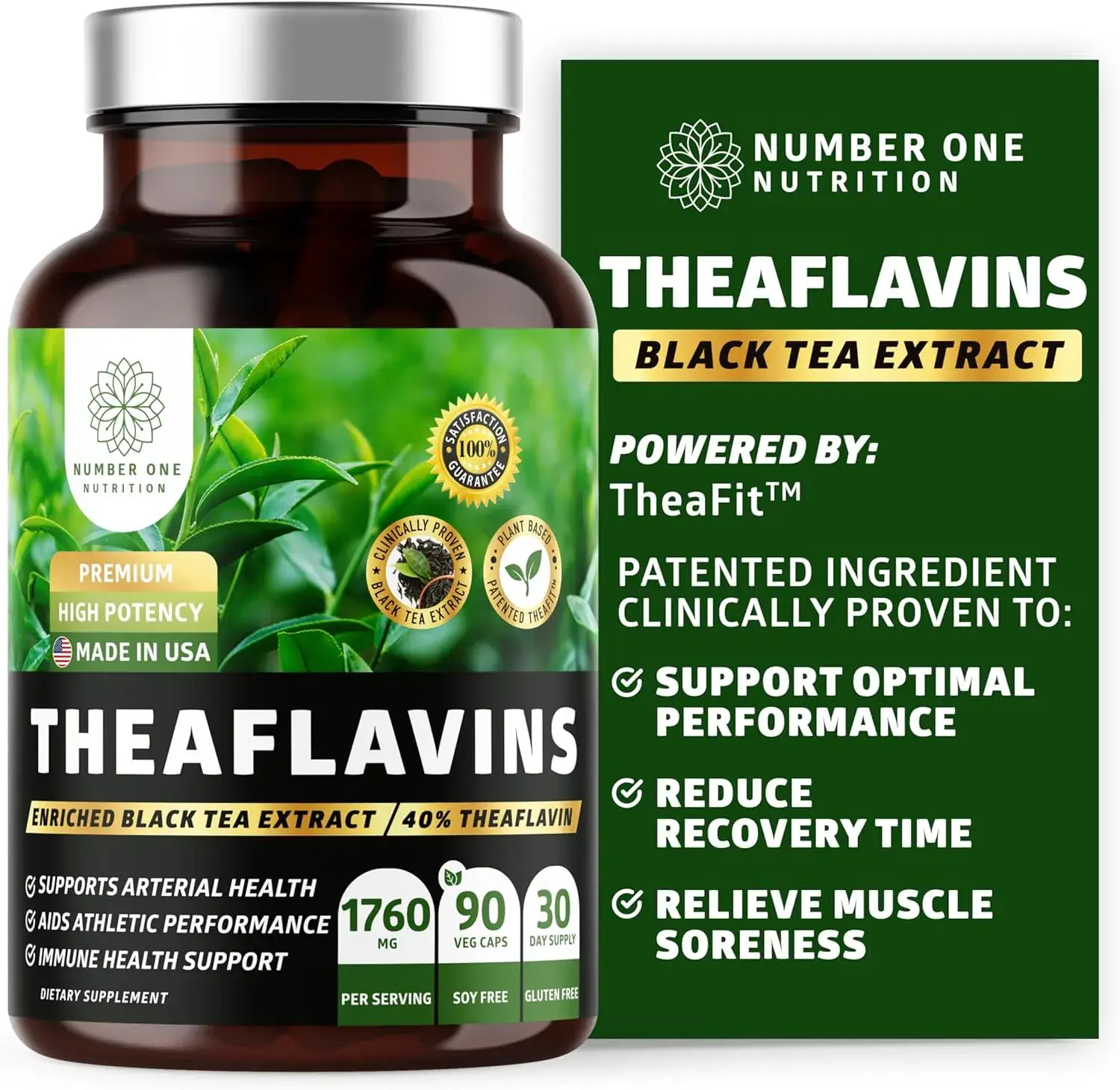
Black Tea Extract that is rich in natural theaflavins and polyphenols that help protect your body from free radicals, promoting overall immune health and well-being
Contains blended amounts of Fruits and Veggies. All natural, with whole foods, fruit and vegetable supplement.Perfect for everyone looking to live a healthier lifestyle.